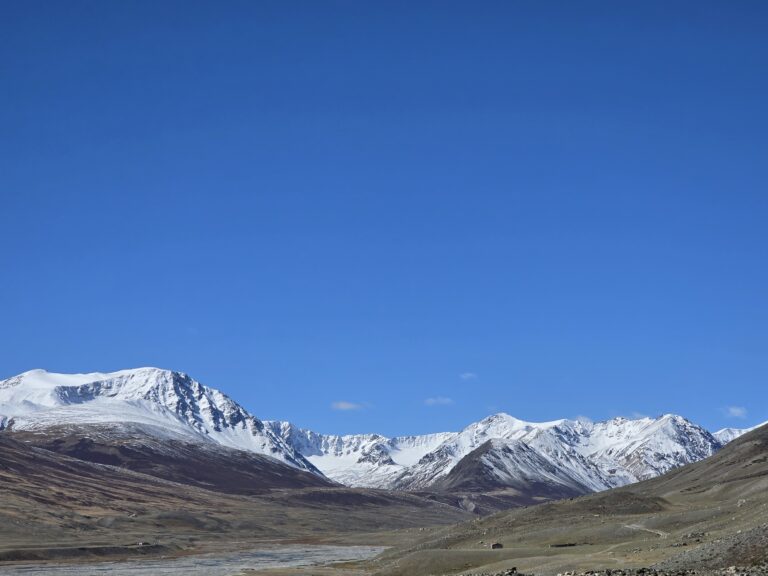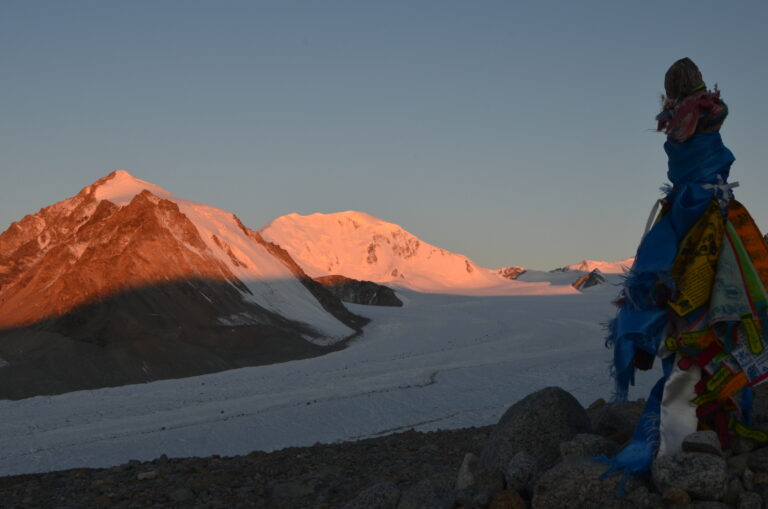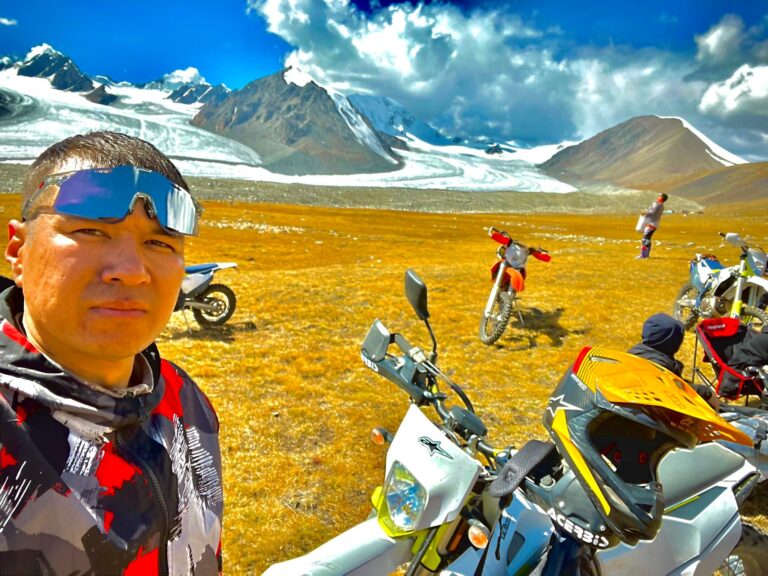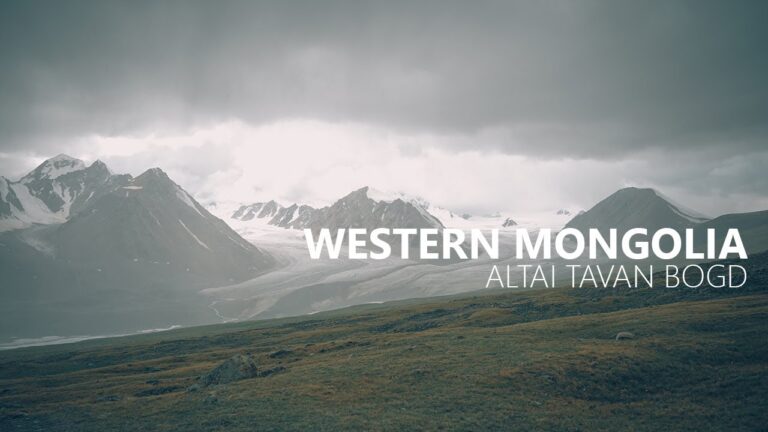
ALTAI TAVAN BOGD TOUR IN 5 DAYS
|

Self-Guided vs Guided Trekking in Mongolia: Which One Actually Fits Your Trip?

For roughly 90% of international hikers, a fully-guided Mongolia trekking tour is the right format — the supported 11-day package costs around $2,100–$2,400 and removes the four genuinely difficult parts of trekking the Altai: pulling the border-zone permit, food and camp logistics, route-finding on unmarked steppe, and medical evacuation if something goes wrong. Self-guided trekking…

How Hard Is the Altai Tavan Bogd Trek? Fitness, Altitude, and an Honest Reality Check
|

How Hard Is the Altai Tavan Bogd Trek? Fitness, Altitude, and an Honest Reality Check

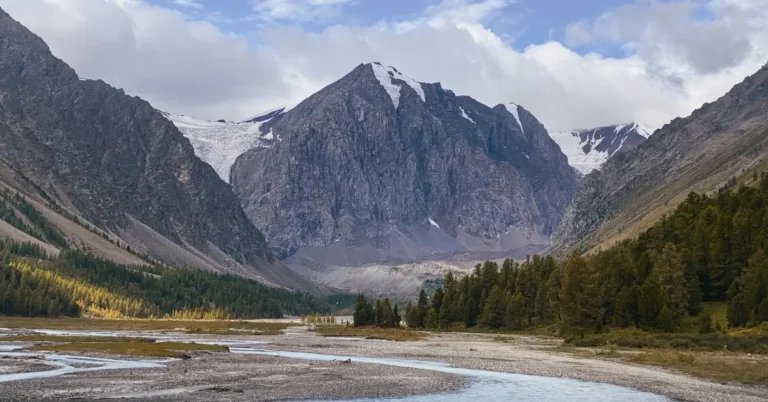
The standard 11-day Altai Tavan Bogd trek is graded “moderate” by Mongolian operators and by international trekking standards. You will hike 6–8 hours per day across a mix of grass meadows, rocky moraines and snow patches, gaining and losing 400–700 m of elevation each day, with the highest pass topping out around 3,200 m. There…

ALTAI TAVAN BOGD TOUR IN 5 DAYS
|

Mongolia Trekking Tour Cost in 2026: What You’ll Actually Pay (and What’s Included)

A guided 11-day Mongolia trekking tour in the Altai Tavan Bogd costs $2,100–$2,400 per person in 2026 when booked through a licensed local operator. That price includes the trekking permit, border-zone permit, national-park entry, guide-leader, support staff (cook + horseman), pack horses for luggage, all camp gear, and full meals on the trail. Self-guided trekking…

gobi motorcycle
|

Self-Guided vs Guided Motorcycle Tour in Mongolia: Which One Actually Fits Your Ride?

For roughly 85% of international riders, a fully-guided Mongolia motorcycle tour is the right format — the supported package costs around $3,400–$4,200 for 10 days and removes the four genuinely difficult parts of riding the Altai: border-zone permits, fuel logistics, mechanical recovery and route-finding on unmarked steppe. Self-guided rentals at $1,500–$2,800 are appropriate only for…

motorcycle must haves
|

Mongolia Motorcycle Packing List 2026: What You Actually Need for the Altai

A 10-day Mongolia motorcycle tour packing list comes down to five layers of gear: serious riding kit (full helmet, armoured adventure jacket and pants, gauntlet gloves, mid-height boots), modular clothing for 30 °C daytime to 0 °C night swings, a compact tool and spare-parts roll, a 30–50 L soft luggage system, and a lean documents-electronics-medical…

Mongolia Motorcycle Tour Cost in 2026: What You’ll Actually Pay (and What’s Included)
|

Mongolia Motorcycle Tour Cost in 2026: What You’ll Actually Pay (and What’s Included)

A guided 10-day Mongolia motorcycle tour costs around $3,600 per person in 2026 when booked through a licensed local operator. That price typically includes the bike, fuel, guide-leader, support 4×4 vehicle, accommodation in gers and small camps, all main meals, and the eagle-hunter family visit and national-park entry permits. Self-guided rentals run roughly $80–$180 per…

Altai tavan bogd
|

Ulgii to Altai Tavan Bogd by Motorbike: Real Road Conditions, Fuel Stops and Timing for the 2026 Season

The motorbike route from Ölgii to Altai Tavan Bogd National Park runs roughly 180 km one-way along the southern corridor through Sagsai, Tsengel and the Dayan–Khurgan–Khoton lake basin to the park’s southern entry. Only the first 27 km out of Ölgii is paved; the remainder is hard-packed gravel, riverbed track and short sand sections, with…

The Altai Mountains and Their Heritage
|

Kazakh Wedding Traditions: The Customs That Still Shape Altai Marriages

A Kazakh wedding in Mongolia’s Altai is not a single event but a sequence of ceremonies stretching over months. It moves through matchmaking between two families, the kyz uzatu — the bride’s send-off party hosted by her own parents — and the betashar, the unveiling of the bride at the groom’s home, where a singer…

Altai Mountains Nomadic Life_ Eagles, Horses, and the Spirit of Tradition
|

Kazakh Dombra Music: The Two-String Sound of the Altai Steppe

The dombra is the central instrument of Kazakh folk music — a long-necked, two-string plucked lute that accompanies songs, carries solo instrumental pieces called kuy, and backs the improvised poetry duels known as aitys. In Mongolia’s Bayan-Ölgii Province, the Kazakh community keeps this living tradition alive in family gers, at celebrations, and at festivals. UNESCO…

Why the Altai Mountains Nomadic Life Matters Today
|

Naadam in Bayan-Ölgii: How Western Mongolia’s Kazakh Province Celebrates the July Festival

Naadam is Mongolia’s national festival of “the three games of men” — wrestling, horse racing, and archery — held nationally from 11 to 13 July. Bayan-Ölgii Province, Mongolia’s Kazakh-majority region in the far west, holds its own provincial Naadam in July, smaller and more local than the famous Ulaanbaatar event. In Bayan-Ölgii the festival blends…

visit kazakh family in mongolia
|

Kazakh Food in Mongolia: A Traveller’s Guide to Altai Steppe Cuisine

Kazakh food in Mongolia’s Altai region is built on meat and dairy from four animals — horses, camels, cows, and sheep, known collectively as the tört tülik mal. The national dish is beshbarmak: boiled horse or mutton served over wide flat noodles. Other staples include kazy (horse-meat sausage), baursak (fried dough balls), qurt (dried salted…

The Altai Mountains in Winter
|

Water Sources on the Altai Tavan Bogd Trek: Where to Find It and How to Treat It

On the Altai Tavan Bogd trek, your drinking water comes from glacier-fed rivers, alpine springs, and mountain streams — all of which must be treated before drinking. Glacial meltwater is cold and abundant but often cloudy with suspended “rock flour” (finely ground rock), which is harmless to drink but should be left to settle before…

The Beauty of the Altai Mountains Altai Tavan Bogd
|

Altai Mountains Geology: How One of Asia’s Great Ranges Was Built

The Altai Mountains are a 2,525 km mountain system stretching northwest to southeast across Russia, China, Mongolia, and Kazakhstan. Geologically, the range is built from granite and metamorphic schist bedrock, cut by major active fault zones, and shaped by ongoing tectonic forces — the Siberian Altai is the northernmost region still affected by the slow-motion…

The Altai Mountains and Their Heritage
|

Altai Petroglyphs: Mongolia’s 12,000-Year-Old UNESCO Rock Art

The Petroglyphic Complexes of the Mongolian Altai are a UNESCO World Heritage Site inscribed in 2011, located in Bayan-Ölgii Province in far western Mongolia. The rock art spans roughly 12,000 years of human history — the oldest images date to around 11,000 BCE and depict animals long vanished from the region including mammoths, rhinoceros, and…

Meeting Nomadic Families in the Altai Mountains
|

Kazakh vs Mongol Nomads in the Altai: How Two Nomadic Cultures Share the Same Mountains

Kazakh and Mongol nomads share the Altai Mountains of western Mongolia but come from two distinct cultures with different languages, religions, and traditions. Kazakhs speak a Turkic language and are predominantly Sunni Muslim; Mongols speak a Mongolic language and follow Tibetan Buddhism with Tengrist shamanic roots. Kazakhs live in canvas-covered yurts while Mongols live in…

The Altai Mountains and Their Heritage
|

Altai Tavan Bogd Packing List 2026: What to Bring for the July-August Trek

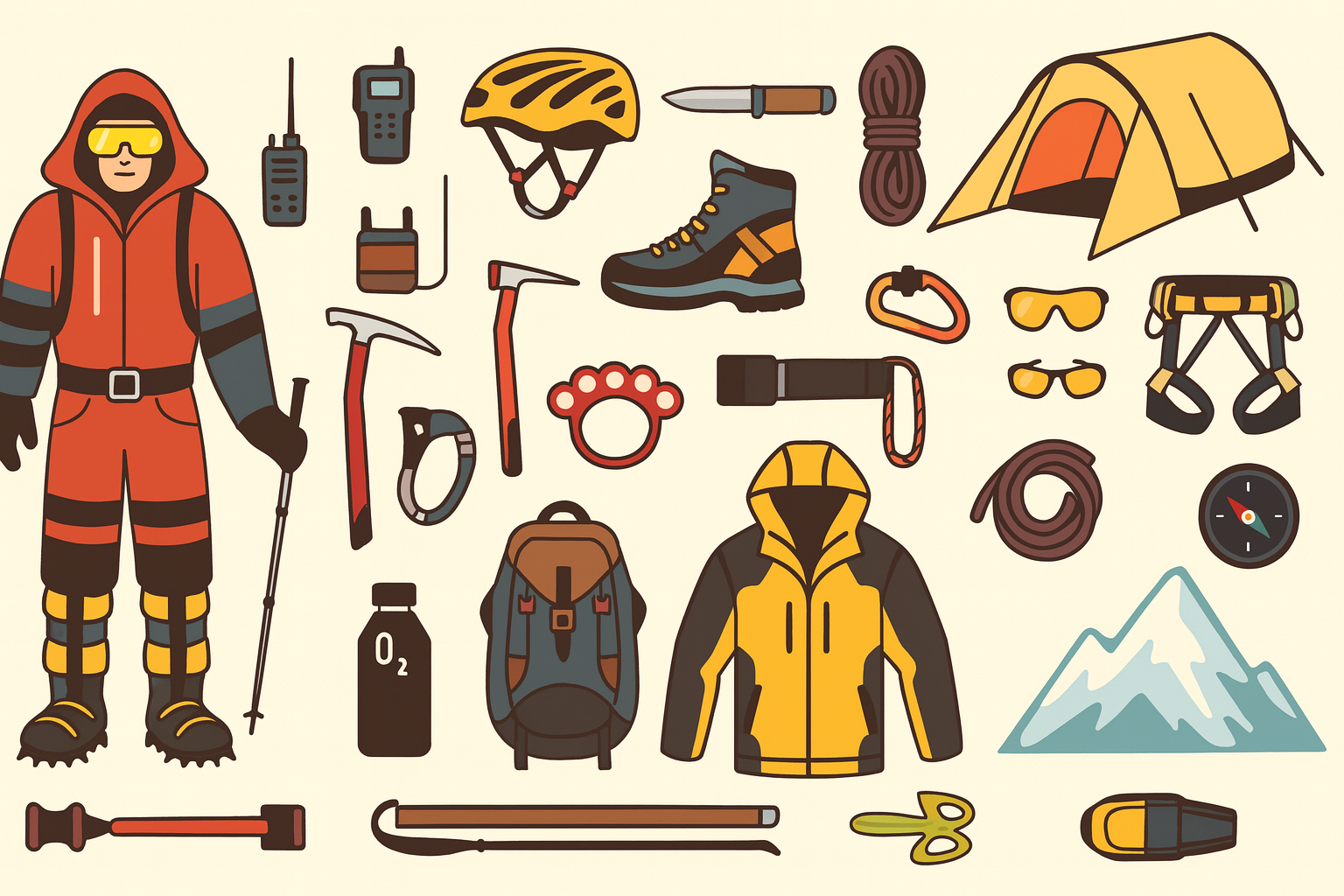
For a July-August trek into Altai Tavan Bogd National Park, you need three-season hiking gear rated to handle altitudes between 1,710m (Ölgii city) and 4,374m (Khuiten Peak summit). Day temperatures range from 15-25°C at lower elevations down to near freezing at the Potanin Glacier base camp (~3,000m). Bring broken-in B1 hiking boots, gaiters, a 30L…

Snow Leopard Photography Gear Guide: What You Actually Need for the Altai
|

Snow Leopard Photography Gear Guide: What You Actually Need for the Altai

To photograph snow leopards in the Mongolia Altai, you need a weather-sealed camera body, a telephoto lens of at least 400mm (600mm preferred), a sturdy tripod, and four or more spare batteries because lithium-ion cells lose 30 to 50 percent of their capacity at the -20°C to -35°C Altai winter temperatures. Snow leopards are typically…

Altai Argali, Ibex and Snow Leopard: The Prey-Predator Chain That Holds the Mountain Ecosystem Together
|

Altai Argali, Ibex and Snow Leopard: The Prey-Predator Chain That Holds the Mountain Ecosystem Together

The Altai Mountains snow leopard population depends entirely on a small set of prey species: Altai argali (the world’s largest wild sheep, IUCN Near Threatened), Siberian ibex (a high-altitude wild goat, IUCN Near Threatened), and marmots, pikas, and hares for smaller meals. When argali or ibex populations decline, snow leopards disappear from that valley within…

Best Months to See Snow Leopards in the Altai: A Seasonal Guide for 2026
|

Best Months to See Snow Leopards in the Altai: A Seasonal Guide for 2026

The best months to see snow leopards in Mongolia’s Altai Mountains are February through early April. Three biological factors converge in this window: snow leopards descend from their summer altitude of 2,700-6,000m down to 1,200-2,000m where humans can actually reach them; mating season triggers more daylight movement, vocalisation, and territorial marking; and the snow makes…

Why the Golden Eagle Festival Matters
|

Eagle Festival Packing List 2026: What to Wear in Olgii’s October Cold

The Mongolia Eagle Festival in Bayan-Ölgii runs in late September and early October at elevation 1,710 metres, where October average temperatures are 7.9°C high and −4.3°C low. You need warm layered clothing rated for near-freezing mornings and windy steppe afternoons: a windproof shell, fleece mid-layers, thermal base layers, insulated boots, gloves, hat, and SPF50 sunscreen…

The Golden Eagle Festival
|

Sagsai vs Golden Eagle Festival 2026: Which Mongolia Eagle Festival Should You Attend?

Mongolia hosts two distinct Kazakh eagle festivals each autumn in Bayan-Ölgii Province, the country’s western Kazakh-majority region. The Sagsai Golden Eagle Festival runs in mid-September with around 40 hunters in the Sagsai district — smaller and more intimate. The Ulgii Golden Eagle Festival runs in early October in Ölgii city with around 70 hunters —…

The Female Eagle Hunter’s Journey
|

Burkitchi Apprenticeship: How a Kazakh Boy or Girl Becomes an Eagle Hunter

Becoming a Kazakh burkitchi (eagle hunter) is a years-long family apprenticeship, not a course or a profession one applies for. A child grows up beside the father’s eagle on its perch, learns to ride a horse before learning to read, and gradually takes on more of the daily care of the bird until they are…

Why Visit the Kazakh Eagle Hunters
|

Falconry in Mongolia: Beyond the Golden Eagle

When most travellers think of falconry in Mongolia, they think of the golden eagle on a Kazakh hunter’s glove in the Altai. That image is real, but it is one species inside a much wider Central Asian falconry tradition. Mongolia is home to the saker falcon, declared the country’s national bird in 2012 and listed…

Daily Life of Eagle Hunter Families eagle hunters
|

The Eagle Release Ritual: Why Kazakh Hunters Set Their Golden Eagles Free

After years of hunting partnership in the Altai Mountains, a Kazakh berkutchi (eagle hunter) traditionally releases his trained female golden eagle back to the wild. The release is not retirement — it is a deliberate act. The eagle is returned to the cliffs while still young enough to breed, blending spiritual respect for her freedom…

The Horse Trekking Culture of Western Mongolia
|

What Do Mongolian Horses Eat? Diet, Foraging, and Why They Thrive on Pasture Alone

Mongolian horses live on natural pasture year-round — grasses, sedges, wild herbs, and shrubs in summer, and dry standing forage with occasional supplementary hay in winter. Unlike Western horse breeds, they receive no grain, no concentrated feed, and almost no veterinary care. They are turned out year-round in semi-wild herds and find their own food…

Why the Altai Mountains Are the Perfect Horseback Destination
|

Mongolian Horse Gaits: The Walk, Trot, Jorlogh, and Gallop Explained

Mongolian horses use four main gaits: the walk (slow four-beat ground-cover gait), the trot (two-beat diagonal pairs, used briefly), the jorlogh (a smooth four-beat amble unique to certain steppe-horse bloodlines, prized by herders for long-distance comfort), and the gallop (four-beat asymmetric high-speed gait, used for racing and short bursts). The jorlogh is the gait that…

mountaineering gear
|

Mountain Rescue in Mongolia: How It Works, Emergency Contacts, and Why You Need Insurance

Mountain rescue in Mongolia is limited and self-organised. There is no national equivalent of the Swiss Air-Glaciers, French PGHM, or US National Park Service search-and-rescue service — instead, response is coordinated through the Mongolian Border Service, local provincial emergency teams (NEMA), and the climber’s own licensed tour operator. Helicopter evacuation from the Altai is rare…

Khüiten Peak Climbing Season: Best Months, Weather Windows, and Why Most Climbs Happen in July–August
|

Khüiten Peak Climbing Season: Best Months, Weather Windows, and Why Most Climbs Happen in July–August

The Khüiten Peak climbing season runs from late June to mid-September, with July and August as the prime climbing months. Mongolia’s highest summit (4,374 m) sits in the western Altai on the Mongolia–Russia–China tri-border, where summer is short and dry; outside this window, the high passes block with snow, the Potanin Glacier becomes unstable, and…

The Beauty of the Altai Mountains Altai Tavan Bogd
|

Altai Tavan Bogd Trekking Routes: Khoton Lakes, Potanin Glacier, and the Khüiten Climb

There are three established trekking routes through Altai Tavan Bogd National Park: the Khoton & Khurgan Lakes loop (50–70 km, 4–6 days, moderate), the Potanin Glacier trek (80–110 km, 6–8 days, strenuous), and the full Mount Khüiten summit ascent (90–120 km, 8–10 days, technical). All three start near the village of Tsengel and route through…

The Beauty of the Altai Mountains Altai Tavan Bogd
|

Mongolia Trekking Permits: What You Need, Where, and How to Get Them

Trekking in Mongolia’s Altai Tavan Bogd National Park requires two permits: a national park entry permit (paid at the park gate) and a border-zone permit (free but obtainable only through a licensed Mongolian tour operator at least 30 days in advance). The park itself was established in 1996, covers 6,362 km² of glaciated peaks and…

snow leopard
|

Snow Leopard Conservation in Mongolia: Programs, Protection and How to Help

Snow leopard conservation in Mongolia centres on protecting the country’s estimated 953 cats — the world’s second-largest population — through a combination of national protected areas, community-based herder programmes, anti-poaching enforcement, and international partnerships under the Global Snow Leopard and Ecosystem Protection Programme (GSLEP). The species is listed as Vulnerable on the IUCN Red List,…

Snow Leopard Sighting in Mongolia: Where, When and How to See the Mountain Ghost
|

Snow Leopard Sighting in Mongolia: Where, When and How to See the Mountain Ghost

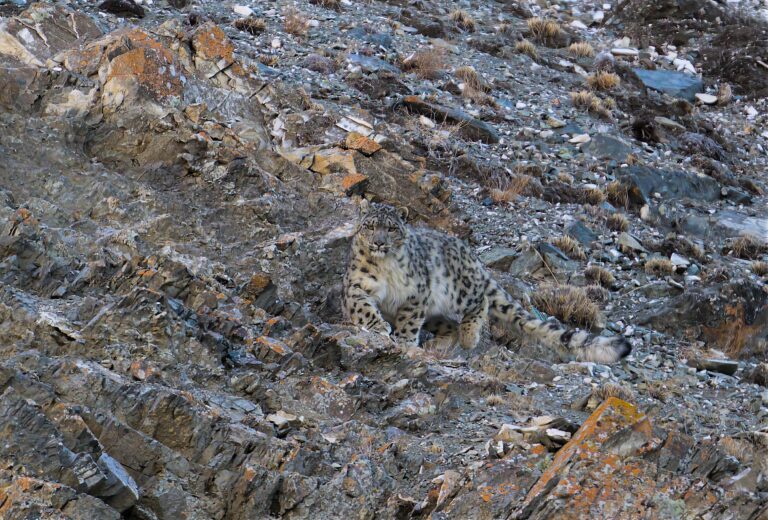
A snow leopard sighting in Mongolia is most likely in the Altai Mountains of Bayan-Ölgii or the Tost-Tosonbumba reserve of South Gobi, on multi-day winter expeditions led by trained local trackers. Mongolia holds roughly 950–1,000 snow leopards — the world’s second-largest population — but the cats are solitary, nocturnal, and exquisitely camouflaged, so even a…

Altai Mountains Nomadic Life_ Eagles, Horses, and the Spirit of Tradition
|

The Sacred Role of Golden Eagles in Kazakh Nomadic Spirituality

In Kazakh nomadic culture of Mongolia’s Altai Mountains, the golden eagle is far more than a hunting bird. She is a sacred partner, rooted in the ancient sky-god religion of Tengrism, whose practitioners viewed eagles as messengers between the upper, middle, and lower worlds. A Kazakh berkutchi (eagle hunter) trains a wild-caught female golden eagle…

Eagle Hunters of the Altai Mountains
|

Winter Eagle Hunting in Mongolia: Where to See It and Why It Survives

Winter eagle hunting in Mongolia is a centuries-old Kazakh tradition practised between October and April in the Altai Mountains of Bayan-Ölgii Province, where temperatures drop to -27 °C (-17 °F) in January. Hunters known as berkutchi fly female Berkut eagles (Aquila chrysaetos daphanea) at red foxes, corsac foxes, and hares across the snow. The tradition…

Eagles_ The Sky Hunters of the Altai eagle hunters Golden eagle festival Kazakh eagle festival
|

Golden Eagle Nest (Eyrie): Where, How & Why They Build Where They Do

A golden eagle nest — properly called an eyrie — is a large platform of sticks and softer lining material built almost exclusively on cliff faces or tall trees. A first-year eyrie measures roughly 5–6 feet (1.5–1.8 m) wide and 2 feet (60 cm) deep, but because the resident pair adds fresh material every breeding…

mongolia food

mongolia food

Mongolia Food – A Complete Guide to Traditional Mongolian Cuisine If you’re planning a trip to Central Asia, discovering Mongolia food is an essential part of the journey. Mongolian cuisine reflects the country’s nomadic lifestyle, harsh climate, and deep-rooted traditions. Simple, hearty, and rich in flavor, Mongolian food offers a truly unique culinary experience that…

Bike Extreme Travel

Bike Extreme Travel

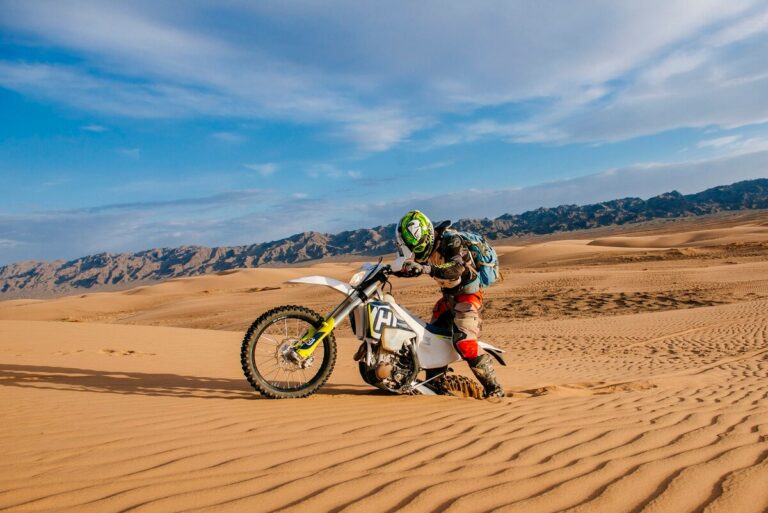
Bike Extreme Travel: The Ultimate Adventure Guide for Thrill Seekers – If you’re looking for an unforgettable adventure that combines adrenaline, nature, and freedom, bike extreme travel is one of the most exciting ways to explore the world. From rugged mountain trails to vast deserts like Mongolia’s Altai region, extreme bike travel offers a unique…

mongolian nature

mongolian nature

Mongolian Nature : Discover One of the Last Untouched Landscapes on Earth Why Mongolian Nature Is Truly Unique Mongolian nature is unlike anywhere else in the world. With vast open spaces, low population density, and minimal industrial development, Mongolia offers one of the most untouched natural environments on the planet. From endless grasslands to rugged…

Mongolia group tours

Mongolia group tours

Mongolia Group Tours : The Best Way to Explore Mongolia Together Why Choose Mongolia Group Tours? Traveling across Mongolia can be challenging due to its vast landscapes and remote locations. That’s why Mongolia group tours are one of the most practical and rewarding ways to explore the country. Group tours offer a well-organized and social…

mongolian travel agency

mongolian travel agency

Mongolian Travel Agency : How to Choose the Right Partner for Your Mongolia Adventure Why You Need a Mongolian Travel Agency Planning a trip to Mongolia is very different from traveling to other countries. With vast landscapes, remote regions, and limited infrastructure, working with a reliable Mongolian travel agency is essential for a smooth and…

mongolian travel company

mongolian travel company

Mongolian Travel Company : Your Ultimate Guide to Exploring Mongolia Why Choose a Mongolian Travel Company for Your Journey? When planning a trip to Mongolia, choosing the right Mongolian travel company can significantly impact your experience. Mongolia is a vast country with remote landscapes, unique traditions, and limited infrastructure in rural areas. This makes local…

the Eagle Hunters of Western Mongolia

Kazakh Eagle Hunters of Western Mongolia: Traditions, Family Life & Modern Challenges

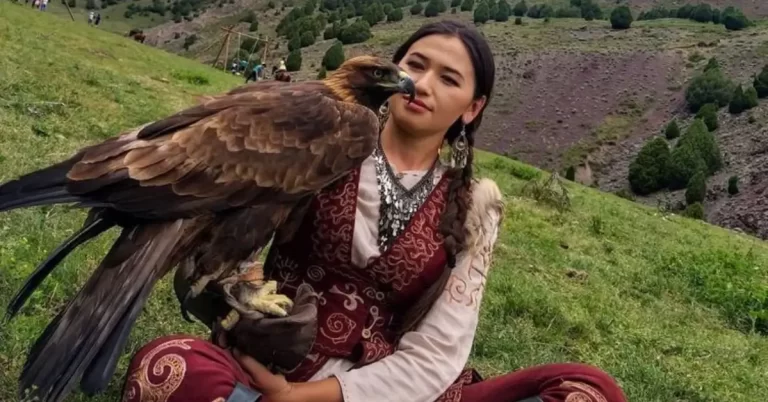
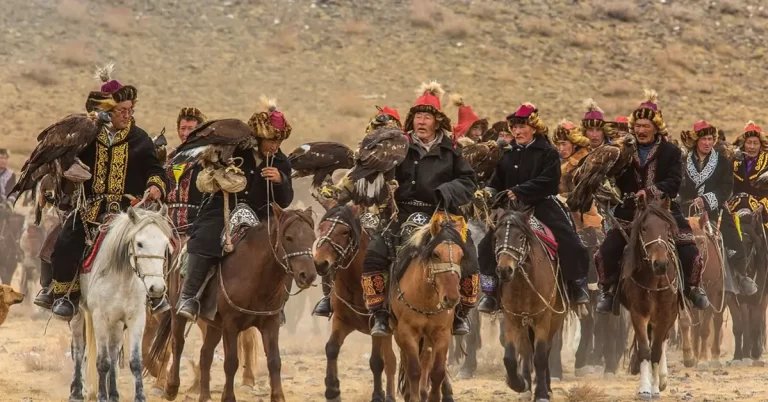
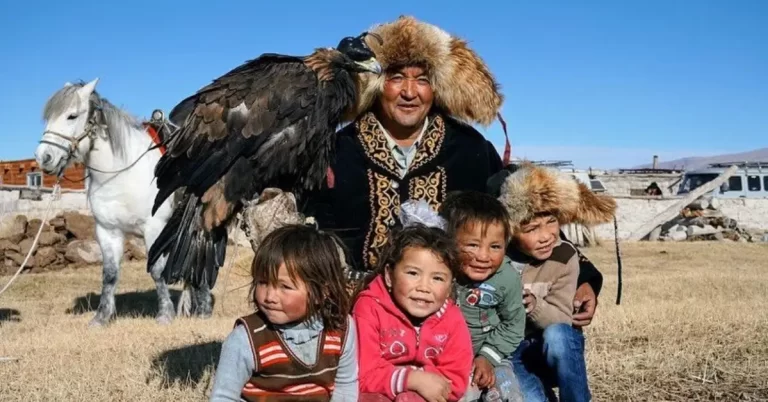
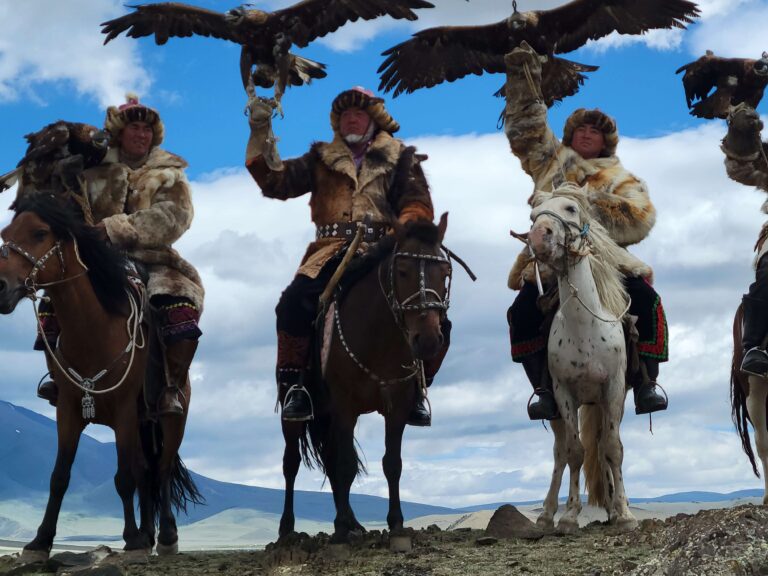
The Eagle Hunters of Western Mongolia represent one of the world’s last surviving nomadic falconry cultures. Practiced by ethnic Kazakhs for centuries in the Altai Mountains, this tradition blends survival skills, spiritual beliefs, and deep kinship between humans and golden eagles. Today, eagle hunting remains an iconic symbol of Mongolian Kazakh identity—yet it is also…

Support Eagle Hunting

Support Eagle Hunting: How Tourism Preserves Ancient Nomadic Traditions

Tourism plays a vital role in preserving heritage, and nowhere is this more evident than in the Altai mountains of Mongolia. When travelers choose to support eagle hunting, they help protect one of the world’s most unique cultural traditions. This isn’t just about witnessing a spectacle—it’s about ensuring the survival of the eagle hunters, the…

Tourism and Female Eagle Hunters Top Tours for Eagle Hunting
|

Top Tours for Eagle Hunting and Horse Trekking in Mongolia – Practical Guide for Travelers

Travelers searching for Top Tours for Eagle Hunting often dream of experiencing the raw beauty of the Altai Mountains, horse trekking trails, and the timeless bond between nomads and their golden eagles. This guide highlights the most authentic tours, offering a complete immersion into the nomadic life in Altai mountains. Top Tours for Eagle Hunting…

A Day in the Life of an Eagle Hunter on Horseback

Eagle Hunter on Horseback in the Altai Mountains: A Day of Nomadic Life & Tradition

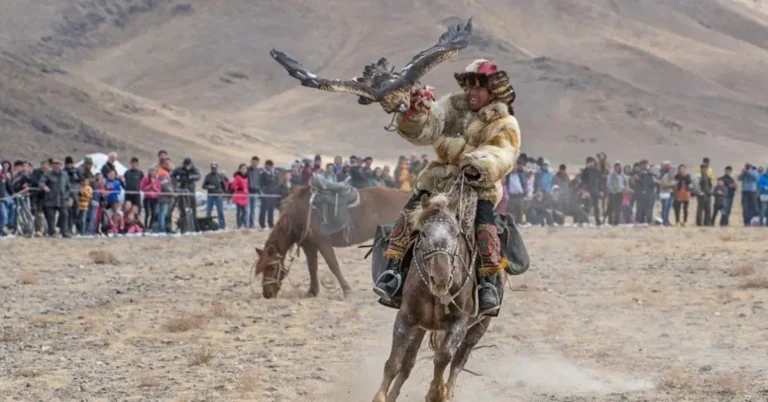
A Day in the Life of an Eagle Hunter on Horseback When you hear the phrase Eagle Hunter on Horseback, you step into a world where tradition, courage, and nature merge into one. In the remote Altai Mountains, Kazakh nomads keep alive the ancient art of hunting with eagles, a practice that connects humans, horses,…

The Partnership Between Eagles and Horses

10 Reasons Why Horse Trekking with Eagle Hunters in the Altai Mountains Is a Journey of a Lifetime

Travelers seeking authentic nomadic experiences often dream of exploring Mongolia’s wild west. One of the most unique ways to do this is through horse trekking with eagle hunters in the Altai mountains. This adventure combines two iconic traditions of the region: the centuries-old practice of hunting with eagles and the essential nomadic way of traveling…

Altai Mountains Nomadic Life_ Eagles, Horses, and the Spirit of Tradition

Altai Mountains Nomadic Life: Eagles, Horses, and the Spirit of Tradition

The Altai mountains nomadic life is a rare living tradition that connects people, animals, and nature in perfect harmony. Tucked away in the rugged landscapes of western Mongolia, the Altai are home to Kazakh nomads who continue to practice ancient customs where horses and golden eagles define survival, identity, and pride. These traditions are more…

Winter Horse Trekking in Altai_ A Unique Challenge Mongolia winter tour
|

Winter Horse Trekking in Altai: A Unique Challenge

Winter Horse Trekking in Altai: When travelers think of Mongolia, they often imagine wide open steppes, golden grasslands, and endless blue skies. But there is another side to this vast land that only a few adventurous souls experience: winter horse trekking. Nowhere is this more captivating than in the Altai Mountains, where riding through snow-covered…

Essential Gear for Horse Trekking in Mongolia – What to Pack
|

Essential Gear for Horse Trekking in Mongolia – What to Pack

Horse Trekking in Mongolia is more than just an outdoor adventure—it’s a cultural immersion into the world of nomadic herders, vast grasslands, and the breathtaking beauty of the Altai mountains. Whether you are exploring the dramatic landscapes of Altai Tavan Bogd National Park or riding through the rolling steppes, being well-prepared with the right gear…

Nomadic Life on Horseback_ Staying with Local Families in the Altai Mountains Mongolian Nomadic Life Tour
|

Nomadic Life on Horseback: Staying with Local Families in the Altai Mountains

When travelers picture Mongolia, one of the first images that comes to mind is a nomadic life on horseback across endless steppe on a small but powerful horse. For centuries, horses have been central to nomadic life in this vast land, shaping culture, travel, and even survival. Nowhere is this more vividly experienced than in…

End of content

End of content