
Mongolian horses use four main gaits: the walk (slow four-beat ground-cover gait), the trot (two-beat diagonal pairs, used briefly), the jorlogh (a smooth four-beat amble unique to certain steppe-horse bloodlines, prized by herders for long-distance comfort), and the gallop (four-beat asymmetric high-speed gait, used for racing and short bursts). The jorlogh is the gait that distinguishes Mongolian horses from most Western breeds — it lets a rider cover 40–60 km in a day without fatigue, which is why Mongol cavalry historically maintained empire-spanning communication routes by horse. Not every Mongolian horse can jorlogh; the trait is genetic and herders selectively breed for it.
Key Takeaways
- Four core gaits: walk, trot, jorlogh (amble), gallop
- The jorlogh is the standout gait — smooth four-beat amble unique to gaited bloodlines
- A jorlogh-capable horse covers 40–60 km/day with rider comfort
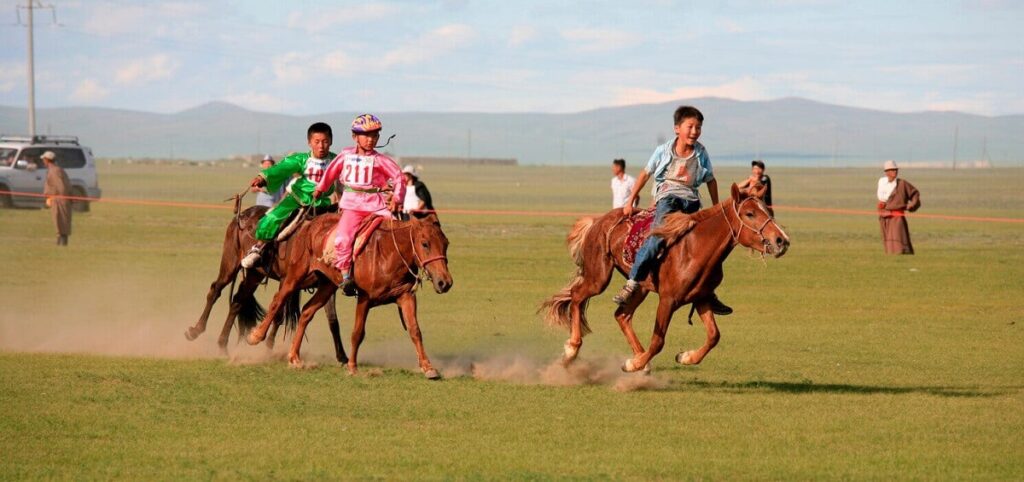
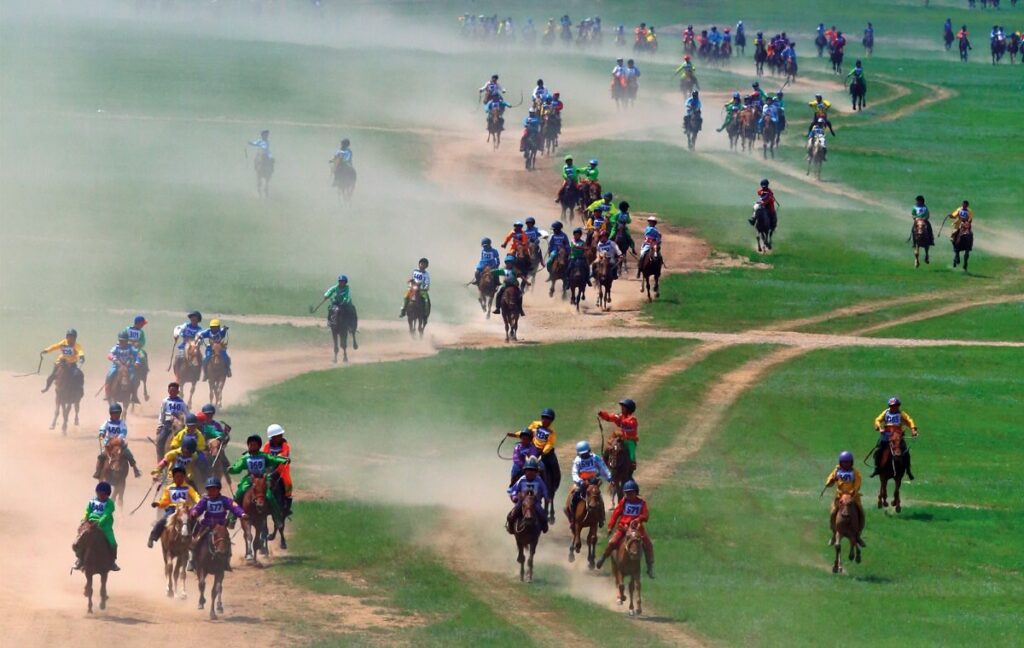
- Mongolian race horses (Naadam) gallop at 35-40 km/h over 15-30 km courses
- Trot is rarely used — most herders skip it entirely if their horse jorloghs
- The gait is genetically linked to the DMRT3 “gaitedness” gene found in Icelandic, Paso Fino, and several Mongolian horses
The Four Mongolian Horse Gaits
A horse gait is the sequence in which the legs strike the ground. The four gaits used in Mongolian horsemanship:
| Gait | Beat pattern | Speed | When used |
|---|---|---|---|
| Walk (yavah) | 4-beat lateral | 5–7 km/h | Loading, narrow trails, climbing |
| Trot (shogshim) | 2-beat diagonal | 12–15 km/h | Rarely used; bumpy and tiring |
| Jorlogh (амбылж/амбал) | 4-beat lateral amble | 14–22 km/h | Long-distance riding, daily transport |
| Gallop (давхих) | 4-beat asymmetric | 35–55 km/h | Racing, short pursuit, herding emergencies |
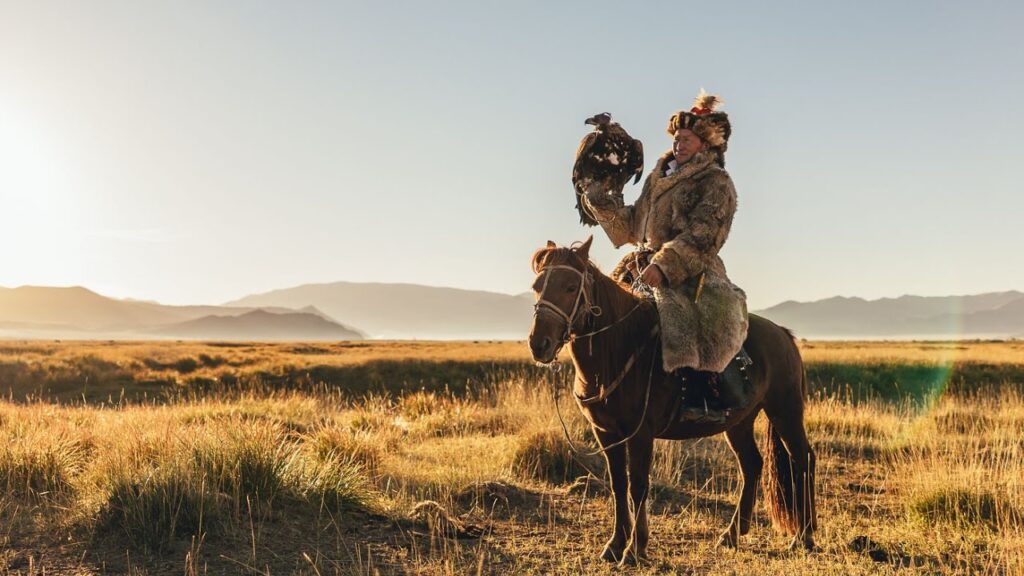
The jorlogh and gallop dominate working life on the steppe. Most herders ride at jorlogh for hours each day; gallop is reserved for chasing strays, racing at Naadam, or the eagle hunter’s pursuit of fox across snow.
The Jorlogh — The Smooth Four-Beat Amble
The jorlogh is what distinguishes Mongolian horses from most Western European breeds. It is a four-beat lateral amble — meaning each foot strikes the ground separately rather than in pairs (as in the trot or canter), and the legs on the same side move together rather than diagonally.
The result: the rider experiences no vertical bounce. Western riders meeting the jorlogh for the first time often describe it as “like sitting on a bicycle” — the horse moves under them at 18 km/h with the rider’s torso essentially still. Compare this to a Western trot at 12 km/h, where the rider must “post” (rise and fall in the saddle) to absorb the diagonal-pair impact.
For long-distance riding, the energy savings are enormous. A herder on a jorlogh-capable horse covers 40–60 km in a day without back fatigue. The same distance on a trotting horse would require posting for 4–5 hours and arrives exhausted.
The jorlogh is not unique to Mongolia — gaited bloodlines exist in the Icelandic horse (tölt), the Peruvian Paso (paso llano), and several other regional breeds — but in Mongolia it is the dominant working gait, not a specialty.
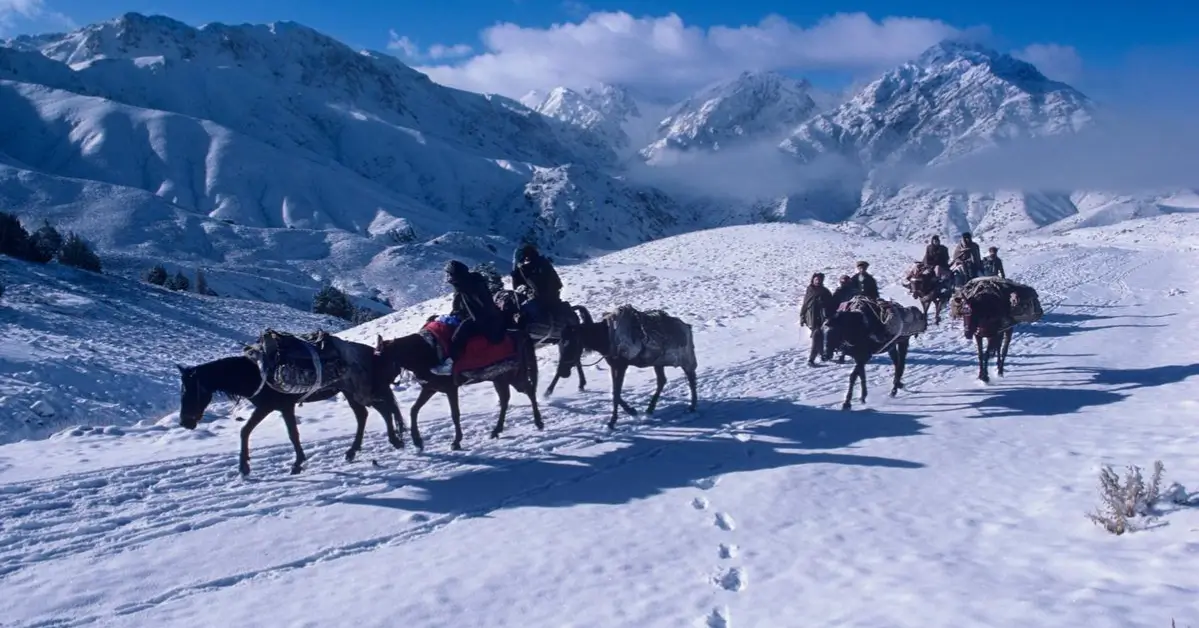
Why the Trot Is Rarely Used
In most Western riding traditions, the trot is the workhorse gait — the speed you cover ground at when you need to make distance without galloping. In Mongolia, the trot is functionally skipped.
The reason is simple: if your horse can jorlogh, the trot is uncomfortable, slower (effectively), and harder on both horse and rider. Mongolian horses are trained from young to transition directly from walk to jorlogh, bypassing trot entirely.
A horse that cannot jorlogh (the trait is genetic; not all individuals carry it) is still functional — it just trots when speed is needed. These horses are typically used for shorter daily distances, packing, or as starter mounts for children. They’re not first-choice for the long migrations of pastoral life.
The Mongol Empire’s Pony Express Advantage
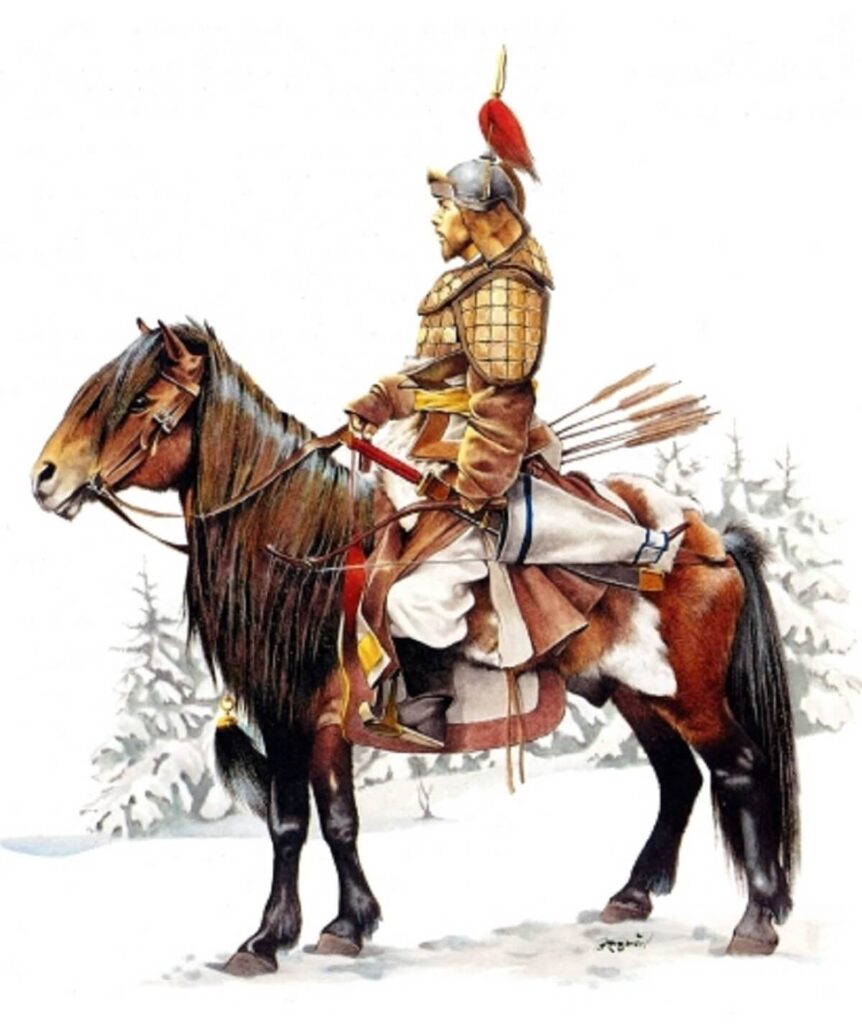
The 13th-century Mongol Empire built and ran the Yam — an imperial postal-relay system spanning 8,000 km from China to Eastern Europe. Riders changed mounts every 25–40 km at way stations and could carry urgent dispatches from Karakorum to the western frontier in roughly 30 days — a speed that astonished European observers when Marco Polo described it.
The Yam worked because of three connected factors: – A vast network of pre-positioned horses (estimated 200,000+ across the empire) – Riders trained from childhood to spend 12+ hours per day in the saddle – The jorlogh gait — a relay rider on a fresh ambling horse could maintain 18–20 km/h for hours on end
Without the jorlogh, the Yam wouldn’t have been physically possible. A rider spending 12 hours posting at a Western trot would be physically broken. A rider spending 12 hours seated comfortably at jorlogh could keep going day after day.
How Herders Test for Jorlogh in Young Horses
A Mongolian herder identifies whether a young horse “has the jorlogh” by riding it for the first time as a 2- or 3-year-old (Mongolian horses are generally not ridden before age 2). The test:
1. The young horse is led at a walk for several minutes 2. The rider gradually asks for more speed 3. If the horse breaks into a smooth amble (no rider bounce) — it jorloghs 4. If the horse breaks into a clear two-beat diagonal trot — it doesn’t
About 50–60% of Mongolian horses naturally jorlogh without any training. The remaining 40–50% trot. Herders historically bred jorlogh stallions to jorlogh mares to concentrate the gene, and selective breeding over centuries has produced regional bloodlines (such as the Galshar and Khalkha horses of central Mongolia) where jorlogh is near-universal.
The trait has been linked to a mutation in the DMRT3 gene, the same gene responsible for the Icelandic tölt. Genetic testing for DMRT3 has been used in Western gaited-horse breeding programs since the early 2010s.
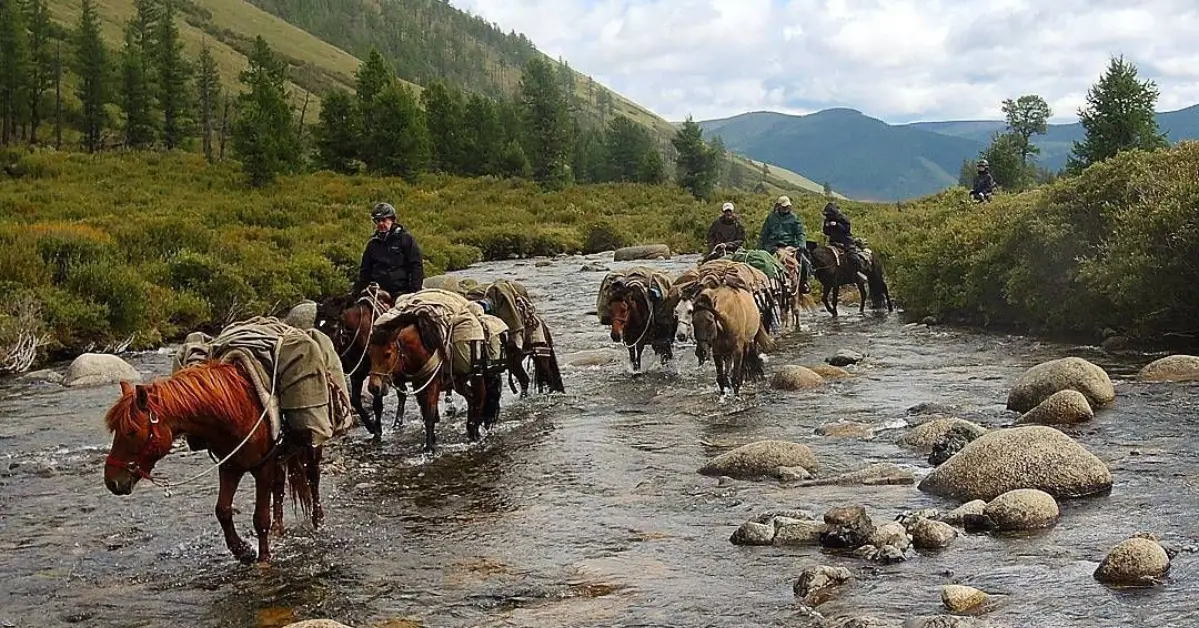
What This Means for Trekking Visitors
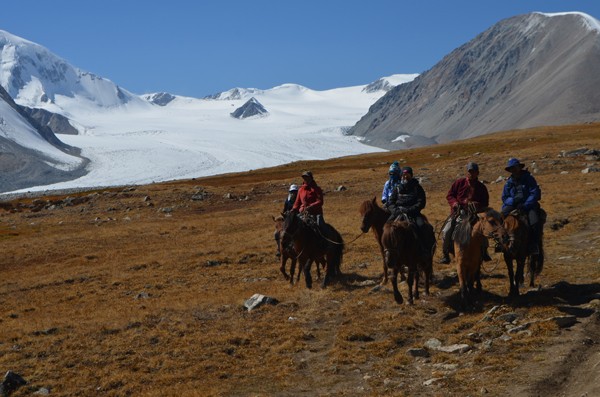
For travellers joining a multi-day horse trek in Mongolia, the gait matters more than most riding-tour brochures explain.
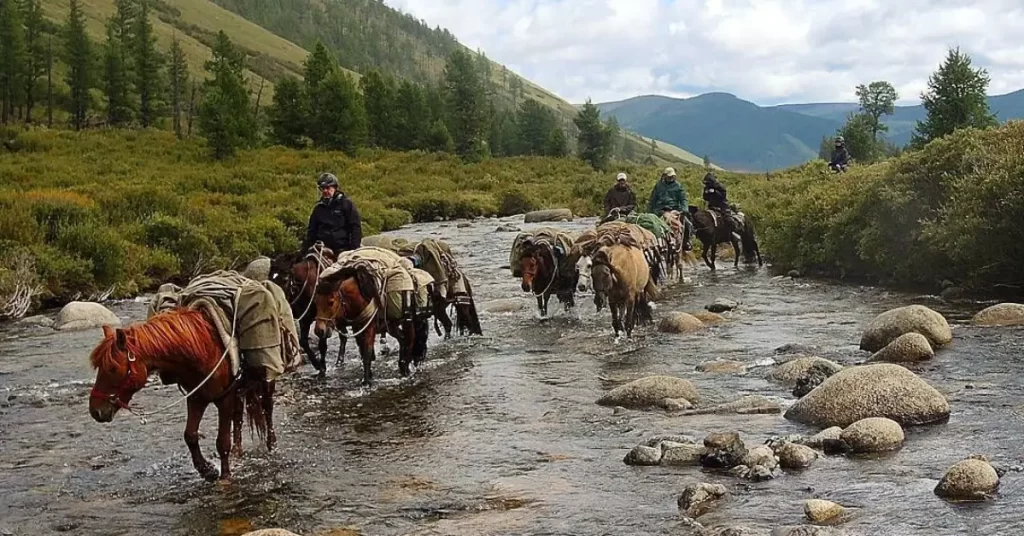
On a jorlogh-capable horse: – You can ride 6–8 hours per day comfortably – Your back, knees, and hips don’t tire from posting – You arrive at camp with energy to explore, photograph, and engage with the herders – You’ll quickly come to prefer the jorlogh to anything you’ve ridden before
On a non-jorlogh (trotting) horse: – You’ll be in the saddle for 6 hours but feel every minute of it – Posting at the trot requires fitness most casual travellers don’t have – You’ll be sore at camp and want to walk afterwards
Reputable Mongolian trekking operators specifically select jorlogh-capable horses for foreign visitors. If you book a multi-day horse trek, ask whether your horse has the jorlogh — the answer should be yes.
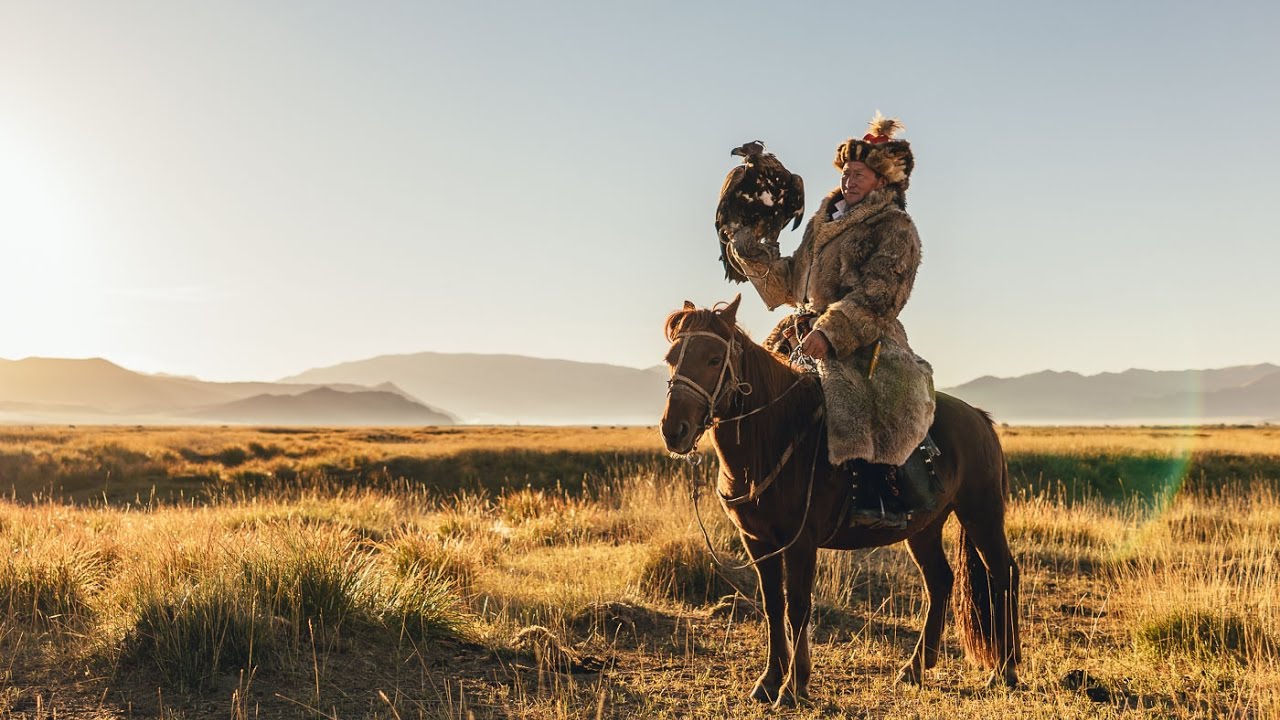
For the full trekking experience our Altai Tavan Bogd 5-day climb, 6-day Best Of trek, and 8-day Mongolia Altai Mountain Tour all use jorlogh-trained horses — the standard, not the exception.
Suggested Tours:
Suggested Blogs:
Kazakh Wedding Traditions: The Customs That Still Shape Altai Marriages
A Kazakh wedding in Mongolia’s Altai is not a single event but a sequence of ceremonies stretching over months. It…Kazakh Dombra Music: The Two-String Sound of the Altai Steppe
The dombra is the central instrument of Kazakh folk music — a long-necked, two-string plucked lute that accompanies songs, carries…Naadam in Bayan-Ölgii: How Western Mongolia’s Kazakh Province Celebrates the July Festival
Naadam is Mongolia’s national festival of “the three games of men” — wrestling, horse racing, and archery — held nationally…

How many gaits do Mongolian horses have?
Mongolian horses use four main gaits: walk, trot, jorlogh (a smooth four-beat amble), and gallop. The jorlogh is the standout — it lets a rider cover 40–60 km in a day without the back fatigue of a trotting horse.
What is a jorlogh?
The jorlogh is a four-beat lateral amble unique to gaited horses. The horse’s legs on the same side move together (rather than diagonally as in a trot), giving the rider a smooth bounce-free ride at 14–22 km/h. About 50–60% of Mongolian horses can jorlogh naturally.
Are Mongolian horses gaited?
Many Mongolian horses are gaited — they can perform the jorlogh, a smooth four-beat amble similar to the Icelandic tölt or the Peruvian Paso llano. The trait is genetic (linked to the DMRT3 gene) and has been selectively bred for over centuries.
How fast can a Mongolian horse run?
Mongolian horses gallop at 35–55 km/h for short bursts. Naadam Festival race horses cover 15–30 km courses at sustained galloping speeds of 35–40 km/h. The jorlogh (used for daily riding) cruises at 14–22 km/h.
Why don’t Mongolian riders use the trot?
When a horse can jorlogh, the trot is unnecessary — the jorlogh is faster, smoother, and less fatiguing for both horse and rider. Mongolian horses are trained from young to transition directly from walk to jorlogh, skipping trot entirely. Only horses that cannot jorlogh (about 40–50%) use the trot for daily work.
Will the horse on my Mongolia tour be comfortable to ride?
Reputable Mongolian trekking operators specifically select jorlogh-capable horses for foreign visitors — a smooth four-beat amble that lets you ride 6–8 hours daily without saddle fatigue. Ask your operator before booking; the answer should be yes.