
The evolution of Mongolian horse breeds – The Mongolian horse, a symbol of endurance and versatility, has roamed the vast and varied landscapes of Mongolia for centuries.
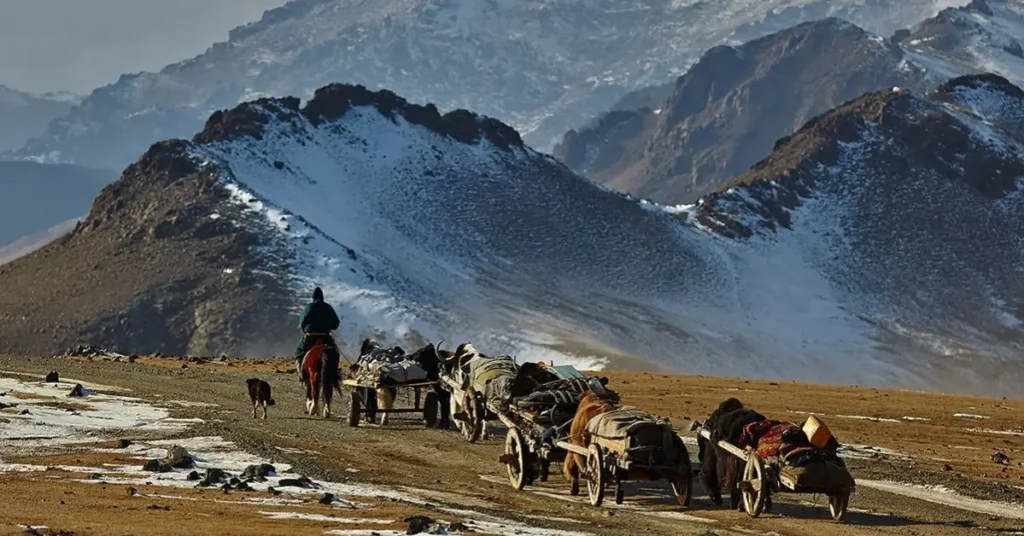
Often seen as an extension of the nomadic lifestyle that defines much of the country’s history, these horses are not just animals but are integral to Mongolian culture, history, and survival.
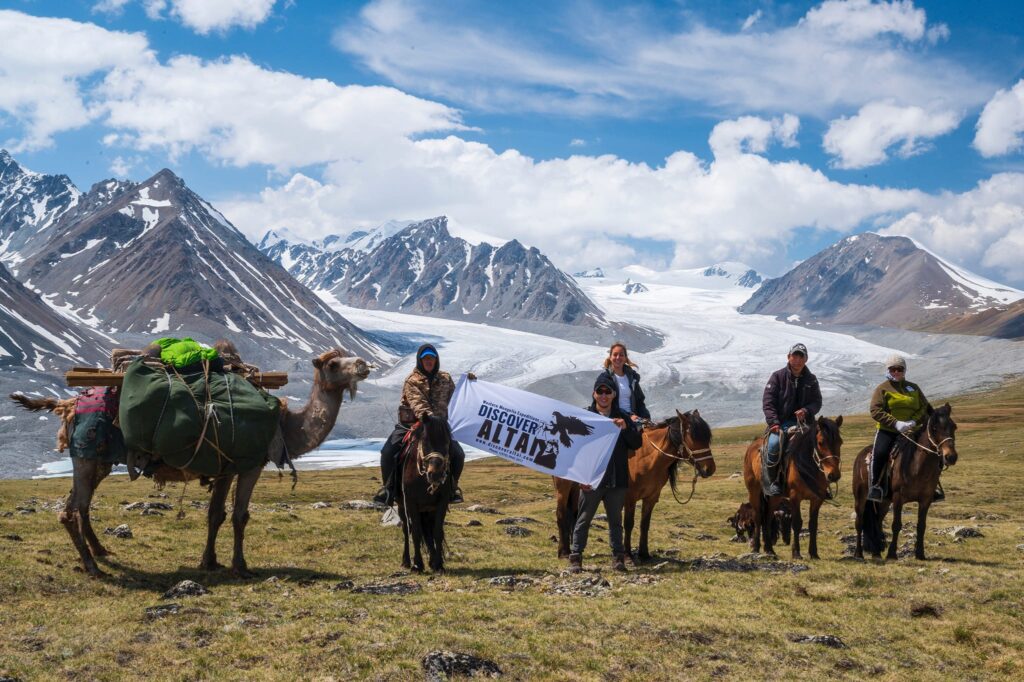
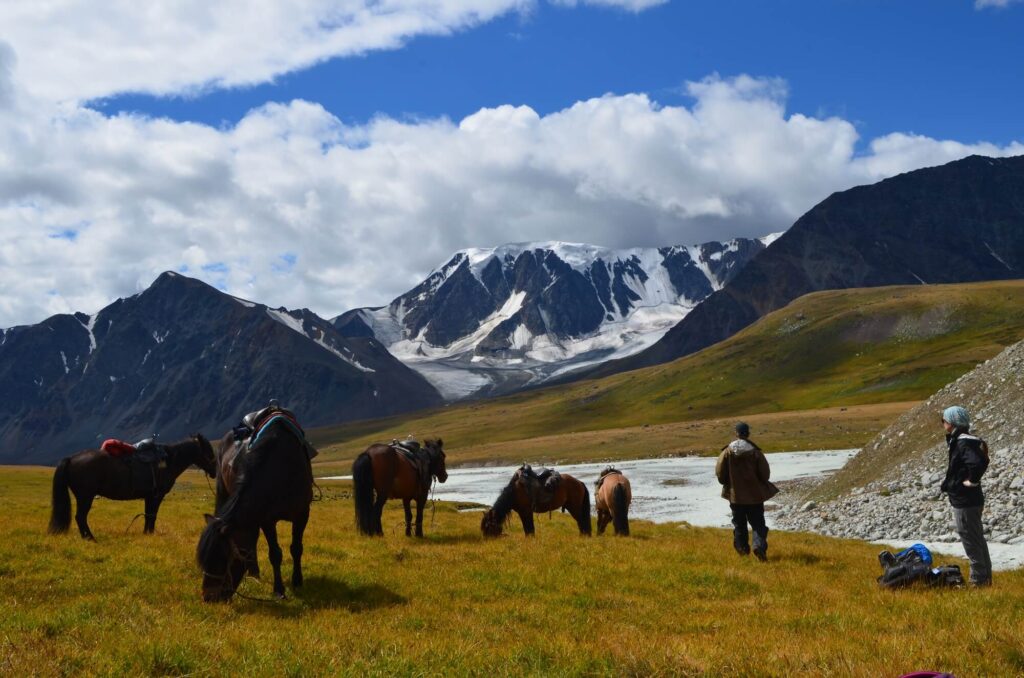
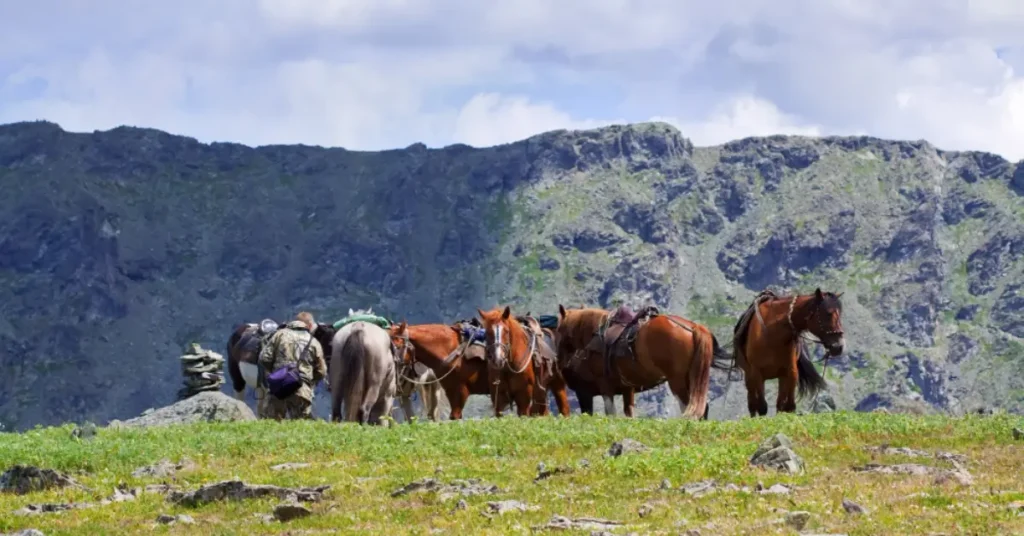
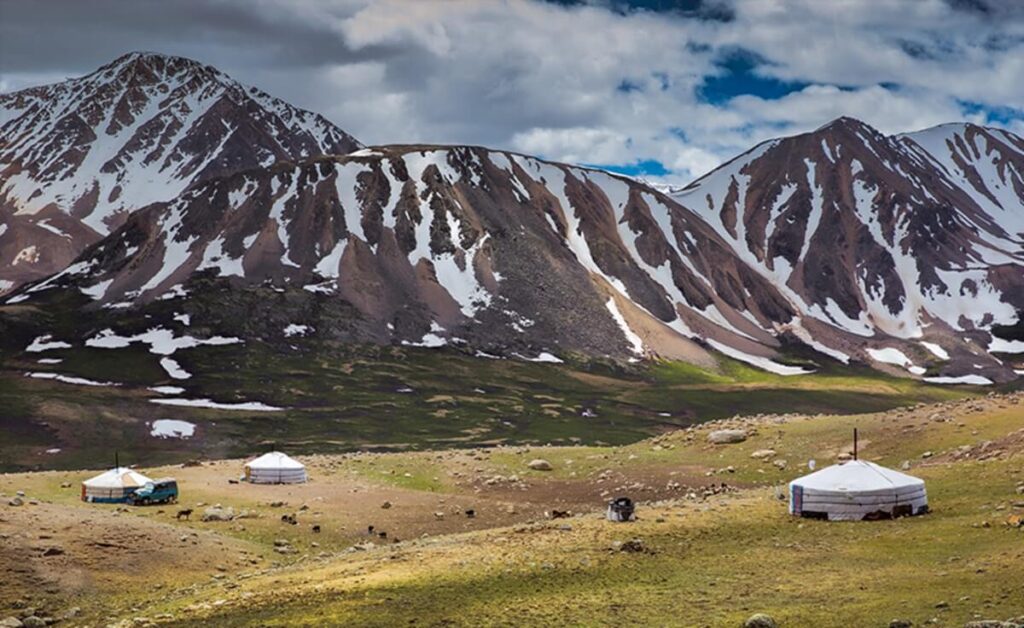
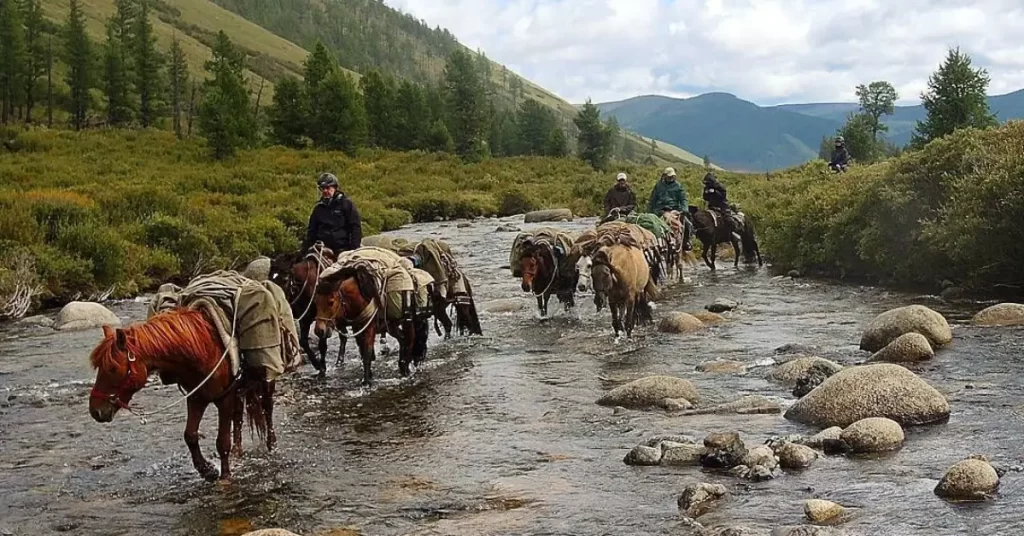
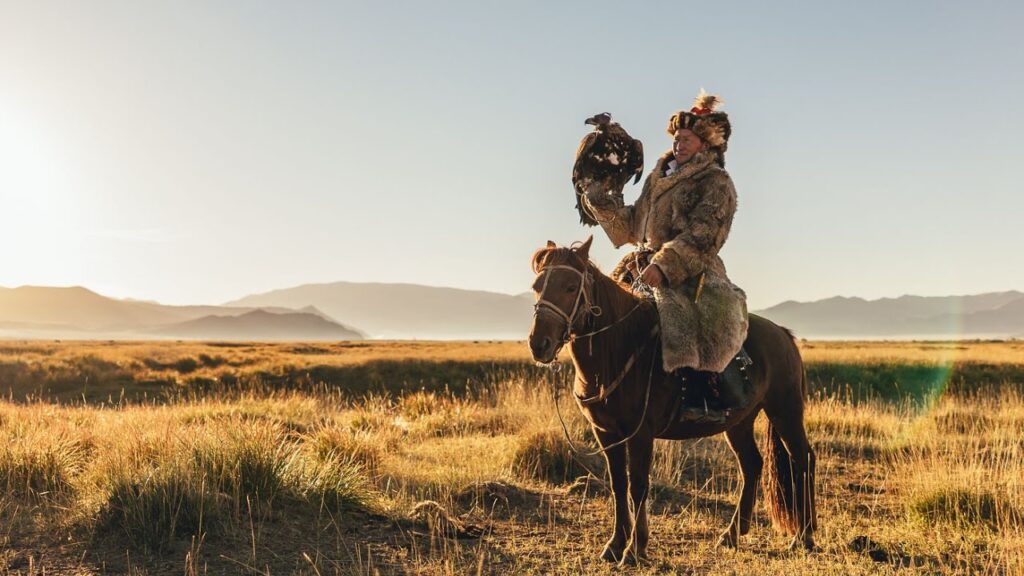
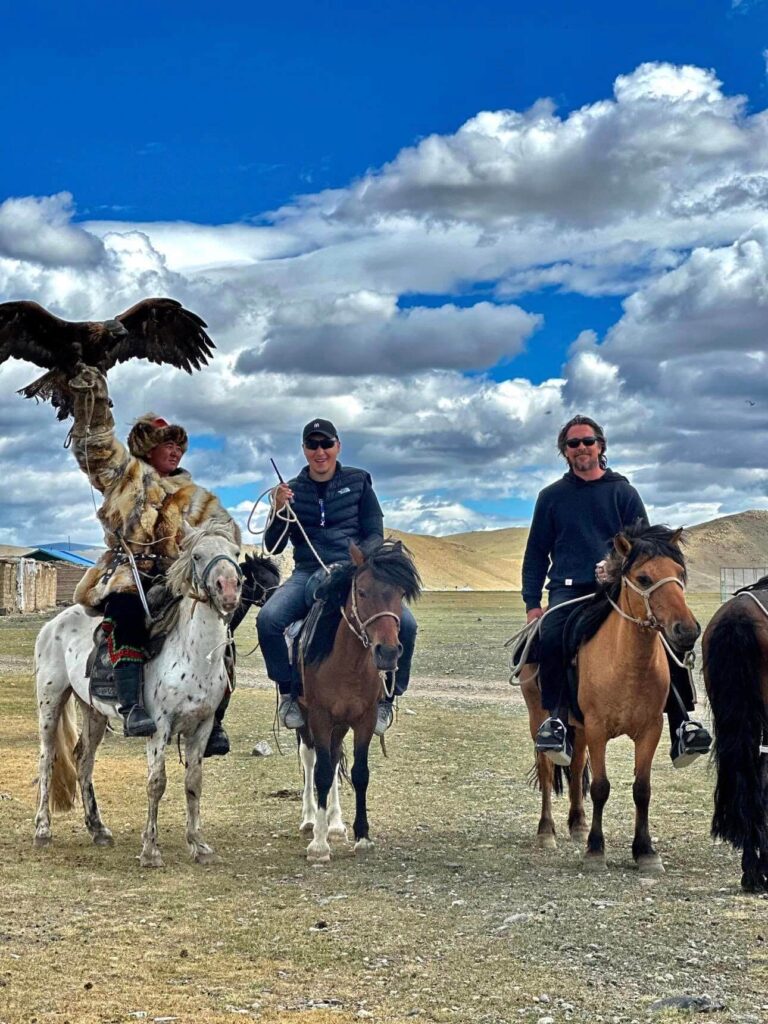
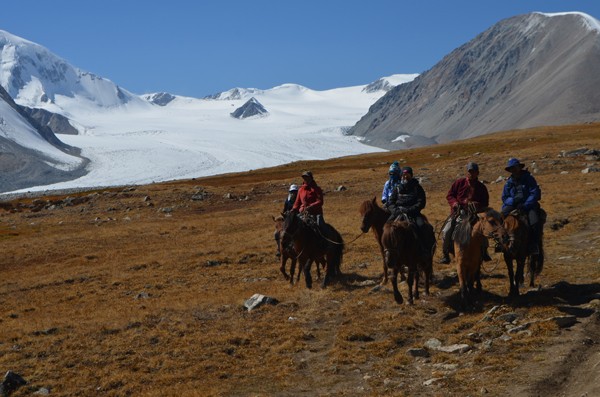
We offer you MONGOLIA HORSE TREKKING TOUR. Come and enjoy the Mongolia Horse Riding Tour. Mongolia is home to the last nomads. Mongolian Horses are the most important part of nomadic life. It will be wonderful 🤩🤩
Characteristics and Adaptation
🥾 Want to experience this in person? Join our 11-Day Altai Trekking Tour with local Kazakh guides — small groups, authentic experience, 5.0 stars on TripAdvisor.
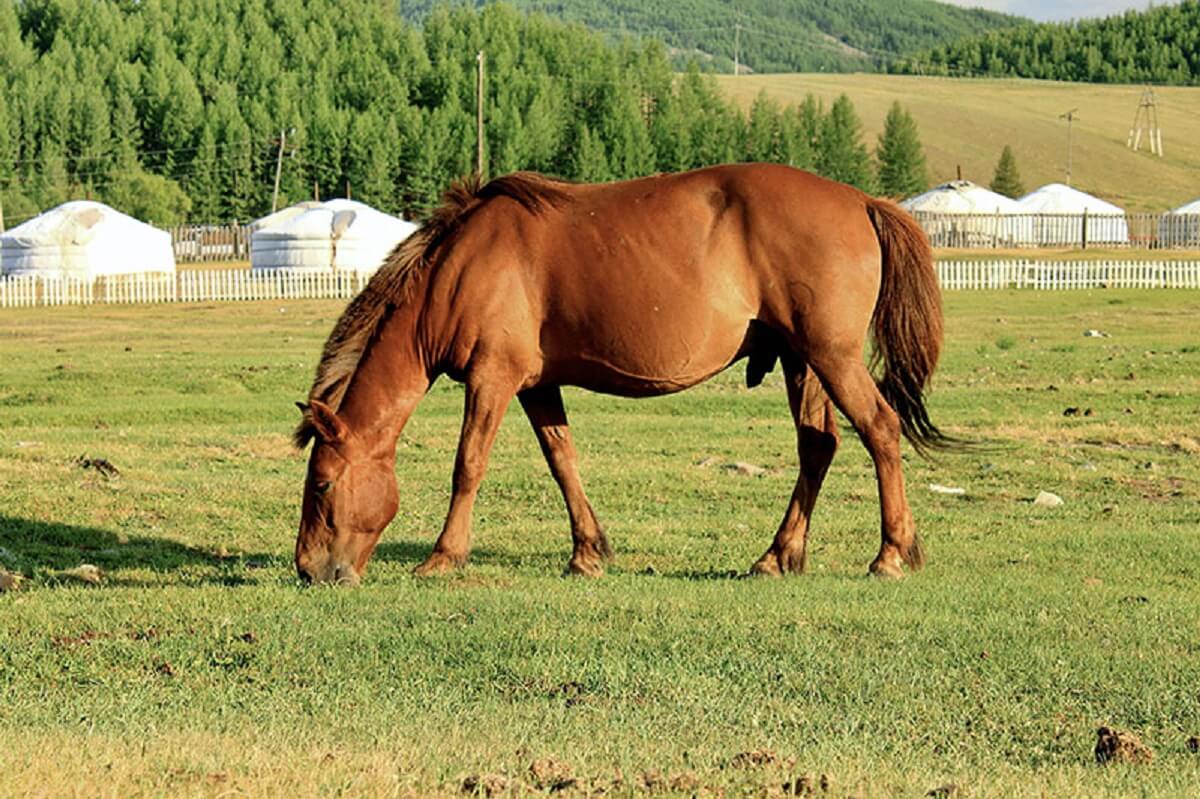
Mongolian horses are relatively small, sturdy, and resilient, standing typically between 12 and 14 hands high.
They have a large head, a muscular neck, and a compact body designed for endurance and survival in harsh conditions. Their coat, which grows thick in winter, helps them withstand temperatures that can plummet to as low as -40 degrees Celsius.
One of the remarkable features of these horses is their adaptability. They are able to graze on sparse vegetation and can find water buried deep in the snow, traits that are essential for survival in the steppes of Mongolia.
Origins and History
The story of the Mongolian horse begins thousands of years ago. Genetic studies suggest that the origins of the modern Mongolian horse trace back to around 3,000 years ago.
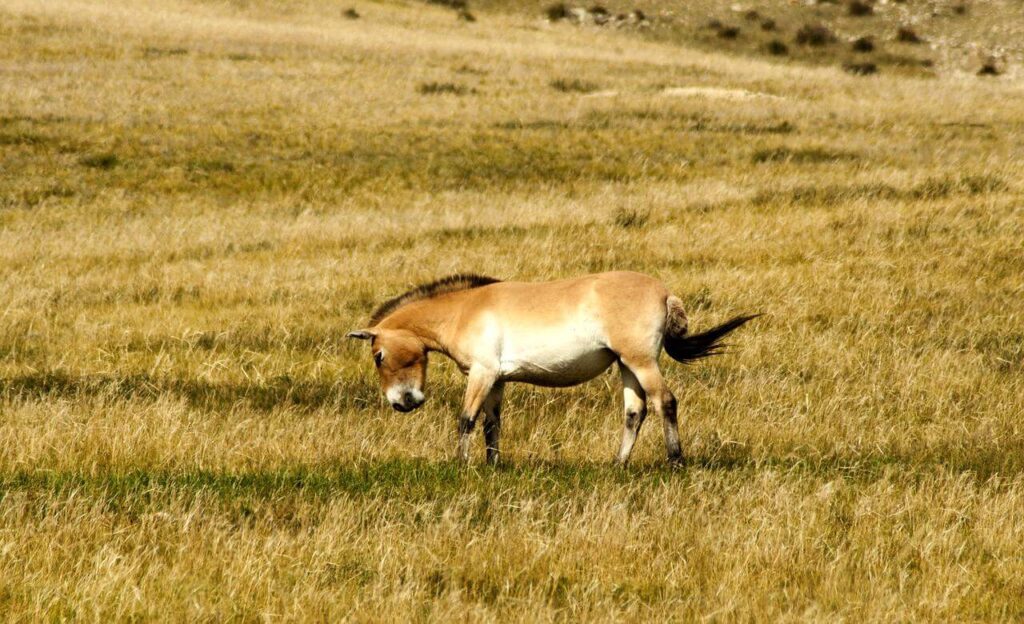
These horses are believed to be descendants of the ancient wild horse, Przewalski’s horse, although they have evolved significantly from their ancestors.
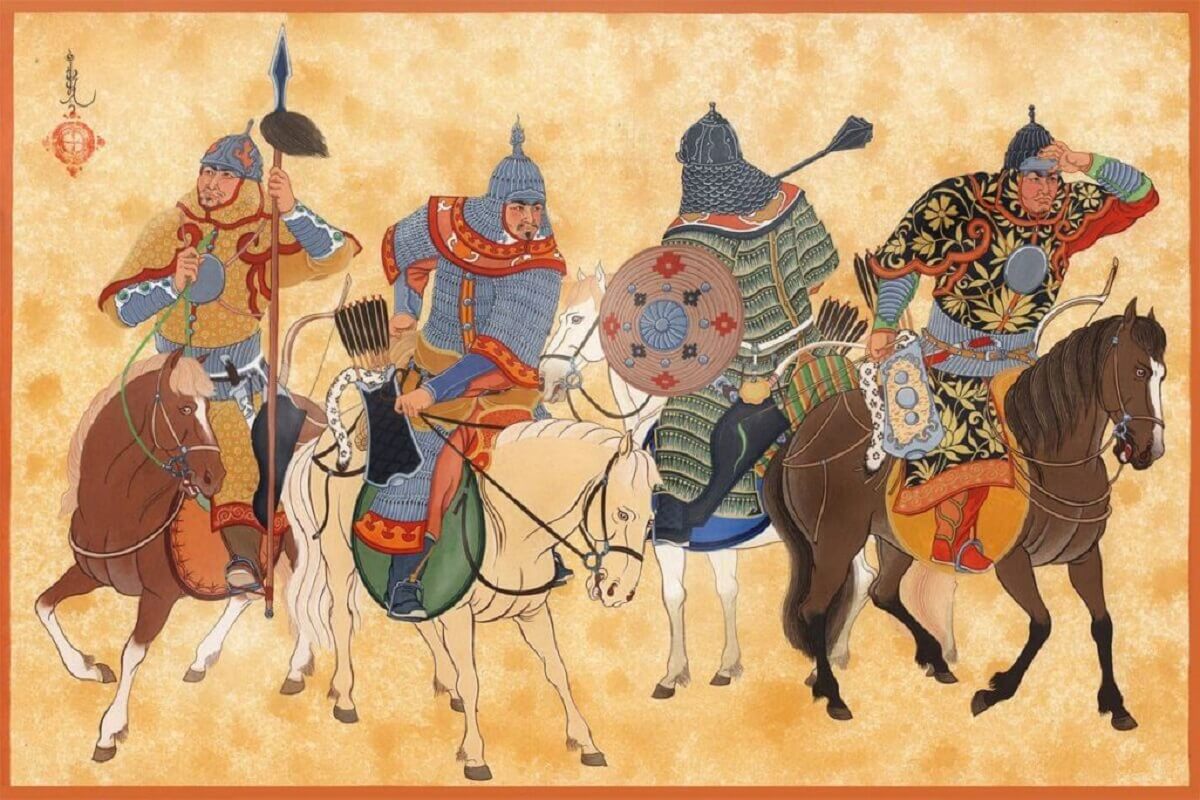
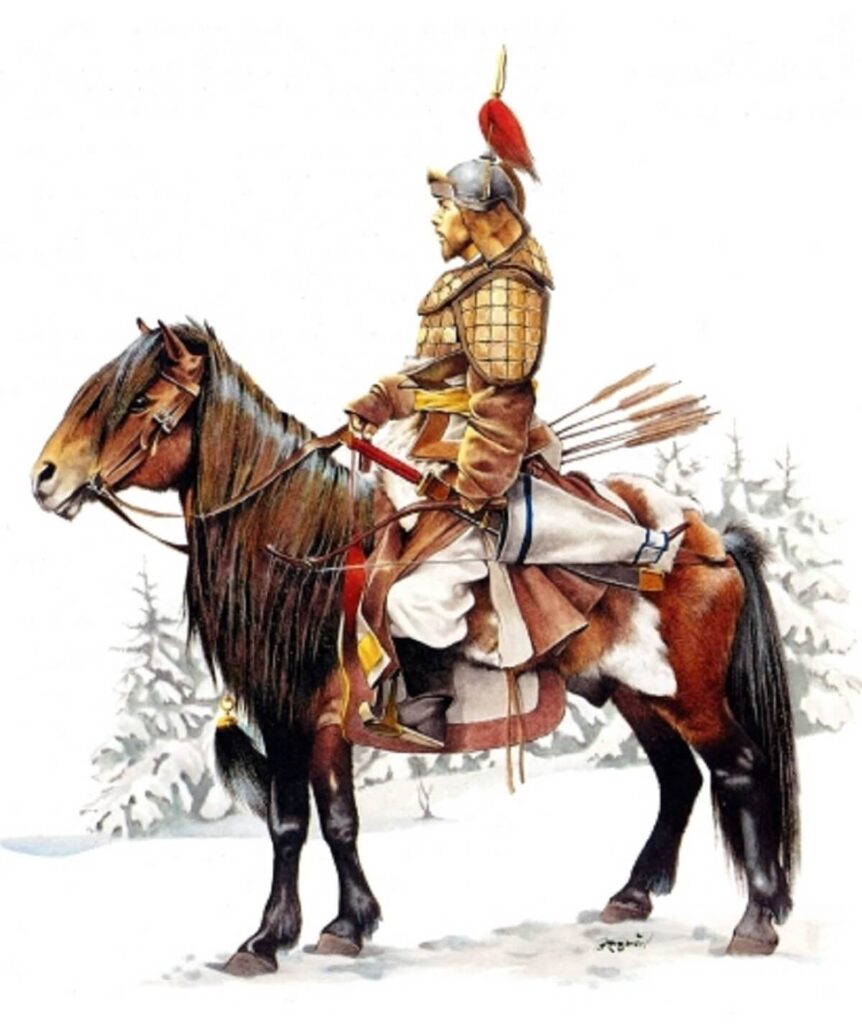
Throughout history, Mongolian horses have been indispensable. They played a crucial role in the establishment of the Mongol Empire under Genghis Khan in the 13th century.
The mobility provided by these horses allowed the Mongols to extend their empire across Asia to Europe, making it the largest contiguous land empire in history.
Breeding and Conservation
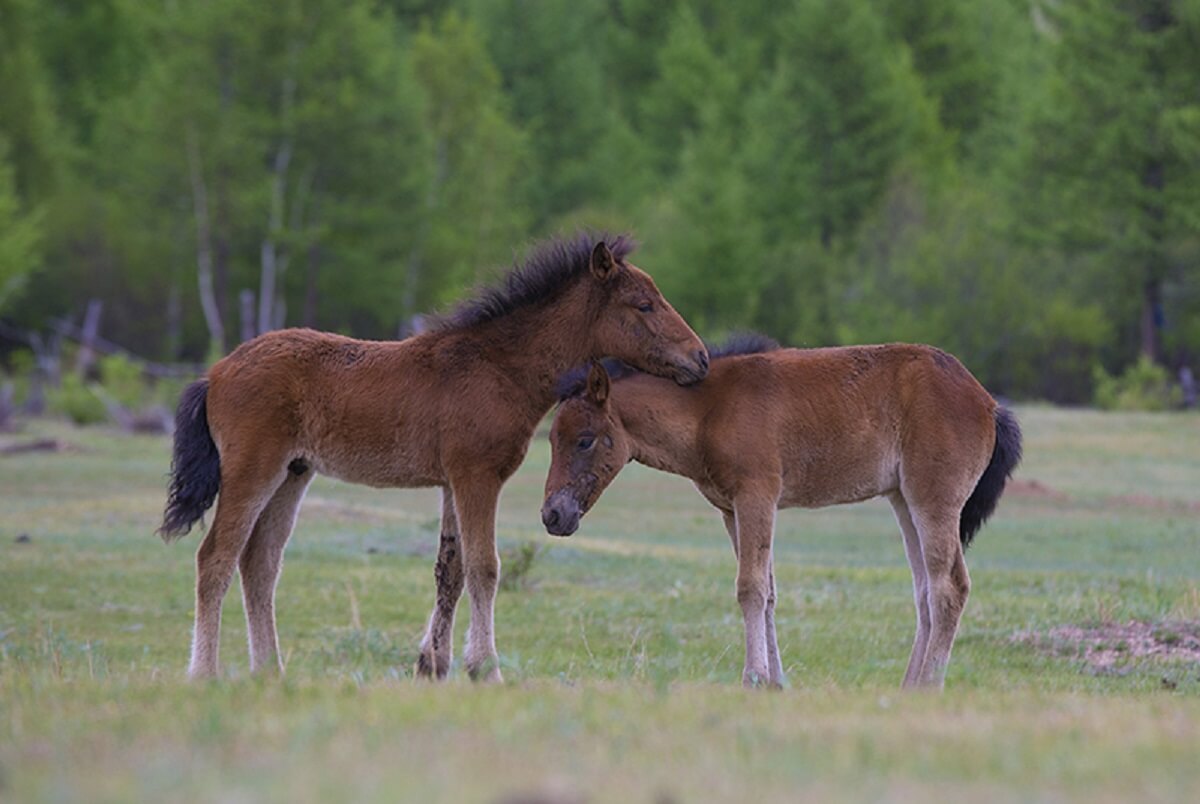
Historically, Mongolian nomads practiced selective breeding mostly in a natural way, letting the harsh natural environment play a significant role in shaping the breed.
The strongest and most adaptable horses survived and reproduced. This natural selection process ensured that only the fittest horses passed on their genes.
In recent years, there has been a growing awareness of the need to preserve the purity of the Mongolian horse breed. With the introduction of foreign horses and modern breeding techniques, there is a risk that the unique genetic traits of the traditional Mongolian horse could be diluted.
Conservation efforts are now focused on maintaining the breed’s genetic diversity while also ensuring that the horses remain a viable part of the Mongolian lifestyle.
This involves both in-situ conservation — protecting the horses within their natural habitat — and ex-situ conservation strategies like establishing breeding centers.
Cultural Significance
Beyond their physical attributes, Mongolian horses hold deep cultural significance. They are a symbol of freedom and independence and are deeply embedded in the folklore and the everyday life of the Mongolian people.
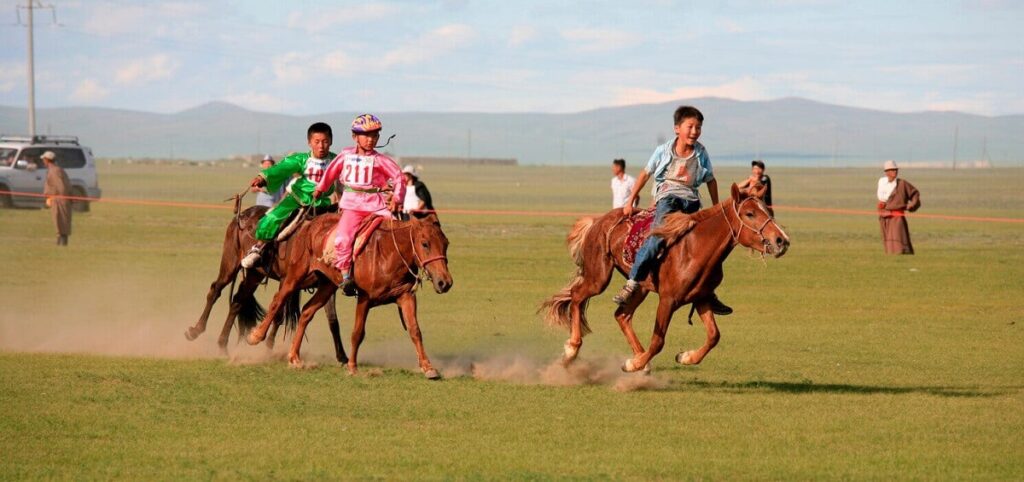
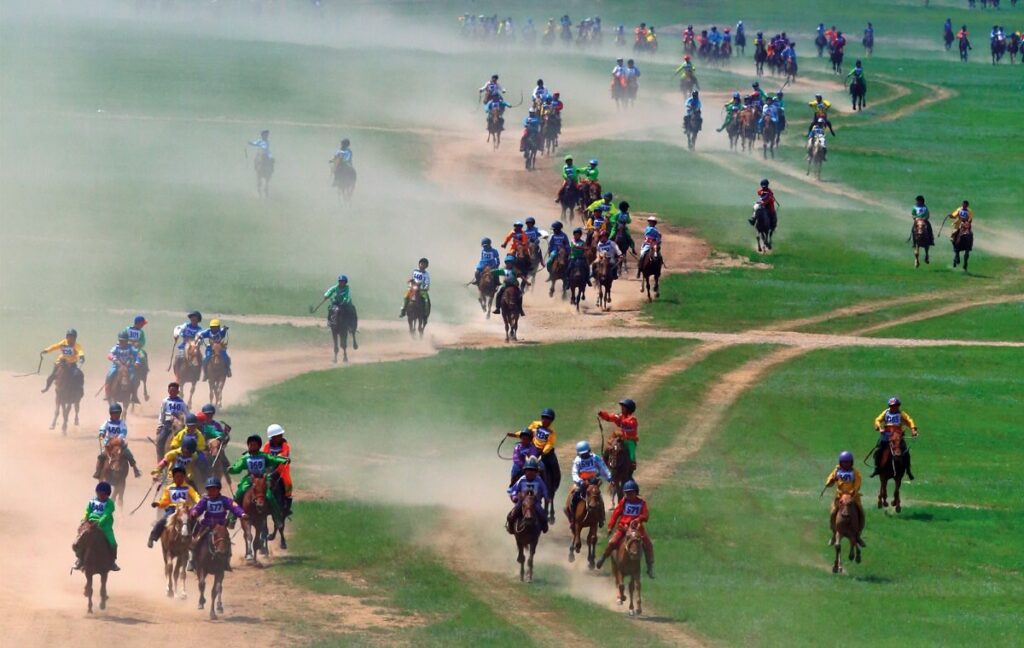
Horses are involved in many cultural practices, from traditional races to ceremonies and festivals like Naadam, which showcases the prowess and beauty of these horses in races that are a major attraction.
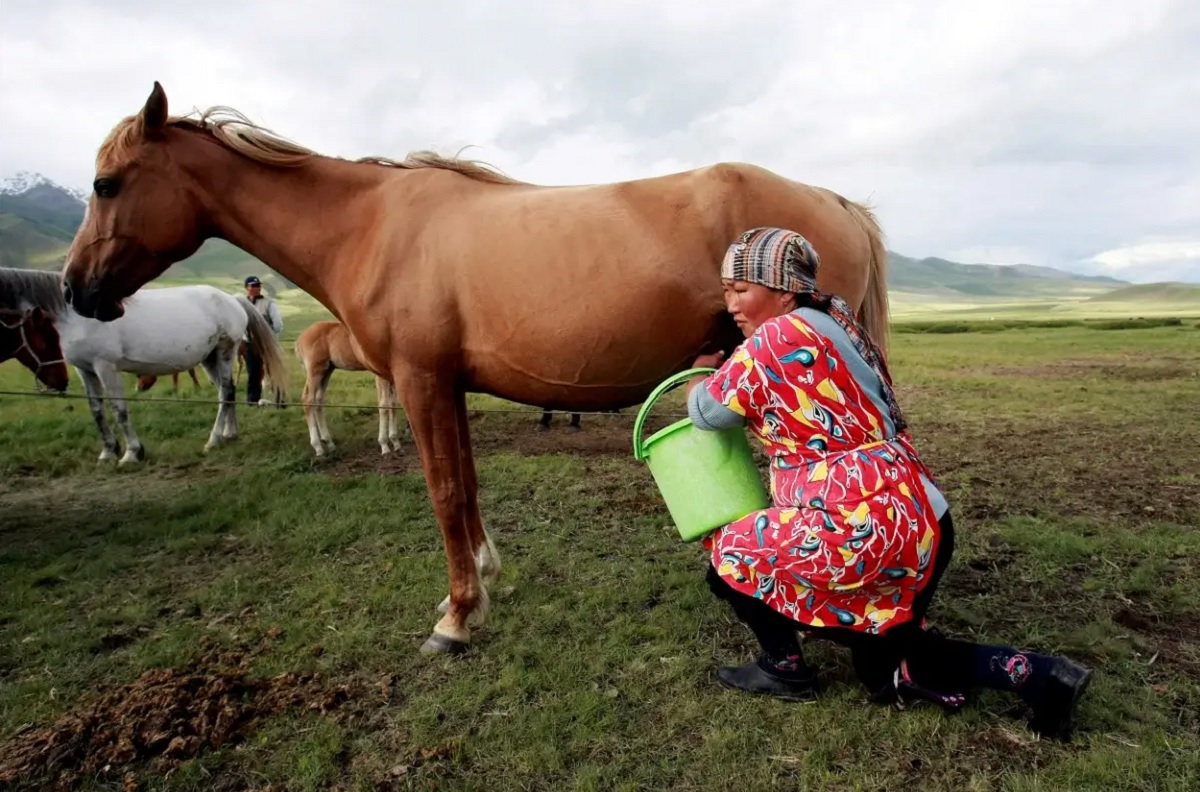
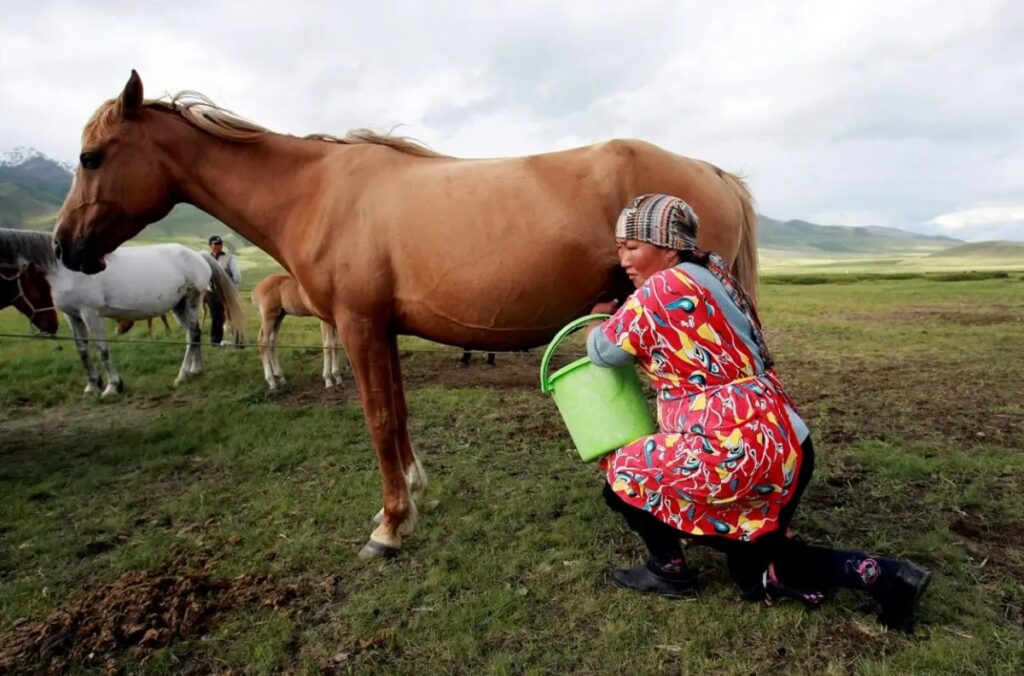
Mongolian music and poetry often celebrate the horse, reflecting its integral role not just as a tool for survival but as a cherished companion and family member. The horse also plays a key role in the traditional Mongolian diet, providing milk and meat.
Conclusion
The Mongolian horse is not just an animal breed; it is a cornerstone of a way of life that has persisted for millennia in one of the harshest environments on Earth.
As Mongolia faces the challenges of modernity, the fate of these incredible horses is intertwined with the efforts to preserve a culture, a history, and a landscape that is uniquely Mongolian.
Their continued evolution and conservation are critical not only for biodiversity but for the cultural heritage of Mongolia.
Suggested tour:
MONGOLIAN NOMAD MIGRATION TOUR
Unleash your adventure spirit, explore Mongolia on your own terms Mongolian Nomad Migration tour ⭐⭐⭐⭐⭐ 5.0 · 63 reviews on…Mongolian Nomadic Life Tour – Discover the Spirit of Mongolia
Unleash your adventure spirit, explore Mongolia on your own terms MONGOLIA NOMADS MIGRATION TOUR MONGOLIA NOMADS MIGRATION TOUR 10 DAYS…Mongolia Self-Drive Tour
Unleash your adventure spirit, explore Mongolia on your own terms Mongolia Self-Drive Tour Mongolia self-drive adventure: Top highlights: Real Guest…
Related content:
Mongolia’s Wild Horses: The Return of the Takhi
Mongolia’s only truly wild horse is the takhi, also called Przewalski’s horse. It went extinct in the wild by the…Kazakh Wedding Traditions: The Customs That Still Shape Altai Marriages
A Kazakh wedding in Mongolia’s Altai is not a single event but a sequence of ceremonies stretching over months. It…Kazakh Dombra Music: The Two-String Sound of the Altai Steppe
The dombra is the central instrument of Kazakh folk music — a long-necked, two-string plucked lute that accompanies songs, carries…

How Many Horses Are There in Mongolia?
Mongolia has approximately 3.4 million horses registered across the country, more than the human population of Mongolia in many rural provinces.
Horse herding is one of Mongolia’s “five snouts” (tavan khoshuu mal) — the five main domestic livestock species (horse, cattle, sheep, goat, camel) that have anchored the nomadic economy for centuries.
The Mongolian horse is the base population from which several modern Asian horse breeds descended, including the Tuvan horse, the Akhal-Teke (in part), and breeds across the Eurasian steppe.
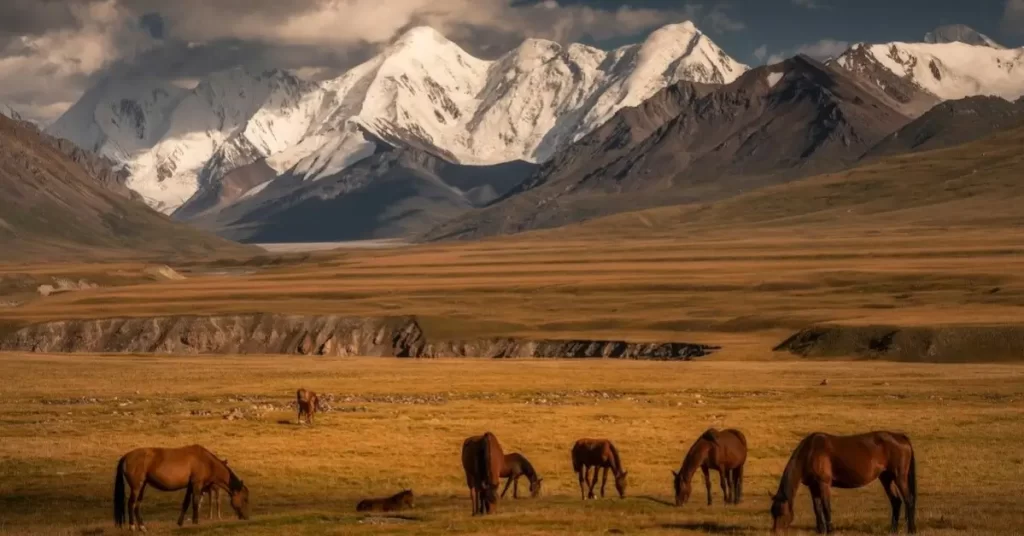
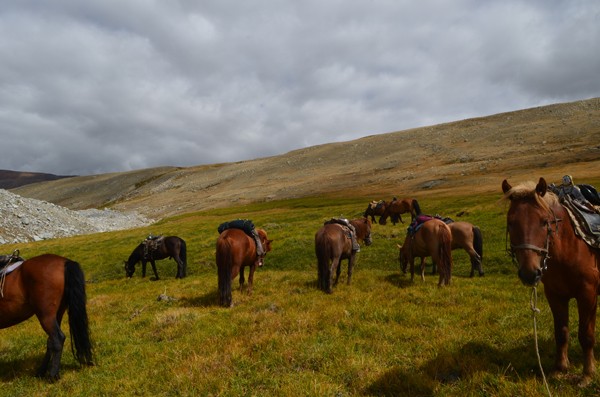
Mongolian horses are kept primarily as free-ranging semi-wild herds by nomadic herders — they graze unsupervised on the steppe and are caught and ridden when needed.
Mongolia’s horse population has remained relatively stable for centuries despite political and climatic upheavals — a testament to the breed’s adaptability to the Mongolian climate.
Are Mongolian Horses Ponies? Size, Build, and Hardiness
The Mongolian horse stands typically 12 to 14 hands (122–142 cm / 48–56 inches at the shoulder), making it one of the smaller recognised horse breeds — though by international convention it is classified as a horse, not a pony, primarily because of its proportions and working capability.
Despite their small size, Mongolian horses are renowned for stamina, endurance, and resilience — capable of carrying an adult rider across long distances and tolerating temperature extremes from −40 °C in winter to +30 °C in summer.
Mongolian horses have a stocky build, thick double-layer coat, short legs relative to body, and a notably broad chest — adaptations evolved for surviving harsh continental winters on the open steppe.
The breed is naturally hardy and disease-resistant, requiring minimal veterinary intervention and feeding mostly on natural pasture without grain supplementation.
During the Mongol Empire of the 13th century, mounted Mongol warriors could ride up to 80 miles (130 km) per day — a feat made possible by the breed’s stamina and the practice of switching between multiple mounts during long marches.
Przewalski’s Horse (Takhi): Mongolia’s Wild Horse
The Przewalski’s horse (Equus ferus przewalskii), known in Mongolia as takhi, is the only true wild horse species remaining on Earth — distinct from feral domestic horses and never successfully domesticated.
The takhi was declared Extinct in the Wild in the 1960s but has been successfully reintroduced to Mongolia from captive zoo populations starting in 1992; it is now classified as Endangered on the IUCN Red List, with growing wild populations.
The largest wild takhi population is in Hustai National Park (also known as Khustain Nuruu), about 100 km west of Ulaanbaatar — the founding reintroduction site established with European zoo collaboration.
A second takhi reintroduction site, Great Gobi B Strictly Protected Area, was established in 1996 in Mongolia’s Gobi-Altai region and supports a separate wild population.
The takhi has 66 chromosomes, two more than the domestic horse’s 64 — a genetic distinction that separates it from all domestic horse breeds.
UNESCO-Recognised Mongolian Horsemanship
Traditional Mongolian horsemanship was inscribed on the UNESCO Representative List of the Intangible Cultural Heritage of Humanity in 2013, recognising the centuries-old practices of Mongolian horse herding, training, racing, and ceremonial use.
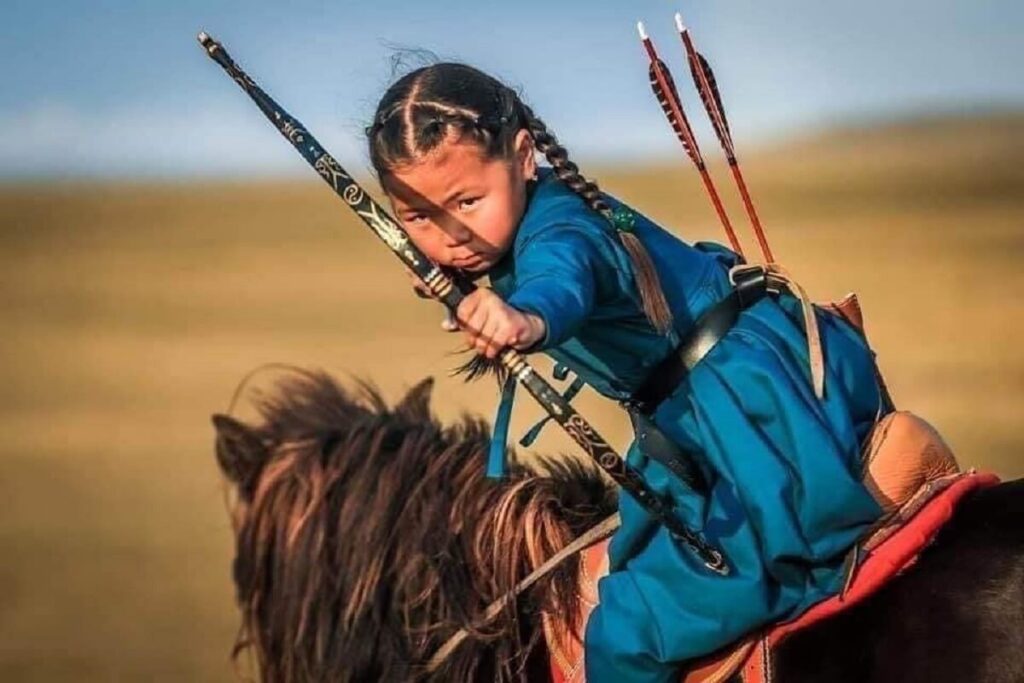
UNESCO recognises that horsemanship knowledge in Mongolia is transmitted within families and herder communities, with children typically learning to ride by age 4 or 5.
The tradition encompasses specialised vocabulary, songs, blessings, riding techniques, equipment-making (saddles, bridles, halters), and racing protocols — a living cultural complex rather than a single skill.
The famous Naadam Festival, held annually around 11–13 July across Mongolia, features long-distance horse races over courses of up to 30 km — and Naadam itself is also UNESCO-listed (inscribed 2010).
Mongolian horse races are uniquely run by child jockeys aged 5–13, who ride bareback or with light saddles for the long distances — a tradition that distinguishes Mongolian racing from Western thoroughbred racing.
Cultural Role: Airag, Music, and Daily Life
Mongolian herders consume airag (also called kumis) — fermented mare’s milk — as a traditional summer beverage, with documented production going back at least 2,500 years on the Eurasian steppe.
A typical Mongolian airag household produces 20–30 litres of fermented mare’s milk per day during peak summer milking, requiring multiple lactating mares.
The Morin Khuur (horsehead fiddle), Mongolia’s traditional two-stringed bowed instrument, is named for the carved horsehead at the top of its neck and is itself UNESCO-listed (Intangible Cultural Heritage, inscribed 2008) — a direct cultural homage to the horse’s centrality in Mongolian life.
Horses appear extensively in Mongolian folklore, proverbs, and song — the saying “A Mongol without a horse is like a bird without wings” is widely cited and reflects the cultural depth of the human-horse bond.
During Mongolia’s centuries of nomadic empire, horses were used as mounts, pack animals, and food sources — a triple-utility role that distinguished steppe horse cultures from sedentary agricultural ones in Europe and East Asia.
Are Mongolian horses ponies?
Technically no — Mongolian horses are classified as horses, not ponies**, despite their small stature. They typically stand 12–14 hands (122–142 cm) at the shoulder, which would meet the height threshold for “pony” classification in some Western systems, but they are recognised as horses based on their proportions, working capability, and breed history. They are among the smallest recognised true horse breeds.
How many horses are there in Mongolia?
Mongolia has approximately 3.4 million horses — and in some rural provinces, horses outnumber people. The country’s nomadic herding economy is anchored on the “five snouts” (horse, cattle, sheep, goat, camel), with horses occupying a uniquely central role in transportation, food (airag/fermented mare’s milk), and culture.
What is a Takhi?
A takhi (also called Przewalski’s horse, Equus ferus przewalskii) is the world’s only true wild horse species — distinct from feral domestic horses. It was extinct in the wild from the 1960s until its reintroduction to Mongolia in 1992 from captive zoo populations. It is now classified as Endangered by the IUCN, with wild populations in Hustai National Park and Great Gobi B Strictly Protected Area.
Why are Mongolian horses so famous?
Mongolian horses are renowned for their stamina, hardiness, and historical role in the Mongol Empire — Mongol cavalry under Genghis Khan reportedly covered up to 80 miles (130 km) per day on these horses, a logistical feat that enabled the largest contiguous empire in history. The breed survives extreme temperatures (−40 °C to +30 °C) on natural pasture without grain supplementation.
What is Mongolian horsemanship?
Traditional Mongolian horsemanship is the integrated cultural complex of horse-herding, training, racing, ceremonial practice, equipment-making, and oral knowledge that has anchored Mongolian nomadic society for centuries. It was inscribed on the UNESCO Representative List of the Intangible Cultural Heritage of Humanity in 2013**. The tradition is transmitted within families and herder communities, with children typically learning to ride by age 4 or 5.