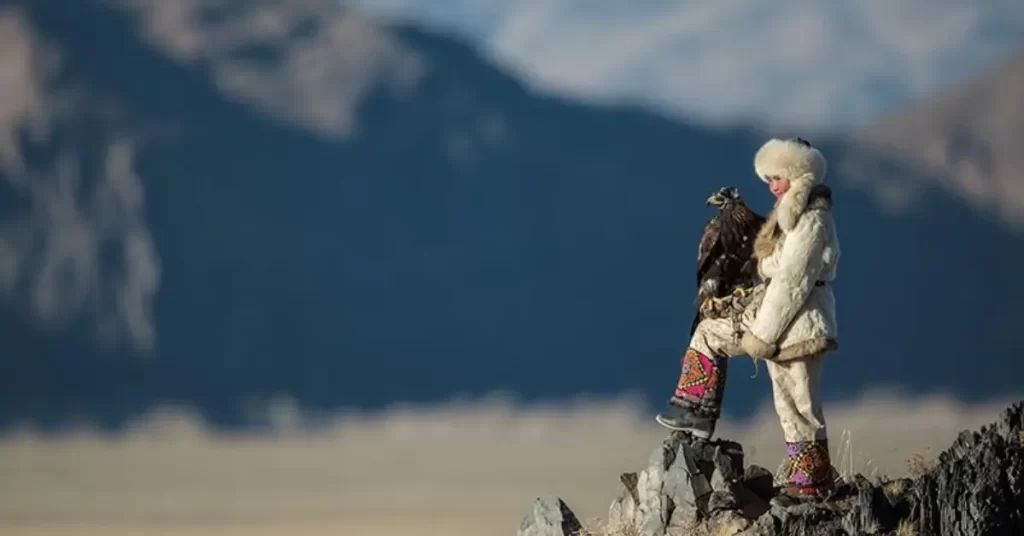
The Mongolian People are one of the most fascinating, historically influential, and culturally rich groups in the world. Their story spans thousands of years—from ancient nomadic tribes to the great Mongol Empire, and from foreign domination to a modern democratic nation. Understanding the Mongolian People means understanding the deep connection between land, identity, and tradition that shapes Mongolia today.
In this guide, we explore who the Mongolian inhabitants are, where they came from, and how they live in the modern era.

Origins of the Mongolian People
When asking Who are the Mongolians? the answer could easily fill an entire book. For this article, we focus on the major milestones.
From the 3rd century BC to the 7th century AD, several ancient nomadic dynasties lived in the region of East Asia, including:
- The Hun Empire
- The Xianbei
- The Rouran (Muyun)
- The Tujue (Niru’un tribes)
These powerful tribes laid the foundation for what would later become the Mongolian identity.
Mongolians During the Early Empires
Between the 7th and 12th centuries, new and influential empires ruled the steppe:
- The Göktürk (Blue Turkic) Empire
- The Uyghur Khaganate
- The Khitan (Liao Dynasty)
These empires shaped the political, cultural, and linguistic landscape of the region. The Mongolian inhabitants would soon rise from this very environment.

Formation of the Great Mongol Empire
In the 13th century, the Great Mongolian State was established. This was a turning point in world history.
The early Mongolian inhabitants consisted of many powerful tribes such as:
- Kereid
- Merkit
- Naiman
- Tatar
- Oirat
Under the leadership of Genghis Khan, these tribes united to form the largest contiguous empire in human history.
After the creation of the empire, Genghis Khan divided his territories among his sons, forming four major khanates. This division allowed the Mongolians to influence regions stretching from Europe to East Asia.
Mongolian People Under Manchurian Domination
From the 17th to the early 20th century, the Mongolians lived under Manchu (Qing Dynasty) control. During this period:
- Many tribes were reorganized
- Buddhism became deeply rooted
- Mongolian culture remained resilient despite foreign influence
The Mongolian inhabitants preserved their identity through nomadism, language, and spiritual traditions.
Independence and Modern Nationhood
After the fall of the Qing Dynasty in 1911, Mongolia declared independence. It then established de facto independence in 1921 after breaking away from the Republic of China with the support of Russian forces.
Shortly afterward, Mongolia came under the political influence of the Soviet Union. Finally, in 1990, the Mongolian People launched a peaceful democratic revolution, ending communist rule and establishing Mongolia as a democratic nation.
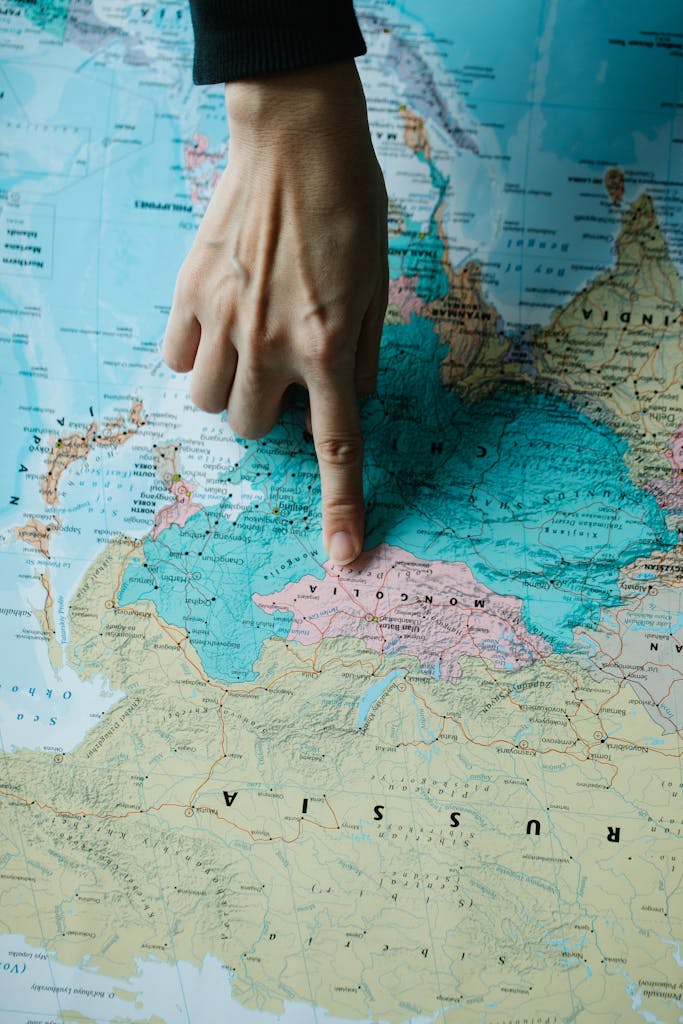
Mongolian People as Part of the Mongolic Ethnic Family
The Mongolians belong to the larger Mongolic ethnic group, which includes:
- Buryats
- Oirads
- Kalmyks
- Other nomadic tribes across Central and East Asia
From an anthropological perspective, the world population is grouped into four major racial categories:
- Caucasian (White)
- Mongoloid (Asian)
- Negroid (Black)
- Australoid
The Mongolian People fall under the Mongoloid/Asian category, sharing genetic and cultural similarities with other East and Central Asian ethnicities.
Mongolian People in Modern Times
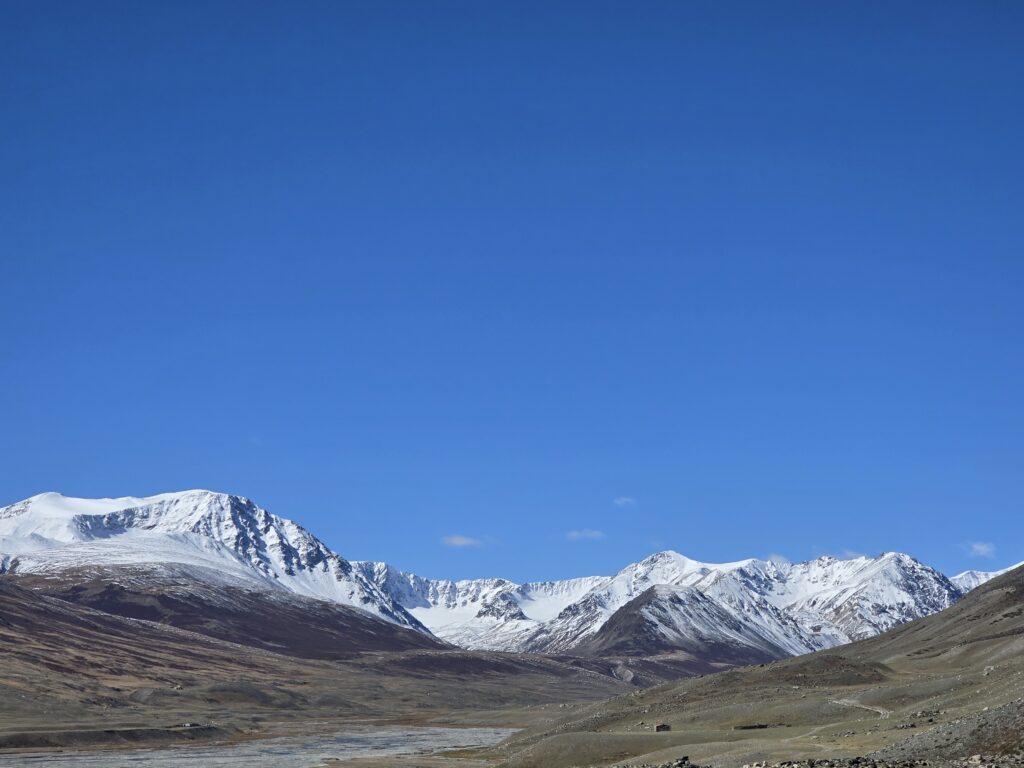
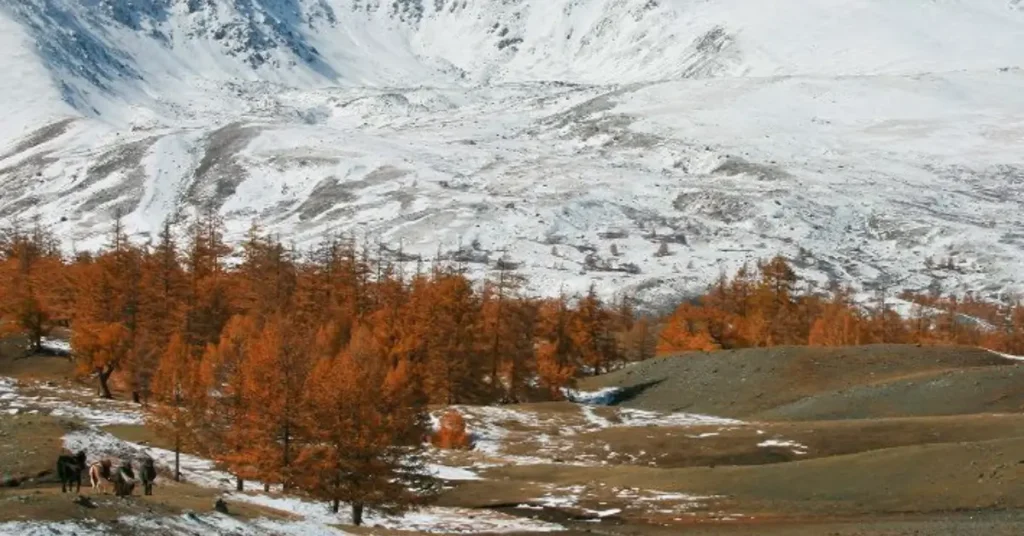
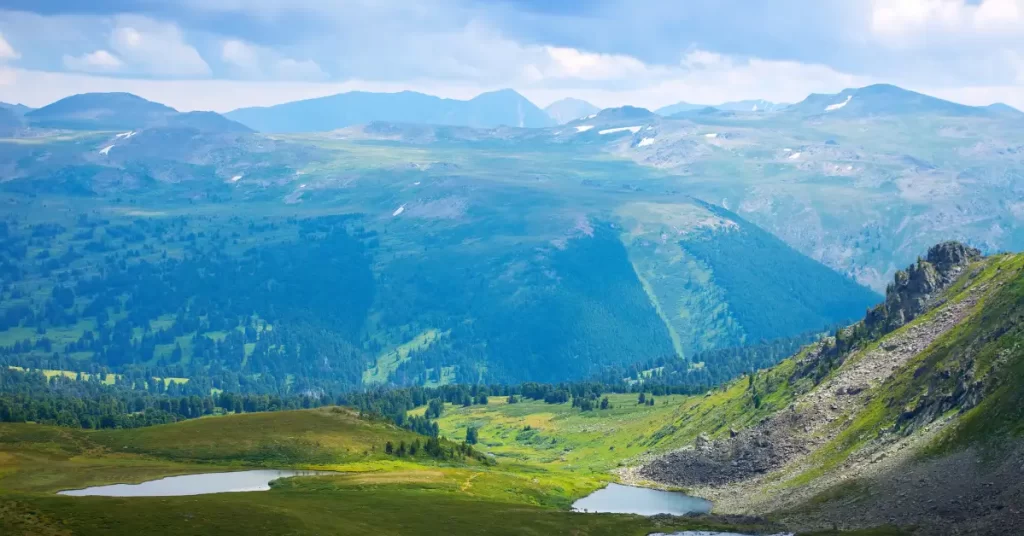
Today, the Mongolian People are globally recognized for their heritage as descendants of the Great Mongol Empire. Their land is vast, with endless steppe, deserts, mountains, and untouched archaeological sites that continue to reveal the story of ancient nomads.
Modern Mongolia is:
- A democratic nation
- Home to more than 3.4 million people
- Proud of its nomadic traditions
- Strongly connected to its historical roots
The Mongolian People today balance tradition and modernity. While many still maintain nomadic lifestyles in rural areas, urban Mongolians lead modern city lives, especially in the capital, Ulaanbaatar.

Culture and Identity of the Mongolian People
Key aspects of Mongolian identity include:
Nomadic Lifestyle
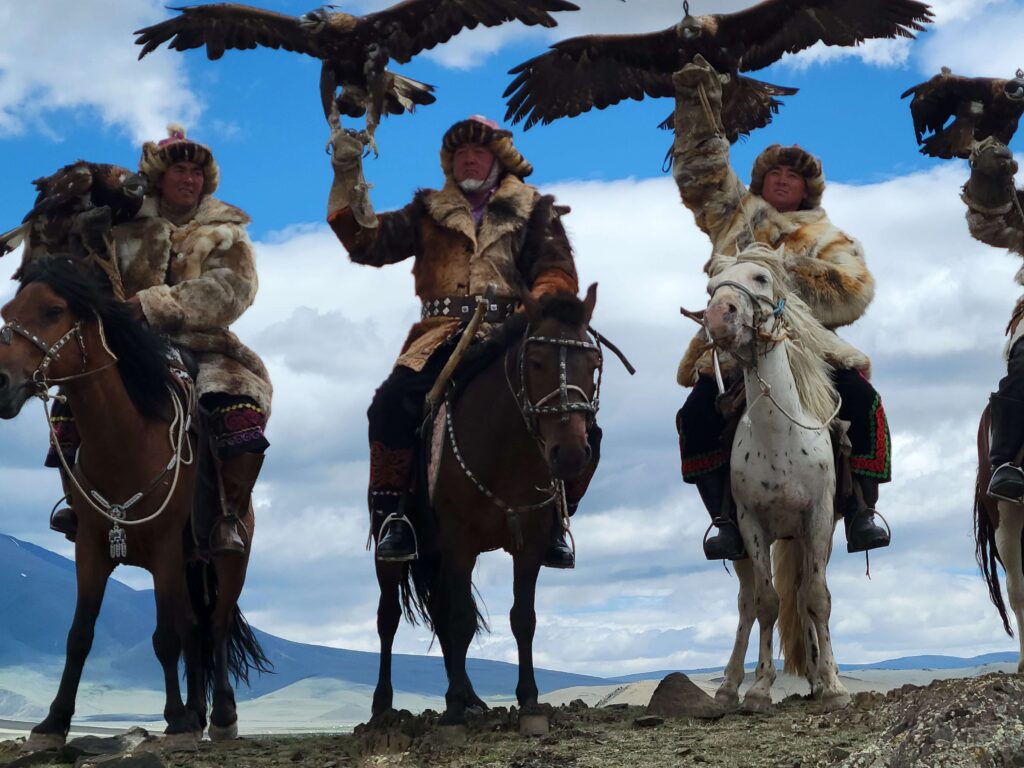
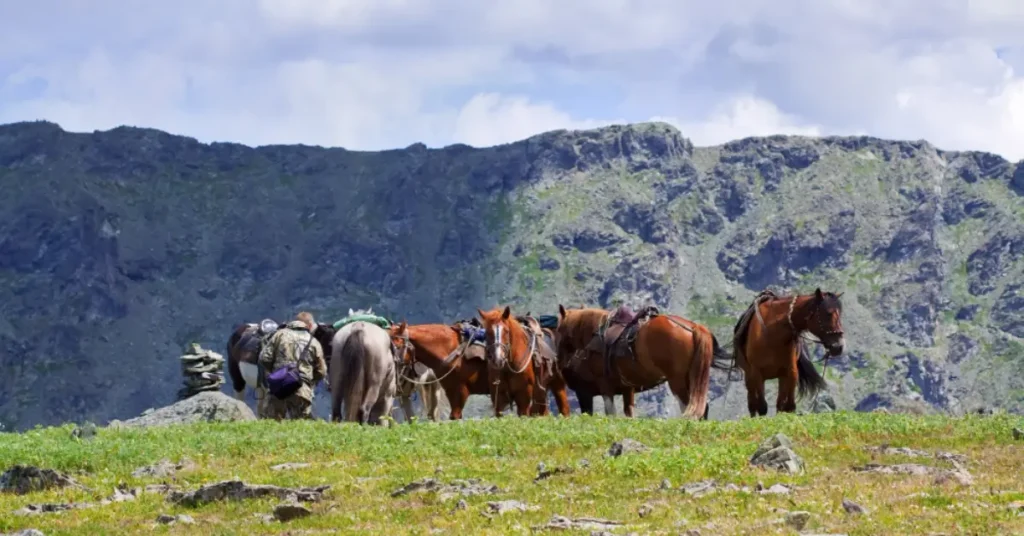
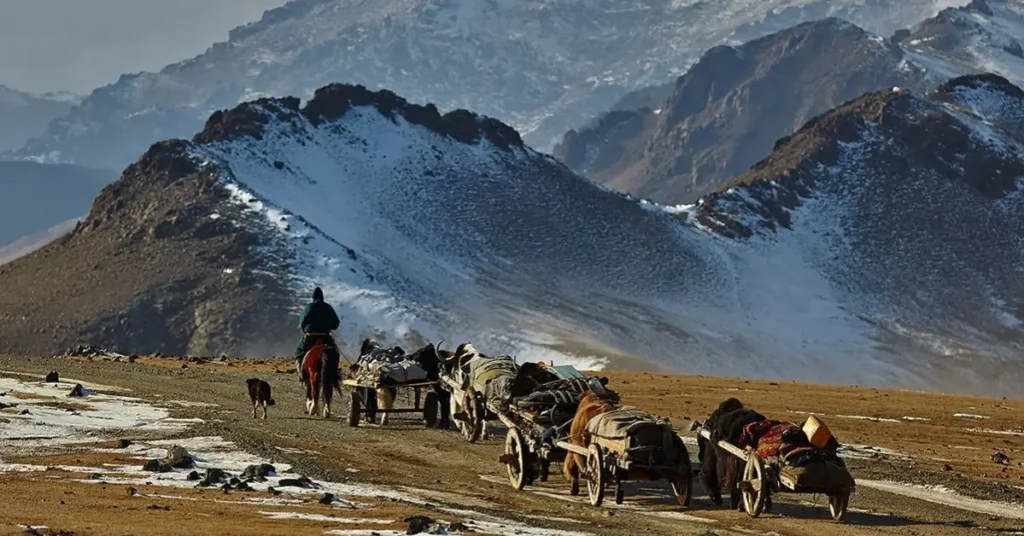
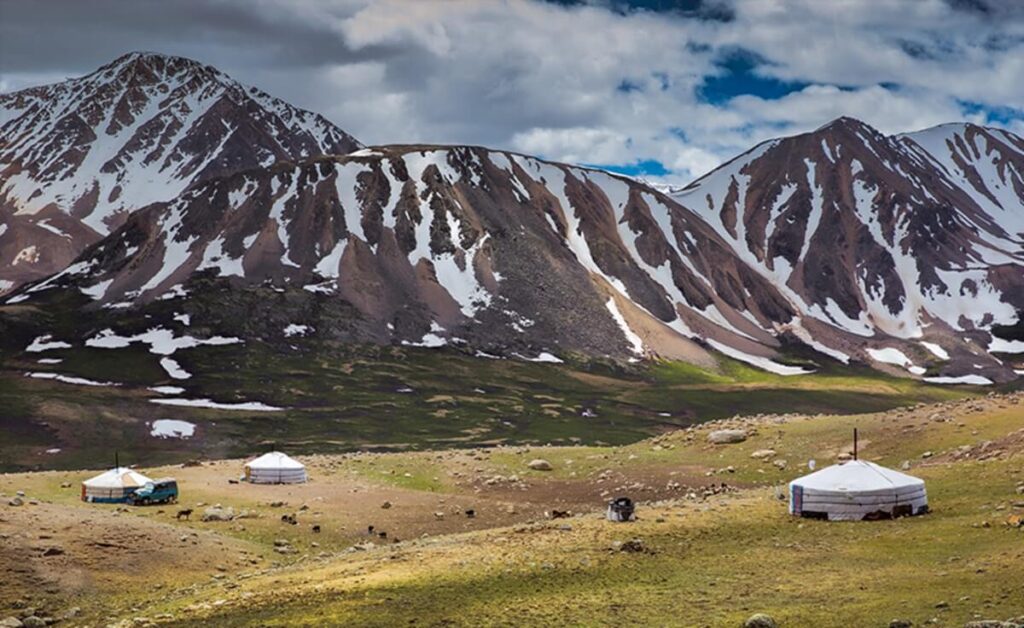
For thousands of years, Mongolian People have lived as nomadic herders, moving with livestock across the steppe.
Language and Writing
The Mongolian language has several scripts, including Cyrillic and the traditional vertical Mongolian script.
Religion
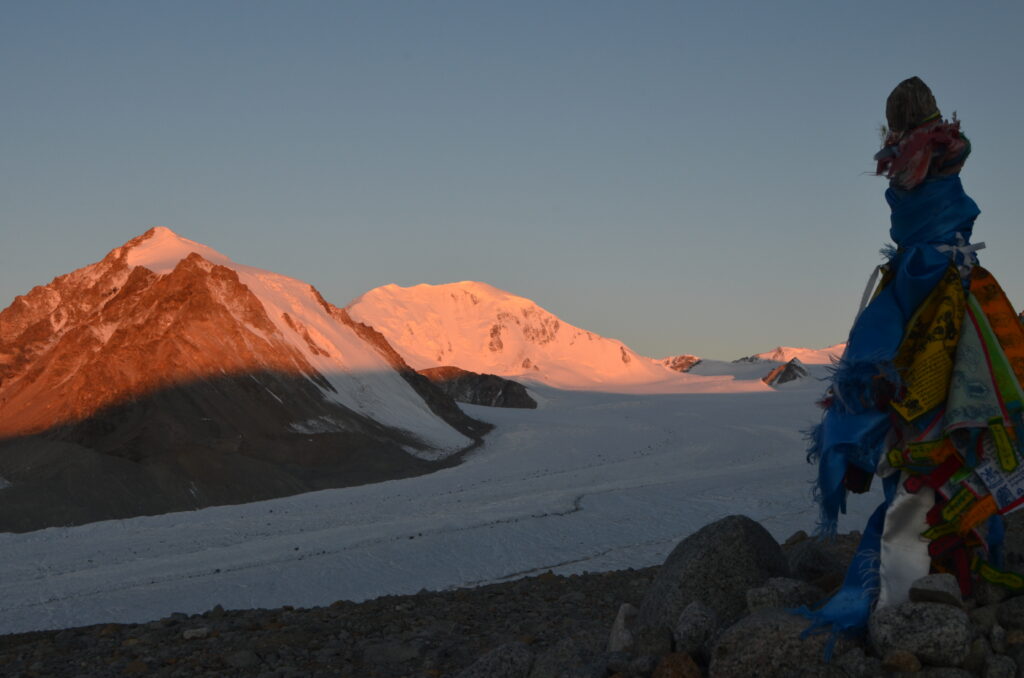
Most Mongolian People follow Tibetan Buddhism, while shamanism remains culturally significant.
Hospitality
The Mongolian People are known for warm hospitality—guests are treated with respect and generosity.
See the Mongolian People and Their Culture for Yourself
There is a saying in Mongolia:
“It is better to see once than hear a thousand times.”
If you want to truly understand the Mongolian People, you must experience their land, lifestyle, and culture firsthand.
Join us on an unforgettable journey across Mongolia and witness the traditions, landscapes, and spirit of the Mongolian People.
Discover Mongolia with the Discover Altai Team.
Suggested Tours:
Related Blogs:
Golden Eagle Photography: How to Shoot Wild Eagles, Hunters and the Festival
Golden eagle photography rewards preparation more than luck. For birds in flight, start at 1/2500s, f/6.3, auto-ISO capped at 3200,…Self-Guided vs Guided Trekking in Mongolia: Which One Actually Fits Your Trip?
For roughly 90% of international hikers, a fully-guided Mongolia trekking tour is the right format — the supported 11-day package…How Hard Is the Altai Tavan Bogd Trek? Fitness, Altitude, and an Honest Reality Check
The standard 11-day Altai Tavan Bogd trek is graded “moderate” by Mongolian operators and by international trekking standards. You will…