
For a July-August trek into Altai Tavan Bogd National Park, you need three-season hiking gear rated to handle altitudes between 1,710m (Ölgii city) and 4,374m (Khuiten Peak summit). Day temperatures range from 15-25°C at lower elevations down to near freezing at the Potanin Glacier base camp (~3,000m). Bring broken-in B1 hiking boots, gaiters, a 30L daypack, 4-season sleeping bag rated to -10°C, insulated down jacket, waterproof shell jacket and pants, thermal base layers, trekking poles, gloves, hat, and SPF50 sunscreen. Pack camels carry main luggage between camps — use soft duffel bags only.
Key Takeaways
- Altai Tavan Bogd park covers 6,362 km² with elevations from 1,710m to 4,374m (Khuiten Peak)
- Potanin Glacier (Mongolia’s longest) and Alexandra Glacier total 204 km² of ice
- July-August is the trekking window — high passes snow-free, river crossings safe
- Daytime 15-25°C at trailhead, near-freezing at glacier base camp (3,000m+)
- Pack camels carry main luggage — use soft duffels, no rigid suitcases
- Wildlife on route: argali, ibex, red deer, golden eagle (protected species)
- Domestic flight luggage cap typically 15 kg checked + 5-7 kg carry-on
The Altitude Challenge — What You’re Packing For
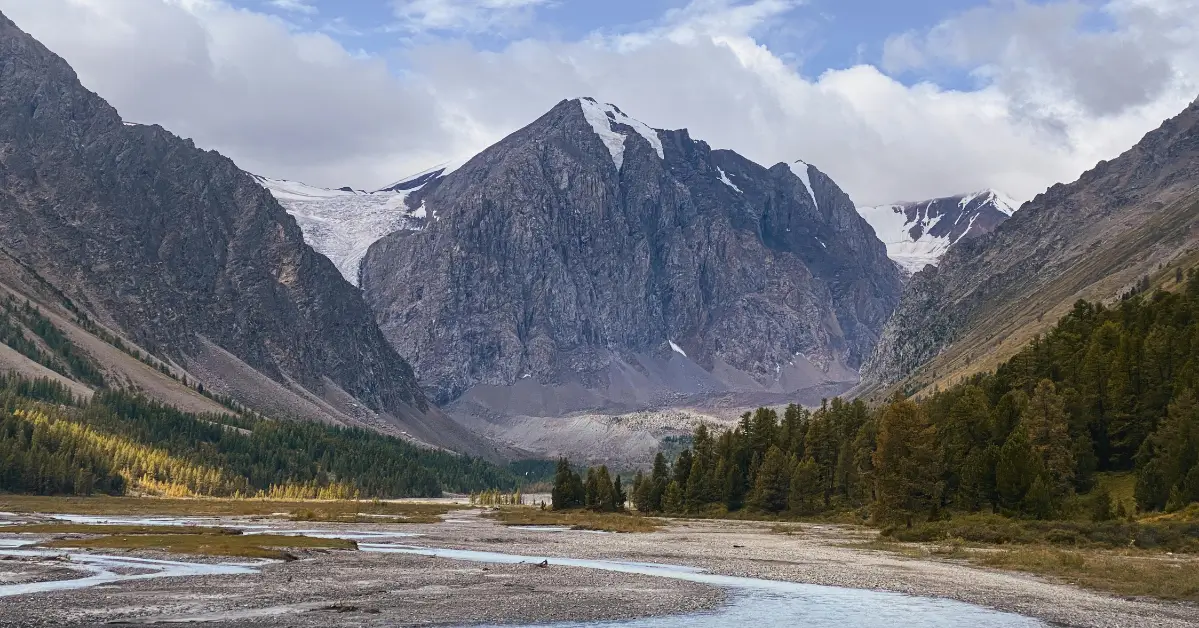
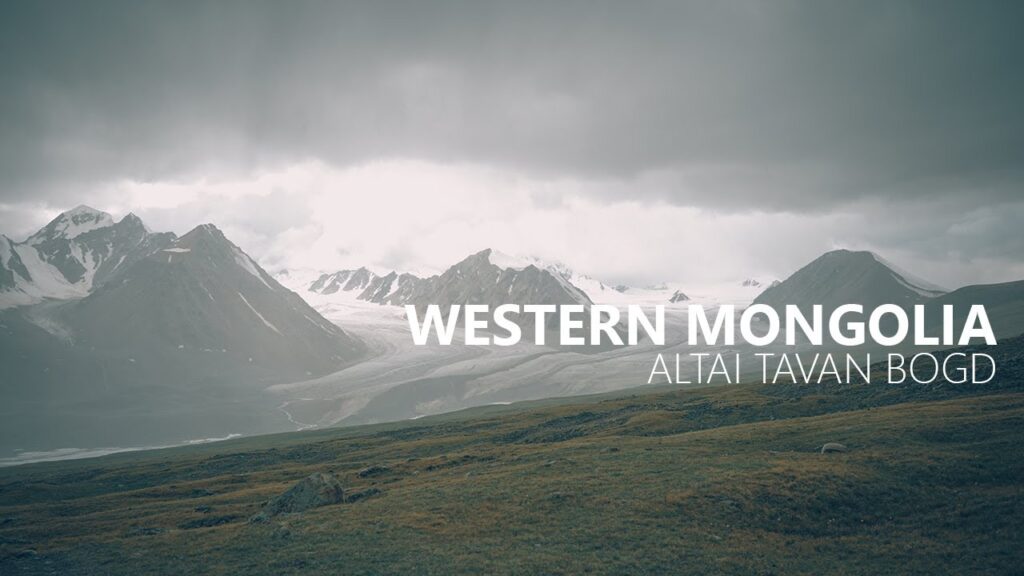
Altai Tavan Bogd National Park is in far western Mongolia (Bayan-Ölgii Province) at the triple border with China and Russia. The park covers 6,362 km² and protects Mongolia’s most dramatic high-altitude terrain — including the Potanin Glacier (Mongolia’s longest) and the Alexandra Glacier, totalling 204 km² of permanent ice.
The park’s signature peak is Khuiten Peak at 4,374 m (14,350 ft) — Mongolia’s highest point. Most ATB trekking routes don’t summit Khuiten (that’s a separate mountaineering objective) but DO reach base camp at the Potanin Glacier at roughly 3,000m altitude. The climate range you’ll experience in one trip:
| Location | Altitude | July day temp | July night temp |
|---|---|---|---|
| Ölgii (start point) | 1,710m | 20-25°C | 8-12°C |
| White River Valley trailhead | ~2,200m | 15-22°C | 5-10°C |
| Potanin Glacier base camp | ~3,000m | 8-15°C | -2 to 5°C |
| Khuiten Peak summit | 4,374m | -5 to 5°C even in summer | -10 to -15°C |
Ölgii itself has a subarctic climate (Köppen BWk) with summer record highs of 35.8°C and winter record lows of -40°C. The summer trekking window concentrates the predictable weather — but at altitude, sun-bright days can flip to snow flurries within hours.
You’re packing for two climates in one trip: warm valley days, near-freezing mountain nights.
Layered Clothing System
The layered system that works for ATB July-August treks, based on actual conditions across the park:
| Layer | Item | Quantity |
|---|---|---|
| Base layer | Merino wool or synthetic thermal top | 2 |
| Base layer | Merino wool thermal bottom | 1 |
| Mid layer | Fleece pullover (200-weight) | 1 |
| Mid layer | Light down vest (optional, packs small) | 1 |
| Insulation | Insulated puffy jacket (700-800 fill power) | 1 |
| Shell | Waterproof / windproof shell jacket (Gore-Tex or equivalent) | 1 |
| Shell | Waterproof shell pants | 1 |
| Trekking | Quick-dry hiking pants (synthetic, not cotton) | 2 |
| Trekking | Long-sleeve sun shirt | 2 |
| Headwear | Wide-brim sun hat (UV at 3,000m is intense) | 1 |
| Headwear | Warm beanie | 1 |
| Hands | Liner gloves (for camera/tools in cold) | 1 pair |
| Hands | Insulated waterproof gloves | 1 pair |
| Neck | Buff or neck gaiter | 2 |
| Socks | Wool/synthetic hiking socks | 5 pairs |
| Underwear | Quick-dry synthetic | 5-7 pairs |
Critical principle: avoid cotton. Cotton stays wet, gets cold against your skin, and chafes. Merino wool is ideal — stays warm when damp from sweat or rain, and resists odour over multiple days of wear without laundry access.
The most underestimated item: a waterproof shell. Even on sunny days, the steppe wind cuts through fleece in seconds; afternoon storms above 3,000m drop temperatures fast. Spend on a quality shell.
Footwear and Feet
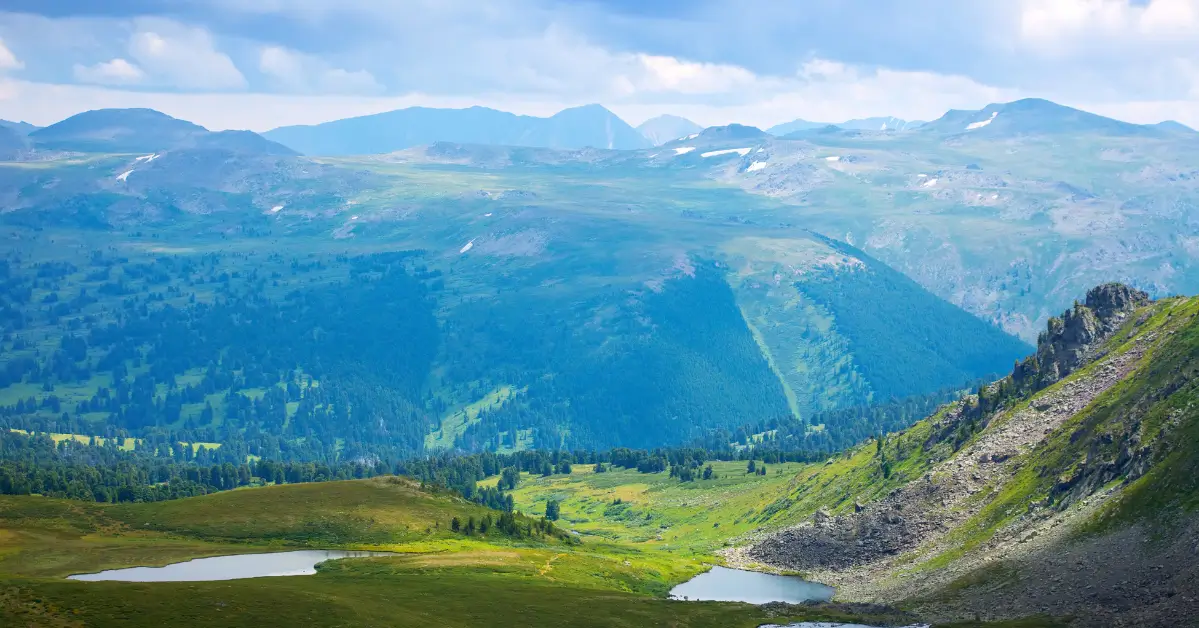
The trail surface in Altai Tavan Bogd is mixed: gravel valleys, river crossings (knee to thigh deep in early summer), grass pasture, scree, glacial moraine, and occasional patches of permanent snow. Footwear matters more than almost any other piece of gear.
Essentials: – B1 hiking boots — stiffer than approach shoes, broken in well before the trip – Ankle support — uneven terrain, no medical evacuation infrastructure – Waterproof — Gore-Tex or equivalent membrane (river splash + morning dew + occasional rain) – Gaiters — keep gravel out of boots; essential at river crossings – River crossing footwear — lightweight quick-dry trail shoes OR sturdy sport sandals you can wade in (boots stay dry while crossing)
Avoid: – New boots untested on multi-hour hikes (blisters guarantee a miserable trip) – Pure mountaineering boots B2/B3 (overkill unless summiting Khuiten) – Trail runners only (no ankle support, soaked at first crossing) – Hiking sandals as primary trail shoes (no protection from rocks)
Sock strategy: – 1 pair thin liner socks – 1-2 pairs midweight wool/synthetic hiking socks – Rotate daily to give feet a dry start – 1 pair sleep socks (never wear day-hiked socks to bed)
Bring blister care: zinc oxide tape, moleskin, antiseptic wipes. Even broken-in boots can blister on day 3-4 of consecutive hiking.
Sleeping Gear and Camp Items
Most ATB treks involve 4-6 nights of tent camping (we provide tents, mess tent, and cooking gear — you bring personal sleep kit).
Required: – 4-season sleeping bag rated to -10°C (down preferred for warmth-to-weight; synthetic if you expect wet conditions) – Sleeping bag liner (silk or merino) adds 5-7°C warmth and keeps the bag clean – Inflatable sleeping mat (R-value 3.5+) — temperature drops sharply at 3,000m – Camp pillow (inflatable or stuffed compression sack with clothes) – Headlamp with red light option + 2 spare battery sets – Earplugs if you’re a light sleeper (camp camels, horses, and wind keep summer nights lively)
Tent essentials we provide: – 3-season tents, double-wall, weatherproof – Mess tent for group meals – Cooking equipment and expedition cook – Pack camels or horses for moving camp gear
You bring: – Personal sleeping kit (above) – A 1L+ water bottle and a 500ml insulated mug for evening tea – A small toiletry kit + biodegradable soap – Quick-dry pack towel – Lightweight camp shoes or insulated slippers (relief after hiking boots)
Day-Pack Essentials and Photography
Daily walking averages 5-8 hours with light daypack (8-15 km per day depending on route). Pack camels carry main luggage between camps — you only carry what you need during the day.
30L daypack essentials: – 2L+ water capacity (bladder + bottle combo works well) – Lunch + 3-4 snack bars/dried fruit – Insulated layer (puffy jacket compressed) – Waterproof shell jacket – Sun hat + warm hat – Sunglasses (CAT 3-4 for glacier glare) – SPF50 sunscreen + SPF lip balm – Personal first aid (blister kit, painkillers, allergy meds) – Headlamp (in case of late return) – Camera or phone for photos – Trekking poles (clip to pack when not in use)
Photography kit for ATB: – 24-70mm or 24-105mm zoom — handles 90% of landscape and people shots – 70-200mm or 100-400mm for wildlife (argali, ibex, eagle from a distance) – Polarising filter (snow + glacier + lake reflections) – 2-3 extra camera batteries (cold mornings drain them faster) – Microfibre cloths in zip-lock bags (dust + condensation) – Bring camera in carry-on never checked
Wildlife you may photograph on the trek includes argali, ibex, red deer, beech marten, moose, snow cock, and golden eagle — all protected species under park regulations. Keep distance and follow your guide’s lead — particularly with argali (IUCN Near Threatened).
Documents, Money, and Personal Items
Easily-forgotten essentials:
- Passport with at least 6 months validity beyond your trip end
- Mongolia visa if required (many nationalities are visa-free for 30 days)
- Altai Tavan Bogd National Park permit (tour operators arrange this, but verify before departure)
- Travel insurance with mountain rescue coverage (Mongolia evacuation is expensive)
- Print copies of insurance, hotel confirmations (no wifi at park)
- USD cash in clean small bills — tips for guide/camel handlers, small purchases
- Mongolian tögrög (MNT) — exchange in Ulaanbaatar or Ölgii before trailhead
- Power bank 20,000+ mAh — no charging at trail camps
- Universal travel adapter (Mongolia uses Type C and Type E, 220V)
- Personal toiletries including hand sanitiser, biodegradable soap, wet wipes
- Lip balm with SPF + heavy moisturiser (high altitude dries skin fast)
- SPF50+ sunscreen for face + hands (UV at altitude is intense)
- Sunglasses CAT 3-4 UV protection
- Personal medications with extras in case of trip delay
Camel-Friendly Luggage Tips
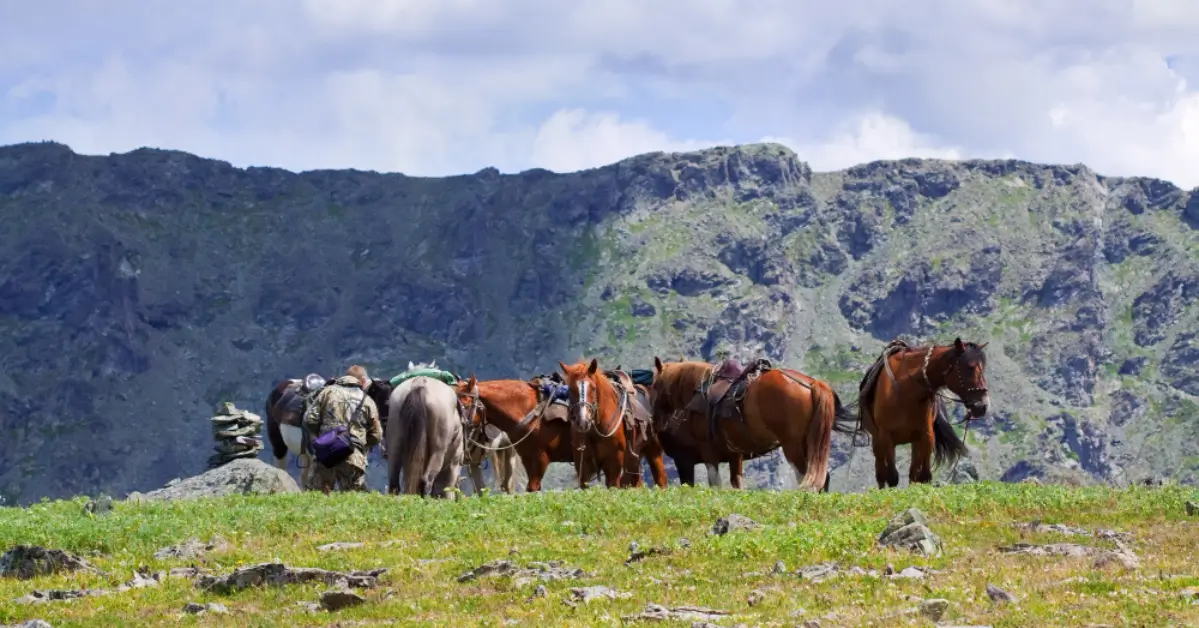
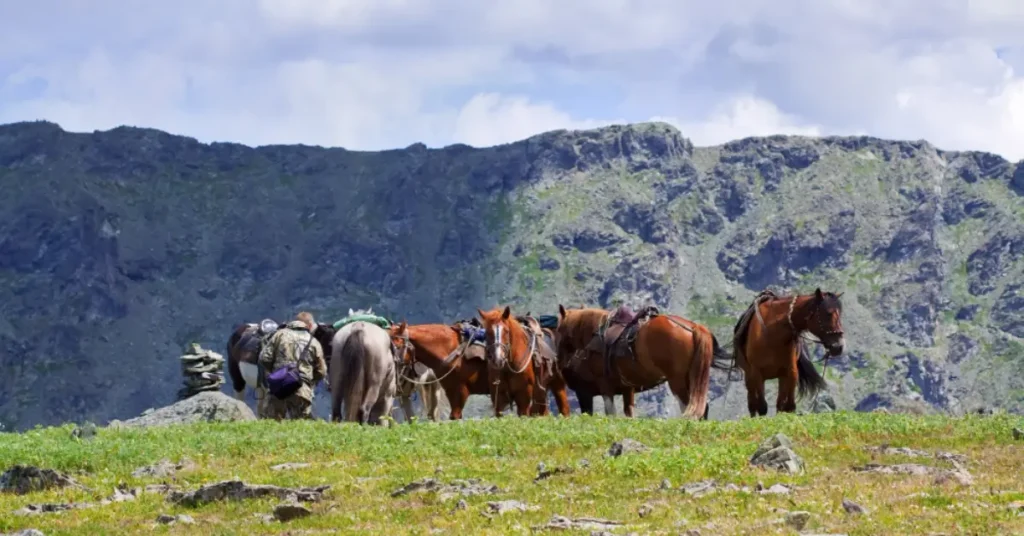
On ATB treks, main luggage moves between camps on pack camels (or horses, depending on route). This places hard rules on luggage type:
- Soft duffel bags only — typically 60-90L size. Camels can’t carry rigid suitcases.
- Two smaller bags > one giant bag — easier for camels to balance and easier for handlers to load.
- Pack heavy items low and central in your duffel — keeps the bag stable on the camel.
- Wrap electronics in waterproof bags inside the duffel — river crossings can splash, rain can soak.
- Keep one critical-items kit in your daypack at all times — separated from your camel-bagged duffel in case bag access is delayed at camp.
- Total checked weight 15-18 kg max — both for camel comfort AND for the domestic flight Ulaanbaatar → Ölgii (typical 15 kg checked allowance).
What stays at Ulaanbaatar hotel: anything you don’t need at the trailhead or trek (extra city clothes, books, formal wear, anything you’d carry only “in case”). Most travellers leave 5-10 kg in luggage at Ulaanbaatar.
For full pre-trip preparation tailored to your specific tour, see the detailed packing list provided 30-45 days before departure on our Altai Tavan Bogd 5-Day Tour (Malchin Peak climb), the 6-Day Best Of Altai Tavan Bogd (scenic + cultural), or the 8-Day Mongolia Altai Mountain Tour (most comprehensive). Different routes have slightly different gear needs.
Suggested Tours:
Suggested Blogs:
Self-Guided vs Guided Motorcycle Tour in Mongolia: Which One Actually Fits Your Ride?
For roughly 85% of international riders, a fully-guided Mongolia motorcycle tour is the right format — the supported package costs…Mongolia Motorcycle Packing List 2026: What You Actually Need for the Altai
A 10-day Mongolia motorcycle tour packing list comes down to five layers of gear: serious riding kit (full helmet, armoured…Mongolia Motorcycle Tour Cost in 2026: What You’ll Actually Pay (and What’s Included)
A guided 10-day Mongolia motorcycle tour costs around $3,600 per person in 2026 when booked through a licensed local operator…

When is the best time to trek Altai Tavan Bogd?
July and August are the prime trekking months. High passes are snow-free, river crossings are safe (water levels manageable), alpine wildflowers are blooming, and weather is most stable. Late June is possible but rivers may run dangerously high from snowmelt. September brings unpredictable weather and the first dustings of snow.
How cold does it get at Potanin Glacier base camp?
Daytime in July-August typically 8-15°C at the glacier base camp (~3,000m). Nights drop to between -2°C and 5°C — well below freezing on cooler nights. The temperature gradient matters: you may start in shorts at the trailhead (1,700m, 22°C) and need a puffy jacket by evening at camp (3,000m, 5°C).
Do I need a 4-season sleeping bag for summer trekking?
Yes — a bag rated to -10°C is the practical minimum for nights at the 3,000m base camp. A 3-season bag rated to 0°C will leave you cold. A sleeping bag liner (silk or merino) adds 5-7°C of warmth and is worth the small extra weight.
What’s the luggage limit for the flight to Ölgii?
Domestic flights Ulaanbaatar to Ölgii (operated by Hunnu Air or Aero Mongolia) typically allow 15 kg checked plus 5-7 kg carry-on. Excess baggage charges apply quickly. Soft duffel bags are strongly preferred over rigid suitcases. Most travellers leave 5-10 kg in their Ulaanbaatar hotel and only fly with trekking essentials to Ölgii.
Do I need to bring my own tent and cooking gear?
No. Our tours provide tents, mess tent, cooking equipment, expedition cook, and pack-camel support for moving gear between camps. You bring personal items only: clothing, footwear, sleeping bag, sleeping mat, daypack, personal toiletries, photography gear, and documents.
Can I summit Khuiten Peak on a regular trek?
No — Khuiten Peak (4,374m) is a technical mountaineering objective requiring crampons, ice axe, rope work, and prior alpine experience. It’s offered as a separate Mt Khuiten Climb expedition. Regular ATB treks reach the Potanin Glacier base camp and offer optional climbs of Malchin Peak (4,050m), which can be summited without technical gear.
What gear can I rent vs buy?
For first-time trekkers we recommend bringing your own boots, clothing, and sleeping bag (proper fit matters and can’t be guaranteed with rentals). Trekking poles, gaiters, and basic gear can be rented through your tour operator at booking. Heavy mountaineering gear (crampons, ice axe, rope) is supplied for Khuiten climbing tours.