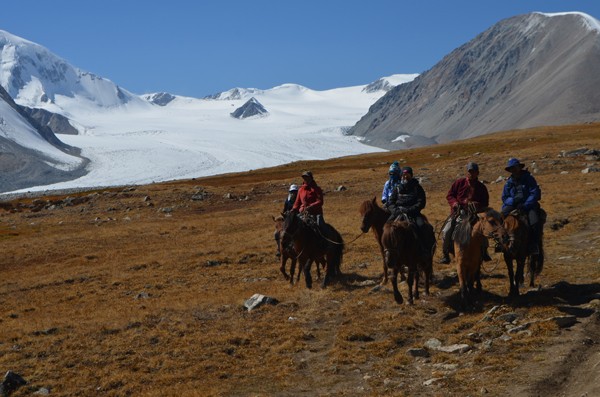
Which Country Is Best for Horse Riding? – When you think of horse riding, several countries might come to mind, but there’s one place that stands above the rest—Mongolia.
This vast and rugged country, with its open steppes and deep-rooted horse culture, offers an unparalleled experience for horse lovers.
Altai Tours from Mongolia
Let’s create your ideal Mongolian adventure
Whether you’re a seasoned rider or someone looking to try horse riding for the first time, Mongolia should be at the top of your list. Here’s why Mongolia is the best country for horse riding, and why it offers something truly unique.
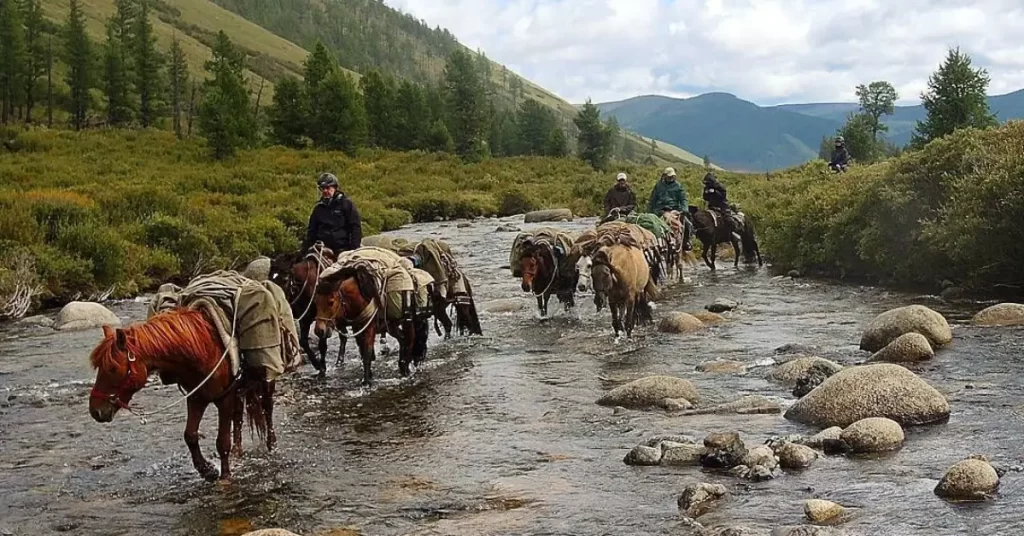
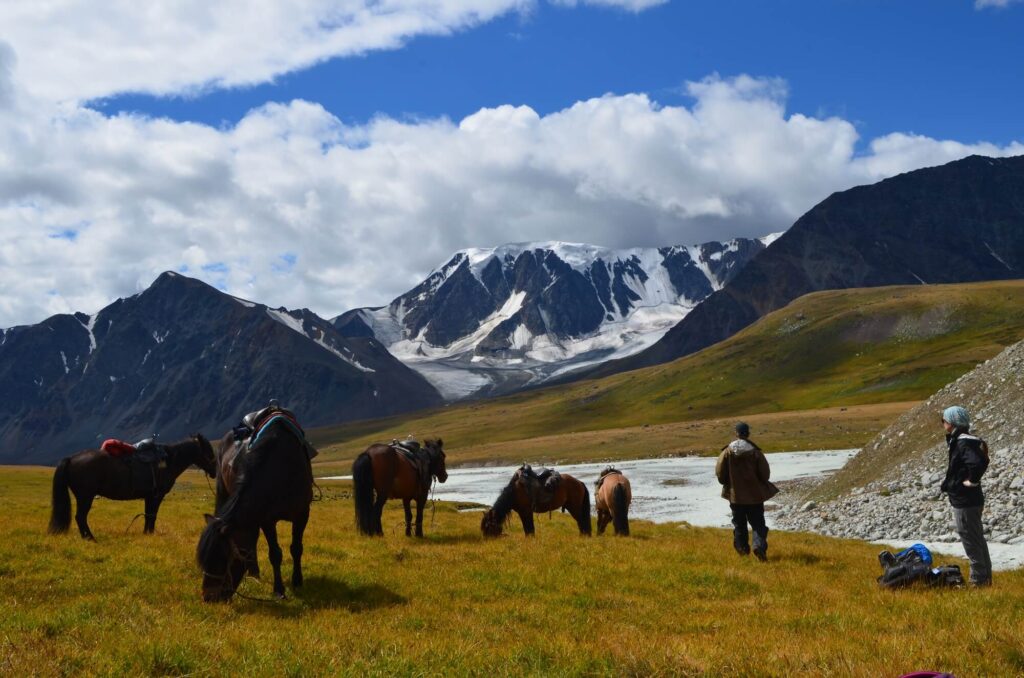
We offer you MONGOLIA HORSE TREKKING TOUR. Come and enjoy the Mongolia Horse Riding Tour. Mongolia is home to the last nomads. Mongolian Horses are the most important part of nomadic life. It will be wonderful 🤩🤩
Deep Connection Between Mongolians and Horses
🐎 Want to experience this in person? Join our 11-Day Altai Horse-Supported Trekking Tour with local Kazakh guides — small groups, authentic experience, 5.0 stars on TripAdvisor.
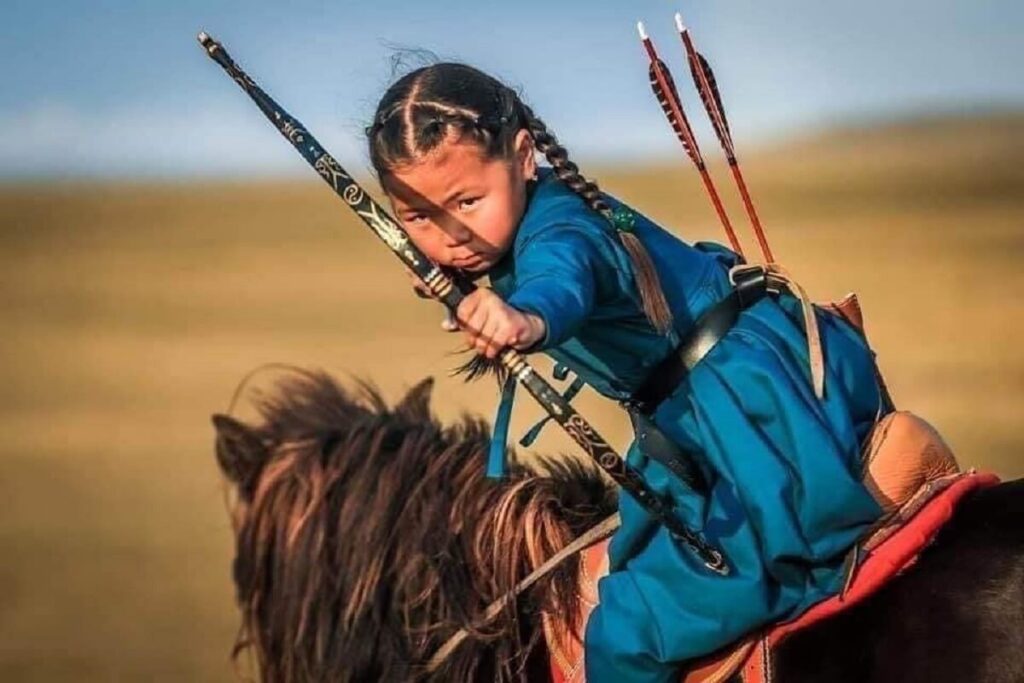
Mongolia is often called the “Land of the Blue Sky,” but it could easily be known as the land of horses. Horses have been at the heart of Mongolian culture for thousands of years.
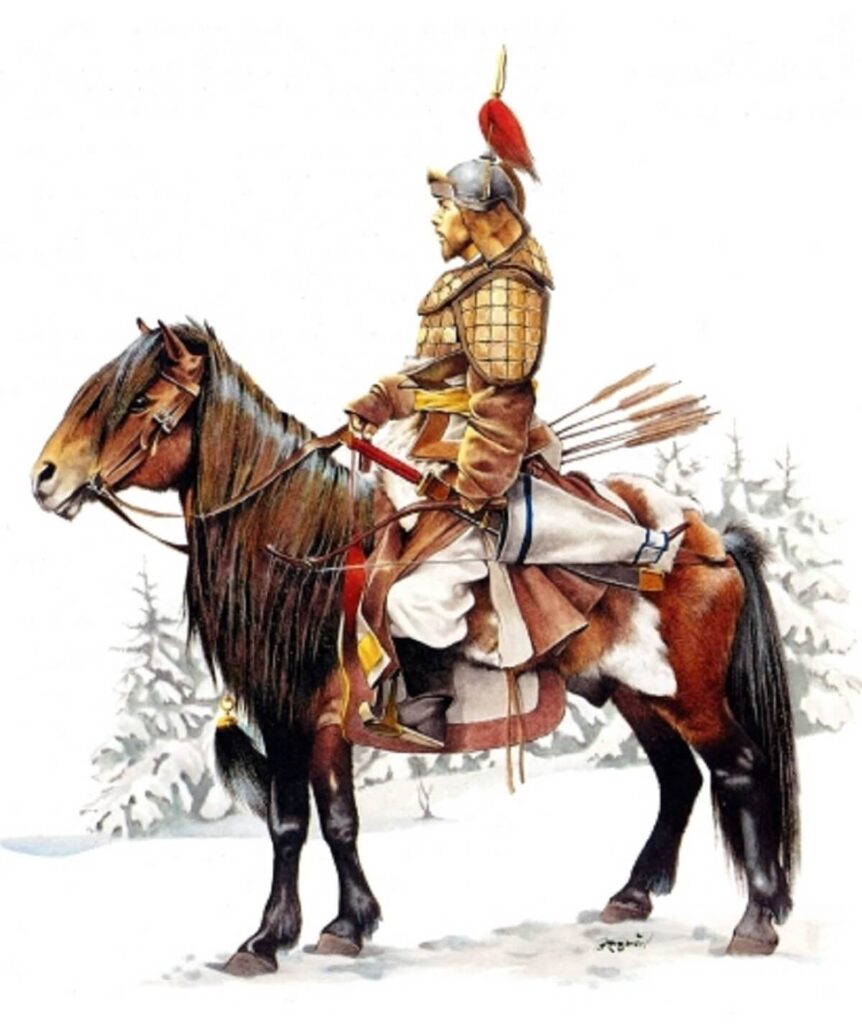
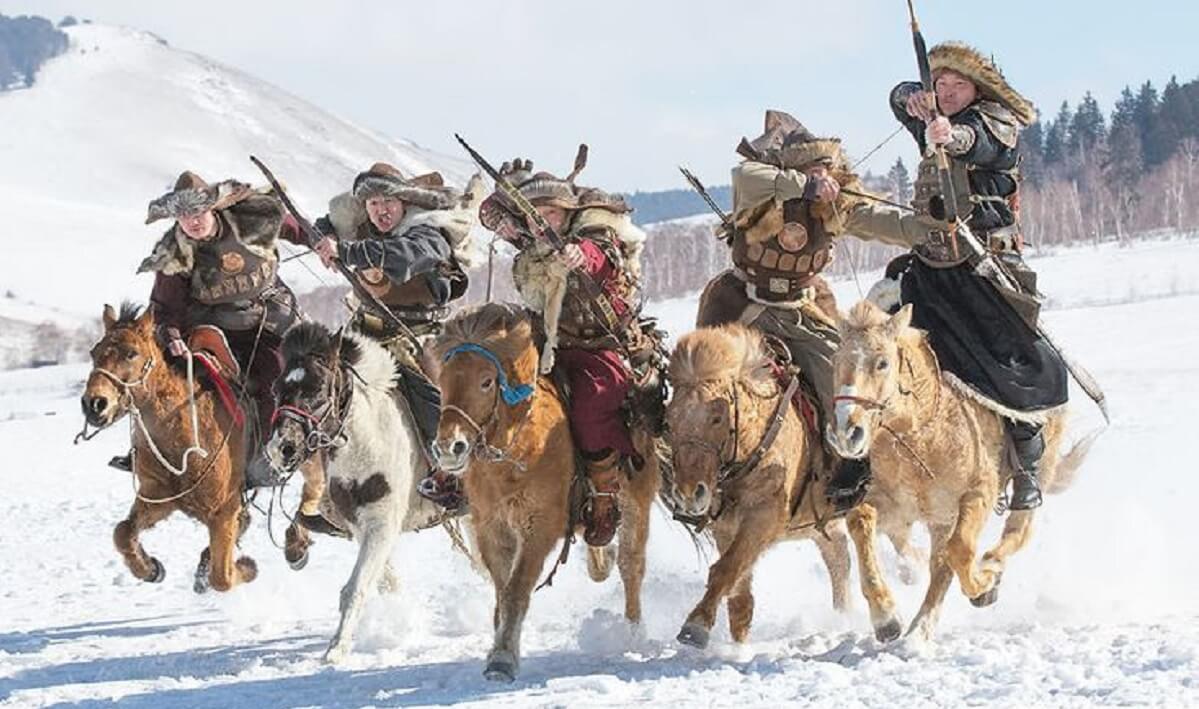
The legendary Mongol leader Genghis Khan famously built his empire with the help of Mongolian horses, using their speed and endurance to travel vast distances.
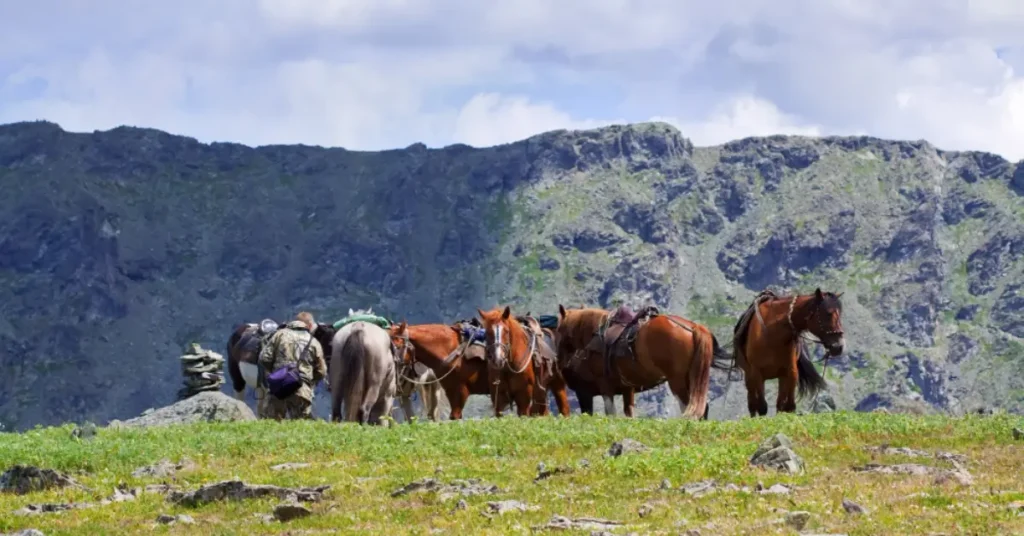
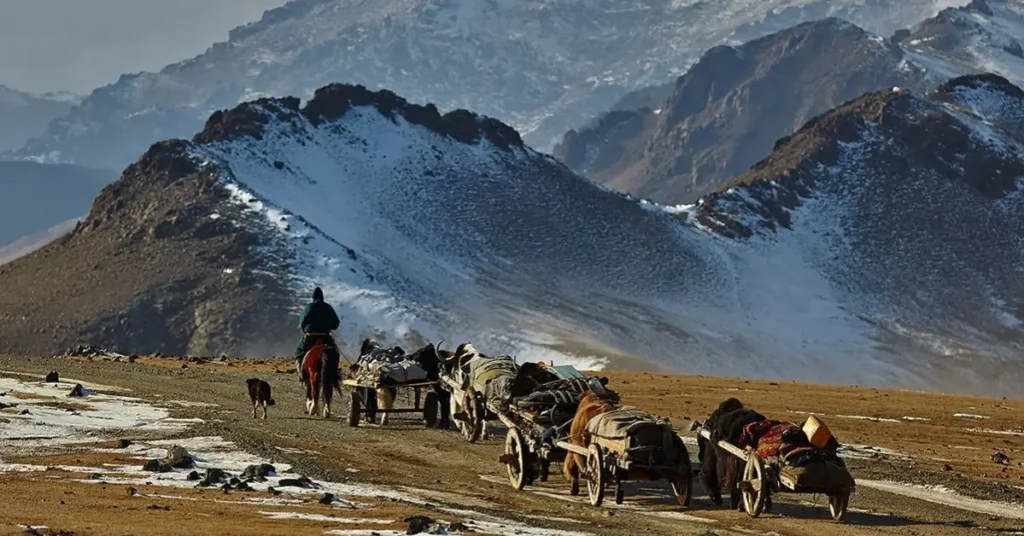
Even today, horses remain a central part of daily life for many Mongolians. In the countryside, you’ll see herders using their horses to travel, move livestock, and navigate the landscape.
Unlike in many parts of the world, where horses are mostly used for sport or leisure, Mongolian horses are working animals that are an essential part of survival on the steppe.
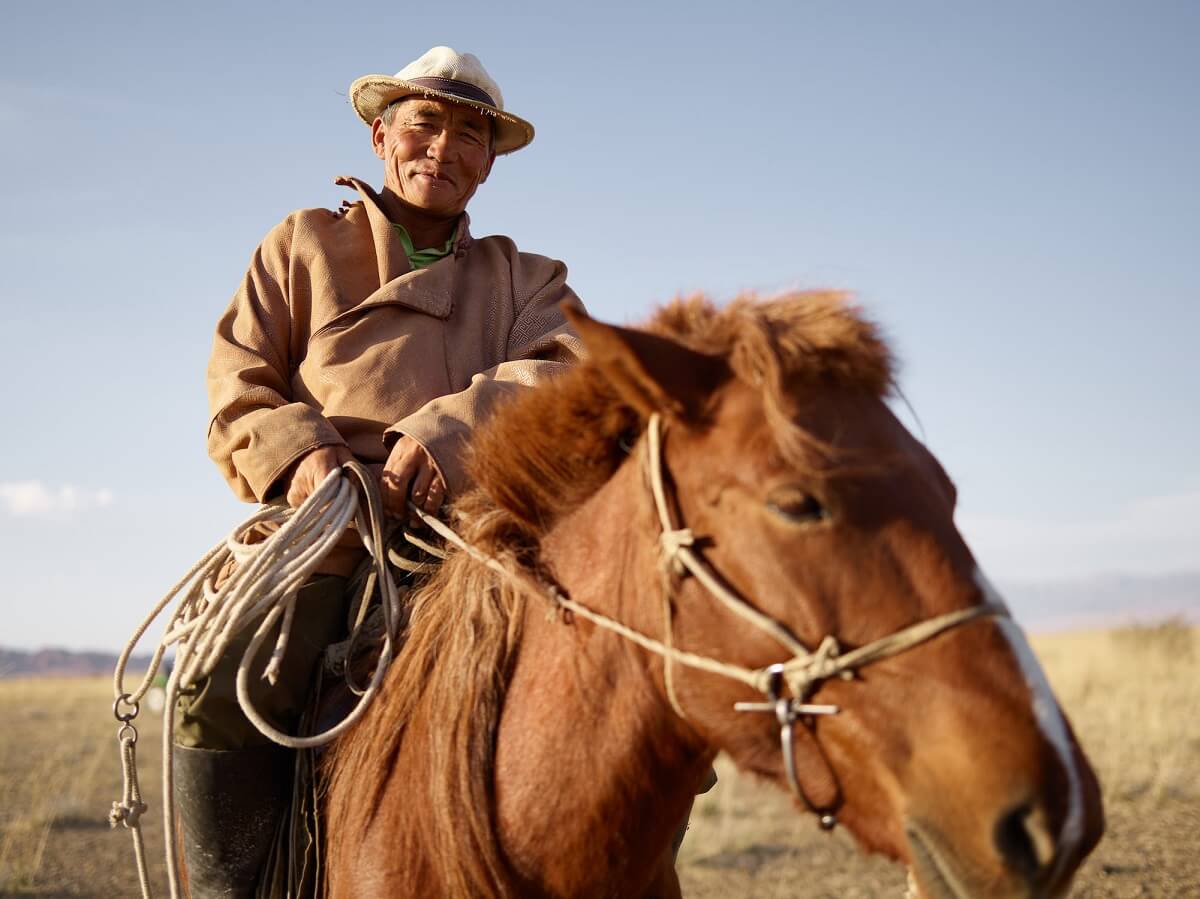
This connection with horses is not just practical but spiritual. Mongolians have a deep respect for their horses, seeing them as partners rather than just animals. As a rider in Mongolia, you’ll feel this special relationship and be able to experience it firsthand.

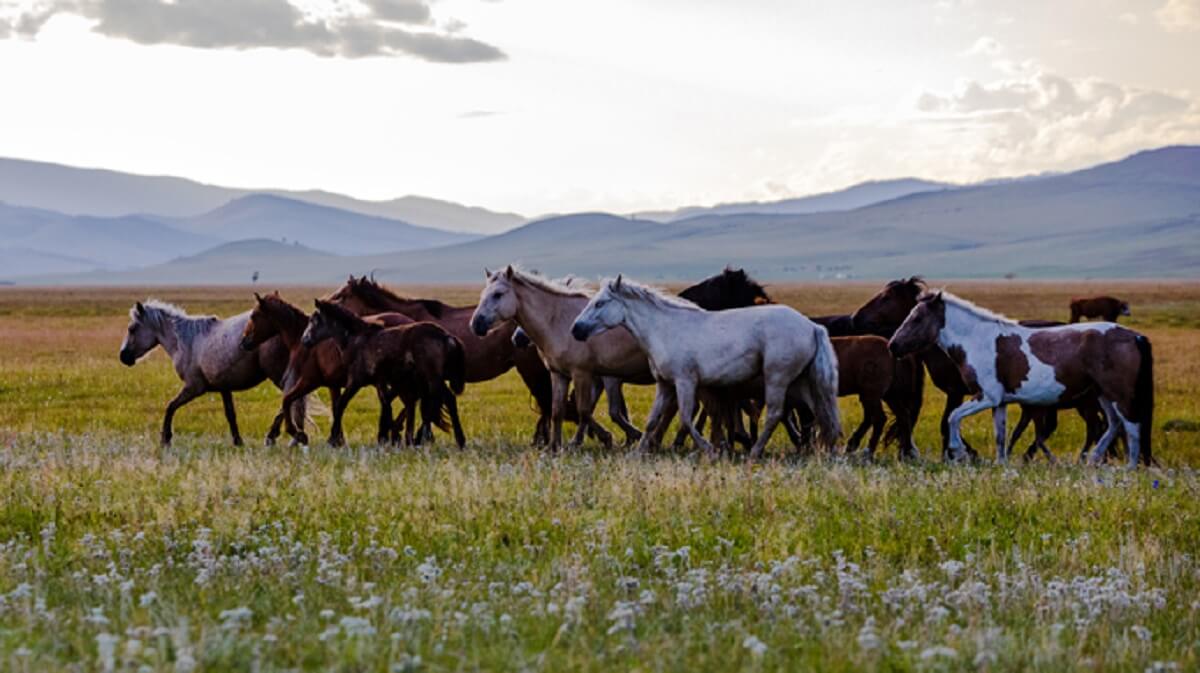

Unique Mongolian Horses
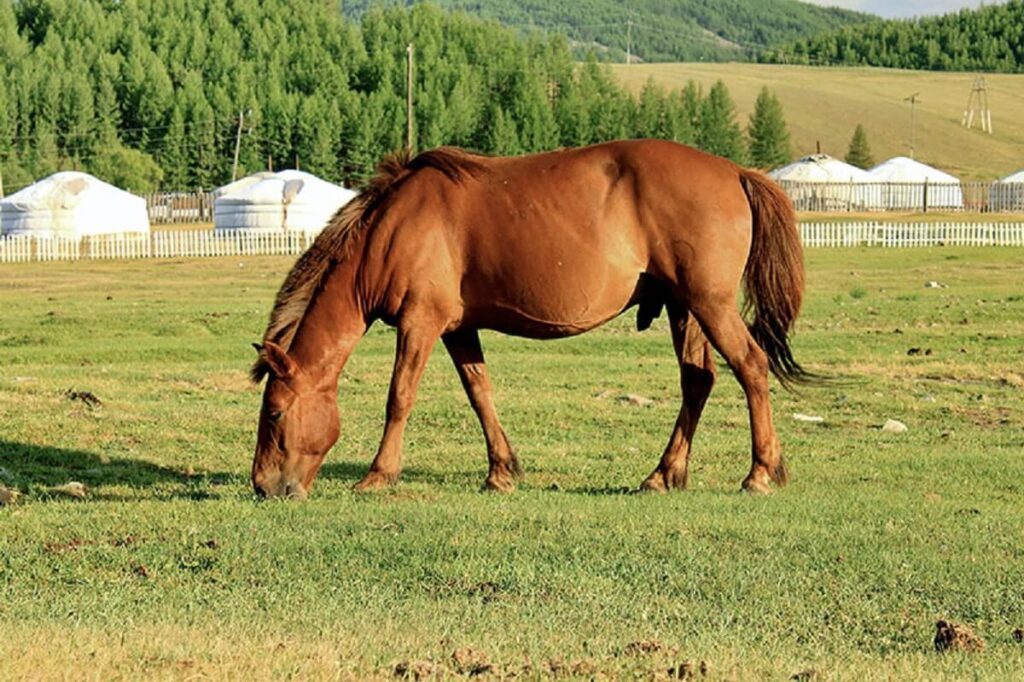
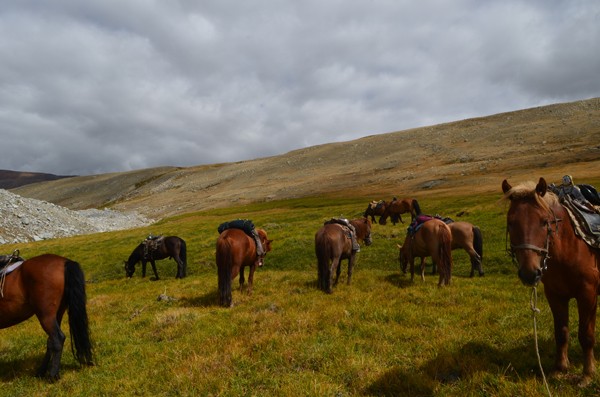
Mongolia’s horses are not like the ones you might have ridden before. They are smaller, tougher, and more resilient than most Western breeds.
Despite their size, Mongolian horses are incredibly strong and able to endure the harsh conditions of the Mongolian landscape, including cold winters, dry summers, and long journeys across the open steppe.
What makes riding these horses so exciting is their independent nature. Mongolian horses are often semi-wild, meaning they are not pampered or overly trained like some Western horses.
While this can be challenging for beginners, it’s also incredibly rewarding because you get to experience horse riding in its most authentic form—no frills, just you and the horse in its natural environment.
The Landscape: A Rider’s Dream
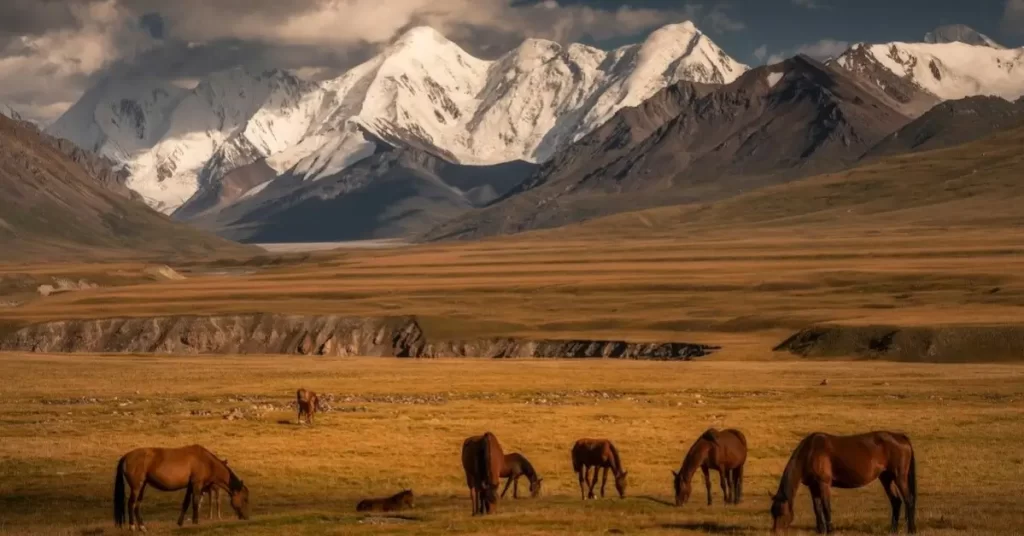
Mongolia’s landscape is nothing short of breathtaking. Vast open steppes stretch for miles, with rolling hills, mountains, and deserts as far as the eye can see.
As a rider, you’ll find yourself immersed in this stunning scenery, often riding for hours without seeing another person or any signs of civilization. The sense of freedom that comes with this is unmatched.
Altai Tours from Mongolia
Let’s create your ideal Mongolian adventure
In the north, you can ride through lush meadows and forests, passing by pristine lakes like Khuvsgul Lake, which is often called the “Blue Pearl of Mongolia.” In the south, the Gobi Desert offers a completely different kind of beauty, with its towering sand dunes and rocky landscapes.
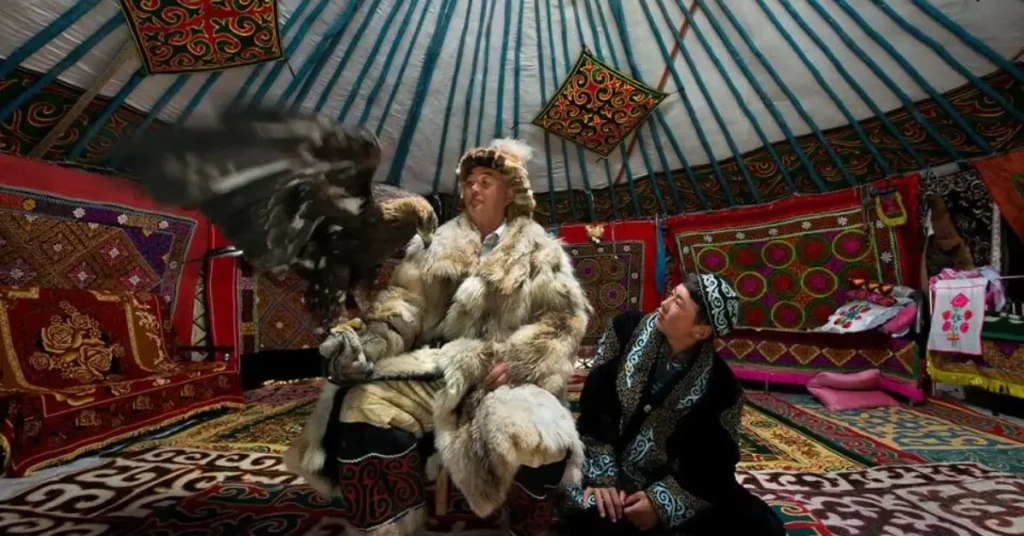
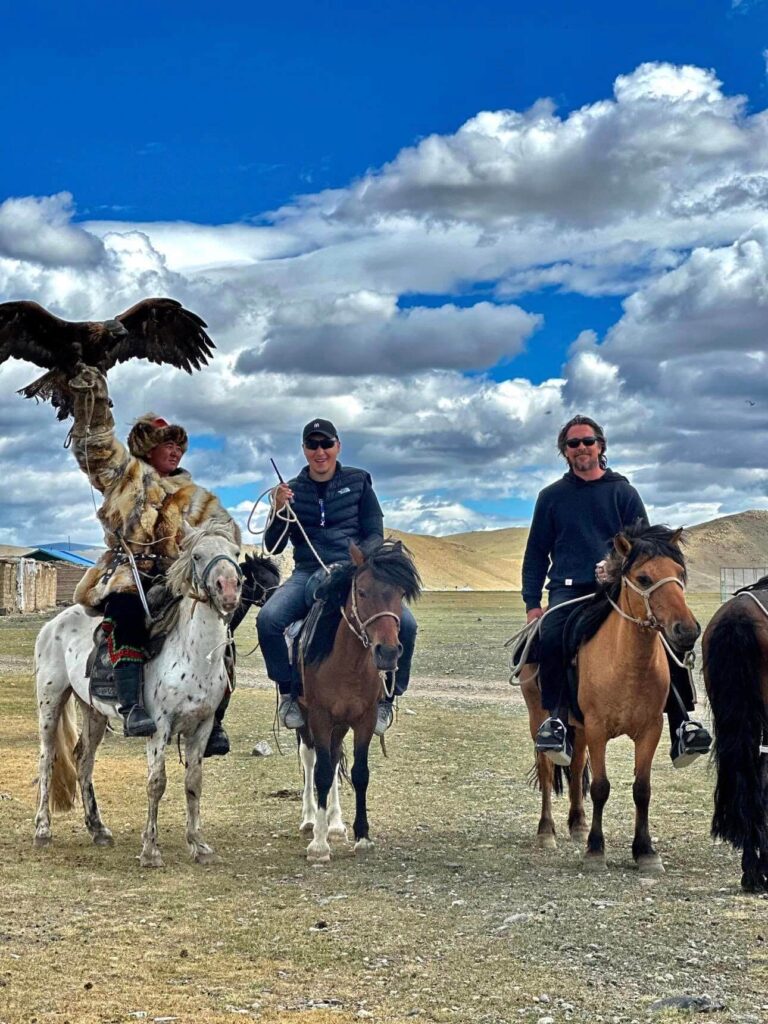
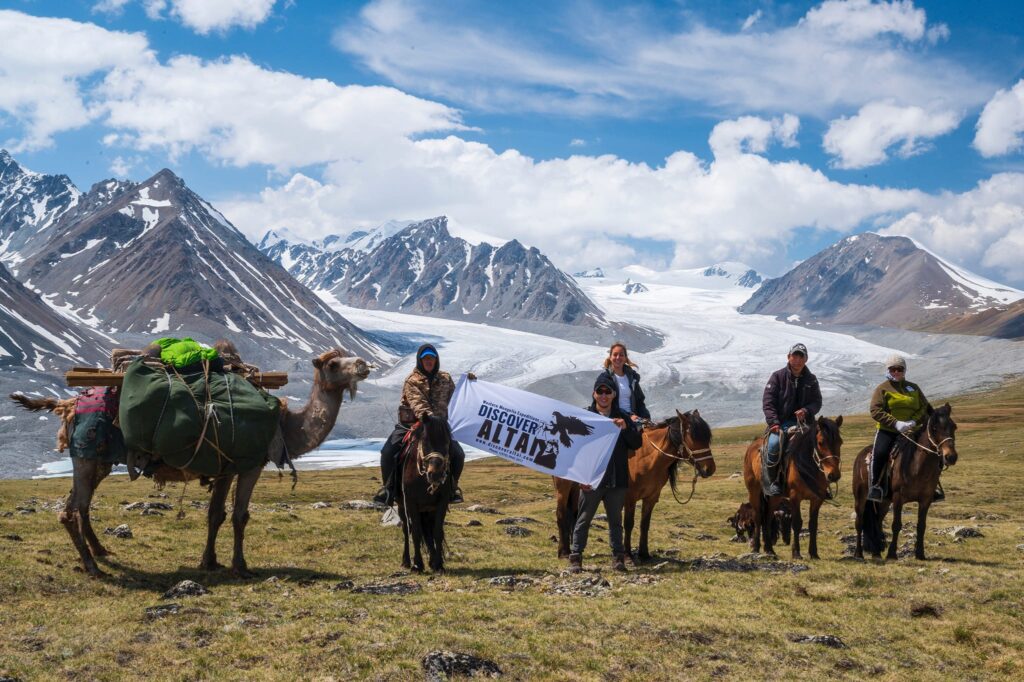
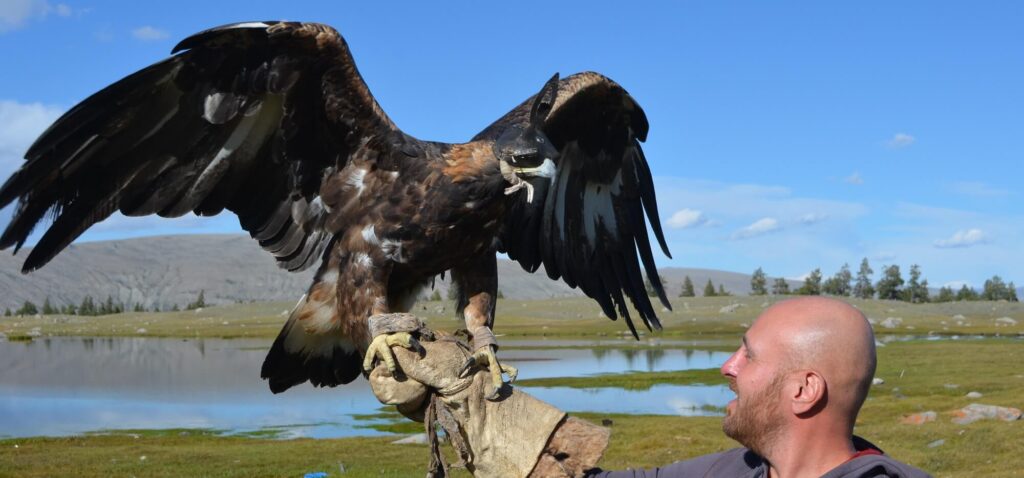
One of the most famous horse-riding routes is through the Altai Mountains in western Mongolia, where you can even encounter nomadic eagle hunters. Every region of Mongolia offers a new adventure and a new type of terrain to explore on horseback.
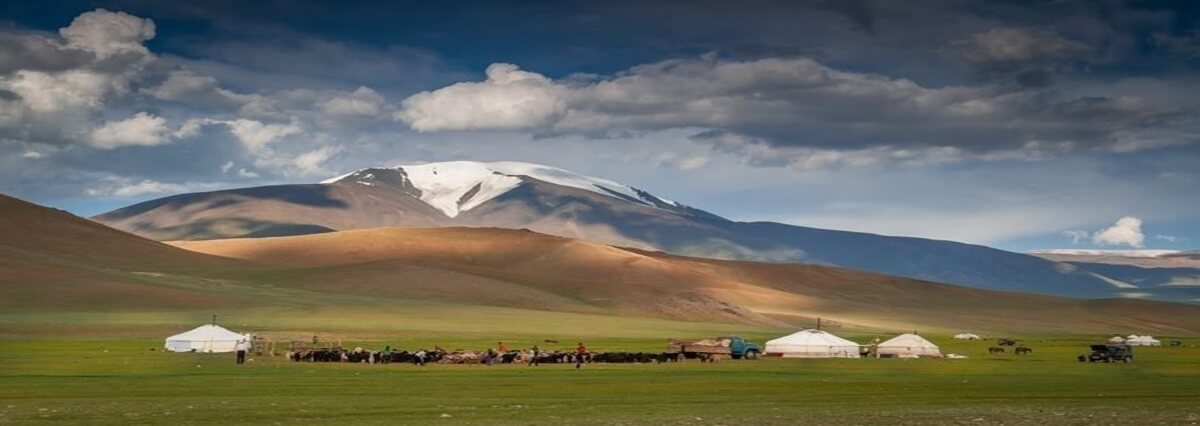
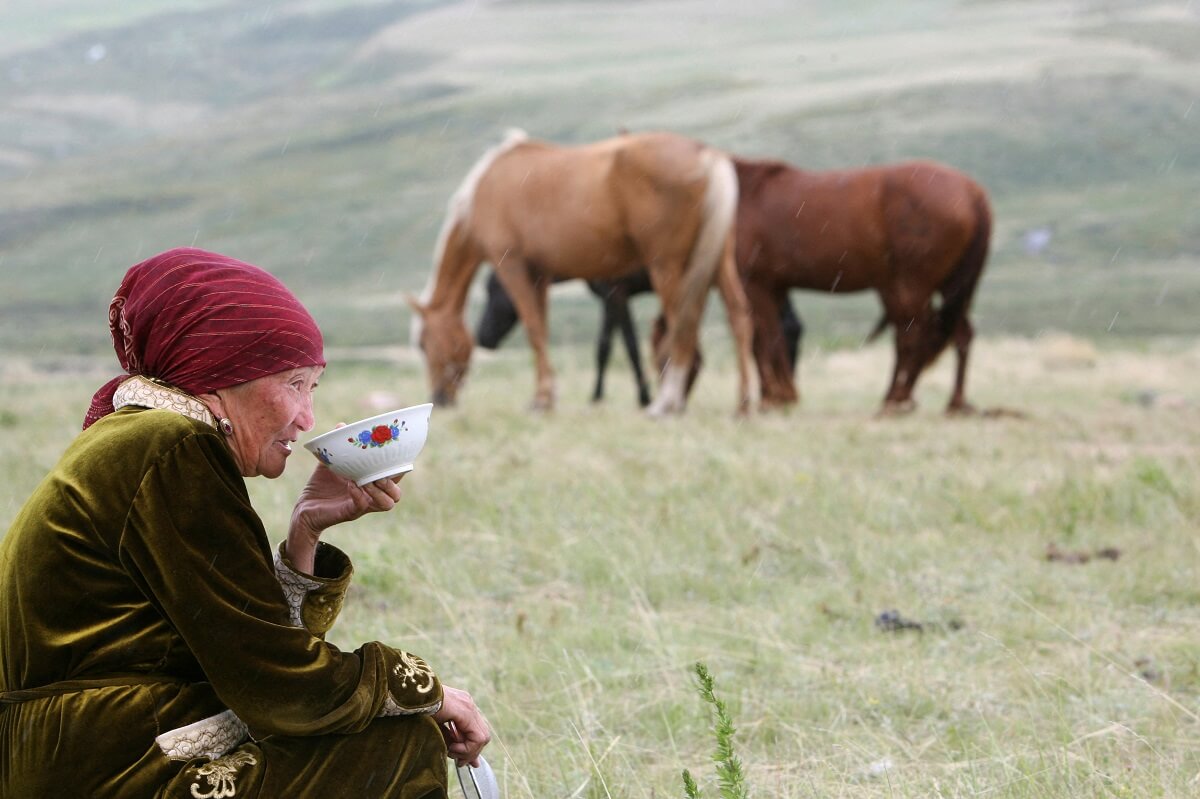
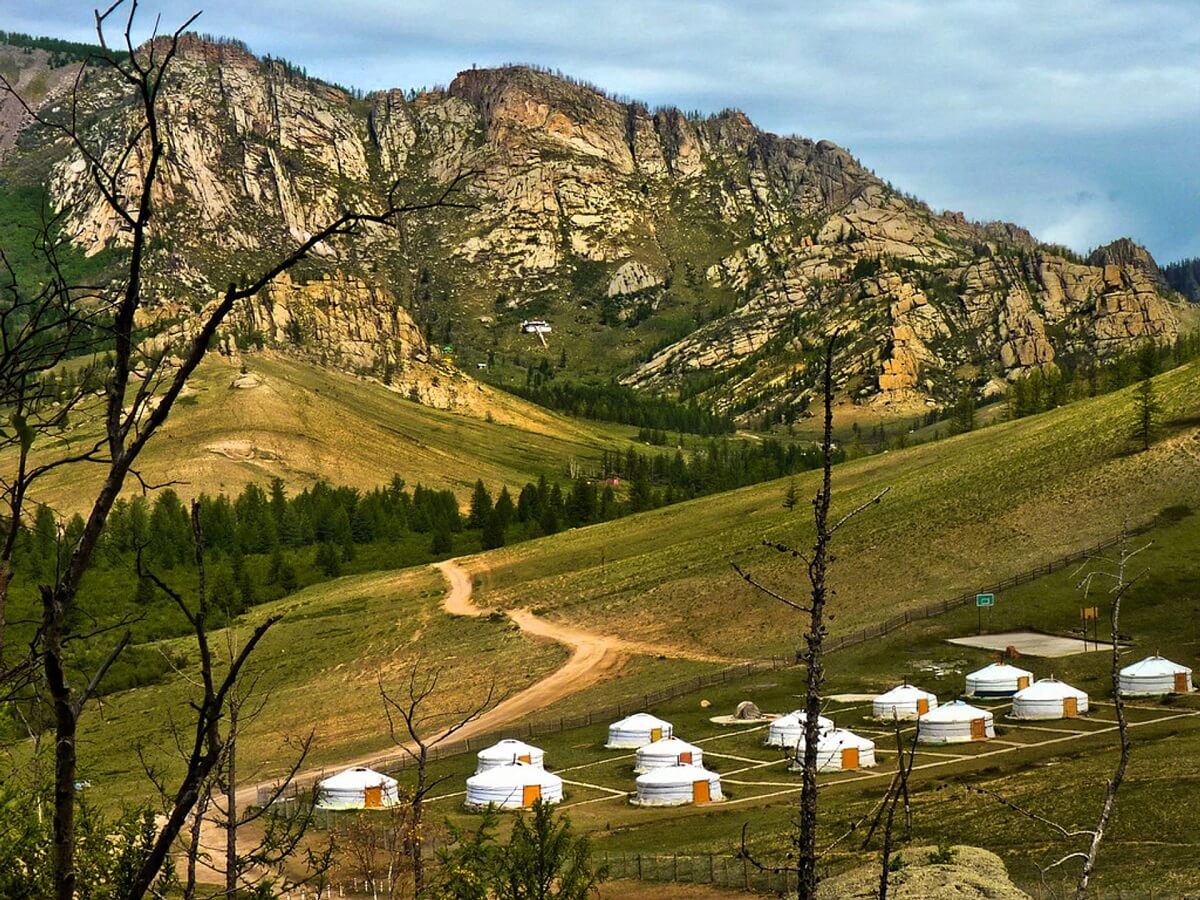
A True Nomadic Experience
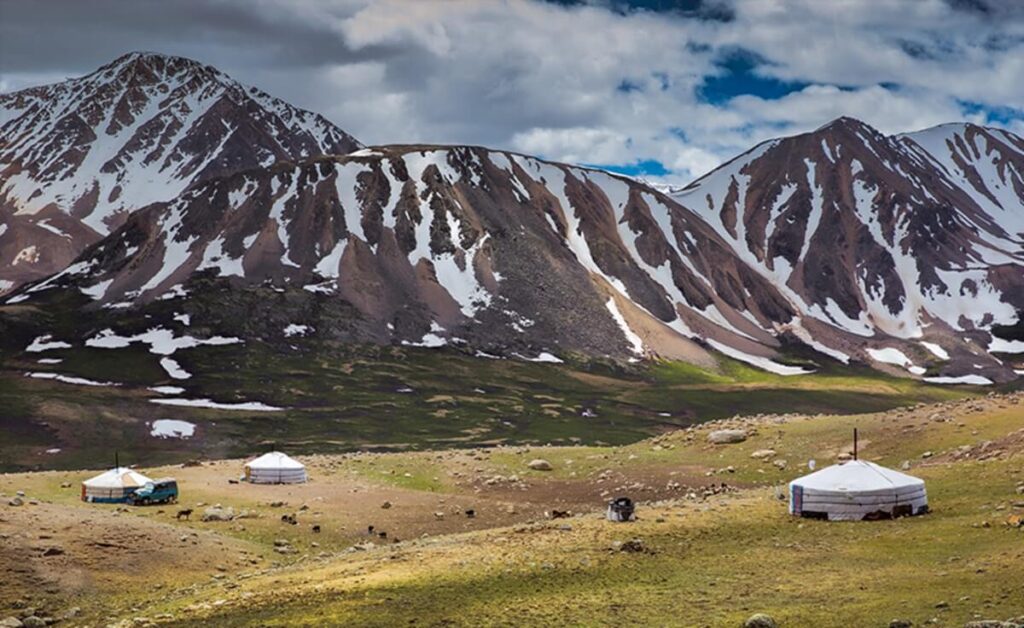
One of the most unique aspects of horse riding in Mongolia is the chance to live like a nomad. Mongolian nomads have been living in harmony with nature for centuries, moving with their herds and setting up their ger (traditional felt tents) wherever they roam.
Many horse riding tours offer you the opportunity to stay with these nomadic families, sharing meals and learning about their way of life.
This is not your typical horseback riding vacation where you return to a hotel at the end of the day.
Instead, you’ll sleep under the stars or in a cozy ger, eat traditional Mongolian food like “khorkhog” (a meat dish cooked with hot stones), and travel like the locals do. It’s a true cultural immersion and one of the most authentic travel experiences you can find.
Adventure for All Skill Levels
Whether you’re a complete beginner or an experienced rider, Mongolia has something to offer. If you’re new to horse riding, many tours will provide gentle horses and experienced guides who will help you feel comfortable.
For the more experienced riders, Mongolia offers the chance to really push your skills, riding across challenging terrain and covering long distances over several days.
Altai Tours from Mongolia
Let’s create your ideal Mongolian adventure
Horse riding in Mongolia isn’t just about the ride; it’s about the whole experience. The connection with the horses, the beauty of the landscape, and the rich cultural traditions all combine to create something truly special.
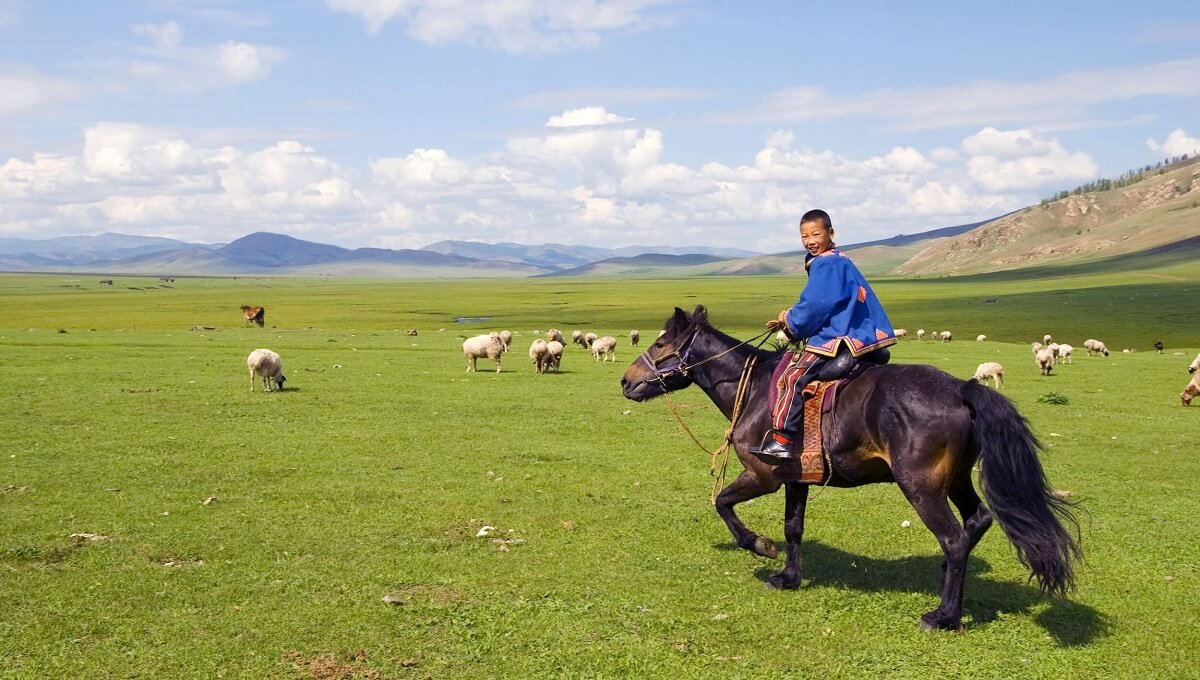
If you’re looking for the ultimate horse riding adventure, there’s no place quite like Mongolia. The country’s deep connection with horses, its wild and untouched landscapes, and the chance to experience a traditional nomadic lifestyle make it the best destination for horse lovers.
Whether you’re drawn by the thrill of galloping across the steppe or the peacefulness of riding through remote mountains, Mongolia will give you an unforgettable experience on horseback.
FAQ
Mongolia vs. Other Top Horse Riding Destinations: A Comparison
Iceland: Known for Icelandic horses with unique gaits (tölt), volcanic landscapes, and organized multi-day treks averaging $2,000-3,500 for 7-day tours
Patagonia (Argentina/Chile): Gaucho culture, Criollo horses, mountain/steppe terrain, tours typically $1,800-3,000 for week-long expeditions
Kyrgyzstan: Central Asian nomadic culture similar to Mongolia, shorter tours (3-5 days common), generally 20-30% less expensive than Mongolian equivalents
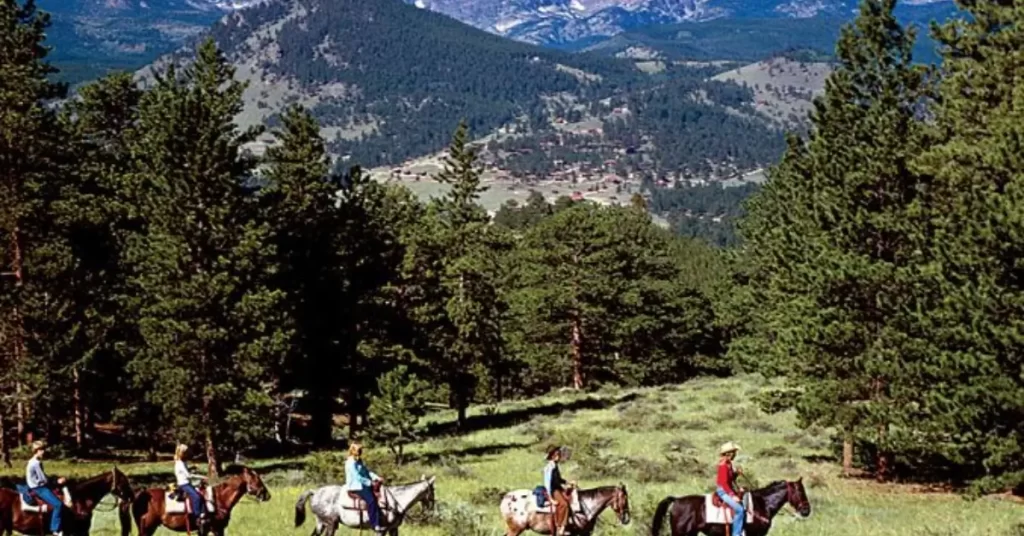
Western USA (Montana/Wyoming): Ranch-style riding, quarter horses, cowboy culture, infrastructure more developed with prices ranging $1,500-4,000 weekly
Why Mongolia stands out: Longest continuous horse culture (3,000+ years), highest ratio of horses to people (66 horses per 100 people as of 2020), truly nomadic accommodation
Include a comparison table with columns: Destination | Horse Breed | Terrain Type | Cultural Immersion | Typical Cost | Best For
The Role of Horses in Mongolian Culture and History
Genghis Khan’s cavalry: Mongol Empire success attributed to horse archery and ability to cover 80-100 km per day, with each soldier managing 3-5 horses in rotation
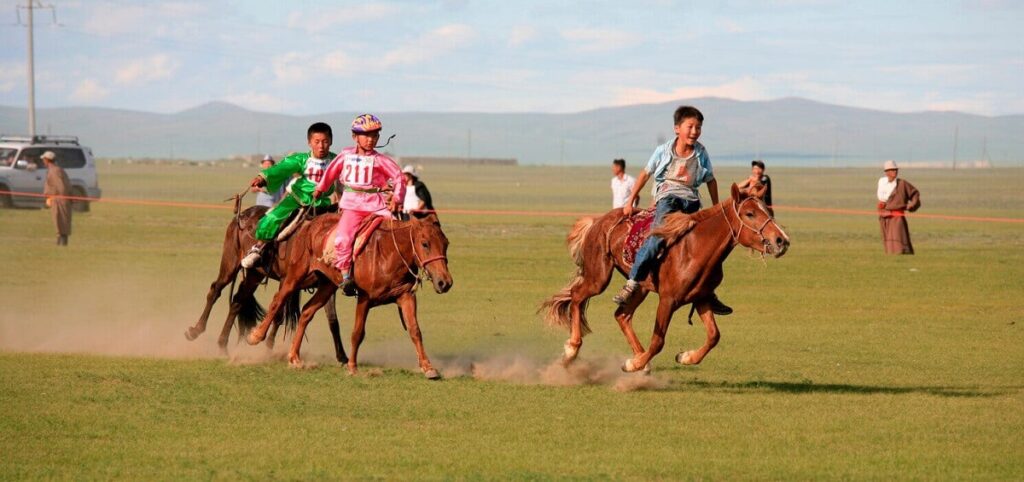
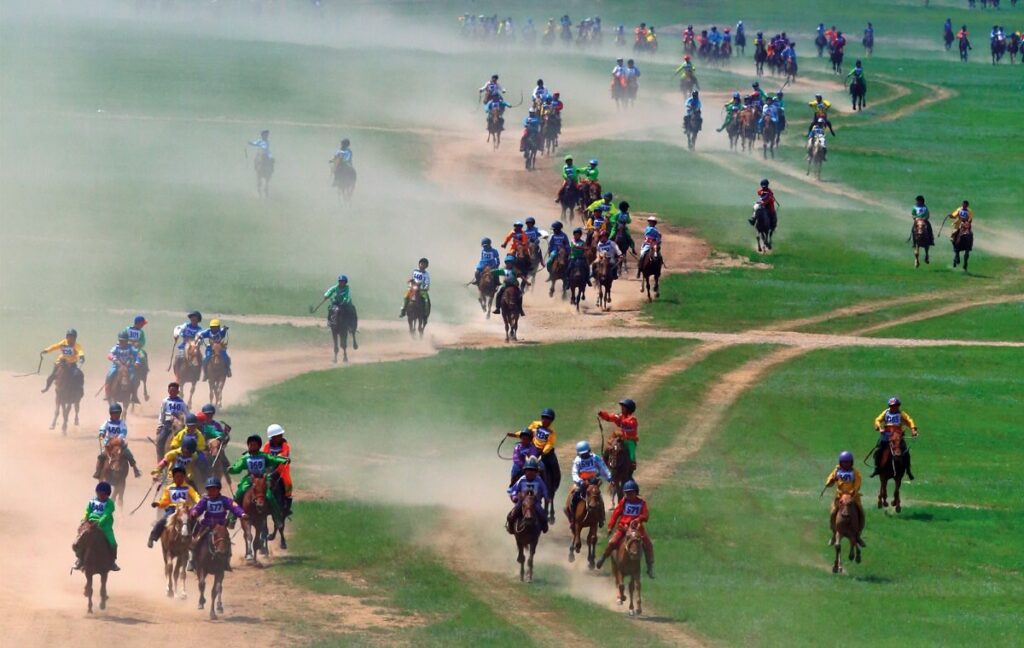
Naadam Festival: Annual celebration featuring three “games of men” including horse racing with child jockeys (ages 5-13) racing 15-30 km across open steppe, held every July
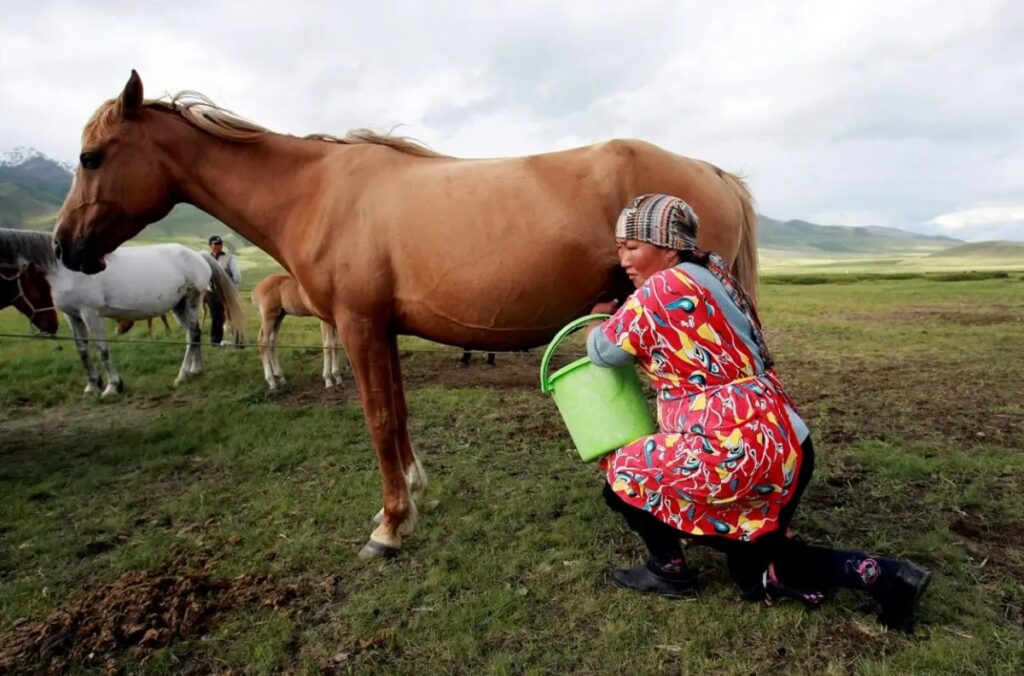
Airag (fermented mare’s milk): Traditional drink with 2-3% alcohol content, approximately 1,000 liters produced per mare per season, central to summer nomadic diet
Modern statistics: Mongolia has approximately 3.3 million horses (2021 census) supporting a human population of 3.3 million, making it one of few nations where horses outnumber or equal people
Best Time to Visit Mongolia for Horse Riding
June-August (Peak Season): Warmest temperatures (15-25°C daytime), Naadam Festival in July, highest prices and fullest booking, lush grasslands after spring rains
May & September (Shoulder Season): Cooler (5-15°C), fewer tourists, 15-25% lower prices, September features autumn colors in larch forests, comfortable riding weather
October-April (Off Season): Temperatures drop below -20°C in winter, most tour operators closed, only hardcore winter expeditions available, extreme cold unsuitable for novice riders
Altai-specific timing: Western Mongolia’s Altai region best visited July-September due to higher elevation (2,000-4,000m passes), with snow possible even in summer months
What to Pack for a Mongolian Horse Riding Adventure
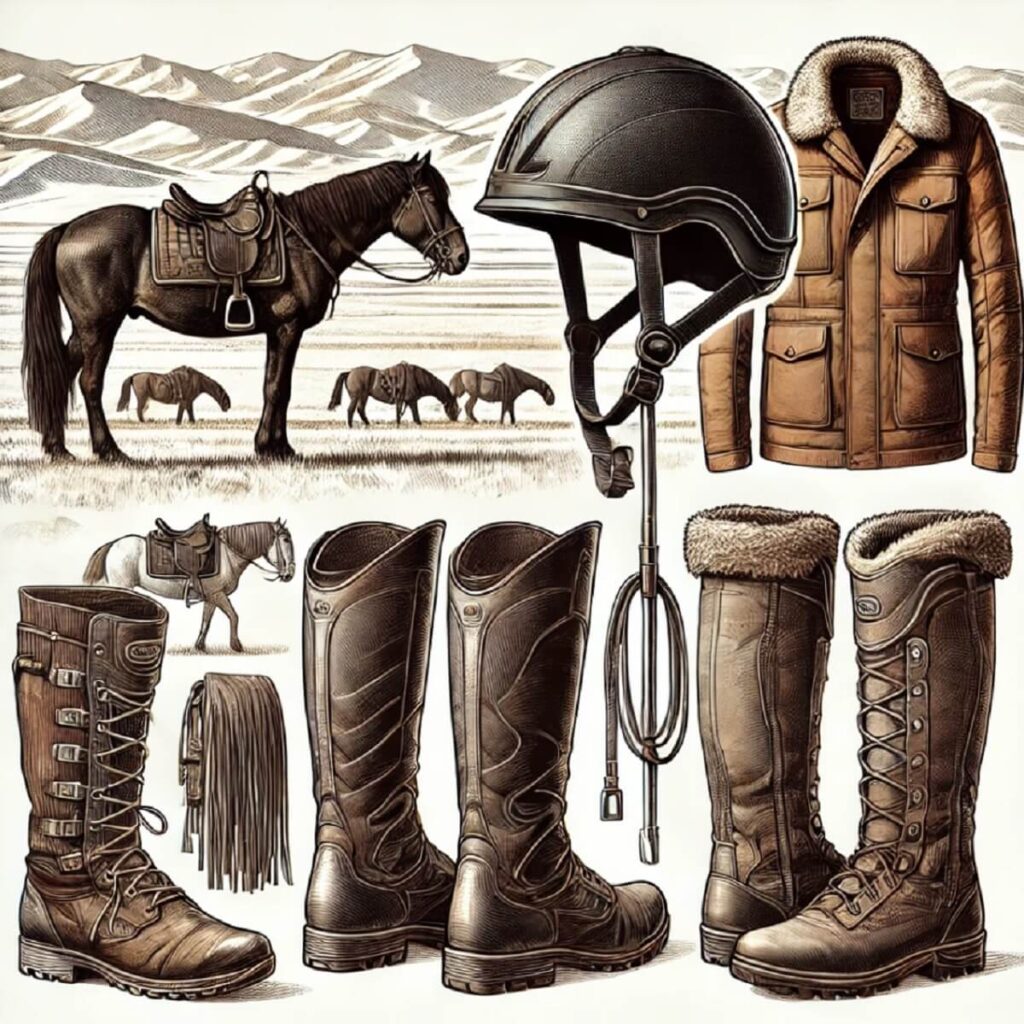
Riding-specific: Broken-in riding boots or sturdy hiking boots (no new footwear), padded riding tights or jeans, half-chaps recommended for saddle comfort, lightweight riding gloves for long days in saddle
Clothing layers: Temperatures can swing 20°C between day/night in summer; pack base layers, fleece mid-layer, waterproof jacket, sun hat, and warm beanie
Sun protection critical: Altai region sits at 1,500-3,000m elevation with intense UV; SPF 50+ sunscreen, UV-protective sunglasses, and lip balm with SPF essential
Hygiene and health: Hand sanitizer, wet wipes (limited shower access in nomadic ger camps), basic first aid kit, any prescription medications plus extras, altitude sickness medication if visiting high passes
Photography: Dust protection for cameras, extra batteries (limited charging in remote areas), portable solar charger recommended for multi-day treks
What NOT to bring: Excessive luggage (weight limits on domestic flights and pack horses), valuables, rigid riding expectations (Mongolian style differs from Western)
Cost Breakdown: What to Budget for a Mongolian Horse Riding Tour
International flights: Ulaanbaatar from major hubs: $600-1,200 (seasonal variation), domestic flights to Ölgii (Altai region) add $150-300 round-trip
Visa costs: Most nationalities receive 30-day visa-free entry; those requiring visas pay $51-81 depending on processing speed
Daily spending: $10-30 for meals in Ulaanbaatar, minimal spending in remote areas (meals included in tours), $5-15 for basic souvenirs and snacks
Which country is horse riding most popular in?
While horse riding is enjoyed worldwide, Mongolia is widely regarded as one of the most iconic horse cultures on Earth. Horses are deeply woven into Mongolian history, traditions, and daily life. The country’s vast open steppes provide a natural environment perfectly suited for horseback travel.
What country is most famous for its horses?
Mongolia is often called the “Land of the Horse.” Horses have played a central role in Mongolian civilization for centuries, shaping transportation, warfare, culture, and nomadic identity.
Which are considered the world’s top equestrian destinations?
Several regions are globally recognized for horse culture and riding experiences:
• Mongolia
• Iceland
• Andalusia (Spain)
• Connemara (Ireland)
• Camargue (France)
• Kentucky (USA)
Each destination offers unique breeds, landscapes, and traditions.
What is known as the Horse Capital of the World?
Ocala / Marion County in Florida (USA) is officially branded as the “Horse Capital of the World®,” recognized for its thoroughbred breeding industry and equestrian infrastructure.
Is horseback riding popular in Korea?
Yes. Korea has a long historical relationship with horses, particularly connected to military traditions and regional heritage. Modern recreational riding is also growing in popularity.
What is the “20% rule” in horse riding?
The 20% rule suggests that a horse should carry no more than approximately 10–20% of its body weight, including the rider and tack. This guideline helps protect horse health, comfort, and movement efficiency.
What is considered one of the world’s most prestigious riding schools?
The Cadre Noir de Saumur in France is internationally respected for classical riding excellence and equestrian training traditions.
Do I need horse riding experience to go on a Mongolian horse trek?
Most Mongolian tour operators accommodate all skill levels from complete beginners to advanced riders. Beginner-friendly tours include shorter daily riding times (3-4 hours), walking pace across gentle terrain, and patient instruction in Mongolian riding techniques. Mongolian horses are notably calm and sure-footed, averaging 12-14 hands high (122-142 cm), making them less intimidating for novices than taller breeds. However, multi-day treks still require reasonable fitness for 4-6 hours daily in the saddle. Complete non-riders should consider 1-2 day introductory rides before committing to week-long expeditions. Advanced riders should note Mongolian horses are trained differently from Western horses, using single reins and different leg cues, requiring adjustment even for experienced equestrians.
What is unique about Mongolian horse breeds?
Mongolian horses (Equus ferus caballus przewalskii) are one of the oldest domesticated breeds, largely unchanged for 4,000+ years, and are technically ponies by height (12-14 hands) but referred to as horses in Mongolian culture. They can survive temperature extremes from -40°C to +40°C, foraging year-round without supplemental feeding, and can travel 80-120 km per day carrying riders. Unlike many modern breeds, they’re semi-feral, living outdoors year-round, and possess exceptional endurance with the ability to function on minimal water. Their stocky build, thick mane and tail, and sturdy hooves adapted to rocky terrain make them ideal for Mongolia’s harsh steppe environment. DNA studies confirm they’re distinct from European horse breeds and closely related to prehistoric horses that once roamed Central Asia.
Is it safe to travel to Mongolia for horse riding tours?
Mongolia is generally very safe for tourists, ranking as one of the safest Asian destinations with low violent crime rates. The U.S. State Department maintains a Level 1 “Exercise Normal Precautions” advisory for Mongolia. Horse riding-specific risks include falls (mitigated by experienced guides, appropriate horse selection, and helmet use), altitude sickness in mountainous regions above 2,500m (preventable with gradual acclimatization), and sun exposure in the high-altitude, low-latitude environment. Reputable tour operators carry first aid supplies and have emergency evacuation protocols. Remote locations mean limited immediate medical access, typically 4-8 hours from basic facilities, making travel insurance with emergency evacuation coverage essential. Petty theft in Ulaanbaatar occurs but is rare in rural areas. Stray dogs in villages pose minor risk; rabies vaccination recommended for extended rural stays.
What type of accommodation can I expect on a Mongolian horse riding tour?
Accommodations on multi-day horse treks center around traditional gers (also called yurts), circular felt tents that are the traditional dwelling of Mongolian nomads. Tourist ger camps provide beds, linens, and stove heating, with shared bathroom facilities typically separate from sleeping gers. More remote tours may involve staying with nomadic families in authentic working gers, offering deeper cultural immersion but more basic amenities (floor mattresses, no running water, pit toilets). A typical ger is 4-6 meters in diameter, houses 2-4 guests, and maintains comfortable temperatures via a central wood/coal stove. Some premium operators offer “glamping” gers with en-suite facilities. Expect no WiFi or electricity in remote camps (solar panels provide limited charging). Nights in Ulaanbaatar before/after tours typically include hotel accommodation. The communal nature of ger camps facilitates socializing with other travelers and experiencing authentic nomadic hospitality.
How does Mongolian riding style differ from Western riding?
Mongolian riding employs a unique style distinct from both Western and English riding traditions. Riders use a single rein attached to a bit or hackamore, controlling direction primarily through neck reining and leg pressure, with the reins held in one hand. Mongolian saddles are wooden-framed with minimal padding, sitting horses higher than Western saddles, requiring adjustment to the different balance point. Stirrups are traditionally short, positioning riders in a more upright stance similar to jumping position. Horses are trained to respond to vocal commands, clicking sounds, and minimal rein pressure, moving freely with loose reins most of the time. Mounting occurs from either side (Western tradition favors left-side mounting), and horses are trained to stand still while riders mount from the ground without assistance. Mongolian horses naturally pace and amble rather than trot, creating a smoother ride for long distances. The overall philosophy emphasizes partnership and allowing horses freedom of movement rather than the collected, controlled gaits of Western dressage.
SUGGESTED TOURS:
Suggested tour:
MONGOLIAN NOMAD MIGRATION TOUR
Unleash your adventure spirit, explore Mongolia on your own terms Mongolian Nomad Migration tour ⭐⭐⭐⭐⭐ 5.0 · 63 reviews on…Mongolian Nomadic Life Tour – Discover the Spirit of Mongolia
Unleash your adventure spirit, explore Mongolia on your own terms MONGOLIA NOMADS MIGRATION TOUR MONGOLIA NOMADS MIGRATION TOUR 10 DAYS…Mongolia Self-Drive Tour
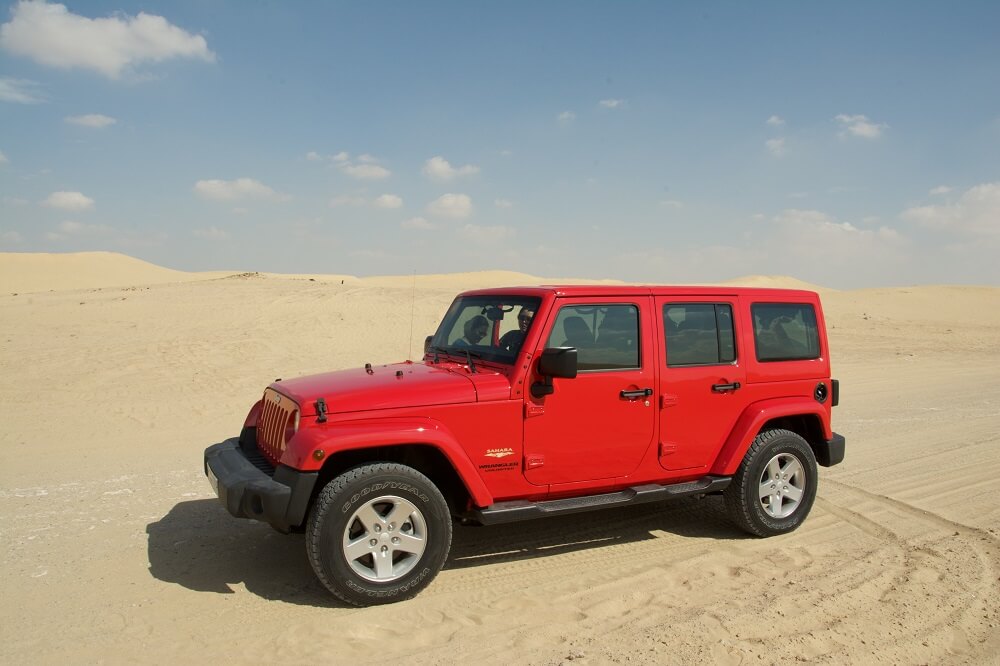
Unleash your adventure spirit, explore Mongolia on your own terms Mongolia Self-Drive Tour Mongolia self-drive adventure: Top highlights: Real Guest…
Related content:
Kazakh Wedding Traditions: The Customs That Still Shape Altai Marriages
A Kazakh wedding in Mongolia’s Altai is not a single event but a sequence of ceremonies stretching over months. It…Kazakh Dombra Music: The Two-String Sound of the Altai Steppe
The dombra is the central instrument of Kazakh folk music — a long-necked, two-string plucked lute that accompanies songs, carries…Naadam in Bayan-Ölgii: How Western Mongolia’s Kazakh Province Celebrates the July Festival
Naadam is Mongolia’s national festival of “the three games of men” — wrestling, horse racing, and archery — held nationally…