
In the realm of majestic birds of prey, few are as iconic and awe-inspiring as the golden eagle vs bald eagle. These remarkable creatures have captured the imagination of people around the world for centuries, symbolizing strength, freedom, and the untamed spirit of the wild.
In this article, we embark on a journey to explore the unique characteristics, habitats, behaviors, and cultural significance of these two magnificent eagles, aiming to provide a comprehensive comparison that sheds light on their distinct qualities.
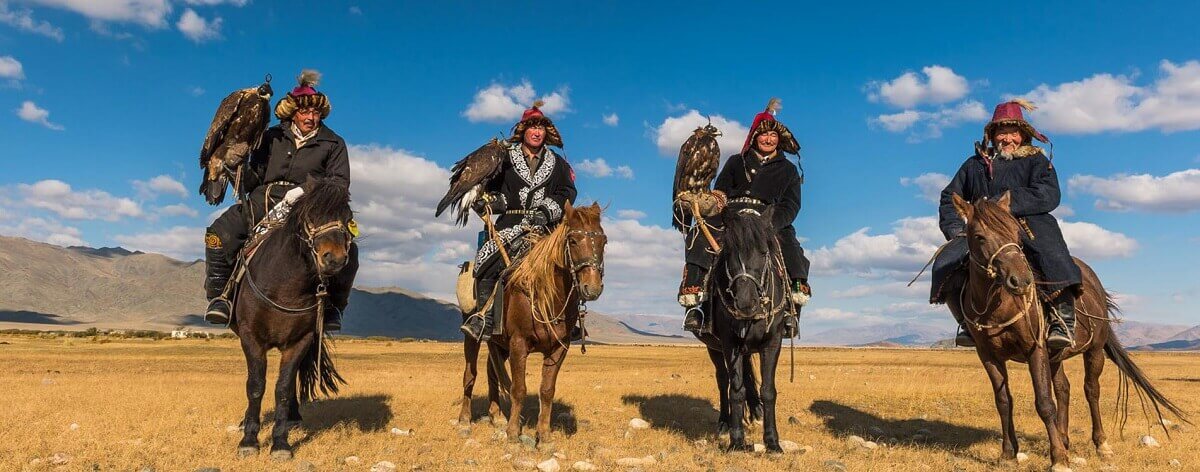
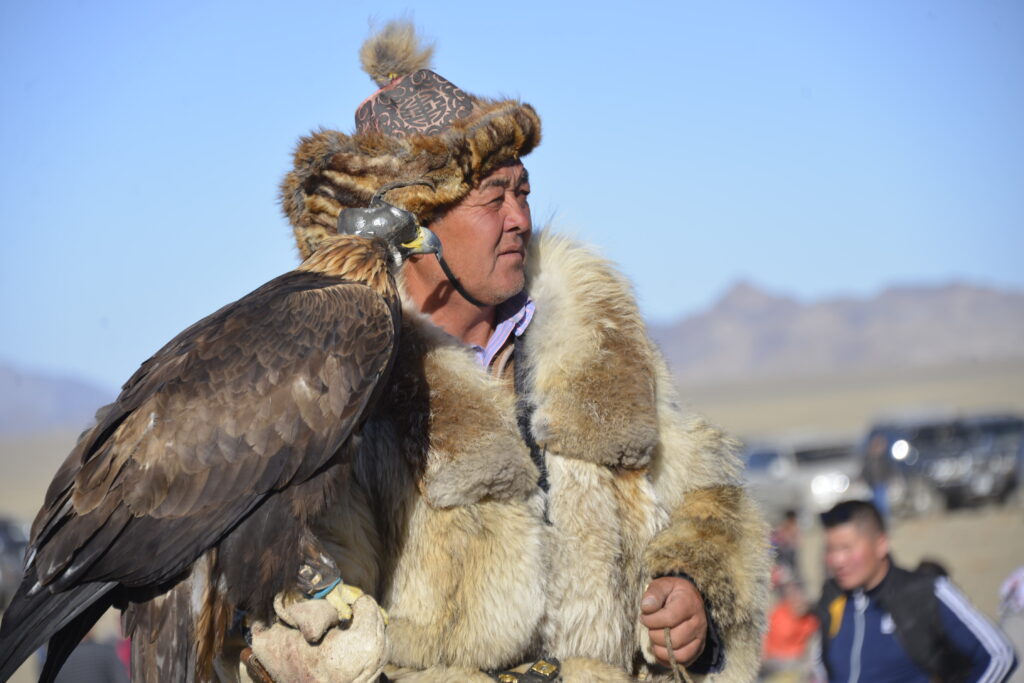
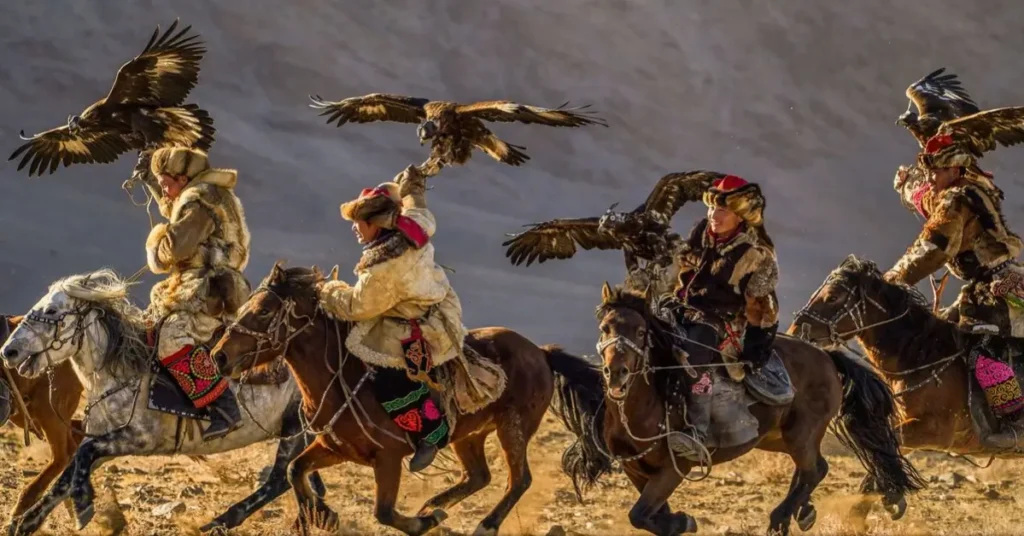
We offer you GOLDEN EAGLE FESTIVAL PHOTOGRAPHY TOUR. Come and enjoy the stunning landscape that is covered with ancient mountains, rivers, and Mongolian history. Join us to watch a great festival with truly great hunters! 🤩🤩
1.Physical Appearance and Characteristics
🦅 Want to experience this in person? Join our 8-Day Golden Eagle Festival Tour with local Kazakh guides — small groups, authentic experience, 5.0 stars on TripAdvisor.
Golden Eagle (Aquila chrysaetos)
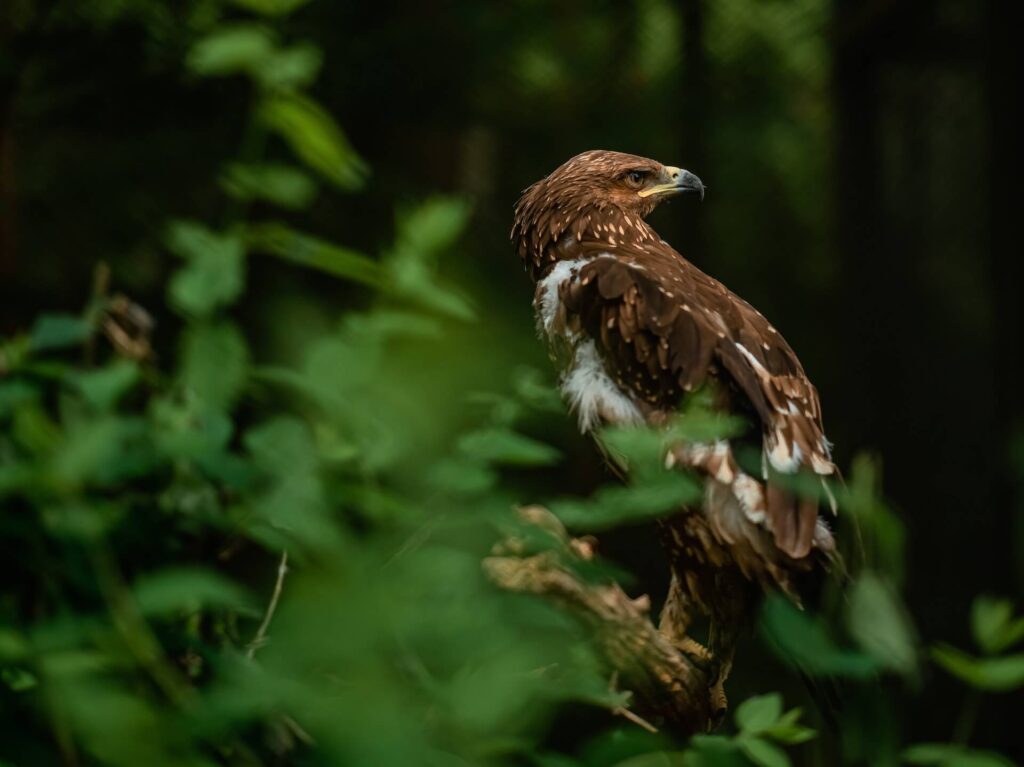
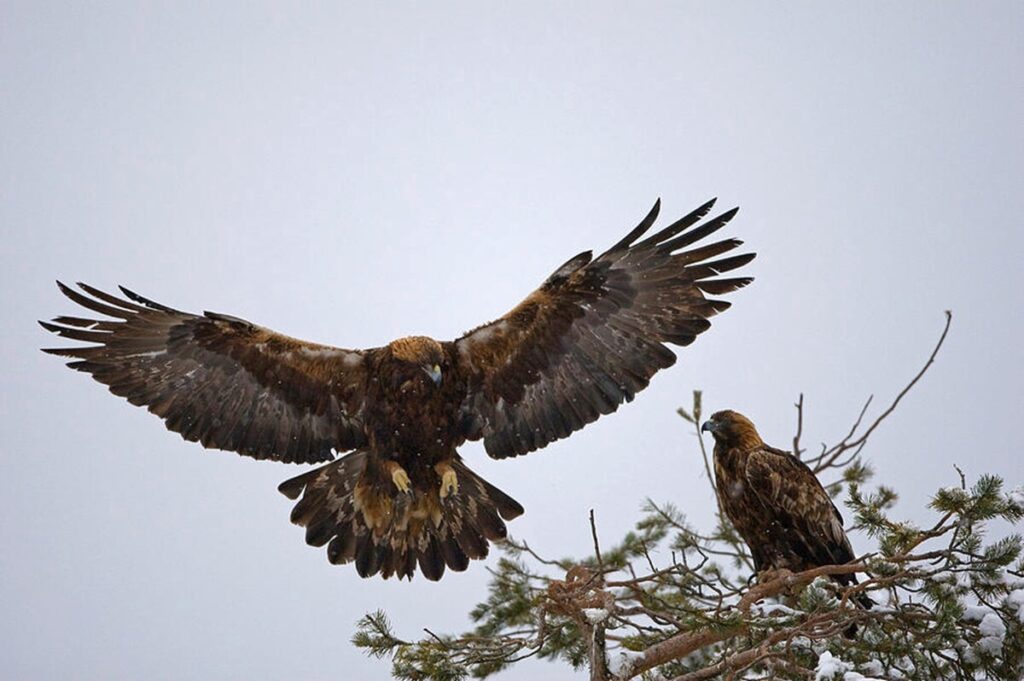
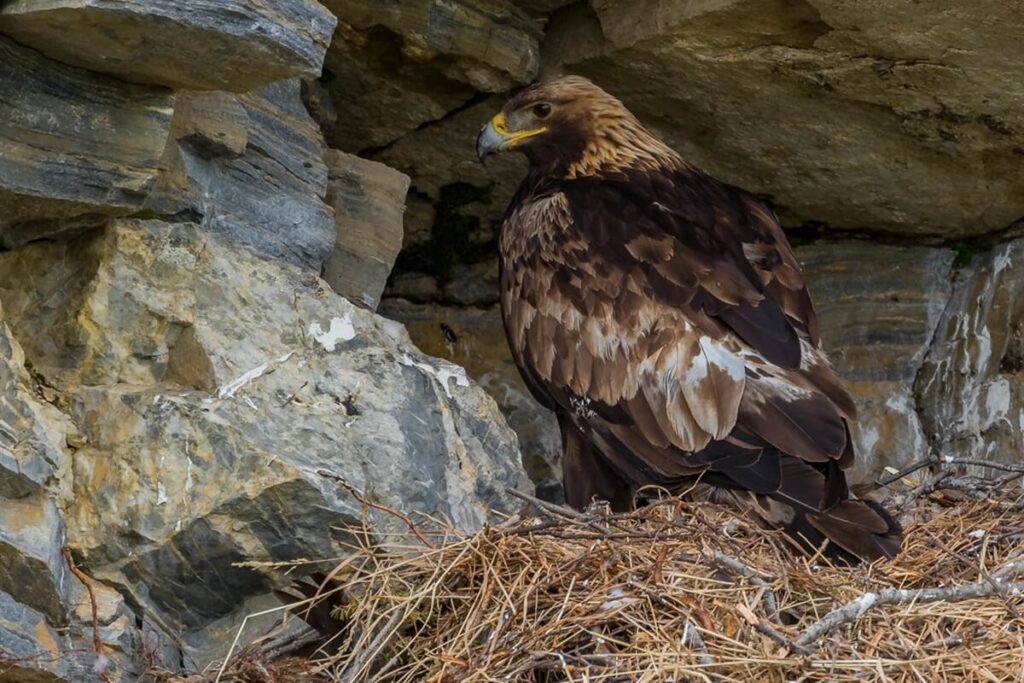
The golden eagle, known scientifically as Aquila chrysaetos, is a regal bird with a wingspan that can stretch up to 7.4 feet (2.3 meters). Its deep brown plumage, highlighted with golden feathers on the nape of its neck, gives it an unmistakable appearance.
The sharp, hooked beak and powerful talons are adapted for hunting and capturing prey with precision. Golden eagles are found across the Northern Hemisphere, inhabiting diverse landscapes such as mountains, grasslands, and forests.
Bald Eagle (Haliaeetus leucocephalus)
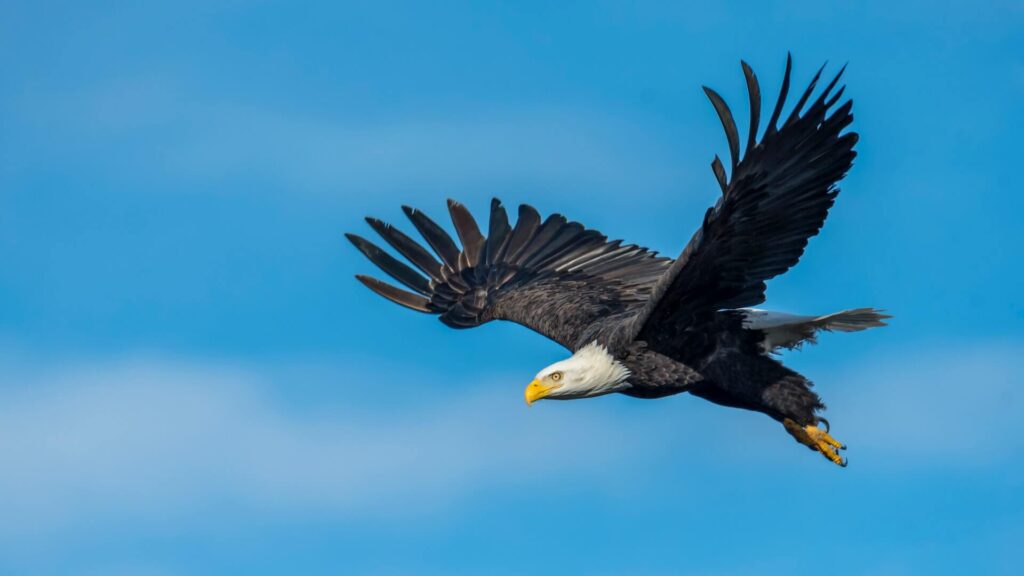
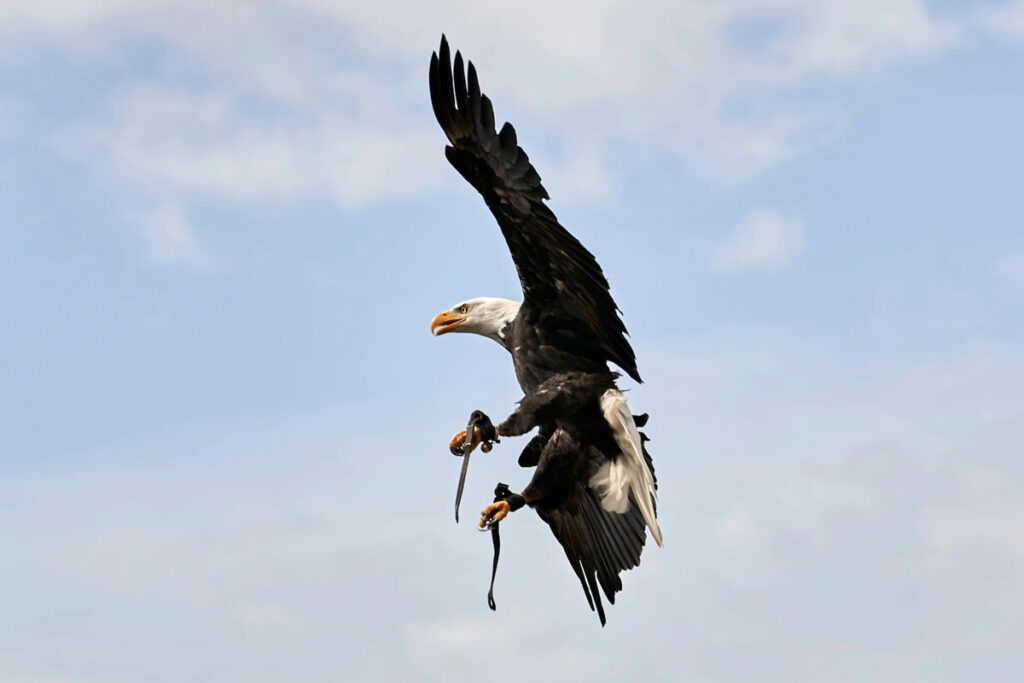
The bald eagle, scientifically known as Haliaeetus leucocephalus, holds a special place as the national bird and symbol of the United States. With a wingspan that can reach up to 7.7 feet (2.4 meters), this eagle is renowned for its striking white head and tail feathers contrasting with a dark brown body.
Bald eagles reside near bodies of water such as lakes, rivers, and coastal areas, where they feast on fish primarily. Their distinctive appearance and association with American patriotism have made them a beloved emblem.
2. Habitat and Range
Golden Eagle
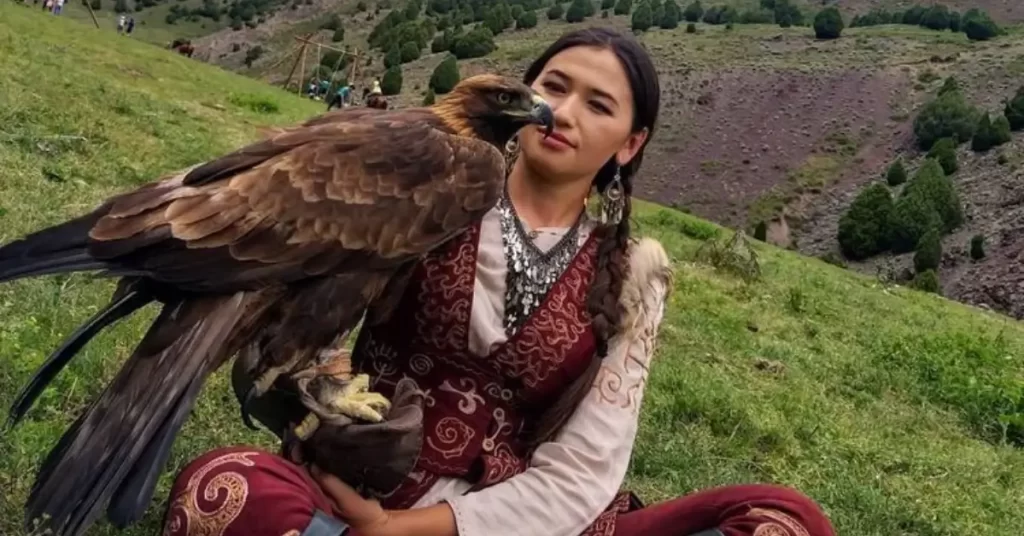
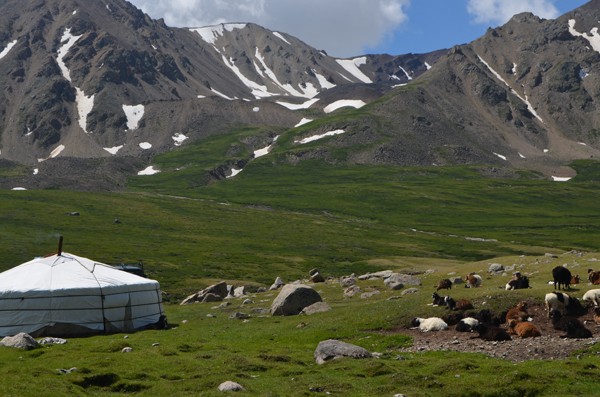
Golden eagles are found in a wide range of habitats spanning North America, Europe, Asia, and parts of North Africa. But Golden eagle has a special place in Mongolia as the country is the home of Eagle hunters and Eagle Huntress. They display remarkable adaptability, thriving in mountainous regions, open landscapes, and even deserts.
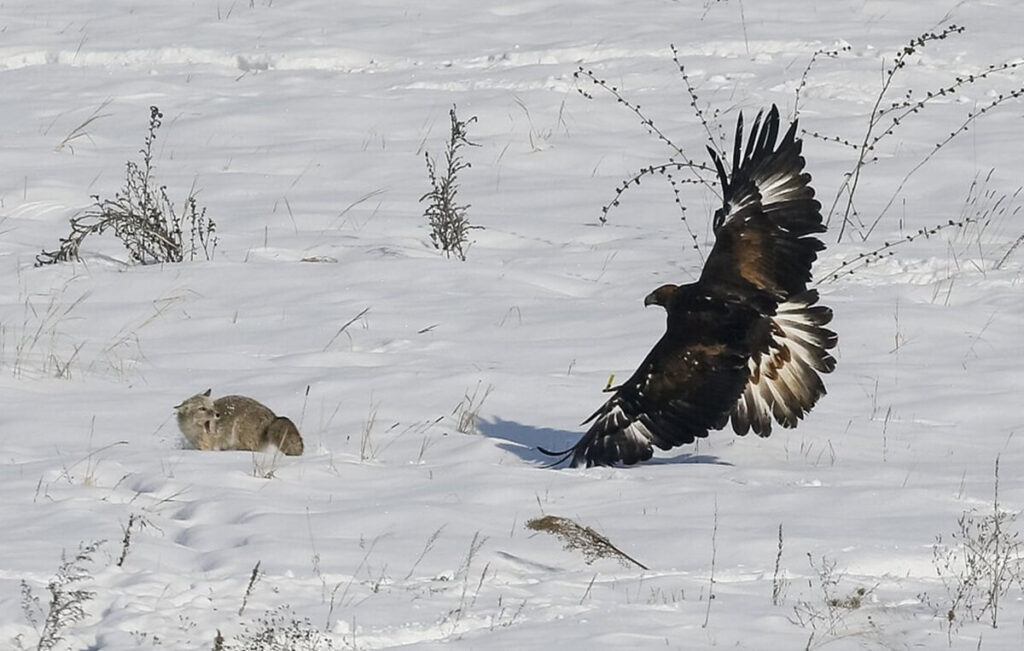
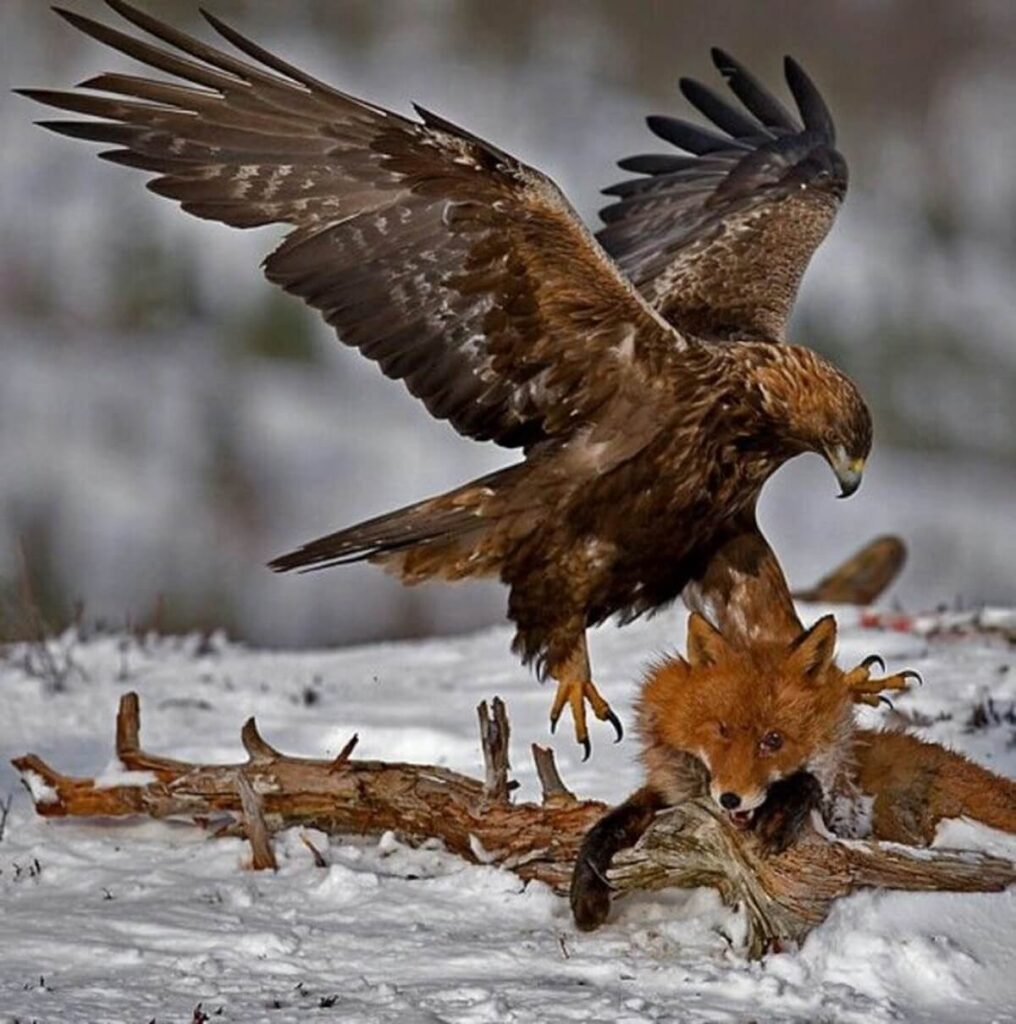
These eagles are known for their impressive hunting skills, preying on a variety of animals such as rabbits, hares, birds, and occasionally larger mammals like foxes and deer. Their ability to thrive in diverse ecosystems contributes to their widespread distribution.
Bald Eagle
The bald eagle’s habitat preference is centered around proximity to water bodies. They favor habitats near coasts, lakeshores, and rivers, where their primary diet of fish is abundant.
The sight of a bald eagle swooping down to catch a fish from the water’s surface is a captivating spectacle. While they primarily feed on fish, they are opportunistic hunters and scavengers, occasionally targeting waterfowl and small mammals.
3. Behaviors and Hunting
Golden Eagle
Golden eagles are revered for their prowess as aerial hunters. Their hunting technique involves soaring at great heights before executing a swift dive to capture their prey.
With incredible speed and accuracy, they employ their powerful talons to secure animals mid-flight. These eagles are known for their solitary nature, often fiercely defending their territory from intruders.
Bald Eagle
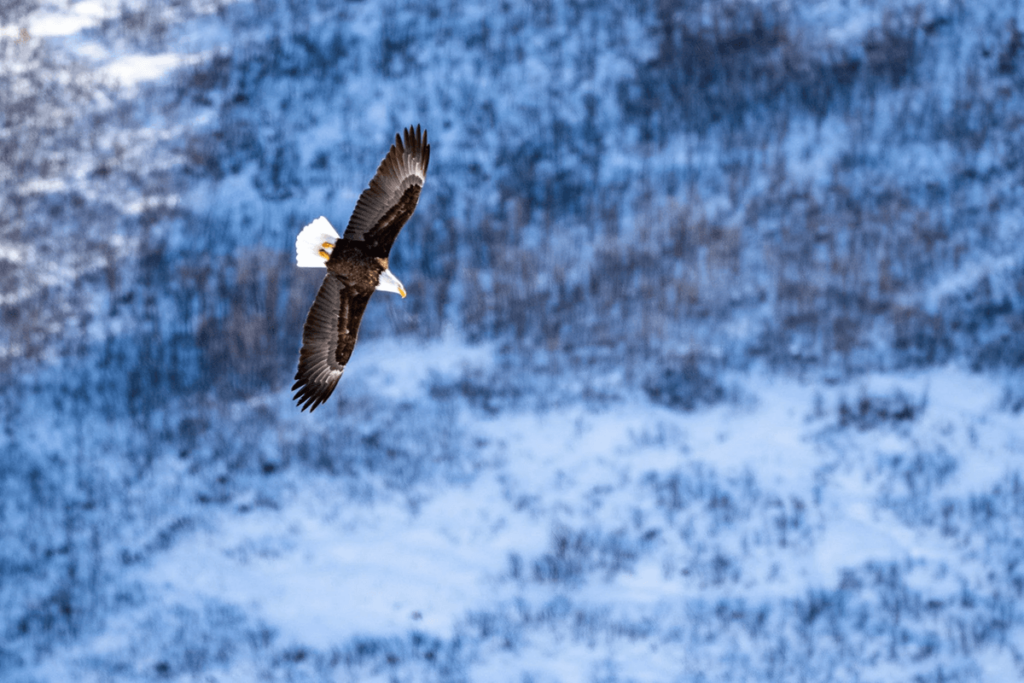
Bald eagles exhibit a mix of hunting strategies. While they are skilled at fishing, they are also known to steal prey from other birds and scavenge carrion.
Their impressive vision allows them to spot potential prey from high in the sky, and they utilize their sharp talons to seize it. Despite their powerful hunting abilities, bald eagles are often seen perched in trees near their hunting grounds, surveying the surroundings.
4. Cultural Significance and Conservation Status
Golden Eagle
Throughout history, the golden eagle has held cultural significance for various civilizations. In many cultures, it symbolizes bravery, strength, and royalty.
However, the golden eagle’s population has faced challenges due to habitat loss, illegal hunting, and pesticide exposure. Conservation efforts are crucial to ensure the survival of these majestic creatures.
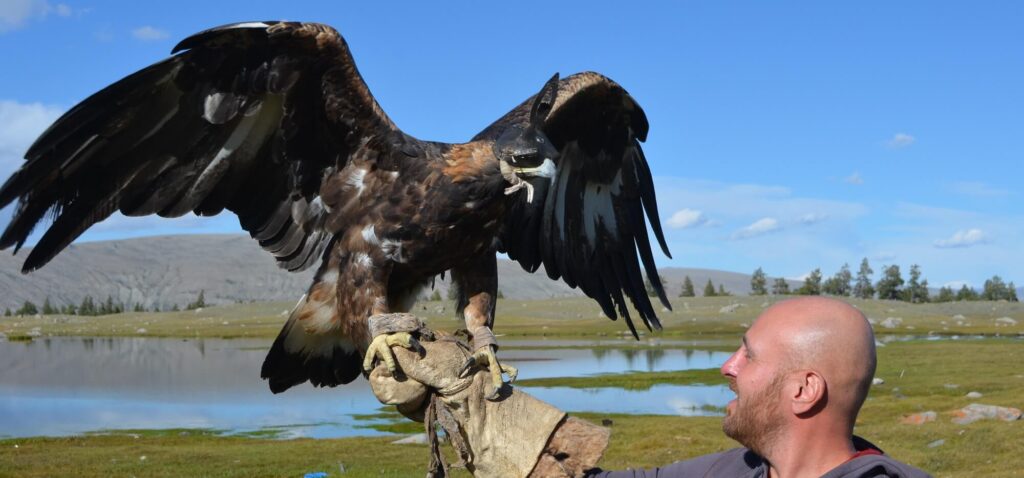
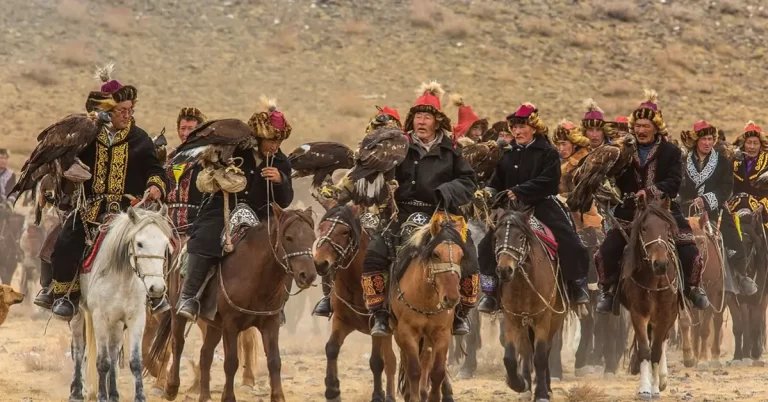
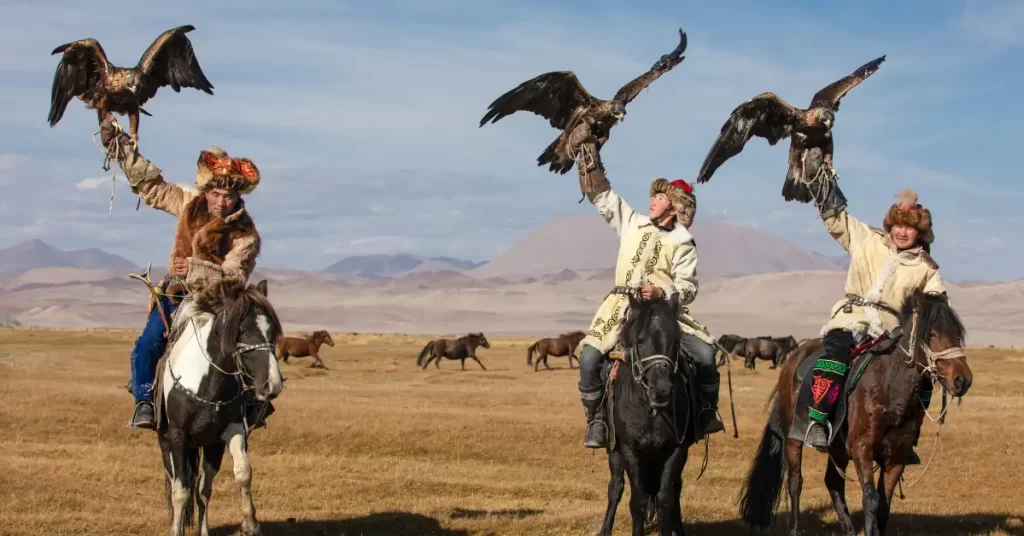
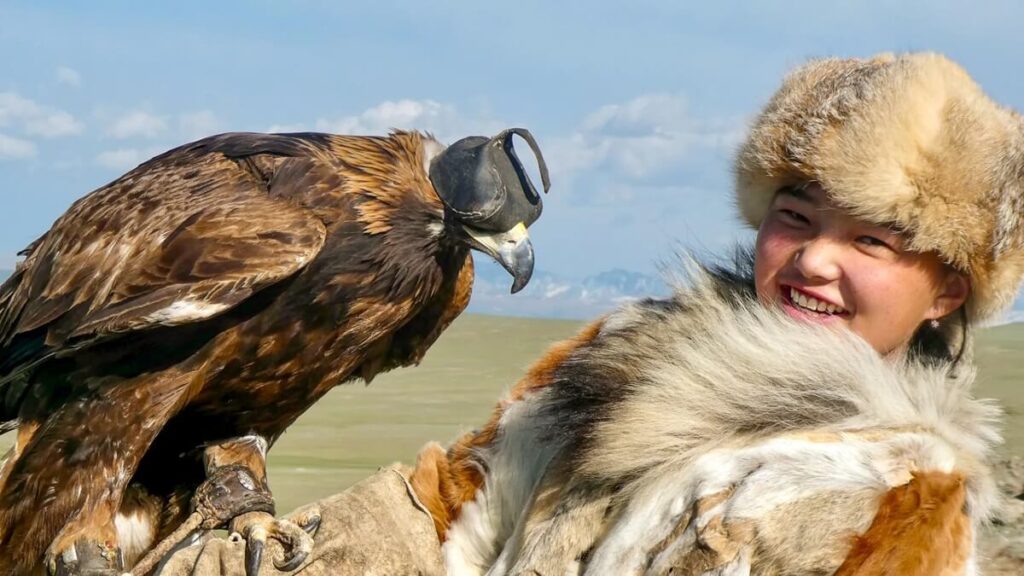
As an intriguing addition to the realm of golden eagles, the Golden Eagle Festival deserves attention. Celebrated in Mongolia, this festival showcases the traditional practice of eagle hunting, where hunters work in harmony with these majestic birds to capture prey.
The festival involves captivating displays of horsemanship, traditional costumes, and breathtaking eagle demonstrations.
Bald Eagle
The bald eagle’s importance transcends its biological significance. It is a symbol of freedom and resilience, representing the spirit of the United States.

Once listed as endangered due to habitat destruction and the effects of the pesticide DDT, the bald eagle’s population made a remarkable recovery after conservation efforts and legal protections were put in place. It was removed from the endangered species list in 2007, marking a significant conservation success story.
Suggested Tours:
ALTAI EAGLE FESTIVAL 2026
Unleash your adventure spirit, explore Mongolia on your own terms ALTAI eagle festival tour (Sept 17–18) ⭐⭐⭐⭐⭐ 5.0 · 63…GOLDEN EAGLE FESTIVAL TOUR (2026)
Unleash your adventure spirit, explore Mongolia on your own terms Golden Eagle Festival TOUR – 8-DayS Photography Tour (2026) By…Mongolia Altai Mountain Tour 2026 — 8 Days: Peak Climb + Culture + Nomadic Stay | $1,700
Unleash your adventure spirit, explore Mongolia on your own terms MONGOLIA ALTAI MOUNTAIN TOUR ⭐⭐⭐⭐⭐ 5.0 · 63 reviews on…




Related Blogs:
Golden Eagle Photography: How to Shoot Wild Eagles, Hunters and the Festival
Golden eagle photography rewards preparation more than luck. For birds in flight, start at 1/2500s, f/6.3, auto-ISO capped at 3200,…Eagle Festival Packing List 2026: What to Wear in Olgii’s October Cold
The Mongolia Eagle Festival in Bayan-Ölgii runs in late September and early October at elevation 1,710 metres, where October average…Sagsai vs Golden Eagle Festival 2026: Which Mongolia Eagle Festival Should You Attend?
Mongolia hosts two distinct Kazakh eagle festivals each autumn in Bayan-Ölgii Province, the country’s western Kazakh-majority region. The Sagsai Golden…











At what age do Bald Eagles get their white head and tail?
Bald Eagles don’t develop their iconic white head and tail feathers until they reach sexual maturity at approximately 4.5 to 5 years of age. During their first year, juvenile Bald Eagles are almost entirely dark brown and are frequently mistaken for Golden Eagles. They progress through five distinct plumage stages over the years, gradually acquiring more white mottling on their body, head, and tail with each molt. By their second and third years, young eagles show increasing amounts of white on the head and tail but still appear quite different from adults, often with blotchy or piebald patterns. Only after their fourth or fifth molt do they achieve the full adult plumage with the completely white head and tail that makes them instantly recognizable as America’s national bird. —
Why are female eagles larger than males?
Female eagles are significantly larger than males — a trait called reversed sexual size dimorphism that’s common among raptors and birds of prey. In both Bald and Golden Eagles, females typically weigh 25-30% more than males and have larger wingspans. Scientists believe this size difference evolved because it reduces competition between mated pairs, allowing males to hunt smaller, more agile prey while females can tackle larger animals. The female’s larger size also provides advantages when defending the nest from predators and during the demanding incubation period, when she must cover eggs for extended periods. Additionally, the smaller male’s increased agility makes him more efficient at hunting to provision the female during nesting season. This division of labor based on size differences appears to improve overall breeding success for eagle pairs. —
How many eagles are there in the United States?
According to the U.S. Fish and Wildlife Service’s most recent population assessment from 2020, there are more than 316,700 individual Bald Eagles living across the United States, including breeding pairs and non-breeding adults and juveniles. This represents a quadrupling of the population since 2009 and a remarkable conservation success story from the species’ low point of just 417 known nesting pairs in 1963. The Golden Eagle population in the United States is considerably smaller, with approximately 30,000 individuals, most of which inhabit western states. Bald Eagles now nest in every U.S. state except Hawaii, while Golden Eagles maintain a more restricted range primarily in western North America. Both species continue to be monitored through federal and state wildlife surveys to track population trends and ensure their long-term conservation. —
Can you see Golden Eagles in the eastern United States?
While Golden Eagles primarily inhabit western North America, they can occasionally be observed in eastern states, particularly during migration periods in late fall and early spring. Small numbers of Golden Eagles winter in Appalachian mountain regions and other eastern areas with suitable hunting habitat, though sightings remain relatively uncommon compared to western states. Eastern observers most frequently spot Golden Eagles at mountain ridges and known raptor migration sites where they can be seen traveling south in November-December or returning north in March-April. Some remote mountainous areas of Pennsylvania, West Virginia, and New York host small wintering populations. Because immature Bald Eagles (which are all-brown) are much more common in the East, careful attention to field marks — especially the white wing patches and tail base on juvenile Golden Eagles and the feathered legs extending to the talons — is essential for proper identification. —
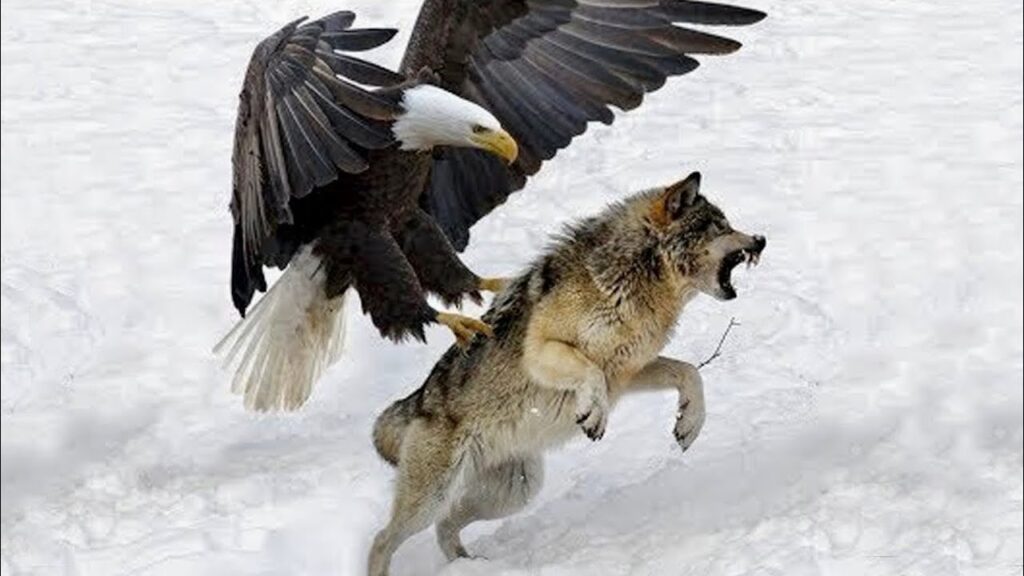
Do Bald Eagles and Golden Eagles ever fight or interact?
Direct interactions between Bald Eagles and Golden Eagles are relatively rare because they typically occupy different habitats and ecological niches, though territorial conflicts can occur where their ranges overlap. Bald Eagles prefer lowland areas near coastlines, lakes, and major rivers where fish are abundant, while Golden Eagles favor mountainous terrain, prairies, and open country at higher elevations where they hunt mammals. When the two species do encounter each other, conflicts usually involve competition over carrion (dead animals) in winter when food is scarce, or occasionally over nesting territories on cliffs used by both species. In these encounters, neither species has a decisive advantage — both are powerful raptors capable of defending their resources. [NEEDS SOURCE for specific behavioral observations of interactions]. The greater ecological threat occurs when their preferred habitats overlap and human activities reduce available territory, potentially forcing more frequent competitive interactions between these magnificent birds. —
Hoping to capture both species through a lens? Our golden eagle photography guide covers camera settings, wild fieldcraft and Mongolia’s eagle festivals.