
Eagles are among the most revered and majestic birds of prey in the world, known for their powerful build, sharp vision, and impressive hunting prowess.
These birds, often seen as symbols of strength, freedom, and courage, are exceptional hunters capable of taking down prey much larger than themselves.
The process of an eagle hunting prey is a breathtaking combination of precision, speed, and sheer power, showcasing the apex predator’s role in the natural world.
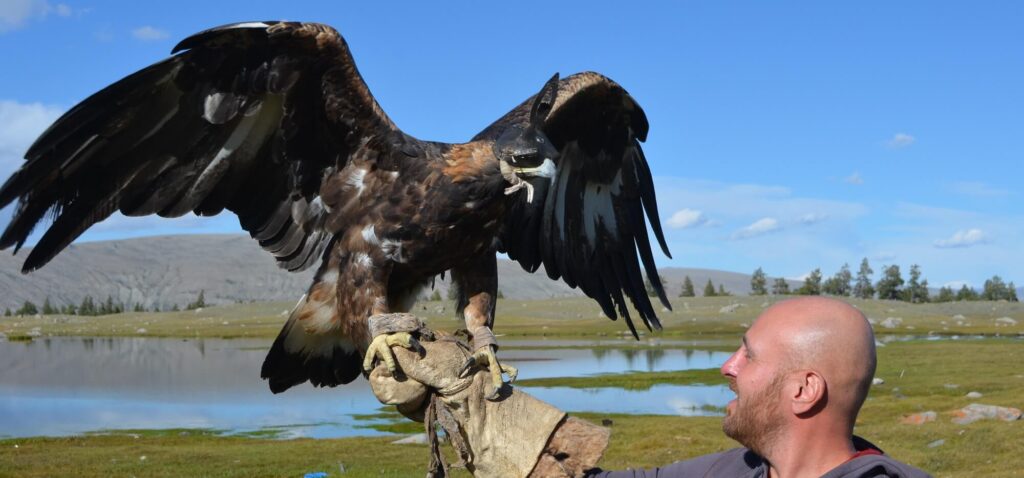
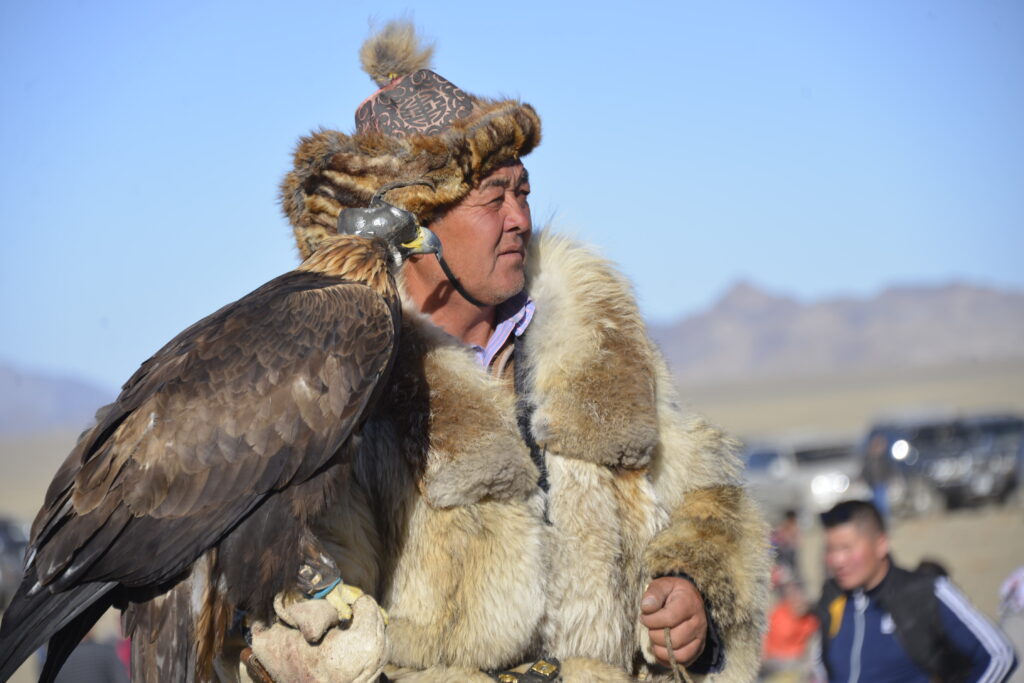
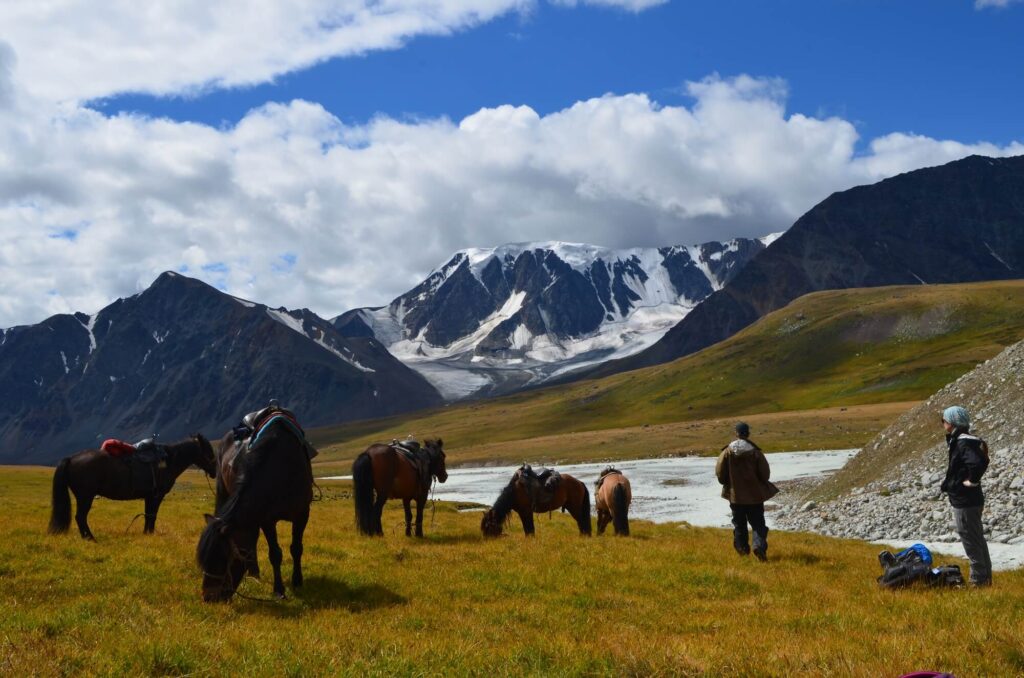
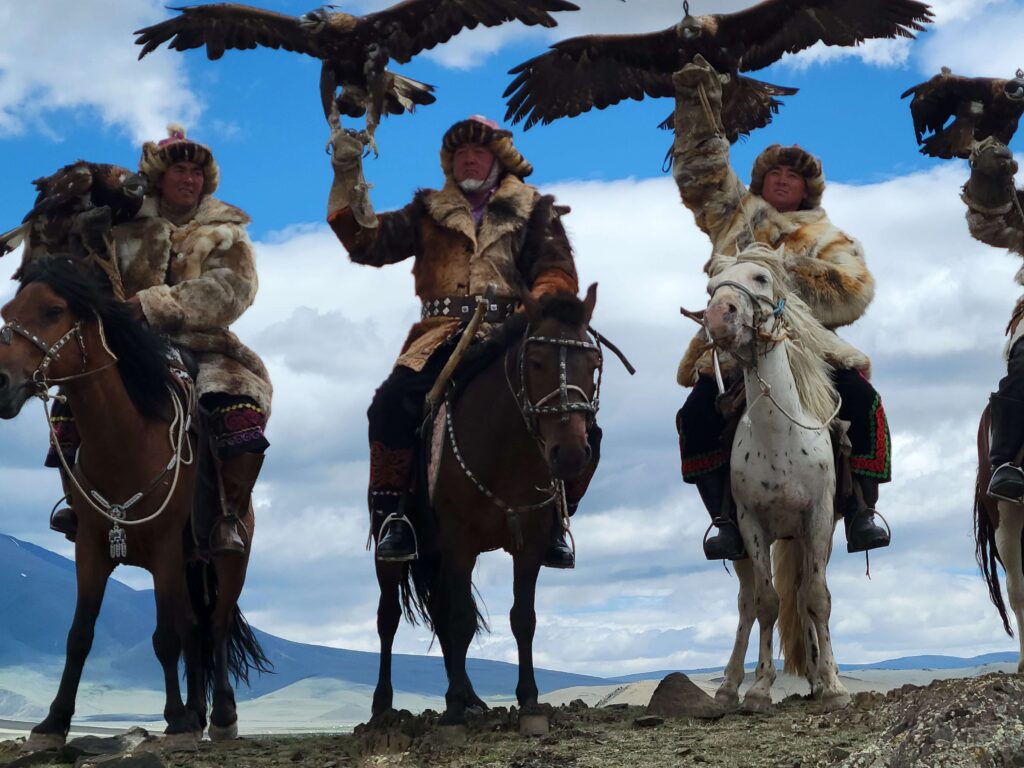
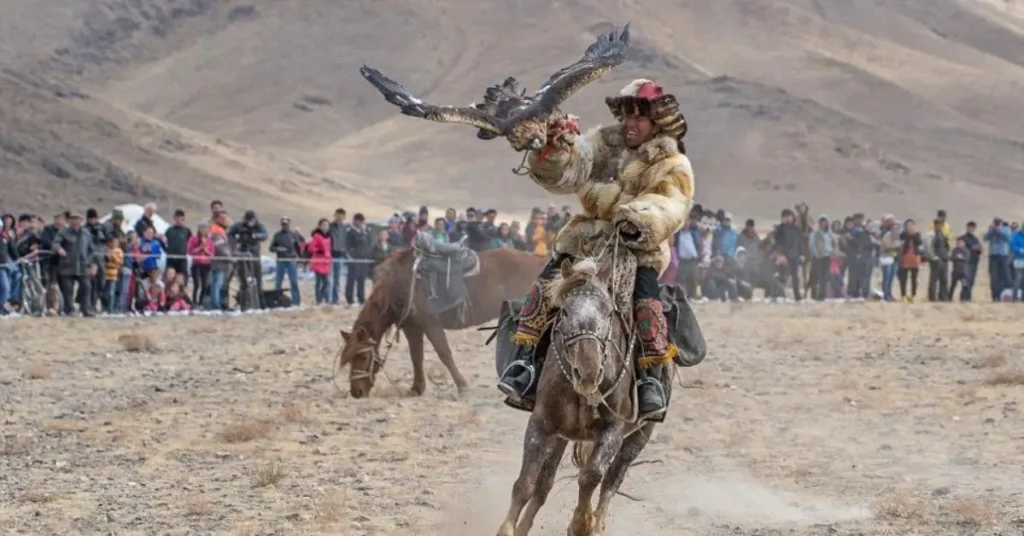
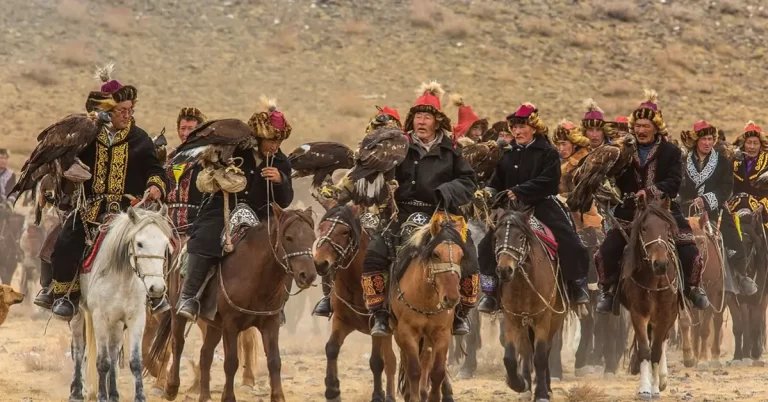
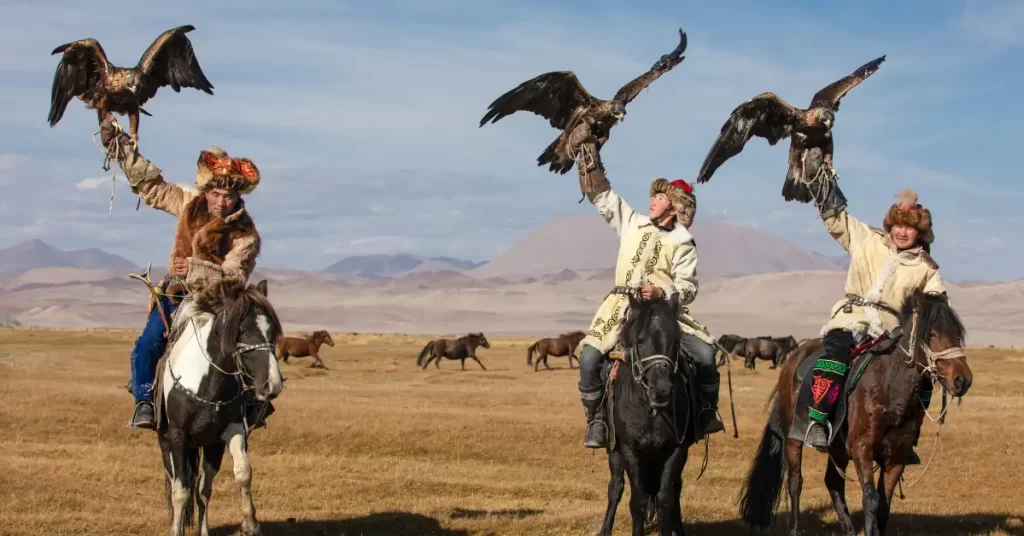
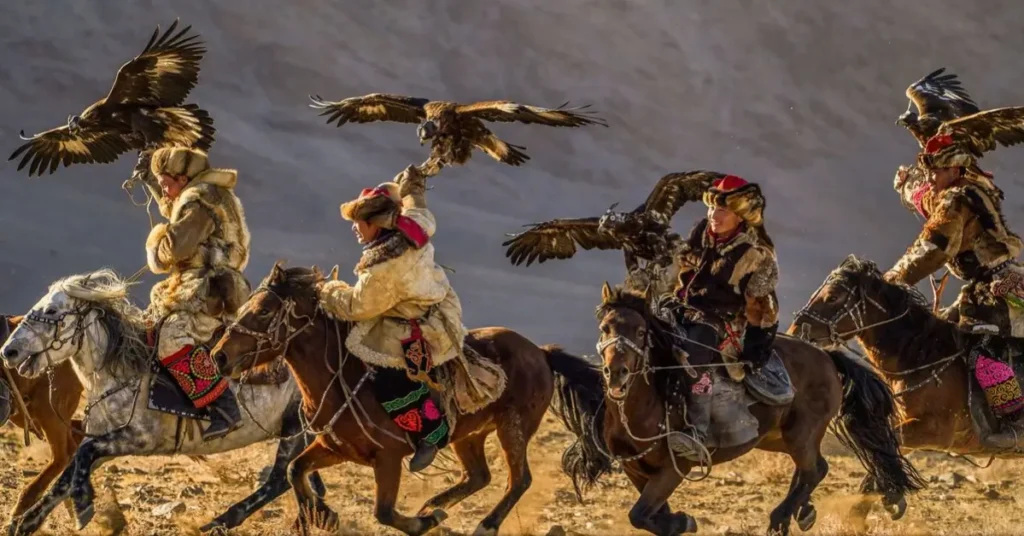
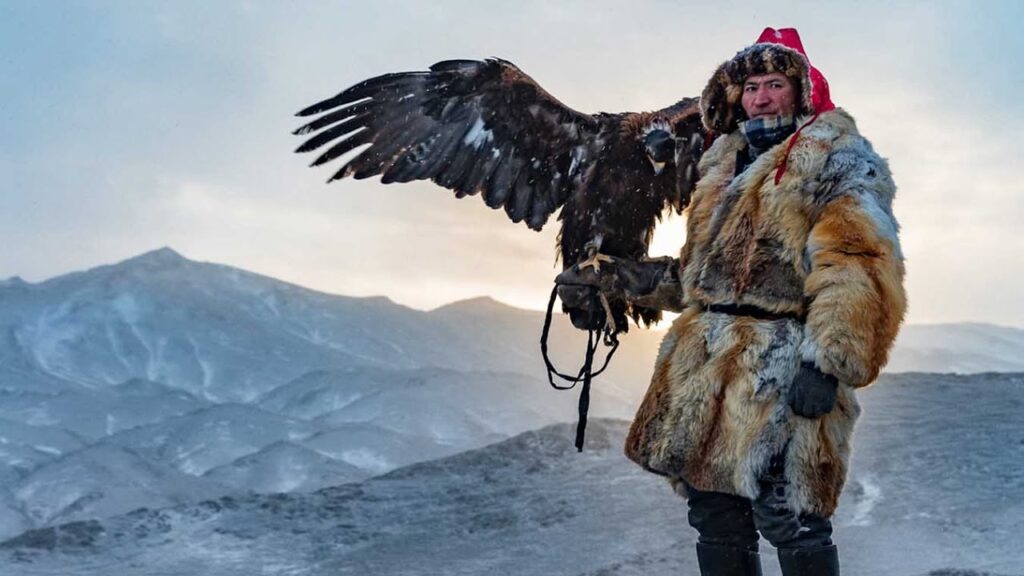
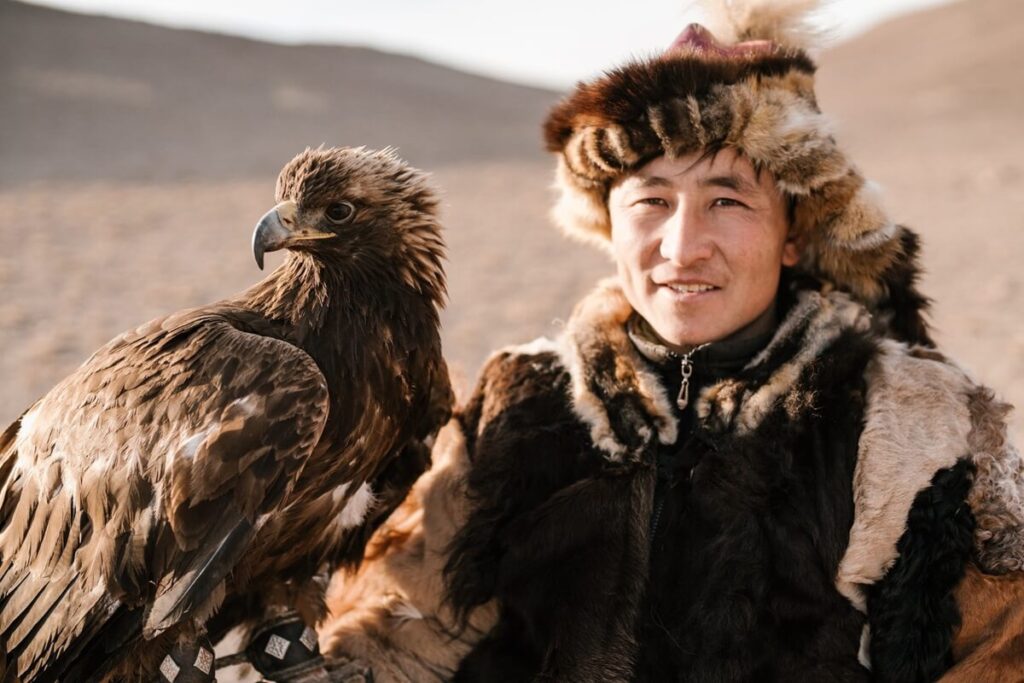
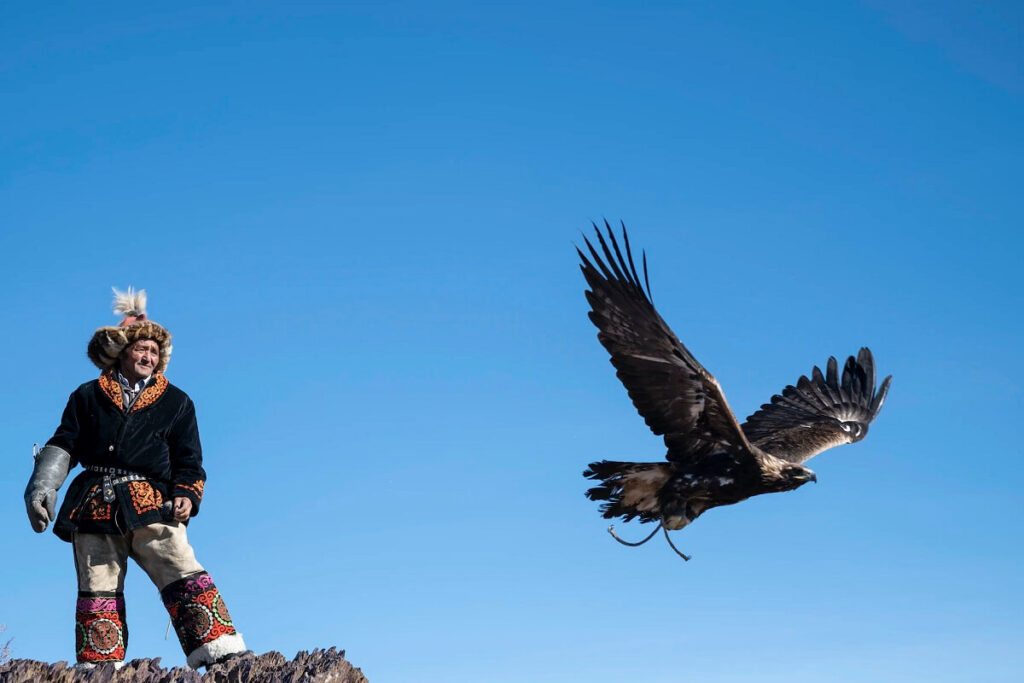
We offer you GOLDEN EAGLE FESTIVAL PHOTOGRAPHY TOUR. Come and enjoy the stunning landscape that is covered with ancient mountains, rivers, and Mongolian history. Join us to watch a great festival with truly great hunters! 🤩🤩
The Anatomy of a Predator
🦅 Want to experience this in person? Join our Watch real eagle hunts (8-day homestay) with local Kazakh guides — small groups, authentic experience, 5.0 stars on TripAdvisor.
Eagles possess several physical attributes that make them formidable hunters. Their sharp talons are perhaps their most well-known feature, capable of exerting tremendous pressure to grasp and kill prey.
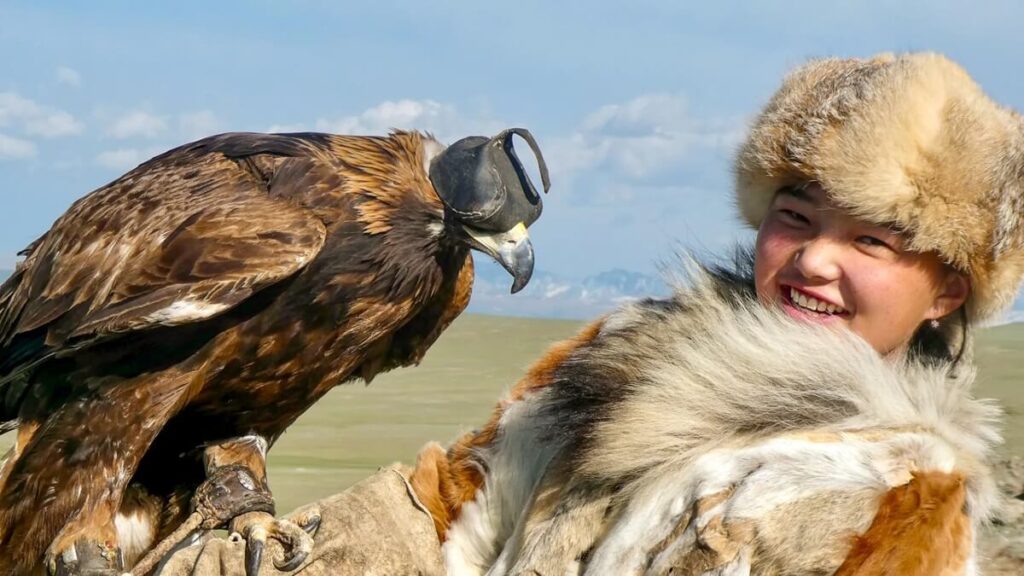
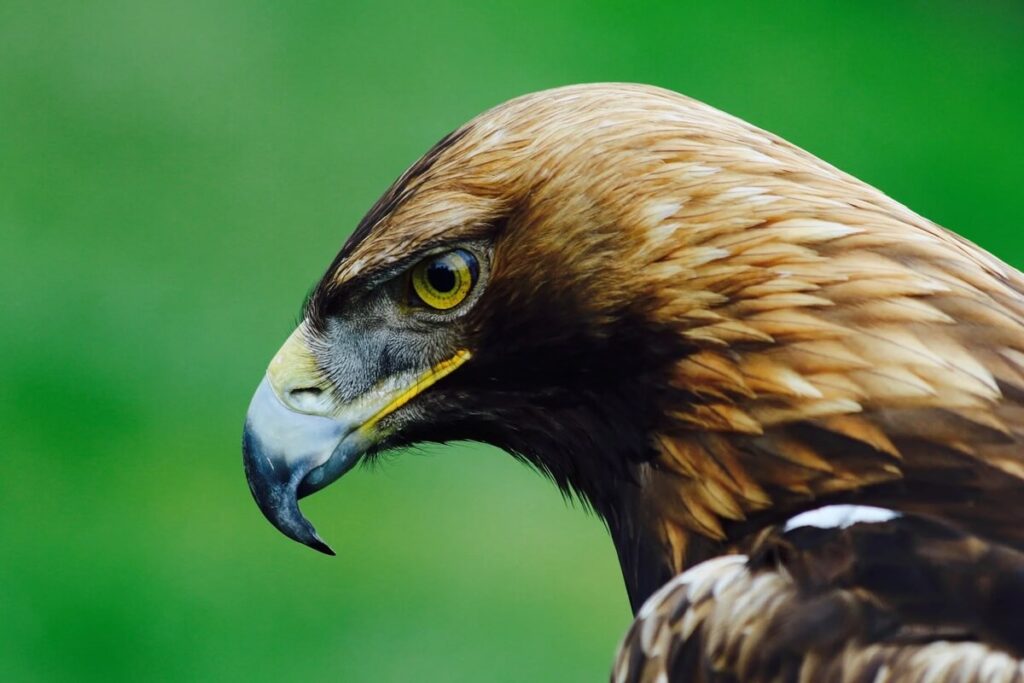
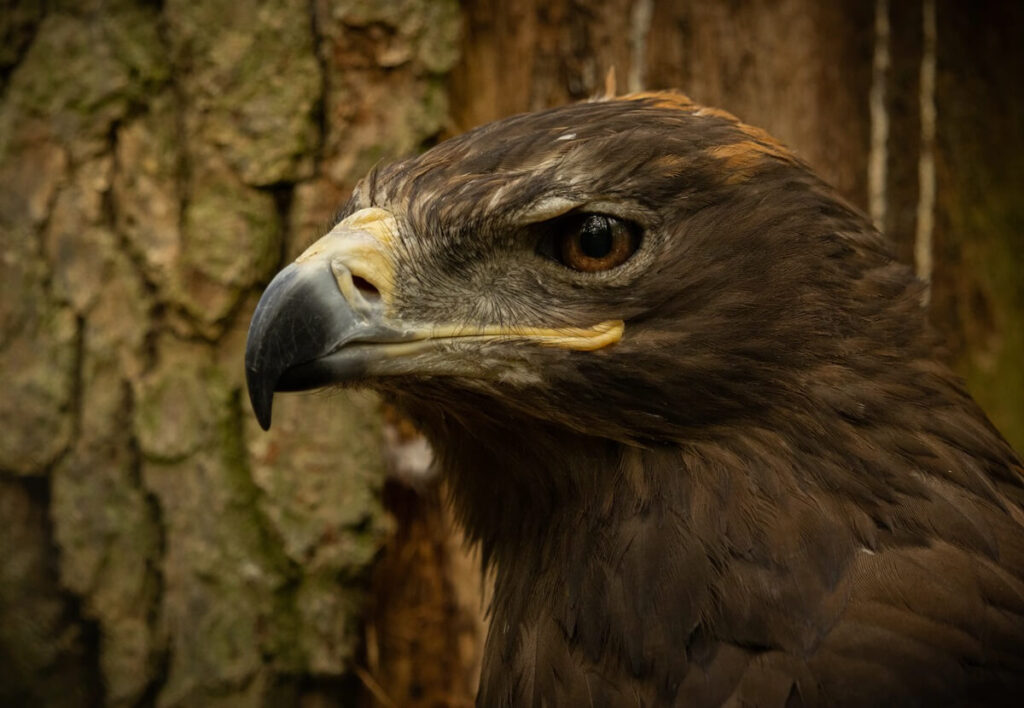
These talons are complemented by a strong, hooked beak designed to tear flesh, ensuring that eagles can feed on a variety of animals, from fish and small mammals to birds and reptiles.
Their eyesight is another critical asset. Eagles have among the sharpest vision of any animal, allowing them to spot potential prey from great distances.
This keen eyesight is a result of large pupils that reduce diffraction (scattering of light), which maximizes visual clarity.
An eagle’s vision is about four to five times sharper than that of a human, making it possible for these birds to identify a rabbit or a fish from as far as two miles away.


Hunting Techniques
Eagles employ a variety of hunting techniques, depending on their species and the environment they inhabit. One of the most common and spectacular methods is the “stoop,” a high-speed dive used by eagles, particularly those in open areas, to capture prey.
During a stoop, an eagle will soar high into the sky, locate its prey with its extraordinary vision, and then fold its wings to dive at speeds exceeding 150 miles per hour. The element of surprise, combined with sheer velocity, often leaves the prey with no chance to escape.
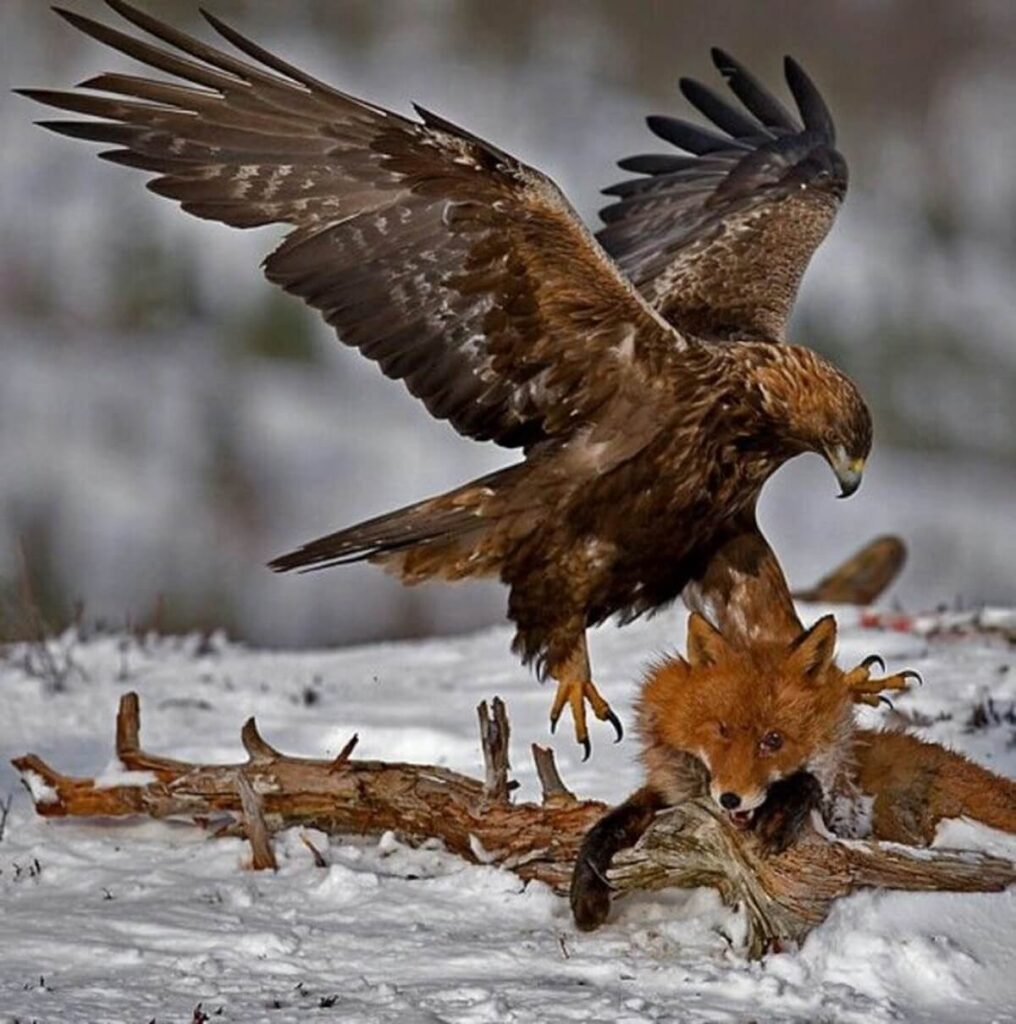
Once the eagle reaches its target, it will extend its talons to snatch the prey mid-air or strike it on the ground.
The force of the impact, coupled with the eagle’s powerful grip, is usually enough to incapacitate or kill the prey instantly. This technique is particularly effective for catching fast-moving or agile animals like birds or small mammals.
Another method involves eagles hunting from a perch. This is common among species like the Bald Eagle, which often hunt in wooded areas or near water bodies.
The eagle will patiently wait on a high perch, scanning the ground or water below for signs of movement. Once it spots potential prey, it swoops down, using its sharp talons to grab the animal.
Bald Eagles, for example, are known for their ability to catch fish right out of the water, a skill that requires both precision and timing.
In some environments, eagles may also engage in cooperative hunting. This is particularly seen in areas where prey is abundant but difficult to catch alone, such as in the case of large flocks of birds or herds of mammals.
By working together, eagles can corral or confuse prey, making it easier for one or more birds to make a successful kill.
The Circle of Life
Eagles play a crucial role in their ecosystems as top predators. By controlling populations of smaller animals, they help maintain balance within their habitats. This is especially important in areas where certain species might otherwise overpopulate, leading to environmental degradation.
However, eagle hunting is not without its challenges. Young eagles must spend years honing their hunting skills, often practicing on smaller, less challenging prey before graduating to more difficult targets.
This period of learning is critical, as successful hunting is vital for an eagle’s survival. Even adult eagles face difficulties, as prey can sometimes evade capture, and adverse weather conditions can make hunting more challenging.

In conclusion, eagle hunting is a powerful demonstration of nature’s balance and the intricate relationships between predator and prey.
The eagle, with its keen vision, powerful talons, and strategic hunting methods, is a true apex predator, symbolizing the raw beauty and efficiency of the natural world.
Through their hunting prowess, eagles not only ensure their survival but also contribute to the health and stability of their ecosystems, embodying the timeless cycle of life and death in the wild.
Suggested tour:
ALTAI EAGLE FESTIVAL 2026
Unleash your adventure spirit, explore Mongolia on your own terms ALTAI eagle festival tour (Sept 17–18) ⭐⭐⭐⭐⭐ 5.0 · 72…GOLDEN EAGLE FESTIVAL TOUR (2026)
Unleash your adventure spirit, explore Mongolia on your own terms Golden Eagle Festival TOUR – 8-DayS Photography Tour (2026) By…Mongolia Altai Mountain Tour 2026 — 8 Days: Peak Climb + Culture + Nomadic Stay | $1,700
Unleash your adventure spirit, explore Mongolia on your own terms MONGOLIA ALTAI MOUNTAIN TOUR ⭐⭐⭐⭐⭐ 5.0 · 72 reviews on…


Related content:
Golden Eagle Photography: How to Shoot Wild Eagles, Hunters and the Festival
Golden eagle photography rewards preparation more than luck. For birds in flight, start at 1/2500s, f/6.3, auto-ISO capped at 3200,…Eagle Festival Packing List 2026: What to Wear in Olgii’s October Cold
The Mongolia Eagle Festival in Bayan-Ölgii runs in late September and early October at elevation 1,710 metres, where October average…Sagsai vs Golden Eagle Festival 2026: Which Mongolia Eagle Festival Should You Attend?
Mongolia hosts two distinct Kazakh eagle festivals each autumn in Bayan-Ölgii Province, the country’s western Kazakh-majority region. The Sagsai Golden…






How long do eagles live in the wild?
Bald eagles and golden eagles typically live 20-30 years in the wild, though exceptional individuals have reached nearly 40 years. The oldest confirmed wild bald eagle was approximately 38 years old when documented in New York State. Lifespan in the wild is influenced by prey availability, habitat quality, and threats including poisoning, collisions, and disease. Captive eagles can live longer — occasionally exceeding 50 years — due to consistent food supply, veterinary care, and protection from environmental hazards. Eagles maintain their hunting abilities throughout their lives through continuous molting and skill refinement, allowing them to successfully capture prey well into their senior years.
Is the eagle rebirth story at 40 years old true?
No, the popular “eagle rebirth” story — claiming eagles break off their beak and talons at age 40 to live another 30 years — is biologically impossible and has been thoroughly debunked by ornithologists. Eagles cannot survive even a few days without their beak and talons, which are essential for capturing and eating prey. The story claims a 150-day transformation period without food, but eagles would starve long before completing such a process. In reality, eagles molt gradually throughout their lives, continuously replacing feathers to maintain flight and hunting capability. While the myth may serve as an inspiring metaphor for human transformation, the actual biology of eagles — their gradual, lifelong adaptation — is equally remarkable and factually accurate.
What age do eagles start hunting on their own?
Eagle chicks fledge (leave the nest) at approximately 10-14 weeks of age but remain dependent on parents for food for another 4-6 weeks while learning to hunt. Young eagles typically achieve hunting independence at 4-6 months old, though their success rate remains low compared to experienced adults. Juvenile eagles spend their first 1-2 years perfecting hunting techniques through trial and error, often scavenging or focusing on easier prey like fish and carrion. Eagles reach full physical and hunting maturity at 4-5 years of age when they develop adult plumage and establish their own territories. This extended learning period reflects the complexity of eagle hunting — requiring precise timing, powerful strikes, and prey-specific strategies that improve with experience.[NEEDS SOURCE – need specific timeline for hunting independence]
How does eagle hunting change across their lifespan?
Young eagles (1-4 years) are less efficient hunters, relying more heavily on scavenging, fish, and smaller prey while developing skills. Prime-age adults (5-20 years) demonstrate peak hunting performance with refined techniques, stronger strikes, and ability to take large prey including foxes, waterfowl, and salmon. Older eagles (20+ years) maintain hunting competence through experience and strategic prey selection, though they may gradually shift toward easier targets like carrion or congregate at predictable food sources. Eagles’ gradual molting process ensures continuous maintenance of flight feathers and talons throughout life, preventing the catastrophic decline suggested by internet myths. Successful elder eagles compensate for any minor physical decline through superior knowledge of territory, prey behavior, and optimal hunting conditions accumulated over decades.
When is breeding season for eagles and how does it affect hunting?
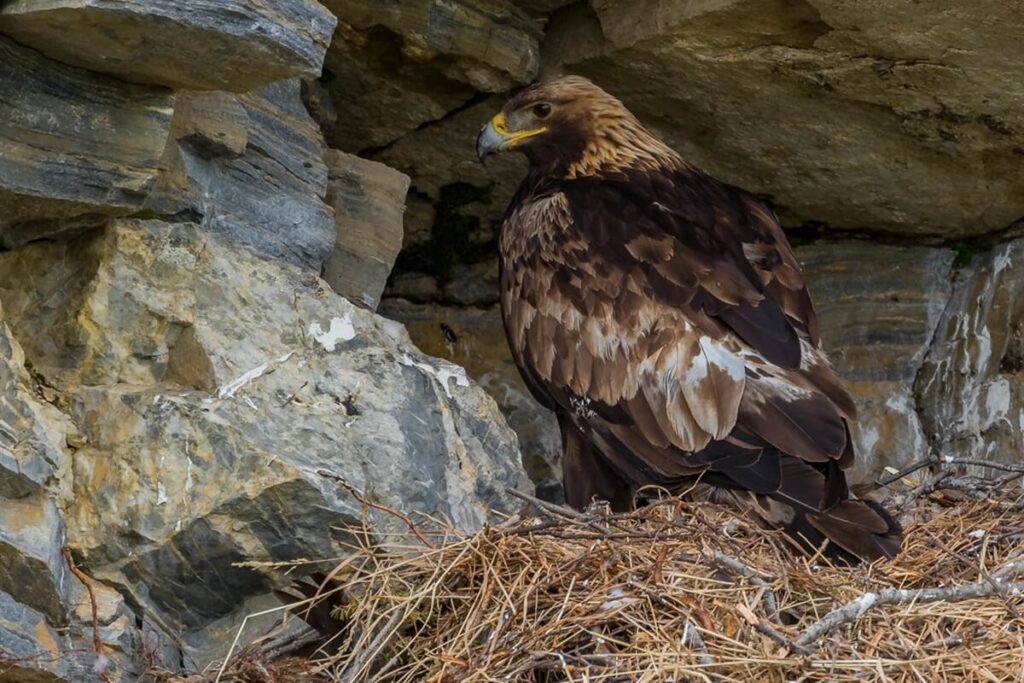
Bald eagles typically breed from late winter through spring (February-July depending on latitude), with golden eagles breeding slightly earlier in late winter. During the 3-4 month nesting period, hunting intensity increases dramatically as both parents provision 1-3 nestlings with multiple prey items daily. Adult eagles may make 5-10 hunting trips per day during peak nestling growth, requiring productive territories near abundant prey. This intensive hunting phase is critical for nestling survival and serves as the primary period when young eagles observe and learn hunting techniques from parents. After fledging, parents continue hunting for juveniles for an additional 4-6 weeks, gradually reducing support until young eagles achieve independence.
If watching a golden eagle hunt is on your bucket list, our Mongolia photography tours put you on the same hillside as working Kazakh eagle hunters in the Altai.