
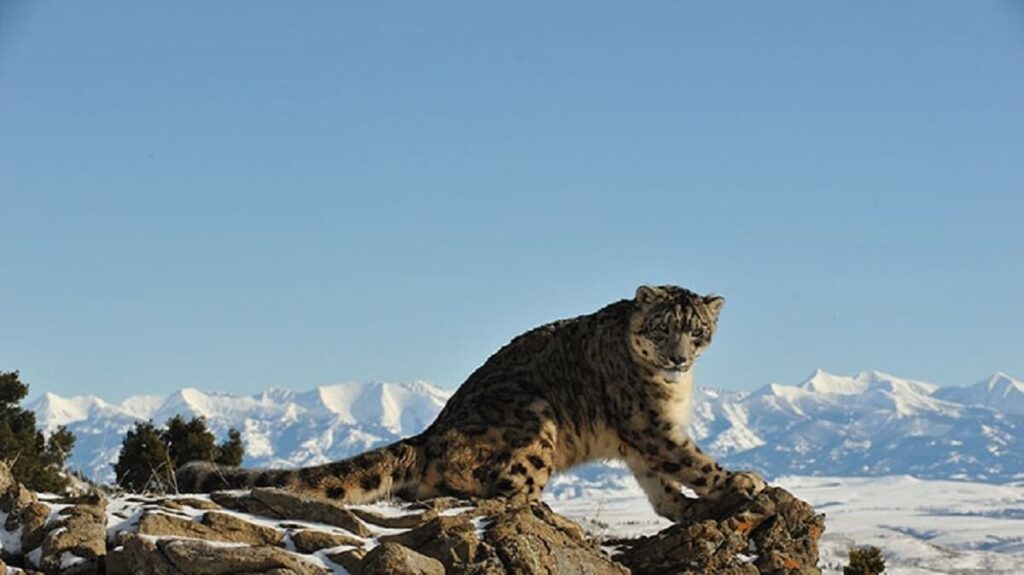
Why Are Snow Leopards Important? – Snow leopards (Panthera uncia) are one of the most elusive and majestic big cats, living in the rugged mountain ranges of Central and South Asia. With their thick fur and strong, muscular bodies, they are perfectly adapted to the harsh climates of the high-altitude regions.
However, beyond their striking beauty and rarity, snow leopards hold immense ecological, cultural, and economic importance. Protecting these enigmatic creatures goes beyond preserving a species; it involves safeguarding entire ecosystems and the livelihoods of communities that depend on them. Here’s a deeper look at why snow leopards are crucial to our world.
Altai Tours from Mongolia
Let’s create your ideal Mongolian adventure
We offer you MONGOLIA SNOW LEOPARD PHOTOGRAPHY TOUR. Mongolia is the world’s 18th biggest country by territory with only three million people living here. Over 1.5 million square kilometers of land is inhabited by the last nomads and unique wild animals like the red fox, grey wolf, and snow leopards. It will be wonderful 🤩🤩
1. Ecological Importance: Keystone Species
🐆 Want to experience this in person? Join our 6-Day Altai Tavan Bogd Tour with local Kazakh guides — small groups, authentic experience, 5.0 stars on TripAdvisor.
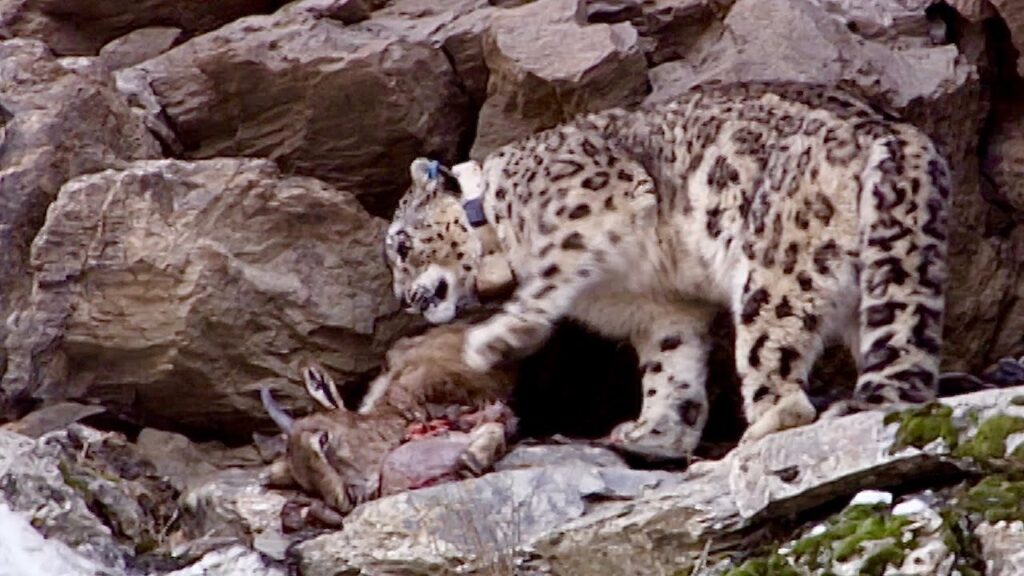
Snow leopards play a pivotal role in maintaining the health and balance of mountain ecosystems. As apex predators, they sit at the top of the food chain and regulate the populations of herbivores such as blue sheep (bharal), ibex, and marmots.
By controlling the numbers of these prey animals, snow leopards prevent overgrazing and help sustain the delicate balance of vegetation. This, in turn, supports a range of other species that depend on mountain pastures for survival.
Altai Tours from Mongolia
Let’s create your ideal Mongolian adventure
Without snow leopards, the herbivore populations could grow unchecked, leading to overgrazing, which would have cascading effects on the environment.
The loss of vegetation would not only threaten smaller species but also destabilize the soil, increasing the risk of erosion and landslides. The snow leopard’s role as a keystone species is thus essential for maintaining the ecological integrity of high-altitude habitats.

2. Indicator of Climate Change
Snow leopards live in some of the world’s most remote and rugged regions, including the Himalayas, the Tibetan Plateau, and the Altai Mountains. These areas are highly vulnerable to the impacts of climate change, such as rising temperatures and glacial melt.
Snow leopards, being sensitive to changes in their environment, act as indicators of the health of these fragile ecosystems. Their declining numbers signal the broader impacts of climate change on biodiversity and ecosystem stability in mountainous regions.
Altai Tours from Mongolia
Let’s create your ideal Mongolian adventure
By studying the snow leopard’s habitat, scientists gain insights into how climate change is affecting not only wildlife but also water systems that billions of people rely on.
The high-altitude regions where snow leopards reside are sources of major rivers in Asia, including the Yangtze, Ganges, and Brahmaputra. Protecting the snow leopard’s habitat helps ensure the sustainability of these critical water sources.

3. Cultural Significance
For many indigenous communities in the snow leopard’s range, this big cat holds deep cultural and spiritual significance. In regions like Mongolia, Kyrgyzstan, and Tibet, snow leopards are considered symbols of strength, beauty, and resilience.
They feature in local folklore and religious practices, and for many people living in these areas, the snow leopard represents a connection to their ancestral lands and traditions.
Cultural respect for the snow leopard can also be a driving force for conservation efforts. In some communities, local beliefs and taboos against harming snow leopards have helped protect the species for generations.
By integrating traditional knowledge with modern conservation practices, efforts to save the snow leopard gain a more holistic and community-driven approach.
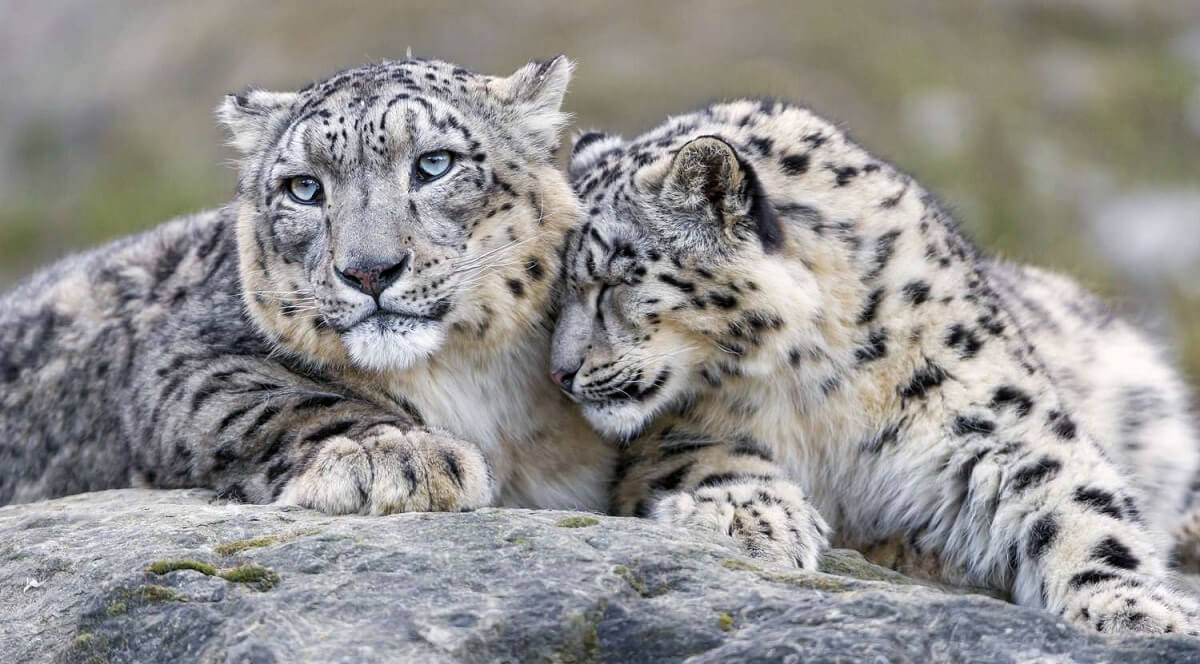
4. Economic Value: Ecotourism and Livelihoods
The snow leopard’s elusive nature and the stark beauty of its mountain habitats make it a major attraction for ecotourism. As interest in wildlife tourism grows, particularly in places like Bhutan, Nepal, and Mongolia, snow leopards have become a focal point for nature enthusiasts and photographers.
Ecotourism generates significant revenue for local communities, providing alternative livelihoods that can reduce dependence on activities that threaten snow leopard populations, such as poaching or unsustainable livestock grazing.
Altai Tours from Mongolia
Let’s create your ideal Mongolian adventure
Programs that promote snow leopard conservation often emphasize coexistence, where communities are compensated for livestock losses or encouraged to engage in tourism ventures that showcase the snow leopard’s habitat.
This helps alleviate human-wildlife conflict and turns the presence of snow leopards into a source of pride and income for local people.

5. Global Conservation Symbol
Snow leopards have become a global icon for conservation. Their plight highlights broader issues facing biodiversity worldwide, including habitat loss, climate change, and human-wildlife conflict.
Numerous international organizations, governments, and local communities are working together to protect snow leopards through research, anti-poaching efforts, and habitat preservation.
The conservation of snow leopards also involves cross-border collaboration since their range spans multiple countries, including China, India, Mongolia, Russia, and Afghanistan.
The efforts to save this species have sparked transnational dialogue and cooperation, promoting peace and environmental stewardship across regions.

The importance of snow leopards extends far beyond their physical presence in the mountains. As keystone predators, they play a critical role in maintaining the health of mountain ecosystems.
Their status as an indicator species provides vital information about the impacts of climate change, while their cultural and economic significance fosters community-based conservation efforts.
The global attention on snow leopards also brings much-needed focus to the challenges of biodiversity loss. By protecting snow leopards, we are safeguarding not just a species, but entire ecosystems and the well-being of future generations.
SUGGESTED TOURS:
Related content:
Snow Leopard Photography Gear Guide: What You Actually Need for the Altai
To photograph snow leopards in the Mongolia Altai, you need a weather-sealed camera body, a telephoto lens of at least…Altai Argali, Ibex and Snow Leopard: The Prey-Predator Chain That Holds the Mountain Ecosystem Together
The Altai Mountains snow leopard population depends entirely on a small set of prey species: Altai argali (the world’s largest…Best Months to See Snow Leopards in the Altai: A Seasonal Guide for 2026
The best months to see snow leopards in Mongolia’s Altai Mountains are February through early April. Three biological factors converge…





FAQ
Why are snow leopards important to the world?
Snow leopards play a crucial role as top predators in their ecosystems. They help regulate populations of mountain sheep and goats, which keeps vegetation balanced. Without snow leopards, herbivore numbers would rise, leading to overgrazing and negative impacts on other wildlife.
Why are leopards important?
Leopards are considered an “umbrella species” because they require large territories to survive. By protecting leopard habitats, we also protect many other plants and animals that share the same environment.
What are some interesting facts about snow leopards?
Snow leopards are perfectly adapted to cold, mountainous regions. They live at high altitudes and are excellent climbers. Unlike other big cats, they cannot roar. They are more closely related to tigers than to other leopards, and their wide paws act like natural snowshoes to help them move across snow.
Are snow leopards endangered?
Snow leopards are not extinct, but they are classified as “Vulnerable” by the IUCN. This means they face a high risk of extinction due to threats such as poaching, habitat loss, climate change, and limited genetic diversity.
Why are snow leopards hunted?
Snow leopards are often illegally hunted for their beautiful fur. Additionally, their bones and body parts are used in traditional medicine, which increases demand and contributes to ongoing poaching.
How many snow leopards are left in the wild?
It is estimated that there are around 4,000 to 6,500 snow leopards remaining in the wild. However, due to their remote habitats and elusive nature, exact numbers are difficult to determine.
What is the rarest big cat in the world?
The Amur leopard is considered the rarest big cat. It lives in a small region spanning the Russian Far East and northeastern China.
What animals threaten leopards?
Lions are one of the biggest threats to leopards in regions where they coexist. Hyenas and baboons can also attack leopards, especially vulnerable cubs.
How rare are snow leopards?
Snow leopards are extremely rare across their range. Only a few thousand remain in the wild, and a small number live in zoos worldwide.
Can snow leopards purr?
Yes, snow leopards can purr. They also communicate using sounds such as hissing, growling, moaning, and yowling, but they are unable to roar like lions or tigers.
Where exactly do snow leopards live in Mongolia?
In Mongolia, snow leopards primarily inhabit the Altai Mountain range in the western provinces, including Bayan-Ölgii, Khovd, and Govi-Altai. These regions feature the rugged, high-elevation terrain snow leopards require, typically between 2,800 and 4,500 meters elevation in Mongolian ranges. The Tost Mountains, located in the South Gobi province, represent another significant population area and have become an important research site. Mongolia’s snow leopard population is estimated to be among the healthiest outside China, benefiting from relatively low human population density and expanding protected areas. For travelers interested in snow leopard conservation, the Altai region offers opportunities to visit community-based conservation projects and learn about coexistence programs between herders and these magnificent cats.
Can snow leopards roar like other big cats?
No, snow leopards cannot roar, which distinguishes them from the four “true” big cats (lions, tigers, jaguars, and leopards) that can roar due to specialized anatomy in their throat. Instead, snow leopards communicate through other vocalizations including mewing, growling, wailing, and “chuffing” (also called prusten) — a non-threatening greeting sound made by blowing through the nose while the mouth is closed. This anatomical difference stems from the structure of the hyoid bone in their throat, which is fully ossified (hardened) in snow leopards, unlike the partially elastic hyoid in roaring cats. Despite this limitation, snow leopards are still classified within the Panthera genus alongside roaring big cats due to other shared genetic and morphological characteristics.
How far does a snow leopard travel in a day?
Snow leopards are highly nomadic and can cover remarkable distances depending on prey availability, season, and territorial needs. Research using GPS collar data has documented snow leopards traveling 27 miles (approximately 43 kilometers) in a single night when moving between mountain ranges or searching for prey. Daily movements are typically smaller, with snow leopards often traveling along ridge lines and cliff bases within their home territories, which can range from 30 km² in prey-rich areas to over 1,000 km² where prey is scarce. These cats choose resting sites strategically, selecting bedding locations with good views over surrounding terrain to spot potential prey or threats. During winter months, snow leopards may descend to lower elevations following prey migrations, while in summer they typically remain at higher altitudes.
What time of day are snow leopards most active?
Snow leopards are primarily crepuscular, meaning they are most active during dawn and dusk hours, though their activity patterns can vary seasonally and based on prey behavior. Camera trap studies across their range consistently show peak activity during early morning and late afternoon to evening hours. However, snow leopards demonstrate flexible activity patterns and will hunt during daylight or nighttime when necessary, particularly in areas with minimal human disturbance. In regions with high human activity or livestock grazing, snow leopards tend to become more nocturnal to avoid encounters. For wildlife photographers and researchers in Mongolia’s Altai region, this crepuscular behavior means early morning and late afternoon offer the best (though still extremely limited) chances for potential sightings, particularly near known scent-marking sites along ridge lines.
Why are snow leopards called the “ghost of the mountains”?
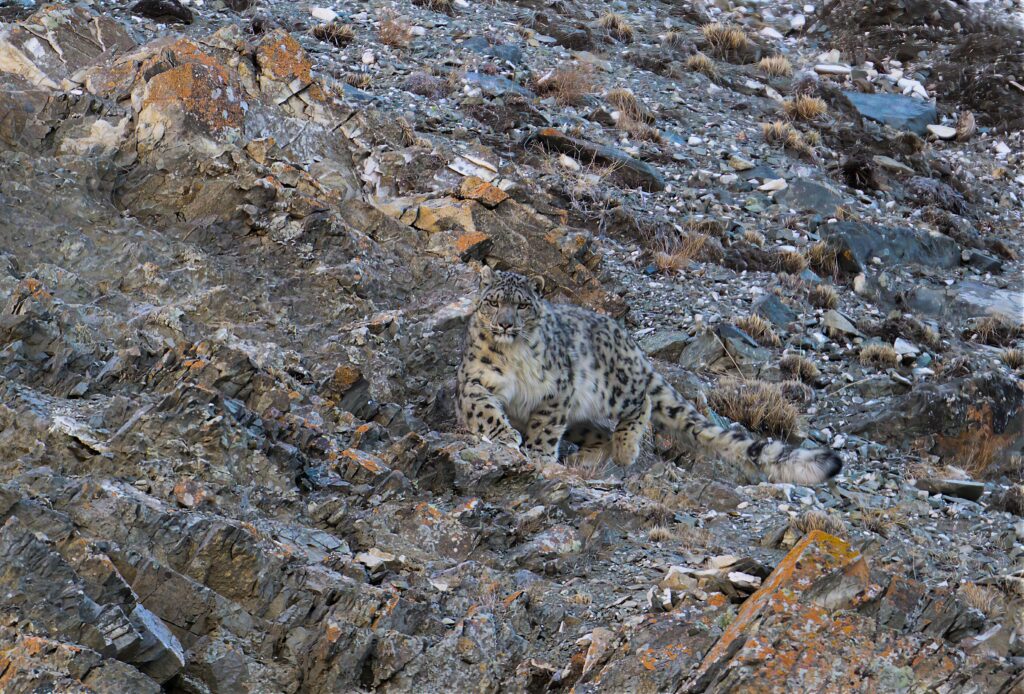
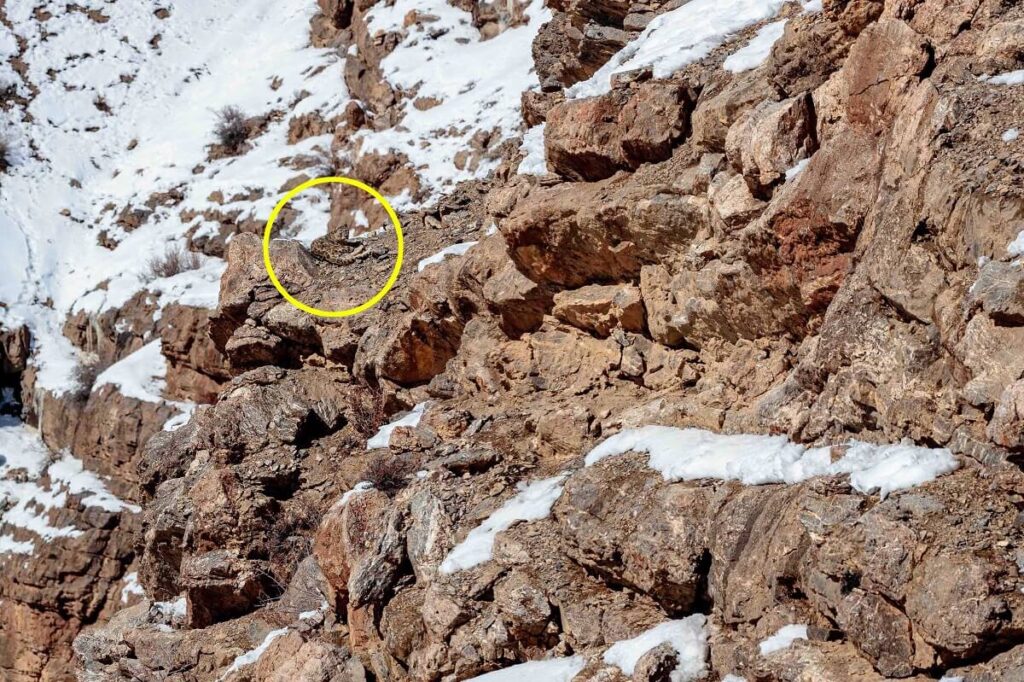
Snow leopards have earned the evocative nickname “ghost of the mountains” (or “grey ghost”) for two primary reasons: their exceptional elusiveness and their remarkable camouflage. These solitary cats are so rarely seen that even experienced researchers and local herders who spend decades in snow leopard habitat may never observe one in the wild. Their grey and cream-colored coats with distinctive rosette patterns blend seamlessly with the rocky, snow-patched terrain they inhabit, making them virtually invisible even when in plain sight. Combined with their naturally shy behavior, low population density, and preference for remote, inaccessible mountain terrain, these factors create an almost mythical quality around the species. In fact, there is no formal term for a group of snow leopards because they are so rarely seen together outside of brief mating periods or mother-cub families.