
Mongolia, a land of vast steppes, towering mountains, and arid deserts, is a country rich in natural wonders and historical sites.
Among its many treasures, one stands out for its unique beauty and geological significance—the Tsagaan Suvarga, often referred to as the “White Stupa.”
This natural formation, located in the southeastern part of Mongolia, in the Ulziit district of the Dundgobi province, is a must-see for travelers seeking to experience the diverse landscapes and cultural heritage of the region.
We offer you GOBI TOUR MONGOLIA. Tour itinerary includes visiting local herders and exploring more about nomadic lifestyle of the community. It will be wonderful 🤩🤩
🌏 Want to experience this in person? Join our Browse all Mongolia tours with local Kazakh guides — small groups, authentic experience, 5.0 stars on TripAdvisor.
A Geological Marvel
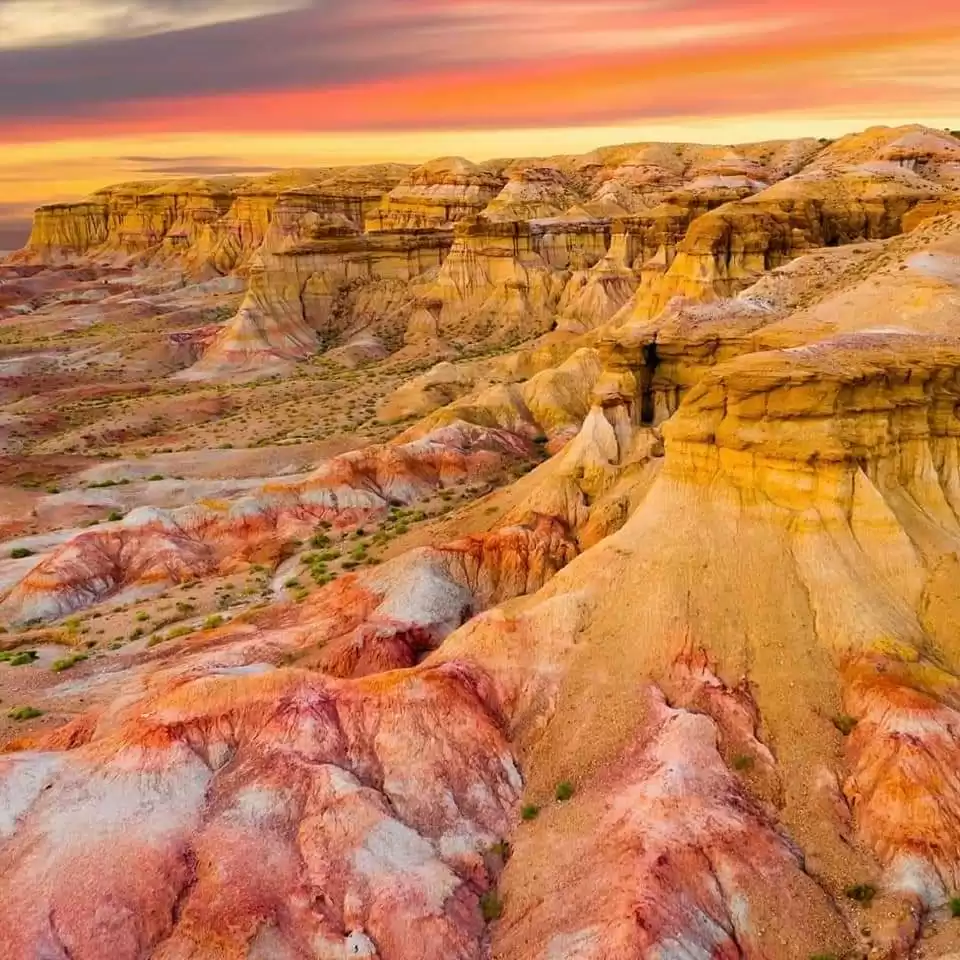
Tsagaan Suvarga, which translates to “White Stupa” in Mongolian, is a stunning natural formation that rises dramatically from the surrounding plains.
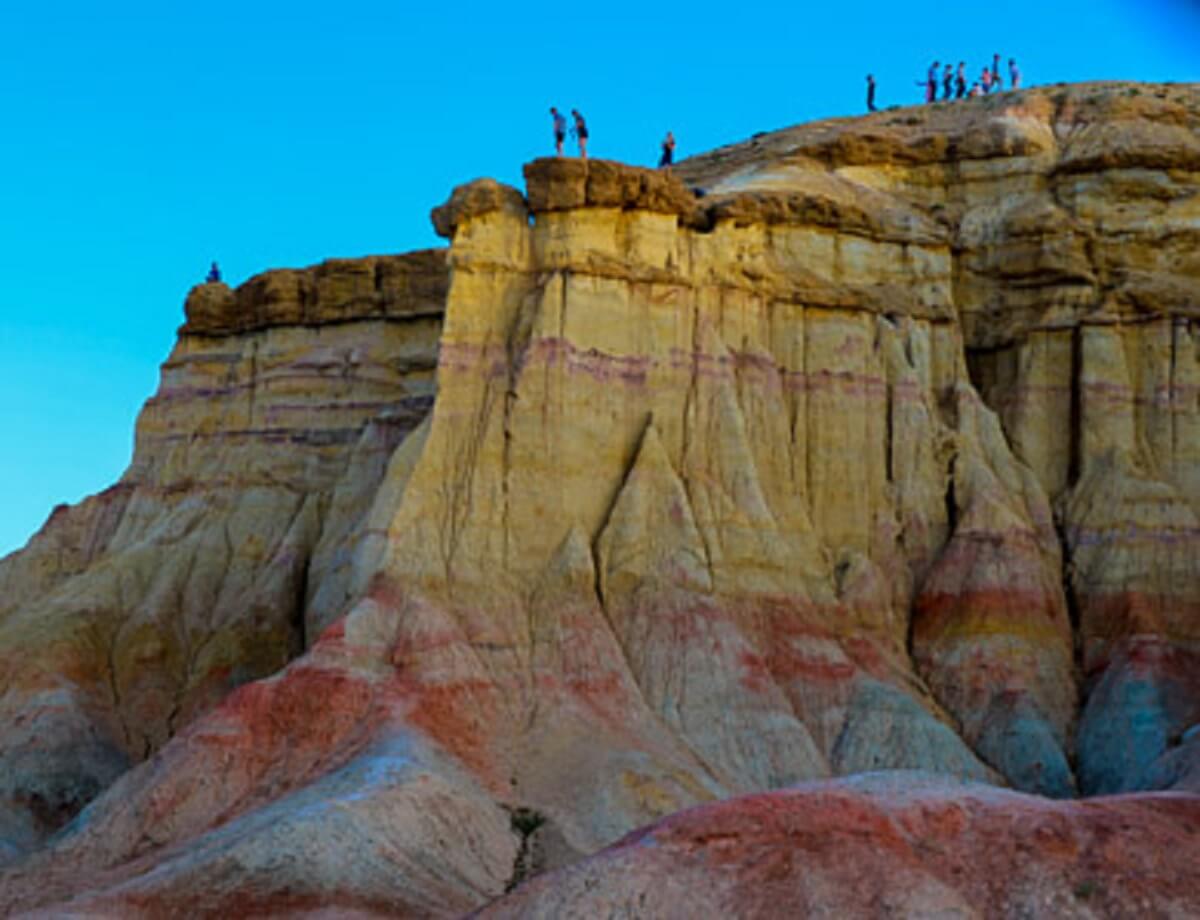
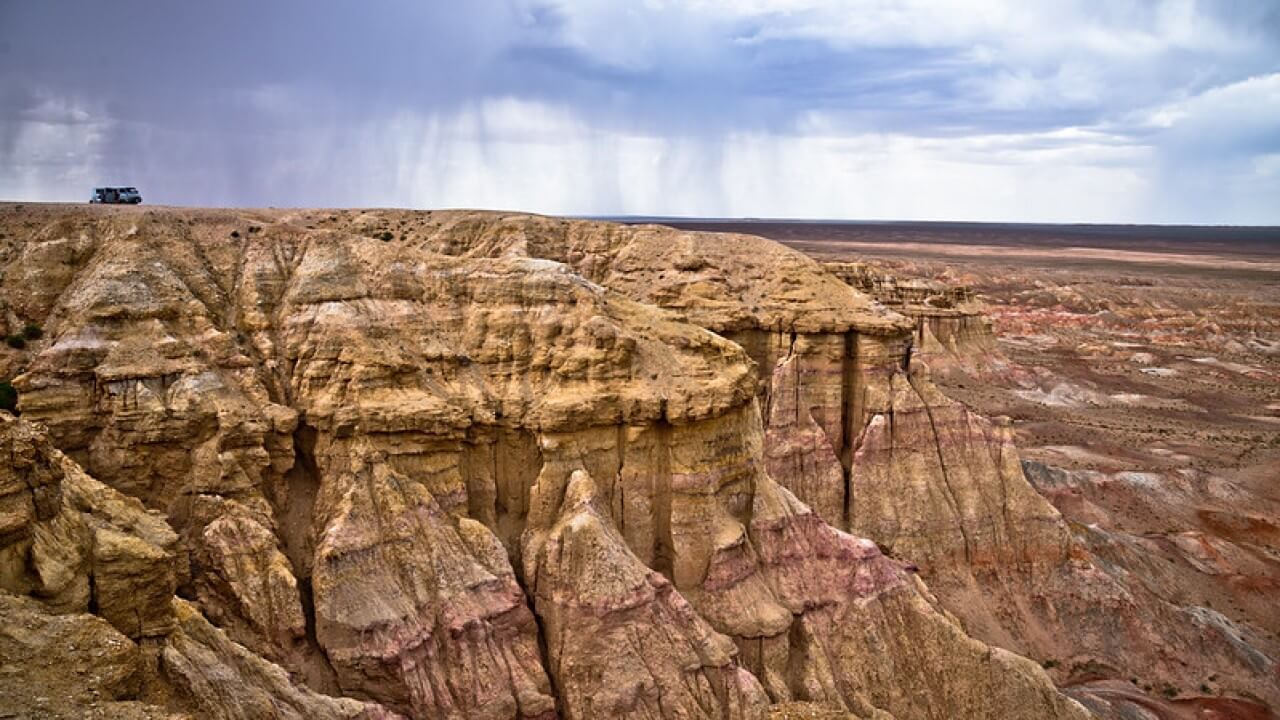
It is not a man-made structure, but rather a product of millions of years of erosion. The formation is composed of colorful layers of rock, primarily clay, and limestone, that have been shaped by wind and water into a series of cliffs and valleys.
The cliffs reach heights of up to 30 meters (approximately 98 feet), creating a striking contrast against the flat terrain of the Gobi Desert.
The colors of Tsagaan Suvarga are one of its most captivating features. The layers of rock, which were once the bed of an ancient sea, display a spectrum of hues ranging from white and yellow to red and pink.
These colors change throughout the day as the sun moves across the sky, creating a dynamic and ever-changing landscape.
The site is particularly breathtaking at sunrise and sunset when the soft light enhances the natural colors, giving the cliffs an almost otherworldly glow.
Cultural and Historical Significance
Beyond its geological beauty, Tsagaan Suvarga holds cultural and historical significance. The name “White Stupa” is symbolic, as stupas in Buddhist tradition are sacred structures that often contain relics and serve as places of meditation.
While Tsagaan Suvarga is not a religious monument, its name reflects the reverence that locals have for this natural wonder. The formation is seen as a place of spiritual importance, a reminder of the deep connection between the Mongolian people and their natural environment.
The area around Tsagaan Suvarga is also rich in history. Archaeological findings in the region suggest that it was once inhabited by ancient nomadic tribes.
Tools, pottery, and other artifacts discovered here indicate that the area has been a site of human activity for thousands of years. This connection to the past adds another layer of significance to the Tsagaan Suvarga, making it not just a natural wonder, but also a window into Mongolia’s ancient history.
Tsagaan Suvarga Today
Today, Tsagaan Suvarga is a popular destination for both domestic and international tourists. It is often included in tours of the Gobi Desert, where visitors can experience the full range of Mongolia’s diverse landscapes, from the sand dunes of Khongoryn Els to the flaming cliffs of Bayanzag.
The site is easily accessible by road, and many tour operators offer guided trips to the area, often including it as part of a broader itinerary that explores the natural and cultural highlights of the region.
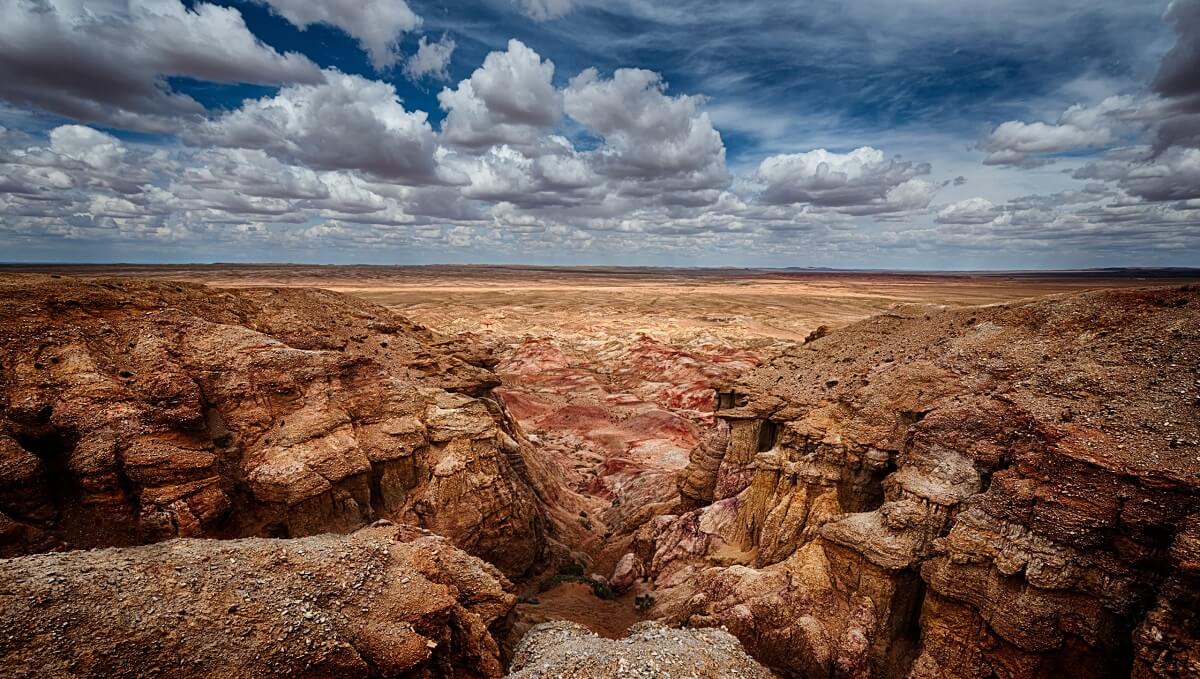
Visitors to Tsagaan Suvarga can explore the formation on foot, taking in the panoramic views from the top of the cliffs or wandering through the valleys below.
The area is also a popular spot for photography, with the vibrant colors and unique shapes of the cliffs providing endless opportunities for capturing stunning images. For those interested in geology, Tsagaan Suvarga offers a fascinating glimpse into the Earth’s history.
The exposed layers of rock reveal the story of an ancient sea that once covered the region, and the processes of erosion that have shaped the landscape over millions of years. This makes it a site of both scientific and aesthetic interest, appealing to a wide range of visitors.
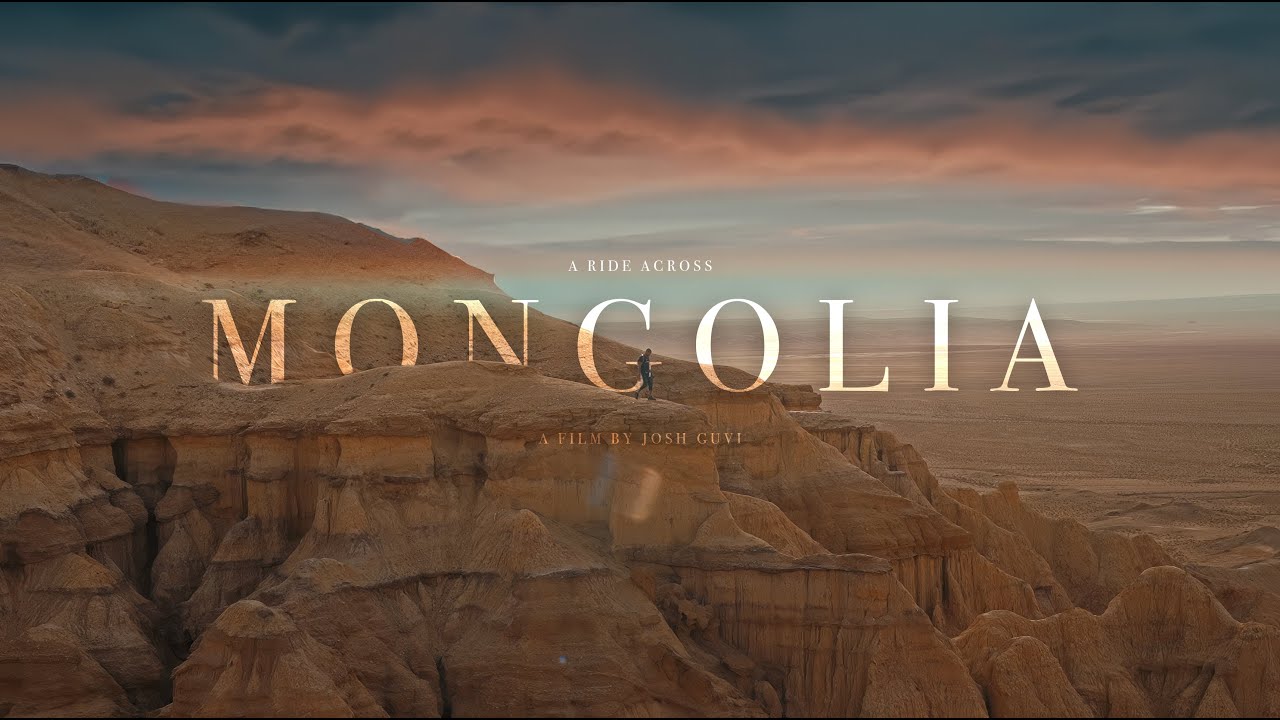
Tsagaan Suvarga is more than just a beautiful natural formation; it is a symbol of the rich geological, cultural, and historical heritage of Mongolia.
Its striking colors, unique shapes, and deep connection to the past make it a must-see destination for anyone exploring the Gobi Desert.
Whether you are drawn to its natural beauty, its spiritual significance, or its historical importance, Tsagaan Suvarga is sure to leave a lasting impression on all who visit.
Suggested tour:
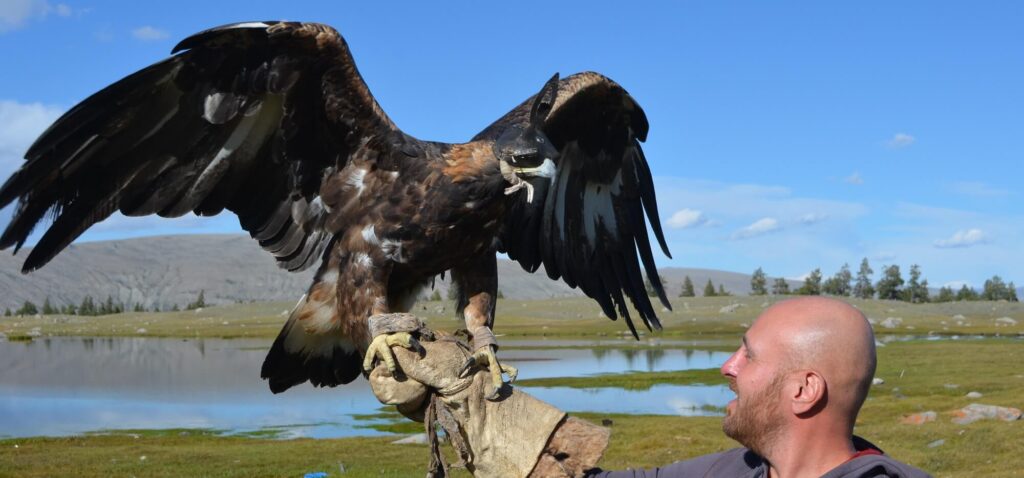
ALTAI EAGLE FESTIVAL 2026
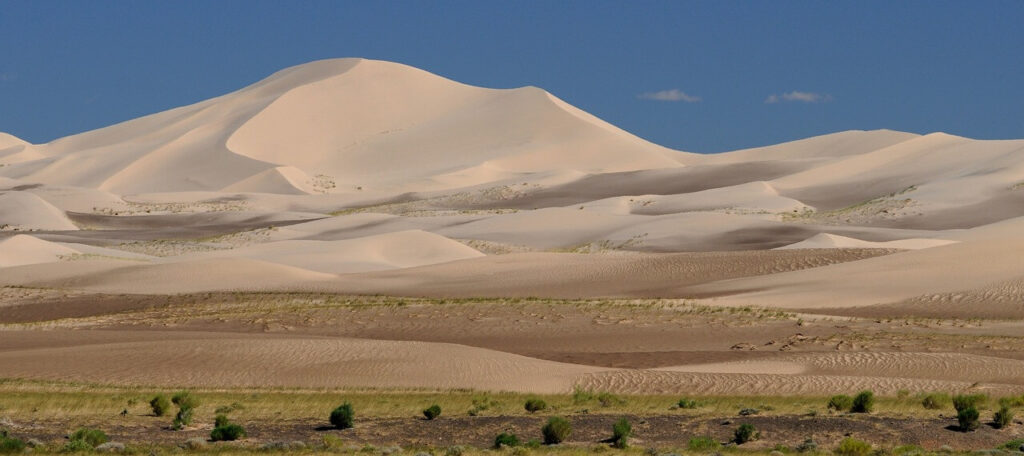
Unleash your adventure spirit, explore Mongolia on your own terms ALTAI eagle festival tour (Sept 17–18) ⭐⭐⭐⭐⭐ 5.0 · 63…GOBI & CENTRAL MONGOLIA TOUR
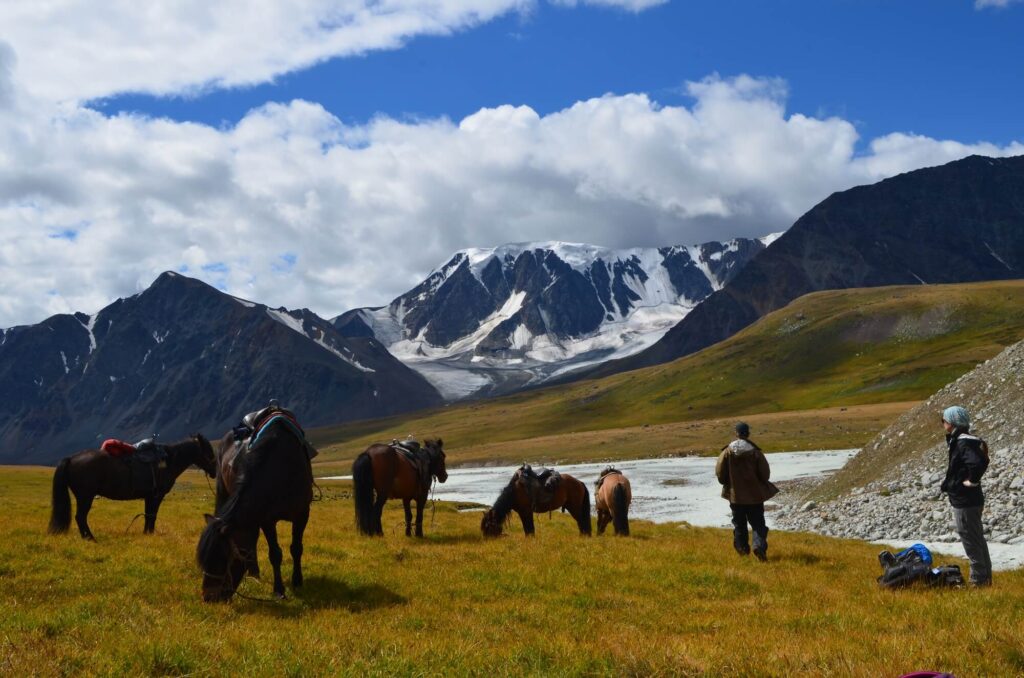
Unleash your adventure spirit, explore Mongolia on your own terms GOBI & CENTRAL MONGOLIA TOUR GOBI & CENTRAL MONGOLIA TOUR…MONGOLIA HORSE TREKKING TOUR 2027
Unleash your adventure spirit, explore Mongolia on your own terms MONGOLIA HORSE TREKKING TOUR 2027 ⭐⭐⭐⭐⭐ 5.0 · 63 reviews…
Related content:
Golden Eagle Photography: How to Shoot Wild Eagles, Hunters and the Festival
Golden eagle photography rewards preparation more than luck. For birds in flight, start at 1/2500s, f/6.3, auto-ISO capped at 3200,…Self-Guided vs Guided Trekking in Mongolia: Which One Actually Fits Your Trip?
For roughly 90% of international hikers, a fully-guided Mongolia trekking tour is the right format — the supported 11-day package…How Hard Is the Altai Tavan Bogd Trek? Fitness, Altitude, and an Honest Reality Check
The standard 11-day Altai Tavan Bogd trek is graded “moderate” by Mongolian operators and by international trekking standards. You will…





Tsagaan Suvarga at a Glance: Size, Location & How to Find It
Tsagaan Suvarga rises 30–60 m (98–197 ft) high and stretches approximately 400 m (1,312 ft) long, forming an east-facing escarpment of layered sedimentary cliffs.
The site lies in Dundgovi (Middle Gobi) Province, approximately 420 km south of Ulaanbaatar and 85 km from Ulziit town, roughly 30 km east of the main Ulaanbaatar–Umnugobi highway.
The name Tsagaan Suvarga (Цагаан Суварга) translates literally as “White Stupa,” referencing the cliff’s resemblance to a Buddhist relic stupa or pagoda when viewed from a distance.
The parking and viewing area sits on top of the formation — visitors arrive at the rim of the cliff, then walk a short distance to the edge to look down across the colored sandstone hills below.
Tsagaan Suvarga is conveniently positioned as a stopover between Mandalgovi and Dalanzadgad on the standard South Gobi tourist circuit, making it a natural addition to multi-day Gobi itineraries.
How Tsagaan Suvarga Was Formed: Geology of an Ancient Seabed
The cliffs of Tsagaan Suvarga were formed from sedimentary deposits left behind when an ancient sea drained from the region, leaving behind layered seabed material now exposed by erosion.
The sandstone contains iron and calcium compounds that, when exposed to oxygen, produce the formation’s distinctive red, orange, white, and pink colour banding — most vivid in the low light of early morning and late evening.
Visitors regularly find marine fossils and clamshells embedded in the rock and on the surrounding ground — physical evidence of the marine origin and a tangible reminder of the Gobi’s geological transformation.
The broader Gobi region is internationally significant for paleontology — it has produced some of the most important dinosaur fossil discoveries on Earth, including the first scientifically described dinosaur eggs (Roy Chapman Andrews expeditions, 1922–1925).
The eastern face of the escarpment glows particularly bright at sunrise — making early morning the prime photography window for the formation’s full color spectrum.
Things to Do at Tsagaan Suvarga and Nearby
Hike the cliff trails — short paths lead from the rim down through the sandstone hills to the wide valley below; the round-trip walk takes about an hour and rewards visitors with close views of the layered rock.
Visit Khevtee Bosoo Cave — a 50-meter-long natural cave near the formation, accessible on foot from the rim and worth an hour of additional exploration.
Photograph at sunrise or sunset — the layered sandstone shifts dramatically in colour as the sun angle changes; both viewmongolia and travelbuddies recommend low-light photography for the most striking shots.
Camel ride from a nearby ger camp — local nomadic families and tourist camps (Tsagaan Suvarga camp east of the formation, Govi Suvarga camp to the west) offer 30–60 minute camel rides as part of overnight stays.
Visit Del Uul petroglyph site — 32 km from Tsagaan Suvarga, an 17-km long, 8-km wide mountain ridge containing approximately 3,000 ancient rock carvings dating from the late Iron Age through the 13th-century Mongol Empire.
Best Time to Visit Tsagaan Suvarga
The recommended visiting window is late August to early September — temperatures are moderate (not the summer heat of June–July, not the cold of October), and tourist numbers drop after the August peak.
Tsagaan Suvarga sits within the Gobi’s semi-arid steppe climate zone, with hot, dry summers (daytime highs of 30–35 °C in July) and cold winters where temperatures regularly drop below −20 °C.
Wind is consistently strong on top of the cliffs — visitors should watch their footing near the edge, especially in spring and autumn when gusts are strongest.
The Ikh Goviin Temee (“Camels of the Great Gobi”) Festival is held annually in late September in the area surrounding Tsagaan Suvarga, featuring camel polo, camel races, and a parade of riders — a high-impact cultural addition for travelers visiting that month.
Avoid mid-June through early August unless you can tolerate intense midday heat with little shade — there is essentially no vegetation cover at the formation itself.
Where Tsagaan Suvarga Fits on a Mongolia Itinerary
The Gobi Desert covers approximately 1,295,000 km² across southern Mongolia and northern China, making it the fifth-largest desert in the world. Tsagaan Suvarga is one of its most photographed inland landmarks.
Most multi-day Gobi tours bundle Tsagaan Suvarga with the Yolyn Am ice gorge, Khongoryn Els (Singing Sand Dunes), and Bayanzag (Flaming Cliffs) — together these form the canonical “Gobi Highlights” loop typically run over 7–10 days from Ulaanbaatar.
A typical Tsagaan Suvarga visit takes 2–3 hours of active exploration; most itineraries pair it with one overnight at a nearby ger camp before continuing south to Dalanzadgad and the Three Beauties of the Gobi (Gurvan Saikhan) National Park.
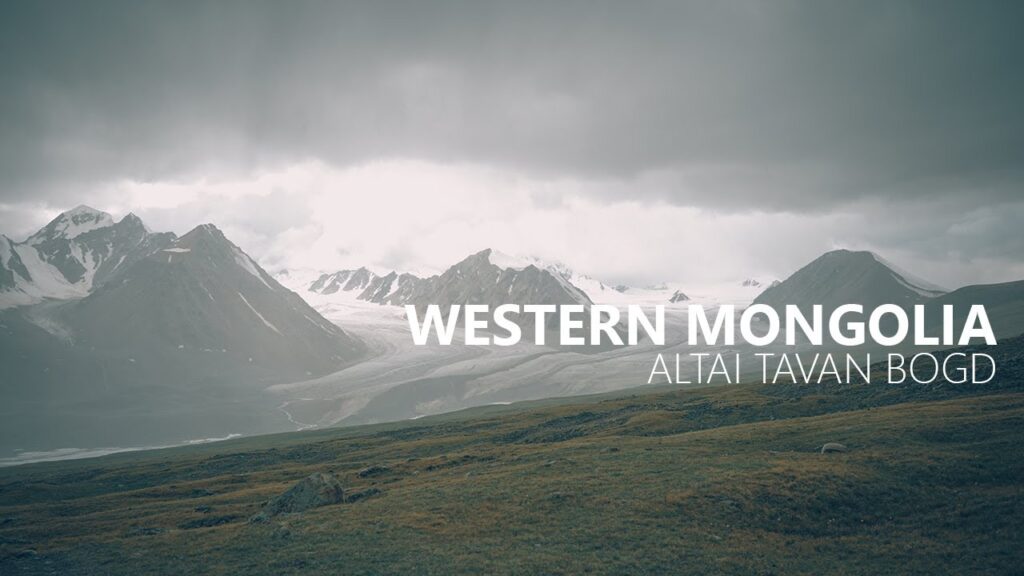
Travelers exploring western Mongolia and the Altai Tavan Bogd National Park can add Tsagaan Suvarga as an overland connector when transiting from Ulaanbaatar to the western provinces, though most Altai-focused itineraries skip the central Gobi entirely.
Tsagaan Suvarga is not currently a UNESCO-listed site, but it sits within the wider Mongolian protected-area system and is increasingly popular among photographers, geologists, and travelers seeking less-visited Gobi landmarks compared to the nearby Flaming Cliffs.
What is Tsagaan Suvarga?
Tsagaan Suvarga (Mongolian: Цагаан Суварга, “White Stupa”) is a 30–60-metre-high, 400-metre-long limestone and sandstone escarpment in Dundgovi (Middle Gobi) Province, Mongolia, formed from the deposits of an ancient seabed. It is named for its resemblance to a Buddhist stupa when viewed from a distance.
Where is Tsagaan Suvarga located?
Tsagaan Suvarga is in Dundgovi (Middle Gobi) Province, approximately 420 km south of Ulaanbaatar. It sits roughly 30 km east of the main Ulaanbaatar–Umnugobi highway, about 85 km from Ulziit town. By 4×4 from Ulaanbaatar the drive takes 8–10 hours including stops.
Why is Tsagaan Suvarga called the White Stupa?
The name translates to “White Stupa” because the layered cliff formation resembles a Buddhist relic stupa (pagoda) from a distance. Locals traditionally revere the formation as a sacred mountain (khairkhan) and treat it with the same respect given to a religious stupa.
When is the best time to visit Tsagaan Suvarga?
The optimal window is late August to early September — temperatures are moderate (not the intense summer heat of June–July, not the cold of October), and tourist numbers decline after the August peak. Late September visits also coincide with the Ikh Goviin Temee camel festival held annually in the area.
Are there fossils at Tsagaan Suvarga?
Yes — because the formation was created from an ancient seabed, marine fossils and clamshells are commonly found on and around the cliffs. The wider Gobi Desert is one of the world’s most productive paleontological regions, famously the source of the first scientifically described dinosaur eggs (Roy Chapman Andrews’ Central Asiatic Expeditions, 1922–1925). All fossils are protected by Mongolian heritage law and must not be removed.