
Unleash your adventure spirit, explore Mongolia on your own terms
GOBI & CENTRAL MONGOLIA TOUR
GOBI & CENTRAL MONGOLIA TOUR
13 DAYS – 12 NIGHTS (FROM $2400 )
- Duration: 13 days 12 nights
- Price from 2400 USD
- Arrival on: Ulaanbaatar
- Group size: 2- 10
- Destination: Mongolia Gobi Desert
- Difficulty: Moderate
- Suitable age: 15-60
Real Guest Reviews — 5.0 from 72 Tripadvisor Travellers

OVERVIEW
Welcome to Mongolia! The land is full of stunning nature and breathtaking views. The Discover Altai team offers you 13-day package tours in the Gobi Desert & Central Mongolia. This group tour has scheduled arrival and departure dates. We will start and end the trip in Ulaanbaatar. During the tour, you will be supported by local tour guides and land transportation.
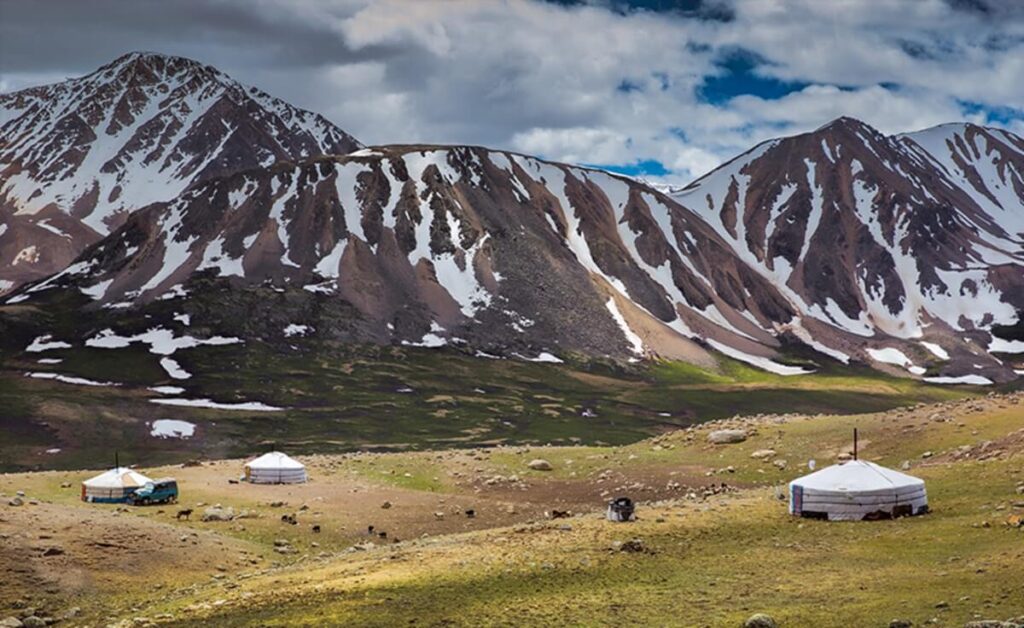
Also, the tour itinerary includes visiting local herders and exploring more about the nomadic lifestyle of the community. Come and Enjoy one of the best-planned tours in Mongolia!
Tour Itinerary
Eleven days across the Gobi Desert and central Mongolia — singing dunes, dinosaur cliffs, the Orkhon Valley, ancient Karakorum and the wild horses of Khustai.
-
DAY1
 Day 1
Day 1DAY 1: Welcome to Mongolia
Our Discover Altai team will meet you on your arrival to Chinggis Khaan airport or from any location in the city. We will transfer you to your hotel.
Did you know that half of the Mongolian population lives in Ulaanbaatar? For more interesting facts visit the National Museum of History and Central Square. The city tour will continue with a welcome dinner at the restaurant.
Accommodation: Stay overnight in hotel
Meals: Breakfast, Lunch, Dinner -
DAY2Day 2
DAY 2: Drive to Baga Gazriin Chuluu
Early in the morning we will pick you up from your hotel and drive about 250 km to southern Mongolia. We will arrive at Baga Gazriin Chuluu. This area is full of stunning rock mountains and is home to much wildlife. You can see wild sheep, ibexes, and golden eagles. Enjoy the beautiful landscape. Hike in the surrounding nature.
Accommodation: Stay overnight in a tent
Meals: Breakfast, Lunch, Dinner
Total drive: 4 hours more/less -
DAY3
 Day 3
Day 3DAY 3: Tsagaan Suvarga
Today we will drive to Tsagaan Suvarga, known as the White Stupa. It is located in Ulziit, the Dund-Gobi province. Over thousands of years, the wind has created an amazing structure. The cliffs are 30-60m meters high and over 400 meters wide facing to the east. From the top of the cliff, you have the opportunity to enjoy the breathtaking colorful landscape.
Accommodation: Stay overnight in ger
Meals: Breakfast, Lunch, Dinner
Total drive: 4 hours -
DAY4
 Day 4
Day 4DAY 4: Drive to Yoliin Am
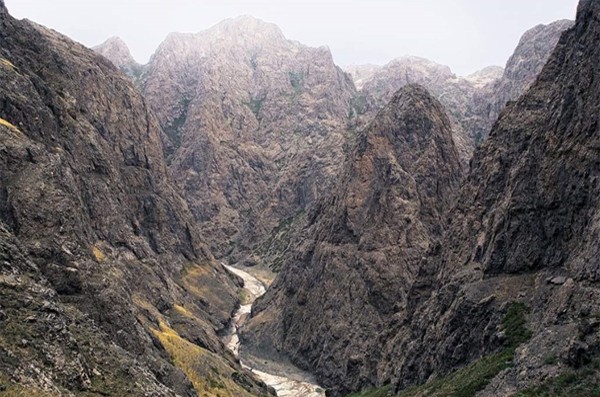
Today we will drive to Yoliin Am which is well known as Vulture Canyon. The valley is one of the most beautiful places in the Gobi Gurvan Saikhan National Park. The valley is registered as part of the World Cultural and Natural Heritage. The narrow valley was created by many years of water erosion. Some parts of the canyon are very deep and can contain ice well into August because of the lack of sun. At the entrance, we will visit the National Museum and learn more about the valley. We will trek through the valley and enjoy the stunning nature.
Accommodation: Stay overnight in ger camp.
Meals: Breakfast, Lunch, Dinner
Total drive: 4-5 hours -
DAY5Day 5
DAY 5: Khongoriin Els
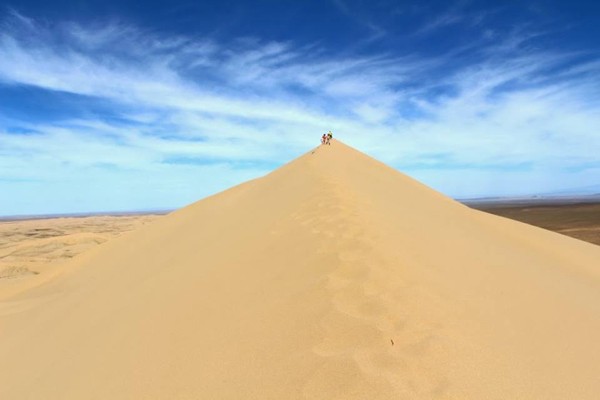
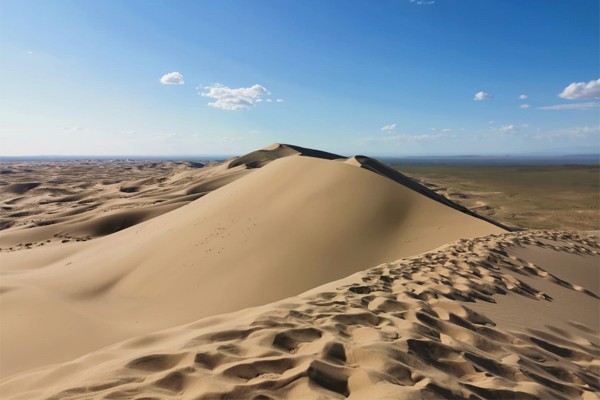
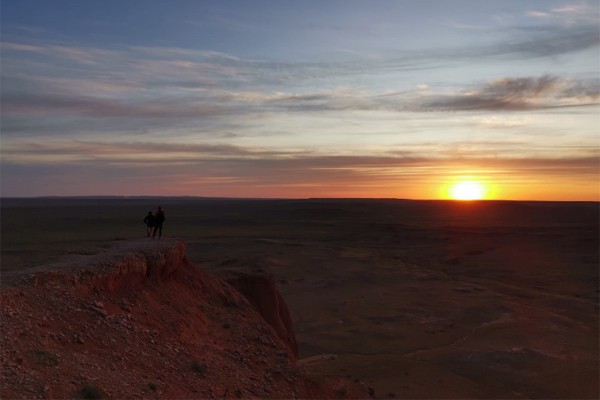
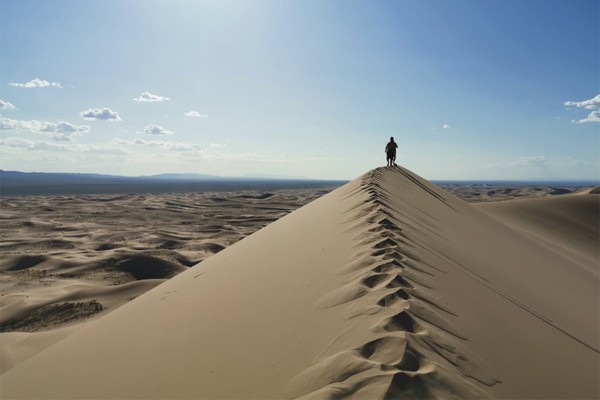
After having breakfast we will drive to the Khingoriin Els or Khongor Sand Dunes. The sand covers an area that is 180km long and around 20 km wide. The land is famous for gorgeous sunsets and the best spots for a camel ride. Visit a nomadic camel herder’s family and enjoy a camel ride. In the evening we will climb up to the highest sand dune to enjoy the breathtaking sunset.
Accommodation: Stay overnight with family
Meals: Breakfast, Lunch, Dinner -
DAY6Day 6
DAY 6: Bayanzag
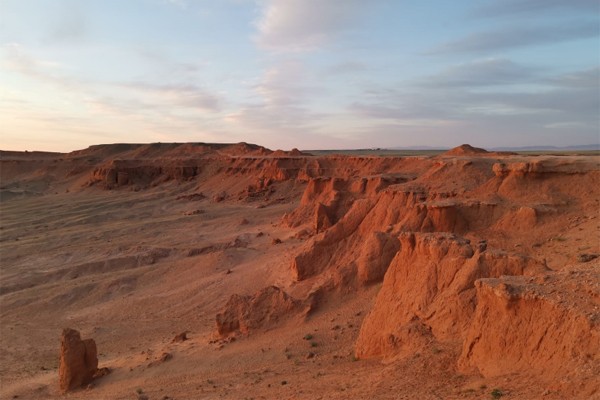
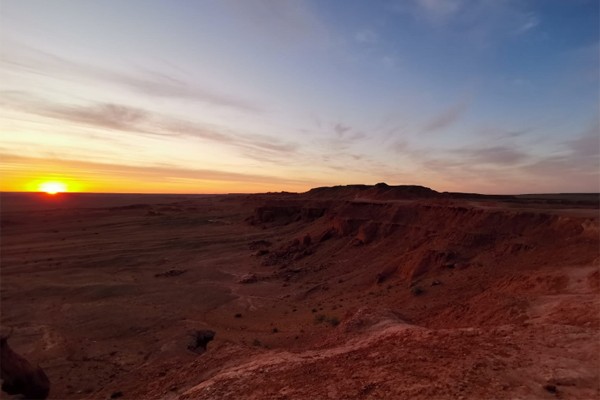
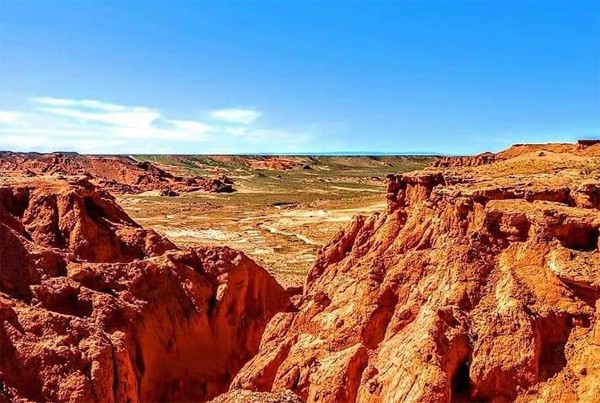
Today we will drive to Bayanzag. The land is known as” Rich Saxaul”. Back in the 1920s the American paleontologist Roy Chapman Andrews discovered dinosaur skeletons and eggs. The finds were carried by 70 camels. The American paleontologist called this place “Flaming Cliffs”. Enjoy stunning nature and the rare plants known as “saxaul”. Highlights are hiking and visiting a nomadic family.
Accommodation: Stay overnight with a nomadic family.
Meals: Breakfast, Lunch, Dinner -
DAY7Day 7
DAY 7: Ongiin Khiid
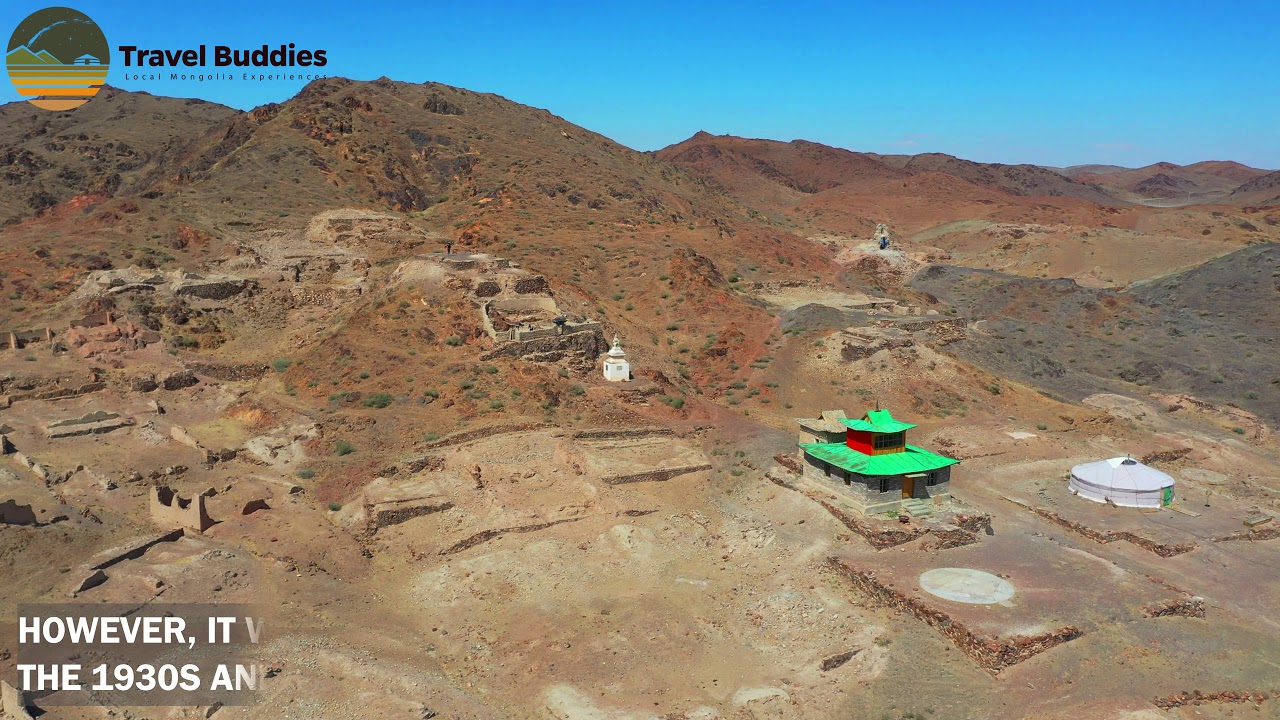
Today we will drive to the Ongi Monastery ruins. This is one of the largest and oldest monasteries in Mongolia. It was built in 1660 and grew to a huge center housing over 1000 monks. Unfortunately, it was completely destroyed in 1939 by the communist ruler at the time. We will hike to the ruins and visit the museum. Enjoy sightseeing in Ongi monastery.
Accommodation: Stay overnight in tourist camp
Meals: Breakfast, Lunch, Dinner -
DAY8
 Day 8
Day 8DAY 8: Orkhon Valley
Orkhon Valley is one of the most beautiful and picturesque places in Mongolia. Enjoy the Orkhon Waterfall which is the biggest waterfall in Mongolia at 21m high. Also, the area surrounding the waterfall was formed by volcanic activities over 20,000 years ago and is covered in around 10m of lava. Today you have an opportunity to ride a horse and visit a local family..
Accommodation: Stay overnight in ger
Meals: Breakfast, Lunch, Dinner
Total drive: 6 hours -
DAY9
 Day 9
Day 9DAY 9: Tsenher Hot spring
Today we will drive to the Tsenkher hot springs. The natural hot springs consist of sodium, calcium, and sulfur. It is flowing at 86 degrees Celsius. The hot spring is famous for its health benefits, especially for your bones and skin. You will have the opportunity to take a natural hot bath and relax. Enjoy the beautiful landscape.
Accommodation: Stay overnight in tourist camp
Meals: Breakfast, Lunch, Dinner -
DAY10Day 10
DAY 10: Karakorum
This is the heart of Mongolia. The history of the Great Mongolian Empire began right here. The Karakorum was declared as a capital back in 1220, then it was destroyed by the Yuan dynasty in the 14th century. In 1586 Erdene Zuu built the first Buddhist monastery from the ruins of Karakorum. Like most of the monasteries in Mongolia, the Erdene Zuu monastery was destroyed by the communists. Here you can learn more about Mongolian history. We will visit the local museum and hike in the ruins.
Accommodation: Stay overnight in tourist camp
Meals: Breakfast, Lunch, Dinner -
DAY11Day 11
DAY 11: Khustai National Park
The National Park is home to the last wild horses. Back in the 1870s the Russian explorer N.M.Prezhevalsky discovered wild horses in the Mongolian steppe and named them Prezhevalsky horses. The National Park was originally set up in 1933 as a nature reserve for the first reintroduction of wild horses. Nowadays there are around 300 horses. Enjoy your expedition to see the wild horses.
Accommodation: Stay overnight in Ger camp
Meals: Breakfast, Lunch, DinnerDAY 12: Drive back to Ulaanbaatar
Upon arrival, you will be transferred to your hotel. We will have a farewell dinner at the restaurant.DAY 13: Departure. Thank you for coming!

Reserve your spot
11-day Gobi & Central Mongolia tour · small group
Everything You Need To Know
Tour information
Tour Price includes
Tour price excludes
Please Come & Enjoy the Best-planned Mongolian Adventure
Tour Price & Scheduled dates:
Tour Price
2 PAX -3200 USD per person
3 PAX – 2800 USD per person
4 PAX – 2600 USD per person
5 PAX – 2500 USD per person
+6 PAX – 2400 USD per person
Scheduled dates: 2026
22nd August – 3th September – 8 person
27th June – 9th July – 8 person
Cancellation Policy:
· Cancellation more than two months fee would be 400 USD
· Cancellation more than 45 days fee would be 500 USD
· Cancellation less than a month before departure will 600 USD
· And rest of the payments will be return back.
How to BOOK?
- Confirm with our tour itinerary
- Agree with terms and conditions
- Set the tour departure date
- Deposit 600 USD per person
- Send us a copy of your passports
So, Ladies and Gentlemen! The Discover Altai team is looking forward to meeting you and providing unforgettable expeditions to this remote corner of the world!
If you have any other questions, please feel free to contact us!
SUGGESTED TOURS:
Suggested Blogs:
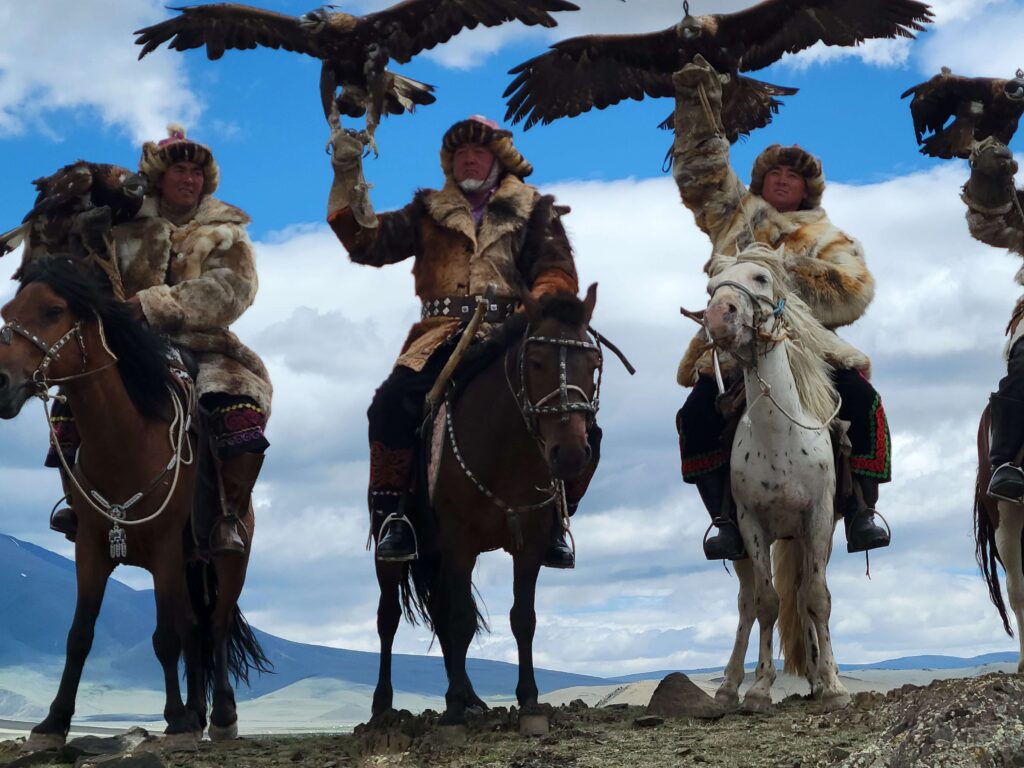
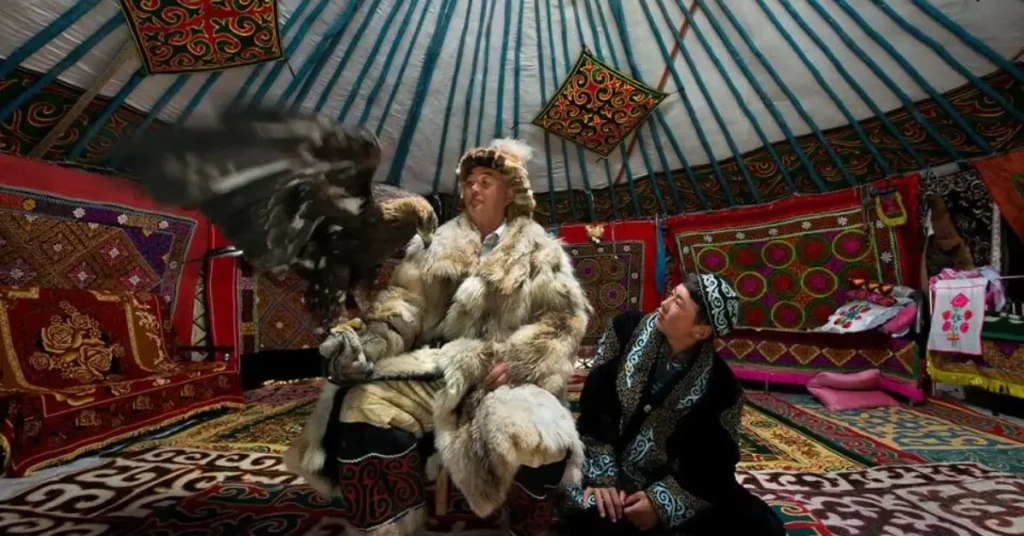
Golden Eagle Photography: How to Shoot Wild Eagles, Hunters and the Festival
Golden eagle photography rewards preparation more than luck. For birds in flight, start at 1/2500s, f/6.3, auto-ISO capped at 3200,…Self-Guided vs Guided Trekking in Mongolia: Which One Actually Fits Your Trip?
For roughly 90% of international hikers, a fully-guided Mongolia trekking tour is the right format — the supported 11-day package…How Hard Is the Altai Tavan Bogd Trek? Fitness, Altitude, and an Honest Reality Check
The standard 11-day Altai Tavan Bogd trek is graded “moderate” by Mongolian operators and by international trekking standards. You will…



FAQ
Is the Gobi Desert hot?
The Gobi Desert has extreme temperature changes throughout the year. In summer, temperatures usually range between +25°C and +38°C, while in winter they can drop to –15°C to –30°C. January is typically the coldest month, and July is the warmest.
What does “Gobi” mean in Mongolian?
The word “Gobi” comes from the Mongolian language and means “waterless place.” It refers to the dry and vast desert landscapes found across southern Mongolia and northern China.
What is the Gobi Desert like?
The Gobi Desert is one of the largest deserts in Asia, covering around 500,000 square miles. Unlike sandy deserts, much of the Gobi consists of rocky terrain, gravel plains, mountains, and dry grasslands. The region is also famous for its dinosaur fossils and unique wildlife.
Is Mongolia hot or cold?
Mongolia has a continental climate, meaning it experiences very hot summers and extremely cold winters. The country is often called the “Land of the Eternal Blue Sky” because it enjoys over 250 sunny days per year. Winter temperatures can drop below –30°C, especially in January.
Why is the Gobi Desert considered harsh?
The Gobi Desert is known for its extreme climate and low rainfall. Daytime temperatures in summer can exceed 38°C, while nighttime temperatures may drop below freezing. The desert lies in a rain shadow region, where the Himalayan Mountains block moisture from reaching the area.
Which is the hottest place in the world?
According to the World Meteorological Organization (WMO), the highest recorded air temperature on Earth was 56.7°C (134°F) in Death Valley, California, USA, on July 10, 1913.
Which desert is colder, the Gobi or the Sahara?
The Gobi Desert is colder than the Sahara Desert. The Gobi is often called a “cold desert” because winter temperatures can fall below –40°C, while the Sahara remains mostly hot throughout the year.
How do you say “hello” in Mongolian?
The most common greeting in Mongolian is “Сайн байна уу?” (Sain baina uu?), which means “Are you well?”
A more casual greeting among friends is “Сайн уу?” (Sain uu?).
Why is the Gobi Desert so cold?
The Gobi Desert is colder than many other deserts because it lies far north and at a high elevation (about 910–1,520 meters above sea level). These geographic factors cause very cold winters and large temperature fluctuations.
Why is Mongolia so sparsely populated?
Much of Mongolia’s land is covered by mountains, steppes, and desert regions like the Gobi, which are difficult for large populations to inhabit. Nearly half of the country’s population lives in the capital city, Ulaanbaatar, making other regions sparsely populated.
Is Mongolia colder than South Korea?
Yes, Mongolia is generally colder than South Korea. Mongolia’s average minimum temperature is around –5°C, while South Korea’s average minimum temperature is about 9°C.
When is the best time to visit Mongolia?
The best time to visit Mongolia is from June to September, when the weather is warm and suitable for travel. Winters are extremely cold, often reaching –30°C or lower, making travel more difficult.
What is the forbidden zone in Mongolia?
The Ikh Khorig (Great Taboo) is a protected region in Mongolia’s Khentii Mountains. It is believed by some historians to be the possible burial site of Genghis Khan and other Mongol rulers, and it has been historically restricted to outsiders.
Is the Gobi Desert the oldest desert in the world?
No, the oldest desert in the world is the Namib Desert in Africa, which is estimated to be over 55 million years old.