What Not to Do in Mongolia: A Complete Traveler’s Guide to Mongolian Etiquette
What not to do in Mongolia is one of the most important things to understand before visiting this beautiful, culturally rich country. Mongolia is known for its nomadic lifestyle, sacred traditions, and warm hospitality — but it’s also a place where etiquette matters deeply. Understanding these customs ensures that your visit remains enjoyable, safe, and respectful.
This guide explains what not to do in Mongolia, why these actions matter, and what you should do instead. These insights help you avoid misunderstandings and connect meaningfully with local people.

Table of Contents
- What Not to Do in Mongolia — Cultural Basics
- What Not to Do in Mongolian Homes and Gers
- What Not to Do Around Sacred Objects and Fire
- What Not to Do in Nature
- What Not to Do When Interacting With Mongolians
- What You Should Do in Mongolia
- Final Tips for Respectful Mongolian Travel
1. What Not to Do in Mongolia — Cultural Basics
Understanding what not to do in Mongolia starts with learning the deep respect Mongolians have for tradition, hospitality, and spirituality. Here are the most common cultural mistakes tourists make.
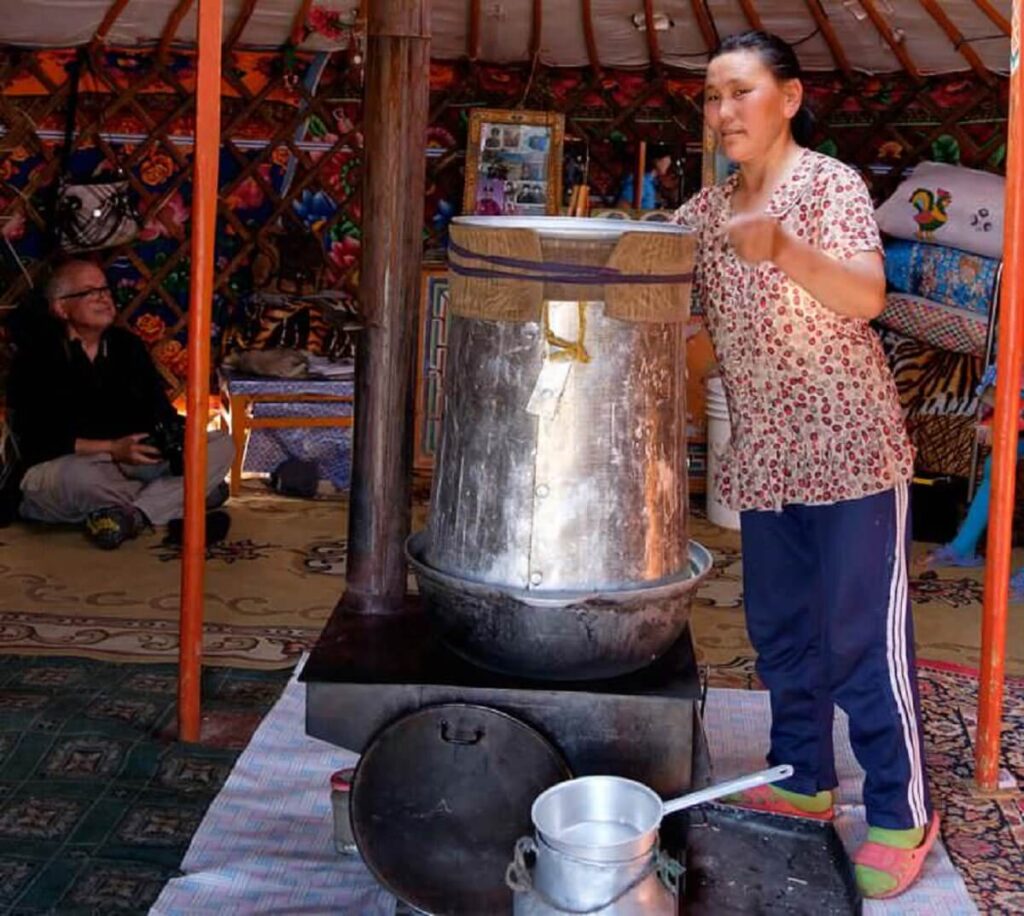
2. What Not to Do in Mongolian Homes and Gers
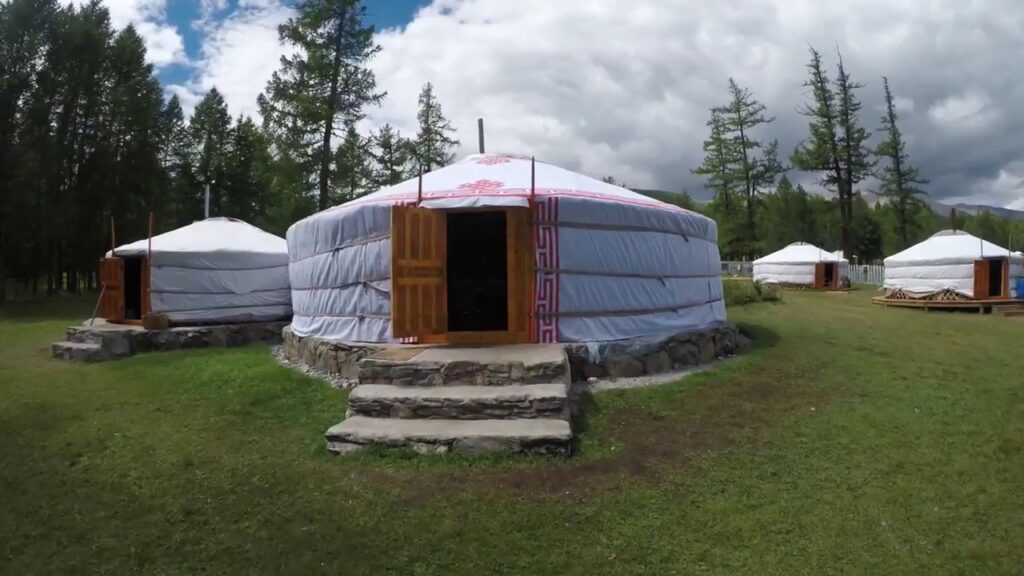
❌ Do Not Stand on the Threshold of a Ger
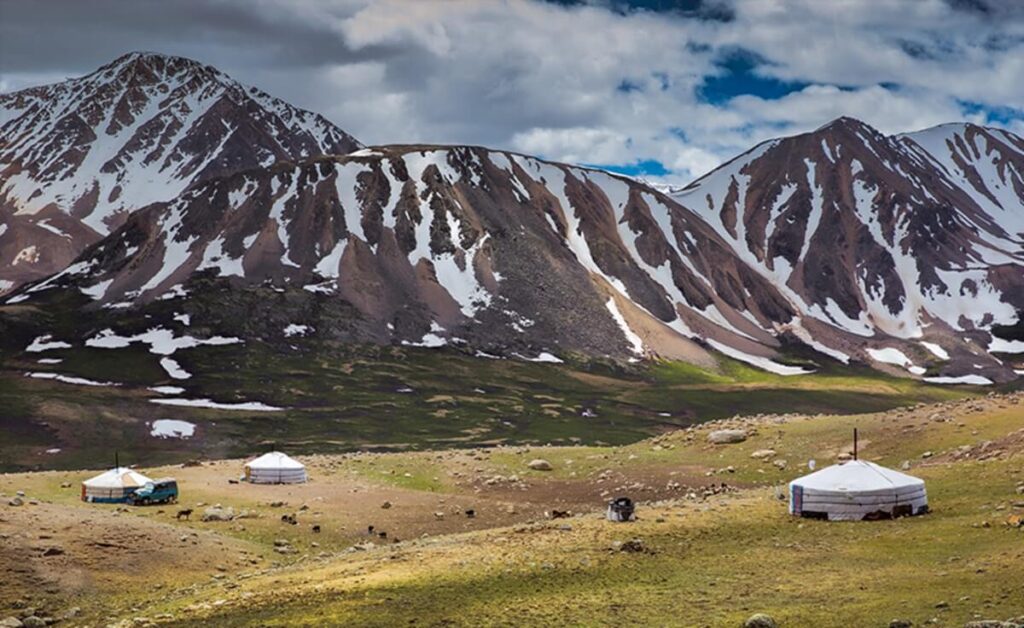
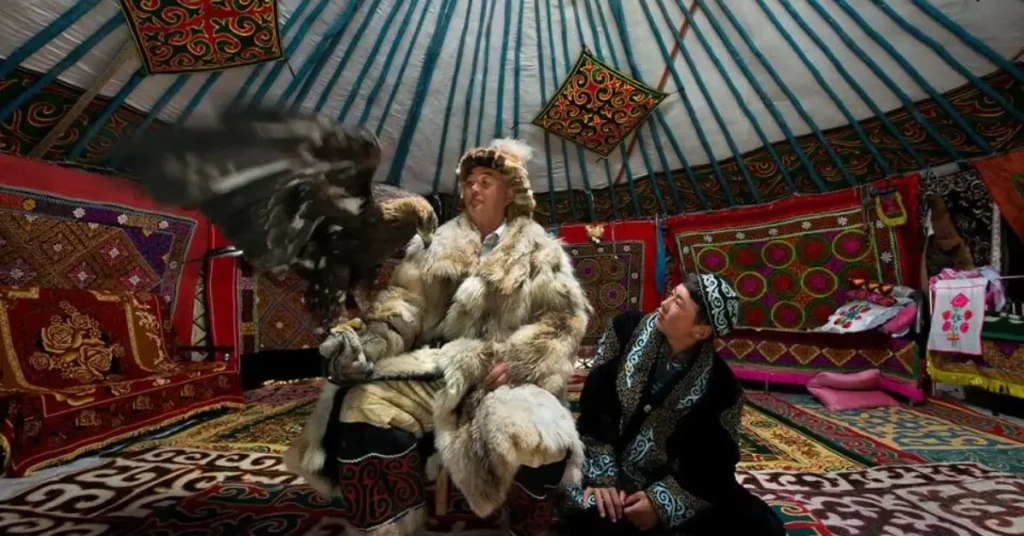
The threshold of a ger (traditional nomadic home) is considered sacred.
Standing on it or stepping on it is disrespectful to the family and their home.
❌ Do Not Enter a Ger Without Being Invited
Nomadic families are welcoming, but you must wait to be invited inside. Entering without permission is rude and violates hospitality etiquette.
3. What Not to Do Around Sacred Objects and Fire
❌ Do Not Throw Water or Milk Into the Fire
Fire holds spiritual meaning in Mongolia. Throwing anything dirty or disrespectful (like water, milk, or trash) into the fire is strictly prohibited.
❌ Do Not Hand Over a Knife in the Normal Way
When giving or receiving a knife, Mongolians hand it handle-first. Giving it blade-first is seen as creating conflict.
4. What Not to Do in Nature
Mongolians deeply love and protect their environment.
Here is what not to do in Mongolia when you are outdoors:
❌ Do Not Wash Clothes in Rivers or Lakes
Rivers and lakes are considered pure and often sacred. Washing clothing pollutes natural water and shows disrespect.
❌ Do Not Leave Litter Behind
Nomadic life depends on clean land. Always take your trash with you.
5. What Not to Do When Interacting With Mongolians
❌ Do Not Touch Someone’s Head
A person’s head is sacred. Touching it is offensive and may cause anger.
❌ Do Not Take Items With Your Left Hand
Using your left hand implies disrespect. Always accept and give items with your right hand or both hands.
❌ Do Not Walk Over Clothing, the Deel, Hats, or Sacred Tools
Walking over a deel (traditional clothing), hat, belt, or tools like the uurga (lasso pole) is very rude and spiritually disrespectful.
❌ Do Not Give Money as a Gift
Money as a present is considered inappropriate. Gifts should be thoughtful, symbolic, or practical instead.
❌ Do Not Take Photos of People Without Asking
Always ask before photographing locals—especially elders or nomadic families.

6. What You Should Do in Mongolia (Positive Alternatives)
Now that you know what not to do in Mongolia, here are respectful practices:
✅ Bring Gifts for Nomadic Families
Thoughtful gifts include:
- Vodka
- Stationery for children
- Small snacks
- Practical items
✅ Give and Receive Items With Both Hands
This shows respect and gratitude.
✅ Offer a Khadag
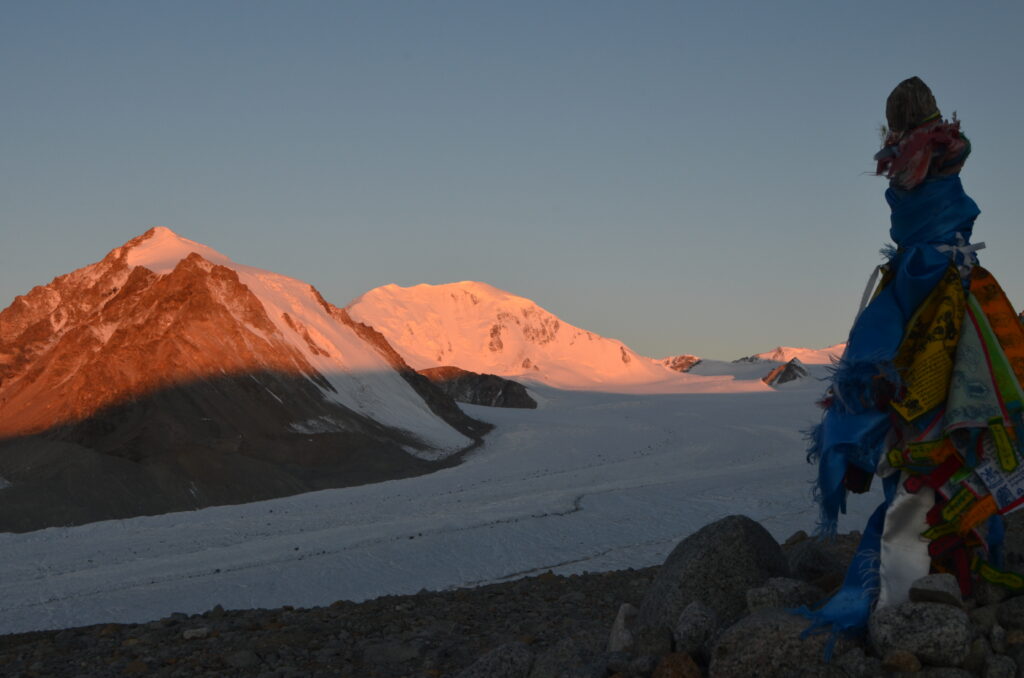
A khadag (blue ceremonial scarf) is the most respectful offering for greetings, hospitality, or honoring someone.
✅ Learn Basic Mongolian Greetings
Even simple words such as “Sain bainuu?” (Hello) make a big difference.
7. Final Tips for Respectful Mongolian Travel
Understanding what not to do in Mongolia helps you avoid cultural misunderstandings and allows you to experience genuine Mongolian hospitality. Respect for nature, fire, elders, and sacred traditions is essential in Mongolian society. When in doubt, observe and follow the behavior of locals.
Suggested Tours:
Related Blogs:
Self-Guided vs Guided Trekking in Mongolia: Which One Actually Fits Your Trip?
For roughly 90% of international hikers, a fully-guided Mongolia trekking tour is the right format — the supported 11-day package…How Hard Is the Altai Tavan Bogd Trek? Fitness, Altitude, and an Honest Reality Check
The standard 11-day Altai Tavan Bogd trek is graded “moderate” by Mongolian operators and by international trekking standards. You will…Mongolia Trekking Tour Cost in 2026: What You’ll Actually Pay (and What’s Included)
A guided 11-day Mongolia trekking tour in the Altai Tavan Bogd costs $2,100–$2,400 per person in 2026 when booked through…