
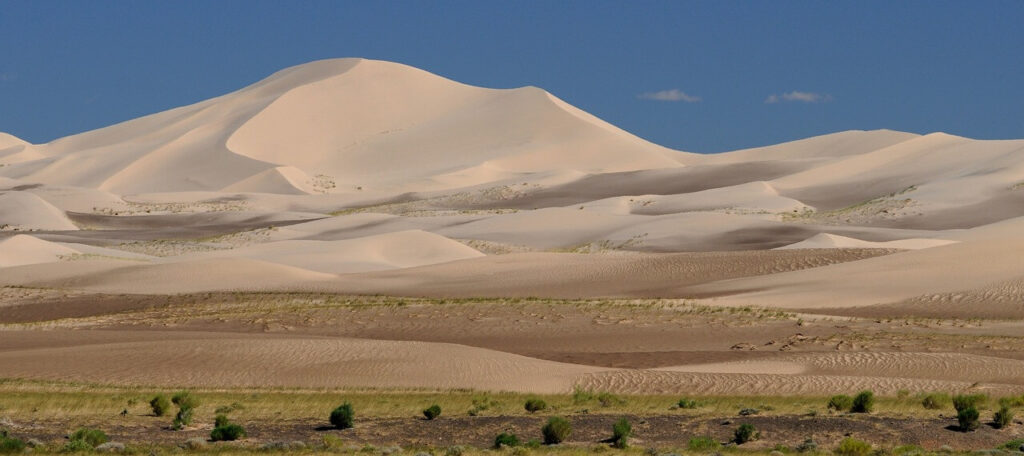
The Gobi Desert, one of the world’s most fascinating landscapes, stretches across southern Mongolia and northern China.
While often imagined as a barren wasteland of sand dunes, the Gobi is actually a diverse ecosystem teeming with wildlife.
The desert’s rugged beauty is home to a range of species that have adapted to survive in its extreme conditions, from blazing summers to freezing winters. Exploring the Gobi Desert is not just a visual treat, but a journey into the lives of its resilient creatures.
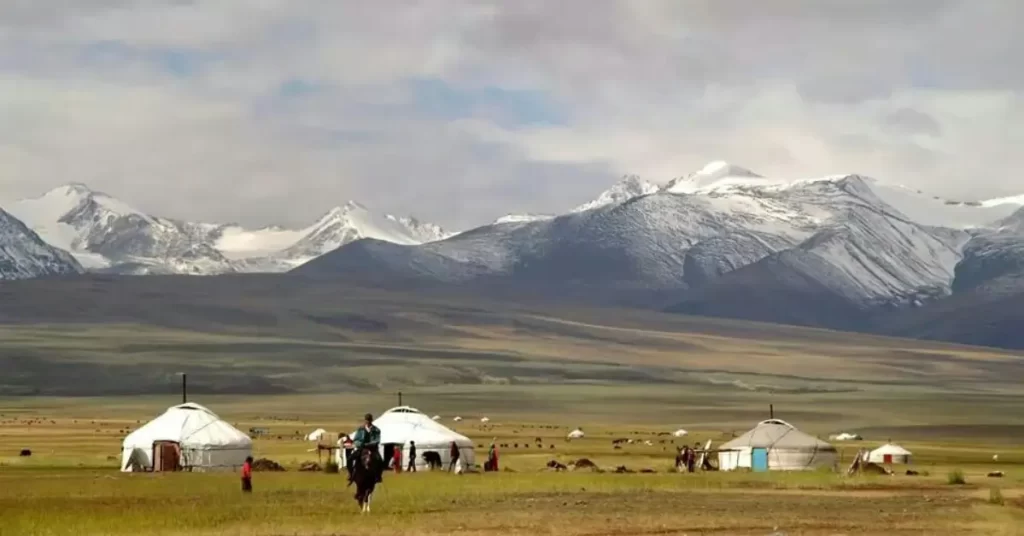
We suggest you GOBI TOUR MONGOLIA. Tour itinerary includes visiting local herders and exploring more about nomadic lifestyle of the community. Come and Enjoy one of the best planned tours in Mongolia 🤩🤩
1. The Bactrian Camel: The Icon of the Gobi
🏜️ Want to experience this in person? Join our Browse all Mongolia tours with local Kazakh guides — small groups, authentic experience, 5.0 stars on TripAdvisor.
Perhaps the most recognizable animal of the Gobi Desert is the Bactrian camel. With its distinctive two humps, the Bactrian camel is perfectly adapted to endure the harsh conditions of the desert.
Unlike its one-humped cousin, the dromedary, Bactrian camels have thick coats that protect them from both the scorching heat of the summer and the bitter cold of winter.
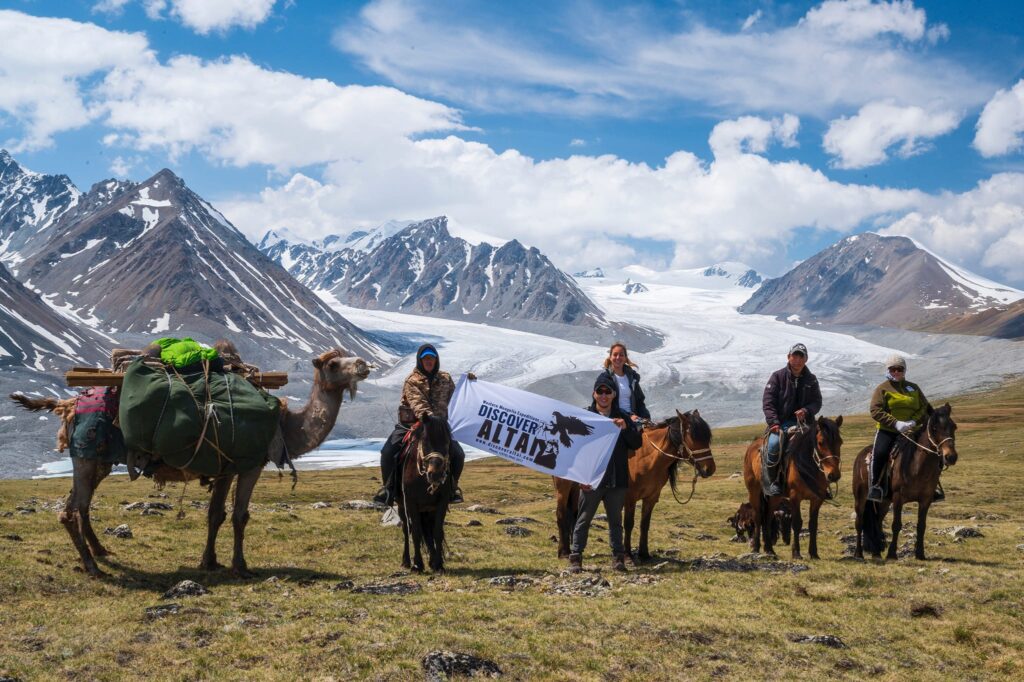
These camels can go for days without water and survive on sparse vegetation, making them indispensable to the nomadic herders of the region. They play a vital role in Mongolian culture, providing transportation, milk, wool, and meat to the local communities.
For travelers to the Gobi, witnessing these magnificent creatures in their natural habitat is a highlight of the journey.

2. The Elusive Snow Leopard: The Ghost of the Mountains
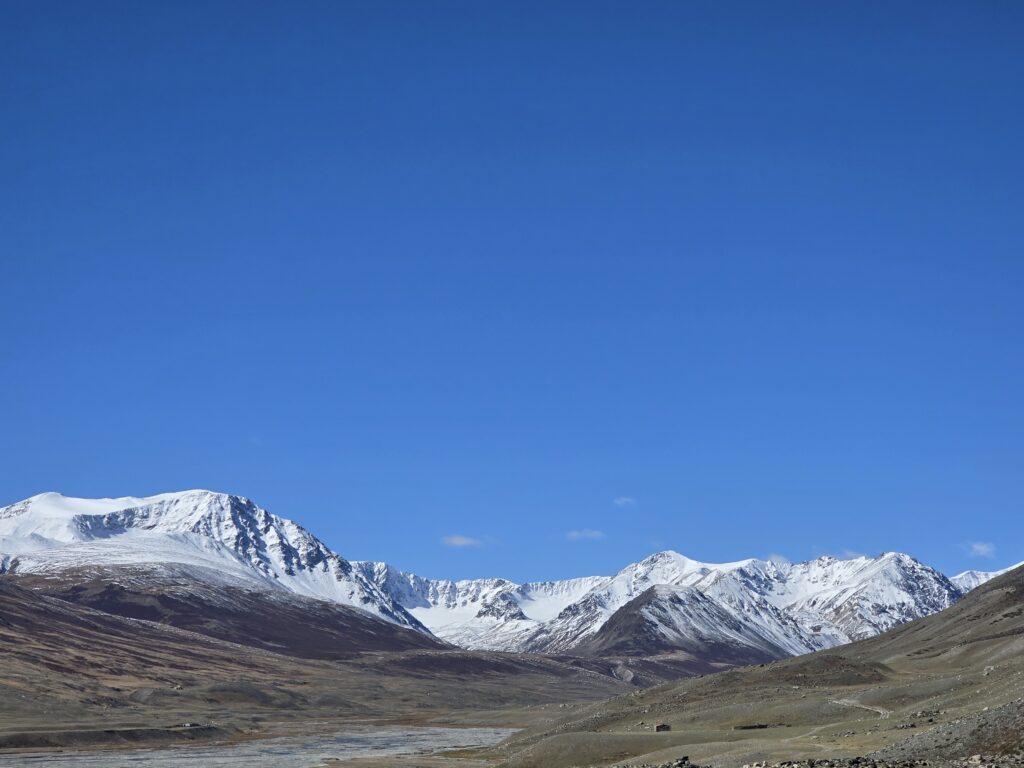
While not an animal you’re likely to encounter easily, the snow leopard calls the mountainous regions of the Gobi Desert home.
Known as the “ghost of the mountains” due to its elusive nature and incredible camouflage, this endangered species is one of the most sought-after sights for wildlife enthusiasts.
Snow leopards are perfectly adapted to the rocky terrain and high altitudes, with thick fur and powerful limbs to help them scale cliffs with ease.
They prey on ibex and wild sheep, blending into their surroundings as they silently stalk their next meal. Although snow leopards are rarely seen, their presence is a reminder of the Gobi’s rich biodiversity.

3. The Gobi Bear: One of the Rarest Bears on Earth
The Gobi bear, or Mazaalai, is one of the rarest and most endangered animals in the world. With fewer than 40 individuals remaining, this small population of bears is found only in a specific region of the Gobi Desert.
Unlike most bears, the Gobi bear is primarily herbivorous, feeding on plants, roots, and occasionally insects, as food is scarce in the desert.
Gobi bears have adapted to survive in an environment with very little water and extreme temperature fluctuations.
Their survival depends on the preservation of the fragile desert ecosystem, making them a symbol of conservation efforts in Mongolia.

4. Wild Ass (Khulan): The Desert Nomad
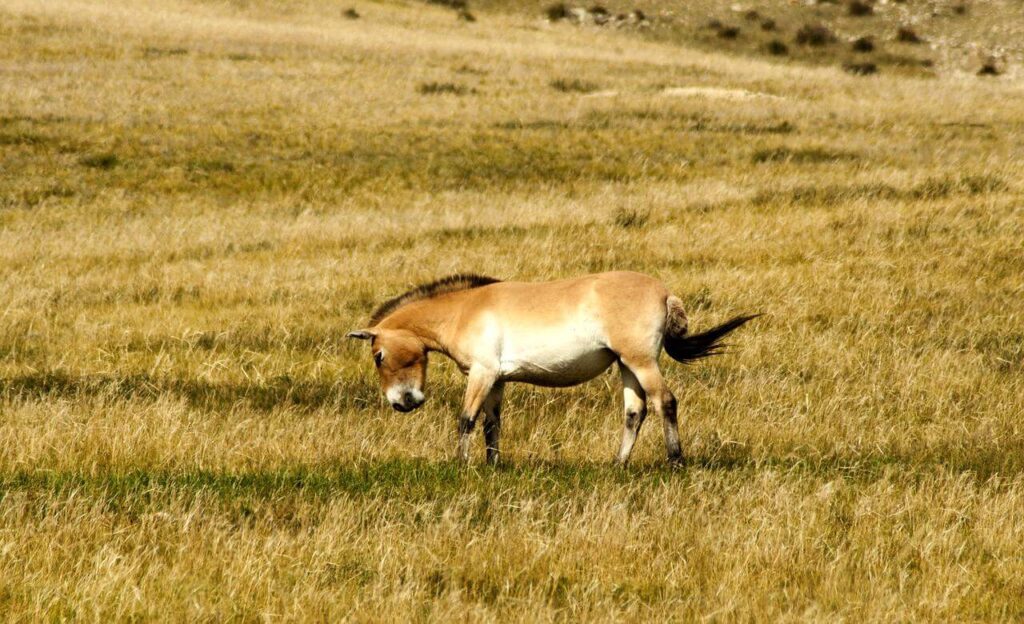
The Mongolian wild ass, known locally as khulan, roams the vast expanses of the Gobi Desert in search of water and vegetation. These wild relatives of the domestic donkey are known for their incredible stamina, covering vast distances in search of food and water.
Khulan live in herds and are highly social animals, often seen grazing in the early morning or late afternoon when temperatures are cooler.
Despite their resilience, the wild ass faces threats from poaching and habitat loss due to mining and human encroachment. Conservation efforts are ongoing to protect their dwindling populations and ensure that the khulan continues to thrive in the Gobi’s vast wilderness.
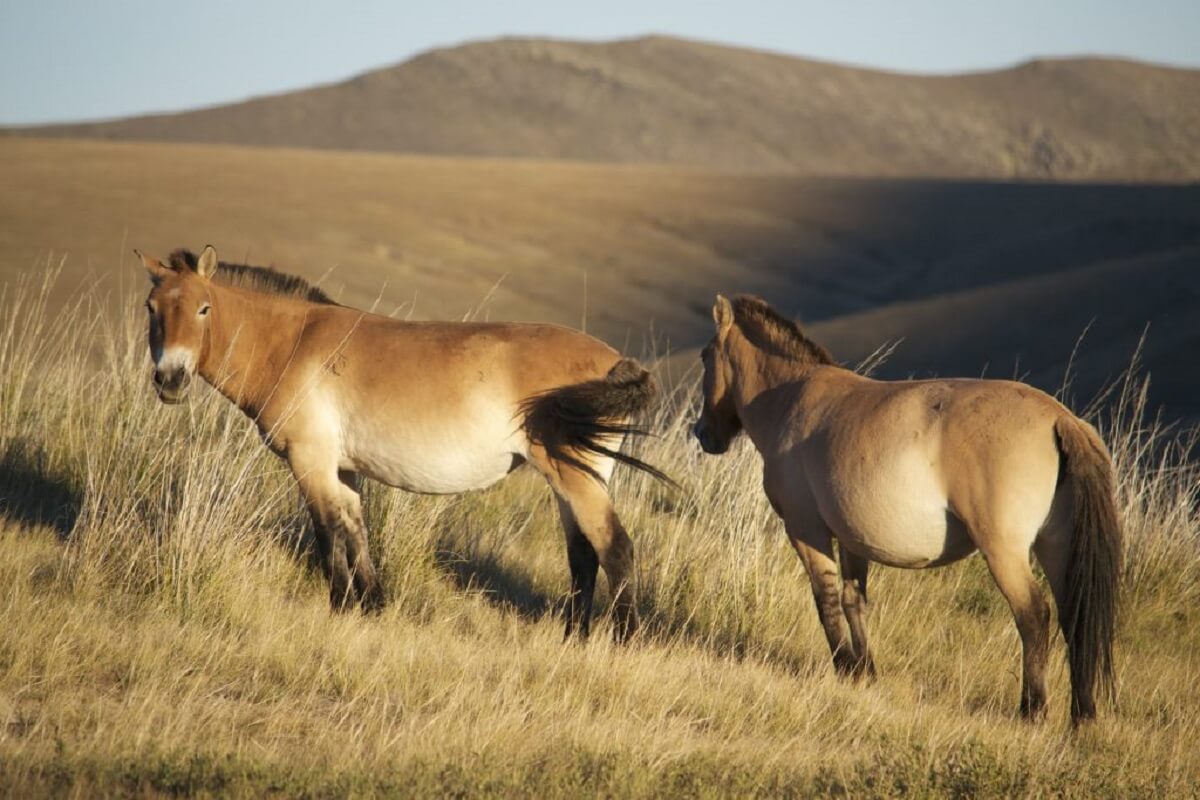
5. Golden Eagles: Masters of the Sky
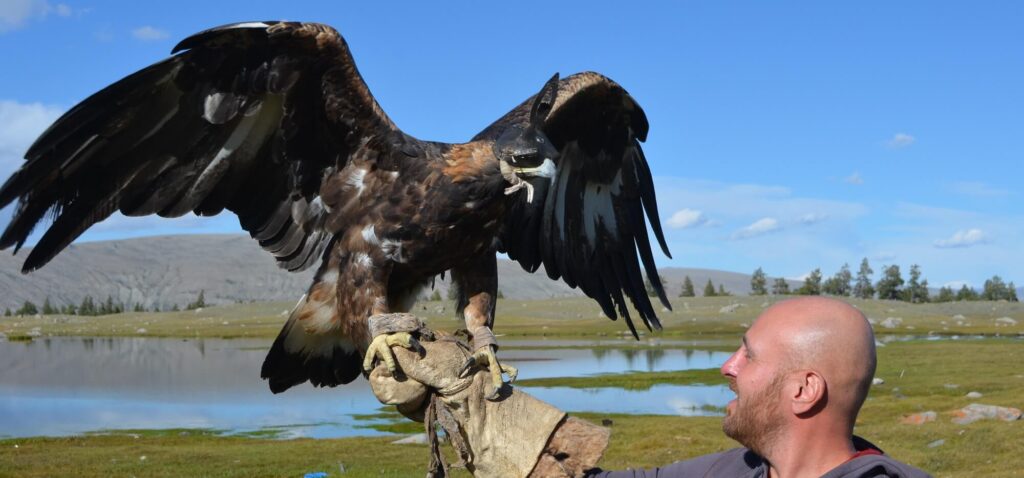
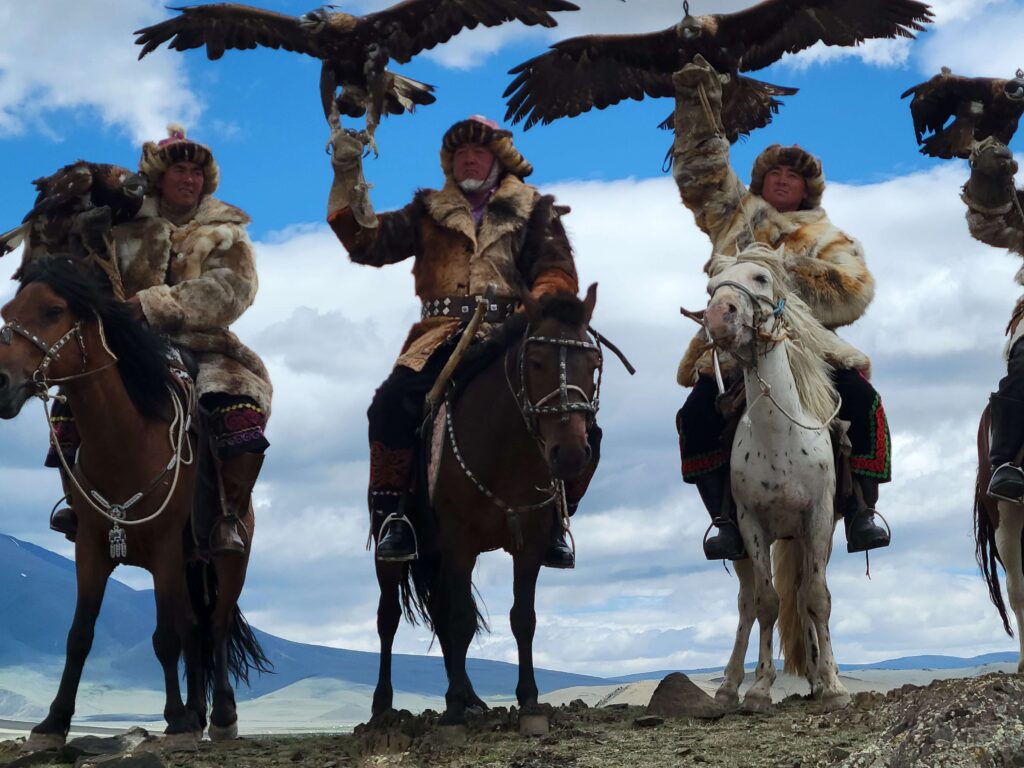
The golden eagle is a majestic bird of prey that soars above the Gobi Desert’s rugged terrain. Known for their keen eyesight and impressive hunting abilities, golden eagles hunt small mammals like hares and marmots, as well as larger animals like foxes.
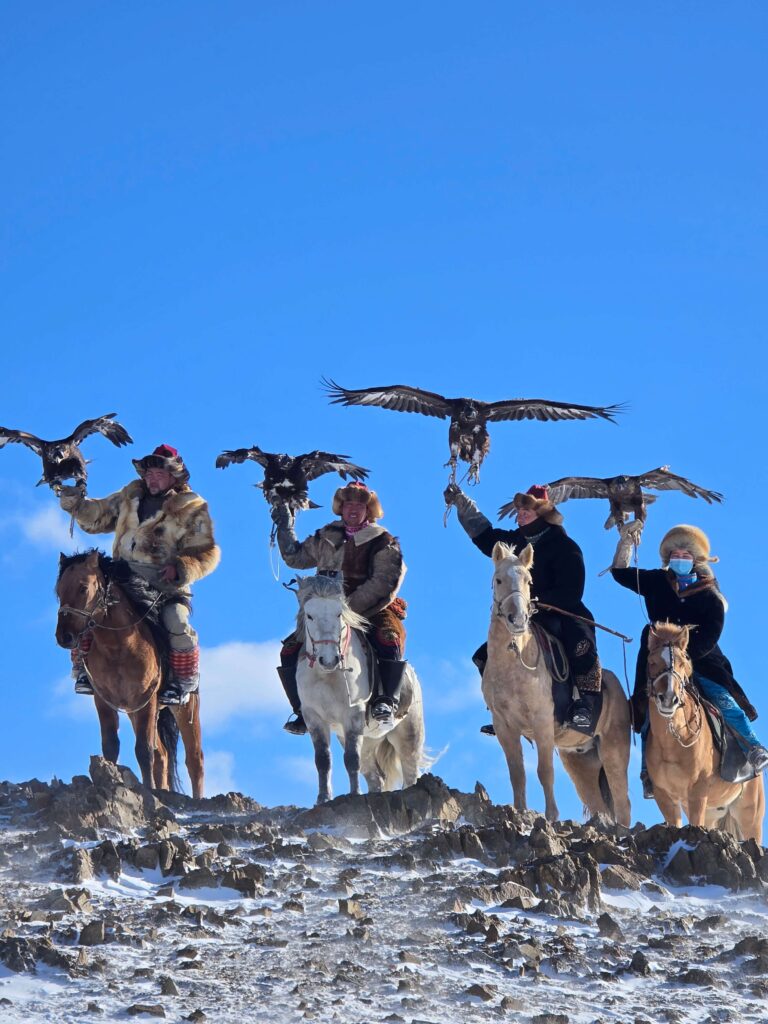
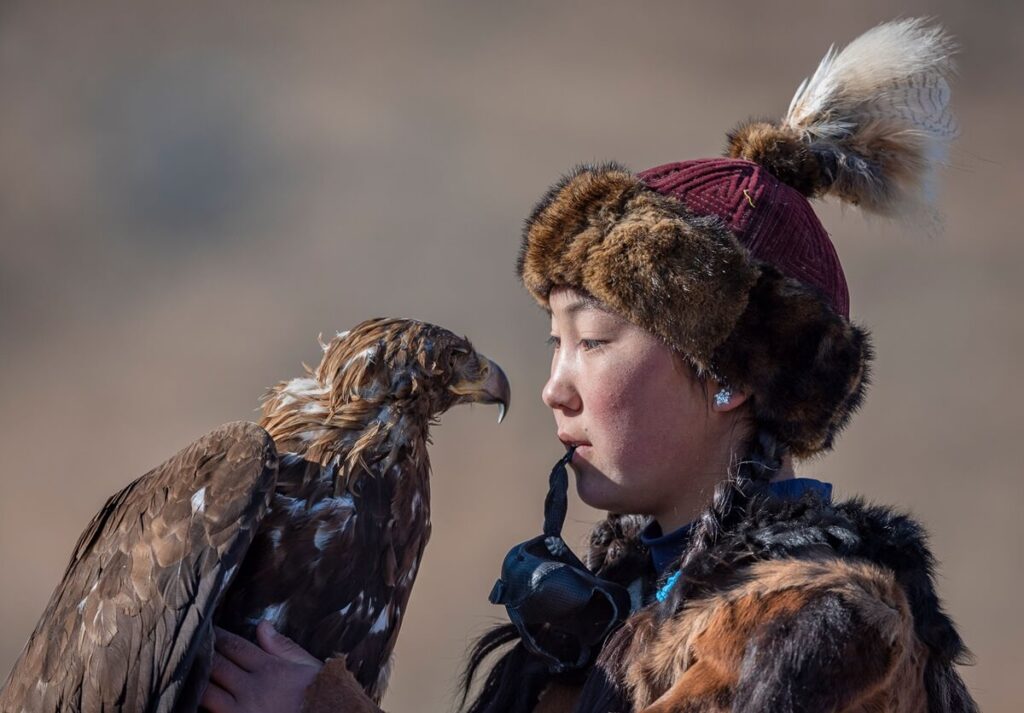
In Mongolia, the golden eagle is revered by the Kazakh eagle hunters of the western region, who have trained these birds for centuries to assist in hunting. While not confined to the Gobi, these eagles are a common sight, circling high in the desert skies as they search for prey.
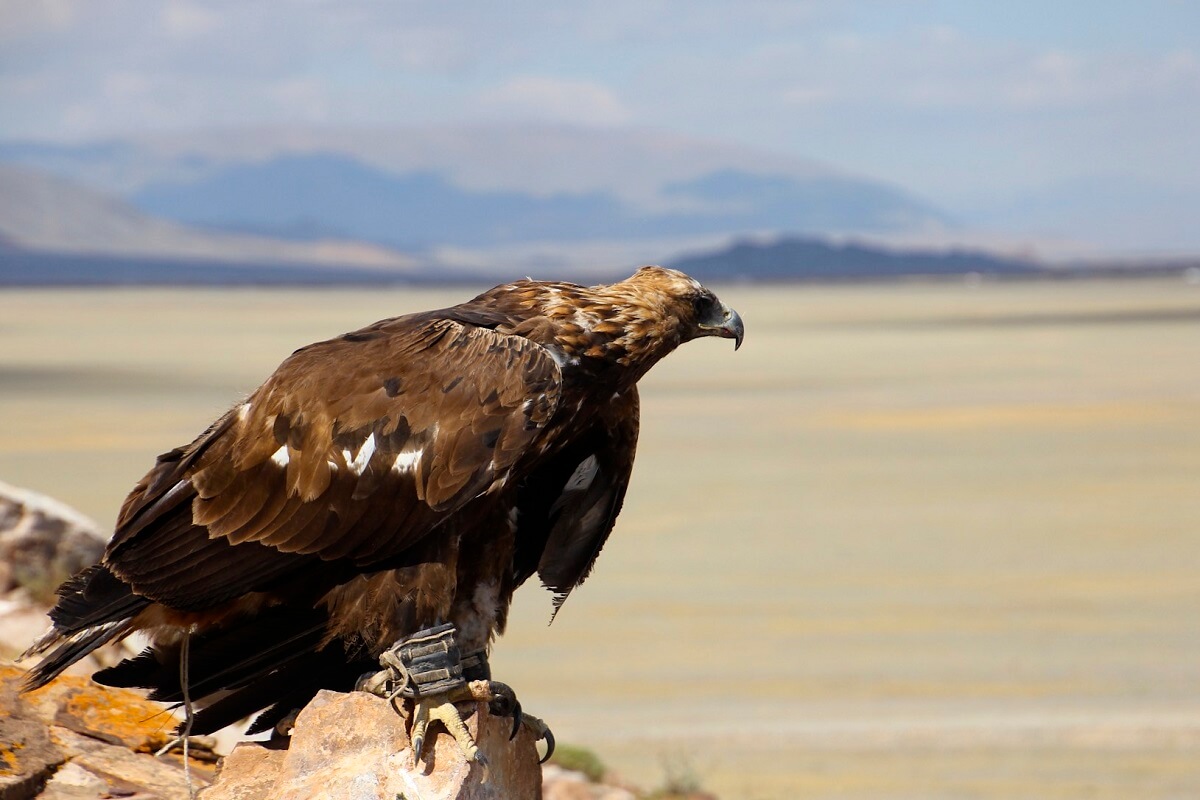
6. Mongolian Gazelle: The Desert Sprinter
The Mongolian gazelle, also known as zeren, is a common sight in the Gobi Desert’s steppes. These graceful antelopes are known for their incredible speed and agility, which they use to escape predators like wolves and eagles. They travel in large herds, grazing on the desert’s sparse grasses and shrubs.
Mongolian gazelles migrate seasonally, covering hundreds of kilometers in search of fresh pastures. Despite their numbers, gazelles are vulnerable to habitat destruction and poaching, leading to a decline in population over the years.
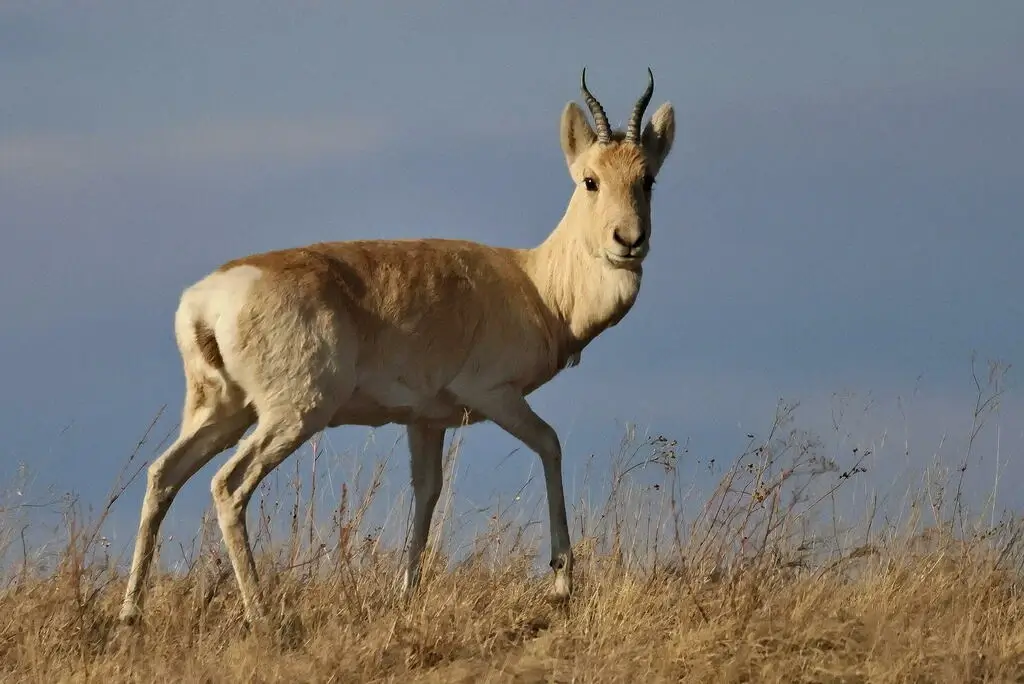
7. Sand Plovers: Tiny Desert Survivors
Among the smaller creatures of the Gobi are birds like the sand plover, which can be spotted darting across the desert’s surface. These tiny birds feed on insects and small invertebrates, using their quick movements to catch prey.
Sand plovers have adapted to survive the extreme temperatures of the Gobi by nesting in the ground and blending into the desert sands for camouflage.
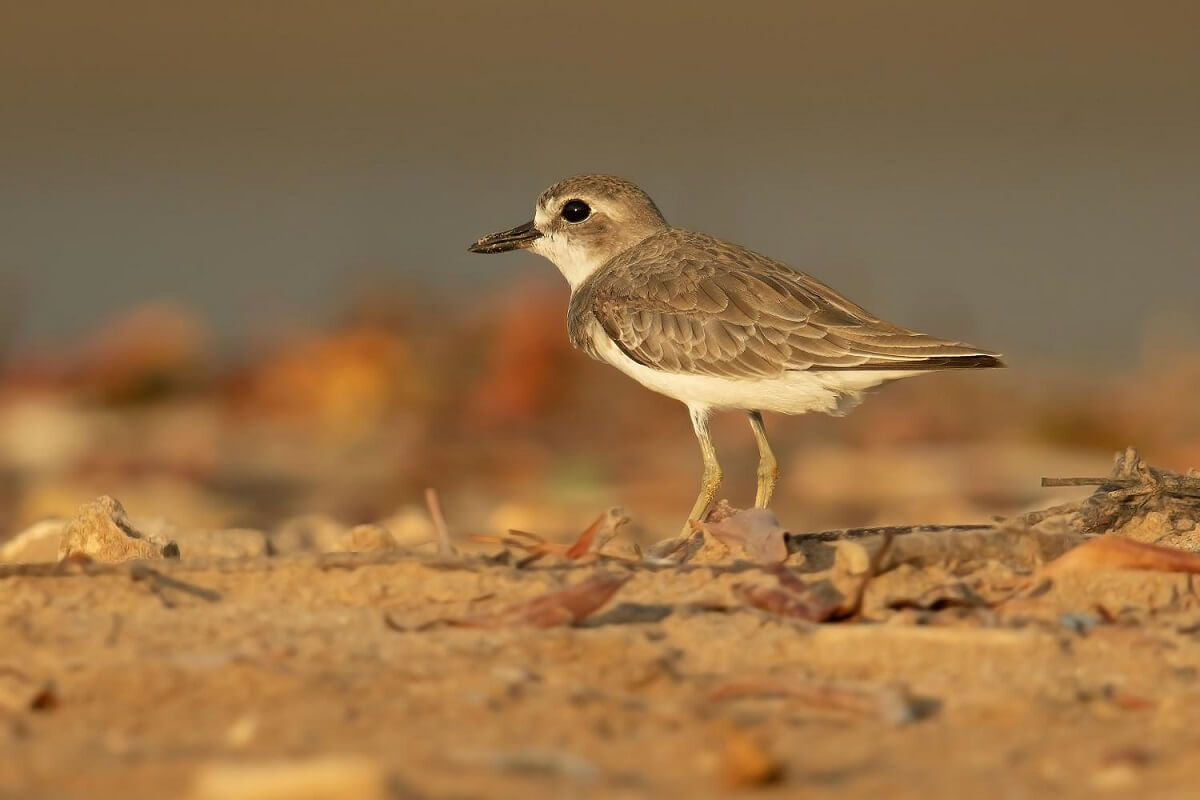
The Gobi Desert may seem like an inhospitable place at first glance, but it is home to a rich variety of wildlife that has evolved to thrive in one of the harshest environments on earth. From the majestic Bactrian camel to the rare Gobi bear, these animals represent the strength and resilience of nature.
For travelers, exploring the Gobi Desert is not only an opportunity to witness stunning landscapes but also to discover the incredible creatures that call it home.
Whether you’re trekking through the dunes or camping under the stars, the wildlife of the Gobi Desert will leave you in awe of the power of adaptation and survival.
Suggested tour:
GOBI & CENTRAL MONGOLIA TOUR
Unleash your adventure spirit, explore Mongolia on your own terms GOBI & CENTRAL MONGOLIA TOUR GOBI & CENTRAL MONGOLIA TOUR…GOBI & WESTERN MONGOLIA TOUR
Unleash your adventure spirit, explore Mongolia on your own terms GOBI & WESTERN MONGOLIA TOUR ⭐⭐⭐⭐⭐ 5.0 · 72 reviews…MONGOLIA MOTORCYCLE TOUR IN ALTAI
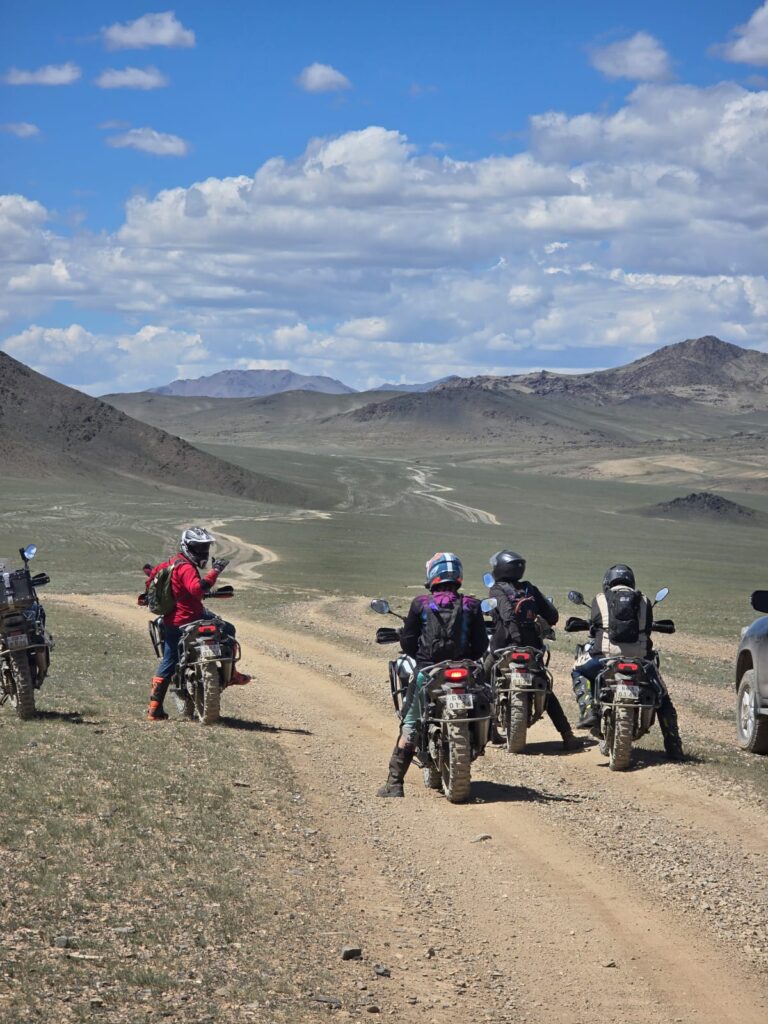
Unleash your adventure spirit, explore Mongolia on your own terms MONGOLIA MOTORCYCLE TOUR IN ALTAI MOUNTAINS ⭐⭐⭐⭐⭐ 5.0 · 72…
Related content:
Ulgii Weather: A Month-by-Month Guide to Bayan-Ölgii’s Climate
Ölgii (Ulgii) sits at about 1,700 m in a dry valley of the Altai, with a cold semi-arid continental climate…Mongolia’s Wild Horses: The Return of the Takhi
Mongolia’s only truly wild horse is the takhi, also called Przewalski’s horse. It went extinct in the wild by the…Altai Mountains: Russia vs Mongolia. Which Side Should You Visit?
The Altai Mountains span Russia, Mongolia, China and Kazakhstan. The Russian Altai has green forested valleys, rivers, Belukha (4,506 m,…







How do Gobi Desert animals survive without water?
Gobi Desert animals have evolved remarkable physiological and behavioral adaptations to survive in one of the world’s driest environments. The wild Bactrian camel can drink up to 57 liters of water in one session and tolerate water loss equal to 30% of its body weight, far exceeding most mammals’ capabilities. Many smaller species like jerboas obtain all necessary moisture from their food (seeds and insects) and produce highly concentrated urine to minimize water loss. Nocturnal behavior helps animals avoid daytime heat when water loss through respiration and evaporation peaks. The Gobi bear, Mongolia’s rarest bear subspecies, has adapted to feed on desert vegetation and roots that contain moisture, supplementing scarce water sources in its range.
What is the rarest animal in the Gobi Desert?
The Gobi bear (Ursus arctos gobiensis) holds the distinction as the rarest animal in the Gobi Desert and one of the rarest bear subspecies globally. Current population estimates indicate only 40-50 individuals remain in the wild, confined to the Great Gobi Strictly Protected Area in southwestern Mongolia. This critically endangered subspecies has adapted to survive almost entirely on vegetation, roots, and berries in the desert environment, with minimal access to animal protein unlike most brown bear populations. Conservation efforts including supplemental feeding stations and water source protection have helped stabilize the population in recent years. The Gobi bear’s extreme rarity makes any sighting exceptionally rare, even for researchers conducting dedicated monitoring programs.
Are there dangerous animals in the Gobi Desert?
The Gobi Desert is home to few genuinely dangerous animals for humans, with encounters being rare due to low population densities and animals’ natural wariness. The most potentially dangerous predator is the snow leopard, though attacks on humans are virtually unknown as these elusive cats avoid human contact. Wolves inhabit some Gobi regions and may pose minimal risk in extremely rare circumstances, primarily targeting livestock rather than people. Realistically, the desert environment itself—extreme temperatures, remoteness, and water scarcity—presents far greater danger to travelers than any wildlife. Visitors traveling with experienced guides and proper equipment face minimal wildlife-related risks.
When is the best time to see wildlife in the Gobi Desert?
Wildlife viewing opportunities in the Gobi Desert vary significantly by season, with spring (April-May) and autumn (September-October) generally offering the best conditions. During these transitional seasons, temperatures are moderate, many species are more active during daylight hours, and migratory birds pass through the region. Summer months (June-August) push many animals into nocturnal behavior patterns to avoid extreme heat, though golden eagles and other raptors remain visible during early morning and evening hours. Winter (November-March) concentrates some species like ibex and argali sheep in lower valleys where they’re more accessible, though harsh conditions make travel challenging. The khulan (Asiatic wild ass) forms larger herds during summer and autumn, increasing visibility on open steppes. For rare species like the Gobi bear and snow leopard, sightings remain extremely difficult year-round, requiring dedicated tracking efforts in protected areas. Working with local guides familiar with seasonal movement patterns dramatically improves wildlife encounter success.
How many species of animals live in the Gobi Desert?
The Gobi Desert supports a diverse ecosystem despite its harsh reputation, though comprehensive species inventories remain incomplete for this vast region. [NEEDS SOURCE – No authoritative total species count found for entire Gobi ecosystem]. The desert is home to approximately 30 mammal species including iconic ungulates (wild camel, khulan, several gazelle species), large carnivores (snow leopard, wolf), and numerous small mammals like jerboas and pikas. Bird diversity is substantial with over 200 species recorded, including resident raptors like golden eagles and migratory species using the region as a stopover point. Reptile and amphibian diversity is comparatively low due to extreme conditions, with perhaps a dozen species adapted to desert life. Invertebrate diversity remains poorly documented but includes numerous beetle, ant, and spider species crucial to desert food webs. The Great Gobi Strictly Protected Area alone harbors significant portions of Mongolia’s biodiversity in its 53,000 square kilometers.