
Snow leopard diet and prey – Snow leopards are majestic big cats known for their elusive nature and striking appearance.
These solitary animals roam the high, rugged mountain ranges of Central and South Asia, including the Himalayas.
Altai Tours from Mongolia
Let’s create your ideal Mongolian adventure
A key aspect of understanding these incredible creatures is exploring their diet and prey, which are crucial for their survival in the harsh mountainous environments they inhabit.
We offer you MONGOLIA SNOW LEOPARD PHOTOGRAPHY TOUR. Mongolia is the world’s 18th biggest country by territory with only three million people living here. Over 1.5 million square kilometers of land is inhabited by the last nomads and unique wild animals like the red fox, grey wolf, and snow leopards. It will be wonderful 🤩🤩
Primary Diet of Snow Leopards
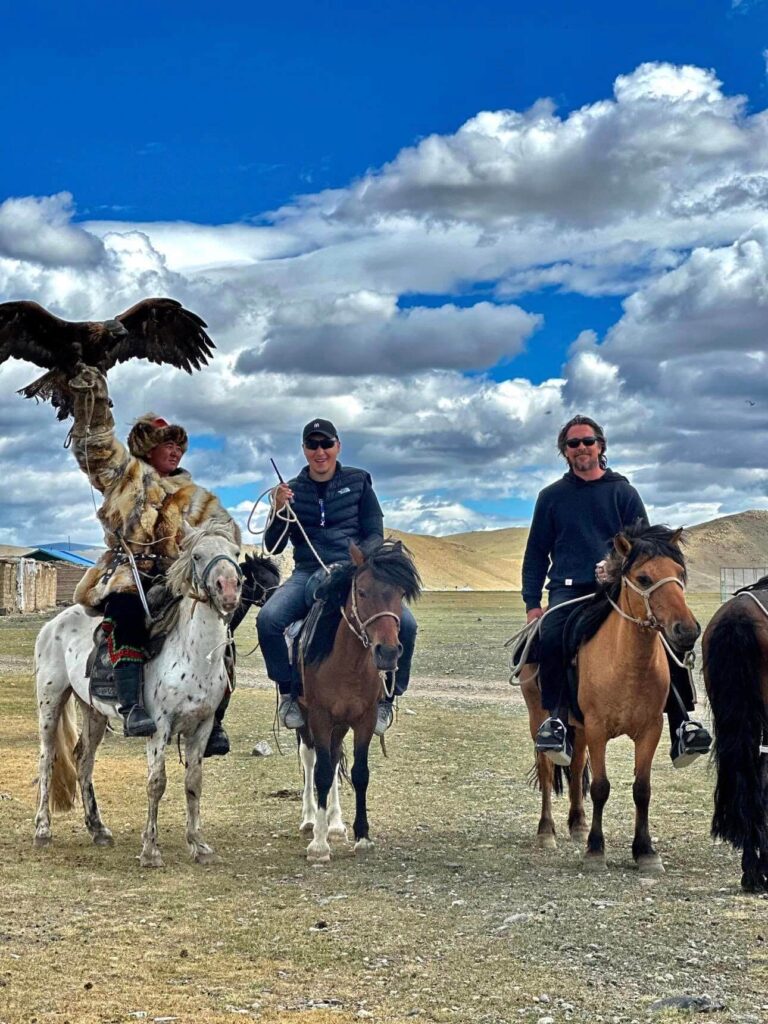
🐆 Want to experience this in person? Join our 6-Day Altai Tavan Bogd Tour with local Kazakh guides — small groups, authentic experience, 5.0 stars on TripAdvisor.
Snow leopards are carnivores, meaning they primarily eat meat. Their diet mainly consists of medium-sized herbivores native to their mountainous habitat.
The most common prey for snow leopards includes blue sheep (bharal) and ibex, which are agile animals well-adapted to the steep, rocky terrain.
These two species make up a significant portion of the snow leopard’s diet across most of their range.
However, the diet of a snow leopard can vary significantly depending on the availability of prey in different regions.
Other Prey Species
Apart from blue sheep and ibex, snow leopards also hunt smaller animals when larger prey is scarce.
These include marmots, hares, and various bird species. In some areas, they may also prey on larger animals such as the argali sheep or domestic livestock like goats, sheep, and young yaks.
This tendency to hunt domestic animals sometimes leads to conflicts with local farmers and herders.
Hunting Techniques and Feeding Habits
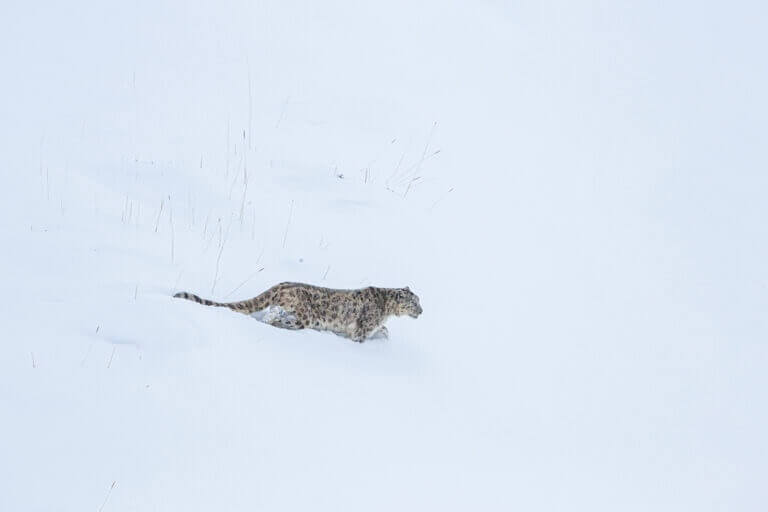
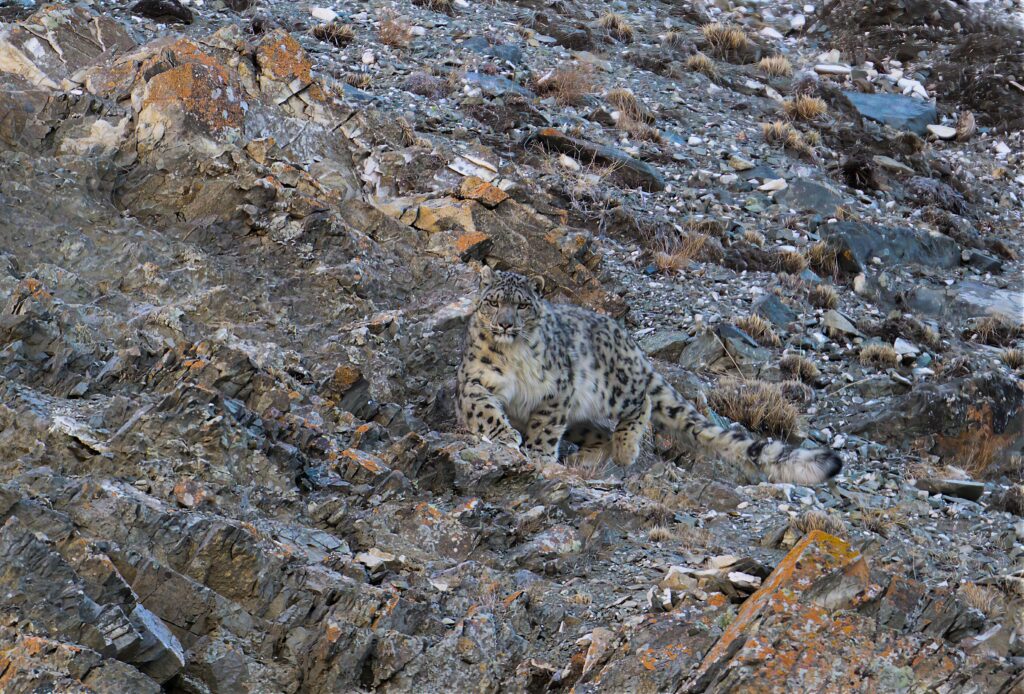
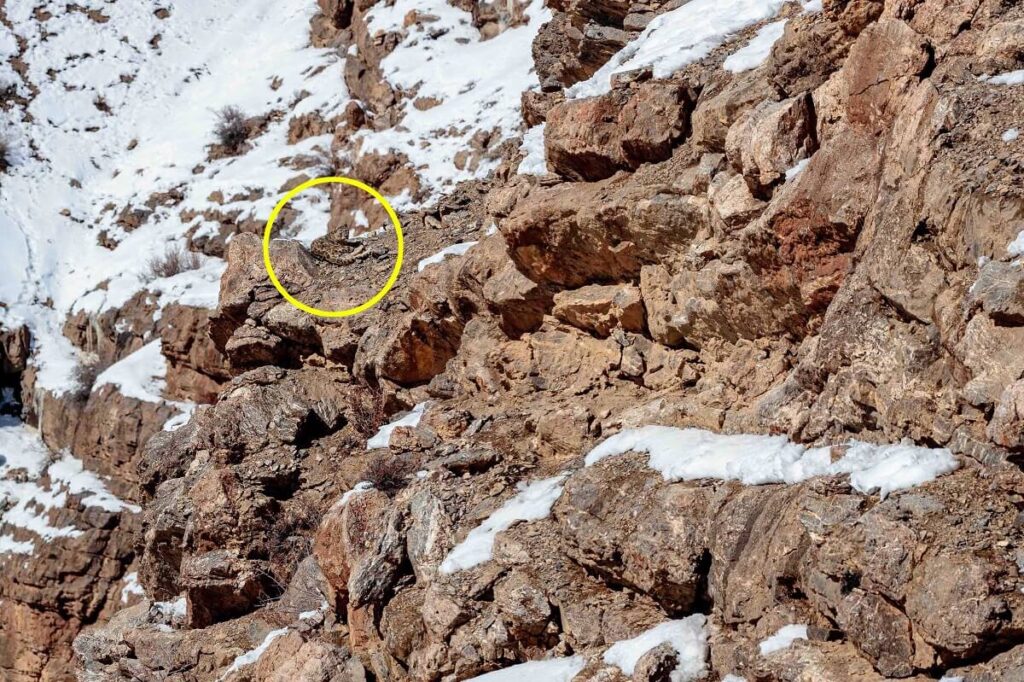
Snow leopards are exceptional hunters, utilizing their camouflaged fur to blend into the rocky terrain and sneak up on their prey.
They rely on their keen senses of sight and hearing to detect animals from a distance. Once a target is spotted, they approach with stealth and patience.
A typical hunt may end with a quick and powerful sprint followed by a leap to pounce on their prey, which they kill by a bite to the neck or throat.
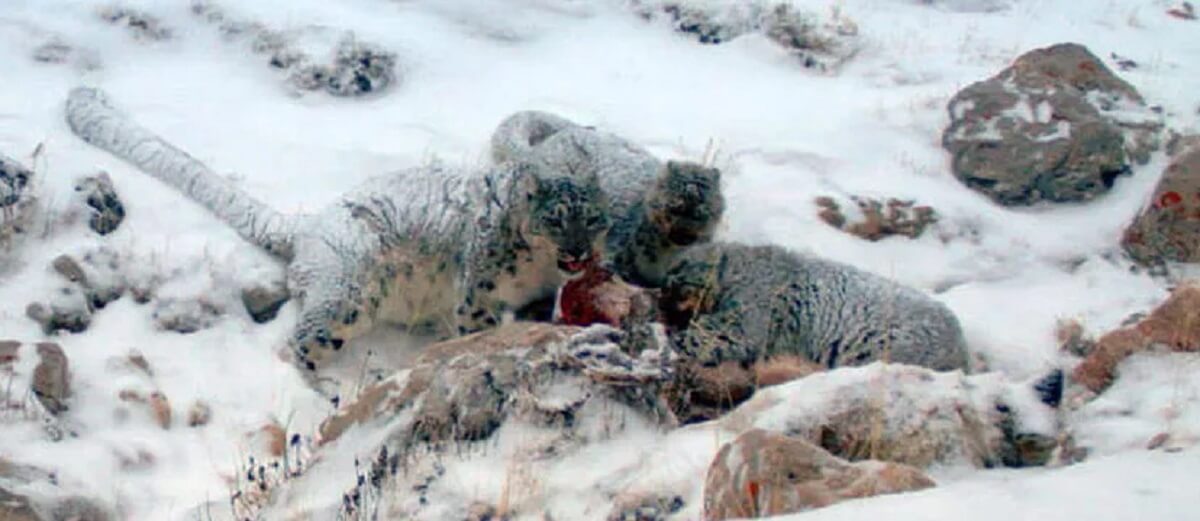
Despite their powerful build and hunting prowess, snow leopards need to conserve energy and often eat slowly, consuming large quantities from a single kill over several days.
They are known to drag their prey to secluded spots to protect it from scavengers, covering it with snow or leaves to hide it.
Adaptations to Their Environment
The diet of snow leopards reflects their remarkable adaptation to their environment. Living in high altitudes, where vegetation is sparse and large herbivores are the most viable food source, these cats have evolved to have strong hind legs for leaping and climbing, a long tail for balance, and an exceptionally thick coat for insulation against the cold.
Altai Tours from Mongolia
Let’s create your ideal Mongolian adventure
Challenges and Conservation
Snow leopards face several challenges related to their prey and diet. The availability of natural prey can be affected by overhunting and competition from domestic livestock.
Additionally, climate change is altering the habitats of both the snow leopard and its prey, potentially leading to a decrease in prey availability. These factors make it difficult for snow leopards to find adequate food, which is crucial for their survival and reproduction.
Altai Tours from Mongolia
Let’s create your ideal Mongolian adventure
Conservation efforts are focused on protecting natural habitats, implementing programs to reduce human-wildlife conflict, and promoting sustainable practices among local communities.
By understanding the dietary needs and hunting behaviors of snow leopards, conservationists can better manage and protect these animals and their ecosystem.
In summary, the diet of snow leopards is primarily composed of medium-sized herbivores such as blue sheep and ibex, but it can vary based on the availability of prey.
Altai Tours from Mongolia
Let’s create your ideal Mongolian adventure
Their survival depends heavily on their ability to adapt to the scarce resources of their mountainous environments, and they face ongoing challenges due to human activities and environmental changes. Conservation efforts are crucial to ensure that snow leopards continue to thrive in their natural habitat.
FAQ
Prey-to-Predator Size Ratio: Hunting Above Their Weight Class
*Content bullets:**
Typical snow leopard weight ranges: 60-120 lbs (females smaller)
Maximum documented prey weights by species (argali 350 lbs, ibex 280 lbs, bharal 165 lbs)
Comparison to other big cats’ predator-prey ratios (tigers hunt similarly-sized prey, leopards usually hunt smaller prey)
Physical adaptations that enable taking down larger prey (powerful neck muscles, jaw strength measured in PSI if available)
—
Gender Differences in Hunting Behavior and Prey Selection
*Content bullets:**
Males kill more domestic livestock (horses, camels, cattle) than females
Females with cubs have higher kill frequency due to increased caloric needs
Single adults hunt every 8-10 days on average
Conservation implications: gender-targeted conflict mitigation strategies
—
Field Research Methods: How Scientists Study Snow Leopard Diet
*Content bullets:**
GPS collar technology and kill-site cluster identification
Physical carcass examination: horn ring counting, age estimation techniques
Camera trap documentation of feeding behavior
Scat analysis for prey species DNA identification
Long-term study sites in Mongolia (Tost Mountains, Gobi) and their contributions
—
Consumption Patterns: How Long Does a Kill Last?
*Content bullets:**
3-4 day consumption period for large prey
Feeding every few hours, remaining near kill site
Scavenger defense behavior (vultures, ravens, foxes)
Winter feeding extends duration due to frozen preservation
Implications for research observation and ecotourism
—
What prey do snow leopards eat?
Snow leopards hunt a wide variety of mountain animals. Their primary prey includes wild sheep and goats such as ibex, argali, and blue sheep. They also feed on smaller animals like marmots, pikas, hares, rodents, and birds. When natural prey becomes scarce, snow leopards may occasionally hunt livestock.
What is the diet of a snow leopard?
Snow leopards are strict carnivores. Their diet mainly consists of wild ungulates, particularly mountain sheep and goats. Key prey species often include:
• Asiatic ibex
• Argali wild sheep
• Blue sheep (bharal)
• Marmots
• Pikas
• Hares and small mammals
Diet composition varies depending on the region and prey availability.
What is a leopard’s main prey?
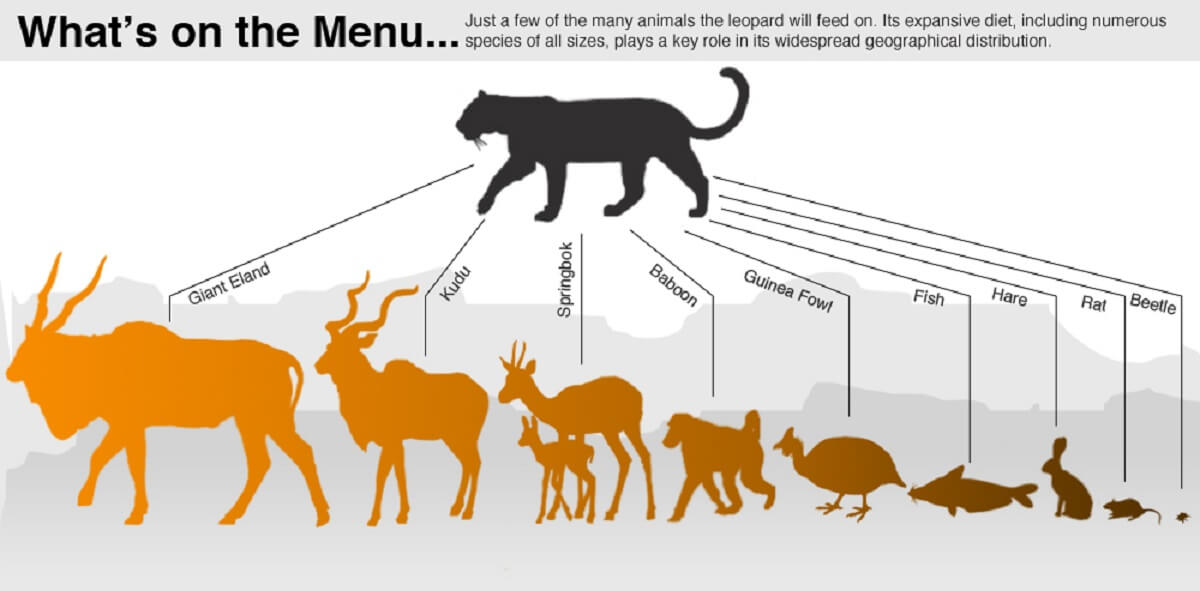
Leopards are highly adaptable predators with over 100 recorded prey species. They most commonly hunt medium-sized ungulates such as antelope and deer. Depending on habitat, their prey may include impala, bushbuck, chital, wild pigs, rodents, birds, and occasionally smaller carnivores.
How does a leopard eat its prey?
Leopards often drag their kill into trees, a behavior known as lardering. This protects the carcass from scavengers like hyenas and lions. Leopards may feed on a single kill for several days.
Is a snow leopard a carnivore or omnivore?
Snow leopards are carnivores. Like all wild cats, they eat only meat and rely entirely on hunting for survival.
Are snow leopards carnivores or herbivores?
Snow leopards are carnivores, meaning they feed exclusively on other animals rather than plants.
Do snow leopards stalk their prey?
Yes. Snow leopards are stealth hunters. They carefully stalk their prey across rocky terrain before launching powerful ambush attacks. A snow leopard can leap remarkable distances to capture its target.
Do snow leopards eat camels?
Although rare, snow leopards are capable of hunting large animals when the opportunity arises. There have been documented cases of snow leopards preying on young wild camels and other unexpectedly large species.
What is the largest prey a leopard has been known to kill?
Leopards have been recorded killing very large animals. One of the most notable reports involves a male eland weighing approximately 900 kg, demonstrating the leopard’s impressive strength.
What animals threaten leopards?
Leopards face threats from larger predators. Lions are considered their primary natural enemy. Hyenas and other predators may also compete for food or attack vulnerable individuals such as cubs.
What are five interesting facts about snow leopards?
Snow leopards cannot roar
They are exceptional climbers and jumpers
Their paws act as natural snowshoes
They thrive in extreme cold environments
They are more closely related to tigers than to common leopards
How much does a snow leopard weigh compared to its prey?
Adult snow leopards typically weigh between 60-120 pounds (27-55 kg), with females averaging 75-90 pounds and males 90-120 pounds. Despite their relatively modest size for big cats, they routinely hunt prey significantly larger than themselves. Blue sheep (bharal) weigh 115-165 pounds, Siberian ibex can reach 200-280 pounds, and argali — the largest wild sheep — can exceed 350 pounds. This means snow leopards regularly take down animals 2-4 times their own body weight, demonstrating extraordinary hunting power and tactical skill. Documented kills include a 75-pound female named Presnel successfully hunting a 350-pound argali — more than 4 times her weight — which she shared with her three cubs in Mongolia’s study areas. —
How often do snow leopards need to hunt?
The hunting frequency of snow leopards varies based on gender and reproductive status. Single adult snow leopards hunt a large prey animal approximately every 8-10 days on average. After making a kill, snow leopards typically consume the carcass over 3-4 days, feeding intermittently while defending it from scavengers. —
Do male and female snow leopards hunt differently?
Yes, GPS collar research reveals significant gender differences in snow leopard hunting behavior. Adult males kill more domestic livestock — particularly horses and camels — compared to females and younger males, with these large domestic animals appearing almost exclusively in male kill records from Mongolia’s study populations. Females, especially those with cubs, show higher overall kill rates to meet their increased nutritional needs but demonstrate stronger preference for wild prey over livestock. The prey size selection also differs: while both sexes hunt wild sheep and goats, males more frequently target the largest available prey species. These behavioral differences have important conservation implications, as targeted protection measures for livestock (such as improved corrals or guardian animals) may need to account for the higher risk periods when male snow leopards are active in pastoral areas. —
What scavengers compete with snow leopards for food?
Snow leopards must defend their kills from numerous scavenger species across their mountain habitat. Himalayan vultures and griffon vultures are primary competitors, often gathering in groups near kill sites waiting for opportunities to feed . Common ravens work in coordinated flocks to harass feeding snow leopards and steal meat scraps. To minimize scavenger theft, snow leopards typically remain within 100-200 meters of the carcass throughout the 3-4 day consumption period, feeding intermittently and resting nearby between feeding sessions. —
Can snow leopards hunt prey larger than themselves?
Yes, snow leopards are exceptional hunters capable of taking down prey much larger than themselves. Field research from Mongolia documented a female snow leopard named Presnel, weighing approximately 80 pounds (35 kg), successfully killing an adult argali ram estimated at 350 pounds (160 kg) — more than four times her body weight. They accomplish this through a combination of physical adaptations and tactical advantages: powerful neck and jaw muscles deliver a suffocating throat bite, enlarged nasal cavities maintain oxygen intake during the struggle at high altitude, and ambush hunting from elevated positions allows them to use gravity and momentum to knock down larger prey [NEEDS SOURCE – specific physiological data]. This ability to hunt prey well above their weight class is critical for survival in environments where prey density is low and hunting success must be maximized. —
SUGGESTED TOURS:
Related content:
Snow Leopard Photography Gear Guide: What You Actually Need for the Altai
To photograph snow leopards in the Mongolia Altai, you need a weather-sealed camera body, a telephoto lens of at least…Altai Argali, Ibex and Snow Leopard: The Prey-Predator Chain That Holds the Mountain Ecosystem Together
The Altai Mountains snow leopard population depends entirely on a small set of prey species: Altai argali (the world’s largest…Best Months to See Snow Leopards in the Altai: A Seasonal Guide for 2026
The best months to see snow leopards in Mongolia’s Altai Mountains are February through early April. Three biological factors converge…




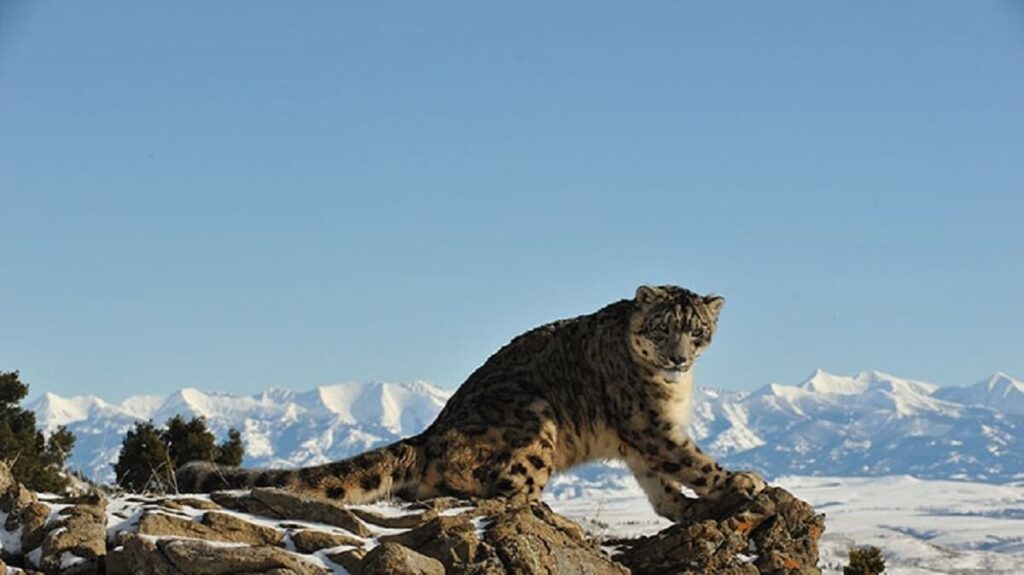

To watch snow leopards hunting ibex in the wild rather than reading about it, join a photography tour in western Mongolia during the winter tracking season.