
In the realm of avian predators, eagles reign supreme, with each species possessing its own unique charm and characteristics.
Two remarkable members of this majestic bird family, the Philippine Eagle vs Golden Eagle, may share the same title, but they exhibit notable differences in terms of appearance and size.
Conservation Status: Critically Endangered vs. Least Concern
The Philippine Eagle (Pithecophaga jefferyi) is listed as Critically Endangered on the IUCN Red List, with an estimated mature population of just 180–500 individuals in the wild.
The Golden Eagle (Aquila chrysaetos) is listed as Least Concern on the IUCN Red List, with a global population estimated at 100,000–200,000 mature individuals across the Northern Hemisphere.
The Philippine Eagle population is decreasing, with deforestation of Philippine lowland rainforest as the primary driver. The Philippines lost roughly 70% of its old-growth forest cover during the 20th century.
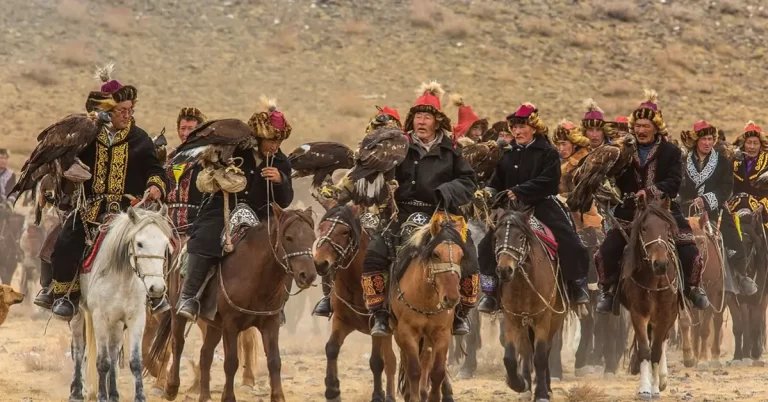
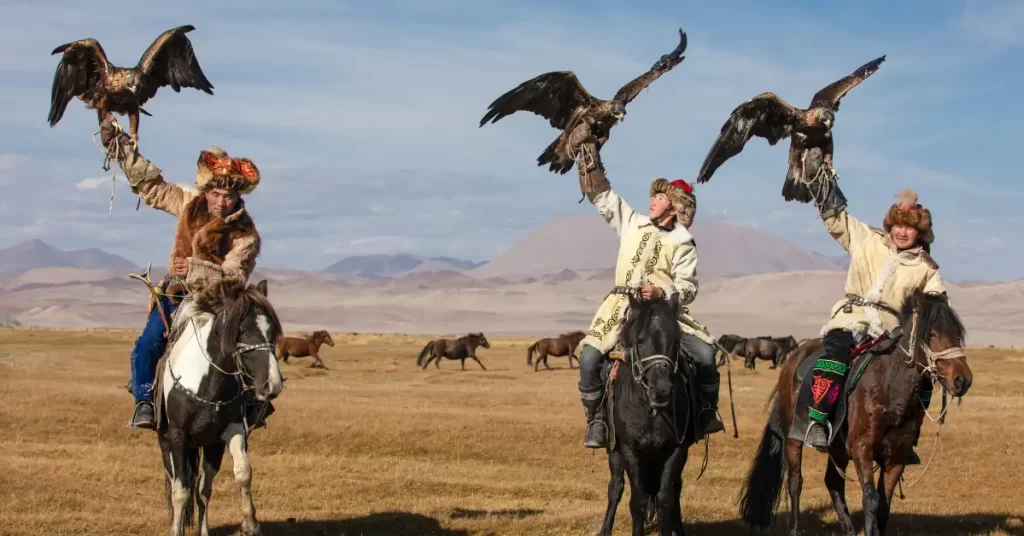
The Golden Eagle population is stable to slightly increasing in most of its range; in Mongolia it remains widespread and is the species used in the centuries-old Kazakh eagle-hunting tradition.
The Philippine Eagle is the national bird of the Philippines, and killing one carries a penalty of up to 12 years’ imprisonment under Republic Act No. 9147 (Wildlife Resources Conservation and Protection Act).
Size, Weight & Wingspan: Side-by-Side Measurements
Philippine Eagle length: approximately 86–102 cm (2.8–3.3 ft) from beak to tail, making it among the longest extant eagles.
Philippine Eagle weight: 4.7–8.0 kg (10.4–17.6 lb), with females noticeably larger than males.
Philippine Eagle wingspan: roughly 184–220 cm (6.0–7.2 ft), relatively short for the bird’s body mass — an adaptation for tight maneuvering in dense rainforest canopy.
Golden Eagle length: approximately 66–102 cm (26–40 in), with the largest specimens in Eurasia (subspecies daphanea, found in Mongolia and Central Asia).
Golden Eagle weight: typically 3.0–6.4 kg (6.6–14.1 lb), lighter than the Philippine Eagle on average.
Golden Eagle wingspan: 180–234 cm (5.9–7.7 ft), slightly longer than the Philippine Eagle on the upper end — adapted for soaring across open mountain and steppe terrain.
Diet & Hunting: What Each Eagle Actually Eats (Documented Prey Studies)
The Philippine Eagle’s documented diet on Mindanao Island comes from peer-reviewed nest surveys (Kennedy 1977–1979). The principal prey was flying lemurs (colugos), making up 54% of identified prey items, followed by palm civets (12%), flying squirrels (8%), fruit bats (5%), monkeys (3%), and reptiles (8%).
A documented kill of a 30-pound (14 kg) Philippine deer (Cervus mariannus) was recorded at a Mindanao nest, showing the eagle’s capacity to take large mammalian prey.
On Luzon island, where flying lemurs are absent, Philippine Eagles take long-tailed macaques, palm civets, monitor lizards, snakes, and Rufous Hornbills — the diet shifts based on island faunal composition.
The Golden Eagle is an open-country hunter, with a global diet dominated by medium-sized mammals — hares, marmots, ground squirrels, and young ungulates — and occasionally birds, reptiles, and carrion.
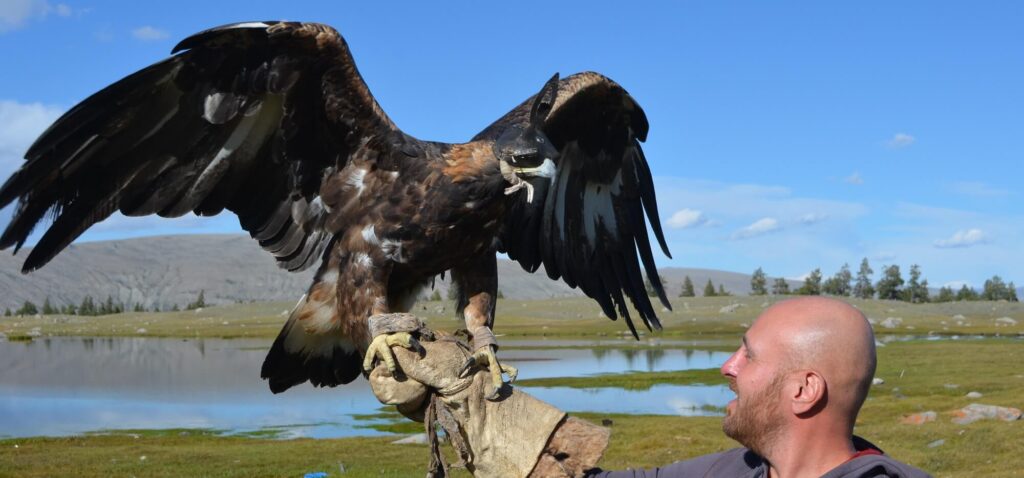
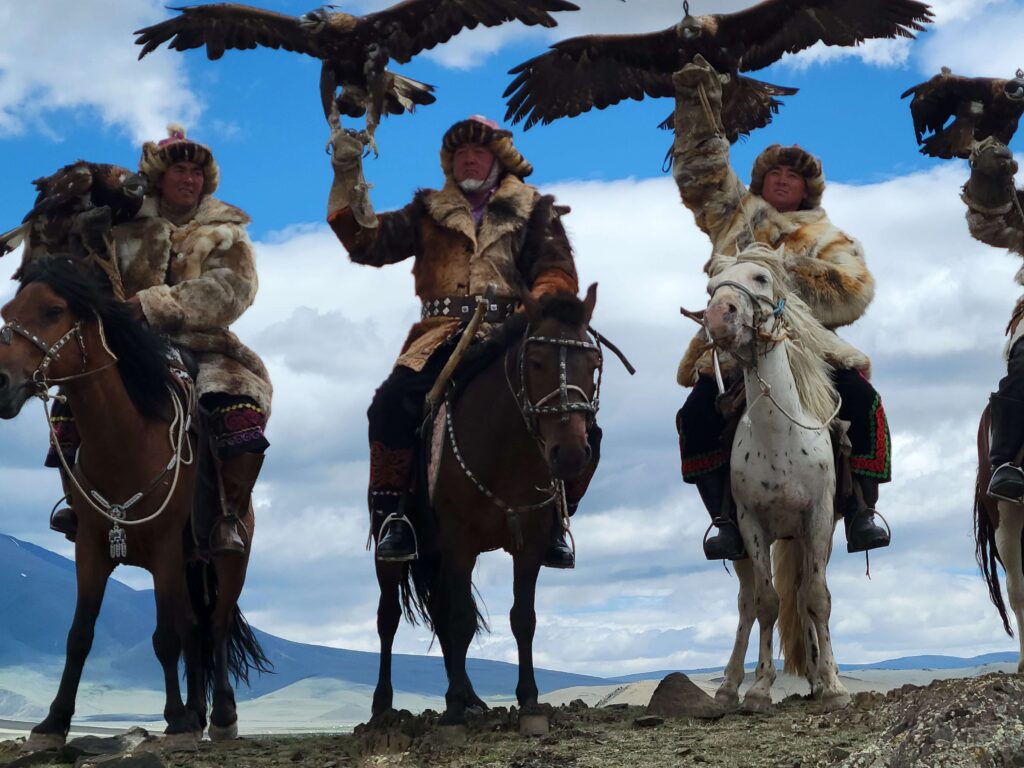
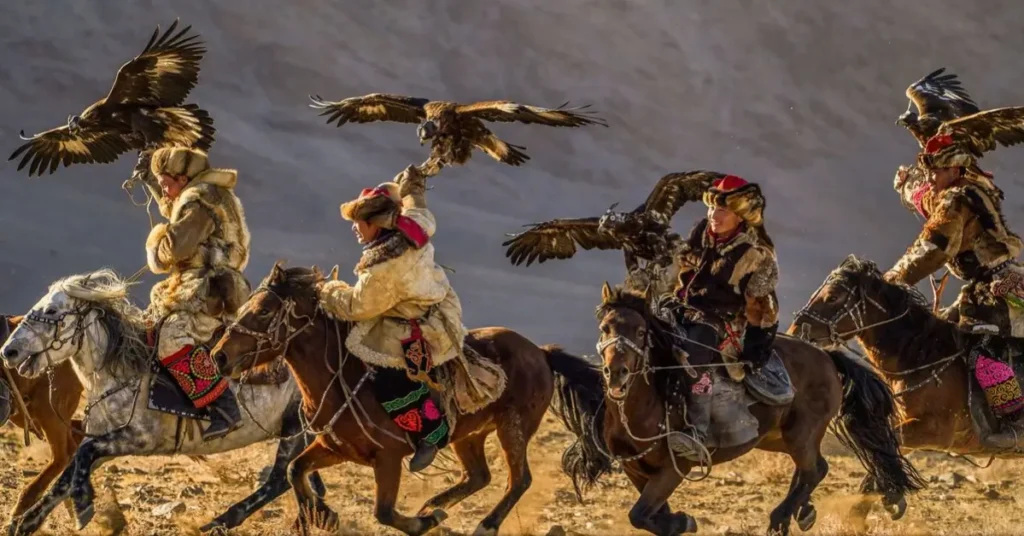
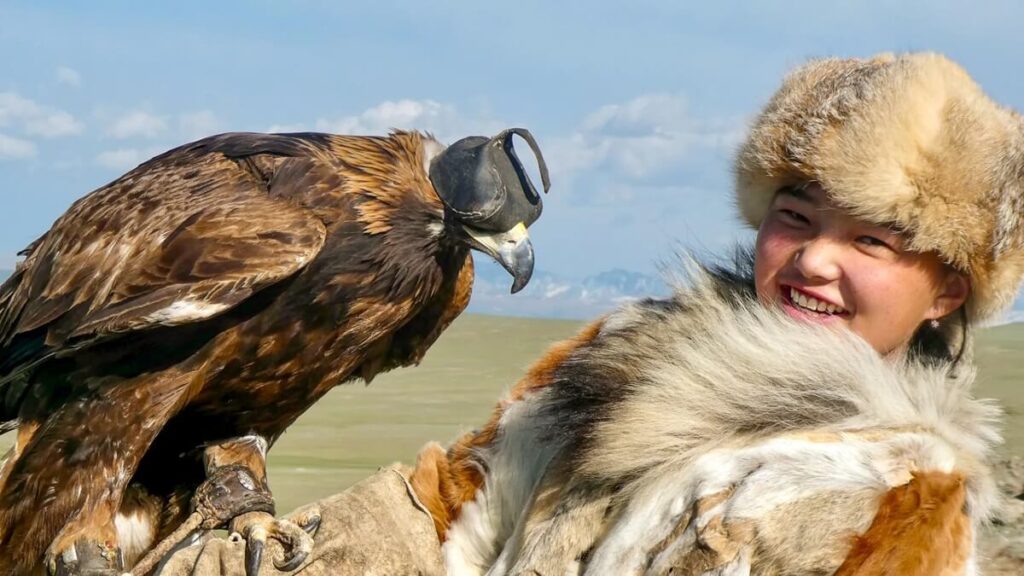
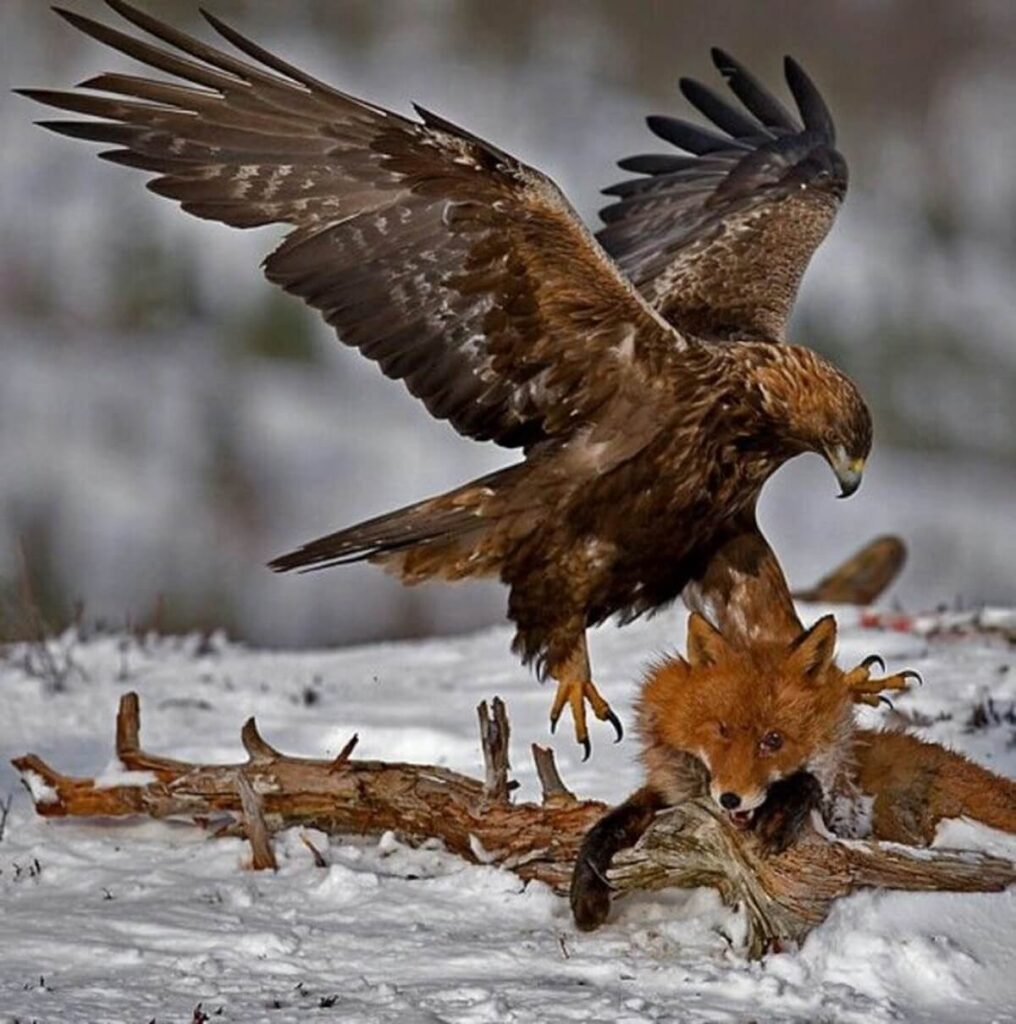
In Mongolia, Kazakh eagle-hunters traditionally fly Golden Eagles at red foxes and corsac foxes; documented kills of small wolves are recorded, though rare.
Habitat & Range: Endemic Island Specialist vs. Holarctic Generalist
The Philippine Eagle is endemic to just four islands — Luzon, Samar, Leyte, and Mindanao — and depends on primary dipterocarp rainforest at elevations from sea level to about 1,800 m.
A breeding pair of Philippine Eagles requires an estimated territory of 60–100 km² of intact forest — one of the largest territories of any eagle species — which is why deforestation is so devastating to the population.
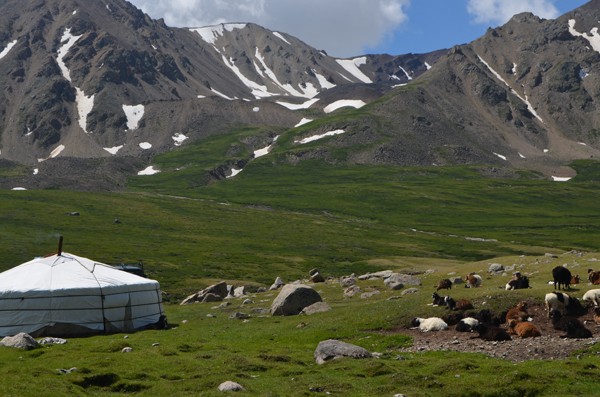
The Golden Eagle has a Holarctic distribution spanning North America, Europe, North Africa, and Asia — including Mongolia, where it occupies the Altai, Khangai, and Khentii mountain ranges.
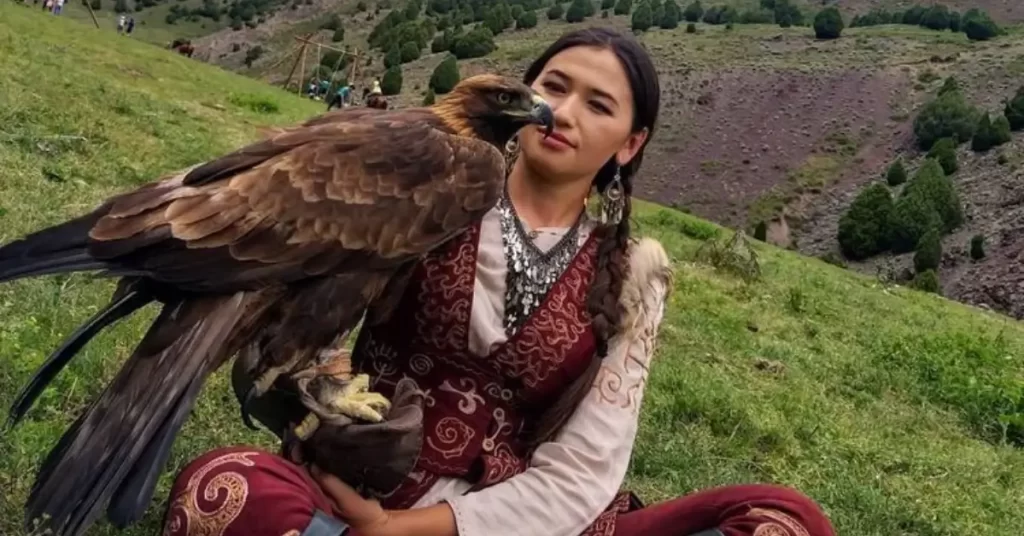
Six recognized subspecies of Golden Eagle exist; the largest, Aquila chrysaetos daphanea (Asian or Berkut Golden Eagle), is the subspecies traditionally trained by Kazakh eagle-hunters in western Mongolia’s Bayan-Ölgii Province.
Golden Eagles thrive in open habitats — alpine meadows, steppe, semi-desert, tundra, and montane grassland — the inverse of the Philippine Eagle’s closed-canopy rainforest niche.
Cultural & Conservation Significance
The Philippine Eagle was declared the national bird of the Philippines by Presidential Proclamation No. 615 in 1995.
The Philippine Eagle Foundation in Davao runs the only captive-breeding facility for the species and is the central institution coordinating in-situ conservation, research, and education.
The Golden Eagle has deep cultural significance across Eurasia — it appears on the national flags or coats of arms of Mexico, Albania, Kazakhstan, and several other states.
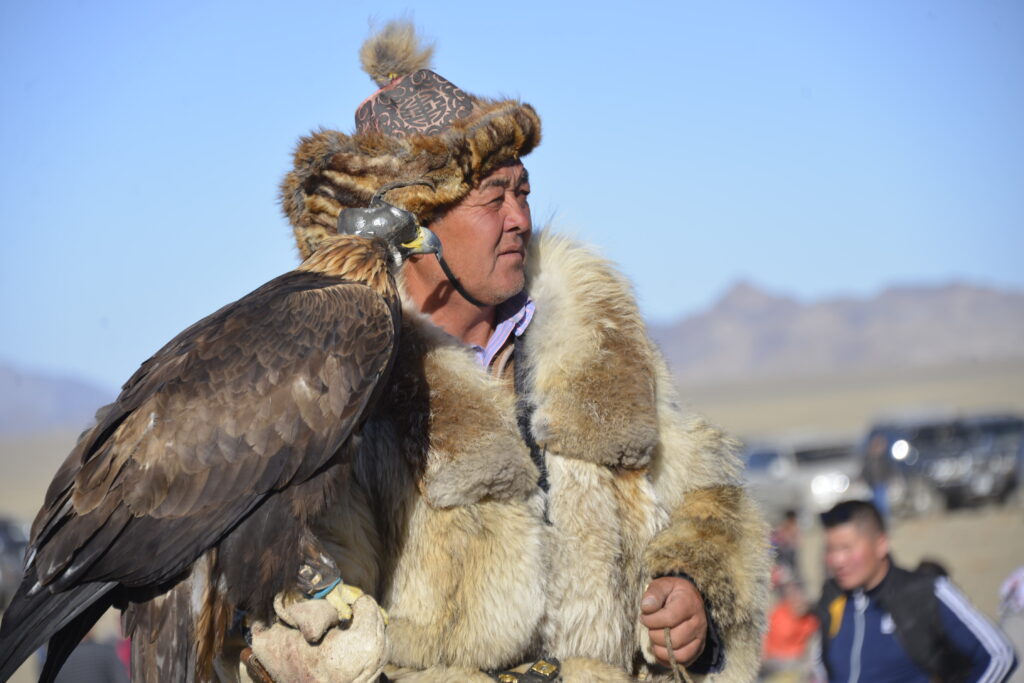
In Mongolia, the Kazakh eagle-hunting tradition (using Aquila chrysaetos daphanea) has been practised for an estimated 1,000+ years and is recognized on UNESCO’s Representative List of the Intangible Cultural Heritage of Humanity (inscribed 2010 for Kazakhstan, with shared practice in Mongolia).
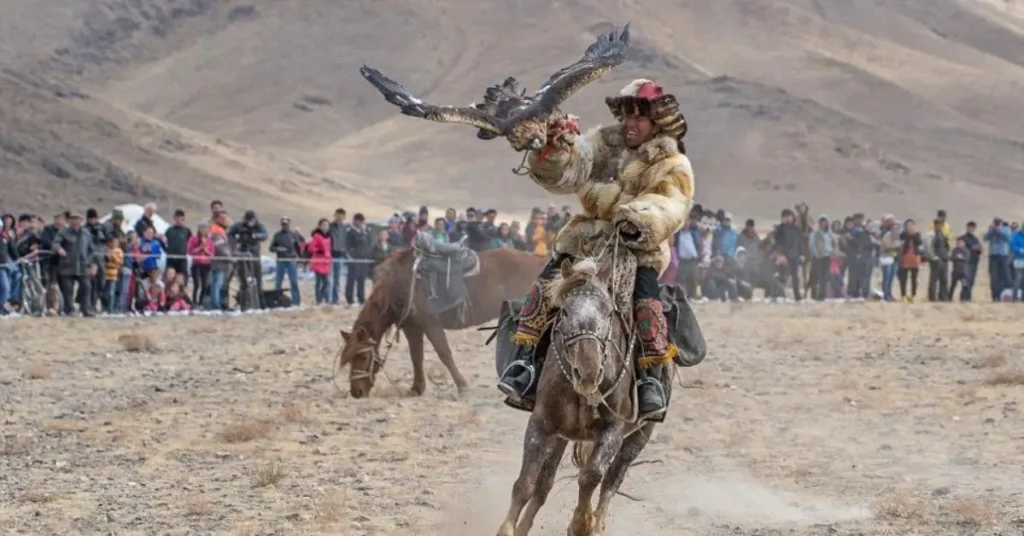
The annual Golden Eagle Festival in Bayan-Ölgii Province, western Mongolia, draws hundreds of Kazakh eagle-hunters and is the most accessible place in the world to see trained Golden Eagles fly at quarry.
We offer you GOLDEN EAGLE FESTIVAL PHOTOGRAPHY TOUR. Come and enjoy the stunning landscape that is covered with ancient mountains, rivers, and Mongolian history. Join us to watch a great festival with truly great hunters! 🤩🤩
In this article, we will explore these distinctions, providing insights into the physical attributes and size variations that set these magnificent raptors apart.
The Philippine Eagle: A Crowned Giant
🦅 Want to experience this in person? Join our 8-Day Eagle Hunter Homestay Tour with local Kazakh guides — small groups, authentic experience, 5.0 stars on TripAdvisor.
The Philippine Eagle (Pithecophaga jefferyi), commonly known as the “Haring Ibon” or “King Bird,” is not only one of the rarest and most endangered eagle species worldwide but also among the most visually captivating.
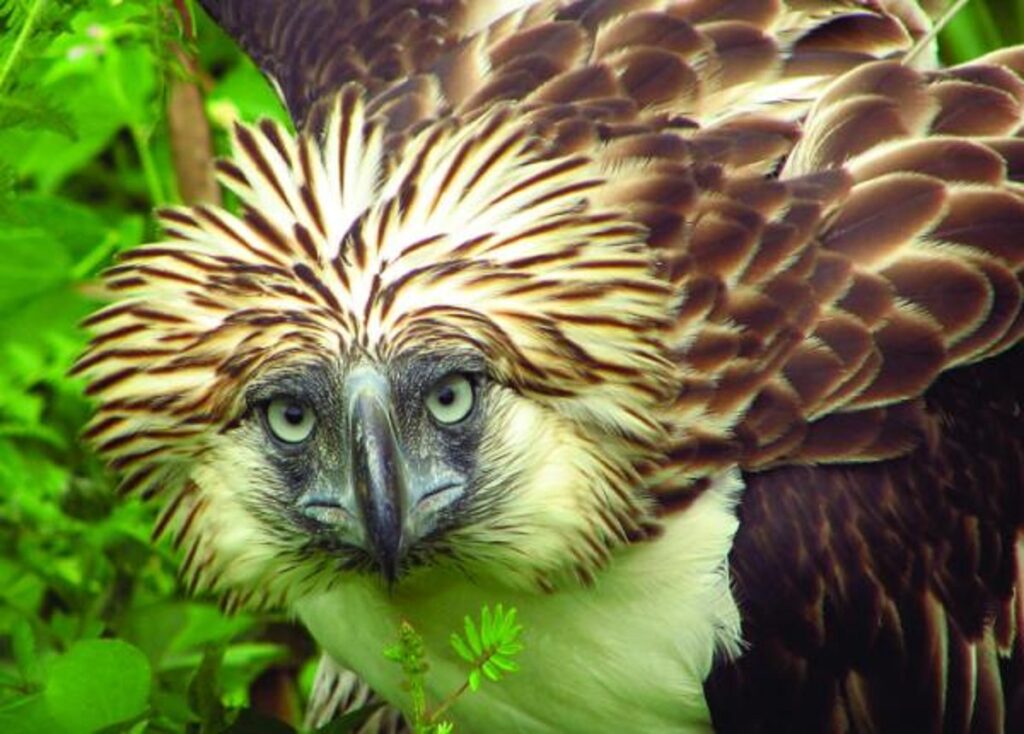
Physical Characteristics: The Philippine Eagle is adorned with a long, brown tuft of feathers at the apex of its head, forming a mane-like crest. Its nape and overall plumage feature shades ranging from yellowish-white to brown-white.
Sporting bluish-gray eyes, a beak of the same hue, and yellow, muscular legs equipped with dark talons, it is a striking and regal sight. The underside and underwings are pure white, creating a striking contrast with the rest of its plumage.
Size Distinctions: Measuring over 1 meter from tail to head, the Philippine Eagle is larger than a human toddler and more than half the size of a fully grown adult.
The Golden Eagle: Majestic Monarchs of the Skies
The Golden Eagle (Aquila chrysaetos) represents a formidable and widely recognized bird of prey, celebrated for its potent hunting abilities.
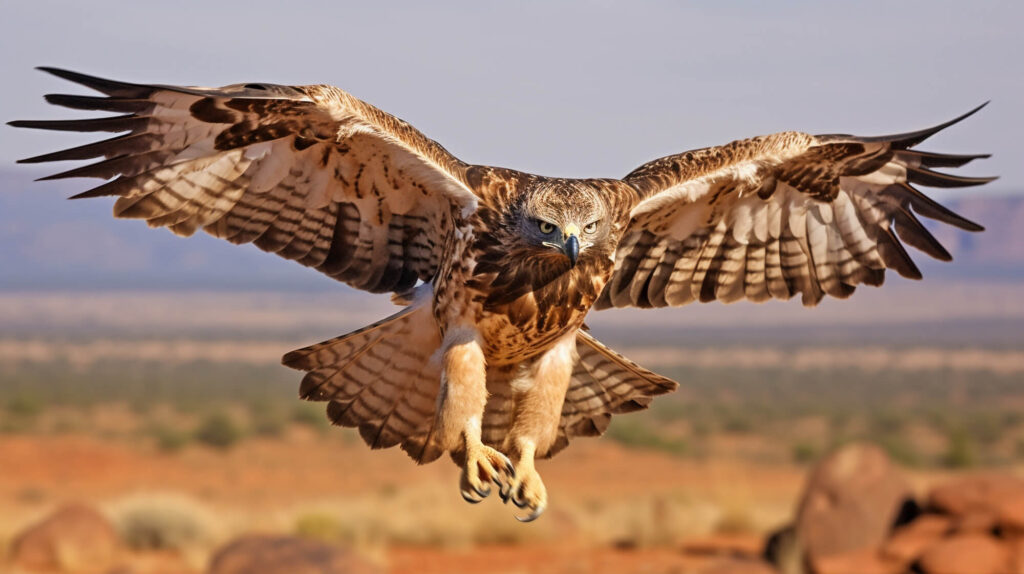
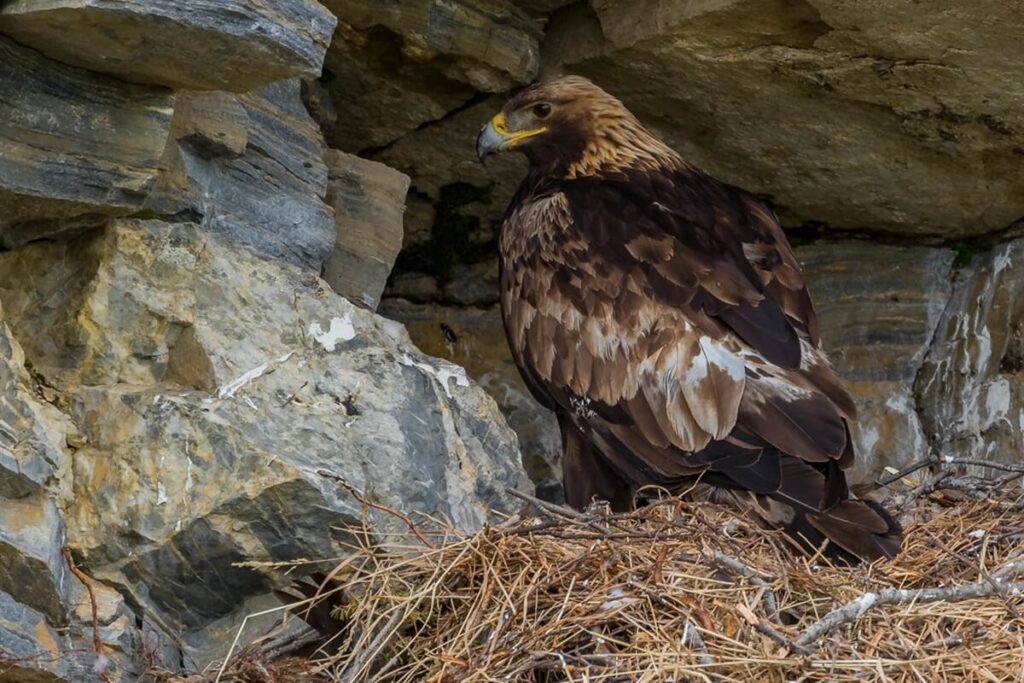
Physical Characteristics: Golden Eagles feature distinctive golden plumage on their heads and napes, with dark brown feathers dominating their bodies. They have brown or hazel eyes and exhibit yellow feet equipped with dark talons. Juvenile Golden Eagles possess characteristic white speckles on their wings and tails, adding to their distinct appearance.
Size Distinctions: Golden Eagles display variations in size based on gender, with females weighing between 6-15 pounds (3 to 7 kg) and males typically weighing around 7 pounds (3.6 kg). They can grow up to 3 feet (66-100 cm) in length, with wingspans ranging from 6 to 7.5 feet.
Comparing the Magnificent Philippine Eagle vs Golden Eagle
Geographic Range:
- The Philippine Eagle is indigenous to the Philippines, with an exceedingly restricted distribution.
- The Golden Eagle’s habitat spans a vast region, encompassing North America, Europe, and sections of Asia such as Mongolia.
Behaviors:
- Philippine Eagles are often solitary birds, typically seen alone or in pairs. They are known for their territorial behavior, defending their hunting grounds against intruders. Due to their elusive and reclusive nature, observing their behaviors in the wild can be challenging.
- Unlike the Philippine Eagle, Golden Eagles are more likely to be seen in pairs during the breeding season. They engage in impressive aerial courtship displays, which involve spiraling and tumbling flights. Golden Eagles are also known for their ability to adapt to a variety of habitats, from mountains to open grasslands, displaying a less territorial behavior compared to the Philippine Eagle.

Hunting
- Philippine Eagle is known for its behavior as a skilled and patient hunter. It primarily preys on small to medium-sized mammals and even monkeys, using its powerful beak and talons to capture its prey with precision.
- With a formidable grip strength of approximately 530 pounds per square inch, the Philippine eagle possesses the capacity to effortlessly exert immense pressure, capable of crushing not only the bones and spine of its prey but even a human skull.

- Golden Eagles are known for their soaring flight patterns as they hunt for prey. They are opportunistic hunters, preying on a wide range of animals, including birds, rabbits, hares, and other small mammals.
- The talons of the Golden Eagle are recognized for their gripping power, measuring approximately 400 pounds per square inch. While this force is not as formidable as that of the Philippine eagle, it still surpasses the grip strength of an adult human hand by approximately tenfold.
Understanding these differences contributes to our appreciation of these magnificent raptors and the efforts required to protect and preserve them for future generations to behold and admire.
Suggested Tours:
ALTAI EAGLE FESTIVAL 2026
Unleash your adventure spirit, explore Mongolia on your own terms ALTAI eagle festival tour (Sept 17–18) ⭐⭐⭐⭐⭐ 5.0 · 72…GOLDEN EAGLE FESTIVAL TOUR (2026)
Unleash your adventure spirit, explore Mongolia on your own terms Golden Eagle Festival TOUR – 8-DayS Photography Tour (2026) By…Mongolia Altai Mountain Tour 2026 — 8 Days: Peak Climb + Culture + Nomadic Stay | $1,700
Unleash your adventure spirit, explore Mongolia on your own terms MONGOLIA ALTAI MOUNTAIN TOUR ⭐⭐⭐⭐⭐ 5.0 · 72 reviews on…



Related Blogs:
Golden Eagle Photography: How to Shoot Wild Eagles, Hunters and the Festival
Golden eagle photography rewards preparation more than luck. For birds in flight, start at 1/2500s, f/6.3, auto-ISO capped at 3200,…Eagle Festival Packing List 2026: What to Wear in Olgii’s October Cold
The Mongolia Eagle Festival in Bayan-Ölgii runs in late September and early October at elevation 1,710 metres, where October average…Sagsai vs Golden Eagle Festival 2026: Which Mongolia Eagle Festival Should You Attend?
Mongolia hosts two distinct Kazakh eagle festivals each autumn in Bayan-Ölgii Province, the country’s western Kazakh-majority region. The Sagsai Golden…









Which is bigger — the Philippine Eagle or the Golden Eagle?
On average the Philippine Eagle is heavier and longer-bodied (4.7–8.0 kg, 86–102 cm long) than the Golden Eagle (3.0–6.4 kg, 66–102 cm long), but the Golden Eagle’s wingspan can match or slightly exceed the Philippine Eagle’s at the upper end (up to 234 cm vs. 220 cm). The Philippine Eagle has a stockier build adapted for forest hunting; the Golden Eagle is leaner and built for soaring.
What is the grip strength (PSI) of a Philippine Eagle?
No peer-reviewed measurement of Philippine Eagle grip pressure has been published.** The frequently-cited “500 psi” figure circulates in popular articles and forums but does not trace back to a published scientific study. The most reliable comparative data comes from a 2008 study of accipitrid raptor grip force, which measured species like Harpy Eagles and Crowned Eagles directly — but the Philippine Eagle was not included. We have not included a PSI figure here because we cannot verify one.
Is the Philippine Eagle endangered?
Yes — the Philippine Eagle is listed as Critically Endangered on the IUCN Red List, with only an estimated 180–500 mature individuals remaining in the wild. By contrast, the Golden Eagle is listed as Least Concern, with a global population of 100,000–200,000 mature individuals.
Do Philippine Eagles and Golden Eagles ever meet in the wild?
No — their ranges do not overlap. The Philippine Eagle is endemic to four Philippine islands (Luzon, Samar, Leyte, Mindanao), while the Golden Eagle’s range covers the Northern Hemisphere but does not extend to the Philippine archipelago. They occupy completely different climatic zones — tropical lowland rainforest versus temperate-to-arctic open country.
Which Golden Eagle subspecies do Kazakh eagle-hunters in Mongolia use?
Kazakh eagle-hunters (berkutchi) train Aquila chrysaetos daphanea, the Asian Golden Eagle (also called the Berkut). It is the largest of the six Golden Eagle subspecies and is native to the Mongolian Altai. The tradition is centered in Bayan-Ölgii Province in western Mongolia and has been practised for an estimated 1,000+ years.