
Golden eagle photography rewards preparation more than luck. For birds in flight, start at 1/2500s, f/6.3, auto-ISO capped at 3200, continuous autofocus with bird or animal detection, and a lens of at least 400mm. For wild eagles, shoot from a vehicle or ridge-line hawkwatch and never approach a nest. The richest opportunity on earth, however, is western Mongolia: at the Golden Eagle Festival near Ölgii each October, 70–100 Kazakh hunters compete with their eagles at close range, and hunter family homestays let you photograph training sessions in golden-hour light no wild encounter can match.
Key Takeaways
- Flight settings: 1/2500s or faster, f/5.6–f/8, auto-ISO cap 3200, continuous AF with subject detection
- Minimum lens: 400mm for wild eagles; 70–200mm is enough at the festival — hunters pass within metres
- Wild eagles: shoot from vehicles or ridge-top migration points; approaching nests is harmful and, in many countries, illegal
- The Golden Eagle Festival (October 3–4, 2026) is the world’s densest golden eagle photo opportunity
- Hunter homestays beat the festival for portraits: unhurried sessions, real light, no crowds
- Cold kills batteries — in Mongolian autumn and winter carry 2–3 spares per body, kept warm
What Camera Settings Work Best for Golden Eagle Photography?
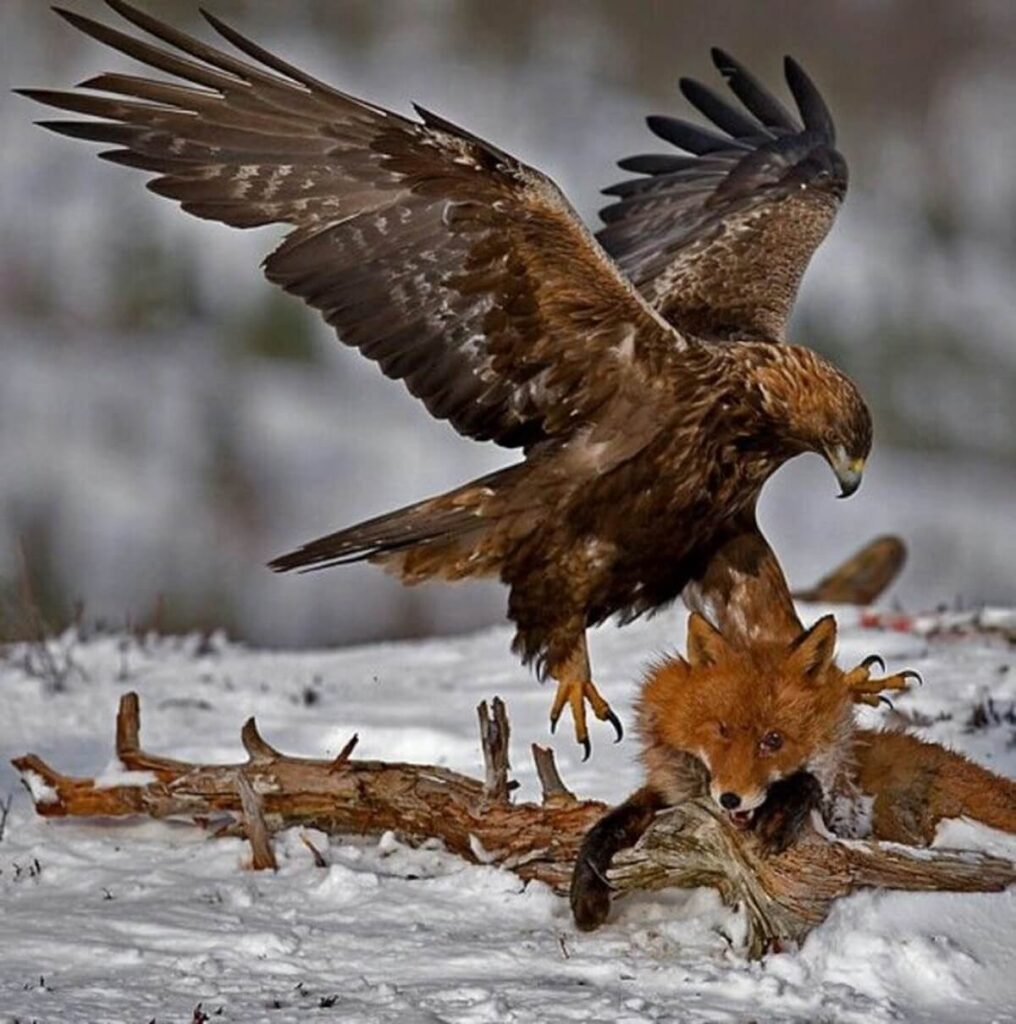
A golden eagle in a dive can exceed 240 km/h, which makes it one of the fastest subjects a wildlife photographer will ever track. Your settings need to respect that speed. The table below covers the four situations you will actually meet — whether that is a wild bird riding a ridge updraft or a trained eagle landing on a hunter’s arm at full stretch.
| Scenario | Shutter | Aperture | ISO | Focus mode |
|---|---|---|---|---|
| Eagle in flight (soaring) | 1/2000s | f/6.3 | Auto, cap 3200 | Continuous AF, bird detection |
| Eagle diving or landing | 1/3200s | f/5.6 | Auto, cap 6400 | Continuous AF, wide area |
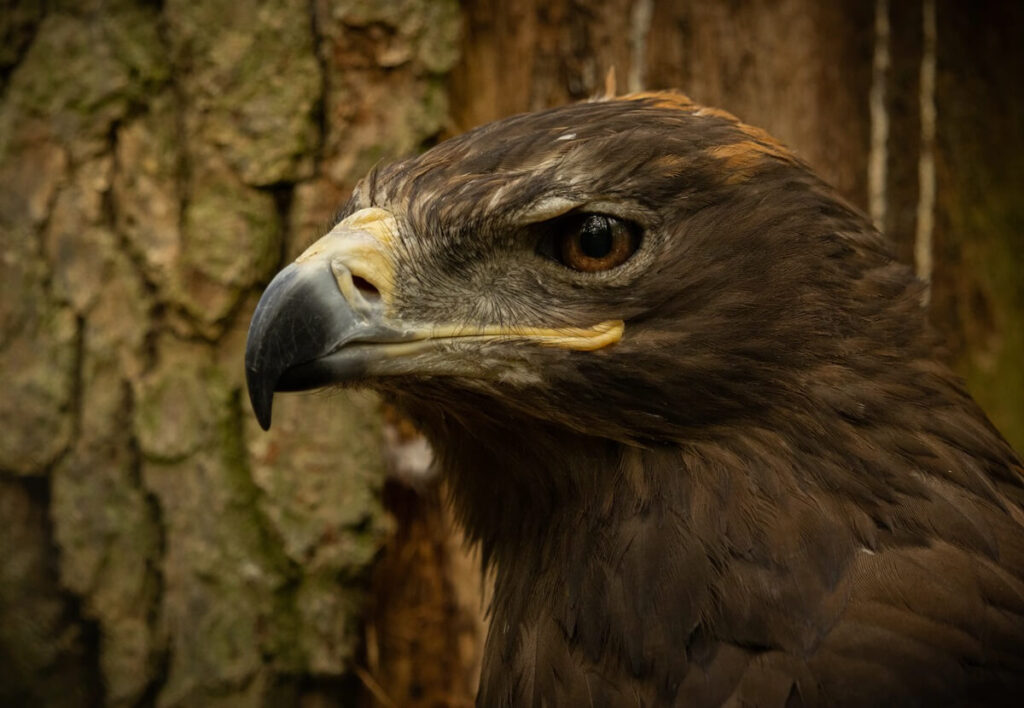
| Perched portrait | 1/640s | f/5.6–f/8 | 100–800 | Single-point AF on the eye |
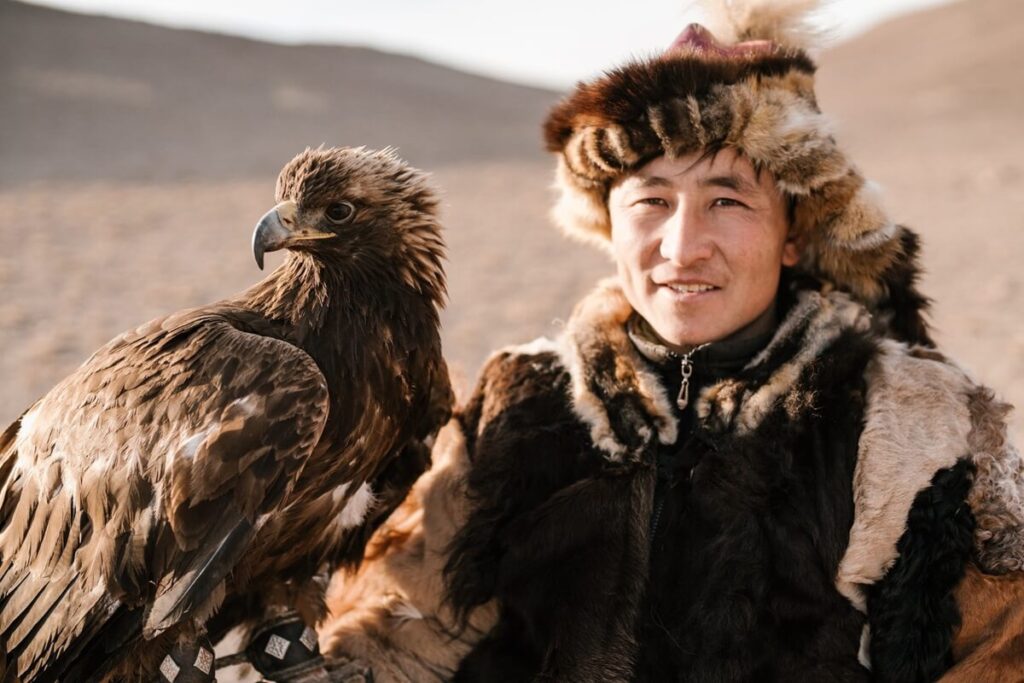
| Hunter portrait with eagle | 1/500s | f/4–f/5.6 | 100–800 | Eye AF on the person |
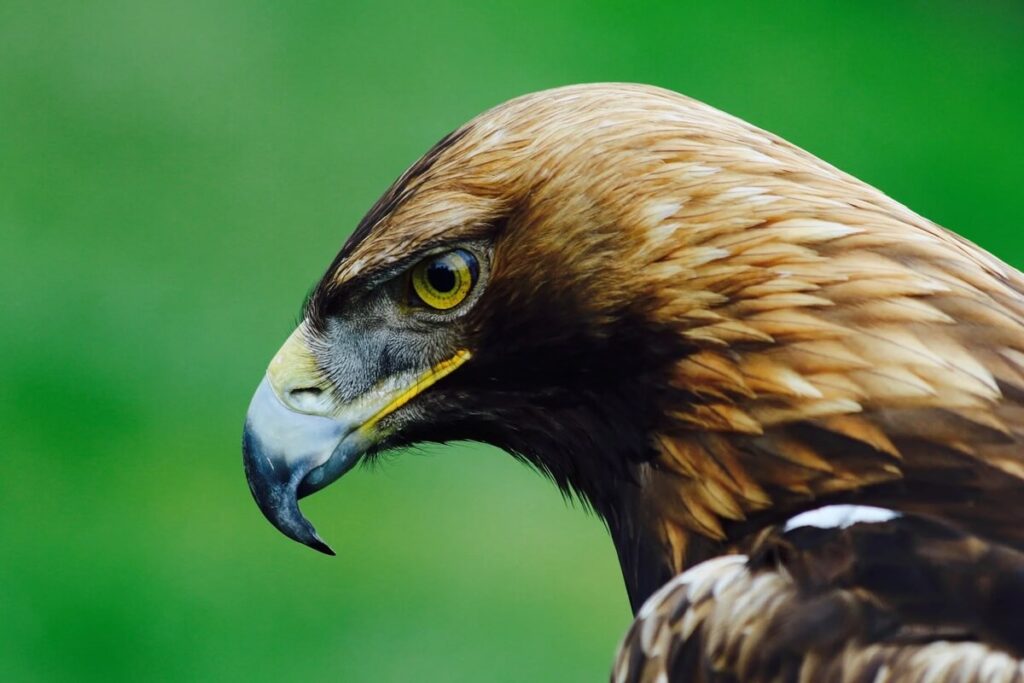
Three habits matter more than any single setting. First, shoot in bursts — an eagle’s wingbeat cycle means the difference between a folded, awkward frame and a fully spread pose is a twentieth of a second. Second, leave space in the frame on the side the bird is flying toward; a centred eagle with clipped wingtips is the most common wasted shot. Third, expose for the golden nape feathers that give the species its name — they blow out easily against a dark mountainside, and that head colour is what separates a golden eagle image from any other raptor photo.
Where Can You Photograph Golden Eagles in the Wild?
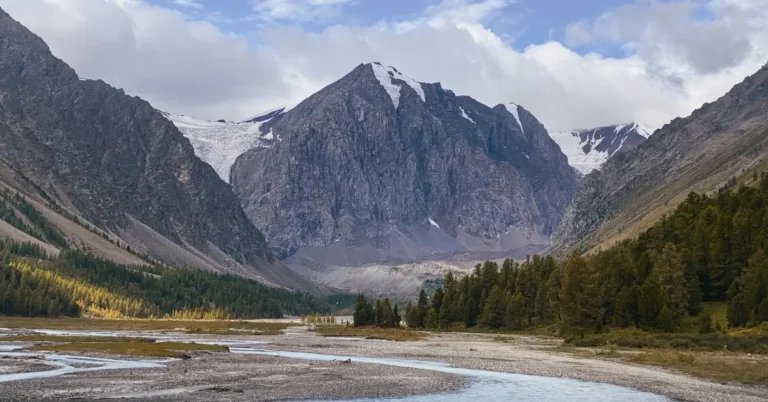
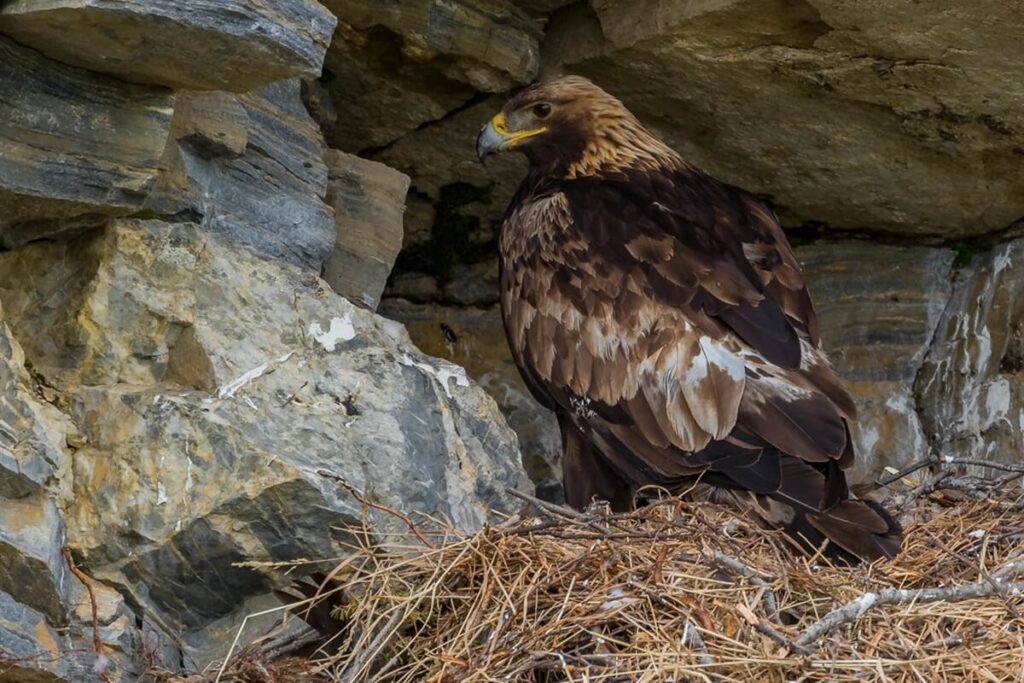
Wild golden eagles live across the northern hemisphere — the mountains of North America, Scotland’s highlands, the Alps, and the steppe belt running from Kazakhstan through Mongolia. The photographic problem is the same everywhere: the birds are thinly spread, enormous in territory, and wary of people on foot.
Three approaches consistently produce wild-eagle images. Shooting from a vehicle works because eagles that ignore cars flush instantly from pedestrians; in open country they will sometimes tolerate a slow-rolling vehicle within lens range of a roadside perch. Migration ridges concentrate birds in autumn, when eagles follow mountain chains and ride updrafts past fixed points — position yourself at a known hawkwatch and the eagles come to you at eye level. Finally, winter feeding areas in northern latitudes gather eagles predictably, though photographing at bait sites raises ethical questions covered later in this guide.
What almost never works is stalking. A golden eagle’s eyesight resolves detail at roughly eight times the distance a human eye can, which means the bird has been watching you for minutes before you ever notice it. Fieldcraft helps, but the honest summary of wild golden eagle photography is this: expect long days, distant frames, and one keeper per week — or go where the eagles work alongside people.
How Do You Photograph the Golden Eagle Festival in Mongolia?
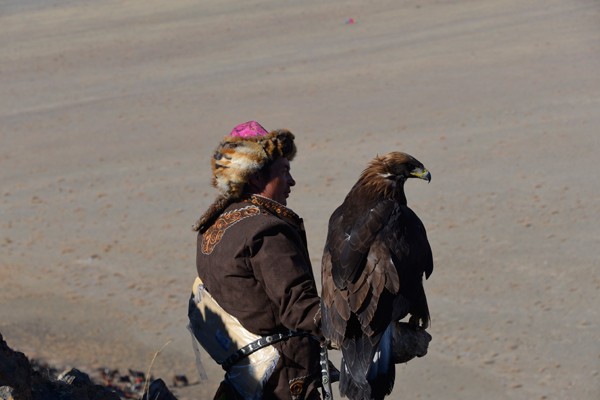
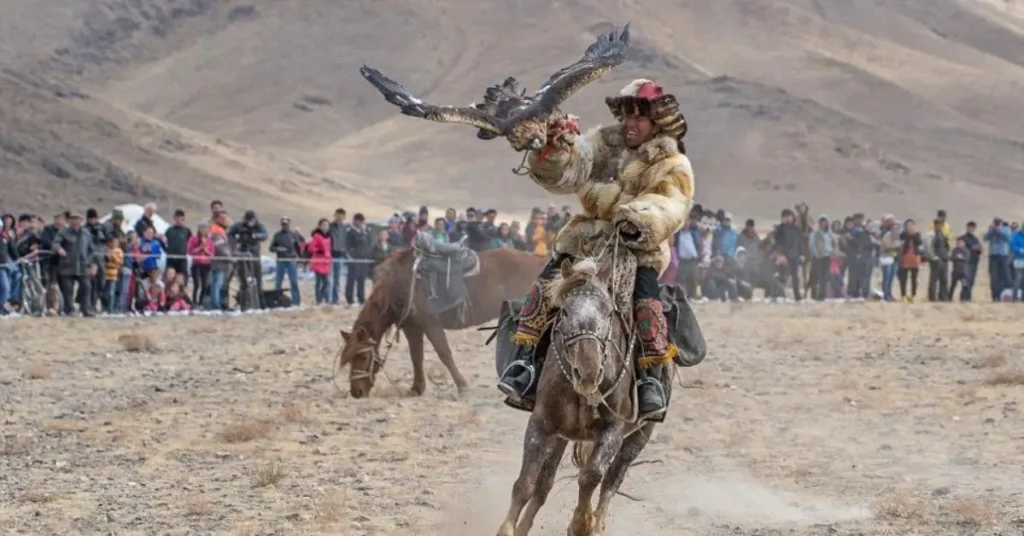
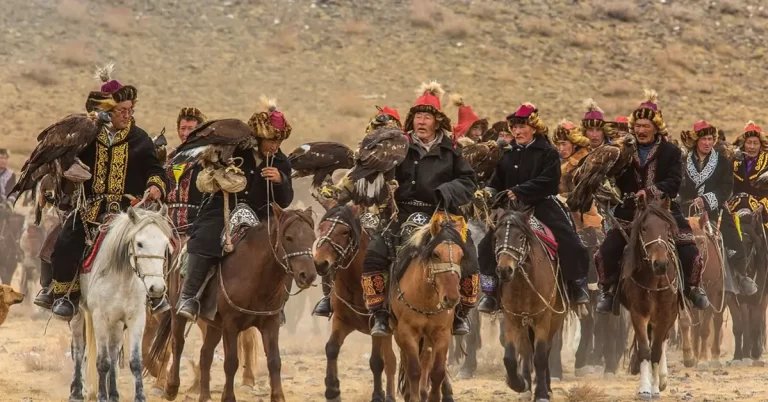
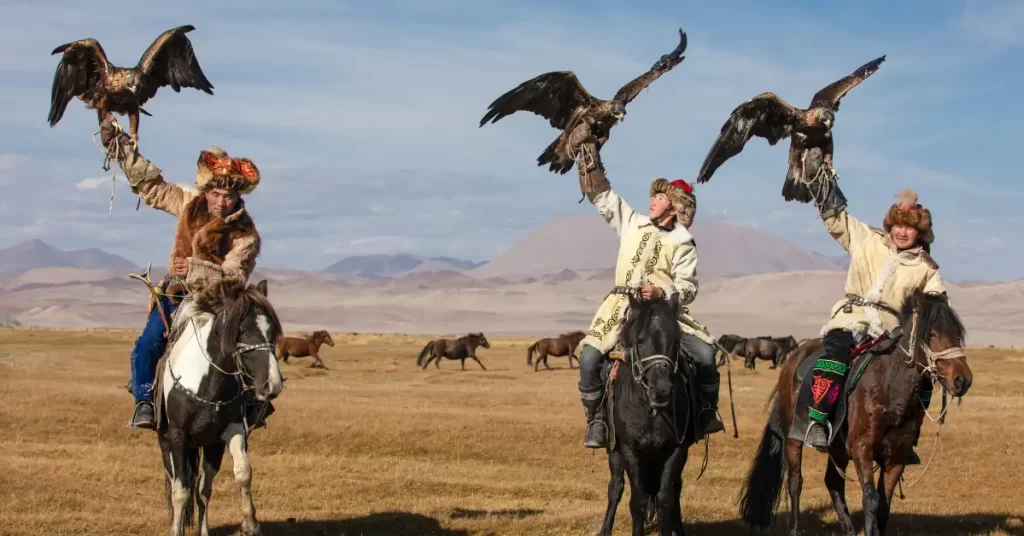
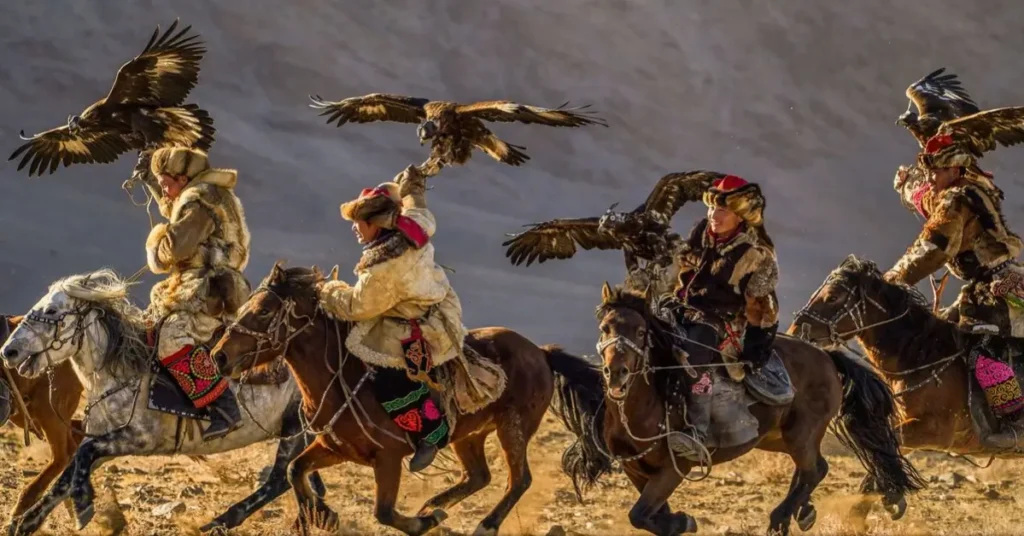
The Golden Eagle Festival at Sayat Tolgoi near Ölgii, Bayan-Ölgii — October 3–4 in 2026 — solves every problem wild-eagle photography has. Seventy to a hundred Kazakh hunters compete with trained golden eagles in front of you: the mounted parade in fox-fur regalia, eagles called down from a hillside to the gallop, and the fox-skin lure drag that produces full-speed, low-altitude strikes. Photographers from international agencies attend every year, and it remains the densest concentration of golden eagles and their handlers anywhere on earth.
A few festival-specific lessons save your two days:
- Arrive for sunrise both days. Hunters gather and saddle up before the official programme; the pre-event hour in low side-light produces better portraits than anything during the competitions.
- Work the “calling the eagle” event from below the hill. The eagle descends toward the hunters at speed — position on the landing side and you shoot the approach head-on rather than tail-feathers.
- Bring a second body with a short zoom. The parade and crowd scenes happen around you at 24–70mm range while your long lens stays hungry for the competition field.
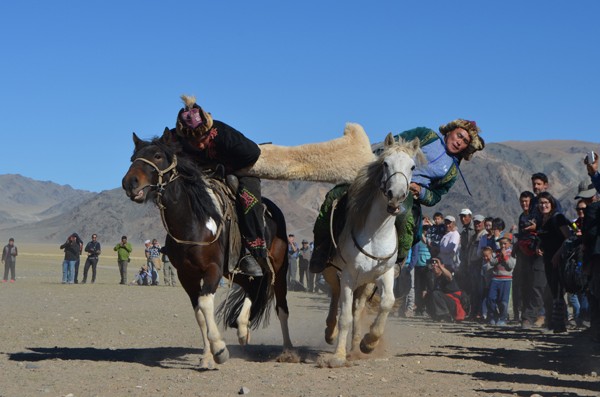
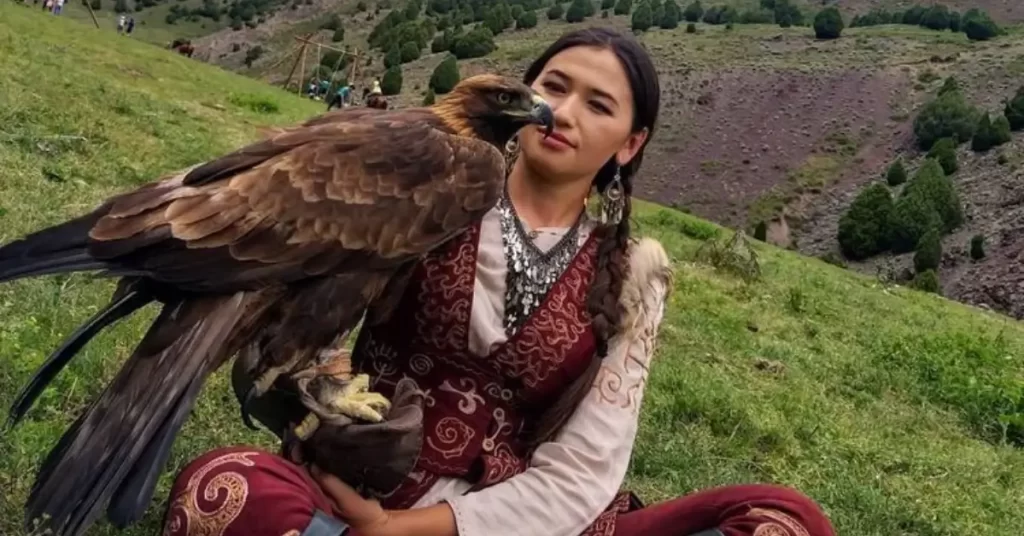
- Stay for the games. Kokpar (the horseback tug-of-war) and Kyz Kuar (the women’s chase) fill the gaps between eagle events with action that most photographers miss because they are reviewing files.
- The smaller Sagsai Eagle Festival (September 17–18) offers the same subjects with a fraction of the crowd — many photographers shoot both, using Sagsai as the rehearsal.
The best photography light comes in early morning and late afternoon, when the sun sits low over the Altai and the contrast between fur, feathers and snow-dusted peaks turns cinematic. If you want the logistics handled — festival access, hunter homestays and positions worked out in advance — our Golden Eagle Festival photography tour runs 8 days around the festival dates.
Can You Photograph Eagle Hunters at Home?
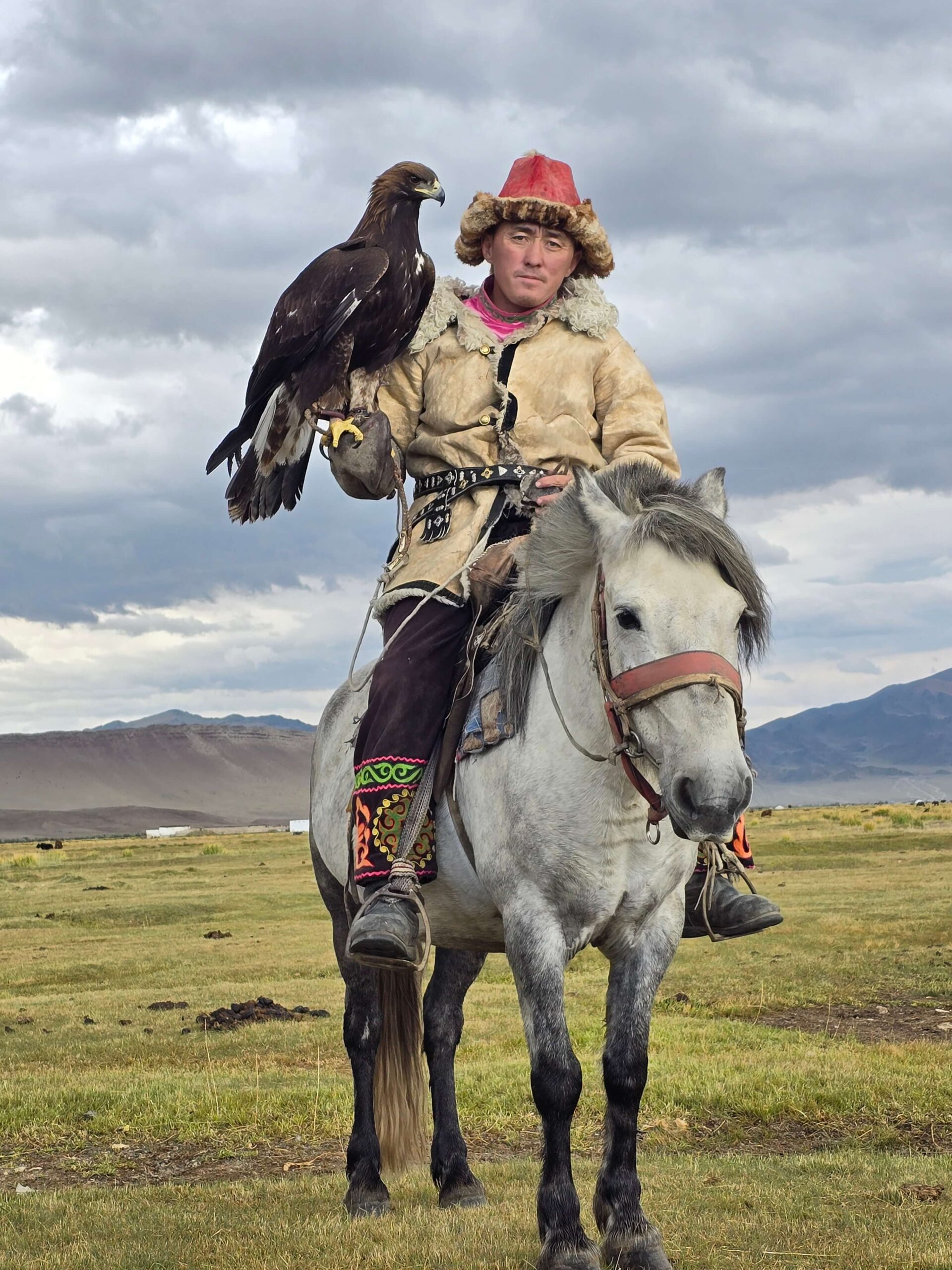
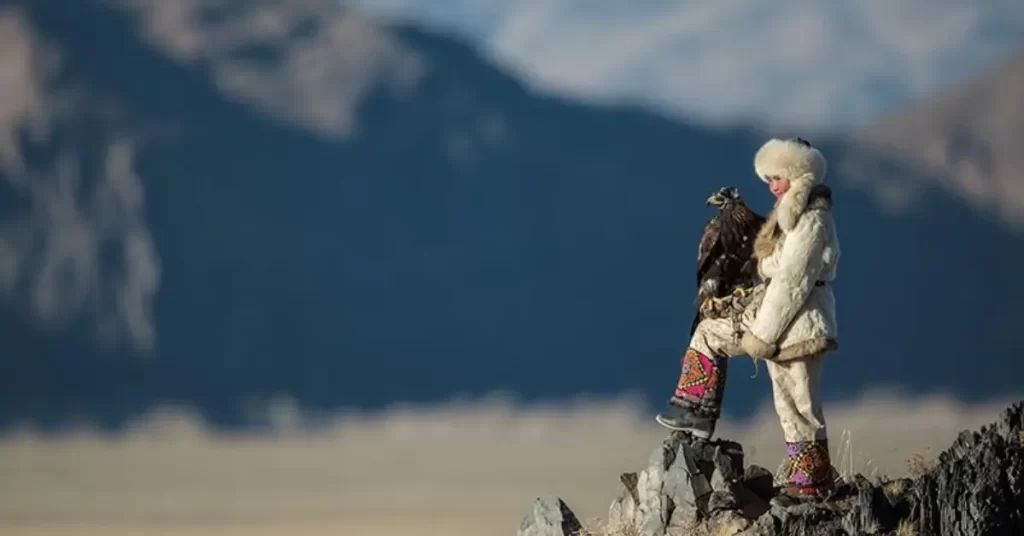
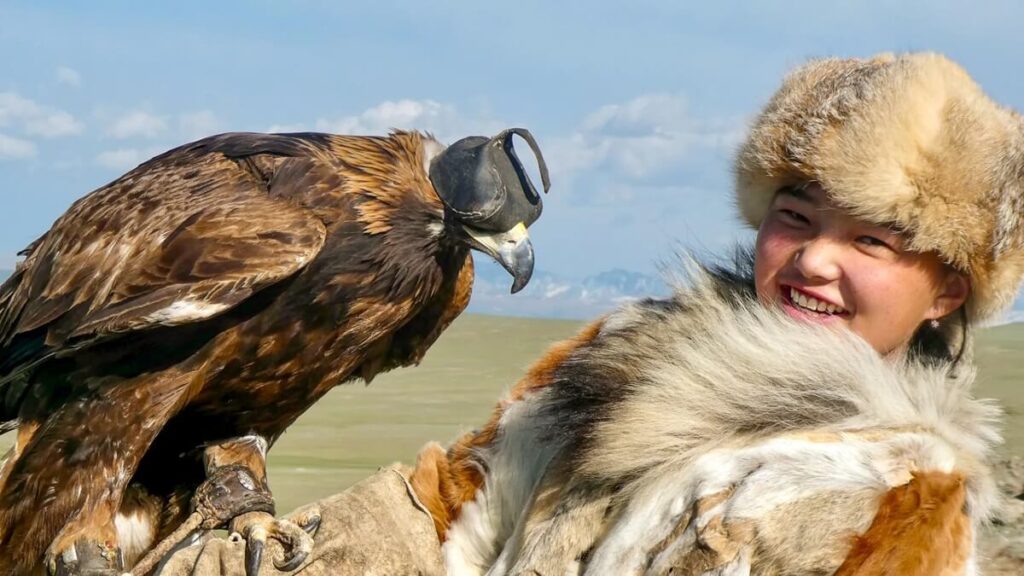
Yes — and for portrait work, the homestay outperforms the festival. Around 300 practising eagle hunters remain in Bayan-Ölgii, and many host photographers in their winter homes and gers. A home session means unhurried time: the hunter feeding and hooding the eagle, training calls across the valley, riding out at golden hour, and the family’s daily life — milking, felt-making, tea — in ambient light.
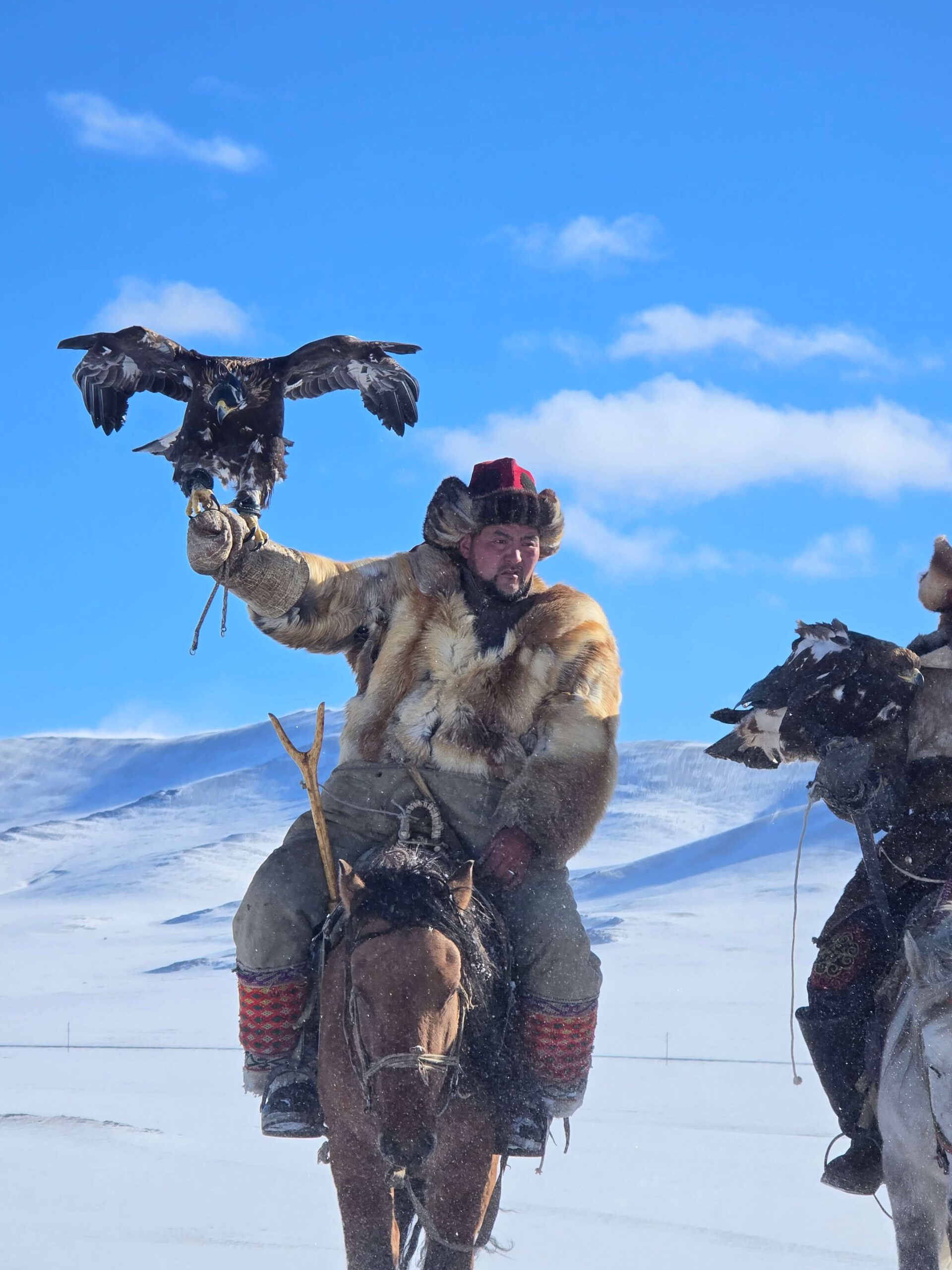
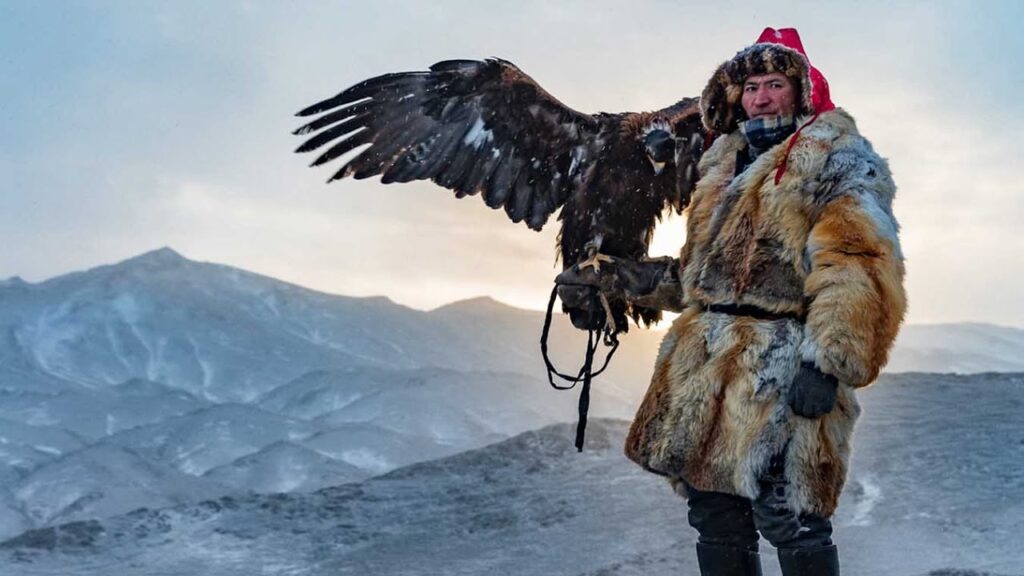
Winter visits add the element most portfolios lack. Between December and February hunters ride out with eagles across snow-covered valleys, fur clothing frosted, breath visible — the images that defined this genre were nearly all made on winter hunts. Working through a local guide matters here: sessions are arranged with families who genuinely hunt, the guide translates so you can direct poses respectfully, and your fee goes directly to the eagle-hunting household keeping the tradition alive. This is the model our Mongolia photography tours are built on — the difference between shooting a demonstration and documenting a working partnership between hunter and bird.
What Gear Should You Bring for Eagle Photography in Mongolia?
The Altai in October runs 0°C to −10°C, and winter hunts run far colder. Gear choices follow from that:
- Bodies: two if possible — one with a 100–400mm or 70–200mm f/2.8, one with a 24–70mm for portraits, gers and landscapes
- Long lens: 400mm equivalent covers the festival comfortably; 600mm is only necessary for wild-eagle work
- Batteries: cold drains lithium cells fast — carry 2–3 per body and keep spares in an inside pocket
- Cards and backup: the festival produces thousands of frames in two days; bring double your normal storage plus a backup drive
- Dust and cold protection: steppe wind carries fine dust — a rain cover doubles as a dust cover, and a lens cloth per day is not excessive
- Tripod: mostly no. Festival work is handheld and fast; a monopod earns its place only for long wild-eagle sessions
- Gloves with trigger fingers and glacier sunglasses — snow-glare at altitude is fierce even in autumn
Charging is straightforward in Ölgii hotels and available at most ger camps, but plan each day as if you will not charge until evening. For a deeper packing breakdown per season, our packing guide for the festival covers clothing layer by layer.
What Are the Ethics of Photographing Golden Eagles?
Wild golden eagles are legally protected across most of their range — in the United States, disturbing them carries penalties under dedicated federal law, and similar protections apply across Europe. The practical rules for wild birds are simple: never photograph at a nest, break off pursuit the moment a bird flushes, and treat baited setups with skepticism — a photograph should record behaviour, not manufacture it.
Kazakh eagle falconry sits inside its own ethical tradition, recognised by UNESCO as intangible cultural heritage. Hunters take only female eagles, partner with them for six to eight years, then ceremonially release them back to the wild to breed — no eagle is kept for life. Photographing this tradition supports it directly: festival ticket revenue funds the falconry association, and homestay fees keep young Kazakhs learning the craft. Ask before photographing family members, pay what was agreed without haggling after the fact, and if you plan drone flights, clear them first — drones are restricted at the festival because they panic the eagles mid-flight.
Suggested Tours:
Suggested Blogs:
Eagle Festival Packing List 2026: What to Wear in Olgii’s October Cold
The Mongolia Eagle Festival in Bayan-Ölgii runs in late September and early October at elevation 1,710 metres, where October average…Sagsai vs Golden Eagle Festival 2026: Which Mongolia Eagle Festival Should You Attend?
Mongolia hosts two distinct Kazakh eagle festivals each autumn in Bayan-Ölgii Province, the country’s western Kazakh-majority region. The Sagsai Golden…Burkitchi Apprenticeship: How a Kazakh Boy or Girl Becomes an Eagle Hunter
Becoming a Kazakh burkitchi (eagle hunter) is a years-long family apprenticeship, not a course or a profession one applies for…




What is the best lens for golden eagle photography?
For wild golden eagles, a 500–600mm prime or 200–600mm zoom is the realistic minimum — the birds rarely allow close approach. At Mongolia’s eagle festivals a 100–400mm covers everything, and even a 70–200mm produces full-frame images during the parade and calling events, because hunters and eagles work within metres of spectators.
When is the best time of year to photograph golden eagles in Mongolia?
Late September to early October for the festivals — Sagsai on September 17–18 and the main Golden Eagle Festival on October 3–4 in 2026 — with crisp light, snow-dusted peaks and every major hunter in one valley. December to February is the season for authentic winter hunting photography with fur-clad hunters in deep snow.
Can beginners photograph the Golden Eagle Festival?
Yes. The festival is the most forgiving eagle photography environment there is: subjects are close, action repeats across two days, and you can review and adjust between events. A mid-range camera with a 70–300mm kit zoom produces genuinely strong festival images if you work the light and positions.
How close can you get to the eagles at the festival?
Within a few metres. Hunters walk and ride among spectators between events, and many are happy to pose with their eagles — a short zoom and a polite request produce portrait opportunities no wild setting could ever allow.
Do you need a permit to photograph golden eagles in Mongolia?
No photography permit is needed for the festival or for sessions arranged with hunter families. Standard festival entry covers photography. Drone flights are the exception — they are restricted at the festival grounds and need clearance elsewhere, so ask your guide before flying.