
Khovd is a province in western Mongolia, between the Altai Mountains and the great lakes basin, often described as the country’s most ethnically diverse. Highlights include the Qing-era Sangiin Kherem fortress in Khovd city, the provincial museum, the Stone Age paintings of Tsenkher Cave, and Khar Us Nuur, a vast lake and wetland full of birds. Khovd is reached by domestic flight from Ulaanbaatar and combines easily with Bayan-Ölgii and the Altai.
Key Takeaways
- Location: western Mongolia, neighbouring Bayan-Ölgii, Uvs, Zavkhan and Govi-Altai
- People: Mongolia’s most diverse province, with Torguud, Zakhchin, Ööld, Uriankhai, Kazakhs and more
- Khovd city: Sangiin Kherem fortress, provincial museum, market
- Tsenkher Cave: Stone Age paintings about 100 km from Khovd city
- Khar Us Nuur: huge wetland lake for birdwatching
- Combine with: Bayan-Ölgii and Altai Tavan Bogd
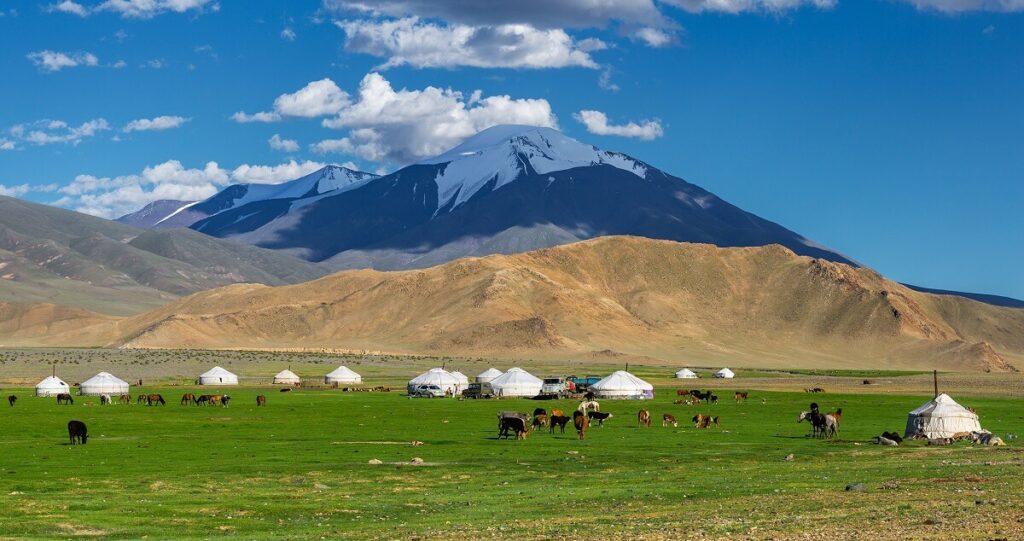
Khovd sits in the heart of western Mongolia, between the snowy Altai and the great lakes basin. It’s often called the most ethnically diverse province in the country, home to Kazakhs, Torguud, Zakhchin, Uriankhai, Dörvöd, Ööld, Myangad and other groups. With a Manchu-era fortress, ancient cave paintings and huge bird-filled lakes, Khovd deserves more than a quick stop. Here’s a guide to Khovd, Mongolia.
Khovd at a glance
- Capital: Khovd city (also spelled Hovd)
- Distance from Ulaanbaatar: roughly 1,400 km by road
- Neighbours: Bayan-Ölgii, Uvs, Zavkhan and Govi-Altai provinces, and China
- Known for: ethnic diversity, Khovd melons and watermelons, the Khovd River and the Altai
Things to do in Khovd city
Sangiin Kherem (Manchu fortress)
On the northern edge of town stand the mud walls of a Qing-dynasty fortress built in the 18th century, when Khovd was a military and trading post. Walking the old walls gives a sense of the city’s long history as a frontier town.
Khovd Provincial Museum
One of the best regional museums in western Mongolia, with ethnic costumes from the province’s many groups, Buddhist and Kazakh art, and a replica of the Tsenkher cave paintings.
Monastery, mosque and market
A large Buddhist monastery and a mosque serving the Kazakh community reflect Khovd’s mix of cultures. The local market is the place for dried fruit, dairy products and Khovd’s famous summer melons.

Top sights in Khovd province
Tsenkher Cave (Tsenkheriin Agui)
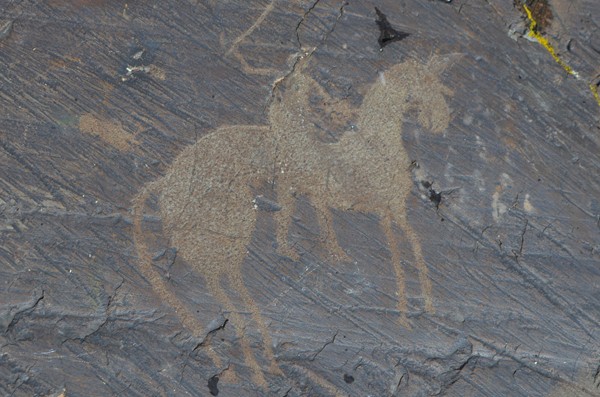
About 100 km south-east of Khovd city, this large cave holds red-ochre paintings believed to date back to the Stone Age, showing animals such as ibex, deer and birds. Sadly, some of the art has been damaged by graffiti, and the site is now within a protected area. Bring a torch. For more Altai rock art, see Altai petroglyphs and Deer cave paintings of Mongolia.
Khar Us Nuur National Park
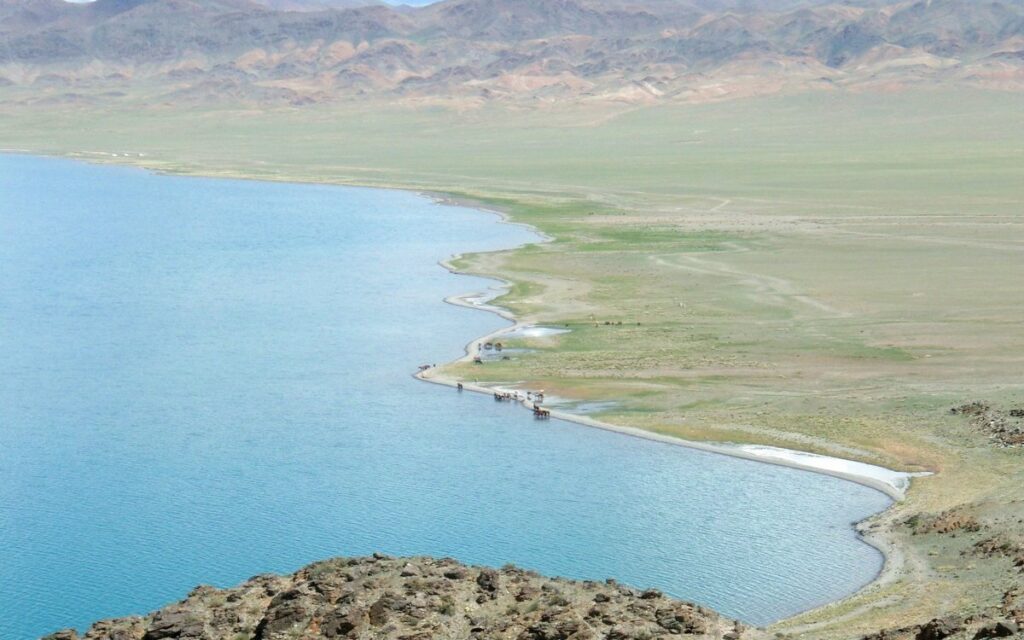
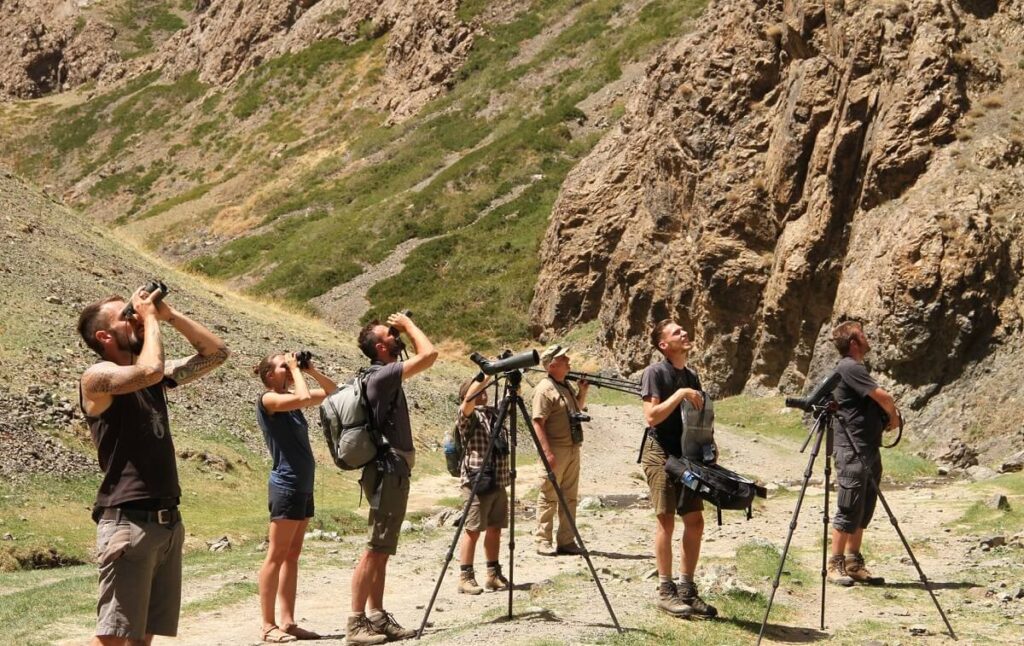
Khar Us Nuur is one of Mongolia’s largest lakes, a vast marshy delta with reed islands, wild ducks, geese and many other waterbirds. It’s a superb place for birdwatching, especially during migrations.
Khovd River
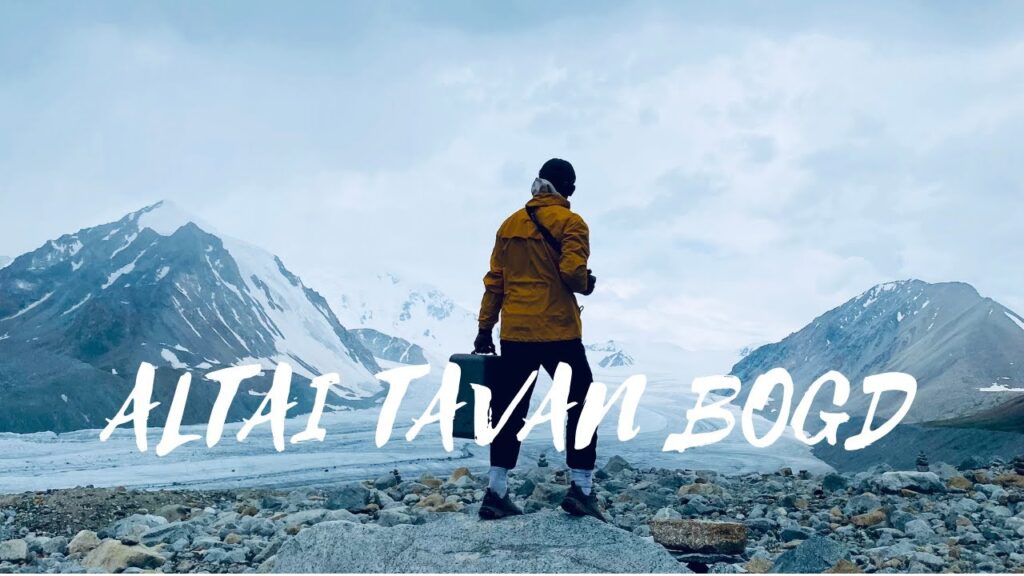
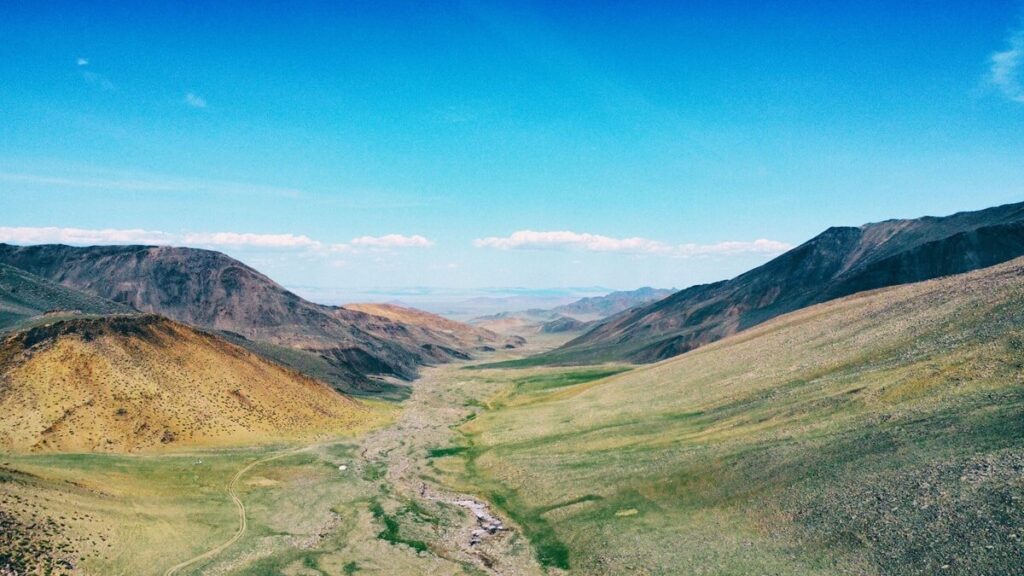
Rising from the lakes of Altai Tavan Bogd in Bayan-Ölgii, the Khovd River flows through the province towards the great lakes. Its valley offers riverside camping and fishing. See Khoton and Khurgan lakes, where the river begins.
Mönkh Khairkhan and Tsambagarav
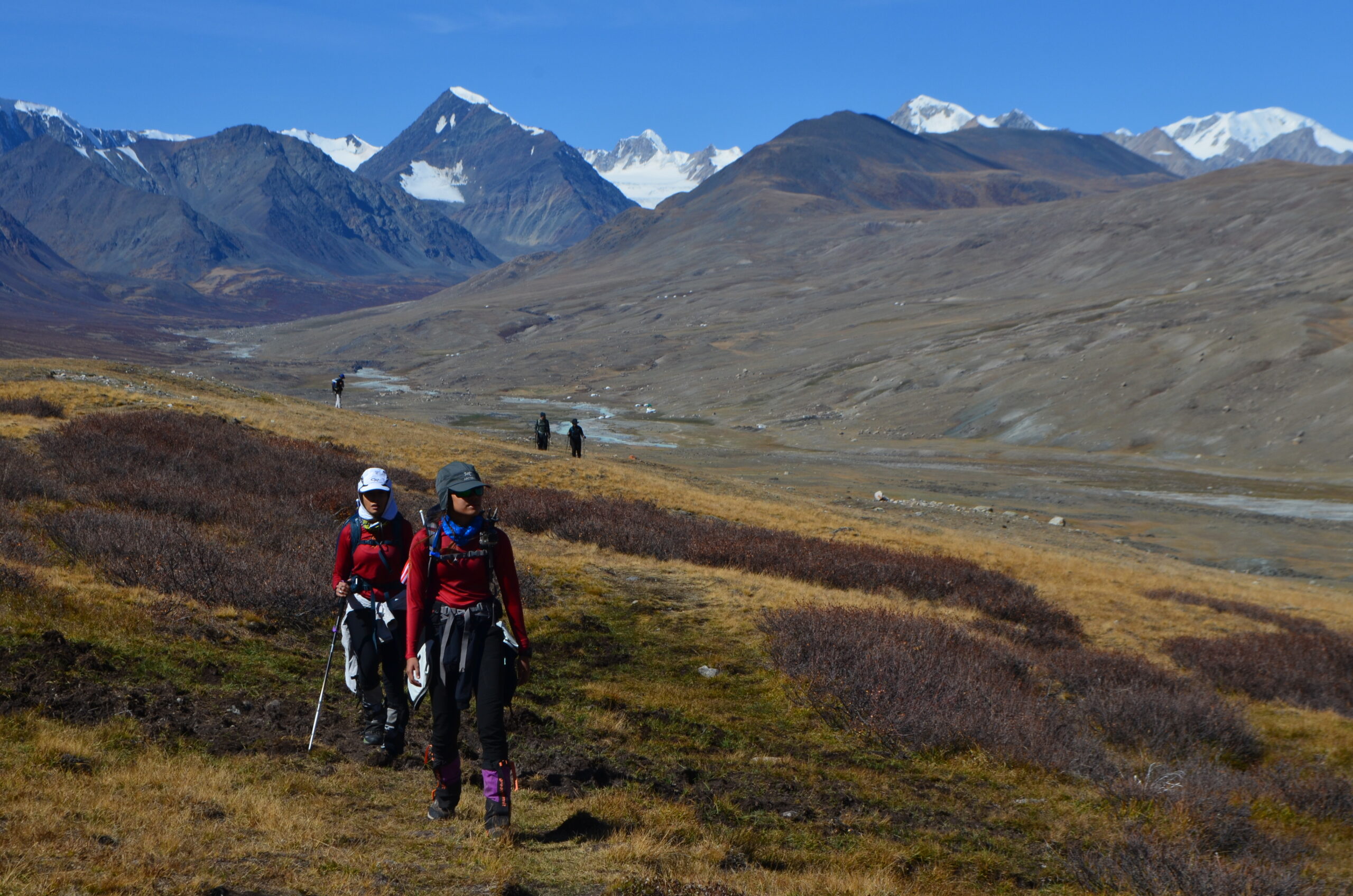
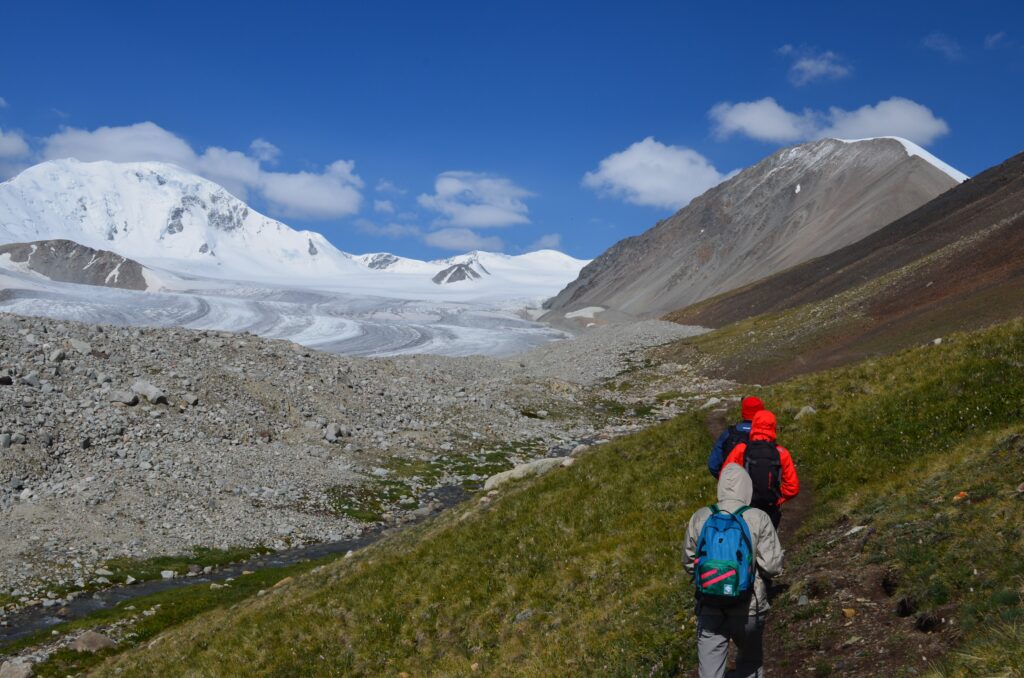
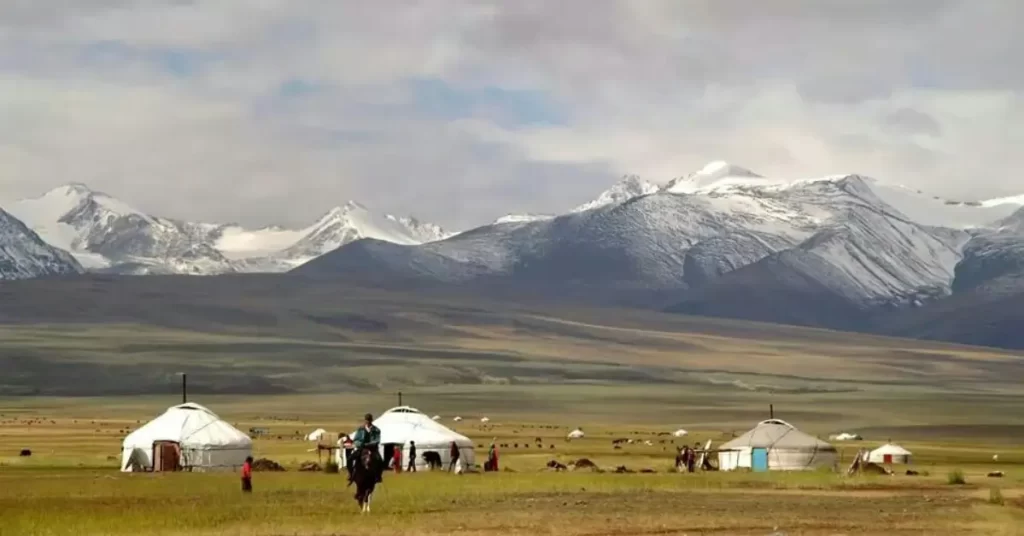
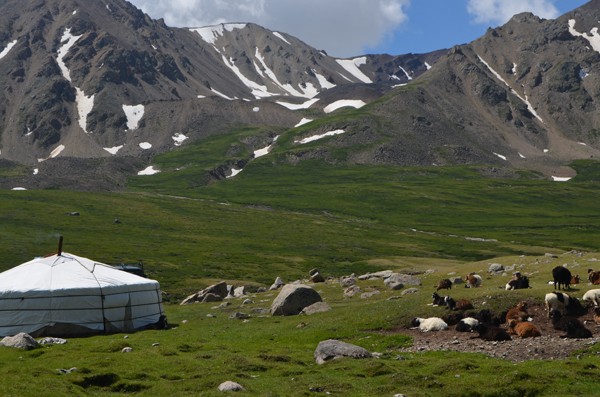
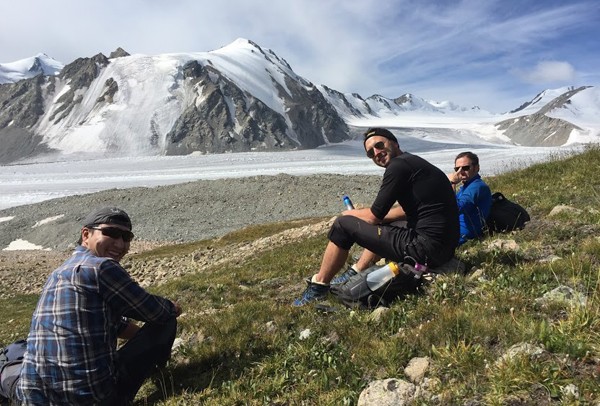
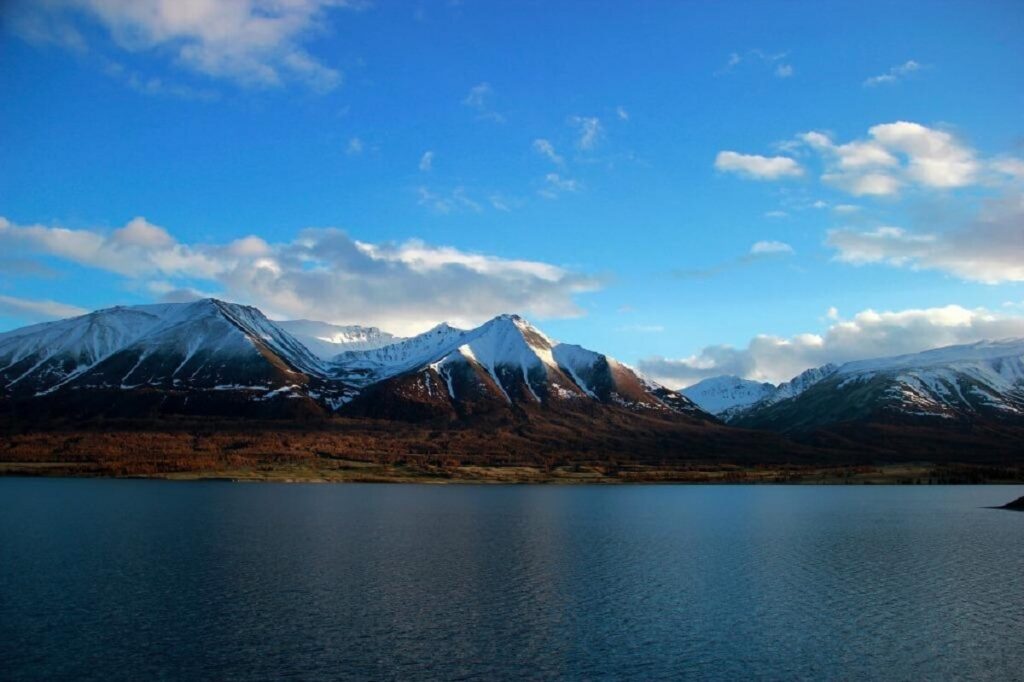
Khovd shares spectacular glaciated mountains with its neighbours, including Mönkh Khairkhan, one of Mongolia’s highest peaks, and the Tsambagarav massif on the Bayan-Ölgii border. See Munkh Khairkhan and Tsambagarav Mountain.
Ethnic diversity in Khovd
Khovd’s population includes Khalkha Mongols, western Mongol (Oirat) groups such as the Torguud, Zakhchin, Ööld and Dörvöd, as well as Uriankhai, Myangad, Khoton and a significant Kazakh community. Each has its own dialect, dress and traditions, which makes Khovd a fascinating place for cultural travel.
How to get to Khovd
- By air: domestic flights connect Ulaanbaatar with Khovd airport (about 3–3.5 hours).
- By road: long-distance buses and private 4x4s. The trip takes a long day or more by bus, and several days with sightseeing.
- From Ulgii: Khovd and Ulgii are connected by road, making it easy to combine the two.
Best time to visit
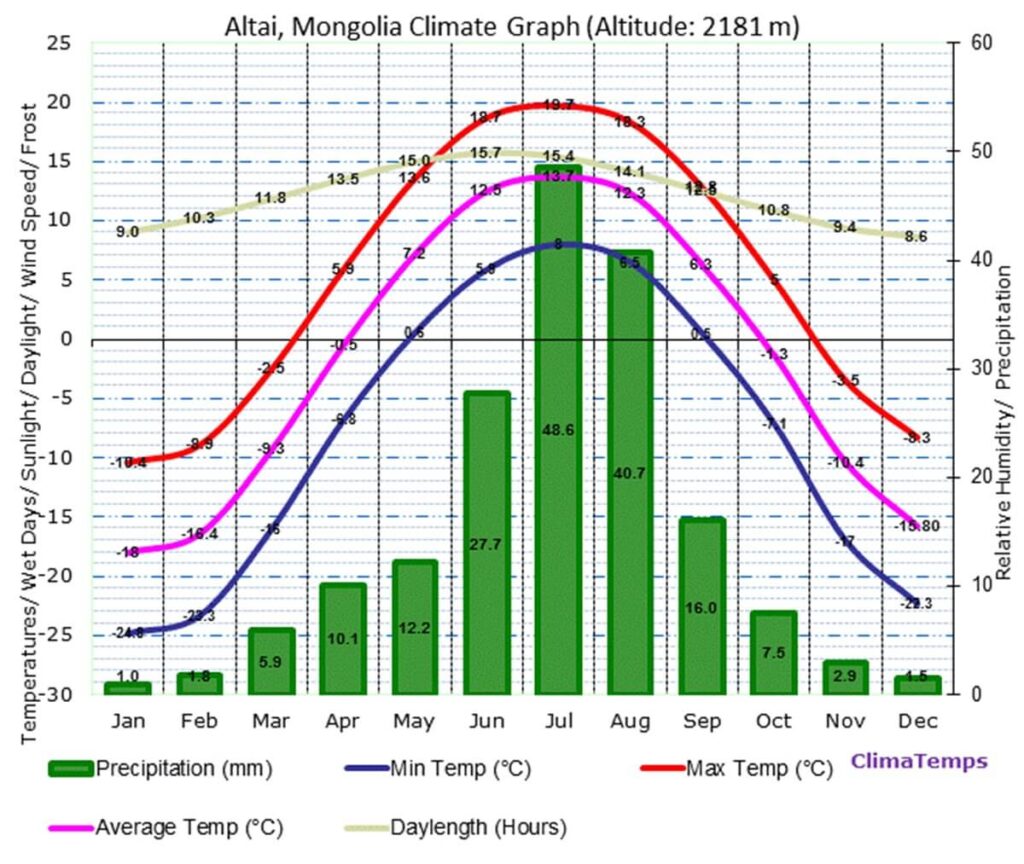
June to September for mild weather and access to lakes and mountains. Late summer is melon season. Winters are long and very cold.
Khovd and the Altai: a natural combination
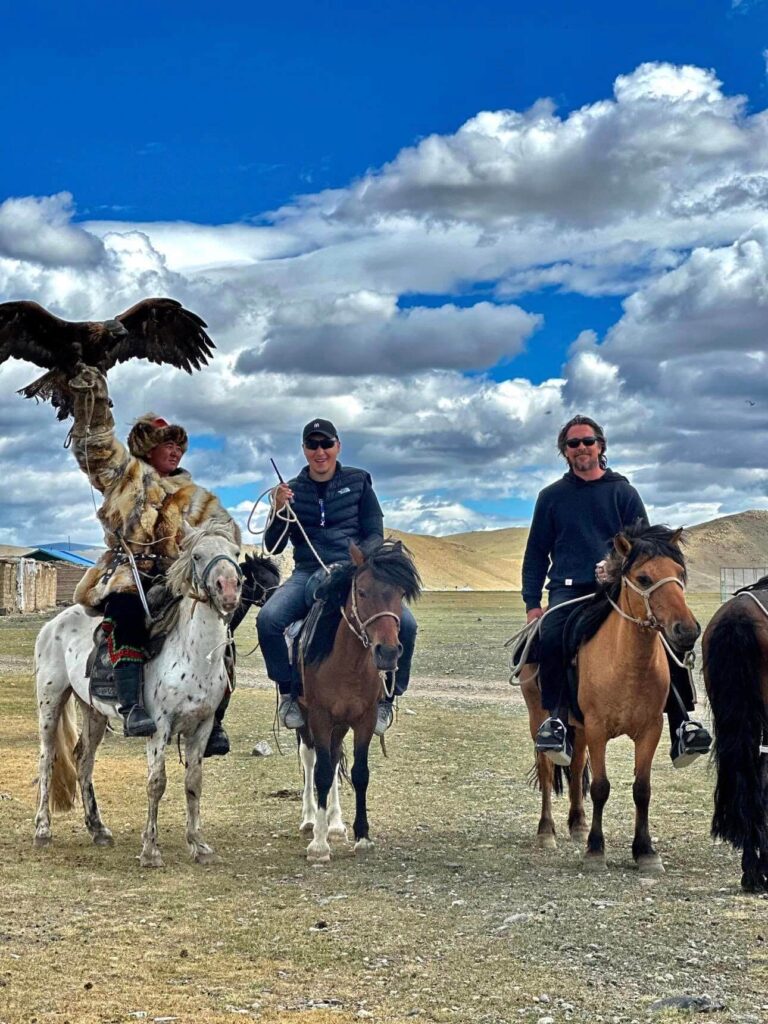
Many travellers fly into Ulgii, explore Altai Tavan Bogd and the eagle hunter families, then drive south-east through Khovd to see Tsenkher Cave and Khar Us Nuur before flying back from Khovd city. It’s a great route for overland journeys like our self-drive tour.
Want to combine Khovd with the Altai? Contact Discover Altai for a custom route.
Suggested Tours:
Suggested Blogs:
Ulgii Weather: A Month-by-Month Guide to Bayan-Ölgii’s Climate
Ölgii (Ulgii) sits at about 1,700 m in a dry valley of the Altai, with a cold semi-arid continental climate…Altai Mountains: Russia vs Mongolia. Which Side Should You Visit?
The Altai Mountains span Russia, Mongolia, China and Kazakhstan. The Russian Altai has green forested valleys, rivers, Belukha (4,506 m,…Does Mongolia Border Kazakhstan? Travelling Between Kazakhstan and Western Mongolia
Mongolia and Kazakhstan do not share a border. At their closest point in the Altai Mountains they are separated by…

What is Khovd known for?
Khovd is known for its ethnic diversity, the Qing-era Sangiin Kherem fortress, the Tsenkher Cave paintings, Khar Us Nuur lake and its summer melons.
How do I get to Khovd?
Domestic flights connect Ulaanbaatar and Khovd in about 3–3.5 hours. Long-distance buses and private 4x4s also make the journey overland.
Is Tsenkher Cave worth visiting?
Yes, for those interested in prehistory, although some of the paintings have been damaged by graffiti. Bring a torch and visit with a local guide.
Can I combine Khovd with the Altai Mountains?
Yes. Many travellers fly into Ölgii, explore Altai Tavan Bogd, then drive to Khovd and fly back to Ulaanbaatar from there.