
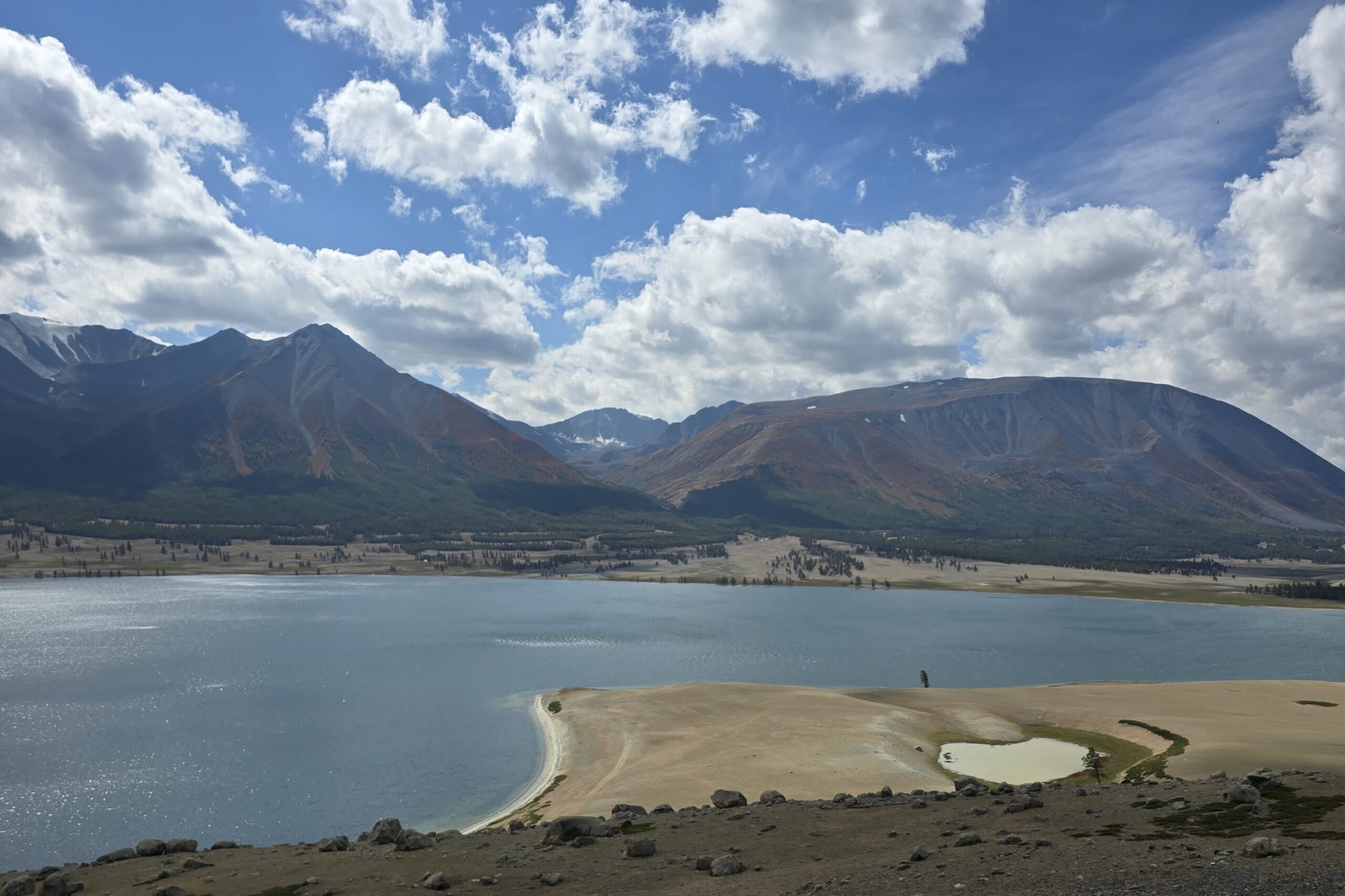
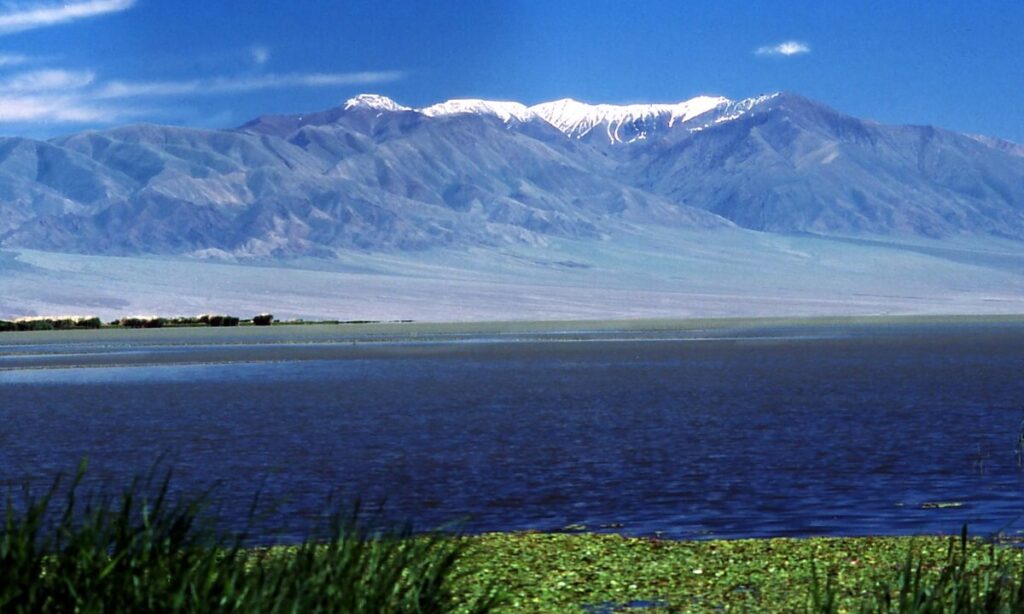
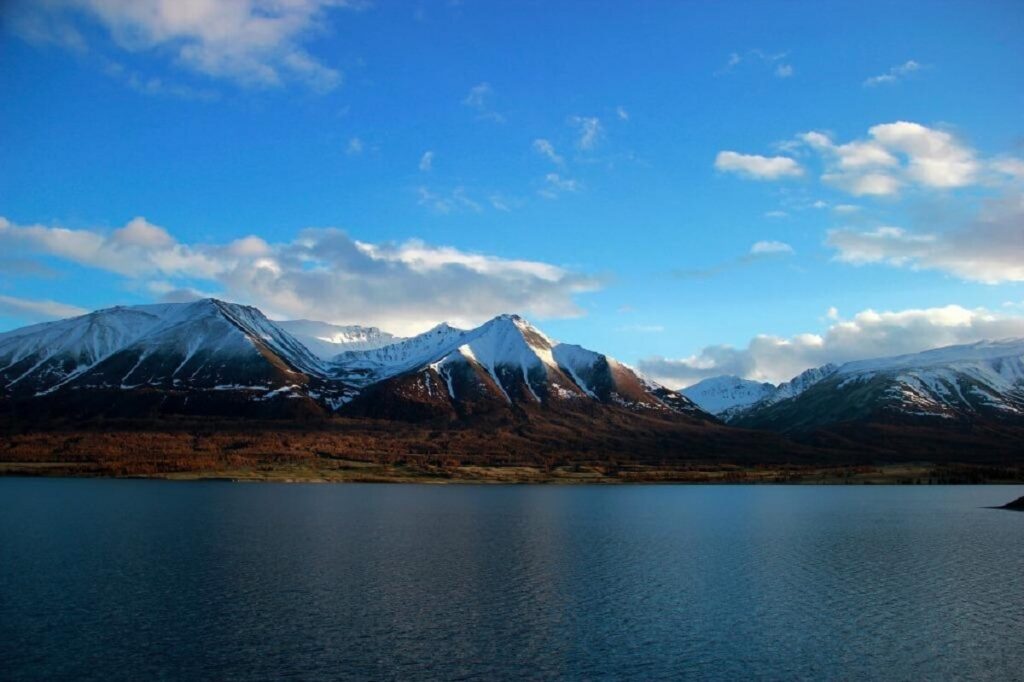
Uvs Lake (Uvs Nuur) is Mongolia’s largest lake by surface area, roughly 3,350 km². It is a shallow, very salty lake in north-western Mongolia near the Russian border, and the heart of the Uvs Nuur Basin UNESCO World Heritage Site, inscribed in 2003 and shared with Russia’s Tuva Republic. The basin combines desert, steppe, taiga and alpine landscapes and is important for migrating birds. The gateway town is Ulaangom, and the best time to visit is late May to early October.
Key Takeaways
- Size: Mongolia’s largest lake by area, about 3,350 km²
- Water: shallow and very salty, in an enclosed basin
- UNESCO: Uvs Nuur Basin World Heritage Site (2003), shared with Russia
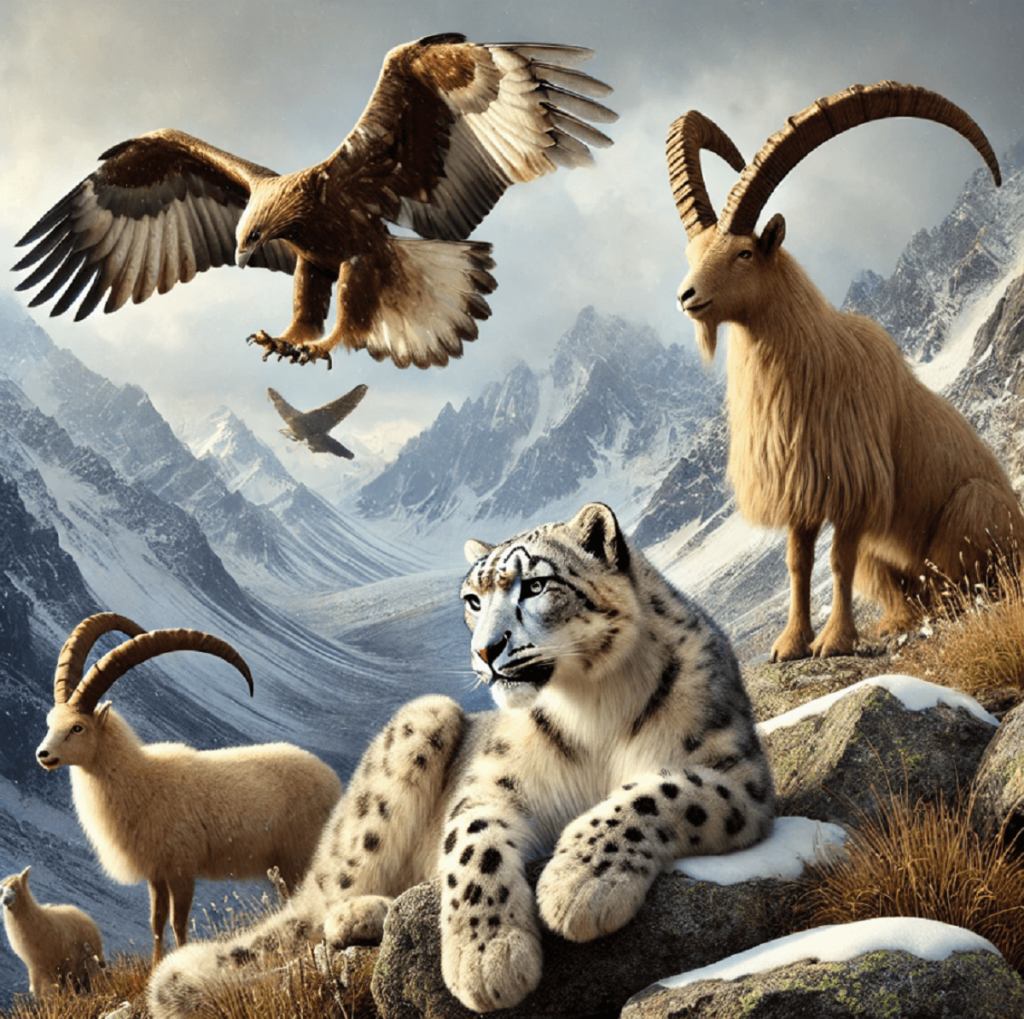
- Wildlife: migrating waterbirds, plus snow leopards, argali and ibex in the mountains
- Access: fly or drive to Ulaangom, then go by 4×4
- Best season: late May to early October. Winters are extremely cold.
In the far north-west of Mongolia, near the Russian border, lies a lake so big it looks like a sea. Uvs Lake (Uvs Nuur) is Mongolia’s largest lake by surface area, and the centrepiece of a UNESCO World Heritage Site that brings together deserts, steppe, forests and glaciers in a single basin. Here’s everything you need to know about visiting Uvs Lake in Mongolia.
Uvs Lake facts
- Location: Uvs province, north-western Mongolia, near the border with Russia’s Tuva Republic
- Size: Mongolia’s largest lake by area, roughly 3,350 km²
- Water: shallow and very salty. No rivers flow out of the basin.
- Nearest town: Ulaangom, the provincial capital
- Status: part of the Uvs Nuur Basin UNESCO World Heritage Site, inscribed in 2003 and shared with Russia
Note: Uvs is the largest lake by area, but Khövsgöl is Mongolia’s largest freshwater lake by volume.
Why the Uvs Nuur Basin is special
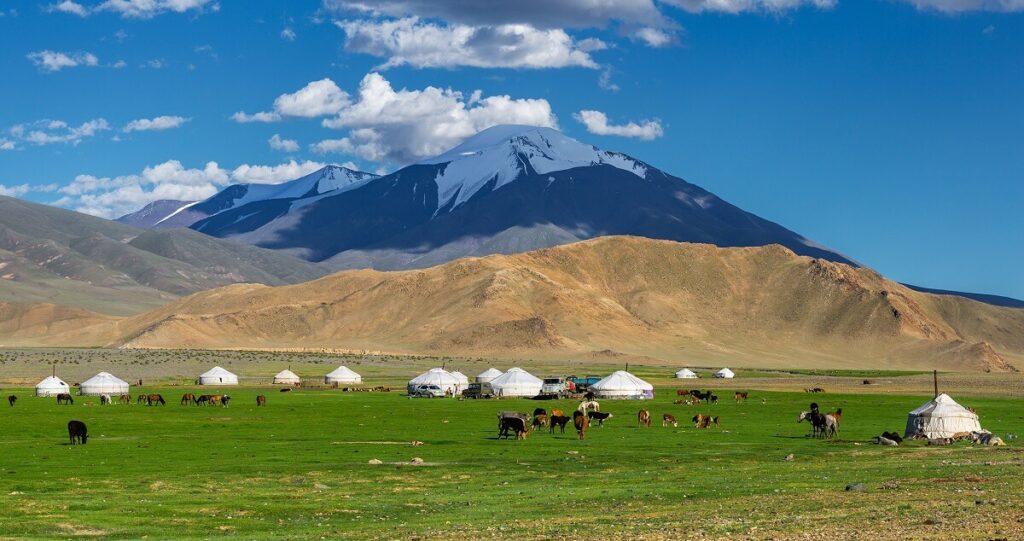
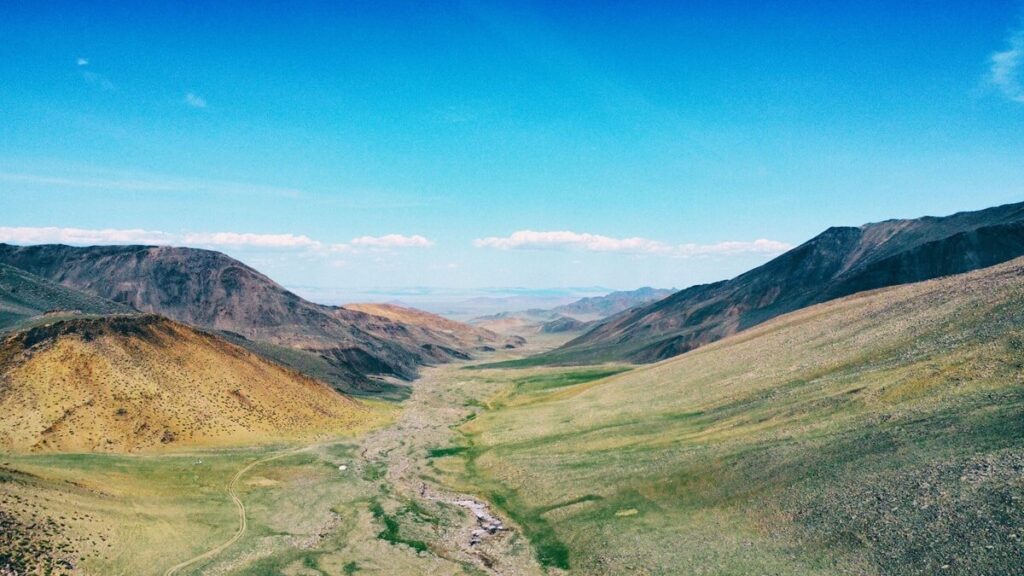
UNESCO describes the basin as the northernmost of Central Asia’s great enclosed basins. Within a relatively small area you find:
- Salt lake and wetlands
- Sand dunes and semi-desert
- Steppe grasslands
- Taiga forest
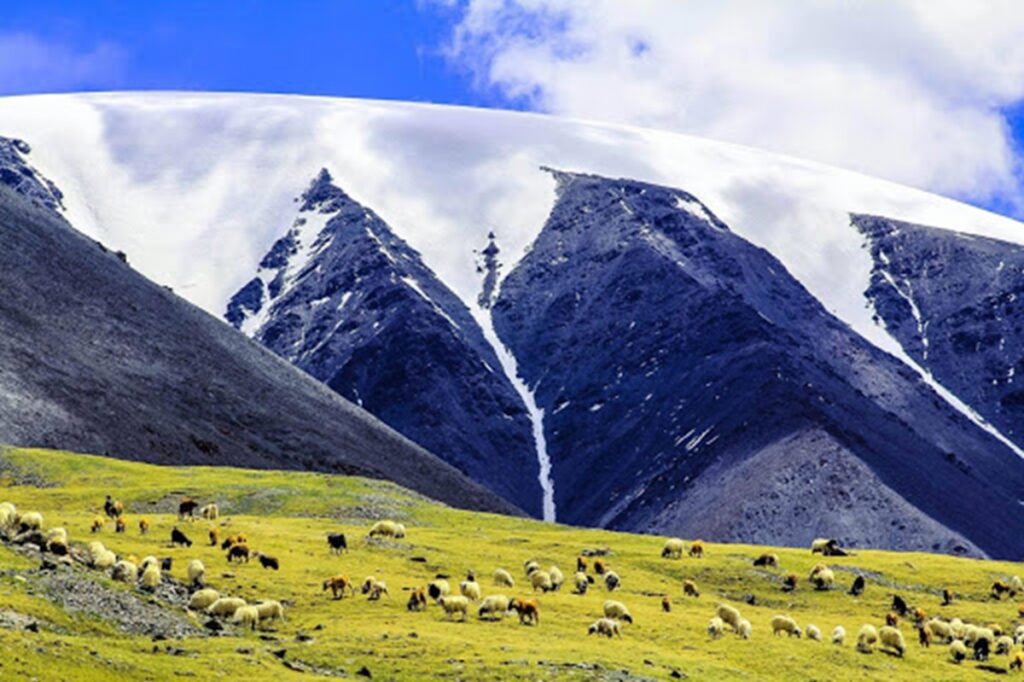
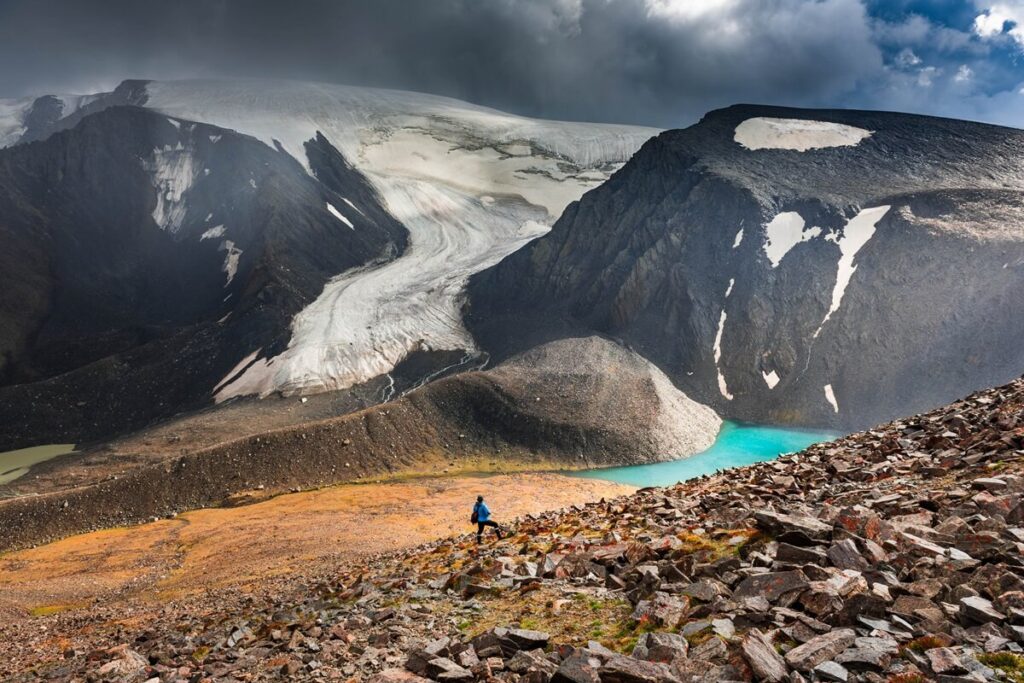
- Alpine tundra and snow-capped peaks
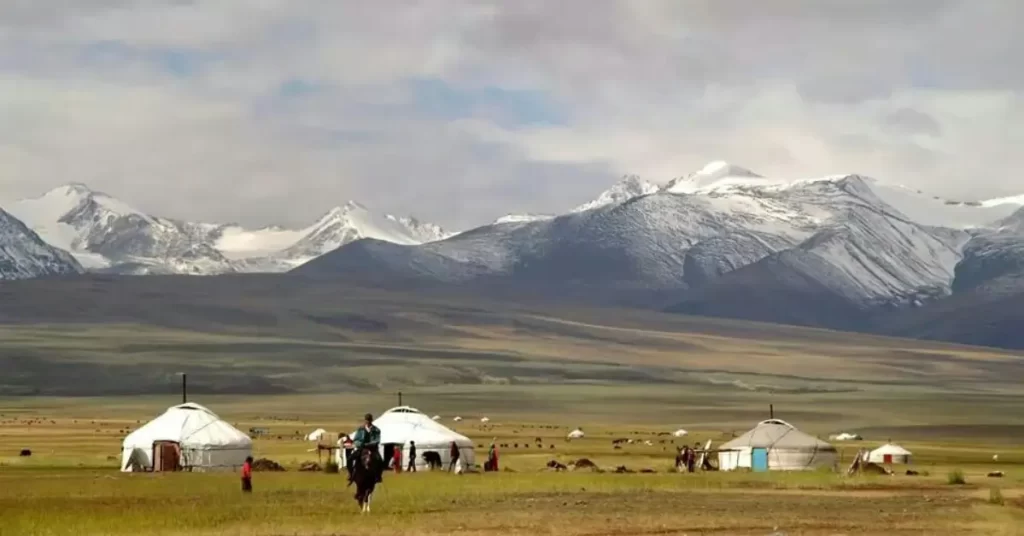
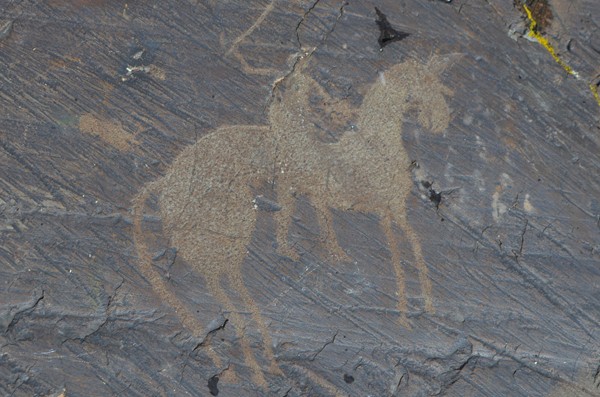
This mosaic supports remarkable wildlife: migrating waterbirds and seabirds at the lake, and snow leopards, argali sheep and Siberian ibex in the mountains, as well as gerbils, jerboas and marbled polecats in the desert areas. The basin is also rich in burial mounds and archaeological sites from successive nomadic peoples.

Things to do at Uvs Lake
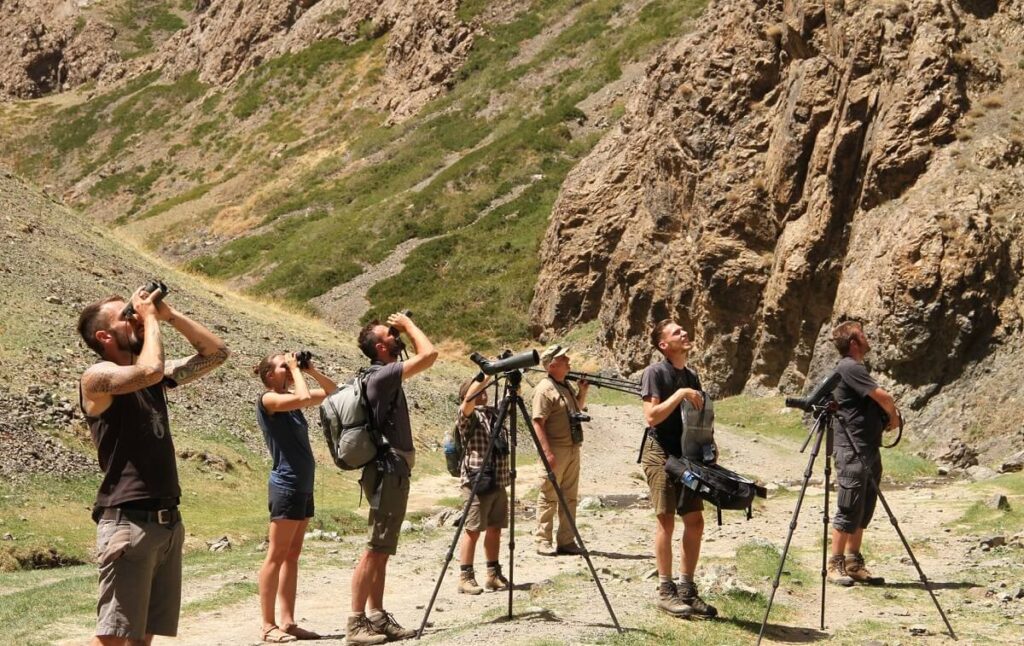
- Birdwatching: spring and autumn migrations bring huge numbers of waterbirds. See Birdwatching in the Altai.
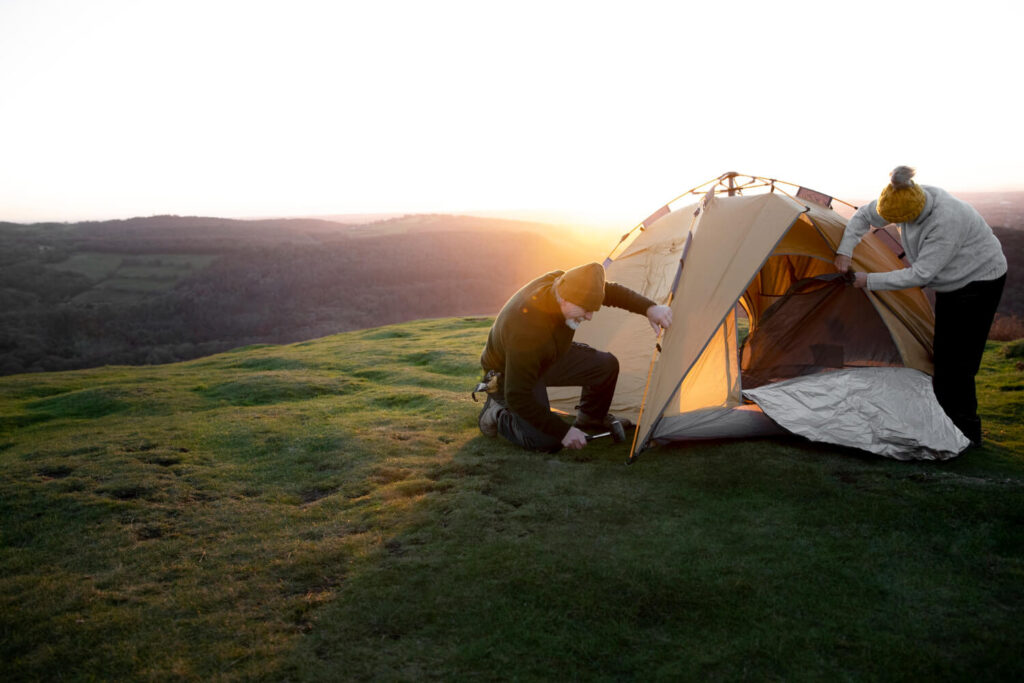
- Lakeside camping: vast horizons, sunsets and almost no other people.
- Swimming: possible in summer, though the water is very salty.
- Sand dunes: explore the dunes found in parts of the basin.
- Nomad visits: Dörvöd and Khoton herders live in the province.
- Ulaangom: the regional museum and local markets.
How to get to Uvs Lake
- By air: domestic flights connect Ulaanbaatar with Ulaangom.
- By road: Ulaangom is roughly 1,400 km from Ulaanbaatar. Long-distance buses take about a day, and driving takes several days.
- From Ulaangom to the lake: a 4×4 drive. The lake is large and its shores remote, so a local driver is essential.
Best time to visit
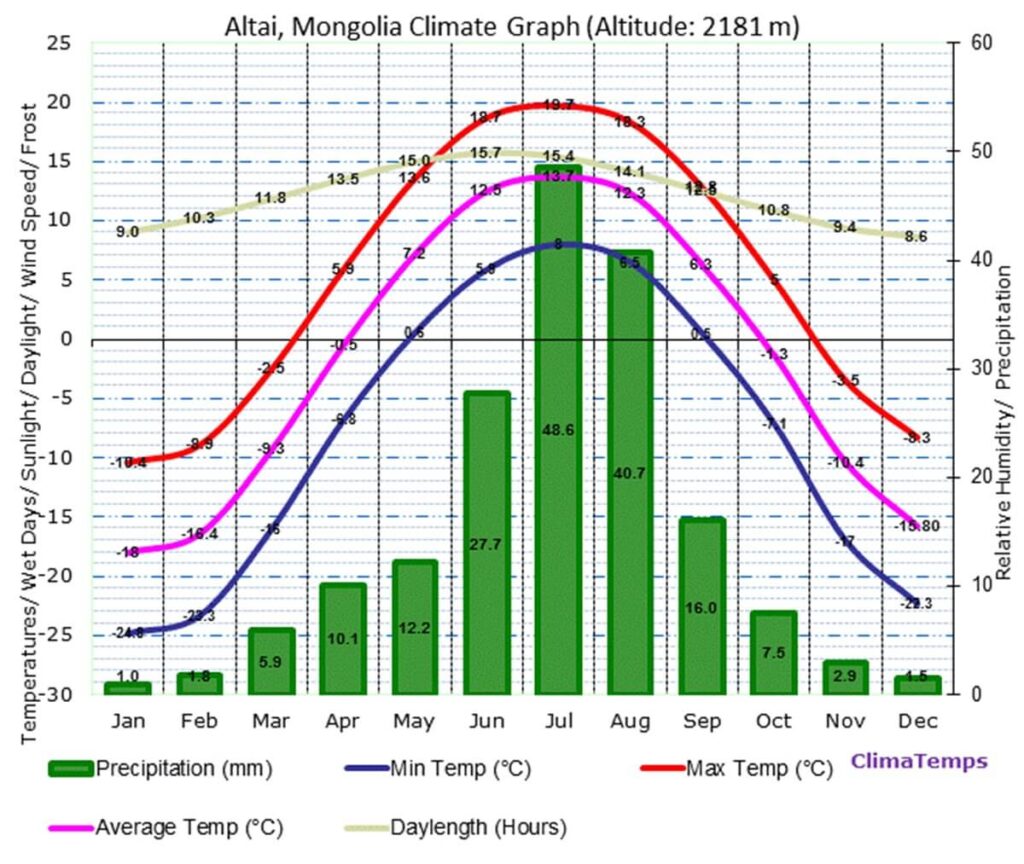
Late May to early October. Summer is warm, though mosquitoes can be present near wetlands. Spring and autumn bring bird migrations. Winter is extremely cold: Uvs is known as one of Mongolia’s coldest provinces, with January minimums far below -30°C.
Combining Uvs Lake with the Altai
Uvs and Bayan-Ölgii are neighbours, which makes a classic western Mongolia loop possible:
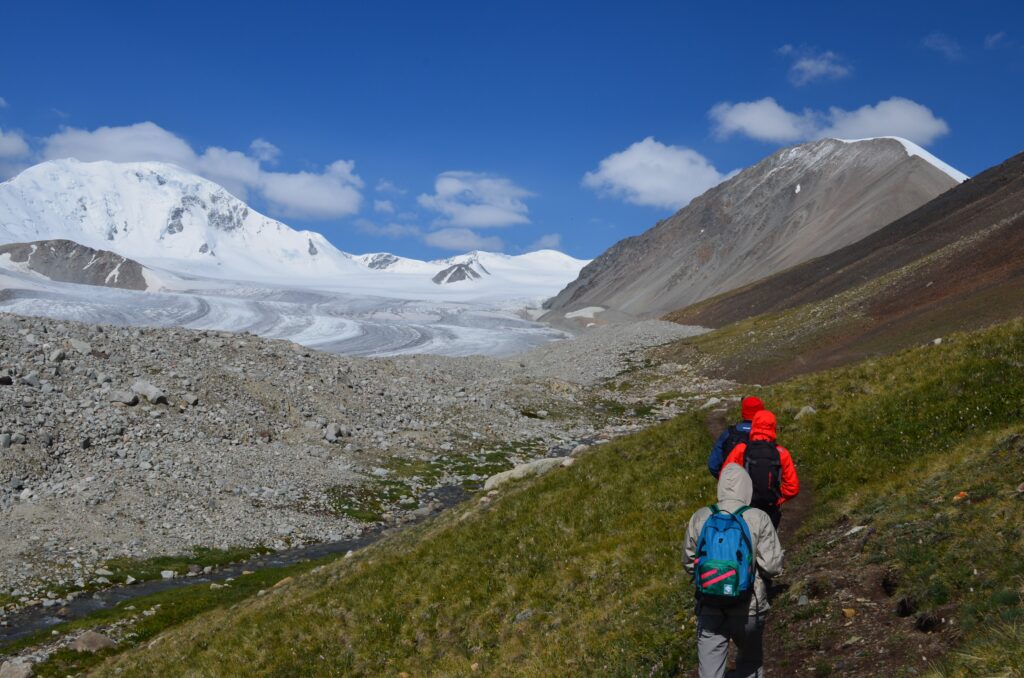
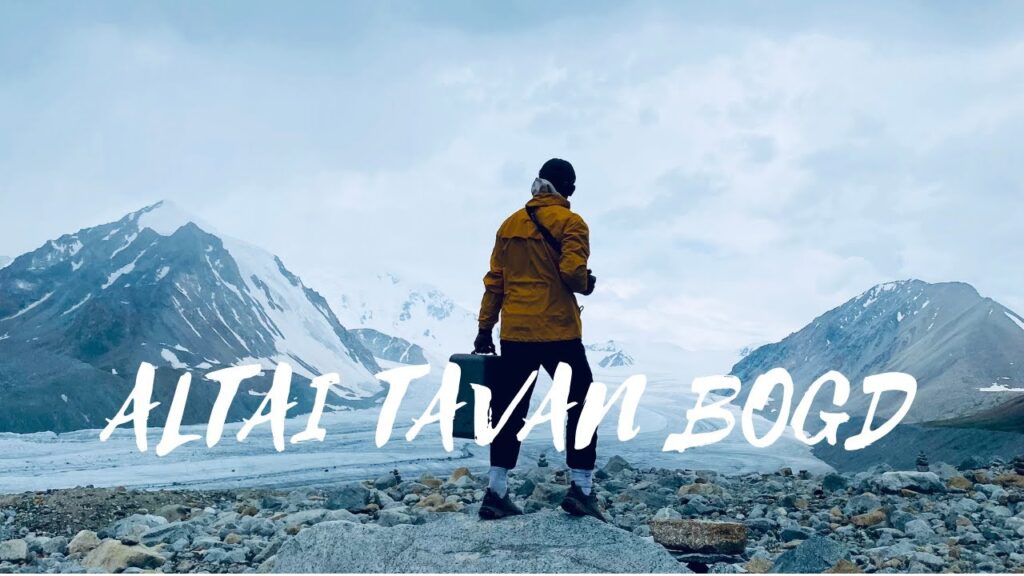
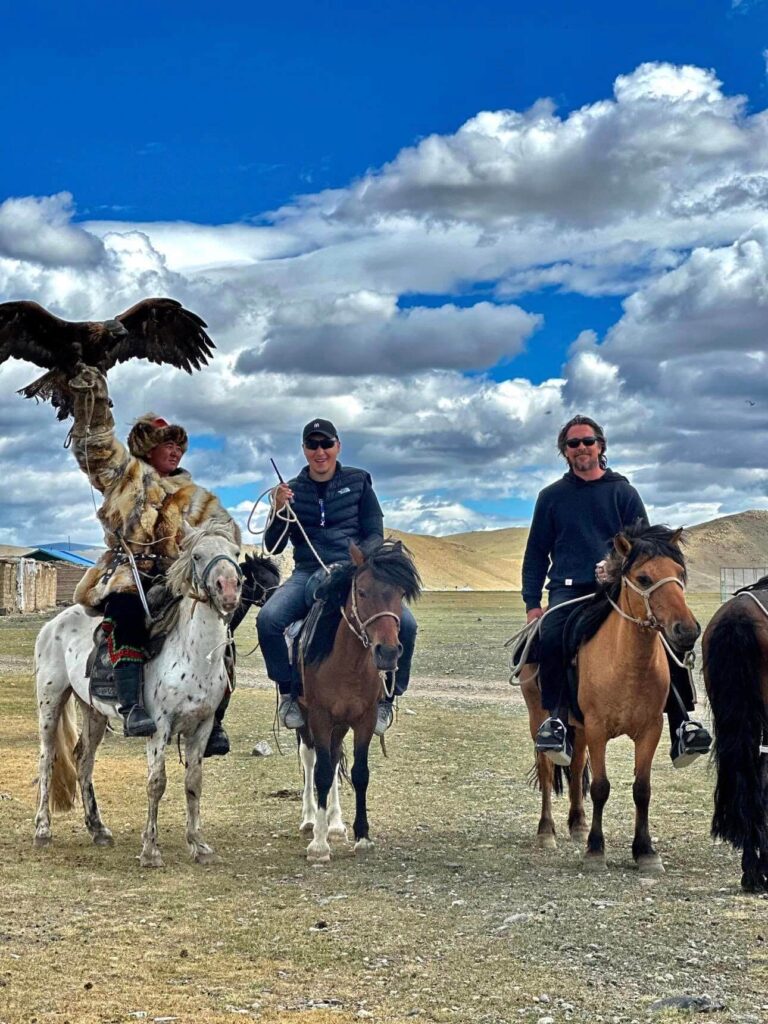
- Fly to Ulgii and explore Altai Tavan Bogd and the eagle hunter families
- Drive north-east to Achit Lake (see Achit Lake), then on to Uvs Lake
- Fly back to Ulaanbaatar from Ulaangom
Or include Uvs on an overland adventure like our self-drive tour or motorcycle tour.
Practical tips
- Carry enough water and fuel. Services around the lake are minimal.
- Bring insect repellent for summer evenings near wetlands.
- Protect the shoreline: camp away from nesting areas and carry out all waste.
- Check border zone rules if travelling close to the Russian frontier.
Want to add Uvs Lake to your Altai trip? Contact Discover Altai and we’ll design a route through western Mongolia’s mountains and lakes.

Suggested Tours:
Suggested Blogs:
Ulgii Weather: A Month-by-Month Guide to Bayan-Ölgii’s Climate
Ölgii (Ulgii) sits at about 1,700 m in a dry valley of the Altai, with a cold semi-arid continental climate…Altai Mountains: Russia vs Mongolia. Which Side Should You Visit?
The Altai Mountains span Russia, Mongolia, China and Kazakhstan. The Russian Altai has green forested valleys, rivers, Belukha (4,506 m,…Does Mongolia Border Kazakhstan? Travelling Between Kazakhstan and Western Mongolia
Mongolia and Kazakhstan do not share a border. At their closest point in the Altai Mountains they are separated by…

Is Uvs Lake the largest lake in Mongolia?
Yes, by surface area. Khövsgöl Lake holds far more water and is Mongolia’s largest freshwater lake by volume.
Can you swim in Uvs Lake?
Yes, in summer, but the water is very salty, which some swimmers find uncomfortable.
How do I get to Uvs Lake?
Fly or drive from Ulaanbaatar to Ulaangom, the capital of Uvs province, then continue to the lake by 4×4 with a local driver.
Can I combine Uvs Lake with the Altai?
Yes. Uvs borders Bayan-Ölgii, so a loop through Altai Tavan Bogd, Achit Lake and Uvs Lake is a classic western Mongolia route.