Where Is Mongolia Located? A Complete Guide for Travelers and Geography Lovers
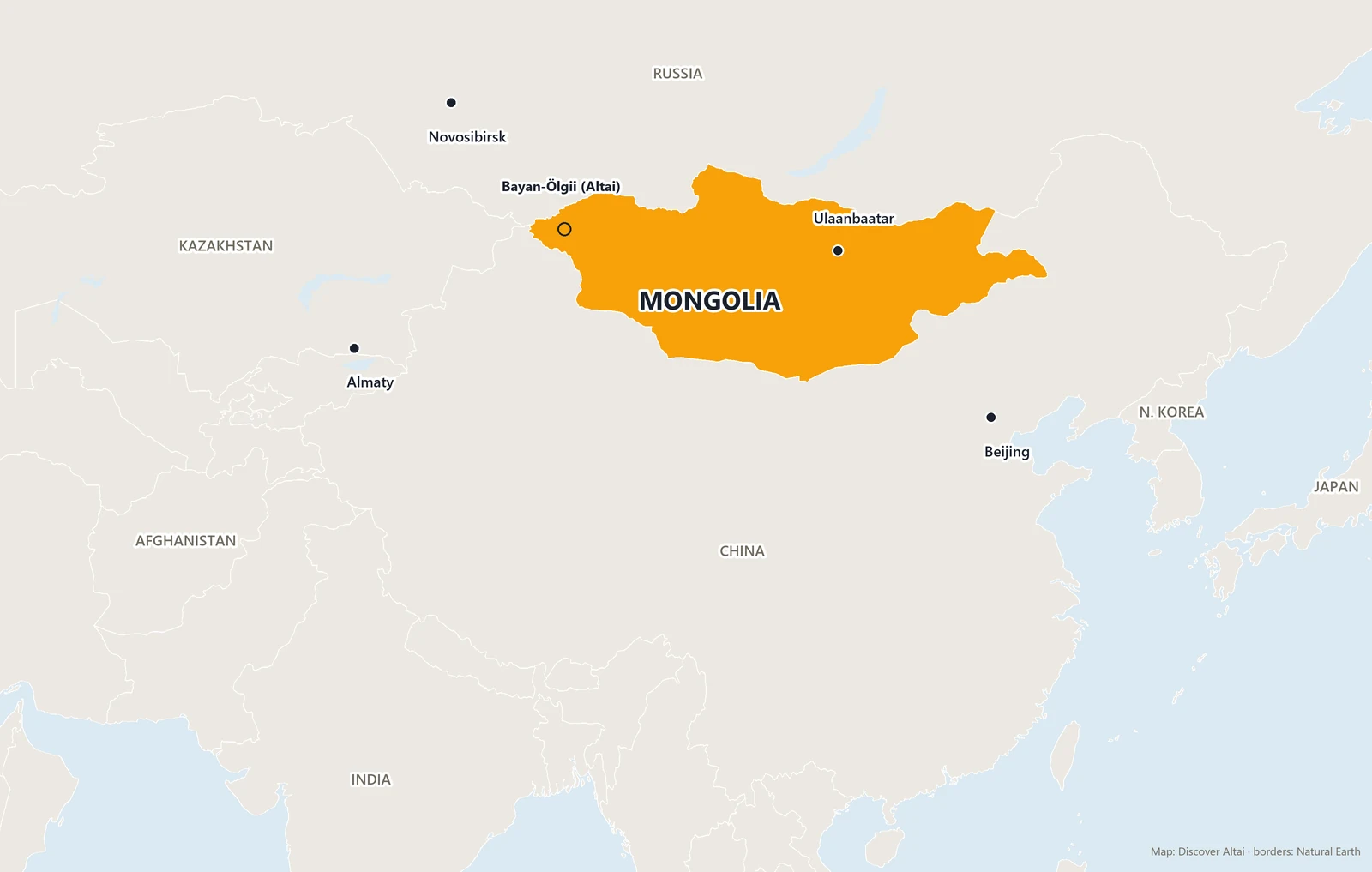
Where is Mongolia located is one of the most common questions travelers and geography fans ask. Mongolia is a landlocked nation positioned in the heart of Asia, situated strategically between Russia to the north and China to the south. With its immense size, rich landscapes, and unique climate, Mongolia stands out as one of the most extraordinary countries in the world.
Ranked 18th largest in the world, Mongolia spans 1.5 million sq. km (604,000 sq. miles). To help visualize this, the total land area is bigger than Spain, France, and Italy combined. Despite its massive territory, Mongolia has only 3.3 million inhabitants, making it the least densely populated country on the planet.

Where Is Mongolia Located on the World Map?
Mongolia is located between Russia to the north and China to the south in East Asia. With a population of about 3.5 million, it is the world’s most sparsely populated sovereign state.
The country covers an area of 1,564,116 km² (603,909 sq mi), making it the world’s 18th-largest country. It mostly lies between latitudes 41° and 52°N and longitudes 87° and 120°E.
It is the second-largest landlocked country after Kazakhstan, with its closest point to any ocean sitting about 645 km (401 mi) from its easternmost tip at China’s Bohai Sea coast. To explore how close the territory comes to other nations, read Does Mongolia border Kazakhstan?.
Map of Mongolia: Geography and Key Regions
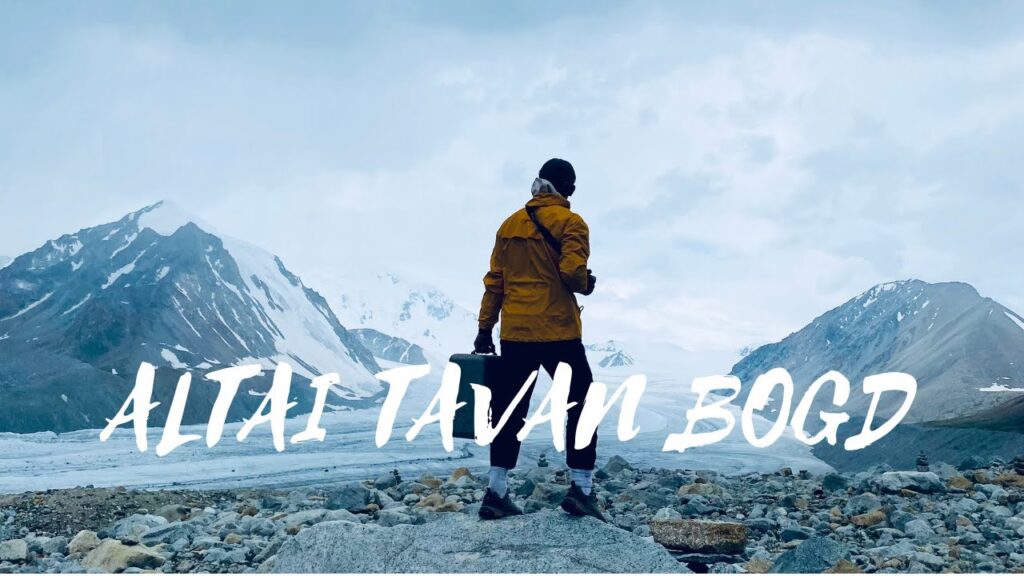
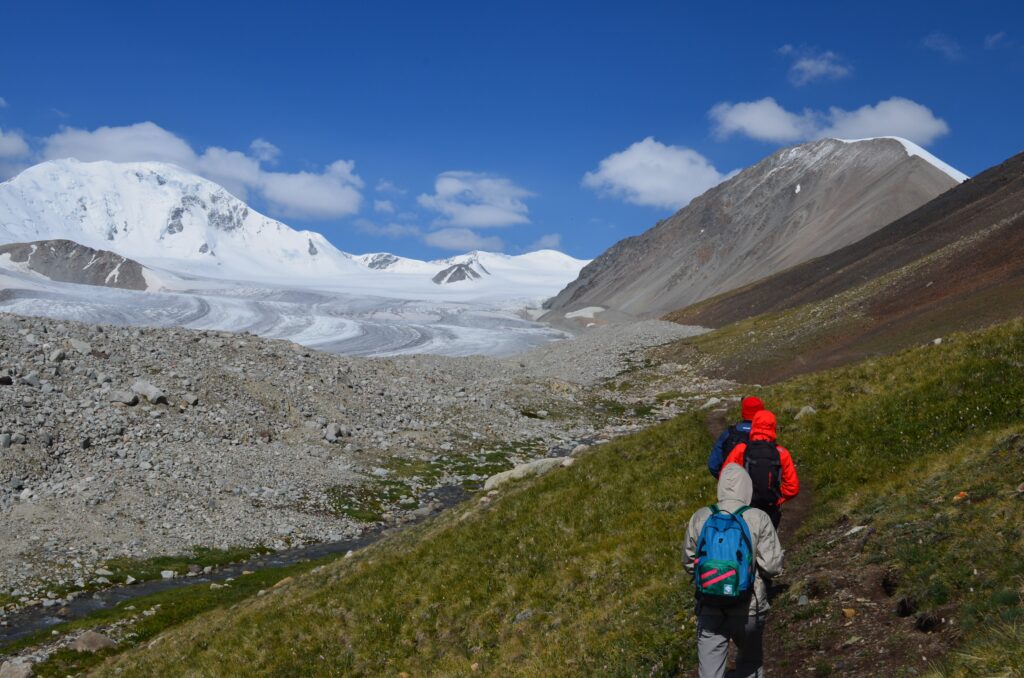
Reading the map from west to east, the terrain slopes downward from high western summits to eastern plains and depressions. The far west is dominated by the Altai Mountains, which hold Khüiten Peak at 4,374 m (14,350 ft) on the border with China. As you travel inward, central Mongolia rises into the older, lower Khangai Mountains with their forests and alpine pastures.
Further north and east, the Khentii Mountains run through the northeast of central Mongolia, around the capital, Ulaanbaatar. Along the extreme south, the rugged highlands give way to the broad expanse of the Gobi Desert.
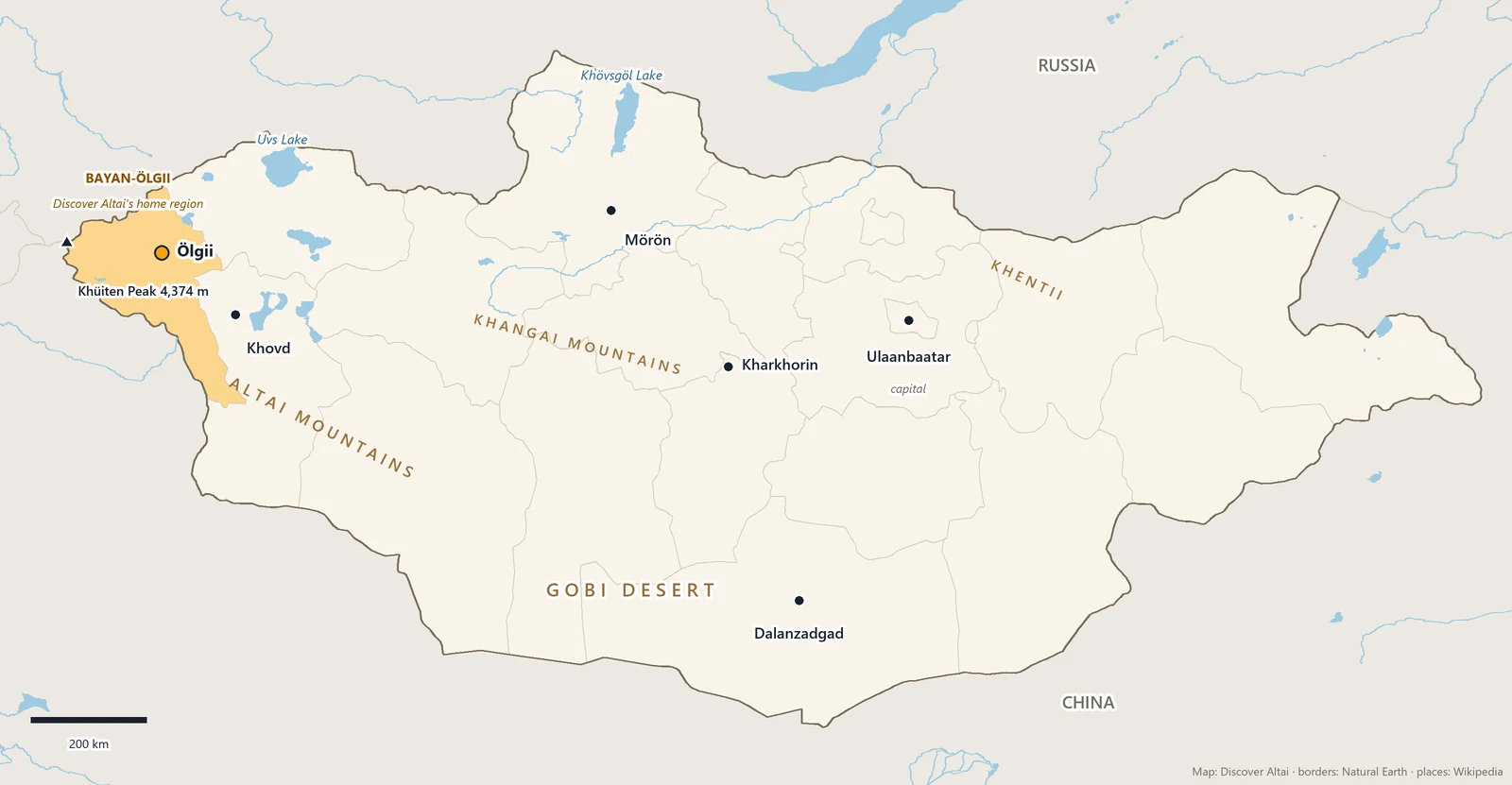
- Mountain ranges: The Altai Mountains run across the west and southwest, the Khangai Mountains occupy central Mongolia, and the Khentii Mountains extend through the northeast.
- The Gobi Desert: Located in the extreme south of the country, this desert stretches along the southern border.
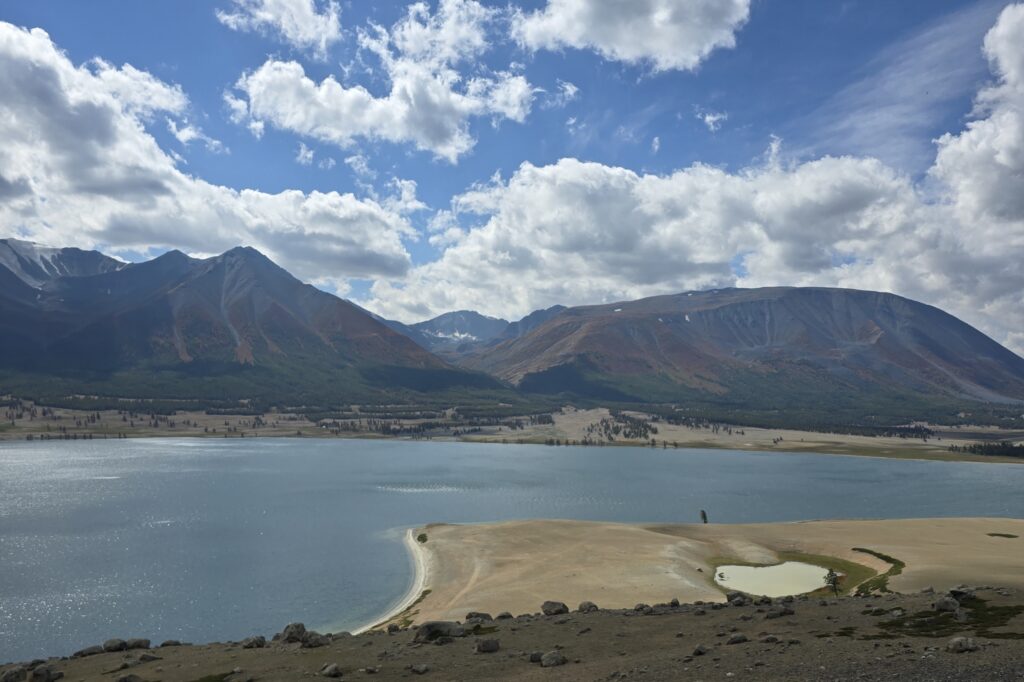
- Major lakes: Lake Khövsgöl in the north is the largest by water volume, draining via the Selenge river toward Lake Baikal, alongside Uvs Lake in the northwest.
- Ulaanbaatar: The capital city is situated within the Khentii Mountains in north-central Mongolia.
- Bayan-Ölgii: Mongolia’s westernmost province is centered around the provincial capital of Ölgii, where Discover Altai is based near the Altai Mountains.
Climate and Geographic Classification
As you explore where Mongolia is located, it becomes clear why it is known for dramatic weather. Mongolia is officially classified as a landlocked and continental climate nation. This means:
- Long, cold winters
- Short, warm summers
- Very dry air
- Extreme temperature shifts between seasons
Because of its geographic position far from oceans, Mongolia experiences some of the most continental climate patterns in the world.
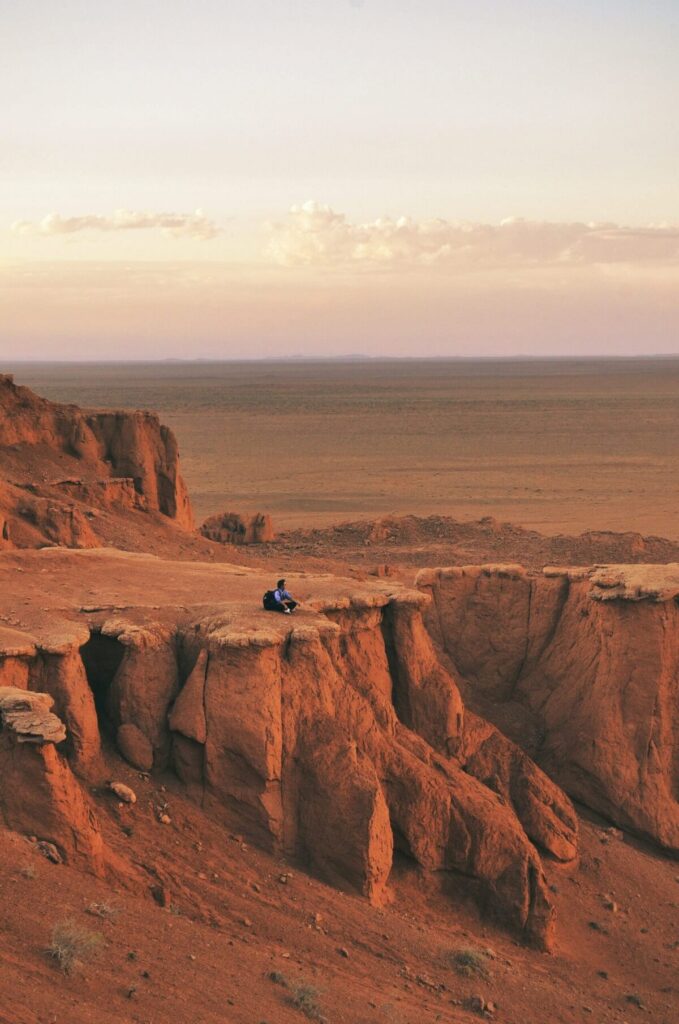
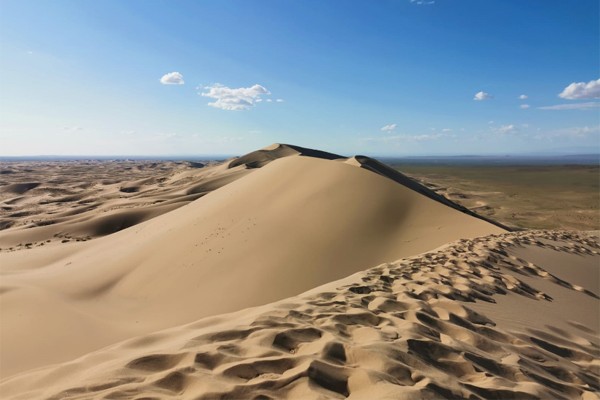
The Gobi Desert and Major Landscapes
Understanding where Mongolia is located helps explain the diversity of its landscapes. One of the most iconic regions is the Gobi Desert, famous for being:
- One of the highest deserts
- One of the coldest deserts
- A place of unique wildlife, dinosaur fossils, and dramatic scenery
About one-third of Mongolia’s territory is occupied by the Gobi, while the remaining areas include:
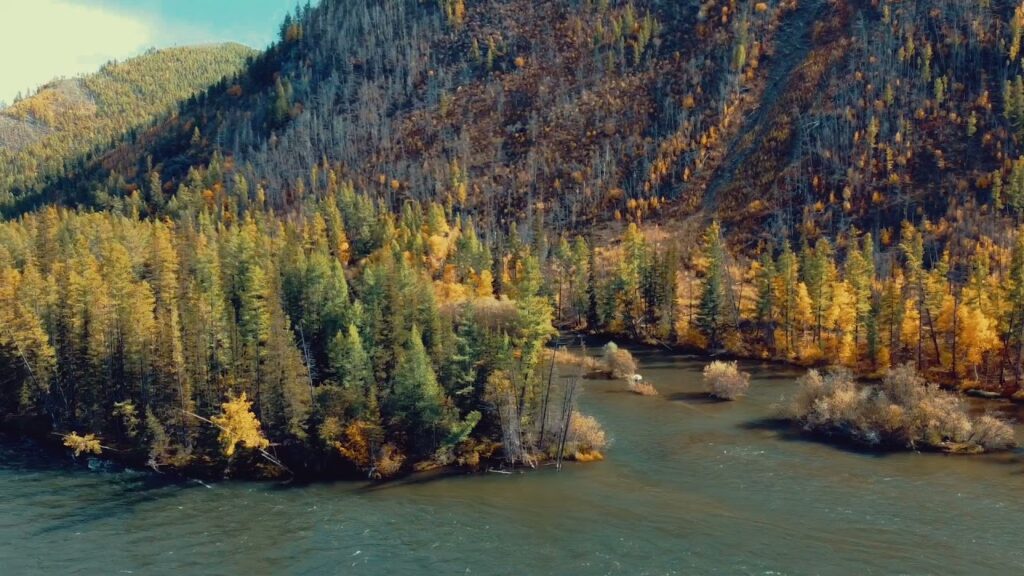
- Mountain forests in the north and west
- Vast steppes
- Semi-deserts
- Rolling plateaus
Major Mountain Ranges of Mongolia
The question “Where is Mongolia located?” also leads to its mountainous identity. Mongolia is home to several significant mountain ranges, including:
Altai Mountains
Located in western Mongolia, this is the country’s highest and most dramatic range.
Khangai Mountains
Known for forested slopes and river valleys.
Khentii Mountains
A sacred region associated with Chinggis Khan, located northeast of Ulaanbaatar.

Lakes and Rivers of Mongolia
When exploring where Mongolia is located geographically, Mongolia’s water systems are equally fascinating.
Largest Saltwater Lake
- Uvs Lake – Mongolia’s largest lake, part of a UNESCO World Heritage Site.
Largest Freshwater Lake
- Khuvsgul Lake – often called the “Blue Pearl of Mongolia.”
Major Rivers
- Orkhon River
- Kherlen River
- Selenge River (flows into Russia’s Lake Baikal)
These rivers shape Mongolia’s ecosystems and are essential for nomadic life.

Why Mongolia’s Location Makes It Special
The answer to where Mongolia is located reveals why it is such a unique destination. The combination of high altitude, vast open land, untouched nature, and nomadic traditions creates experiences unlike anywhere else.
Here’s what makes Mongolia extraordinary:
- Uncrowded wilderness as it’s the world’s least populated country
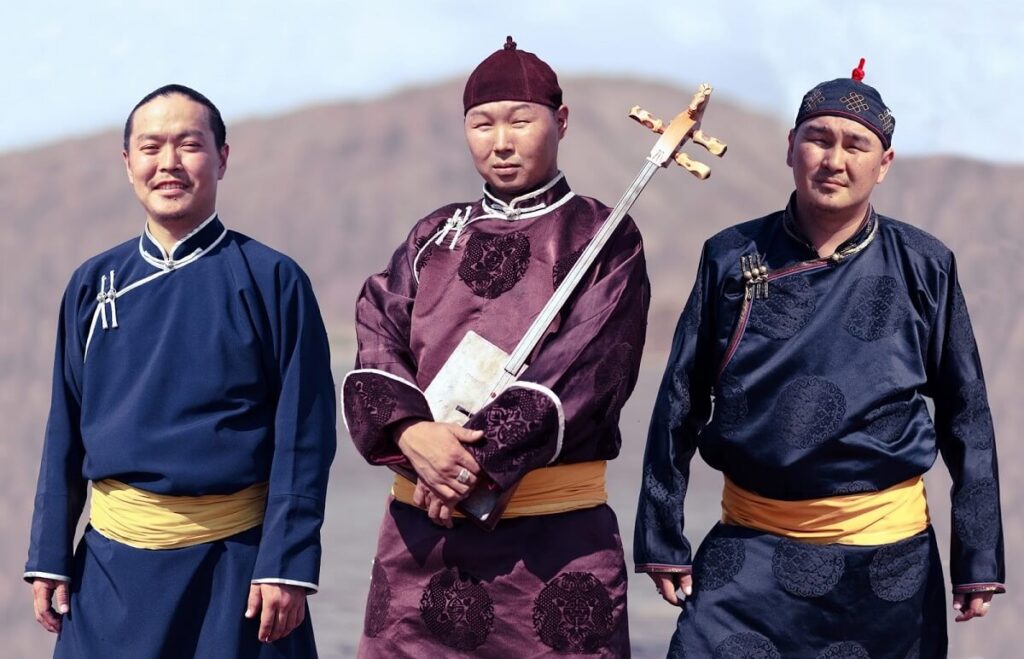
- Nomadic culture preserved for thousands of years
- Stunning landscapes ranging from mountains to desert
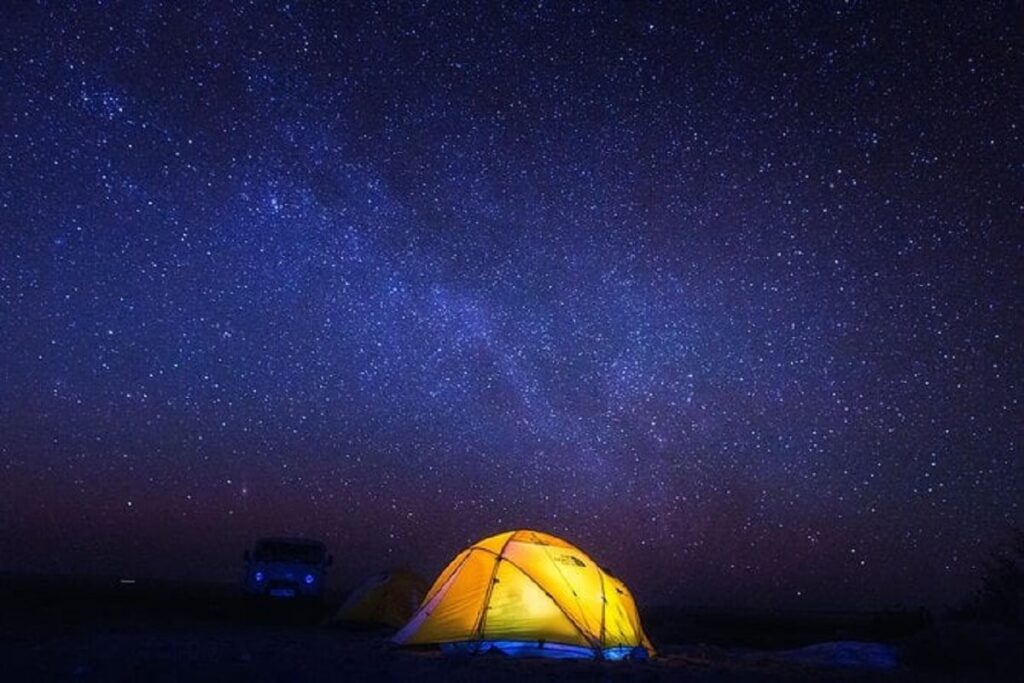
- Star-filled night skies with almost zero light pollution
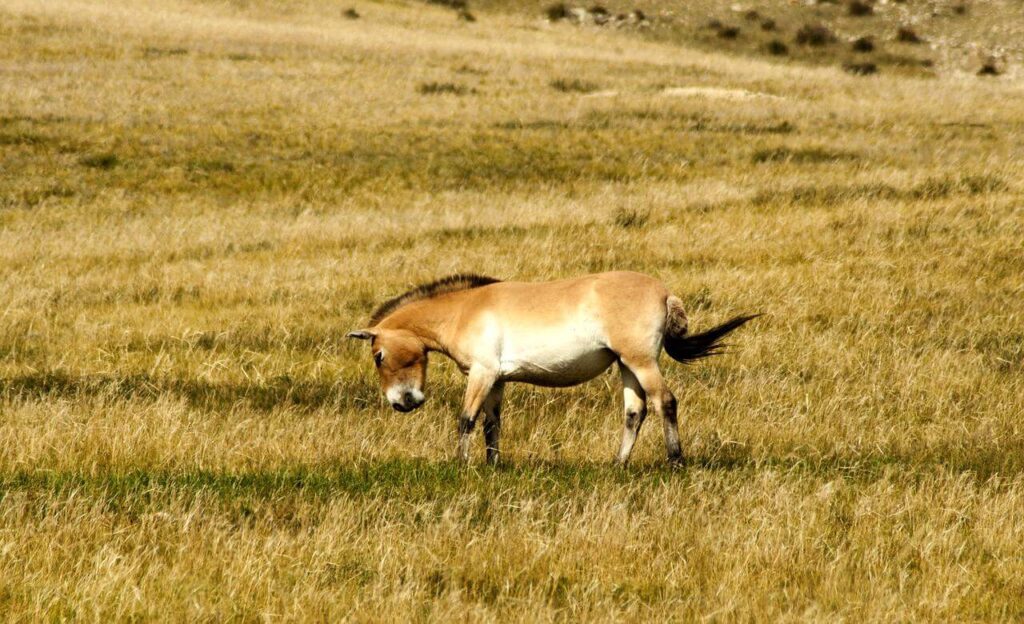
- Rich wildlife, including wild horses, camels, and rare snow leopards
Should Mongolia Be on Your Travel List? Absolutely.
Now that you know exactly where Mongolia is located, you can appreciate why it’s one of the most underrated travel destinations on Earth. The country offers:
- Epic road trips
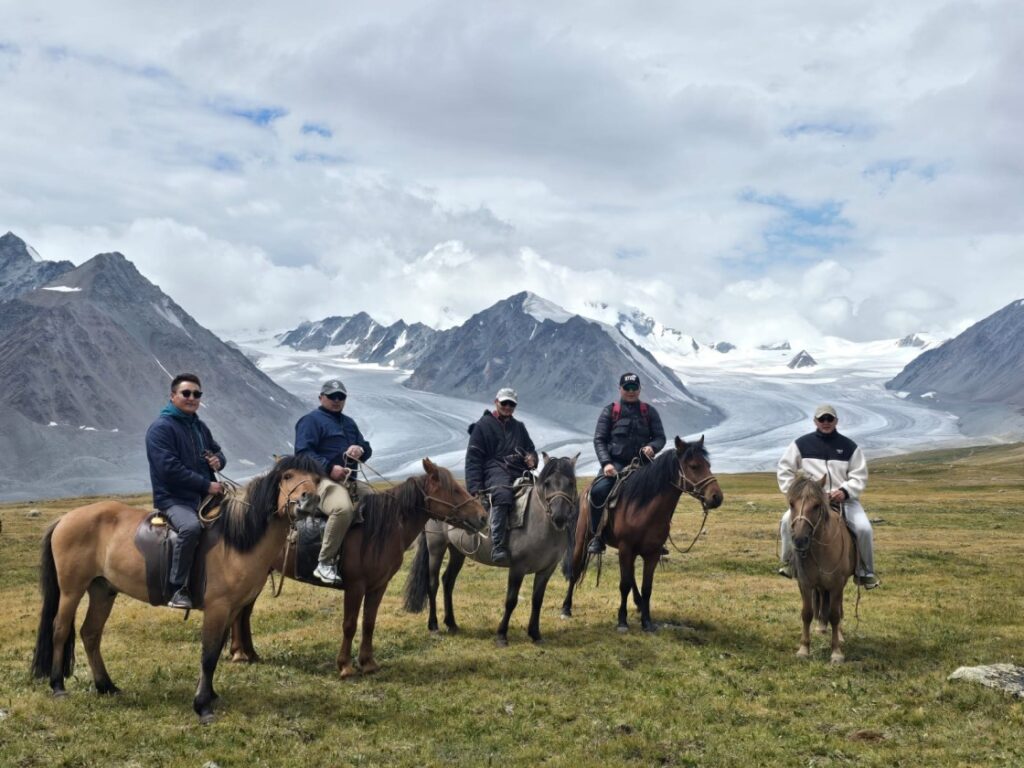
- Camel and horse trekking
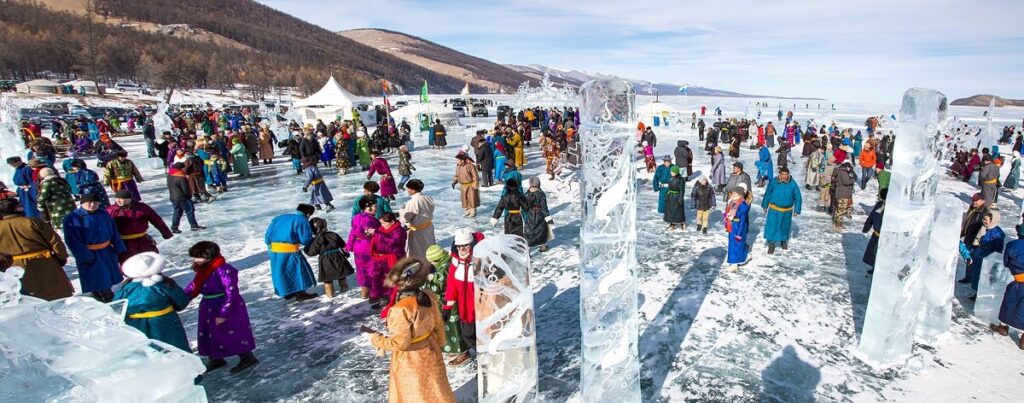
- Cultural festivals
- Gobi Desert expeditions
- Stunning photography opportunities
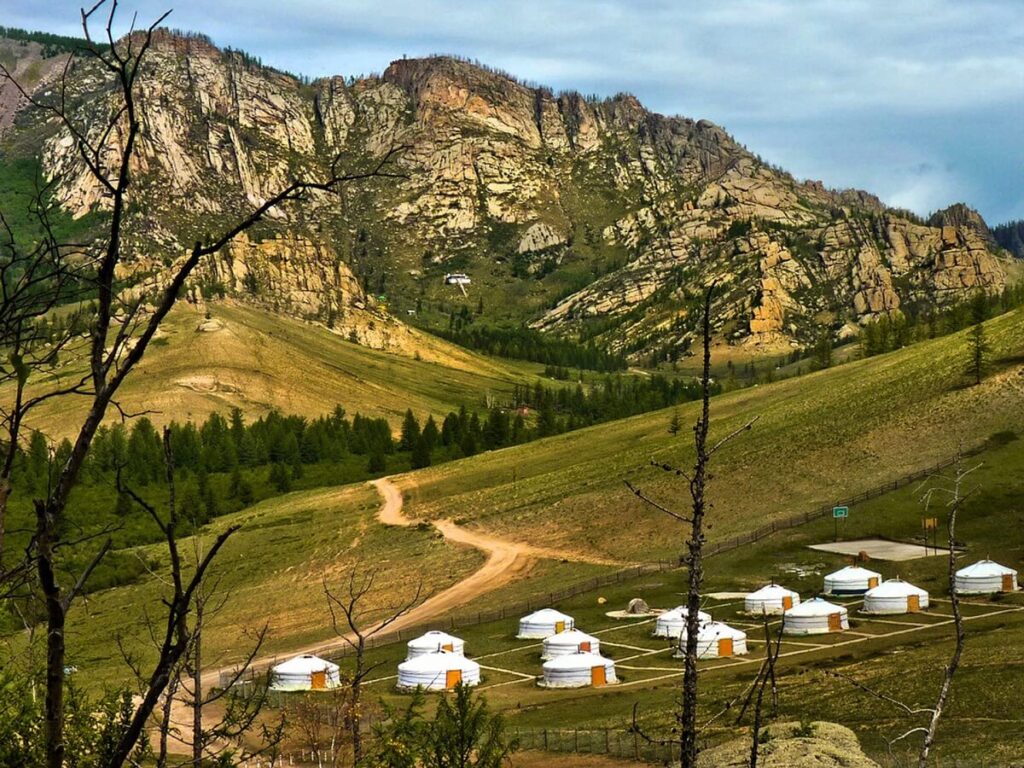
- Warm hospitality from nomadic families
No statistic captures the full beauty and spirit of Mongolia—you simply must experience it yourself.

Explore Mongolia With Discover Altai
Mongolia’s location makes it a perfect destination for travelers seeking untouched nature, adventure, and culture. The Discover Altai team offers guided expeditions that help you fully explore this remarkable country.
Suggested Tours:
Related Blogs:
Khentii Mountains: Mongolia’s Sacred Range, Burkhan Khaldun and How to Visit
The Khentii Mountains are a mountain range about 400 kilometers long in northeastern Mongolia, in Töv and Khentii provinces; the…Taimen Fishing in Mongolia: Season, Rules, Cost and Where to Go
Taimen fishing in Mongolia: best season, catch-and-release law, permits via licensed outfitters, trip prices, gear and fishing in the Altai…Mongolia Dinosaurs: Fossils, the Flaming Cliffs and Where to See Them
Mongolia dinosaurs guide: why the Gobi is a fossil treasure house, the Flaming Cliffs, Tarbosaurus, repatriated fossils and where to…