
Mongolia has thousands of lakes, but a handful matter most to travelers: Khuvsgul in the north, the deepest and most famous; Uvs Nuur and the salt and freshwater lakes of the Great Lakes Depression in the west; Terkhiin Tsagaan (White Lake) and the Eight Lakes in the central Khangai mountains; and the high glacial lakes of the Altai: Khoton, Khurgan, Dayan and Achit. Here is what each one is like, where they sit on the map, and which are worth building a trip around.
Key Takeaways
- Most famous: Khuvsgul Lake in the north holds most of Mongolia’s surface fresh water and is the classic lake trip from Ulaanbaatar.
- Largest by area: Uvs Nuur, a salt lake of about 3,350 km² in the far north-west, at only 759 m above sea level.
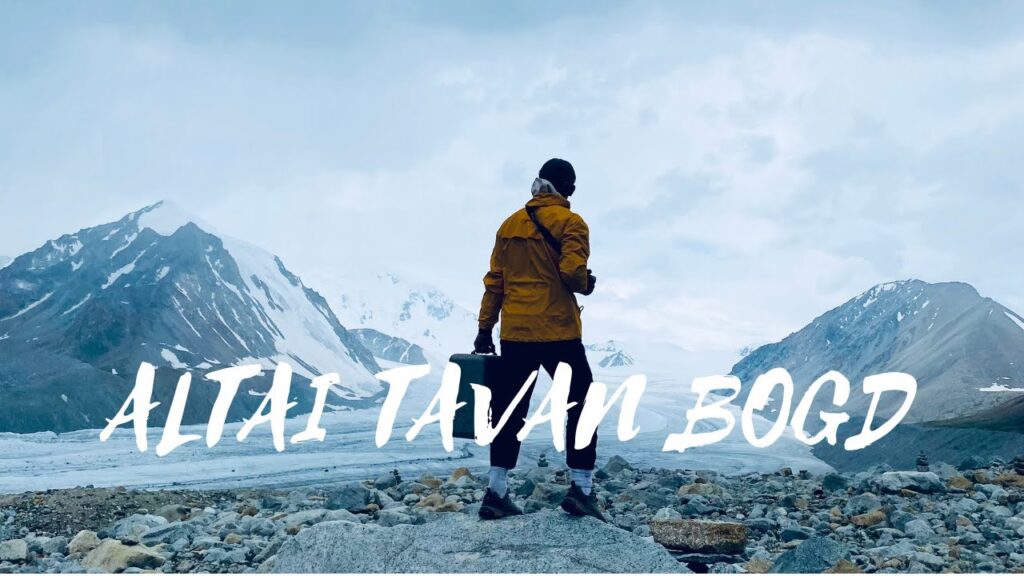
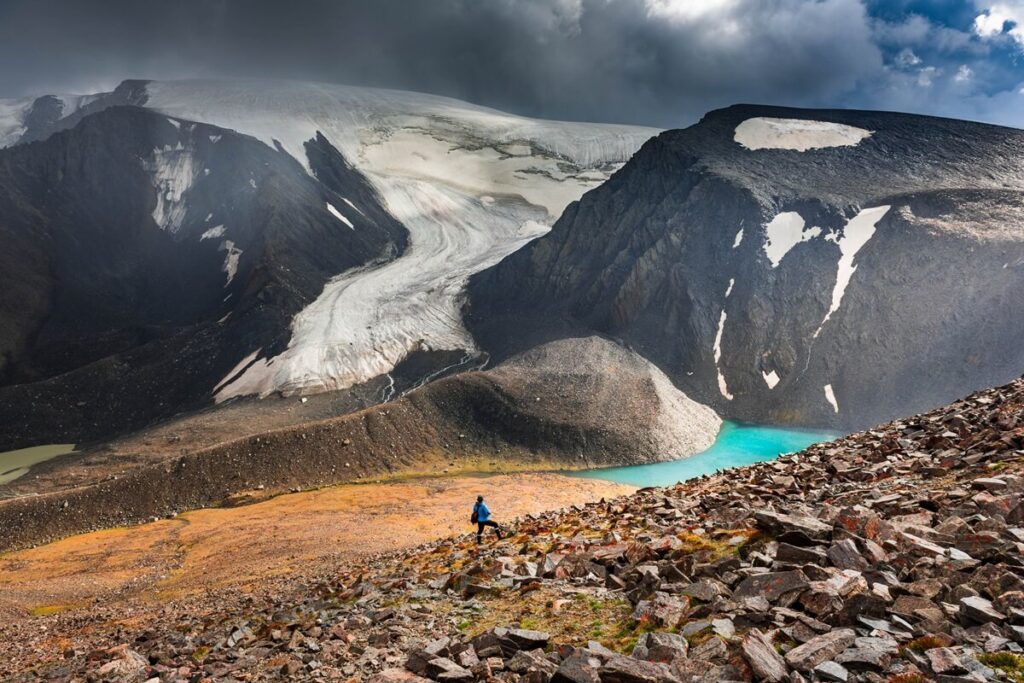
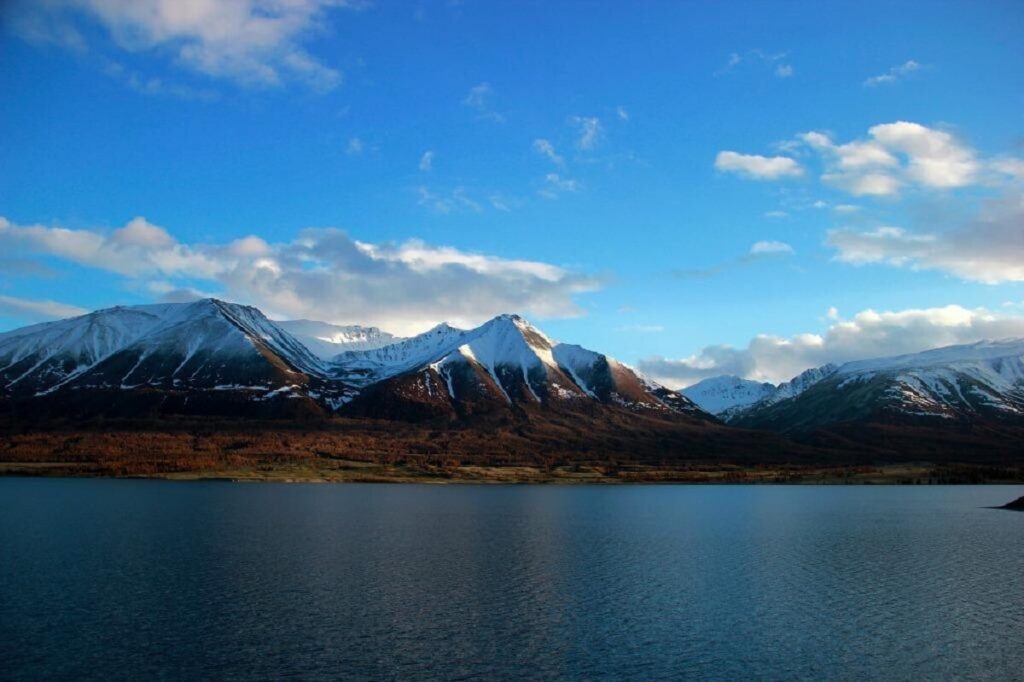
- Highest and wildest: The Altai lakes Khoton, Khurgan and Dayan sit above 2,000 m inside Altai Tavan Bogd National Park, ringed by snow peaks and Kazakh and Tuvan herders.
- Central classics: White Lake (Terkhiin Tsagaan) at about 2,060 m and the Eight Lakes (Naiman Nuur) fit into a central Mongolia loop.
- Frozen season: Most lakes freeze from roughly November to April, which brings ice fishing and, on Khuvsgul, ice festivals.
Mongolia Lakes on the Map
Mongolia’s lakes fall into four clear regions, and knowing them makes trip planning much easier:
- North: Khuvsgul Lake, near the Russian border, in a forest-and-taiga landscape. Read our full Khovsgol Lake guide.
- Far north-west: the Great Lakes Depression, a huge low basin in Uvs, Khovd and Zavkhan provinces with Uvs Nuur, Khyargas Nuur, Khar Us Nuur and Khar Nuur.
- West, in the Altai: Achit Nuur on the Uvs and Bayan-Ölgii border, and the alpine lakes Khoton, Khurgan and Dayan in Altai Tavan Bogd National Park.
- Central: Terkhiin Tsagaan Nuur (White Lake) in Arkhangai and the Eight Lakes in the Khangai mountains of Övörkhangai.
Distances are the real issue. Khuvsgul is a short flight or a long day’s drive from Ulaanbaatar. The western lakes are best reached by flying to Ölgii or Khovd and driving from there; driving all the way from the capital takes several days.
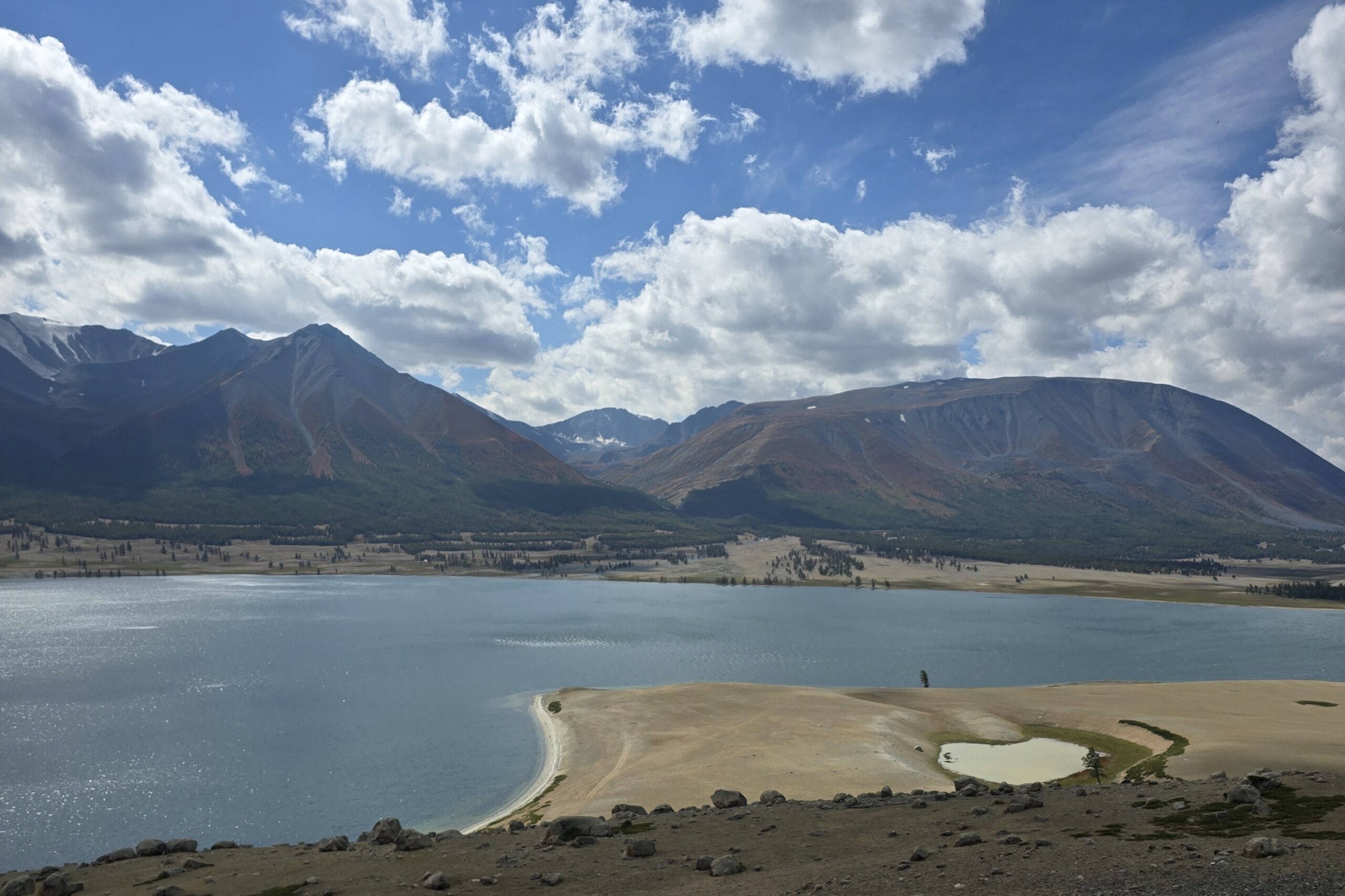
The Altai Lakes: Khoton, Khurgan, Dayan and Achit
These are the lakes we know best, and the ones that surprise visitors most. They lie in Mongolia’s westernmost province, Bayan-Ölgii, at the foot of the country’s highest mountains.
Khoton and Khurgan
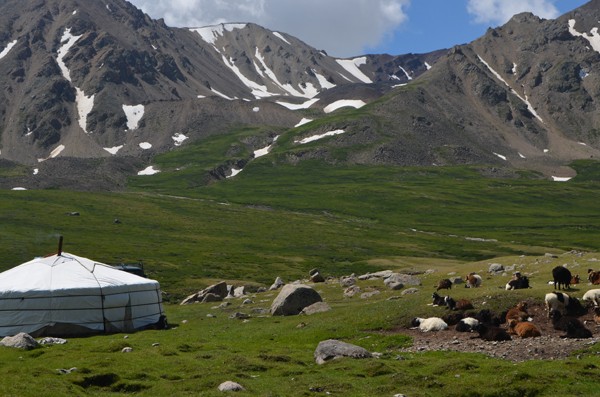
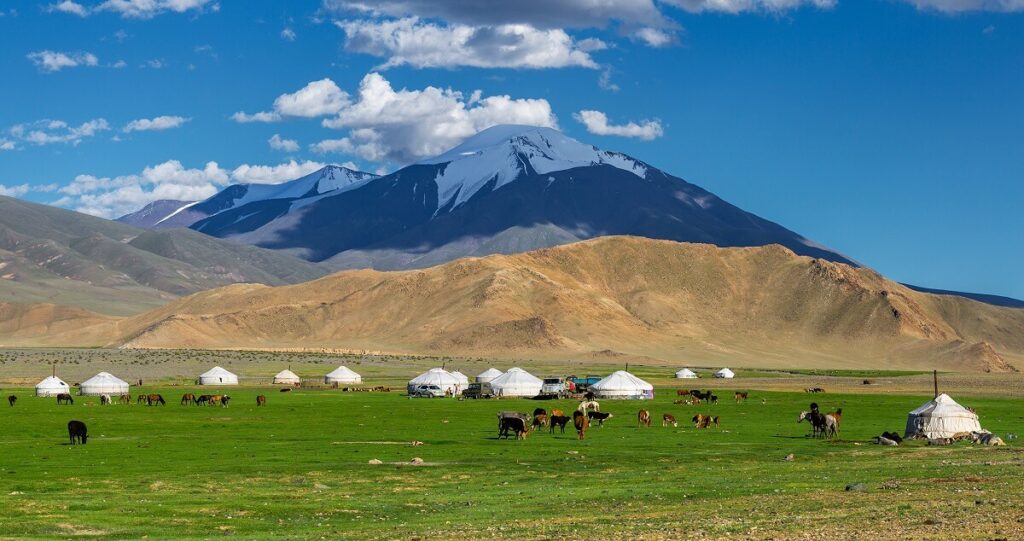
Khurgan (about 71 km²) and Khoton (about 50 km²) are two long glacial lakes joined by a short river channel, which is why travelers sometimes call them the Altai’s twin lakes. Both sit at a little over 2,000 m. The shores are open grassland and larch forest, with Kazakh and Tuvan herders camping in summer, Turkic stone figures and burial mounds along the tracks, and good fishing. See our detailed guide to Khoton and Khurgan lakes.
Dayan Lake
Dayan Nuur (about 67 km², 2,232 m) lies further south-east in the same national park. It is quieter, with wide pastures and views back to the snow peaks, and it is often visited on the drive between the Khoton area and the southern valleys.
Achit Lake
Achit Nuur (about 290 km², 1,435 m) is a large freshwater lake on the border of Uvs and Bayan-Ölgii provinces, lower, warmer and windier than the alpine lakes. It is famous for birdlife and is often the first big lake you see when driving between Ölgii and Uvs. More in our Achit Lake guide.
Because Altai Tavan Bogd lies along the Chinese and Russian borders, you need a border-zone permit as well as a park ticket. We arrange both on our tours; the details are in our guide to Mongolia trekking permits.
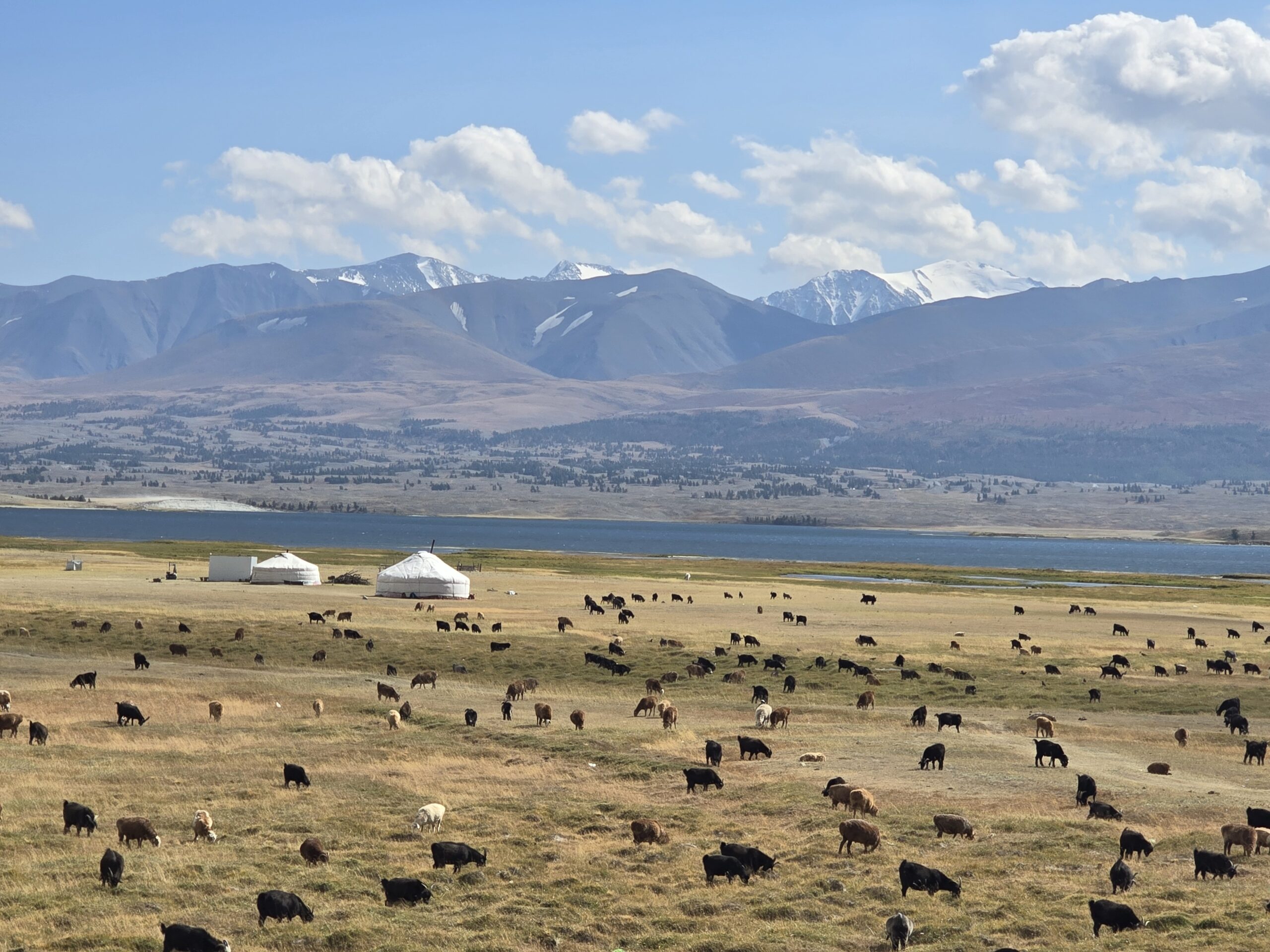
The Great Lakes Depression and Uvs Nuur
East of the Altai, the land drops into a vast basin known as the Great Lakes Depression. This is a dry, open landscape of steppe, dunes and wetlands, and its lakes are very different from the alpine ones.
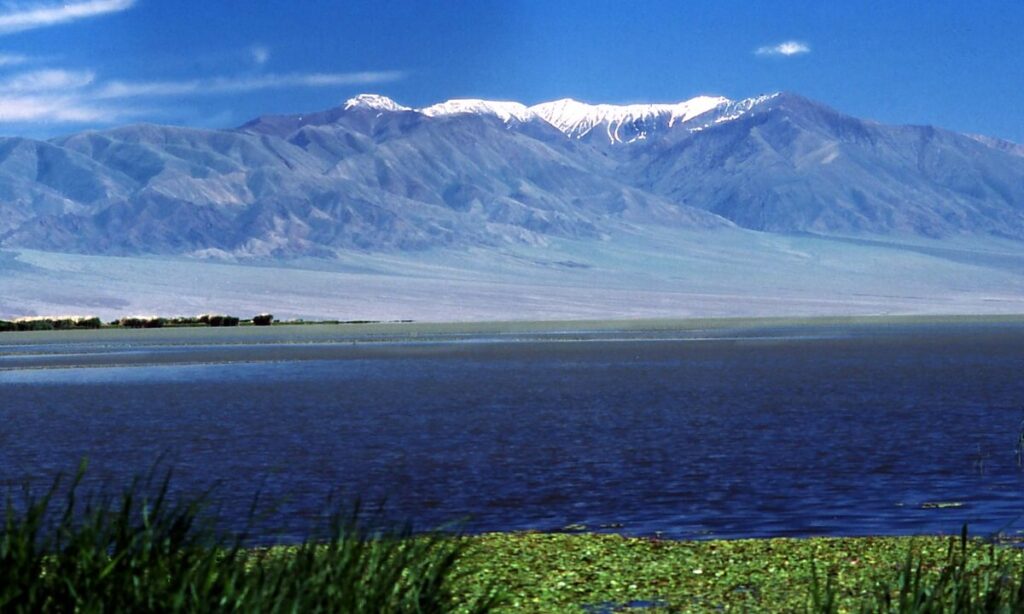
- Uvs Nuur is Mongolia’s largest lake by area, about 3,350 km², and it is salty. It sits at 759 m, one of the lowest points in the region, and is part of the Uvs Nuur Basin UNESCO World Heritage site. Read our Uvs Lake guide.
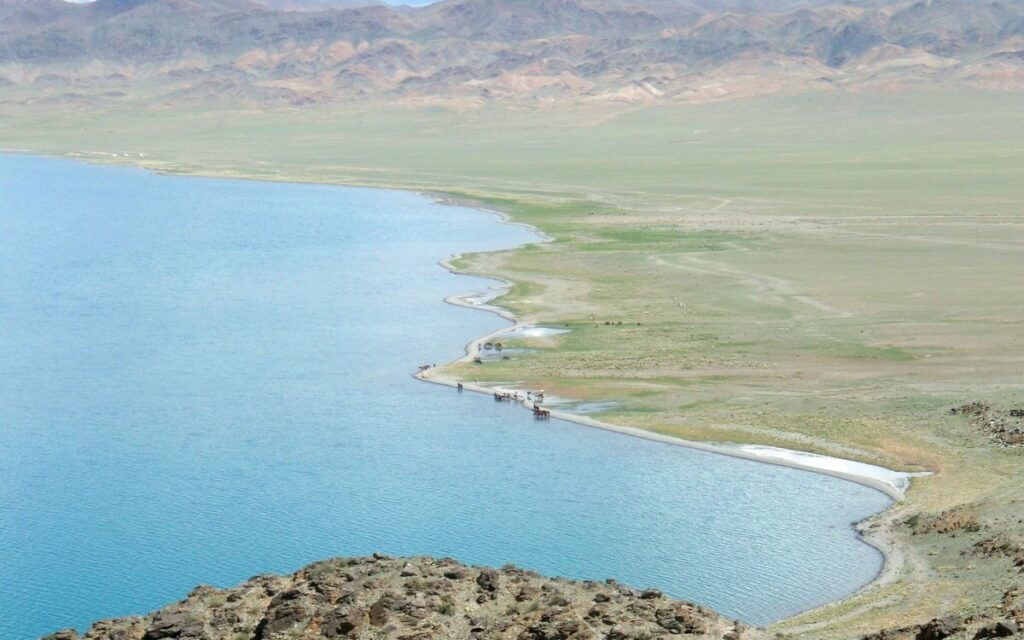
- Khyargas Nuur is another big salt lake, south of Uvs, known for its blue water and the rocky shore at Khetsuu Khad.
- Khar Us Nuur and Khar Nuur in Khovd are freshwater lakes with reed beds that attract large numbers of migrating birds.
These lakes suit travelers who like birdwatching and big empty landscapes more than hiking. Summer can be hot here, and mosquitoes near the wetlands can be fierce in June and July.

Khuvsgul, White Lake and the Eight Lakes
If your trip is in central and northern Mongolia rather than the far west, these three are the classics.
Khuvsgul Lake is Mongolia’s best-known lake: long, very deep and clear, surrounded by forested mountains. It is the starting point for trips to the Tsaatan reindeer herders. The gateway town is Hatgal, at the southern tip of the lake.
Terkhiin Tsagaan Nuur, the “Great White Lake”, lies at about 2,060 m in Arkhangai, next to the extinct Khorgo volcano. It was formed when lava flows dammed a river. It is a popular overnight stop on central Mongolia road trips, with ger camps on its shores.
Khuisiin Naiman Nuur, the Eight Lakes, is a group of small lakes in the Khangai mountains, linked by groundwater. Reaching them takes a horse ride or a long hike from the Orkhon Valley side, which keeps visitor numbers low. Combine it with our guide to the Orkhon Valley.
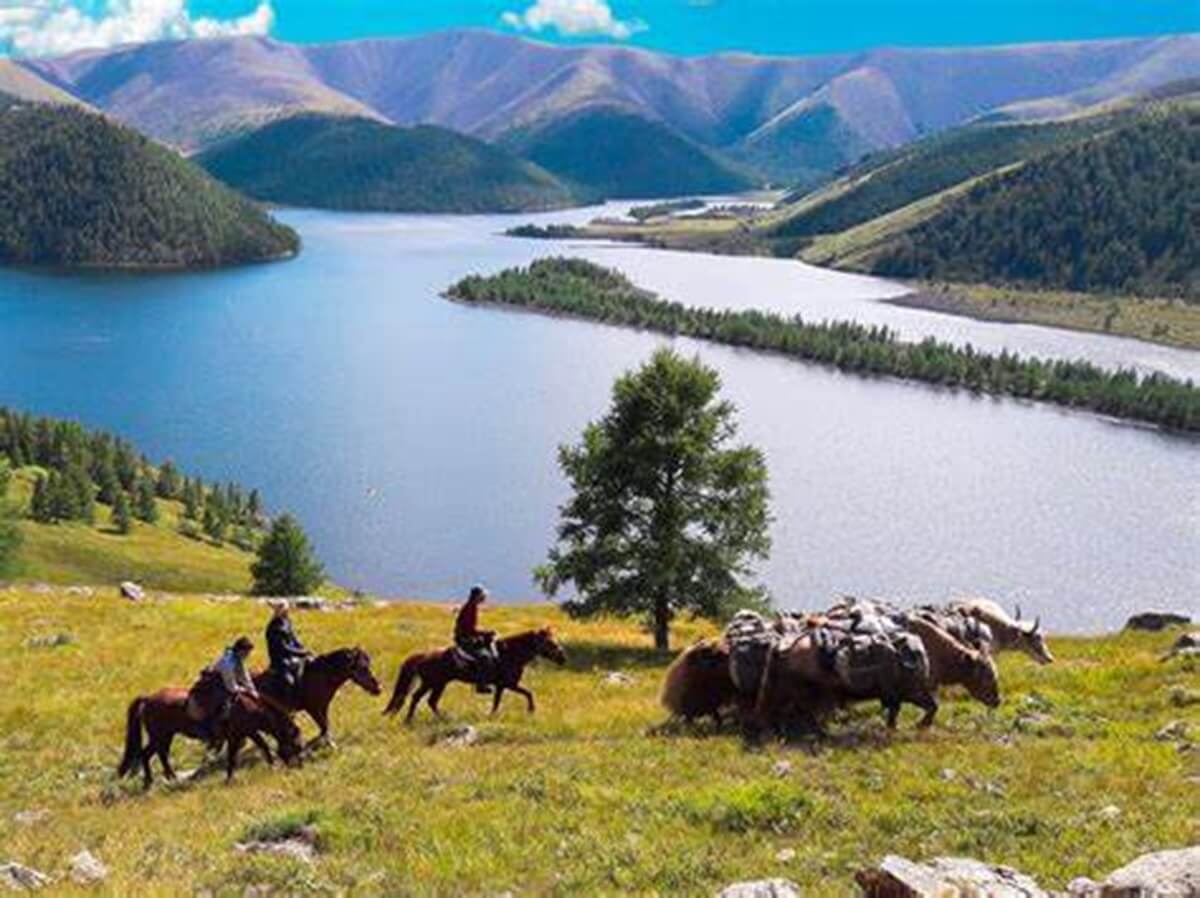
Comparing the Main Mongolia Lakes
| Lake | Region | Approx. size | Elevation | Best for |
|---|---|---|---|---|
| Khuvsgul | North | Mongolia’s deepest lake | about 1,645 m | Classic lake trip, reindeer herders |
| Uvs Nuur | Far north-west | about 3,350 km² (salt) | 759 m | Huge landscapes, UNESCO basin |
| Achit Nuur | Uvs / Bayan-Ölgii | about 290 km² (fresh) | 1,435 m | Birdlife, overland routes |
| Khurgan | Altai Tavan Bogd | about 71 km² | about 2,070 m | Trekking, herders, fishing |
| Khoton | Altai Tavan Bogd | about 50 km² | a little over 2,000 m | Trekking, horse riding, petroglyphs |
| Dayan | Altai Tavan Bogd | about 67 km² | 2,232 m | Quiet camping, mountain views |
| Terkhiin Tsagaan | Arkhangai | medium | about 2,060 m | Easy stop on a central loop |
Figures are approximate and come from published references; lake levels and areas change from year to year.
Frozen Lakes: Visiting in Winter
Mongolia’s lakes freeze hard. In most years the ice forms in November and lasts into April, and on the big northern lakes it is thick enough for vehicles. Winter visits are cold but beautiful, with clear skies and almost no other travelers.
In the Altai, families fish through holes in the ice; we describe it in our post on Mongolian ice fishing. Never walk or drive onto a frozen lake without a local who knows the ice: thickness varies, and springs and river mouths can stay thin all winter.

Which Lakes Should You Visit?
- For trekking and mountains: Khoton and Khurgan. Our 11-day Altai Tavan Bogd trek (from $2,300) and 6-day Altai Tavan Bogd tour (from $1,300) both include the lakes.
- For horse riding: the Khoton shoreline is one of the best riding areas in the west. See our horse trekking tour.
- For reindeer herders: Khuvsgul and the taiga beyond it, on our Tsaatan homestay.
- For a short trip from Ulaanbaatar: White Lake on a central Mongolia loop.
The best months for the lakes are June to September. Early summer is green and wildflower-filled; September brings golden larches and fewer insects. If you want a route built around specific lakes, ask us for a tailor-made tour.
Suggested Blogs:
Ulgii Weather: A Month-by-Month Guide to Bayan-Ölgii’s Climate
Ölgii (Ulgii) sits at about 1,700 m in a dry valley of the Altai, with a cold semi-arid continental climate…Altai Mountains: Russia vs Mongolia. Which Side Should You Visit?
The Altai Mountains span Russia, Mongolia, China and Kazakhstan. The Russian Altai has green forested valleys, rivers, Belukha (4,506 m,…Does Mongolia Border Kazakhstan? Travelling Between Kazakhstan and Western Mongolia
Mongolia and Kazakhstan do not share a border. At their closest point in the Altai Mountains they are separated by…


What is the biggest lake in Mongolia?
By surface area, Uvs Nuur in the north-west is the largest, at about 3,350 km². It is a salt lake. Khuvsgul is the deepest and holds far more water.
What are the Altai lakes in Mongolia?
The best-known Altai lakes are Khoton, Khurgan and Dayan inside Altai Tavan Bogd National Park, plus Achit Nuur on the Uvs and Bayan-Ölgii border.
Which Mongolian lakes are called twin lakes?
Travelers often use the name for Khoton and Khurgan, two long glacial lakes in the Altai joined by a short river channel.
What is White Lake in Mongolia?
White Lake is Terkhiin Tsagaan Nuur in Arkhangai province, a lake at about 2,060 m formed when lava from the Khorgo volcano dammed a river.
Can you swim in Mongolian lakes?
Yes, in summer, but the water is cold, especially in the high Altai lakes, which stay chilly even in July. Swim close to shore and never alone.
When do Mongolian lakes freeze?
Most freeze from around November until April. Ice thickness varies, so only go onto the ice with someone local who knows it.