
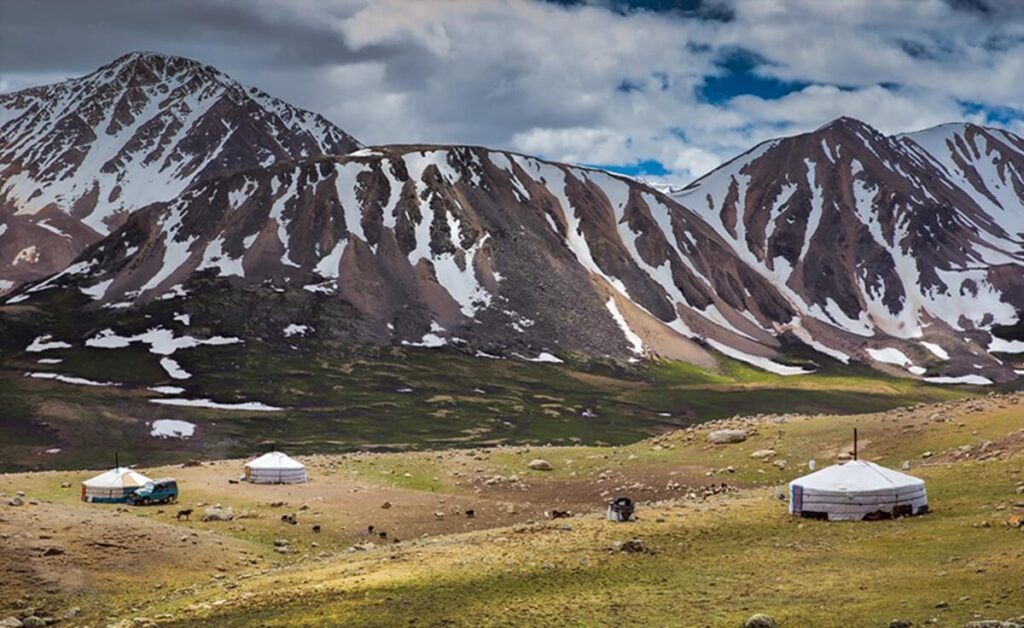
Cycling in Mongolia means riding dirt tracks across open steppe, mountain passes and river valleys, with herders’ gers as the only landmarks. It is one of the great bike adventures, but it is not a road-cycling destination: most routes are unpaved, distances between supplies are long and the wind is strong. The best season is June to mid-September, the best bike is a mountain bike or rugged touring bike with wide tires, and the best regions are Terelj and the Khentii foothills, the Orkhon Valley and Khangai, and the Altai in the far west.
Key Takeaways
- Mostly off-road: Paved highways link the main towns, but the scenic riding is on dirt, gravel and sand tracks.
- Ride in summer: June to mid-September is the window. Spring is windy and dusty; winter is far too cold.
- Bring the right bike: A hardtail mountain bike or a sturdy touring bike with tires of 2.2 inches or wider.
- Plan water and food: Villages can be 100 km or more apart. Carry several liters of water and a filter.
- Guided or self-supported: A support vehicle carries your gear, water and spare parts and lets you ride lighter and further.
What Cycling in Mongolia Is Really Like
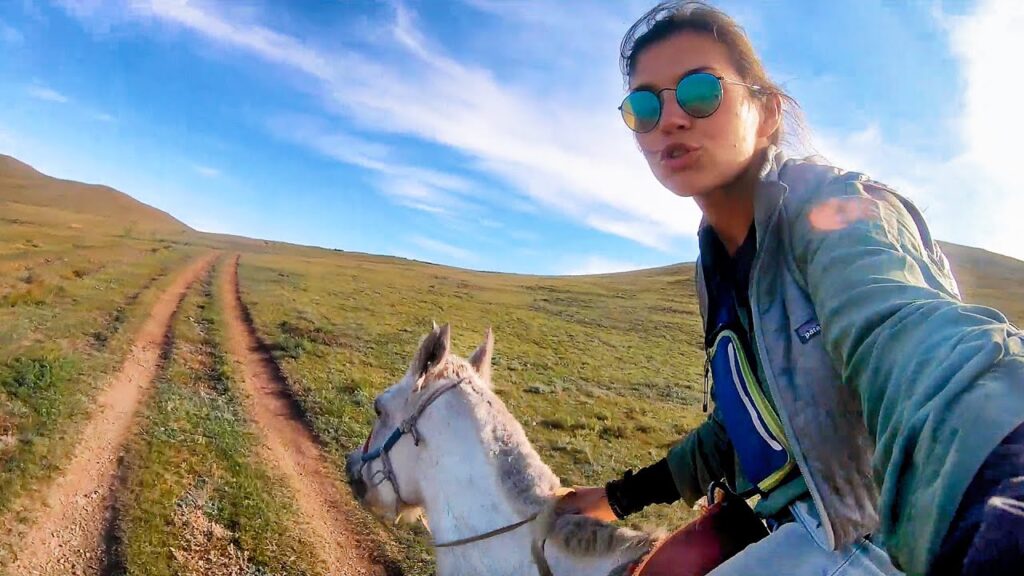
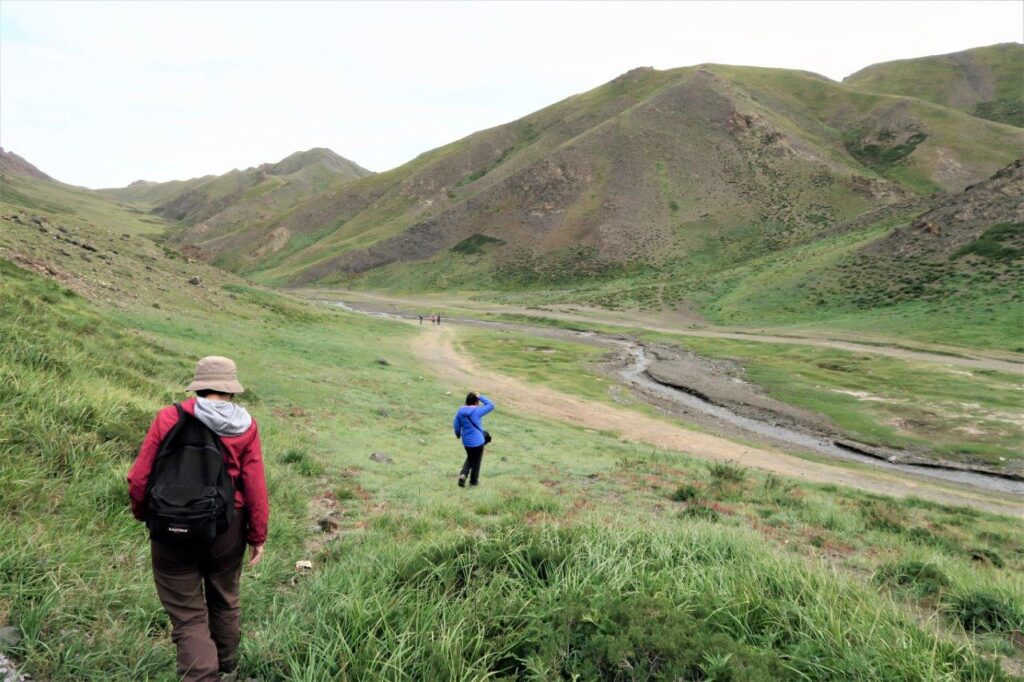
Forget bike lanes and cafés. A typical day on a Mongolian bike trip is 40 to 80 km on jeep tracks that split and rejoin across the grass. You might cross a river on foot, push up a sandy section, stop at a ger for milk tea and see more horses than cars all day.
The rewards are huge: total freedom of route, camping wherever you like (with care around herders), wildlife and some of the friendliest hospitality anywhere. The challenges, which riders mention again and again, are:
- Wind: often strong and constant on open steppe, especially in the afternoon. It eases in the hills and valleys.
- Corrugations and sand: washboard tracks shake bikes and riders, and sandy patches mean walking.
- Distances: few shops, and those that exist sell basics only.
- Stomach trouble: careful water treatment and hand hygiene matter. See our travel health guide.
- Dogs: herding dogs guard every ger. Slow down near camps, never approach a ger without the owner, and walk the bike if a dog chases you.

The Best Cycling Routes in Mongolia
Terelj and the Khentii foothills
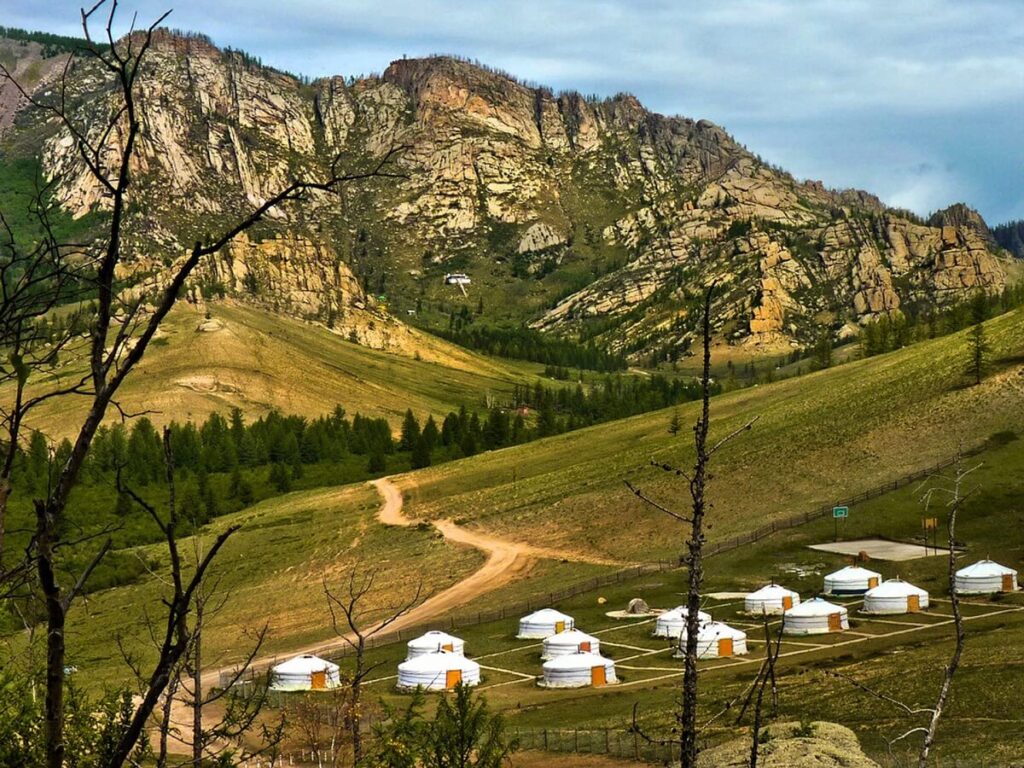
The easiest place to start. From Ulaanbaatar, you can reach Gorkhi-Terelj National Park in a short drive and ride forest tracks, river valleys and rocky passes. Good for one to three days or as a warm-up before a longer trip.
Orkhon Valley and the Khangai
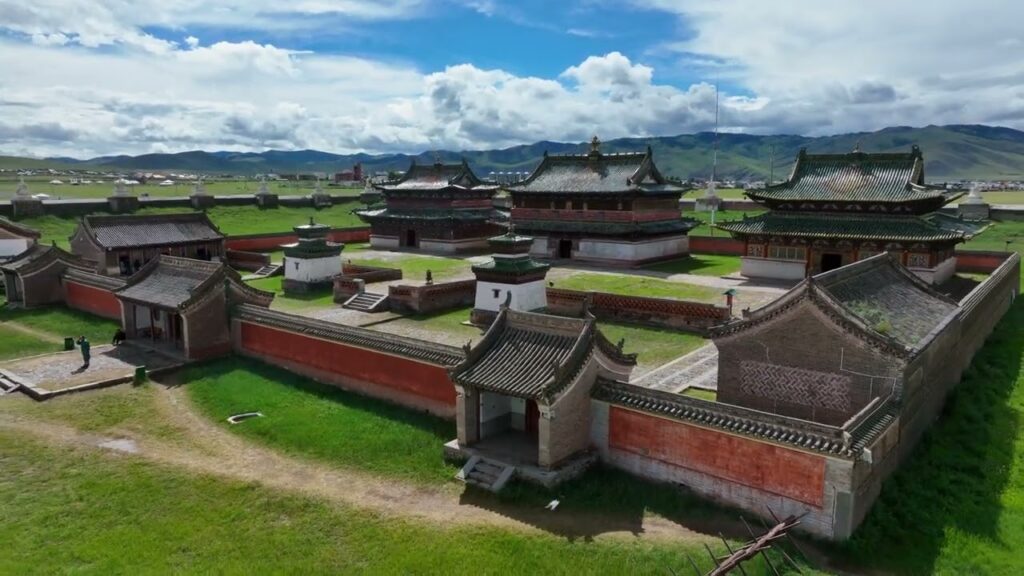
Central Mongolia’s classic: green valleys, Kharkhorin and Erdene Zuu Monastery, waterfalls and volcanic landscapes around White Lake. Read our Orkhon Valley guide.
Khuvsgul Lake
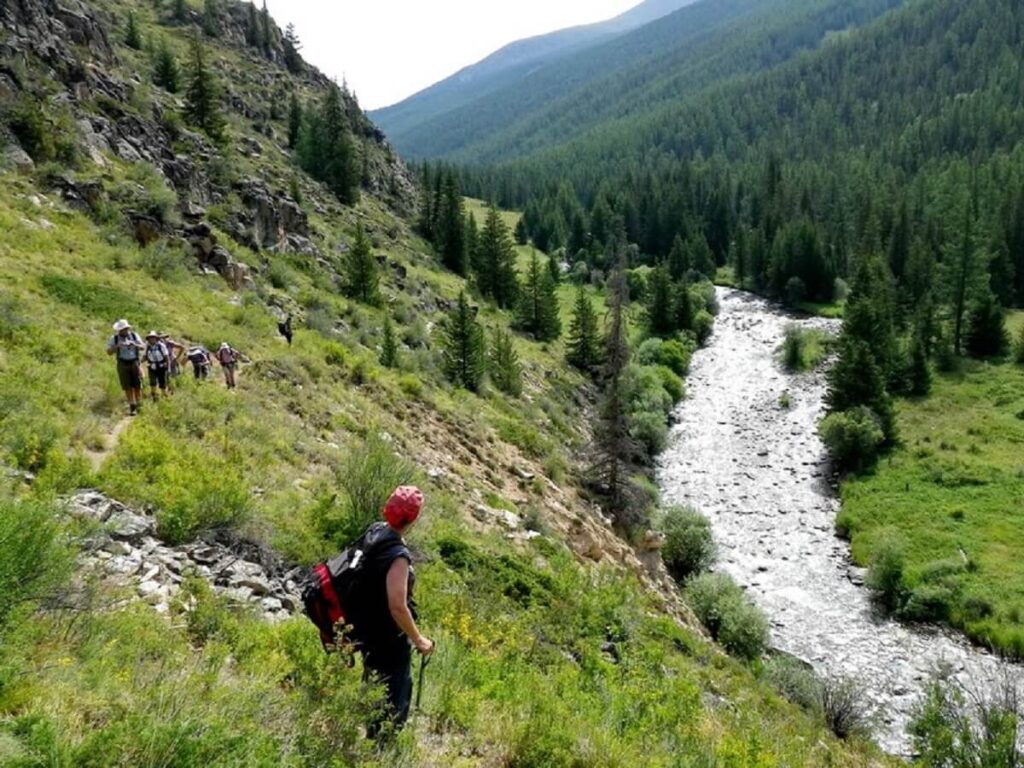
Forest tracks along the western shore of Khuvsgul Lake, with steep climbs, river crossings and cool summer weather. Rougher than it looks on a map.
The Altai in the far west
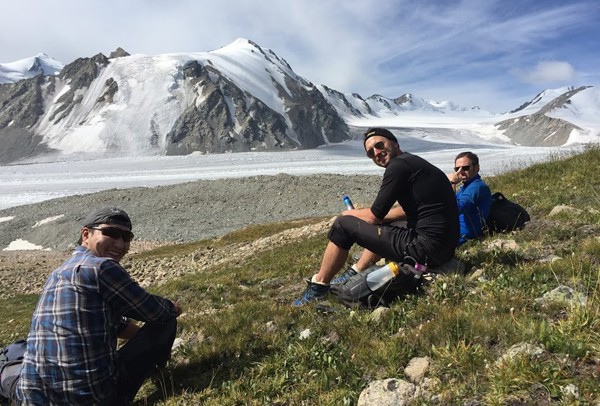
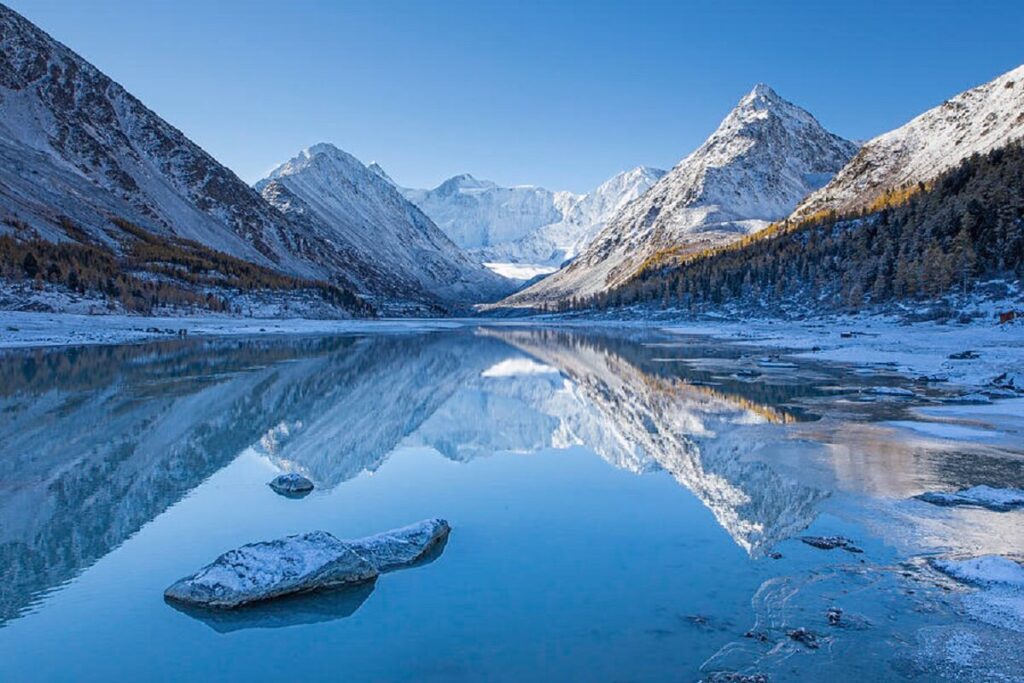
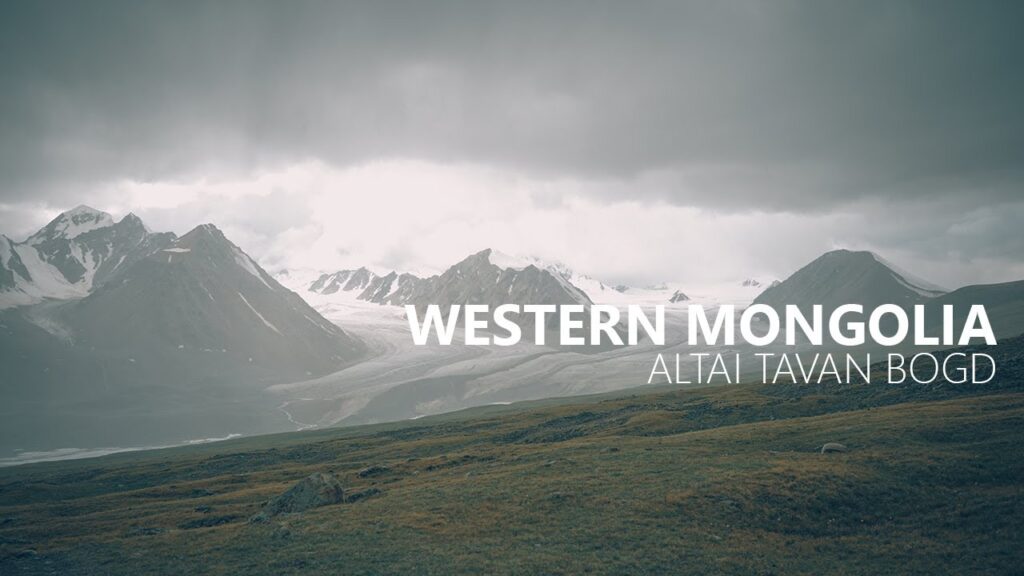
Our home ground and the most dramatic option: big mountain valleys around Ölgii, the lakes Khoton and Khurgan, Kazakh eagle hunter families and passes with views of glaciers. Distances are long and altitude is high, so it suits experienced riders with vehicle support. See the Mongolia biking tour in the big mountains.

When to Go Cycling in Mongolia
| Month | Conditions for cycling |
|---|---|
| April–May | Cold nights, strong wind and dust storms. Rivers high with snowmelt. Not recommended. |
| June | Green, long days, mild. Rivers can still be high. A good month. |
| July | Warmest month. Afternoon storms, more flies and mosquitoes near water. Naadam festival mid-month. |
| August | Warm days, cooler nights, some rain. Very good. |
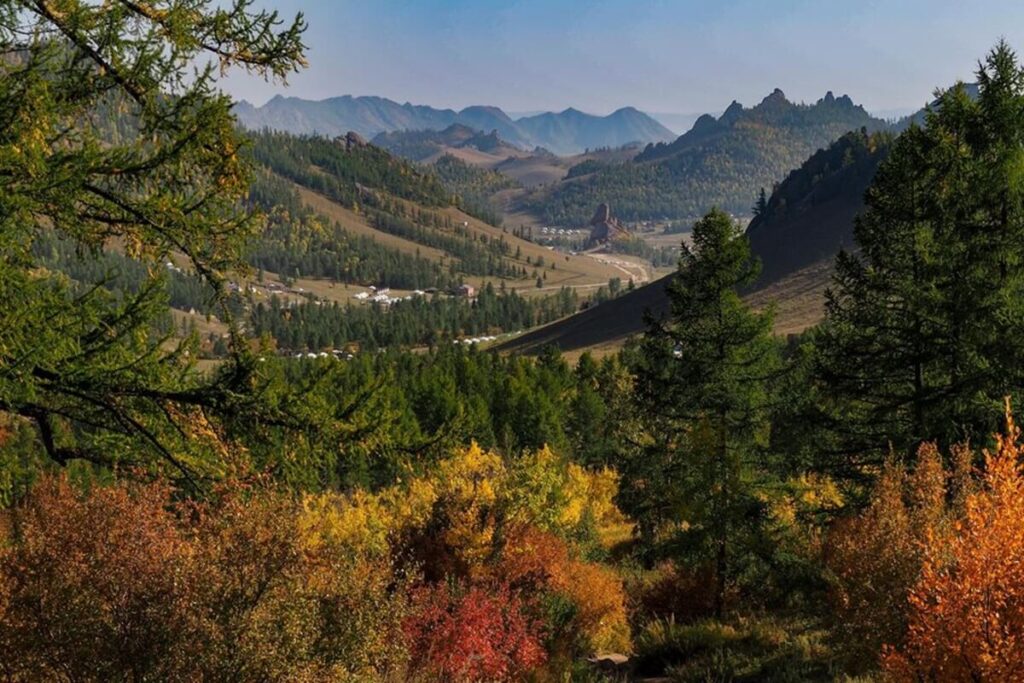
| September | Clear, settled, cool. Autumn colors. Excellent, but nights below freezing in the mountains. |
| October–March | Too cold for touring. Snow in the mountains. |
For more detail, read our month-by-month guide. In the Altai, the riding season is a little shorter than in central Mongolia.
Bike and Gear
- Bike: a hardtail mountain bike or a robust touring bike. Suspension forks help on corrugations. Rigid bikes work but are tiring.
- Tires: 2.2 inches or wider, tubeless if you can, with plenty of sealant. Thorns and sharp stones are common.
- Spares: tubes, a tire, chain links, brake pads, a derailleur hanger, spokes and the tools to fit them. Bike shops outside Ulaanbaatar are rare.
- Water: carrying capacity for at least 4–6 liters, plus a filter or purification tablets.
- Clothing: layers, a windproof jacket, rain gear and warm gloves. Mornings can be close to freezing.
- Sun: high-SPF sunscreen, sunglasses and a buff. The UV is strong at altitude.
Fueling matters on long, empty days. Our tips on mountain bike nutrition apply directly. For camping kit, see camping in Mongolia.

Guided Tour or Self-Supported?
Both are possible. Here is the honest comparison:
| Self-supported | Guided with support vehicle | |
|---|---|---|
| Freedom | Total | Route planned, but flexible |
| Load | Carry everything: tent, food, water | Ride with a day pack |
| Distances | Limited by water and food | Longer days possible |
| Navigation | GPS and offline maps; tracks split constantly | Local guide and driver know the way |
| Language and culture | Hard without Mongolian or Kazakh | Guide translates, arranges family visits |
| Breakdowns and illness | You are on your own | Spare parts and a vehicle to evacuate |
| Permits | You arrange them | Arranged for you |
In the Altai, some areas lie in the border zone and need a permit; see Mongolia trekking permits. A guided trip is also the easiest way to stay with nomad families along the route.

Practical Tips from the Road
- Getting your bike in: fly into Ulaanbaatar with your bike boxed. For the Altai, domestic flights to Ölgii carry bikes as checked baggage, usually for an extra fee; check with the airline before booking.
- Navigation: download offline maps before you leave. Tracks on the map and on the ground often differ.
- Phone signal: available in towns and villages, patchy or absent in between.
- Camping: pitch out of sight of gers or ask permission. Carry out all rubbish.
- Hospitality: if you are invited into a ger, accept tea with your right hand and don’t step on the threshold. See what not to do in Mongolia.
- Safety: tell someone your route and expected arrival, and carry a first-aid kit. Read is Mongolia safe to travel?
Prefer an engine? Our Altai motorcycle tour covers similar terrain. Ready to ride? Contact us or ask for a tailor-made cycling trip.

Suggested Blogs:
Trekking to Darkhad Valley: A Hidden Jewel of Mongolia
Darkhad Valley, a remote and majestic region located in the northern part of Mongolia, is a vast expanse known for…Treks near Ulaanbaatar: Day trips from Ulaanbaatar
Day trips from Ulaanbaatar – The capital of Mongolia, is surrounded by vast steppes, rugged mountains, and beautiful rivers, making…Trekking in Khustain nuruu national park
Trekking in Mongolia’s Khustain Nuruu National Park offers a unique opportunity to explore one of the most beautiful and ecologically…


Is Mongolia good for cycling?
Yes, for adventurous riders. The scenery and freedom are outstanding, but most routes are dirt tracks with long distances between supplies.
What is the best time to cycle in Mongolia?
June to mid-September. Spring is windy and dusty, and from October it gets too cold for touring.
What bike should I take to Mongolia?
A hardtail mountain bike or a sturdy touring bike with wide tires (2.2 inches or more), ideally tubeless, plus a full set of spare parts.
Are the roads paved in Mongolia?
The main highways between cities are mostly paved, but the most scenic cycling is on unpaved tracks.
Can I cycle in Mongolia without a guide?
Yes, many riders travel self-supported. You will need to navigate, carry water and spares, and handle language barriers yourself. A guide and support vehicle make longer and remote routes much easier.
Are dogs a problem when cycling in Mongolia?
Herding dogs guard gers and can chase bikes. Slow down near camps, keep your distance, and walk your bike if a dog follows you.