
5 Reasons You Should Visit Altai – What is special about the Altai Mountains?: Visit Altai – Altai Mountain is one of the most beautiful and under-rated tourist destinations in the world. Altai Mountain is located in Mongolia and is a site of great cultural significance. If you’re looking for an amazing travel experience, look no further than Altai Mountain!
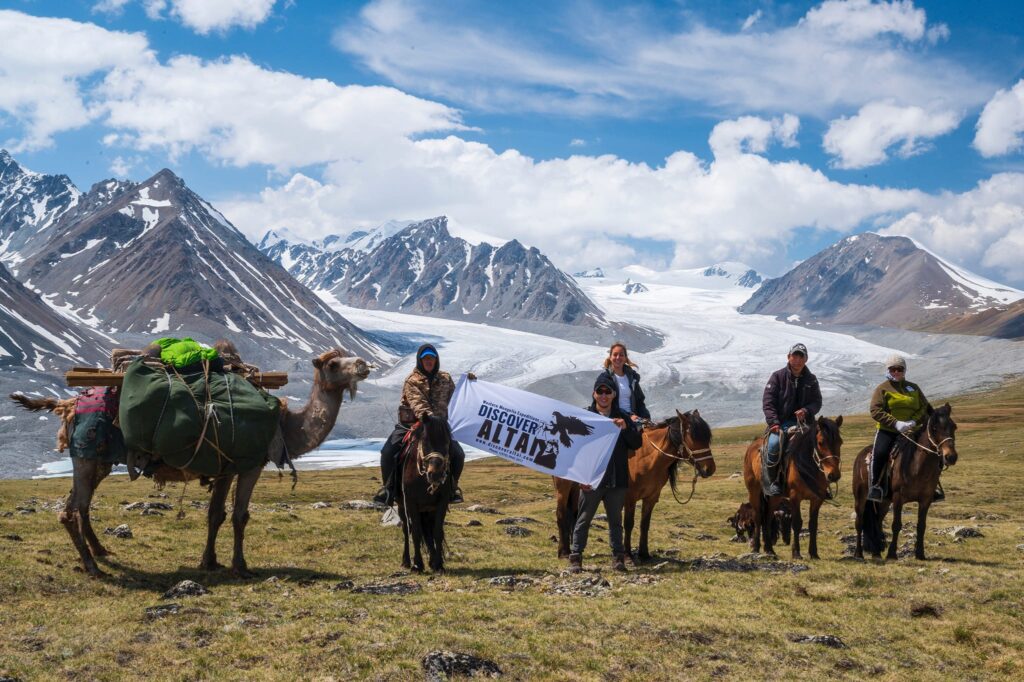
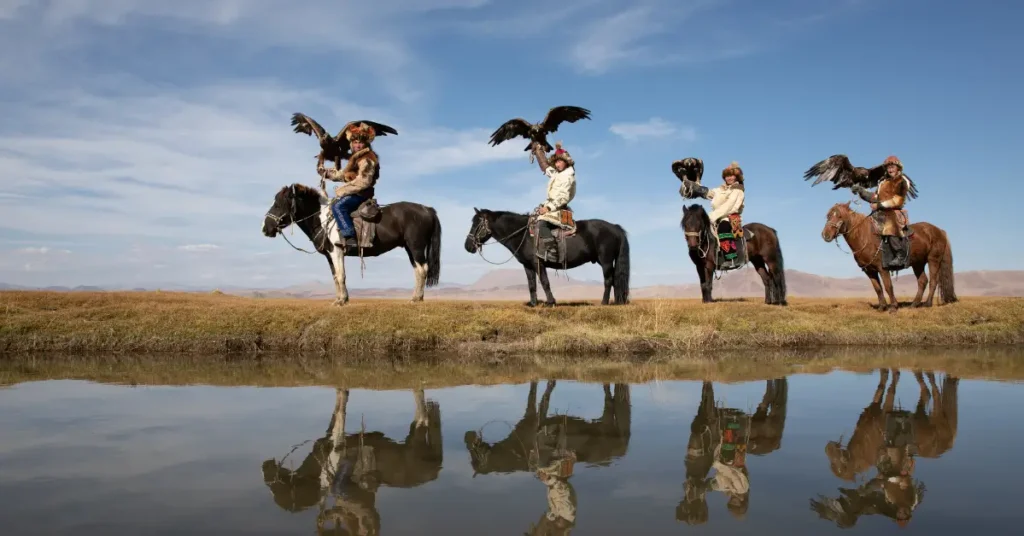
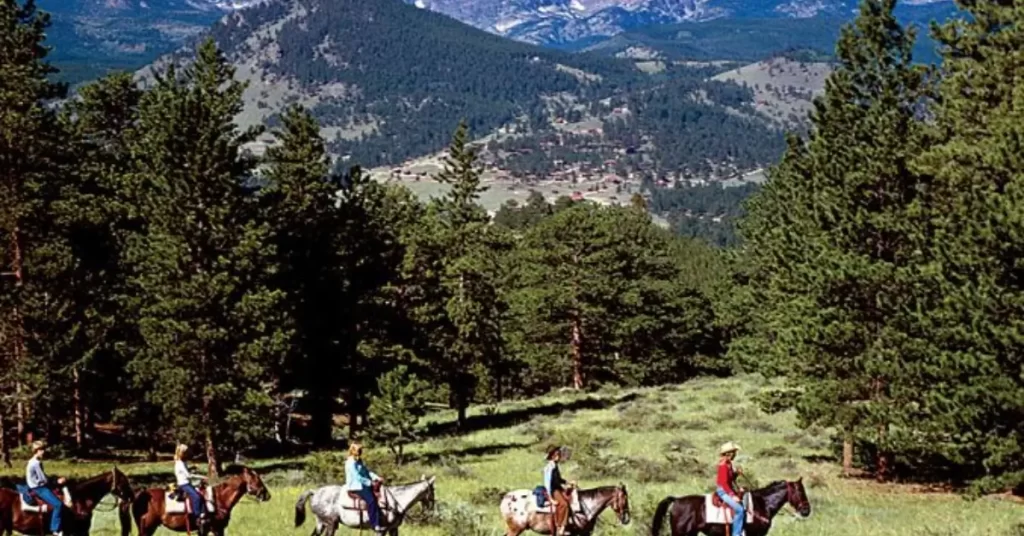
We offer you ALTAI TAVAN BOGD TOUR. Altai Tavan Bogd National Park is truly a must-see place in Mongolia. The tour itinerary includes trekking on horses and visiting a nomadic eagle hunter’s family. Come and Enjoy gorgeous Mongolian Altai! 🤩🤩
Here are five reasons why you should visit this incredible mountain range:
1. UNESCO WORLD HERITAGE
🌄 Want to experience this in person? Join our 6-Day Best of Altai Tavan Bogd Tour with local Kazakh guides — small groups, authentic experience, 5.0 stars on TripAdvisor.
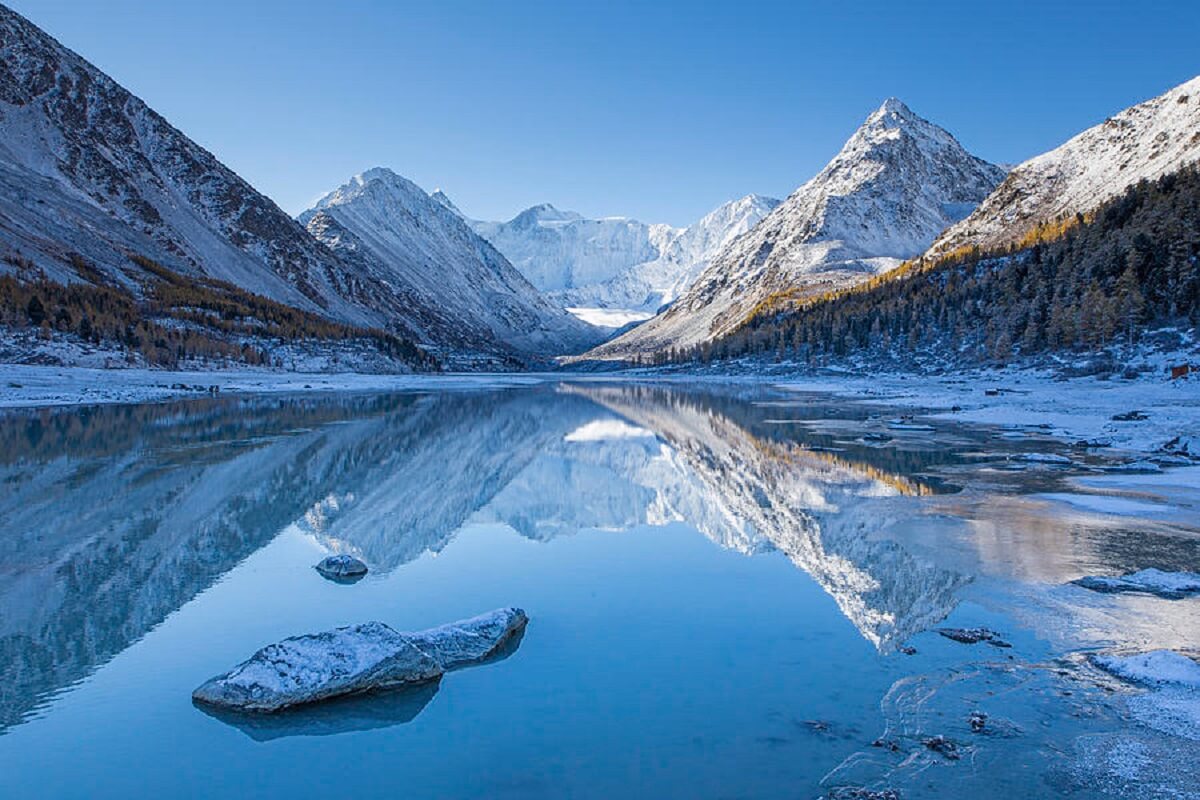
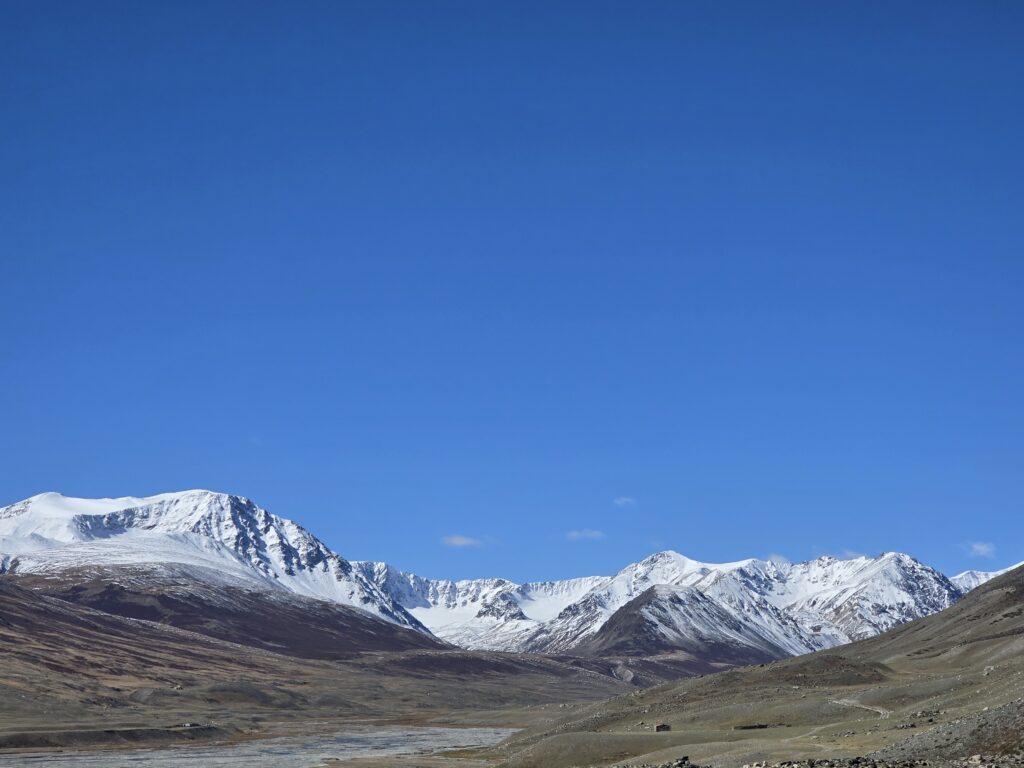
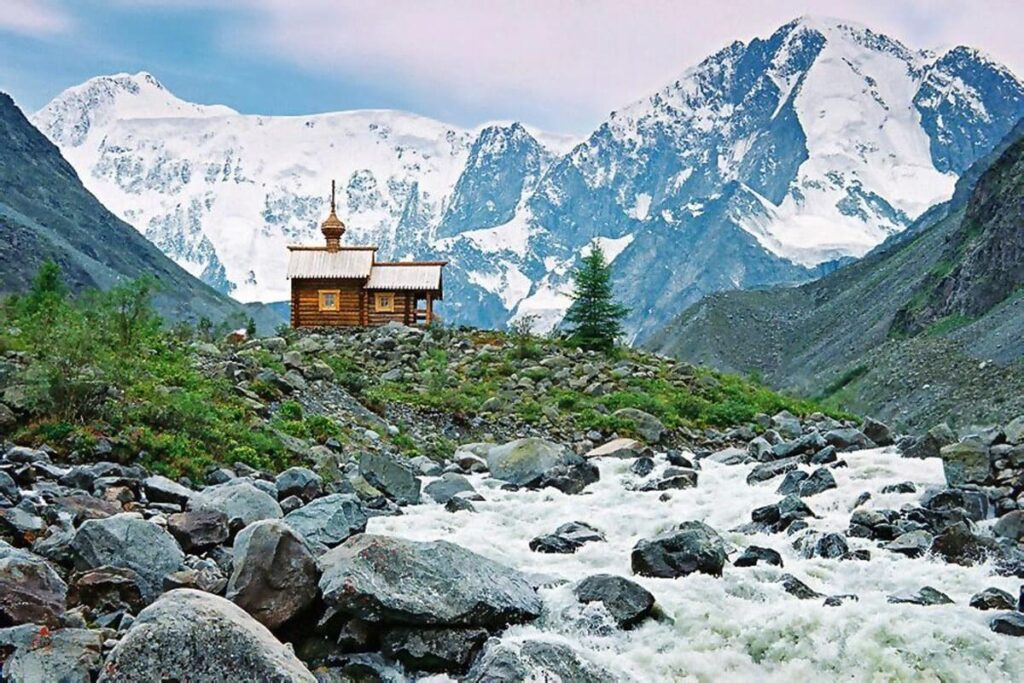
Altai Mountain is home to some of the most incredible scenery in the world, with towering peaks, pristine valleys, and crystal-clear rivers. The area is also home to a wealth of wildlife, including rare snow leopards and Altai argali sheep. Altai Mountain was inscribed as a UNESCO World Heritage site in 1998 for its natural beauty and cultural importance.

2. EXPLORE ITS ENDLESS LAKES AND RIVERS
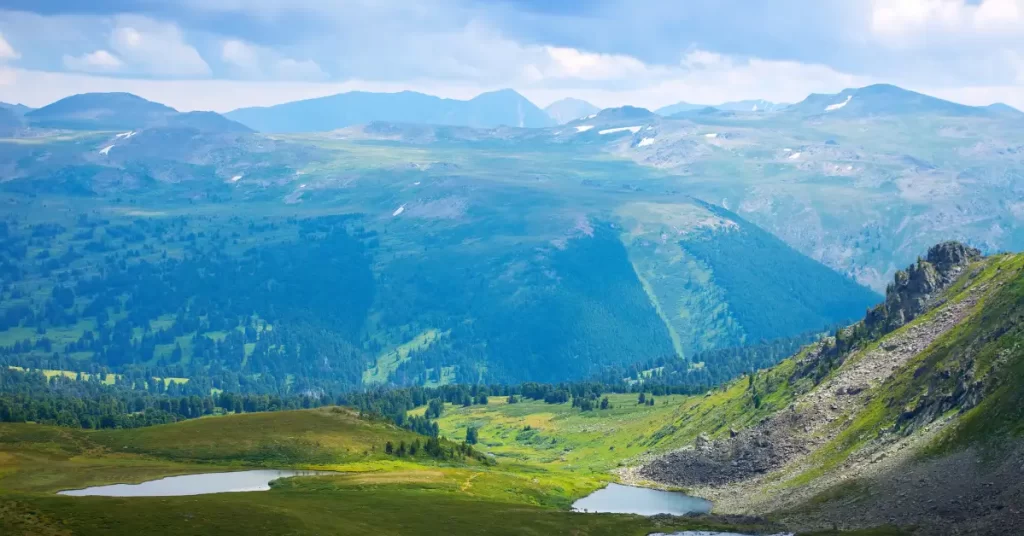
The Altai Mountain range is home to an impressive network of rivers and lakes, making it the perfect destination for those who love to explore the great outdoors. There are endless opportunities for hiking, camping, fishing, and canoeing in Altai Mountain.
3. SNOW LEOPARD THE MOTHER OF ALTAI MOUNTAIN
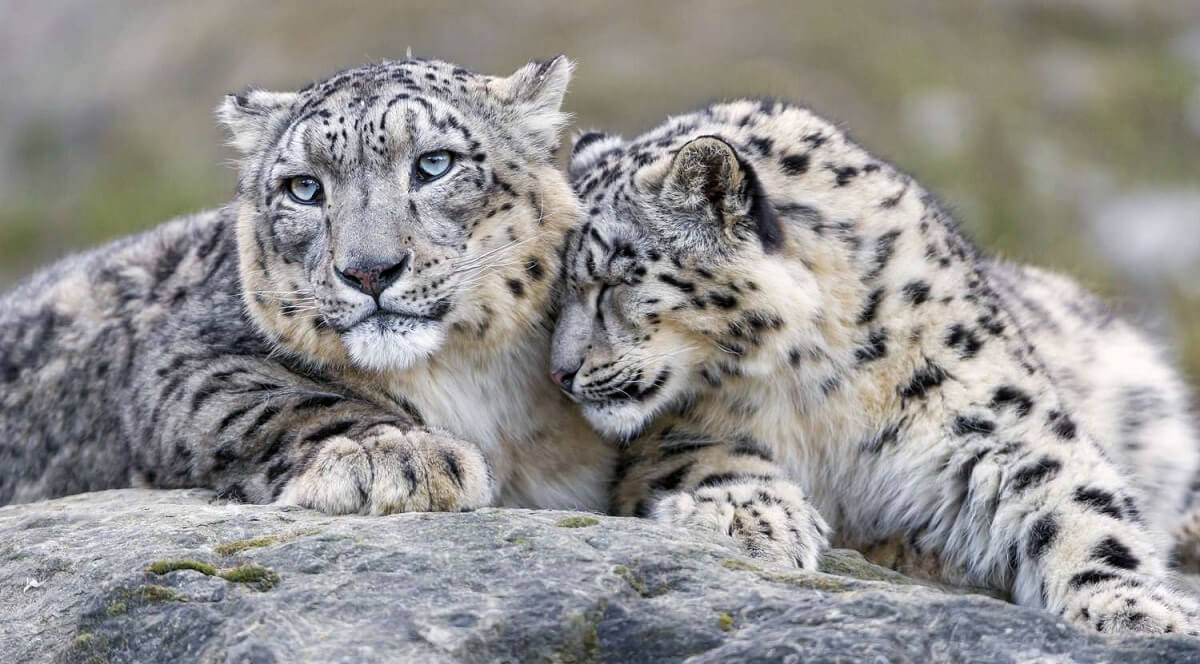
The snow leopard is a rare and endangered species that are native to the Altai Mountain range. These beautiful animals are an important part of the local ecosystem and play a vital role in maintaining the balance of nature in the area.
The snow leopard is one of the most elusive animals on the planet. These beautiful cats are incredibly well-camouflaged, and are experts at hunting their prey. Found in the high altitudes of the Altai Mountains, snow leopards are perfectly adapted to life in a cold climate.
Altai Tours from Mongolia
Let’s create your ideal Mongolian adventure
They have thick fur coats that keep them warm in the harshest conditions, and long tails that help them balance on the steep mountain slopes. You can read about more fun facts about Snow Leopard here.
There are just about 6000 of these elegant big cats left and there is a large population in the Altai. You’re more than welcome to come and take pictures of these stunning animals.
4. Unique Mongolian Nomad culture
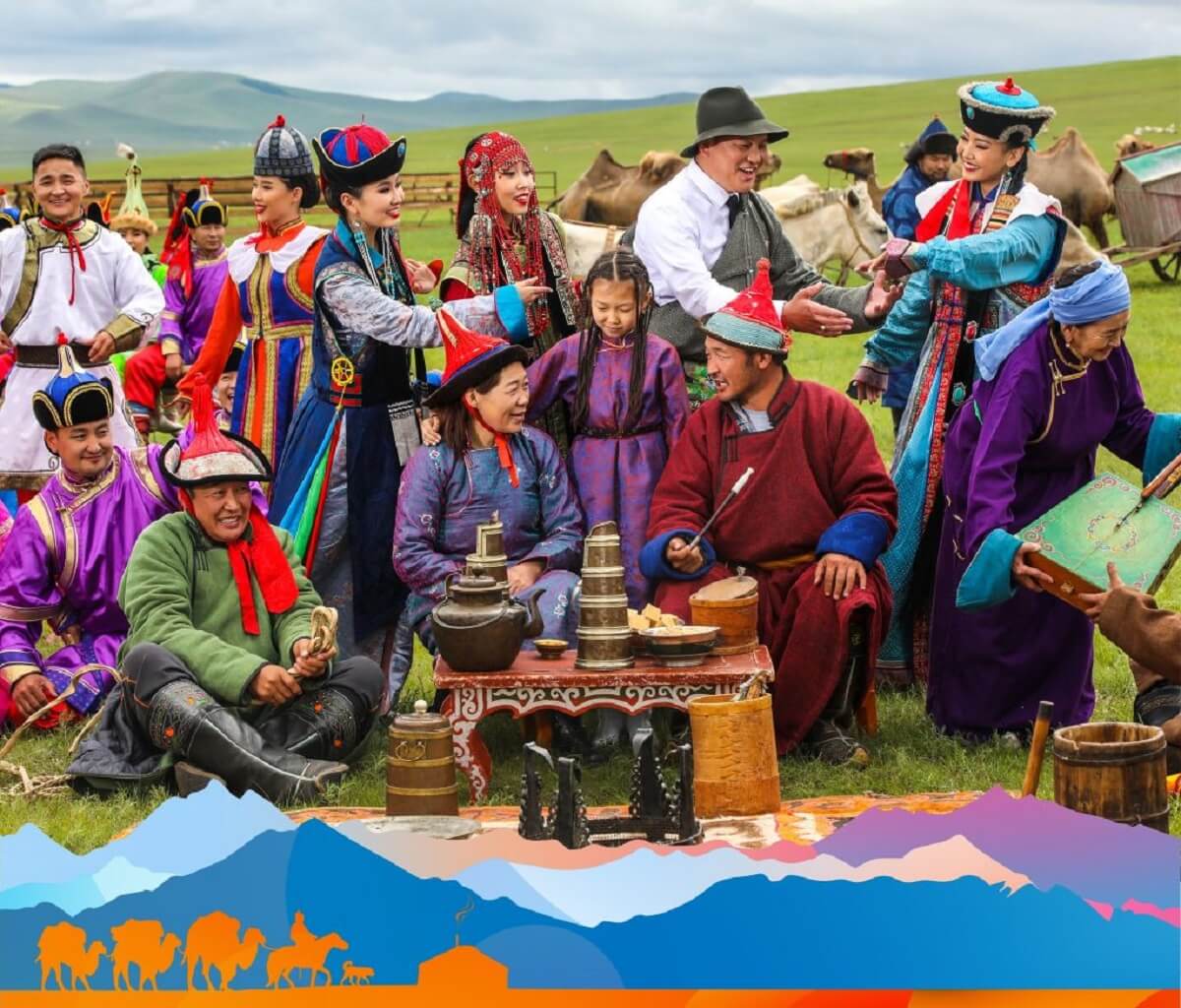
Mongolia is a country with a rich nomadic culture and history. The people of Mongolia have a deep connection to the land and their animals, and this is evident in their way of life. Visiting Altai Mountain is a great opportunity to learn more about the Mongolian people and their unique culture.
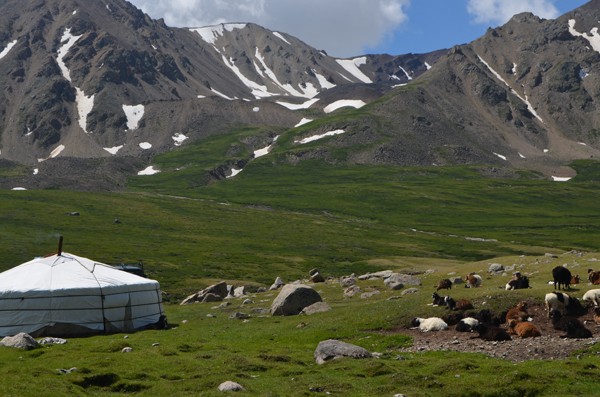
Nomads in the Altai Mountains live in one of the most remote and rugged regions of Mongolia. Surrounded by towering peaks, wide valleys, and crystal-clear rivers, the landscape is as challenging as it is breathtaking.
Altai Tours from Mongolia
Let’s create your ideal Mongolian adventure
The climate is harsh, with long, freezing winters and short, mild summers. This extreme environment shapes every aspect of nomadic life.
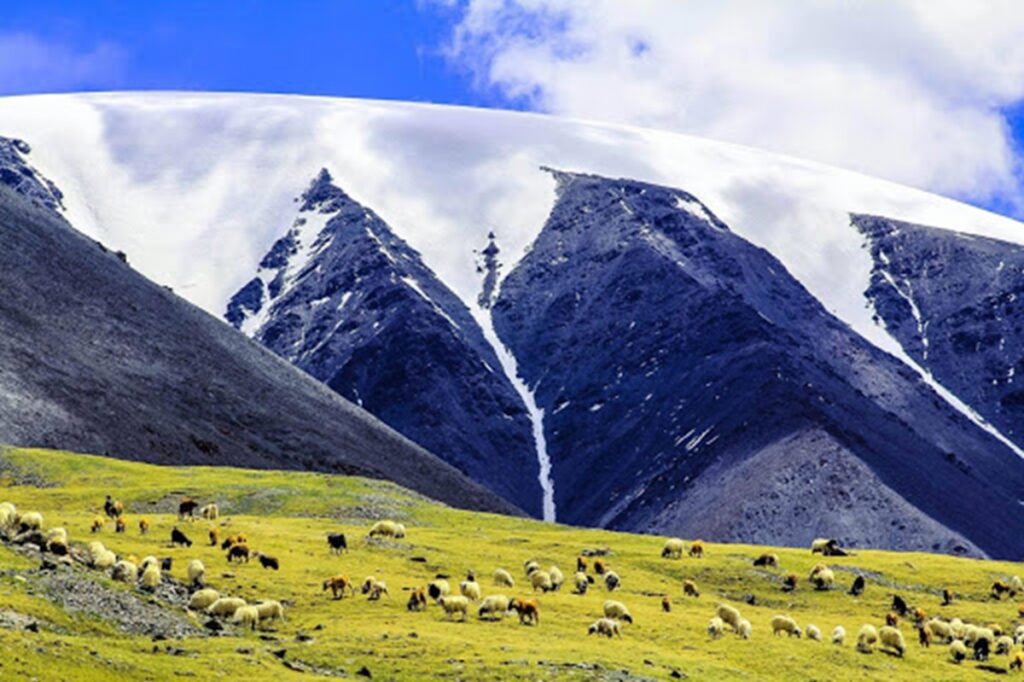
Most Altai nomads are herders, relying on their livestock—yaks, sheep, goats, camels, and horses—for survival. These animals provide food, clothing, and transportation.
5. ITS RICH HISTORY AND ARCHEOLOGY
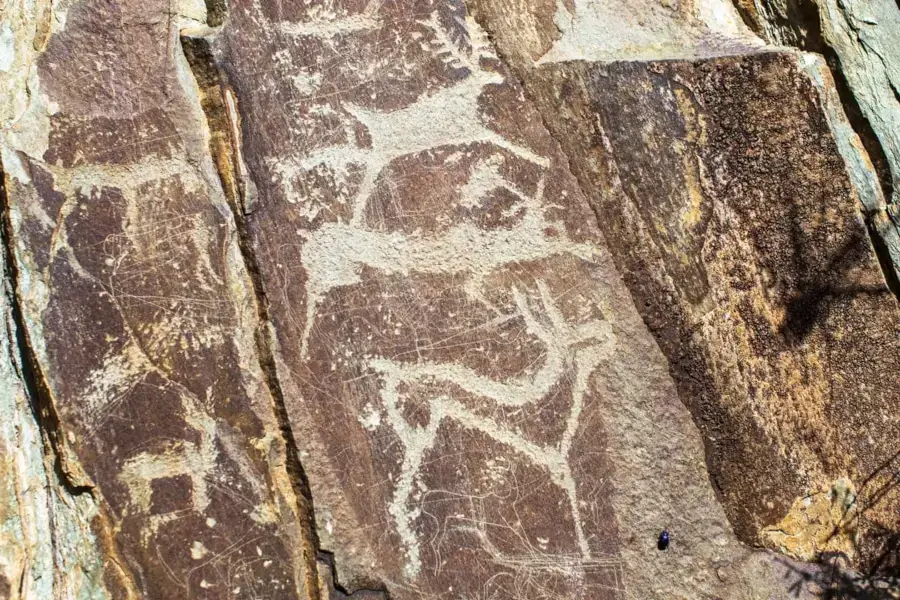
The Altai Mountain region has a long and rich history, dating back thousands of years. The area is home to a wealth of archaeological sites, including the ruins of the ancient city of Kharakhot.
The Altai Mountain region is also home to many traditional Mongolian villages, which offer a glimpse into the country’s past.
If you’re looking for an amazing travel experience, look no further than Altai Mountain! Whether you’re interested in its UNESCO world heritage site status, its endless lakes and rivers, or its rich history and archeology, there’s something for everyone in Altai Mountain.
So what are you waiting for? Pack your bags and head to Mongolia for an unforgettable adventure!
FAQ
Best Outdoor Activities in the Mongolian Altai
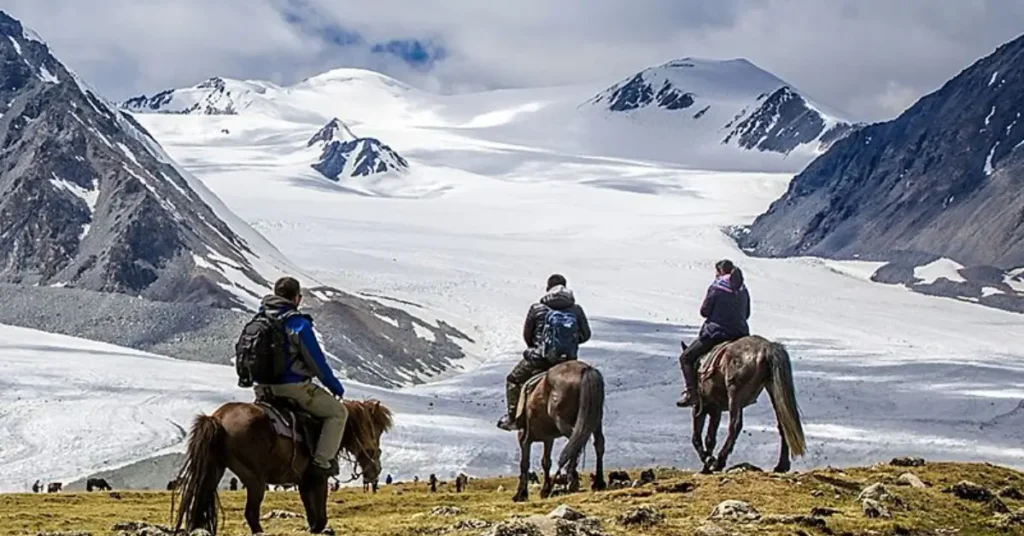
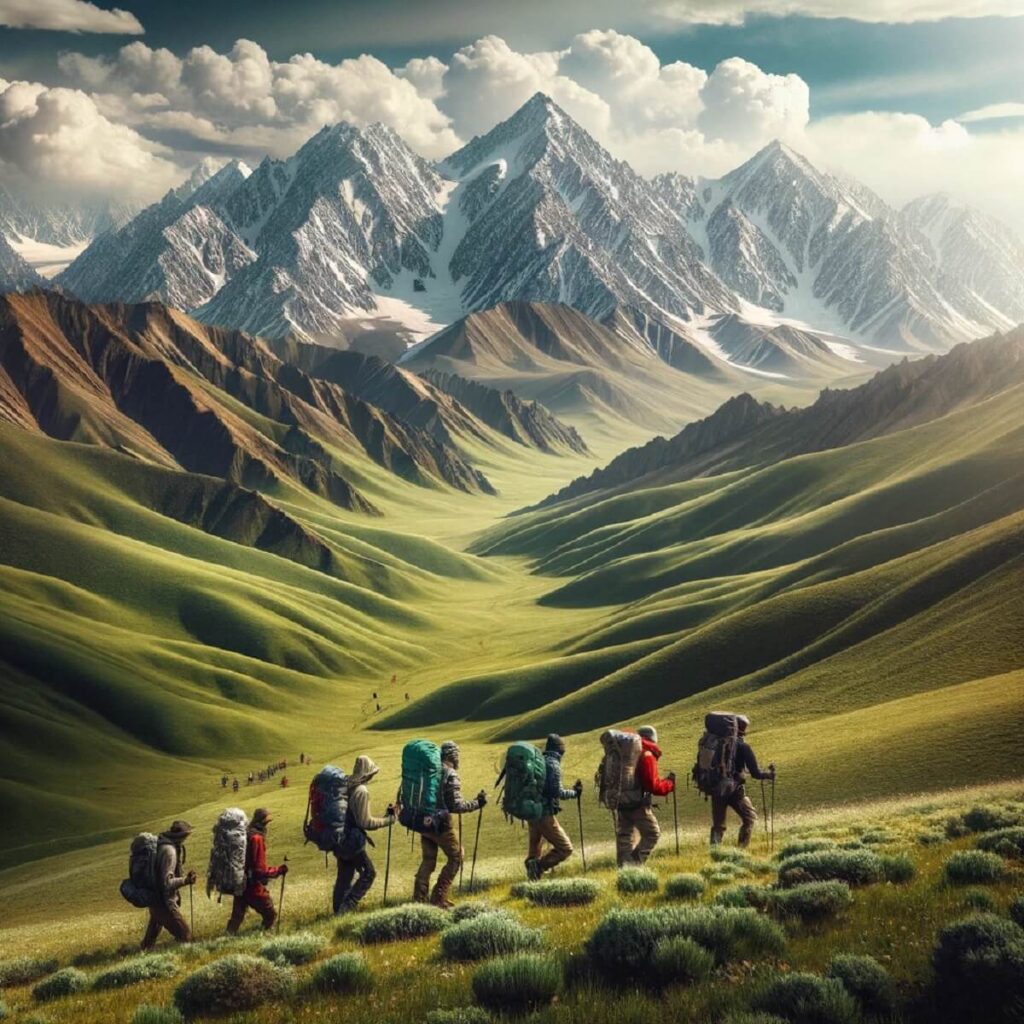
Trekking to Tavan Bogd (Five Saints): The Tavan Bogd massif contains Mongolia’s highest peaks, including Khüiten Peak at 4,374 meters (14,350 feet), the highest point in Mongolia, offering multi-day trekking routes through glacier valleys and alpine meadows. Treks typically range from 7-14 days and pass through Kazakh eagle hunter communities.
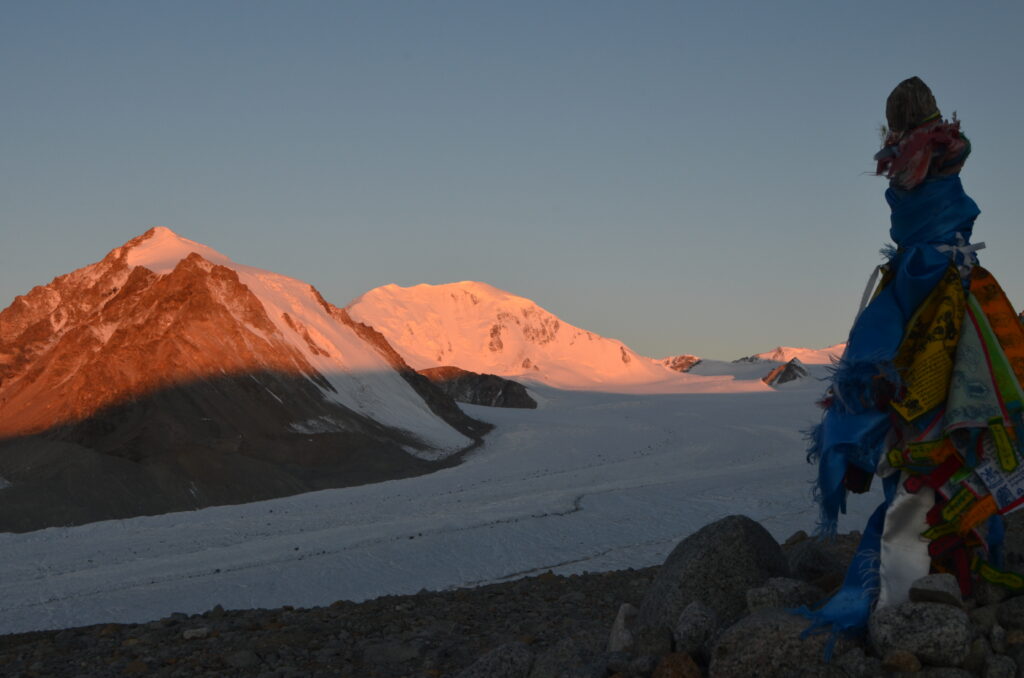
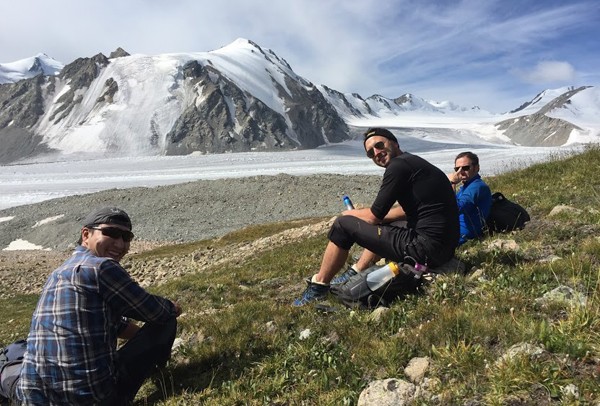
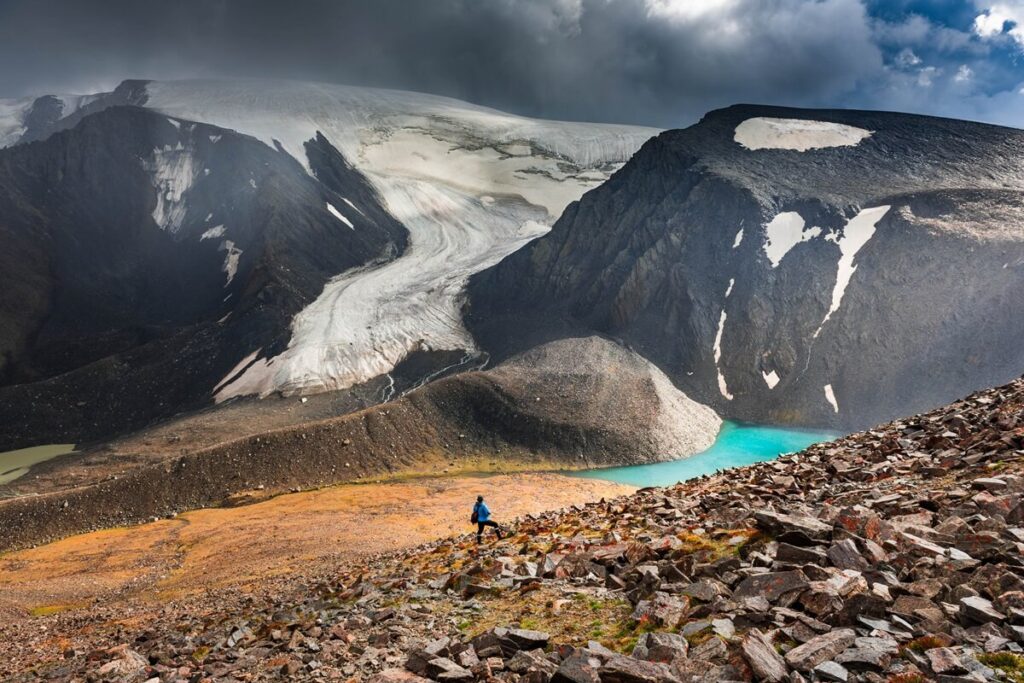
Potanin Glacier Exploration: Potanin Glacier, Mongolia’s largest at approximately 20 kilometers long, is accessible via moderate trekking routes from Altai Tavan Bogd National Park. The glacier feeds into numerous pristine mountain lakes.
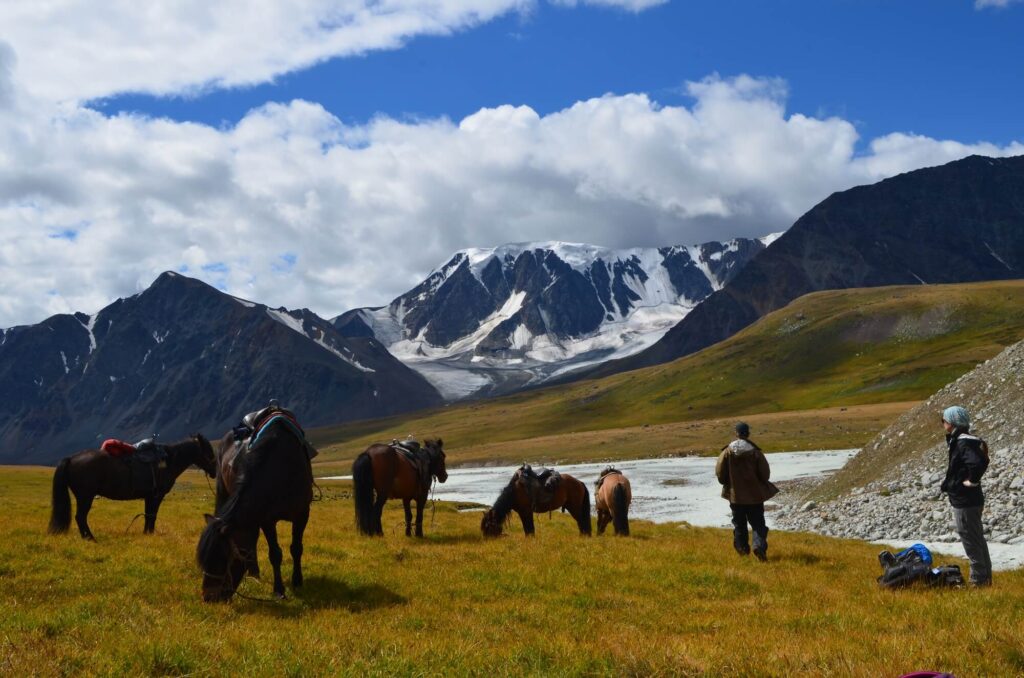
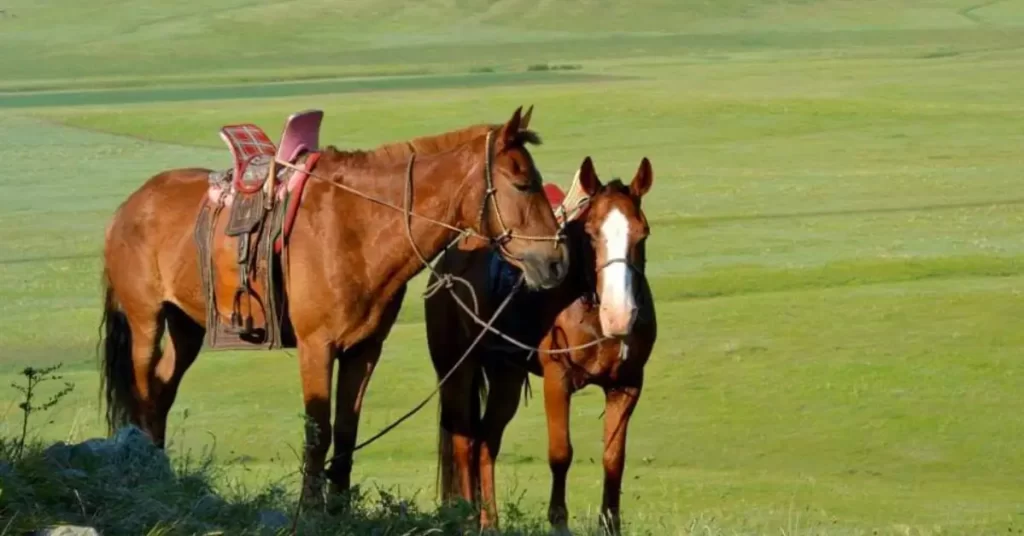
Horseback Riding Expeditions: Traditional Mongolian horseback riding remains the most authentic way to explore Altai valleys, with routes covering 20-40 kilometers per day through nomadic summer pastures (summering grounds known as zhailau). Horse treks can be arranged through local Kazakh and Tuvan families who maintain semi-nomadic herding practices.
Multi-Day River Rafting: The Hovd River and Buyant River offer Class II-III rafting suitable for intermediate paddlers during June-August high water season, passing through remote gorges with opportunities for riverside camping.
When to Visit the Mongolian Altai: Seasonal Guide
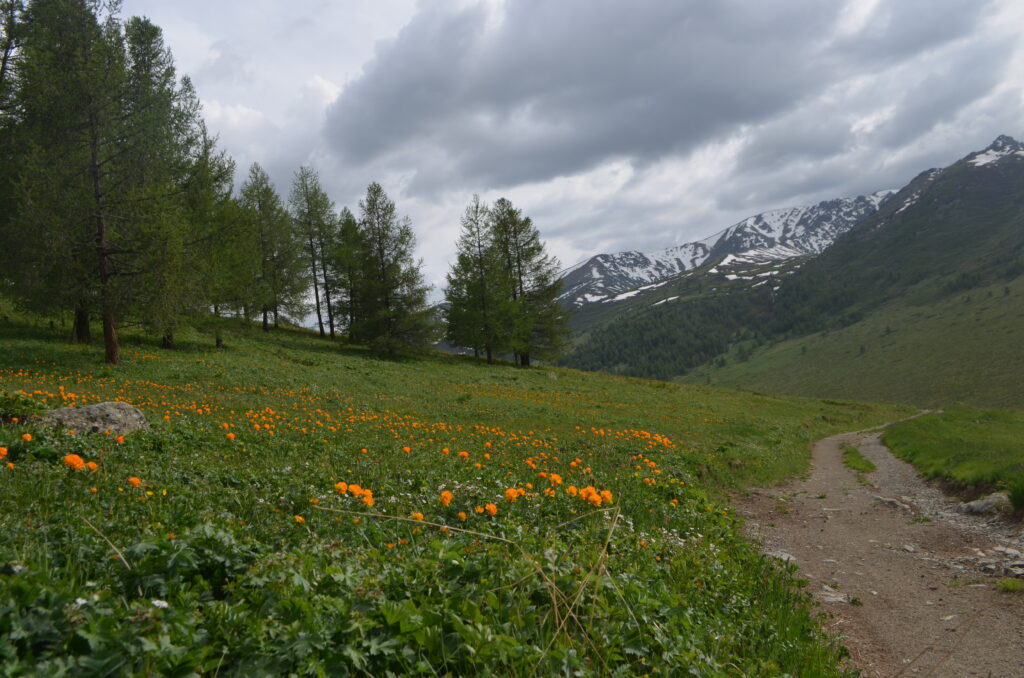
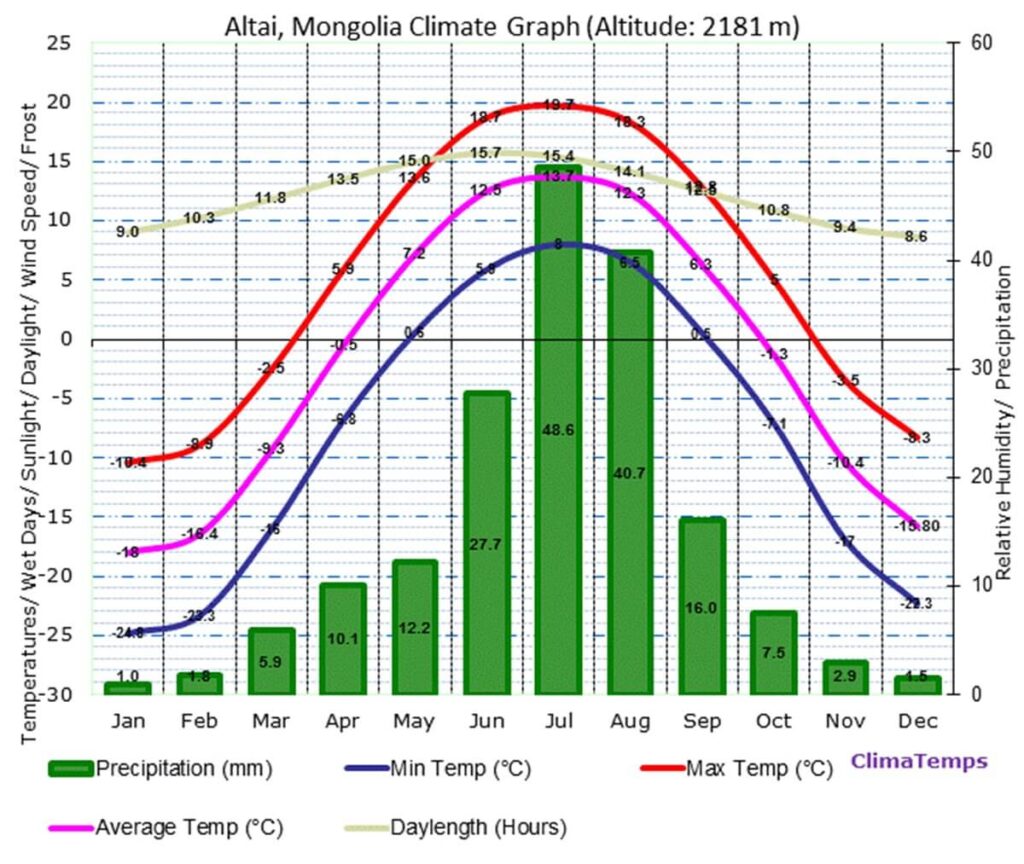
Summer (June-August): Peak season with temperatures ranging 15-25°C (59-77°F) in valleys, ideal for trekking, horseback riding, and river activities. Wildflowers bloom across alpine meadows in July, and the Naadam Festival occurs in mid-July. This is also when nomadic families occupy high summer pastures, offering best cultural immersion opportunities.
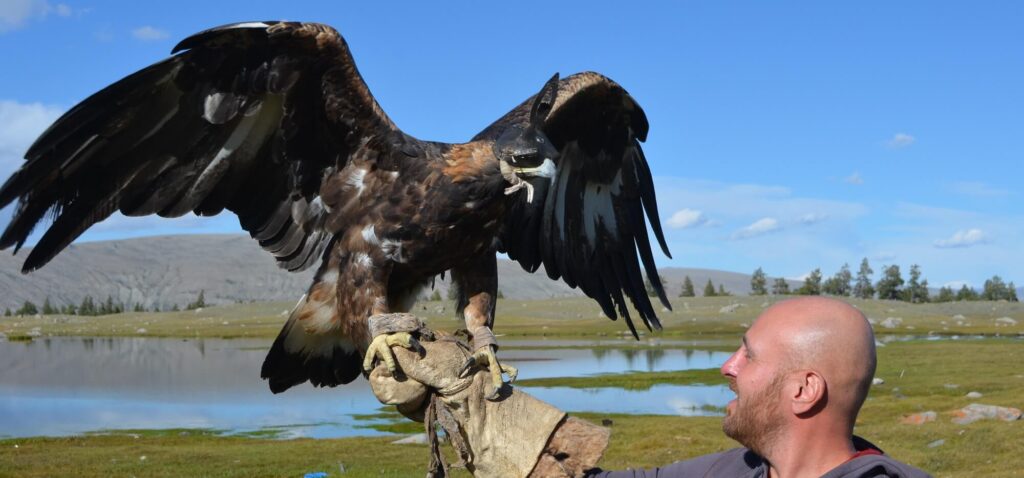
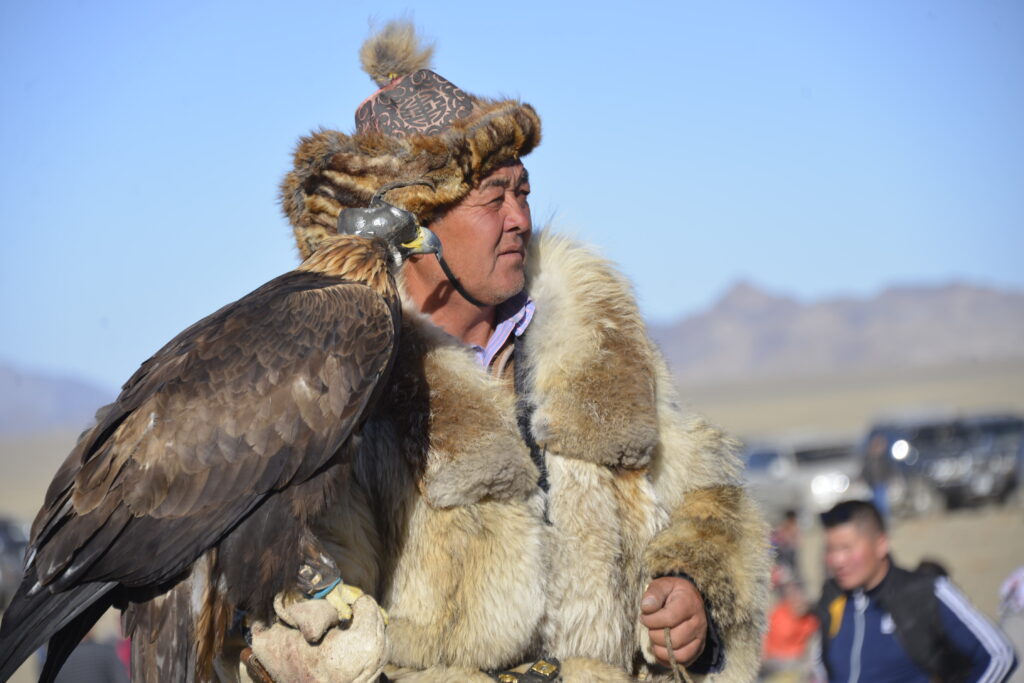
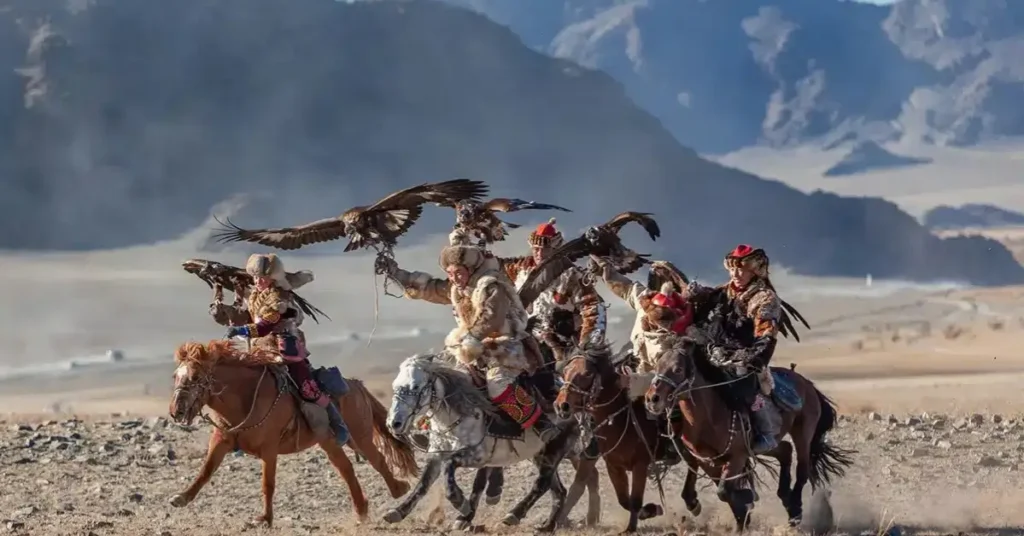
Autumn (September-October): Shoulder season with golden larch forests, clearer skies for photography, and temperatures dropping to 5-15°C (41-59°F). Eagle hunting season begins in late September when Kazakh hunters train golden eagles for traditional hunting demonstrations. Fewer tourists and lower accommodation prices.
Winter (November-March): Extreme cold (-30°C to -40°C / -22°F to -40°F) limits accessibility, but dedicated winter visitors can experience traditional Kazakh winter camps, ice festivals, and pristine snow-covered landscapes. Most tourist infrastructure closes; only specialized winter expeditions operate.
Spring (April-May): Unpredictable weather with melting snow creating muddy trails and swollen rivers. Not recommended for most activities, though bird migration begins and newborn livestock appear in nomadic camps.
Flora and Fauna: Biodiversity Beyond the Snow Leopard
Mammal Diversity: The Altai ecosystem supports over 70 mammal species including argali sheep (Ovis ammon), the world’s largest wild sheep with rams weighing up to 300 pounds and horns spanning 190 cm. Other notable species include Siberian ibex, grey wolves, brown bears, and the critically endangered Altai snowcock.
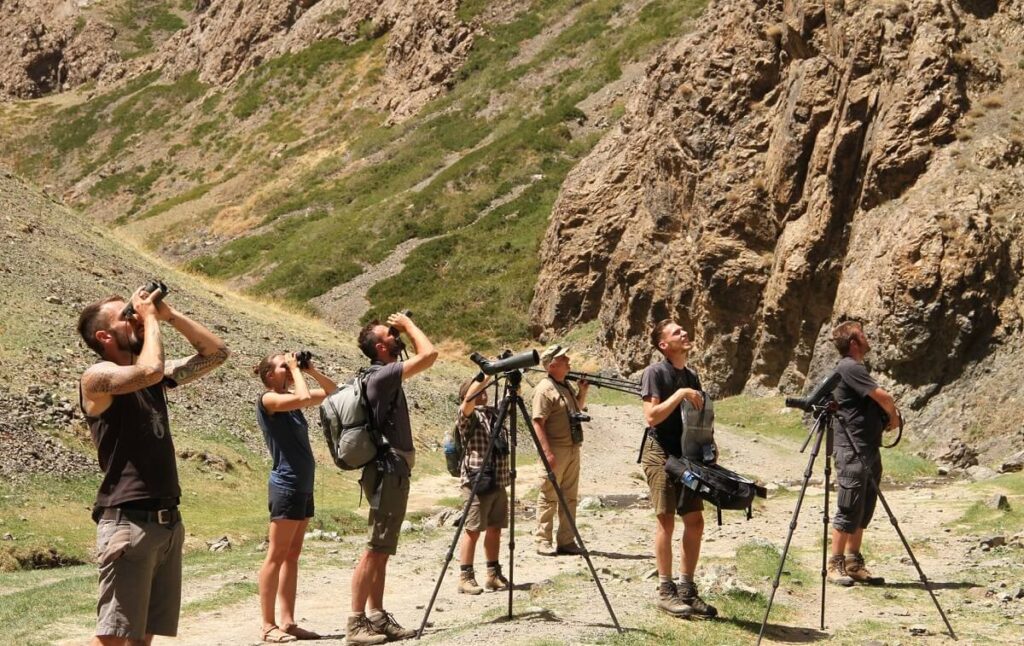
Bird Species: Over 250 bird species have been recorded in the Mongolian Altai, including golden eagles (used in traditional Kazakh falconry), lammergeiers (bearded vultures with 3-meter wingspans), and Altai snowcock. The region serves as an important migratory corridor between Siberian breeding grounds and Central Asian wintering areas.
Endemic and Rare Plants: The Altai harbors approximately 2,000 plant species, including 200+ endemic to the region such as Oxytropis altaica and Dracocephalum altaiense. Alpine meadows bloom with edelweiss, rhododendrons, and rare medicinal herbs like Rhodiola rosea (golden root) used in traditional medicine.
Forest Ecosystems: Siberian larch (Larix sibirica) forests dominate lower elevations (1,800-2,400m), transitioning to alpine tundra above the tree line. These forests provide critical habitat for cavity-nesting birds and small mammals that form the prey base for snow leopards.
Practical Information: Getting to the Mongolian Altai
Air Access: Ölgii (also spelled Ulgii), the capital of Bayan-Ölgii Province, is served by daily flights from Ulaanbaatar on Hunnu Air and Aero Mongolia, with flight time of approximately 3 hours. The airport (ULG/ZMUL) is 10 kilometers from the town center. Book flights 2-3 months in advance during peak season (July-August).
Local Transportation: Within Bayan-Ölgii, Russian-made vans and trucks serve as shared taxis between Ölgii and trailheads. Access to Altai Tavan Bogd National Park (92 kilometers west of Ölgii) requires 4WD vehicles, typically arranged through tour operators with permits. Fuel availability is limited outside Ölgii; carry extra fuel for remote areas.
Accommodation Options in the Mongolian Altai
Homestays with Nomadic Families: Staying with Kazakh or Tuvan nomadic families provides authentic cultural immersion, with guests sleeping in family gers and participating in daily herding activities. Arrangements are typically made through local tour operators, with costs around $20-40 USD per person per night including meals prepared from fresh dairy products and meat.
Hotels in Ölgii: The town of Ölgii offers basic hotels and guesthouses with modern amenities including Blue Wolf Hotel, Tavanbogd Hotel, and several smaller guesthouses with prices from $25-60 USD per night. Standards are modest compared to Ulaanbaatar hotels; book ahead during peak season and eagle festival periods.
Wilderness Camping: For multi-day treks and expeditions, camping is the only accommodation option in remote areas of Altai Tavan Bogd National Park and surrounding mountains. Tour operators provide tents, cooking equipment, and staff; independent camping requires full self-sufficiency with bear-proof food storage and Leave No Trace practices.
What makes the Altai Mountains special?
The Altai Mountains are one of the most untouched and naturally diverse regions in Central Asia. Located where Russia, Mongolia, China, and Kazakhstan meet, Altai is known for its snow-capped peaks, glaciers, crystal lakes, wide valleys, and pure wilderness. It is a rare place where nature, history, and culture still exist in harmony.
What is unique about Altai culture?
The Altai people have their own language, traditions, and spiritual beliefs. They live in close connection with nature and deeply respect their land. Many families still follow traditional lifestyles, which helps preserve their cultural identity and ancient heritage.
What can you do in the Altai Mountains?
Altai offers a wide range of outdoor and cultural activities such as:
Trekking and hiking
Horseback riding
Off-road adventures
Rafting and kayaking
Camping in the wilderness
Skiing and snow activities
Visiting nomadic families and learning their lifestyle
Many areas are also protected by UNESCO as World Natural Heritage sites.
What are the famous mountain ranges in Mongolia?
Mongolia has three major mountain systems:
The Mongol Altai Mountains
The Khangai Mountains
The Khentii Mountains
The Mongol Altai is the longest and highest range, stretching about 600–650 km across western Mongolia.
Which mountains are called the “Golden Mountains”?
The “Golden Mountains of Altai” refer to the southern Siberian part of the Altai range. This region is famous as the source of major rivers such as the Ob and Irtysh and is known for its outstanding natural beauty and biodiversity.
What is Altai famous for?
Altai is famous for:
Thousands of pristine lakes
Unspoiled landscapes
Rich history and ancient civilizations
Clean ecological environment
Colorful festivals and traditional celebrations
What are some interesting facts about the Altai Mountains?
The Altai Mountains are often called:
“Russian Tibet”
“Siberian Switzerland”
“The New Zealand of Siberia”
The highest peak is Mount Belukha, standing at 4,509 meters and permanently covered with snow and ice.
Is Altai worth visiting?
Absolutely. Altai is ideal for travelers who seek pure nature, adventure, silence, and cultural depth. It is one of the best destinations for authentic exploration away from mass tourism.
What outdoor activities are popular in Altai?
Popular outdoor activities include:
Hiking and trekking
Mountain climbing
Rafting and kayaking
Horse trekking
Camping
Skiing and snow sports
Wildlife photography
What does “Altai” mean?
The Altai Mountains are a mountain system in Central Asia where four countries meet: Russia, Mongolia, China, and Kazakhstan. The name “Altai” is often associated with the meaning “Golden Mountains,” symbolizing the richness and sacredness of the land.
What is the difference between the Mongolian Altai and Russian Altai?
The Altai Mountains span four countries (Russia, Mongolia, China, and Kazakhstan) with distinct geographic and tourism characteristics. The Russian Altai (Altai Republic and Altai Krai) features more developed tourism infrastructure with paved roads, ski resorts, and hotels, centered around destinations like Lake Teletskoye and Mount Belukha (4,506m), Siberia’s highest peak. The Mongolian Altai lies in Mongolia’s westernmost Bayan-Ölgii Province, characterized by more remote, rugged terrain with limited infrastructure but authentic nomadic culture, particularly among Kazakh eagle hunters. Mongolia’s highest peaks are in the Tavan Bogd massif (4,374m) at the border convergence with Russia and China. For nature-focused adventure with cultural immersion, the Mongolian Altai excels; for more comfortable facilities with winter sports, the Russian Altai is better developed. Many serious mountaineers visit both regions.
Do I need special permits to visit Altai Tavan Bogd National Park?
Yes, foreign visitors require border zone permits in addition to national park entrance fees to visit Altai Tavan Bogd National Park, as it borders both Russia and China. Permits must be obtained through the Border Protection Authority in Ölgii or arranged in advance through registered tour operators, which is the recommended approach. The process typically takes 2-5 business days and requires passport copies and detailed itinerary information. Park entrance fees are separate (approximately $3-5 USD per day for foreigners) and paid at park headquarters or ranger stations. Independent travelers should arrange permits at least one week before entering border zones. Camping permits within the national park are included with entrance fees. Working with a licensed tour operator simplifies the permit process significantly and is required for climbing expeditions to Khüiten Peak and other glaciated summits.
Is it safe to drink water from Altai mountain streams and lakes?
While Altai’s high-altitude streams and glacial lakes appear pristine, water safety depends on specific locations and livestock presence. Above 3,000 meters (9,800 feet) in areas without grazing animals, glacial meltwater is generally safe, but waterborne parasites like Giardia can still be present. Below the tree line and in valleys where nomadic families graze livestock (sheep, goats, horses, yaks), water sources may contain bacteria and parasites from animal waste. Best practices: carry a quality water filter (0.2 micron or smaller) or purification tablets for all water sources, or boil water for at least one minute (three minutes above 2,000m elevation). Tour operators typically provide boiled or filtered water. Avoid drinking from standing water or slow-moving streams near herding camps. Many experienced trekkers use combination filter-purifier systems (like MSR Guardian) that remove both particles and viruses.
What is the best time of year to see snow leopards in the Mongolian Altai?
Snow leopard sightings in the wild are extremely rare regardless of season, as these solitary cats range across territories of 30-65 square kilometers and avoid humans. Winter months (December-February) offer slightly better chances because snow leopards descend to lower elevations (2,500-3,500m) following their primary prey, ibex and argali sheep, and tracks are visible in snow, but harsh conditions make winter expeditions challenging. Research suggests early morning and dusk activity patterns year-round. Your best opportunity for snow leopard observation in Mongolia is through specialized wildlife tracking expeditions with researchers, camera trap monitoring projects, or visits to Snow Leopard Conservation Centers that occasionally rehabilitate injured animals. The Snow Leopard Trust operates community-based conservation programs in Bayan-Ölgii Province where trained guides can take visitors to areas with recent snow leopard signs. Realistic expectations: most dedicated snow leopard expeditions span 7-14 days with no guarantee of sightings, focusing instead on tracking, signs, and supporting conservation efforts.
Can I visit the Mongolian Altai independently without a tour operator?
Independent travel to the Mongolian Altai is possible but challenging and not recommended for first-time visitors. Key challenges include: border zone permits requiring complex paperwork and local contacts; limited public transportation beyond Ölgii with infrequent shared vans; lack of marked trails and English signage in wilderness areas; need for 4WD vehicles on unpaved roads; and language barriers (most locals speak Kazakh and Mongolian, with limited English). Independent travelers should have outdoor self-sufficiency skills, GPS navigation equipment, emergency satellite communication devices (cell coverage is sparse), and basic Mongolian or Kazakh language ability. For first visits, joining an organized tour provides significant advantages: permit facilitation, cultural translation, safety support, and access to remote locations difficult to reach independently. Budget travelers can reduce costs by joining group tours rather than private expeditions. Experienced adventure travelers with previous Mongolia experience can manage independently for basic exploration around Ölgii and day trips, but multi-day backcountry expeditions strongly benefit from local guide support.
SUGGESTED TOURS:
Suggested Tours:
MONGOLIA HORSE TREKKING TOUR 2027
Unleash your adventure spirit, explore Mongolia on your own terms MONGOLIA HORSE TREKKING TOUR 2027 ⭐⭐⭐⭐⭐ 5.0 · 72 reviews…Mongolia Altai Mountain Tour 2026 — 8 Days: Peak Climb + Culture + Nomadic Stay | $1,700
Unleash your adventure spirit, explore Mongolia on your own terms MONGOLIA ALTAI MOUNTAIN TOUR ⭐⭐⭐⭐⭐ 5.0 · 72 reviews on…GOBI & WESTERN MONGOLIA TOUR
Unleash your adventure spirit, explore Mongolia on your own terms GOBI & WESTERN MONGOLIA TOUR ⭐⭐⭐⭐⭐ 5.0 · 72 reviews…
Related Blogs:
Self-Guided vs Guided Trekking in Mongolia: Which One Actually Fits Your Trip?
For roughly 90% of international hikers, a fully-guided Mongolia trekking tour is the right format — the supported 11-day package…How Hard Is the Altai Tavan Bogd Trek? Fitness, Altitude, and an Honest Reality Check
The standard 11-day Altai Tavan Bogd trek is graded “moderate” by Mongolian operators and by international trekking standards. You will…Mongolia Trekking Tour Cost in 2026: What You’ll Actually Pay (and What’s Included)
A guided 11-day Mongolia trekking tour in the Altai Tavan Bogd costs $2,100–$2,400 per person in 2026 when booked through…


Ready to see the Altai rather than read about it? Our western Mongolia tours run from Ölgii in every season — festivals, treks and snow leopard expeditions alike.