
Tuvan people, History, and The Most Interesting Facts – The Tuvan people are a Turkic ethnic group native to Tuva, in Central Asia. They number around 200,000 and live in Russia (Tuva), Mongolia, and China.
The Tuvan tribe has its own unique language and culture, which has been passed down through the generations. Tuvan people are known for their throat singing, a form of music that uses the voice to produce two or more notes simultaneously. So here is everything you need to know about the Tuvan people.
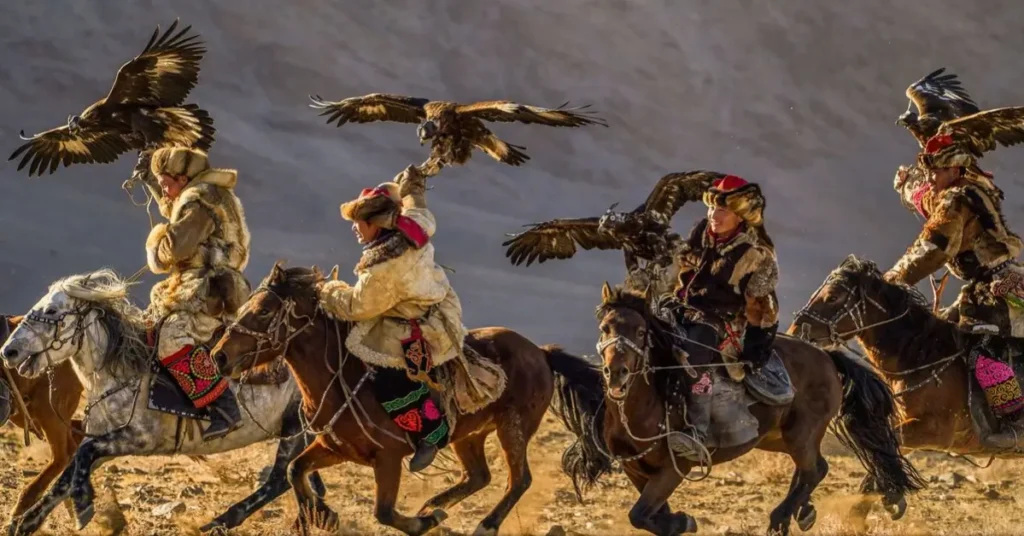
We offer you GOLDEN EAGLE FESTIVAL PHOTOGRAPHY TOUR. It will be so amazing 🤩🤩
HISTORY OF THE TUVAN PEOPLE
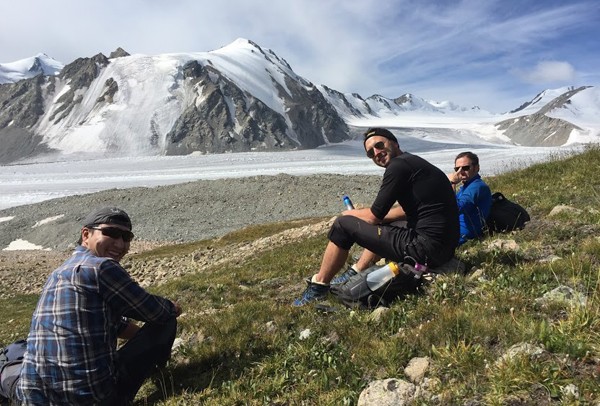
🥾 Want to experience this in person? Join our 11-Day Altai Trekking Tour (through Tuvan and Kazakh territory) with local Kazakh guides — small groups, authentic experience, 5.0 stars on TripAdvisor.
Archaeological evidence suggests that people have been living in Tuva since the Paleolithic era.
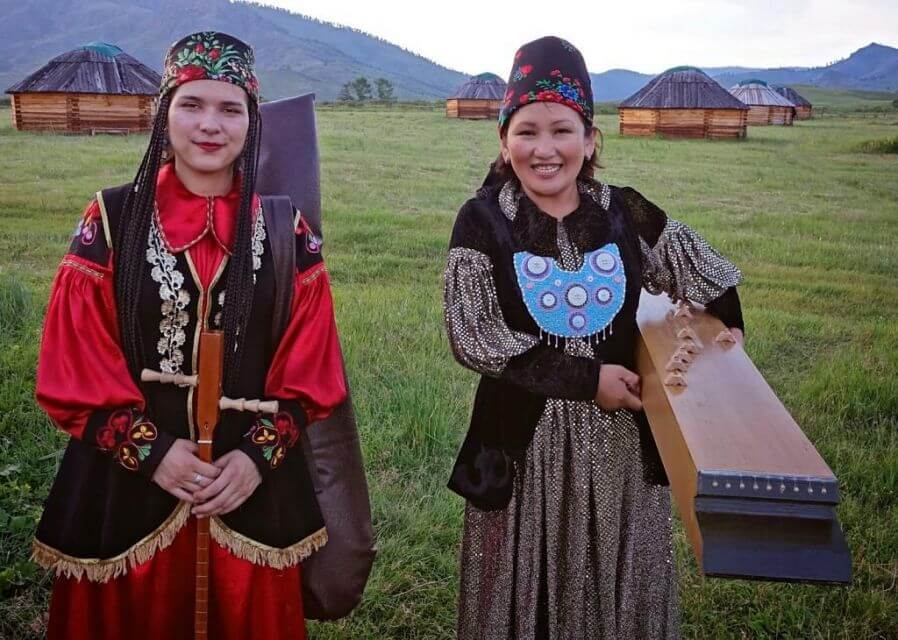
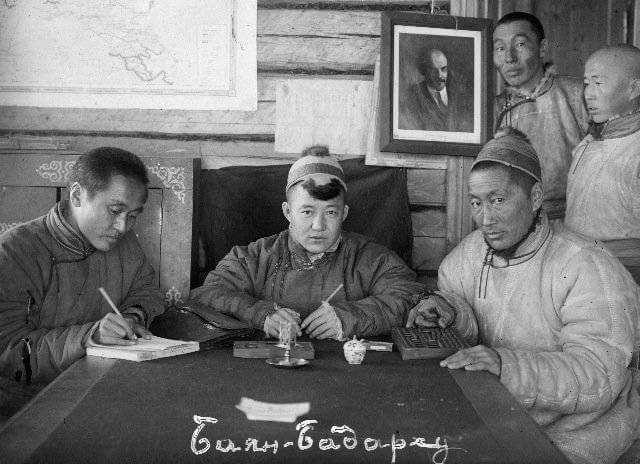
- Ancient Turks, Uyghurs, Yenisey Kyrgyz, Mongols, Mongolian Oyrats, and Manchu Chinese have all ruled Tuva throughout history. In the 17th century, when they embraced Yellow Hat Tibetan Buddhism, the Tuvans became a distinct ethnicity.
- In 1914, the Russian Empire designated Tuva its protectorate and permitted Russians to settle there, greatly offending the Tuvans who assaulted them from time to time.
- The new communist government in Russia declared in 1921 that the protectorate established earlier by the Russian monarchy was invalid, thus establishing Tuva as an independent state. In reality, the so-called “Tannu-Tuva People’s Republic” that governed from 1921 until 1944 was Soviet puppetry.
- In 1944, the Soviet Union annexed Tuva Republic; soon thereafter, thousands of Russian settlers arrived to work the land and construct factories and coal and gold mines. The Tuvans were forced into herding collectives similar to agricultural collective farms.
- The Tuvan ethnic group has increased its demographic dominance in Russia after the fall of the Soviet Union, from two-thirds to three-quarters of the republic’s population. Tuva, nevertheless, remains one of Russia’s poorest regions and is highly reliant on federal subsidies.
WHERE ARE THEY LIVING CURRENTLY?
The Tuvans are currently inhabiting
- the Tuvan Republic of the Russian Federation
- Western Mongolia
- Western China.
Interesting facts about the Republic of Tuva
The Tuvan republic is located in southern Siberia and at the geographical center of Asia. The republic shares borders with the Altai Republic, the Republic of Khakassia, Krasnoyarsk Krai, Irkutsk Oblast, and the Republic of Buryatia in Russia and Mongolia to the south.
Altai Tours from Mongolia
Let’s create your ideal Mongolian adventure
Kyzyl (300 miles from Abakan) is the capital of the Tuvan Republic and home to 80,000 people. Kyzyl has about 30% of the population of the Tuvan People’s Republic.
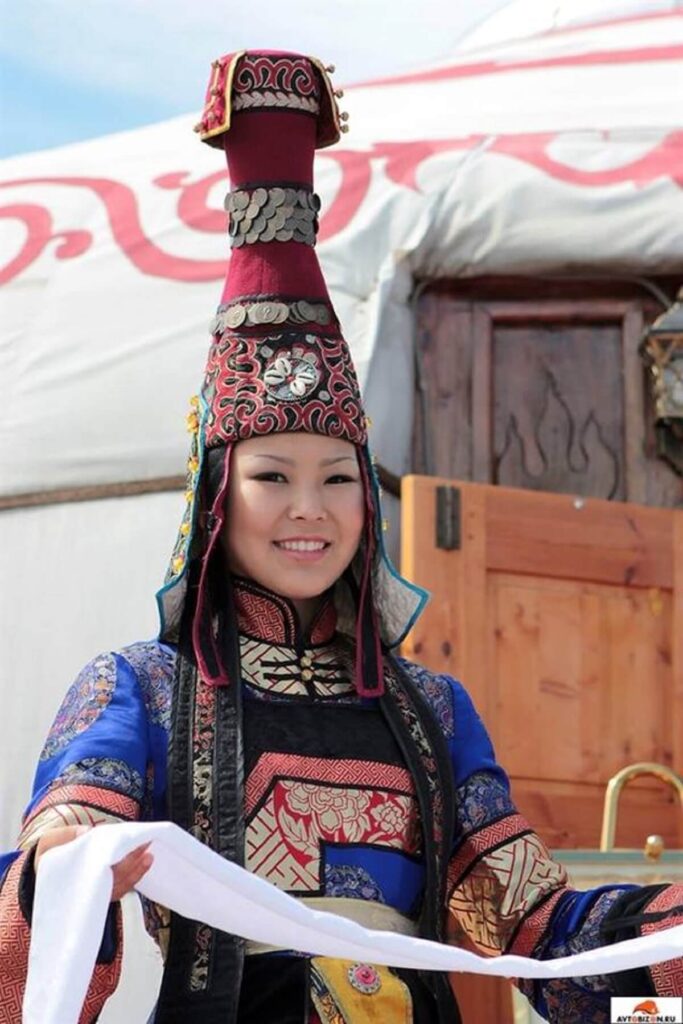
263,934 Tuvans live in the Republic of Tuva, accounting for 64 percent of the total population. The other 32 percent are Russian.
Around 10,000 Tuvans live outside the Tuvan Republic; 20,000 live in Mongolia and 4,000 reside in western China.
The Tuvans are mostly descendants of Turkic nomadic tribes who spoke a Turkic language. In 1943, their literary tongue was changed to the Cyrillic alphabet.
Altai Tours from Mongolia
Let’s create your ideal Mongolian adventure
ABOUT TUVAN PEOPLE
The Tuvans are Turkic-speaking people who follow Tibetan Buddhism with a pinch of paganism. They resemble Mongolians and have several similar traditions.
Most Tuvans are semi-nomadic cattlemen, horse breeders, sheepherders, yak herders, and goat herders. Some communities in the mountainous forests of Northern and Eastern Tuva bred reindeer. Bears or squirrels are hunted by men. In the river valleys, they gather millet, barley, oats, and wheat.
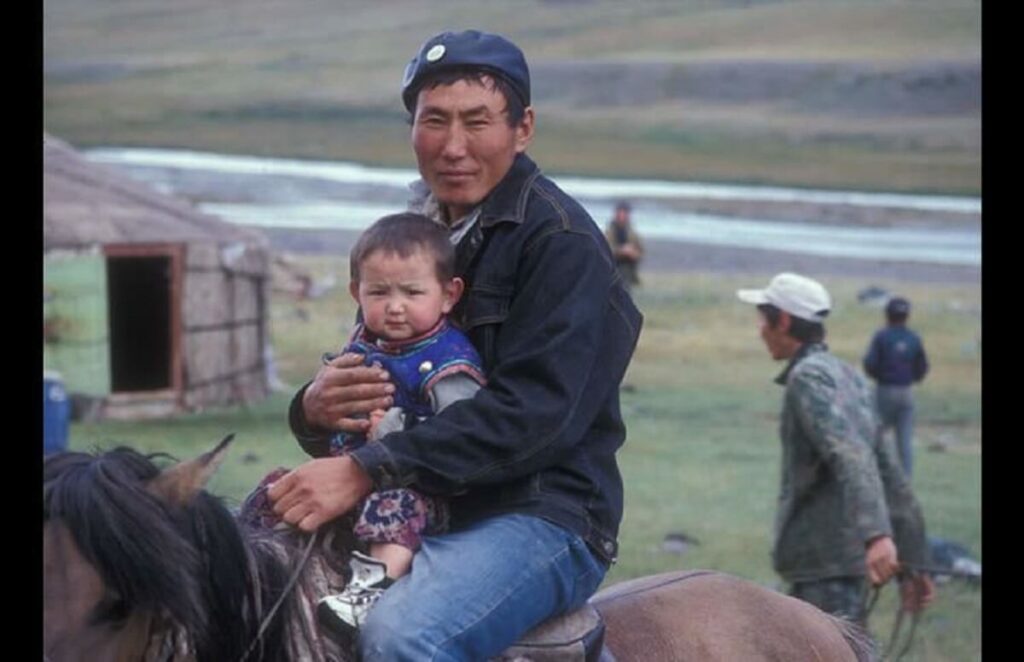
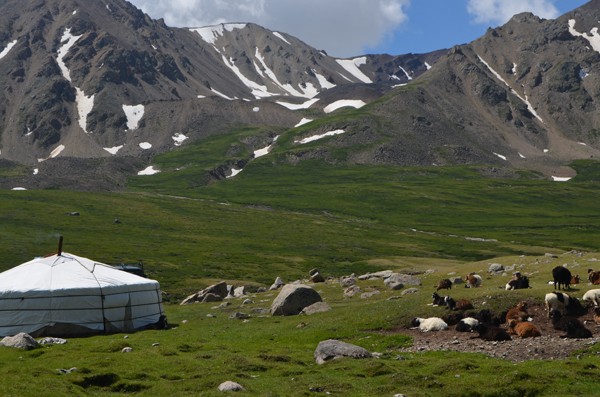
The Tuvans traditionally live in a yurt, which is a felt cloth-covered wooden frame tent. This type of housing is perfect for the nomadic nature of the Tuvan people since it is very light and easily portable. The yurt has an iron stove at the center that is used for both cooking and heating the space. The Tuvan people get around via reindeer or horseback.
Tuvan people’s religion
Historically, the people of Tuva have been shamanists and Tibetan Buddhists. In 1931, there were 725 registered shamans in Tuva, half of whom were women. There are far fewer now.
Like other Buddhist groups in Russia such as the Buryat, the Tuva are members of the Yellow Hat sect of Tibetan Buddhism, whose leader is the Dalai Lama. Buddhism was introduced to Tuva in the late 18th century and is mostly considered traditional religion. Most modern Tuvans now consider themselves atheists.
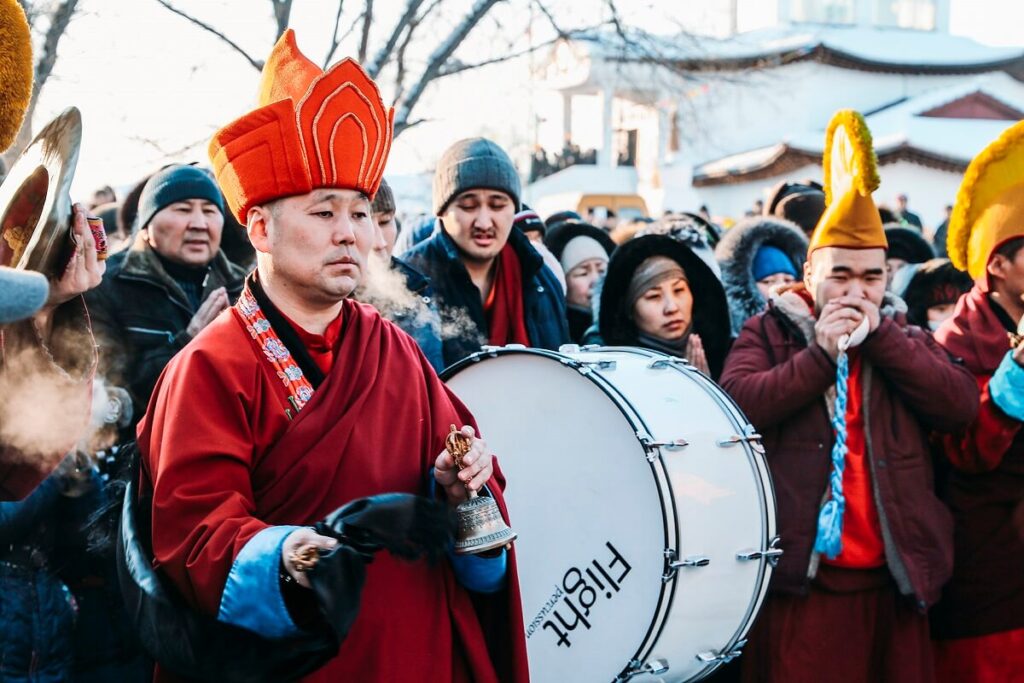
What language do Tuvan people speak?
The Tuvans speak the Tuvan language, which belongs to the Siberian branch of the Turkic language family. Its closest living relative is the language of the Tofalars (Karagas/ Toba) who live to the north of Tuva.
The language has different dialects depending on the region and country. The main four dialects of Tuvan are classified according to the parts of Tuva in which they are spoken:
- Central
- Western
- Northeastern
- Southeastern.
The modern Tuvan literary language is based on the Central dialect. The primary distinction between the Tuvan dialects is in terms of vocabulary and pronunciation, and the distinctions among them are not substantial enough to prevent people from conversing with each other despite their differences in dialect.
WHAT IS TUVA FAMOUS FOR?
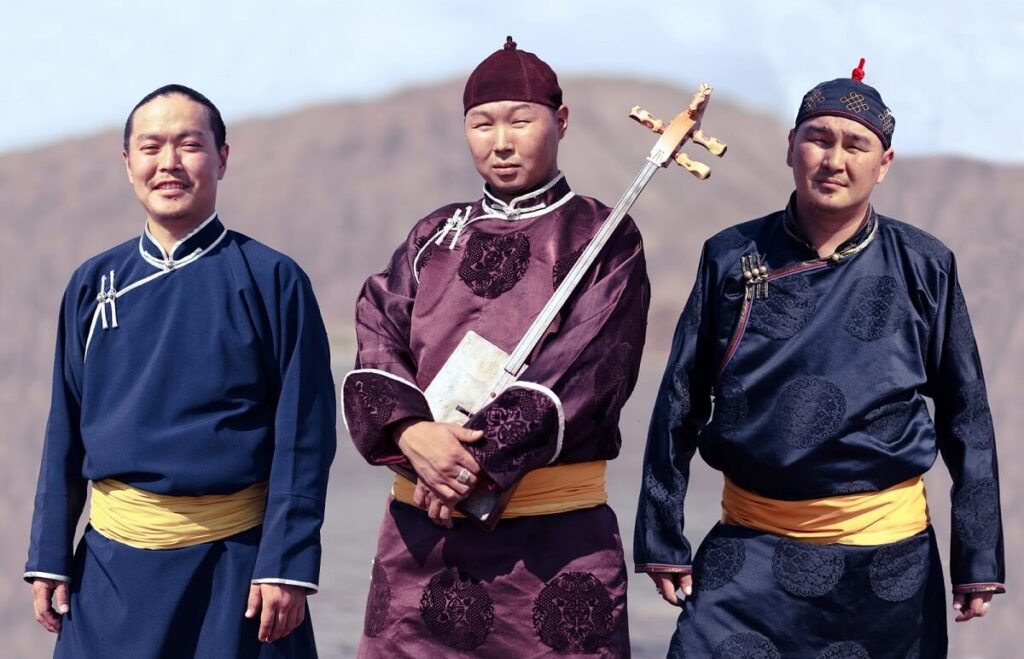
Tuva is famous for its traditional throat singing, which is a form of music unique to the region. Tuvan throat singing, or khöömei, is a type of overtone singing where the singer produces two or more pitches simultaneously. Tuva is known for having some of the best singers in the world.
One of the sounds is like a jew’s harp’s metallic warbling, while the other is like a growling moan. Also known as overtone singing or throat singing, these sounds are achieved by regulating the larynx, mouth, and abdominal muscles carefully. Some of the songs were composed to mimic sheep and goat noises.
Altai Tours from Mongolia
Let’s create your ideal Mongolian adventure
Khoomei’s (also spelled hoomi or khoomi) origins are unknown, but it is believed to have originated in Chandmani sum (county) in Khovd aimag in western Mongolia. Many khoomei singers continue to come from there.
Explaining how khoomeii songs began, one singer told National Geographic,”In the western part of our country there are many mountains and streams. The herder is there. He wants to imitate nature—how the wind blows, how the water gurgles.”
International films and documentaries often feature Tuvan music because of its ability to heal and meditate.
INTERESTING FACTS ABOUT THE TUVAN PEOPLE
The Tuvans’ name for themselves is Tyva.
The Tuvan have a tradition of rule by tribal chiefs.
They have also been referred to in ethnographic writings as the Uriangkhais, Urianghais, Tannu-Uriankhaitsy, and Soyots.
The early 1800s, a group from Tuva migrated to the Altai region in China, which today separates them from the main Tuva population. They have developed their own language and customs distinct from Tuvans in Russia and Mongolia.
Tuvans, much like Mongolians, engage in lengthy horse races and the sport of wrestling known as “huresh.” Huresh is performed very similarly to Mongolian wrestling where it takes place outdoors on the steppe during festivities such as weddings or other events. All wrestlers must wear brightly colored garments including flowy robes with long sleeves and leather-trimmed shorts.
FREQUENTLY ASKED QUESTIONS
Are Tuvans Mongols?
No, the Tuvan people are not Mongols. They are Turkic people and their closest relatives are other Turkic peoples like the Uzbeks and Kyrgyz. Tuva is located in southern Siberia and is bordered by Mongolia to the south.
What is the Tuvan flag?
The flag of the Republic of Tuva is a blue field with a white fiber cover of the same color bordering a yellow triangle on the hoist. White symbolizes silver and virtue.
Altai Tours from Mongolia
Let’s create your ideal Mongolian adventure
How many Tuvan people are there?
The Tuvan population is estimated to be around 300,000 people. Tuva is a sparsely populated region with a population density of only 3 people per square kilometer.
FAQ
THE TUVAN PEOPLE’S REPUBLIC AND POLITICAL HISTORY
In 1921, the Tuvan People’s Republic (TPR) was established with Soviet support, making it one of only two socialist states (alongside Mongolia) to exist outside the Soviet Union during the interwar period.
The TPR maintained independence until 1944, when it was voluntarily annexed by the Soviet Union during World War II, becoming the Tuvan Autonomous Oblast within the Russian SFSR.
Following the Soviet Union’s collapse in 1991, Tuva became the Republic of Tuva (Tyva Republic), an autonomous republic within the Russian Federation with its own constitution and official languages (Tuvan and Russian).
The transition from nomadic society to Soviet collectivization disrupted traditional herding practices, though the post-Soviet era has seen some revival of traditional lifestyles alongside modern industries.
TUVAN ECONOMY AND NATURAL RESOURCES
Tuva’s economy is heavily dependent on mining industries, particularly asbestos, coal, and cobalt extraction, with significant deposits of gold and other minerals in the mountainous terrain.
Agriculture focuses primarily on livestock herding (sheep, goats, cattle, horses, yaks, and camels), with limited crop cultivation due to the harsh climate; barley, oats, and wheat are grown in river valleys.
Tuva remains one of Russia’s economically challenged regions, with unemployment rates higher than the national average and limited infrastructure development outside the capital Kyzyl.
CLIMATE AND GEOGRAPHY OF TUVA
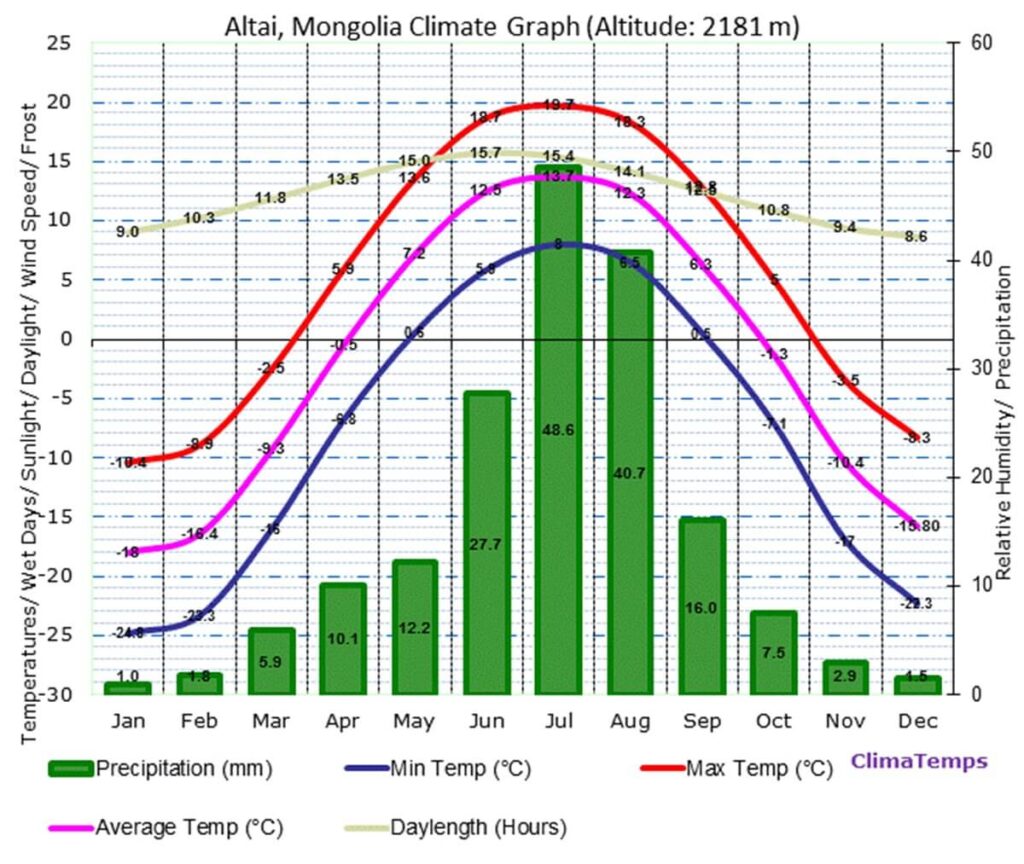
Tuva experiences one of the world’s most extreme continental climates, with winter temperatures dropping to -58°F (-50°C) and summer temperatures reaching 104°F (40°C), creating a temperature range exceeding 160°F.
Despite extreme temperatures, the region enjoys over 300 sunny days annually due to its location in south-central Siberia, with the extremely dry air making temperature extremes more tolerable.
The republic is entirely landlocked and mountainous, surrounded by the Sayan Mountains to the north and east and the Tannu-Ola Mountains to the south, with elevations ranging from 1,640 to over 13,000 feet.
The geographic center of Asia is located in Tuva near the capital city Kyzyl, marked by a monument at the confluence of the Kaa-Khem (Little Yenisei) and Bii-Khem (Big Yenisei) rivers.
DAILY LIFE AND TRADITIONAL PRACTICES
Traditional Tuvan diet consists primarily of meat (mutton, beef, horse, goat, camel, and reindeer), dairy products, and airag (fermented mare’s milk consumed during celebrations), with limited vegetables due to short growing seasons.
Historically, Tuvan marriages were arranged by parents with couples marrying as young as 12-13 years old; modern Tuvan law sets the minimum marriage age at 18, and parental consent is no longer required.
Nomadic Tuvans traditionally live in yurts (felt tents called “örtüü” in Tuvan) on the plains, while those in forested regions use conical tents made from birch bark, though permanent housing is increasingly common in urban areas.
Tuvan culture includes over 50 traditional musical instruments and is renowned for epic oral poetry traditions, with traveling performance ensembles maintaining cultural transmission across generations.
TUVAN SPIRITUAL PRACTICES AND SHAMANISM
Tuvan shamanism coexists with Buddhism, maintaining beliefs in an unseen world populated by spirits inhabiting natural elements (mountains, rivers, trees, rocks) that require regular offerings and rituals for appeasement.
Death rituals include ceremonies on the seventh and forty-ninth days after someone’s death, based on beliefs that the soul remains in the body for seven days before journeying to the “kingdom of the dead,” reaching its final destination on the forty-ninth day.
During the Soviet era (1930s-1991), shamanic practices were suppressed and driven underground, but have experienced significant revival since the 1990s alongside the rebuilding of Buddhist monasteries.
What is Tuva famous for?
Tuva is world-famous for Tuvan throat singing (Khöömei). It is a unique musical art where one singer produces two or more tones at the same time. Tuva is considered one of the birthplaces of overtone singing, and its singers are among the best in the world.
Tuva is also known for its untouched nature, nomadic traditions, and strong shamanic and Buddhist heritage
Who are the Tuvans historically and ethnically?
The Tuvans (Tyvans) are a Turkic ethnic group indigenous to Siberia. They mainly live in:
The Republic of Tuva (Russia)
Northern Mongolia
Parts of China
In Mongolia, Tuvans are often considered part of the Uriankhai peoples. Historically, they were nomadic herders who lived from livestock and followed seasonal migration patterns.
Is Tuvan a Turkic or Mongolic language?
Tuvan is a Turkic language, not Mongolic.
It belongs to the Siberian Turkic language group and is classified as a vulnerable language by UNESCO. Small groups of speakers still live in Mongolia and China.
Are Tuvans Muslims?
No. The main religions of the Tuvan people are:
Tibetan Buddhism
Shamanism
Many Tuvans practice both, blending Buddhist philosophy with ancient shamanic rituals. Islam is not traditionally practiced among Tuvans.
What religion do Tuvans follow today?
Tuvans traditionally follow:
Buddhism (especially Tibetan Buddhism)
Shamanism
Shamanism plays a major role in healing rituals, nature worship, and spiritual life. Mountains, rivers, and forests are considered sacred.
Are Tuvans related to Mongols?
Culturally and historically, Tuvans have close ties with Mongols, but:
Ethnically and linguistically, they are Turkic
In China, Tuvans are officially classified as Mongols
Their nomadic lifestyle, clothing, and traditions resemble Mongolian culture
They are best described as a Turkic people influenced by Mongolian civilization.
What kind of lifestyle did Tuvans traditionally have?
Tuvans were nomadic livestock herders who raised:
Sheep
Goats
Yaks
Cattle
Horses
Camels
Reindeer (in northern regions)
Their folk songs, such as “Tooruktug Dolgai Tangdym”, reflect their deep connection to animals and nature.
Does China claim Tuva?
No.
According to the 2001 Sino-Russian Treaty of Friendship, China officially recognizes Tuva as part of Russia and states that there are no remaining territorial claims.
What is special about Tuvan culture?
Tuvan culture is known for:
Throat singing (Khöömei)
Shamanic rituals
Buddhist temples
Nomadic traditions
Deep respect for nature
Horse culture
Handmade instruments like the igil and doshpuluur
It is one of the most spiritually rich cultures in Central Asia.
What does the name “Tuva” mean?
The origin of the name “Tuva” is debated. Some modern interpretations associate it with meanings of strength and beauty, though historically it comes from regional ethnic and geographic naming traditions rather than Scandinavian mythology.
What is the population of Tuvan people today?
Approximately 342,300 Tuvan people exist worldwide, with the vast majority (around 294,000) residing in the Republic of Tuva within the Russian Federation. Smaller Tuvan communities are found in Mongolia (particularly in Bayan-Ölgii Province) and China’s Xinjiang region. The Tuvan population has grown modestly over recent decades, though the republic faces demographic challenges including outmigration to other parts of Russia for economic opportunities. Within Tuva itself, ethnic Tuvans comprise approximately 82% of the republic’s total population of around 336,000 people.
Was Tuva ever an independent country?
Yes, Tuva existed as the independent Tuvan People’s Republic (TPR) from 1921 to 1944, making it one of only two socialist states outside the Soviet Union during the interwar period. The TPR was established after Tuvan nobles declared independence from China’s Qing Dynasty in 1912, followed by a period of uncertainty during the Russian Revolution. With Soviet support, the TPR developed its own government, currency, and postal system. The republic was voluntarily annexed by the Soviet Union in 1944 during World War II, becoming the Tuvan Autonomous Oblast. This brief period of independence remains a significant point of pride in Tuvan historical identity.
What is the climate like in Tuva?
Tuva experiences one of the most extreme continental climates on Earth, with winter temperatures plummeting to -58°F (-50°C) and summer temperatures reaching 104°F (40°C), creating an annual temperature range exceeding 160 degrees Fahrenheit. Despite these extremes, the region enjoys over 300 sunny days per year due to its south-central Siberian location and extremely dry air, which helps make the temperature extremes more bearable. The mountainous terrain creates microclimates, with valleys experiencing milder conditions than higher elevations. Precipitation is limited, averaging 8-12 inches annually, with most moisture falling during summer months.
What is airag and why is it important to Tuvan culture?
Airag (also spelled araka or arkhi in Tuvan) is fermented mare’s milk, a traditional beverage consumed during special occasions and celebrations throughout Tuvan culture. The preparation involves fermenting fresh mare’s milk over several days in a leather bag or wooden barrel, resulting in a slightly alcoholic (2-3% alcohol content), carbonated drink with a sour taste. Airag holds ceremonial significance in Tuvan nomadic culture, often offered to guests as a sign of hospitality and used in religious rituals and seasonal celebrations. The beverage is particularly important during Naadym (a summer festival) and provides nutritional value to nomadic herders. Similar fermented milk traditions exist across Central Asian nomadic cultures, reflecting shared heritage.
SUGGESTED TOURS:
Related Blogs:
Golden Eagle Photography: How to Shoot Wild Eagles, Hunters and the Festival
Golden eagle photography rewards preparation more than luck. For birds in flight, start at 1/2500s, f/6.3, auto-ISO capped at 3200,…Eagle Festival Packing List 2026: What to Wear in Olgii’s October Cold
The Mongolia Eagle Festival in Bayan-Ölgii runs in late September and early October at elevation 1,710 metres, where October average…Sagsai vs Golden Eagle Festival 2026: Which Mongolia Eagle Festival Should You Attend?
Mongolia hosts two distinct Kazakh eagle festivals each autumn in Bayan-Ölgii Province, the country’s western Kazakh-majority region. The Sagsai Golden…






Further reading: Encyclopædia Britannica — Tyva