High in the rugged landscapes of Western Mongolia, where the Altai Mountains stretch toward the sky, an ancient tradition thrives—Kazakh eagle hunting. Practiced for centuries, this art is more than a hunting technique; it is a way of life deeply woven into the identity of Kazakh eagle hunter families. Today, these families not only preserve their heritage but also inspire visitors from around the world who travel to witness the timeless bond between man, horse, and eagle.
In this blog, we’ll explore the lifestyle and culture of Kazakh eagle hunters in the Altai Mountains, their history, training rituals, role of family, and the modern challenges they face while preserving their extraordinary legacy.

The Origins of Kazakh Eagle Hunting
The roots of eagle hunting in the Altai Mountains date back more than 2,000 years, with connections to nomadic Turkic and Mongol tribes. For the Kazakh people, hunting with golden eagles was not only a practical skill for survival in harsh winters but also a spiritual practice that symbolized strength, courage, and harmony with nature.
Golden eagles—known locally as berkut—are revered birds of prey capable of hunting foxes, marmots, and even wolves. Their keen eyesight, incredible speed, and fierce loyalty made them essential companions for the nomads of Central Asia.
Although eagle hunting declined in many parts of Kazakhstan and Central Asia due to modernization, Kazakh eagle hunters in Mongolia’s Altai Mountains have carried the flame of tradition through the centuries.
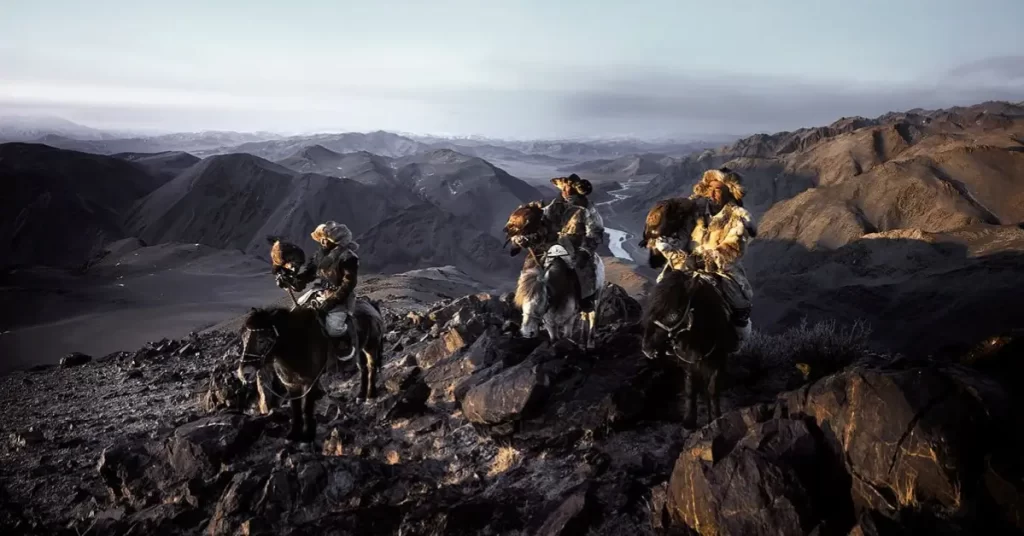
Life in the Altai Mountains
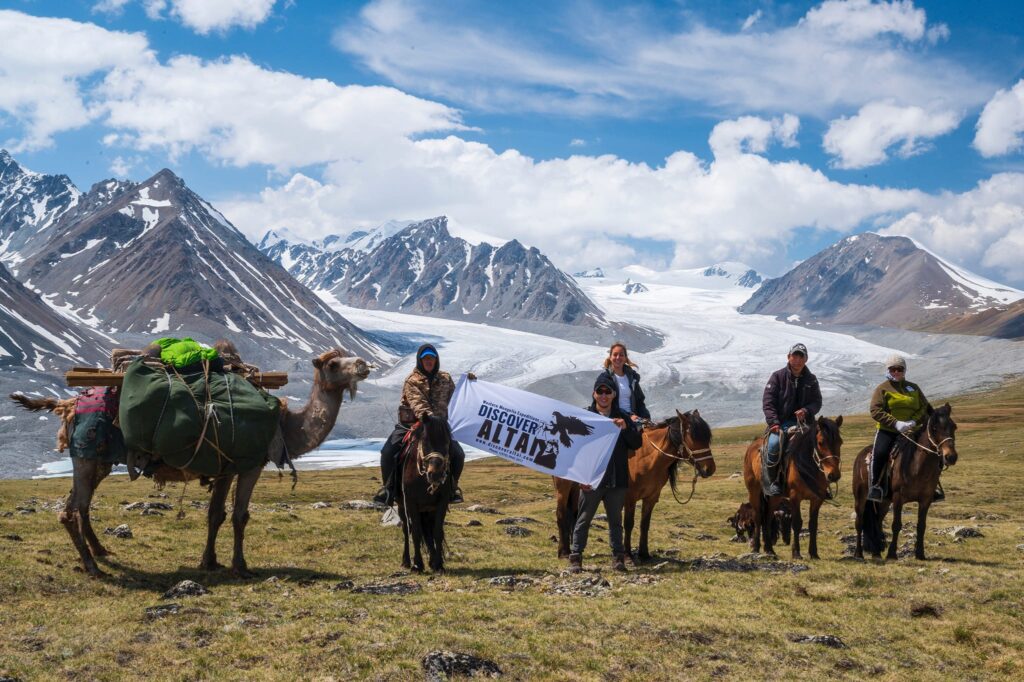
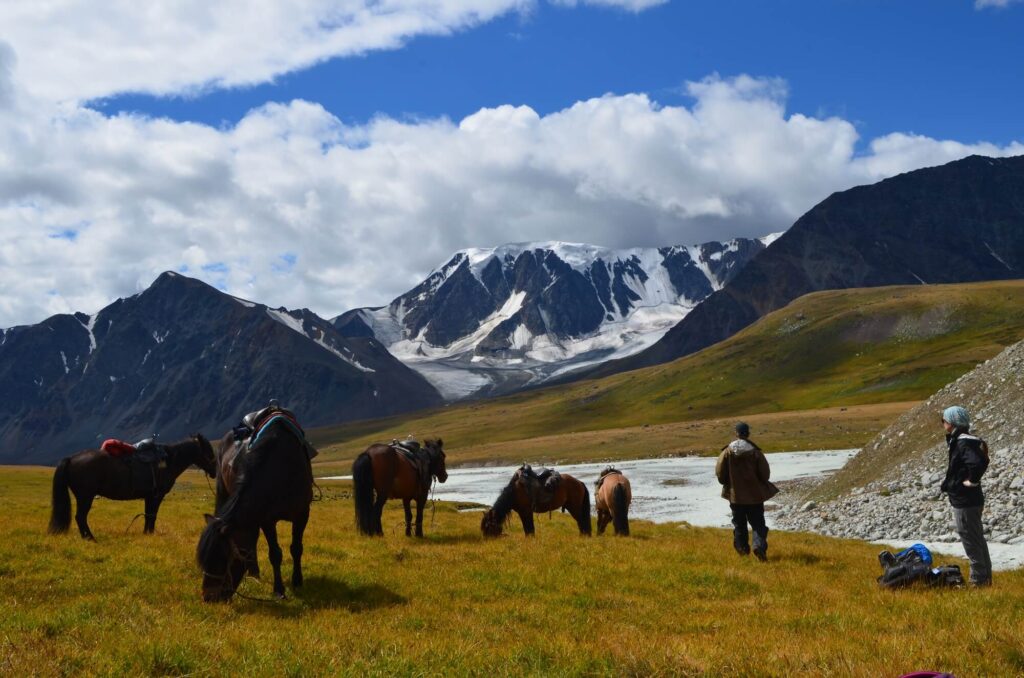
The Altai Mountains of Mongolia are a remote and dramatic landscape, defined by snow-capped peaks, vast steppes, and icy rivers. Winters here are brutal, with temperatures often plunging below –30°C. For eagle hunter families, survival depends on resilience, skill, and unity.
Most eagle hunters live in simple yet durable gers (yurts), traditional felt-covered tents that can withstand the fierce winds. Their lives revolve around livestock herding—sheep, goats, camels, and horses—as well as maintaining the bond with their trained eagles.
Hunting season typically runs from October to March, when the snow-covered ground makes tracking prey easier. The golden eagles are used to catch foxes and rabbits for their valuable pelts, which are turned into warm clothing for the family.
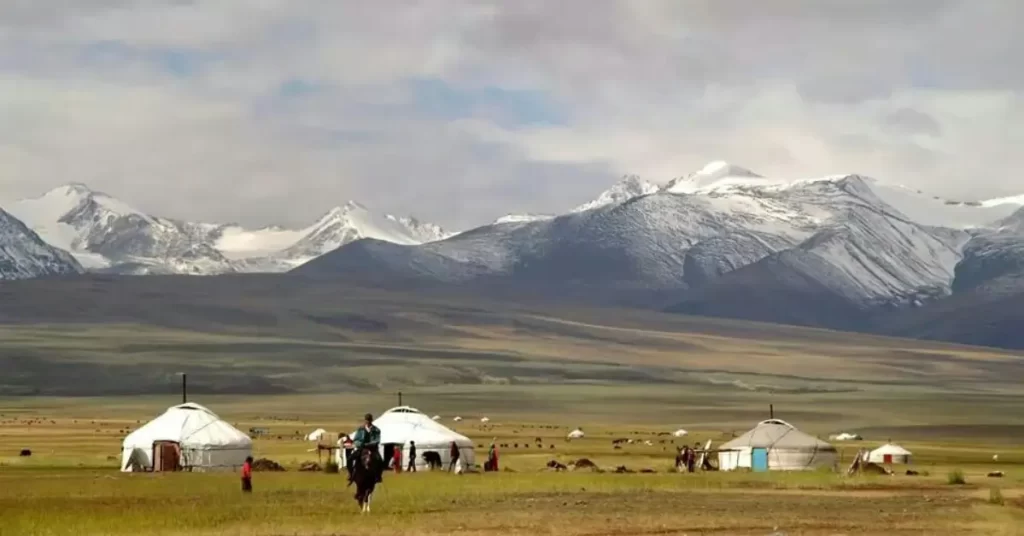
The Role of Family in Eagle Hunting Traditions
One of the most fascinating aspects of Kazakh eagle hunter families is the intergenerational transfer of knowledge. Fathers pass down eagle hunting techniques to sons, while mothers and daughters contribute equally by preparing the equipment, sewing hunting attire, and supporting the care of the eagle.
It is common for boys to begin learning eagle hunting skills around the age of 13 or 14. They ride alongside their fathers on horseback, observing how to handle the bird, care for it, and respect its power. The relationship is not merely technical but spiritual; the eagle is treated almost as a member of the family.
Women also play a significant role in sustaining the tradition. In recent years, young Kazakh girls such as Aisholpan Nurgaiv, known from the film The Eagle Huntress, have gained global recognition for proving that eagle hunting is not bound by gender.
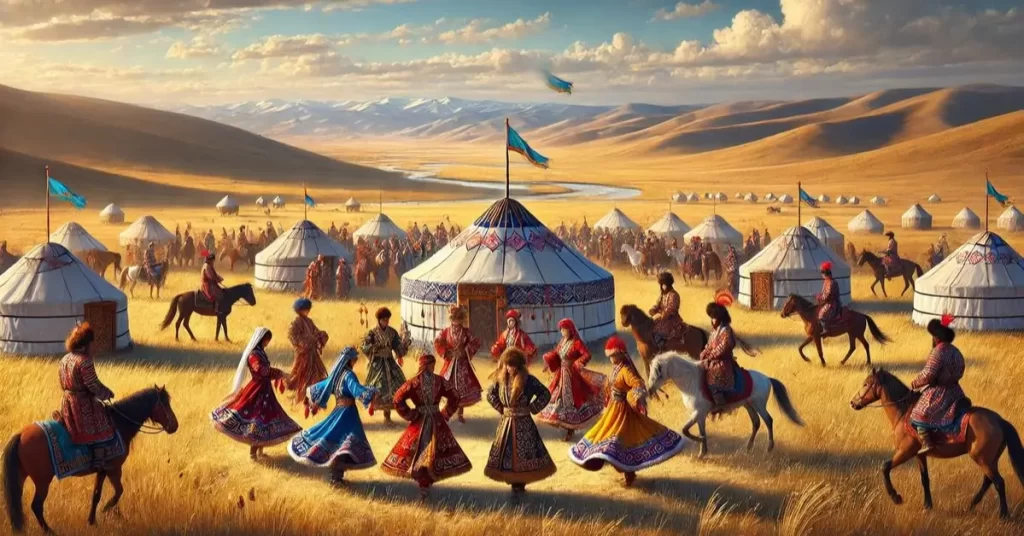
The Sacred Bond Between Hunter and Eagle
Perhaps the most moving aspect of eagle hunting in the Altai Mountains is the deep connection between hunter and eagle.
Training a Golden Eagle
Eagle hunters do not capture adult birds; instead, they take young female eagles from the wild. Female eagles are preferred because of their larger size and stronger hunting instincts. The eagle is trained gradually, building trust through food rewards and patient handling.
The hunter often sleeps near the eagle in the early stages, whispering to her and feeding her by hand. Over time, the bird learns to perch calmly on the hunter’s arm or saddle.
Hunting Together
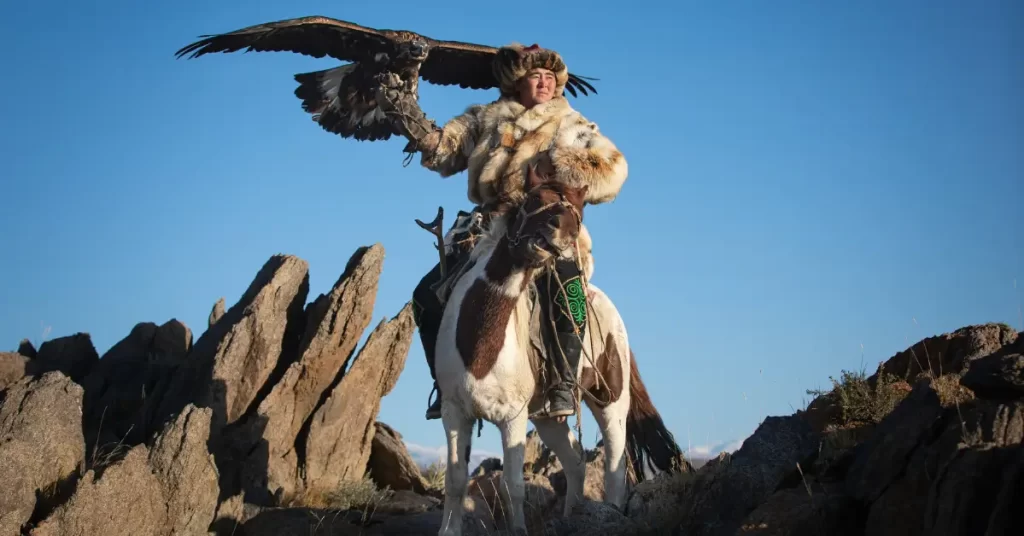
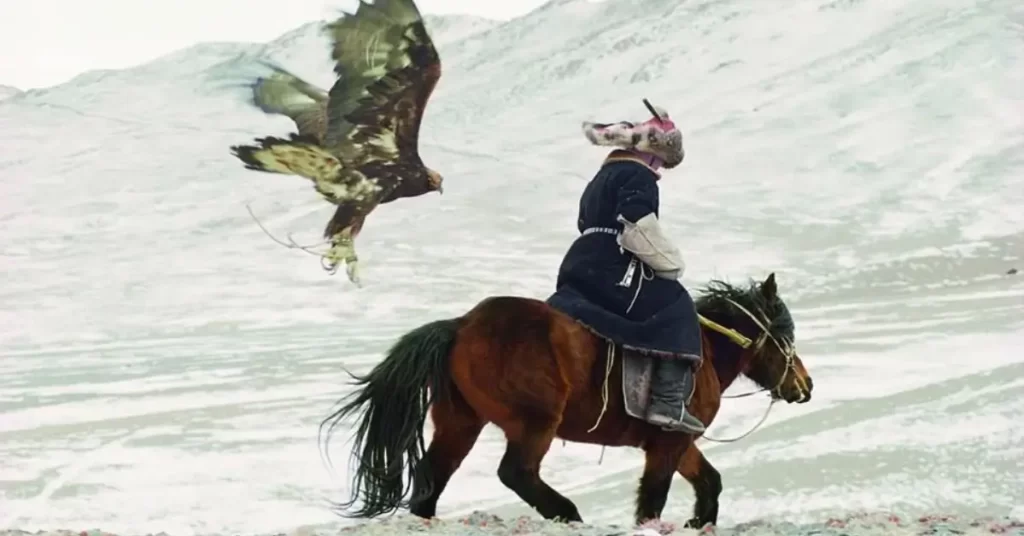
During a hunt, the eagle is carried on the hunter’s arm or on a wooden stand attached to the saddle. When prey is spotted, the eagle is released, diving with astonishing speed to capture it. The hunter then quickly rides to the scene, rewarding the eagle with meat while collecting the fur or meat of the catch.
Returning to Nature
What makes Kazakh eagle hunters unique is their practice of eventually releasing the eagle back into the wild, usually after about 7–10 years. By this time, the eagle is strong, experienced, and able to breed. Hunters see this release as an act of gratitude and respect, ensuring balance between humans and nature.
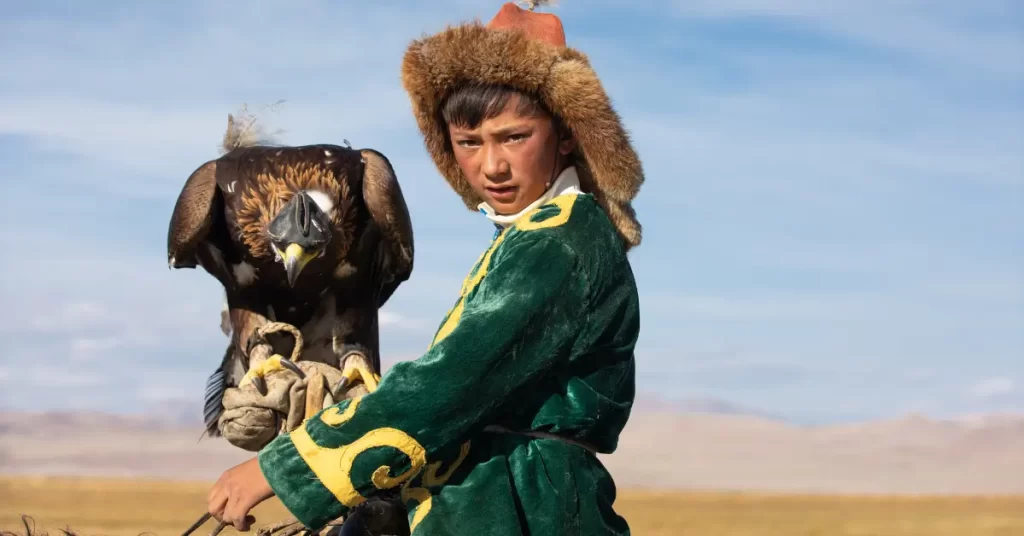
Cultural Significance of Eagle Hunting
For Kazakh eagle hunters, the practice goes far beyond catching animals. It is an expression of cultural pride, identity, and survival.
- Spiritual beliefs: Eagles are often seen as messengers of the sky, embodying freedom and divine power.
- Social status: A skilled eagle hunter commands respect within the community.
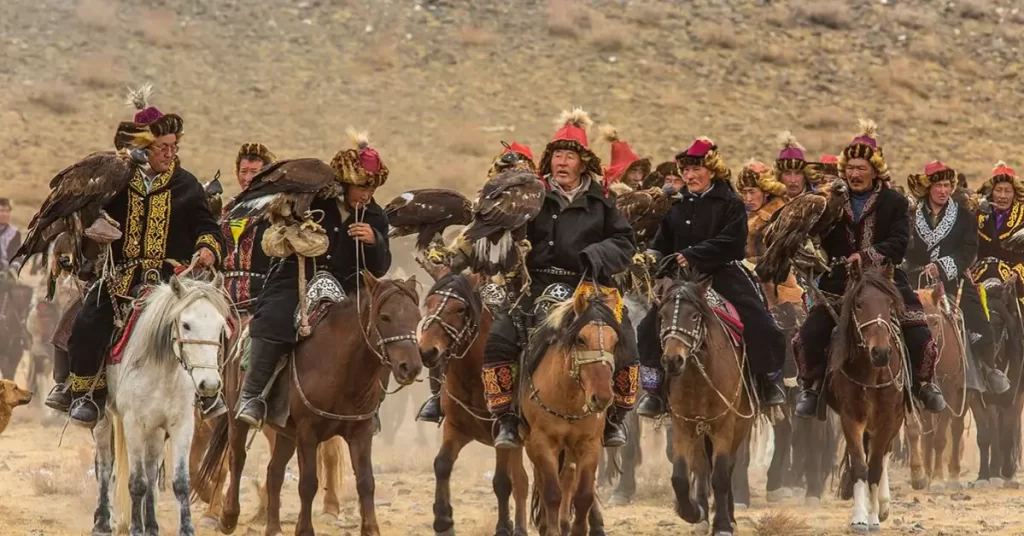
- Festivals and heritage: The tradition is celebrated annually at events such as the Golden Eagle Festival in Bayan-Ölgii Province, attracting both local and international visitors. Hunters don elaborate traditional clothing, and their eagles demonstrate their hunting prowess.
These festivals have become vital in promoting tourism and preserving the tradition for younger generations.
Daily Life of Eagle Hunter Families
When visitors stay with eagle hunter families, they quickly realize that eagle hunting is only one part of their daily lives.
- Animal husbandry: Families care for herds of sheep, goats, camels, and horses, which provide milk, meat, and wool.
- Craftsmanship: Traditional Kazakh clothing, saddles, and eagle equipment are often handmade, passed down through generations.
- Hospitality: Guests are welcomed warmly, often with cups of salty milk tea (suutei tsai) and platters of dried meat or dairy products.
- Storytelling: Evenings in the ger are filled with songs, stories, and tales of legendary eagle hunts, keeping the oral traditions alive.
This balance between work, tradition, and community is what defines the resilience of eagle hunter families in the Altai Mountains.

Challenges in the Modern Era
Despite the romantic image of Kazakh eagle hunters, their way of life faces challenges:
- Climate Change: Harsher winters and unpredictable seasons affect both livestock and hunting practices.
- Urbanization: Many young Kazakhs migrate to Ulaanbaatar or abroad for education and jobs, leading to fewer youths learning eagle hunting.
- Tourism Pressures: While festivals and tourism help preserve traditions, they also risk turning eagle hunting into a performance rather than a living practice.
- Cultural Identity: As modern influences grow, maintaining the values and skills of eagle hunter families requires active effort by both elders and youth.
Why Visit the Kazakh Eagle Hunters?
For travelers seeking authentic cultural experiences, meeting Kazakh eagle hunters in the Altai Mountains offers a rare opportunity.
- Immersive Homestays: Visitors can stay with families, ride horses alongside hunters, and observe how they train and live with their eagles.
- Golden Eagle Festival: Held every October, this festival showcases the pride of eagle hunting culture, with competitions in eagle skills, horse racing, and traditional attire.
- Unspoiled Landscapes: The Altai Mountains remain one of the world’s most untouched wilderness regions, with breathtaking views of glaciers, alpine lakes, and endless steppe.
Responsible tourism ensures that travelers not only enjoy these experiences but also contribute to preserving the heritage of Kazakh eagle hunters.
Preserving a Living Legacy
Despite challenges, the tradition of eagle hunting in the Altai Mountains remains strong. Organizations and local initiatives encourage young people to learn the skills of their ancestors. Documentaries, photography, and global media exposure have also helped raise awareness of this unique culture.
But most importantly, it is the dedication of eagle hunter families themselves—their willingness to teach their children, care for their animals, and honor the eagles—that ensures this tradition will survive for generations to come.
Conclusion
The story of the Kazakh eagle hunters of the Altai Mountains is one of resilience, identity, and harmony with nature. From the snow-covered steppes to the warm glow of the ger, from the thunder of hooves to the flight of the golden eagle, this tradition embodies the soul of Mongolia’s Kazakh people.
Visiting these communities is more than just witnessing a spectacle—it is stepping into a living heritage where family, culture, and the natural world are bound together by trust, respect, and survival.
As modernization continues to reshape the world, the enduring spirit of Kazakh eagle hunters reminds us of the value of preserving cultural traditions, not as relics of the past, but as guiding lights for the future.
If you would like to read more about eagle hunting traditions click below links:
- Training a Golden Eagle: How Hunters Build Lifelong Bonds
- Golden Eagle Festival: A Celebration of Nomadic Heritage
- The Ancient Art of Eagle Hunting in Western Mongolia – History, Traditions, and UNESCO Heritage
- Women and the Future of Eagle Hunting in Mongolia – Rising Role of Young Female eagle Hunters in Keeping Traditions Alive
CLIMB MOUNT KHUITEN MONGOLIA CLIMB
Come and enjoy a unique expedition in the remotely located Altai Mountains CLIMB MOUNT KHUITEN MONGOLIA ⭐⭐⭐⭐⭐ 5.0 · 72…MONGOLIA SNOW LEOPARD PHOTOGRAPHY TOUR
Unleash your adventure spirit, explore Mongolia on your own terms MONGOLIA SNOW LEOPARD PHOTOGRAPHY TOUR ⭐⭐⭐⭐⭐ 5.0 · 72 reviews…Mongolia Altai Mountain Tour 2026 — 8 Days: Peak Climb + Culture + Nomadic Stay | $1,700
Unleash your adventure spirit, explore Mongolia on your own terms MONGOLIA ALTAI MOUNTAIN TOUR ⭐⭐⭐⭐⭐ 5.0 · 72 reviews on…