
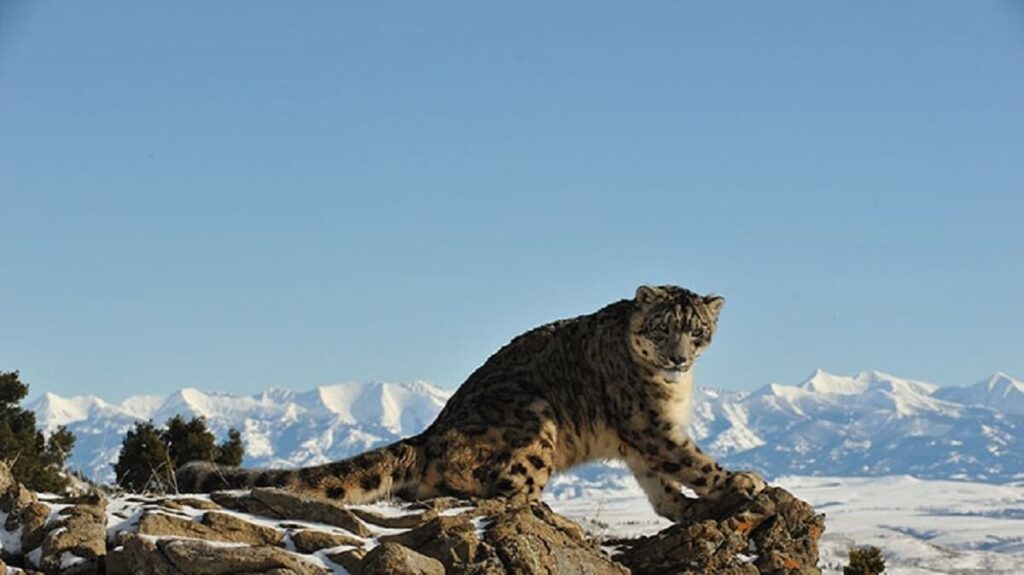
Snow leopards (Panthera uncia) are one of the most elusive and magnificent big cats in the world, known for their striking beauty and ability to survive in some of the harshest environments on the planet.
Despite their incredible adaptations to cold, rugged mountain terrains, snow leopards are classified as “Vulnerable” on the International Union for Conservation of Nature (IUCN) Red List, with an estimated population of only 4,000 to 6,500 individuals left in the wild.
The decline of snow leopards can be attributed to a combination of factors, including habitat loss, poaching, human-wildlife conflict, and climate change.
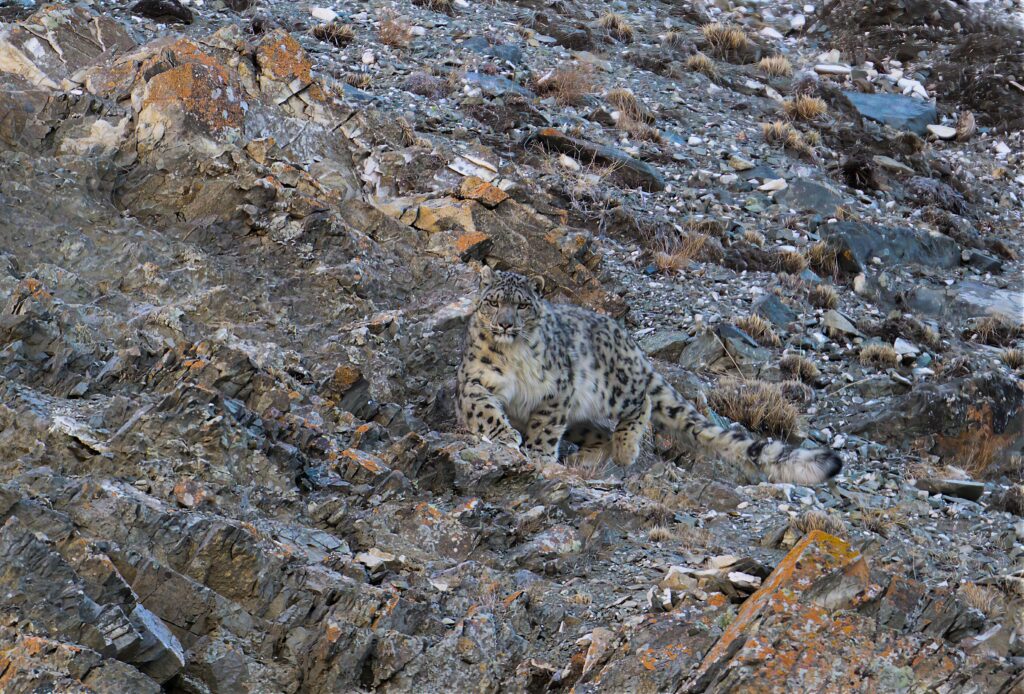
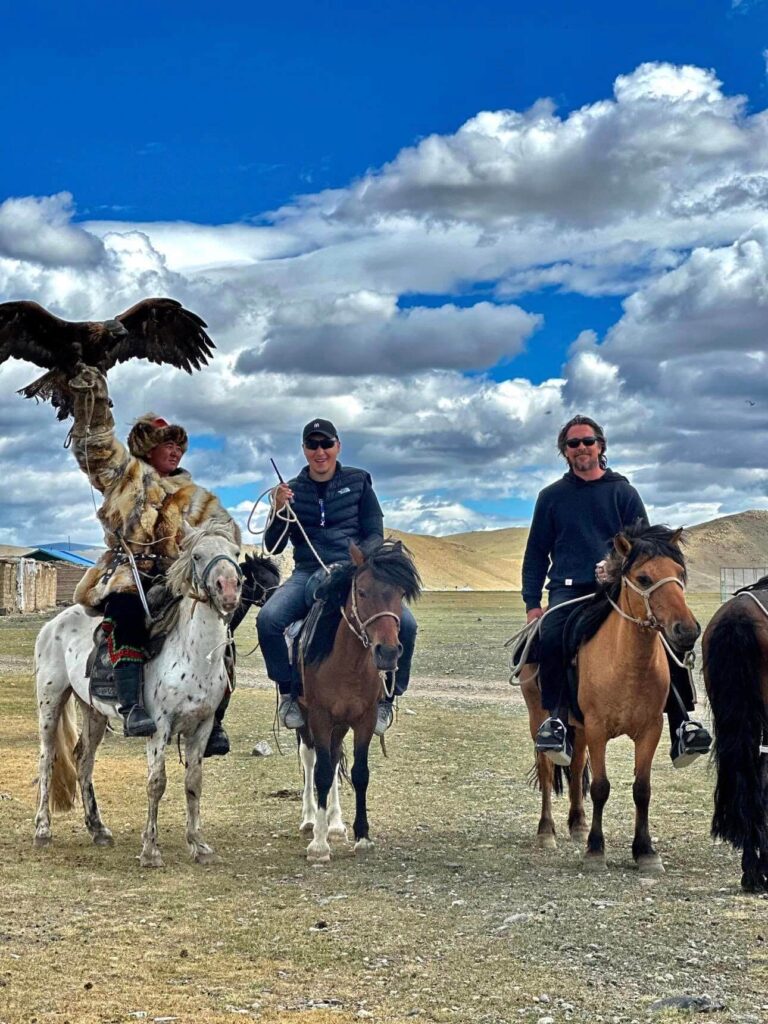
We offer you MONGOLIA SNOW LEOPARD PHOTOGRAPHY TOUR. Mongolia is the world’s 18th biggest country by territory with only three million people living here. Over 1.5 million square kilometers of land is inhabited by the last nomads and unique wild animals like the red fox, grey wolf, and snow leopards. It will be wonderful 🤩🤩
Habitat Loss and Fragmentation
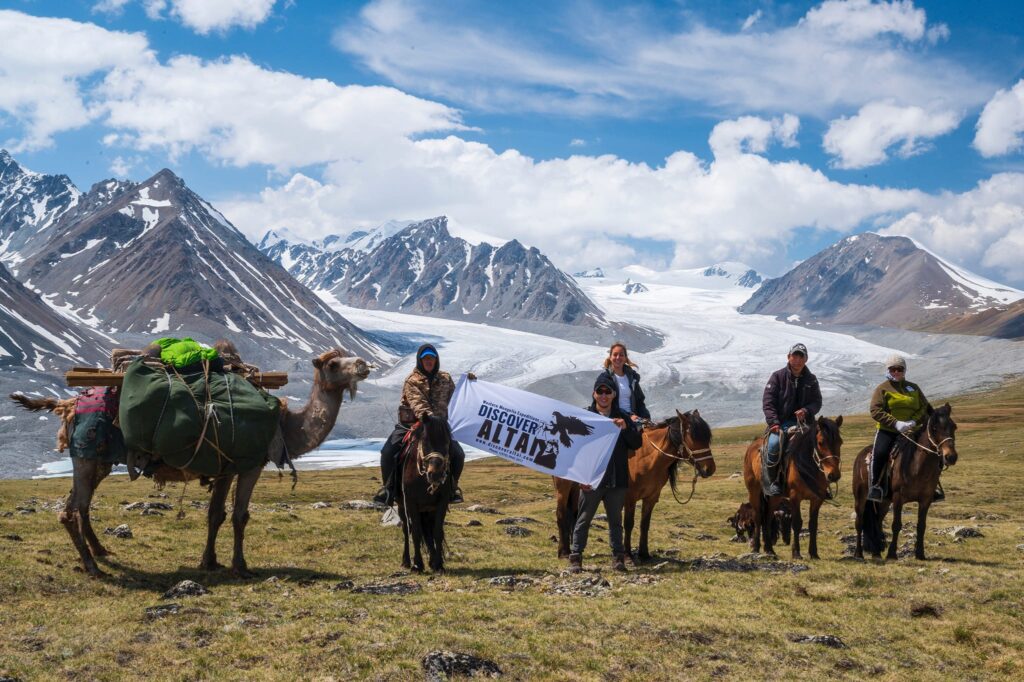
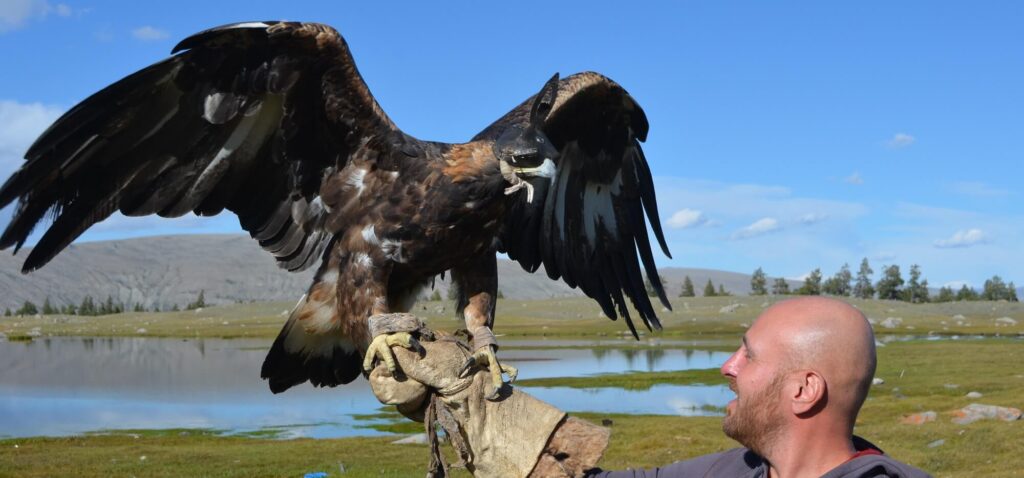
🐆 Want to experience this in person? Join our 6-Day Altai Tavan Bogd Tour (snow leopard conservation area) with local Kazakh guides — small groups, authentic experience, 5.0 stars on TripAdvisor.
Snow leopards inhabit mountainous regions across 12 countries in Central and South Asia, including Mongolia, China, India, Nepal, and Bhutan.
They require vast territories to hunt and reproduce, with a single male’s home range often exceeding 100 square kilometers. However, human activities such as mining, infrastructure development, and agricultural expansion have significantly encroached upon their habitat.
This has resulted in habitat fragmentation, which isolates populations and reduces genetic diversity, making it more difficult for snow leopards to find mates, hunt, and establish territories. Fragmented habitats also make it easier for poachers to locate and hunt these solitary animals.

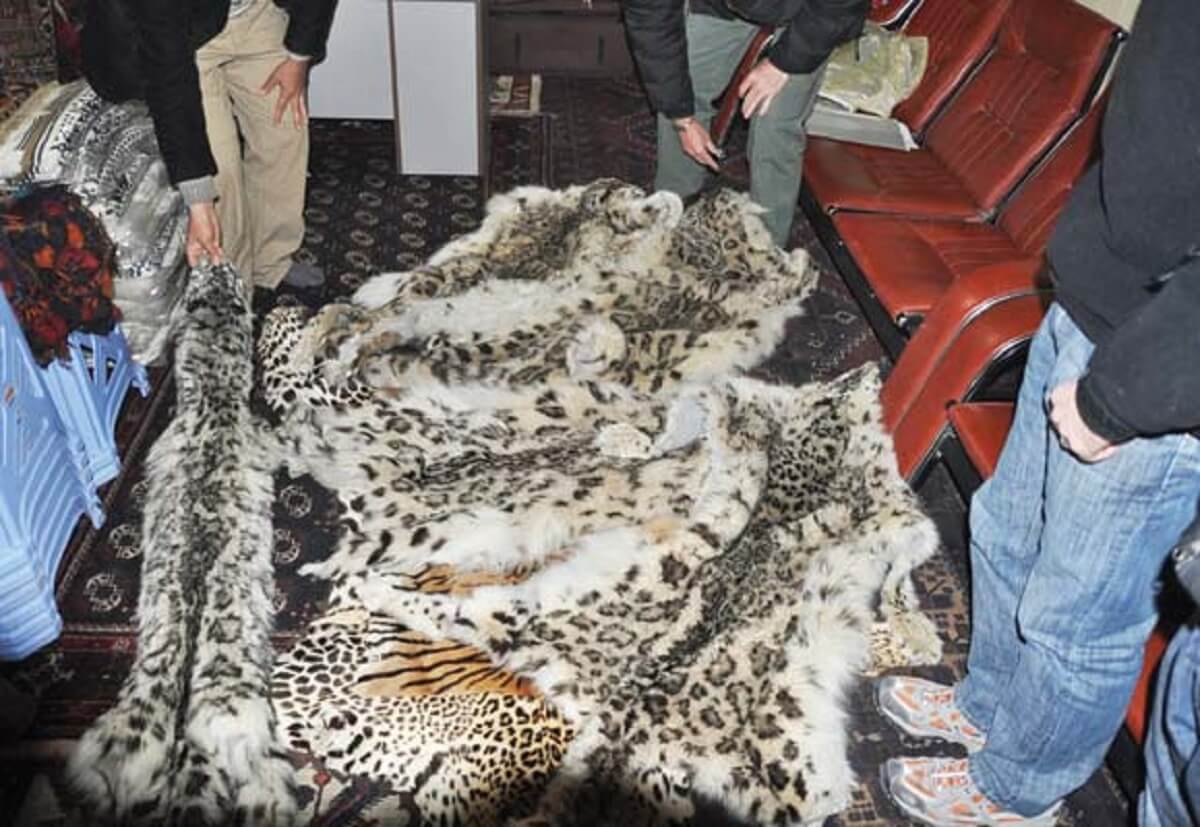
Poaching and Illegal Trade
Snow leopards are often targeted by poachers for their beautiful pelts, which fetch high prices in illegal wildlife markets. Their bones and other body parts are also sought after for use in traditional medicines, particularly in China.
While the use of tiger parts has become more restricted, demand for snow leopard parts has increased as a substitute.
Despite national and international laws protecting snow leopards, enforcement in remote, mountainous regions is challenging, and poaching remains a significant threat.
Human-Wildlife Conflict
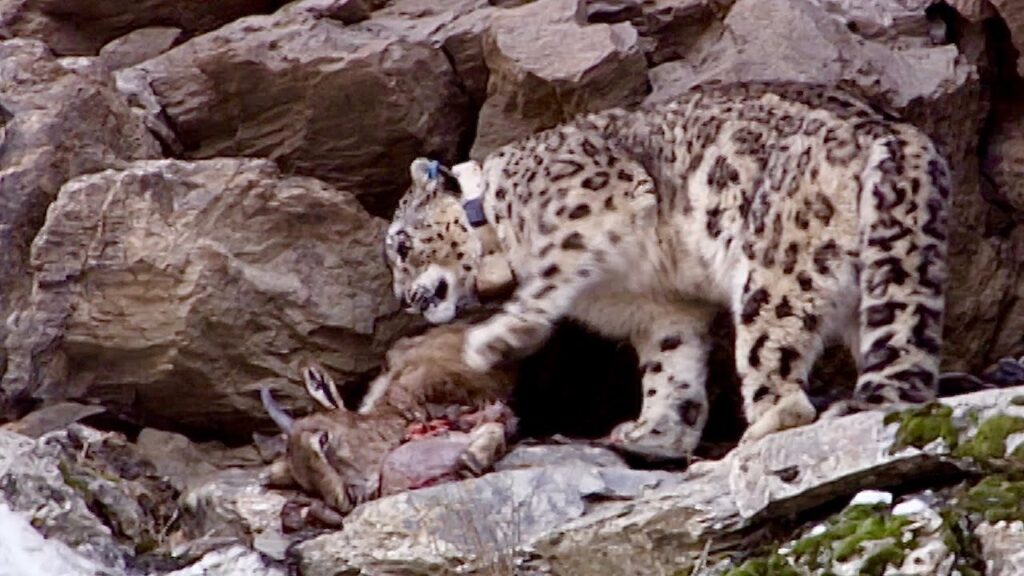
In many regions, snow leopards are perceived as a threat to livestock. As human settlements expand into snow leopard habitats, these cats occasionally prey on domestic animals like goats and sheep.
For herders who depend on their livestock for livelihood, losing animals to snow leopards can be devastating. In retaliation, herders may kill snow leopards to protect their herds. Such conflict-driven killings, often referred to as “revenge killings,” contribute significantly to the decline in snow leopard numbers.
Conservation organizations have been working to mitigate these conflicts by promoting community-based livestock insurance schemes and constructing predator-proof corrals. These initiatives aim to reduce economic losses for herders and promote coexistence between humans and snow leopards.

Climate Change
Climate change poses a more insidious threat to snow leopards by altering their high-altitude habitats. Rising temperatures are pushing the tree line higher up the mountains, leading to habitat degradation and shrinkage of the alpine zones where snow leopards thrive.
This not only reduces the space available for snow leopards but also affects the availability of their prey species, such as blue sheep and ibex, which are also adapted to high-altitude environments. With fewer prey, snow leopards are forced to venture closer to human settlements in search of food, exacerbating human-wildlife conflicts.

Conservation Efforts and Future Outlook
Despite these challenges, there are numerous conservation efforts underway to protect snow leopards. Initiatives such as the Global Snow Leopard and Ecosystem Protection Program (GSLEP) and Snow Leopard Trust work in collaboration with local communities, governments, and international organizations to promote habitat conservation, combat poaching, and foster community-based conservation efforts.
Protecting snow leopards requires a multifaceted approach, addressing not just the direct threats like poaching and conflict with humans, but also larger systemic issues like habitat preservation and climate change mitigation.
Community engagement and support are crucial, as local people are both the stewards of snow leopard habitats and the ones most affected by human-wildlife conflict.

In conclusion, snow leopards are endangered due to a combination of habitat loss, poaching, human-wildlife conflict, and climate change.
However, with continued conservation efforts and international cooperation, there is hope that this iconic species can be protected and its numbers stabilized in the wild.
Suggested tour:
MONGOLIA SNOW LEOPARD PHOTOGRAPHY TOUR
Unleash your adventure spirit, explore Mongolia on your own terms MONGOLIA SNOW LEOPARD PHOTOGRAPHY TOUR ⭐⭐⭐⭐⭐ 5.0 · 72 reviews…MONGOLIA WINTER TOUR
Unleash your adventure spirit, explore Mongolia on your own terms MONGOLIA WINTER TOUR ⭐⭐⭐⭐⭐ 5.0 · 72 reviews on TripAdvisor…MONGOLIA HORSE TREKKING TOUR 2027
Unleash your adventure spirit, explore Mongolia on your own terms MONGOLIA HORSE TREKKING TOUR 2027 ⭐⭐⭐⭐⭐ 5.0 · 72 reviews…
Related content:
Snow Leopard Photography Gear Guide: What You Actually Need for the Altai
To photograph snow leopards in the Mongolia Altai, you need a weather-sealed camera body, a telephoto lens of at least…Altai Argali, Ibex and Snow Leopard: The Prey-Predator Chain That Holds the Mountain Ecosystem Together
The Altai Mountains snow leopard population depends entirely on a small set of prey species: Altai argali (the world’s largest…Best Months to See Snow Leopards in the Altai: A Seasonal Guide for 2026
The best months to see snow leopards in Mongolia’s Altai Mountains are February through early April. Three biological factors converge…




Current Population Status and Research Challenges
Scientists estimate between 3,500 and 6,500 snow leopards remain across their 12-country range in Central and South Asia, though exact numbers remain uncertain.
Snow leopards are classified as “Vulnerable” on the IUCN Red List of Threatened Species, upgraded from “Endangered” in 2017 due to improved survey methods rather than population increases.
Their elusive nature, low population density (averaging 0.5-10 individuals per 100 km²), and extreme high-altitude habitat (3,000-4,500m) make accurate population surveys extraordinarily difficult.
Camera trap studies and DNA analysis from scat samples have improved population estimates, but vast areas of snow leopard range remain unsurveyed.
Mining and Infrastructure Development
Large-scale mining operations for gold, copper, and rare earth minerals are expanding across snow leopard habitat in Mongolia, China, and Central Asian republics, fragmenting critical wildlife corridors.
Road construction, pipelines, and hydroelectric projects disrupt traditional migration routes and reduce habitat quality through noise pollution, human traffic, and landscape alteration.
Chemical runoff from mining operations contaminates water sources and vegetation, bioaccumulating in prey species and disrupting the mountain ecosystem food web.
The Illegal Wildlife Trade Crisis
An estimated 220-450 snow leopards are killed annually across their range, with approximately 20-30% targeted specifically for illegal trade in pelts, bones, and body parts.
Snow leopard pelts can fetch $1,000-$60,000 on black markets, with bones increasingly used as substitutes for tiger bones in traditional Asian medicine following tiger population declines.
Major trafficking routes run from Central Asian source countries through China to consumer markets in Southeast Asia, with seizures documented in Myanmar, Vietnam, and Laos.
Despite CITES Appendix I protection since 1975 prohibiting international commercial trade, weak enforcement and corruption enable continued smuggling across porous mountain borders.
Projected Climate Change Impacts
Climate modeling predicts snow leopards could lose 23-30% of their Himalayan range by 2050 as the tree line advances upward by 300-400 meters, shrinking alpine habitat.
Rising temperatures are pushing prey species like blue sheep and ibex to higher elevations, fragmenting populations into isolated pockets vulnerable to local extinction.
Glacier retreat reduces water availability during dry seasons, affecting vegetation productivity and prey density in critical snow leopard habitat.
Earlier spring snowmelt and altered precipitation patterns disrupt the breeding cycles of prey species, creating seasonal food scarcity for snow leopards during critical denning periods.
Snow Leopards as Keystone Species
As apex predators, snow leopards regulate prey populations and maintain ecosystem balance across Central Asia’s alpine and subalpine zones, preventing overgrazing that would lead to habitat degradation.
Their presence indicates healthy mountain ecosystems that provide essential services including water regulation, carbon storage, and biodiversity maintenance benefiting over 330 million people downstream.
Snow leopard conservation creates umbrella protection for over 100 other species sharing their habitat, including Himalayan wolves, red pandas, and numerous rare ungulate species.
Loss of snow leopards would trigger trophic cascades, allowing prey populations to explode and overgraze fragile alpine vegetation, leading to soil erosion and altered water cycles affecting human communities.
How many snow leopards are left in the wild?
Current estimates place the global snow leopard population between 3,500 and 6,500 individuals across their 12-country range in Central and South Asia. However, this number remains uncertain due to the extreme difficulty of surveying these elusive cats in remote, high-altitude terrain. Snow leopards occupy approximately 1.8 million square kilometers of mountain habitat, but large portions remain unsurveyed. The actual population could be smaller than current estimates, making continued research and monitoring critical for effective conservation planning.
Are snow leopards still endangered in 2024?
Snow leopards are currently classified as “Vulnerable” on the IUCN Red List rather than “Endangered,” following a status change in 2017. This reclassification reflected improved survey methodologies providing better population data, not an actual increase in snow leopard numbers. The species still faces severe threats from poaching, habitat loss, climate change, and human-wildlife conflict. An estimated 220-450 snow leopards are killed annually, and they could lose up to 30% of their Himalayan range by 2050 due to climate change. Conservation efforts remain critical to prevent further population decline.
Why are snow leopard bones valuable?
Snow leopard bones have become increasingly valuable in illegal wildlife trade as substitutes for tiger bones in traditional Asian medicine practices, particularly as tiger populations have declined. Although there is no scientific evidence supporting medicinal claims, demand persists in parts of China, Vietnam, and other Southeast Asian countries where traditional medicine practitioners use big cat bones in tonics and remedies. A single snow leopard skeleton can command thousands of dollars on black markets, creating economic incentives for poaching despite legal protections. This demand accounts for an estimated 20-30% of annual snow leopard killings.
How does climate change affect snow leopards?
Climate change threatens snow leopards by shrinking their alpine habitat as warming temperatures push the tree line upward by 300-400 meters, reducing available territory. Scientists project snow leopards could lose 23-30% of their Himalayan range by 2050. Glacier retreat affects water availability and vegetation productivity that prey species depend on, while altered precipitation patterns disrupt breeding cycles of blue sheep, ibex, and other prey animals. These changes fragment populations, forcing snow leopards into smaller, isolated territories where genetic diversity declines and local extinction risk increases.
Can you see snow leopards in Mongolia’s Altai Mountains?
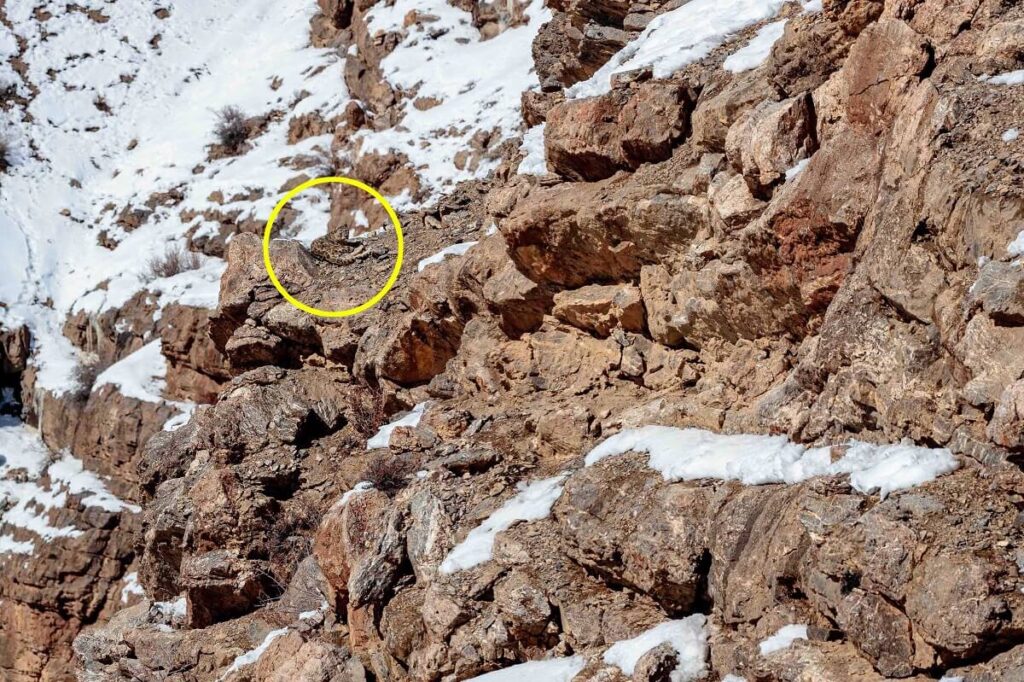
Mongolia’s Altai Mountains harbor one of the world’s most significant snow leopard populations, with the Mongolian Altai representing critical habitat for the species. The remote Tost Mountains and surrounding ranges in southern Mongolia have become important research sites where scientists have documented breeding populations through camera traps and GPS collaring studies. While snow leopards are notoriously elusive and difficult to spot in the wild due to their camouflage and solitary nature, specialized wildlife tracking expeditions during winter months offer the best opportunities for observation. Visitors should join expert-guided tours that support local conservation efforts and employ trackers familiar with snow leopard territory and movement patterns.