
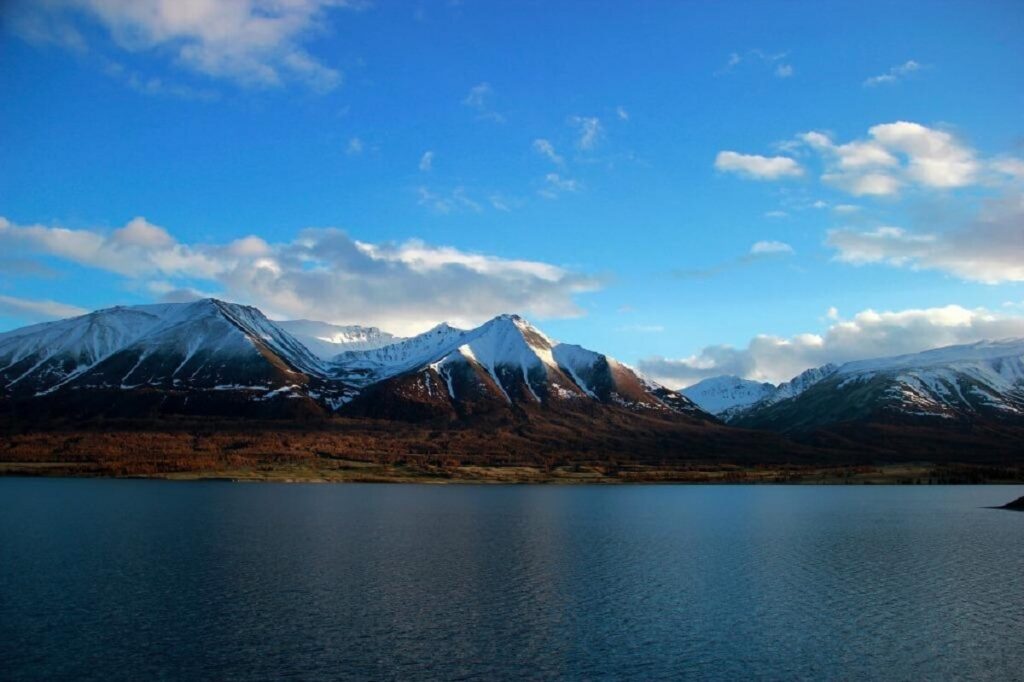
The Altai Mountains span Russia, Mongolia, China and Kazakhstan. The Russian Altai has green forested valleys, rivers, Belukha (4,506 m, the range’s highest peak) and well-developed tourism. The Mongolian Altai is drier and more open, with glaciers above the steppe, Khüiten Peak (4,374 m), very few visitors and living nomadic culture, including Kazakh eagle hunters. Choose Russia for easier logistics and green landscapes, or Mongolia for remoteness and nomad life.
Key Takeaways
- Four countries: Russia, Mongolia, China and Kazakhstan share the Altai
- Russian Altai: forests, rivers, Belukha (4,506 m), developed tourism
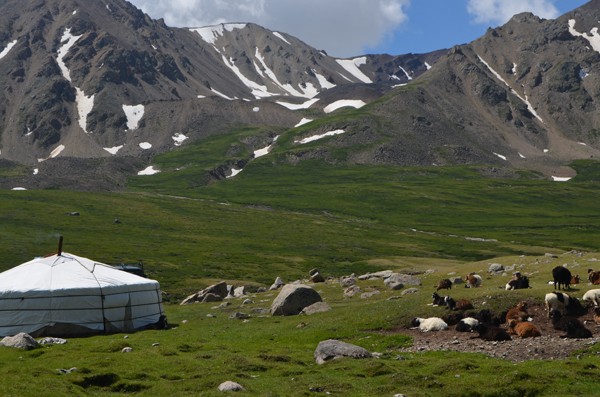
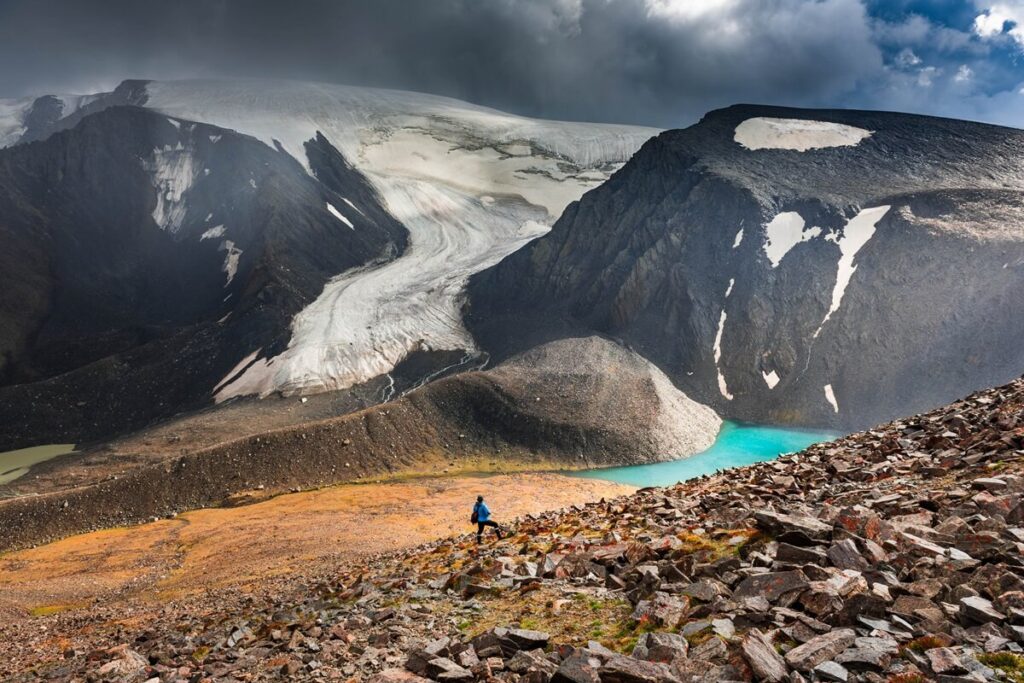
- Mongolian Altai: glaciers above open steppe, Khüiten (4,374 m), very remote
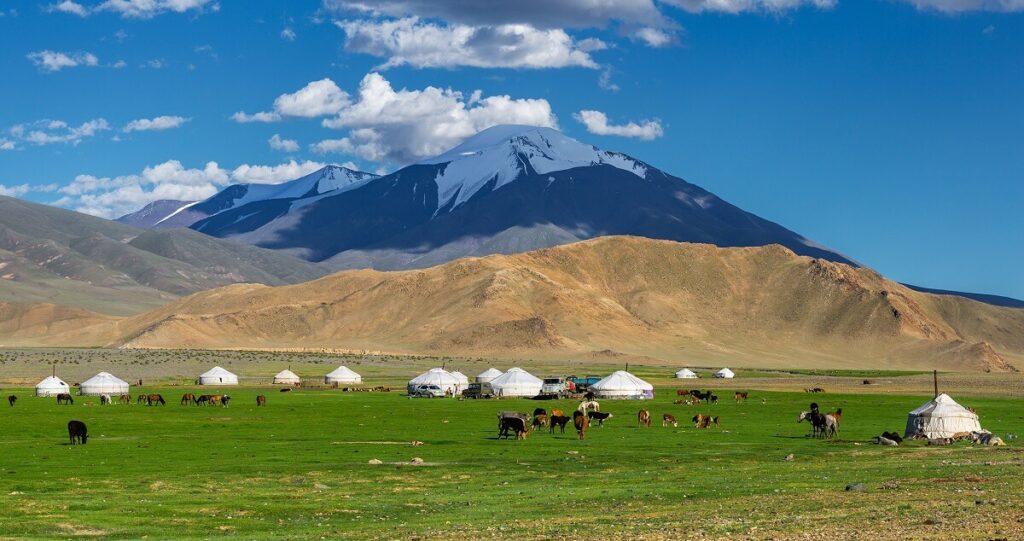
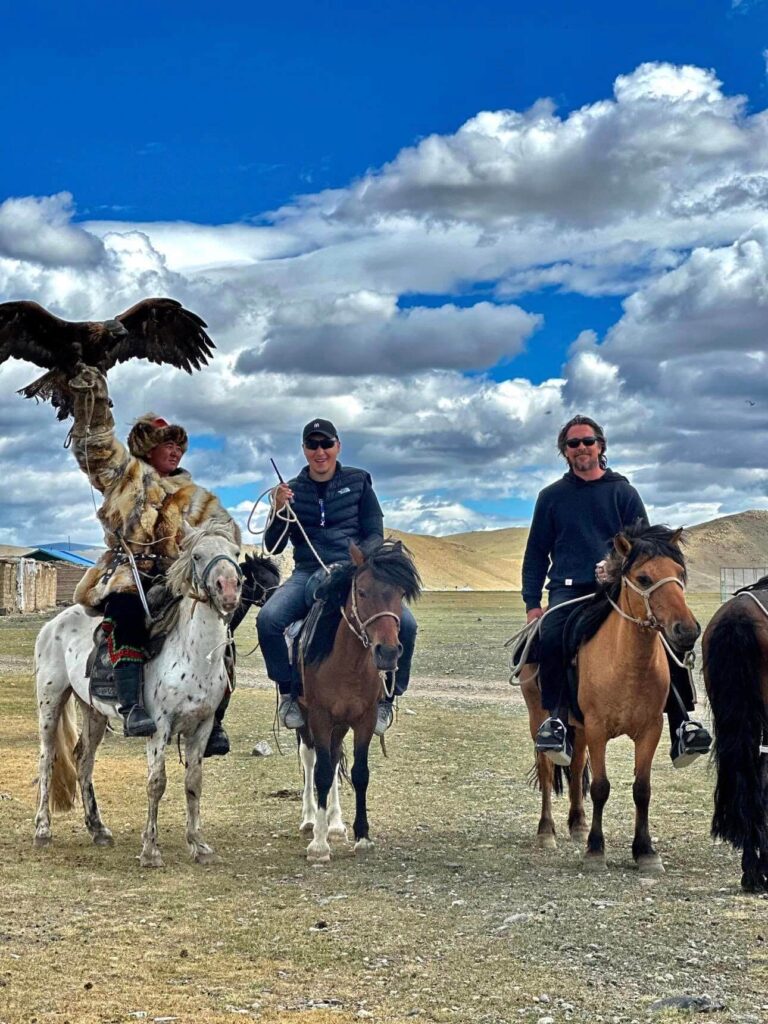
- Culture: the Mongolian side has living nomadic herding and eagle hunting
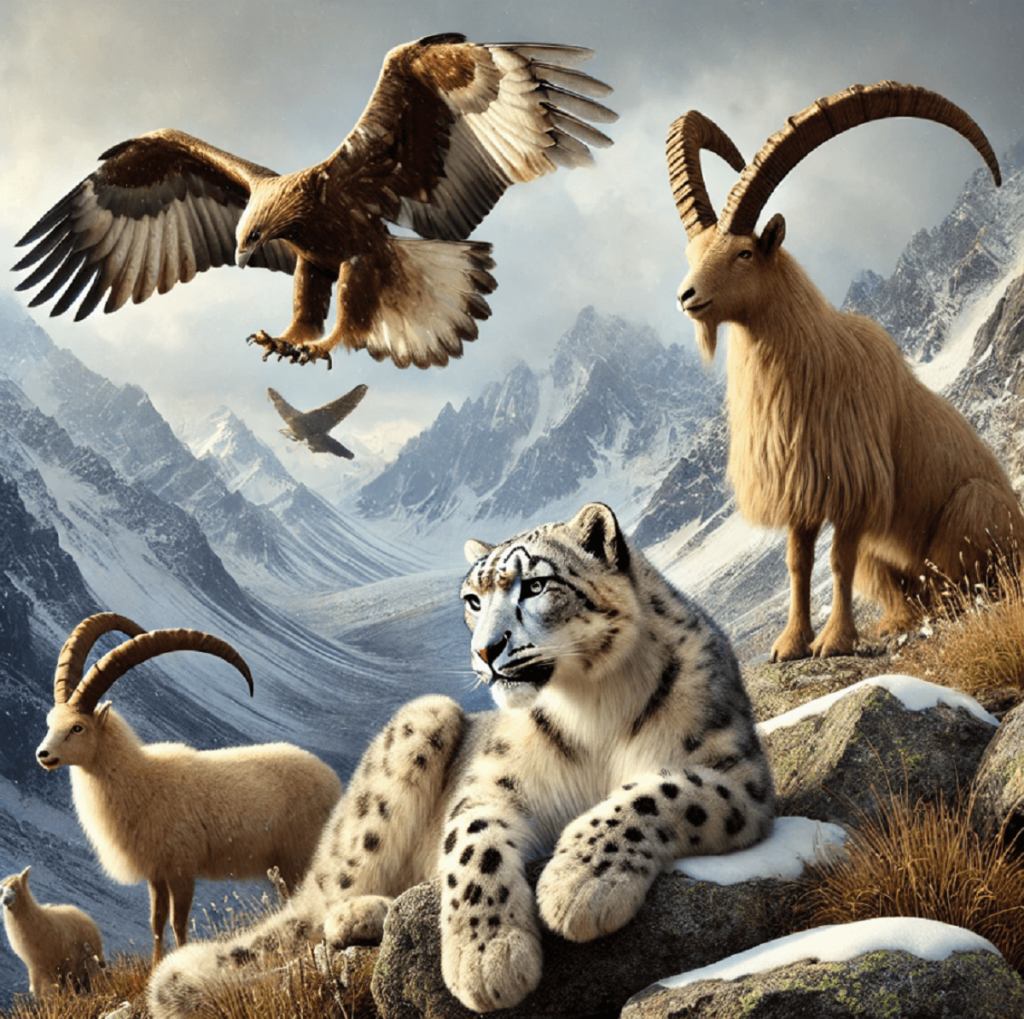
- Wildlife: snow leopards, argali and ibex on both sides
- Both: linked by the Tashanta–Tsagaannuur border crossing
The Altai Mountains are one of Asia’s great ranges, stretching across four countries: Russia, Mongolia, China and Kazakhstan. Two sides attract most travellers: the Russian Altai (Altai Republic, in southern Siberia) and the Mongolian Altai (mainly Bayan-Ölgii province). Both are spectacular, but very different. Here’s how they compare.
Where exactly are the Altai Mountains?
The range runs roughly from south-east to north-west for some 2,000 km, from the Gobi Desert in Mongolia to the West Siberian Plain. At the heart of the range, the borders of Russia, China and Mongolia meet near the Tavan Bogd massif, with Kazakhstan just to the west. Learn more in Altai Mountains geology.
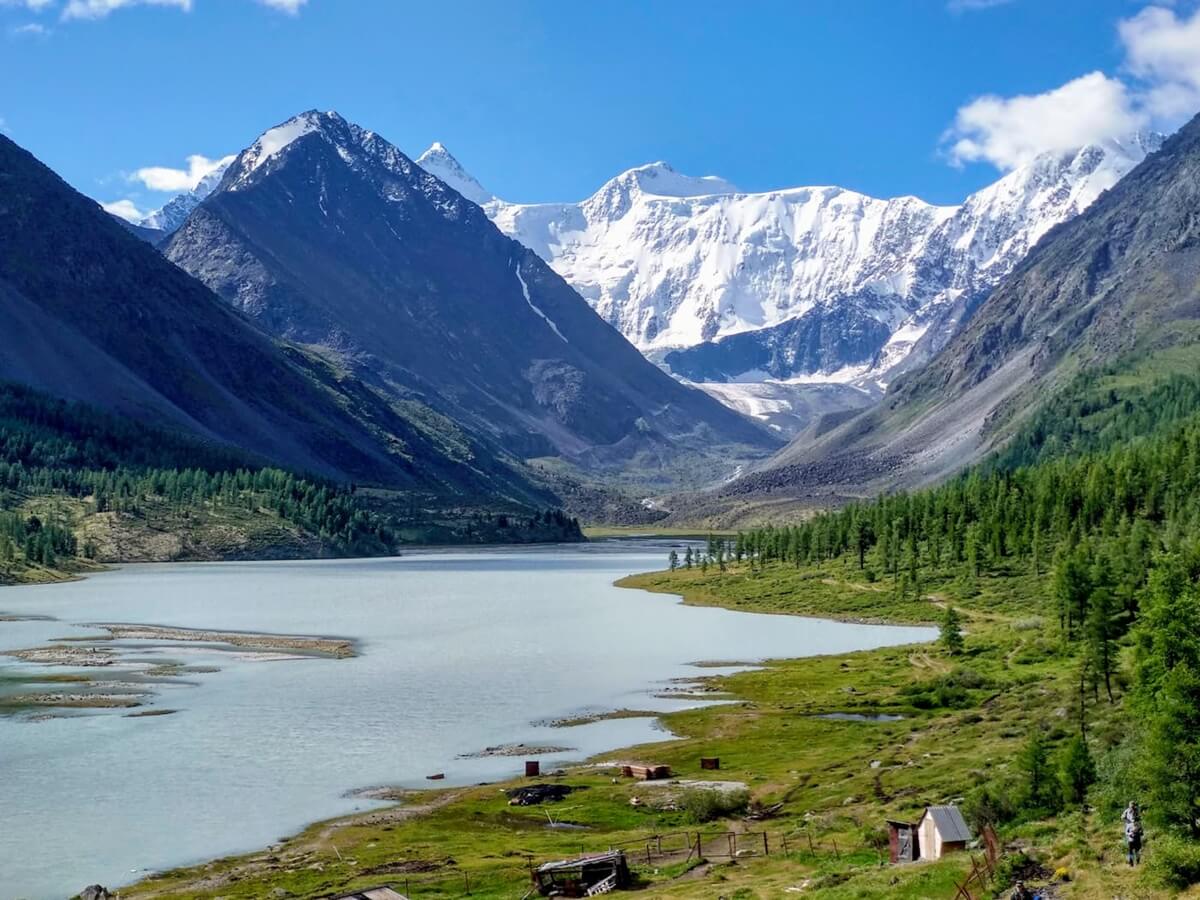
Russian Altai at a glance
- Highest peak: Belukha (4,506 m), the highest point of the whole range. See Belukha Mountain.
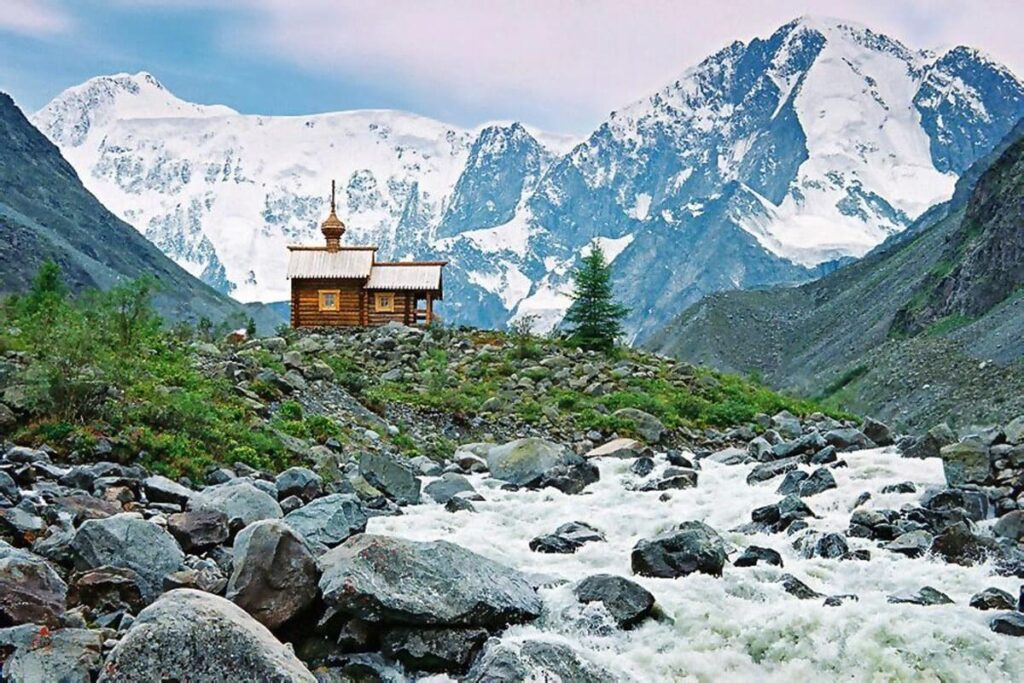
- Landscape: forested valleys, rushing rivers, alpine lakes and the famous Chuysky Trakt road
- People: Altai (Altaian) people, Russians and Kazakhs
- Tourism: well developed, with resorts, rafting, campsites and marked routes. Popular with domestic Russian tourists.
- UNESCO: the “Golden Mountains of Altai” World Heritage Site
Mongolian Altai at a glance
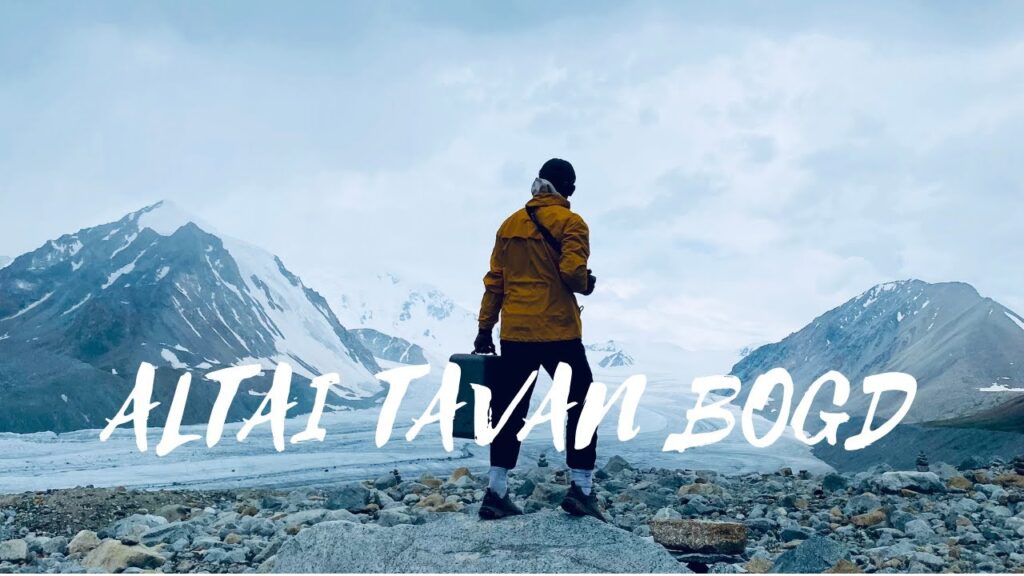
- Highest peak: Khüiten (4,374 m), Mongolia’s highest point, in Altai Tavan Bogd National Park
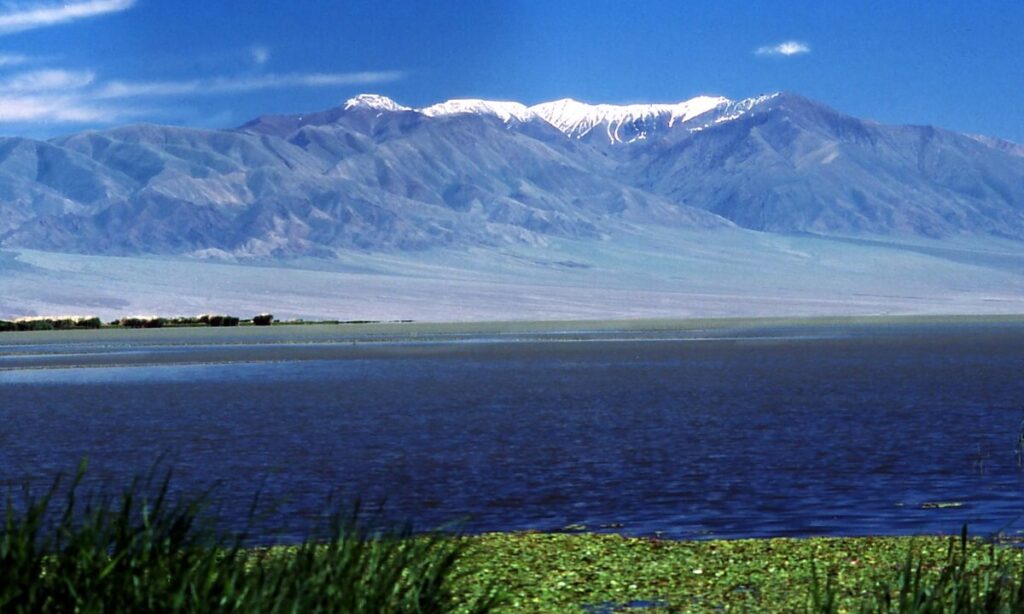
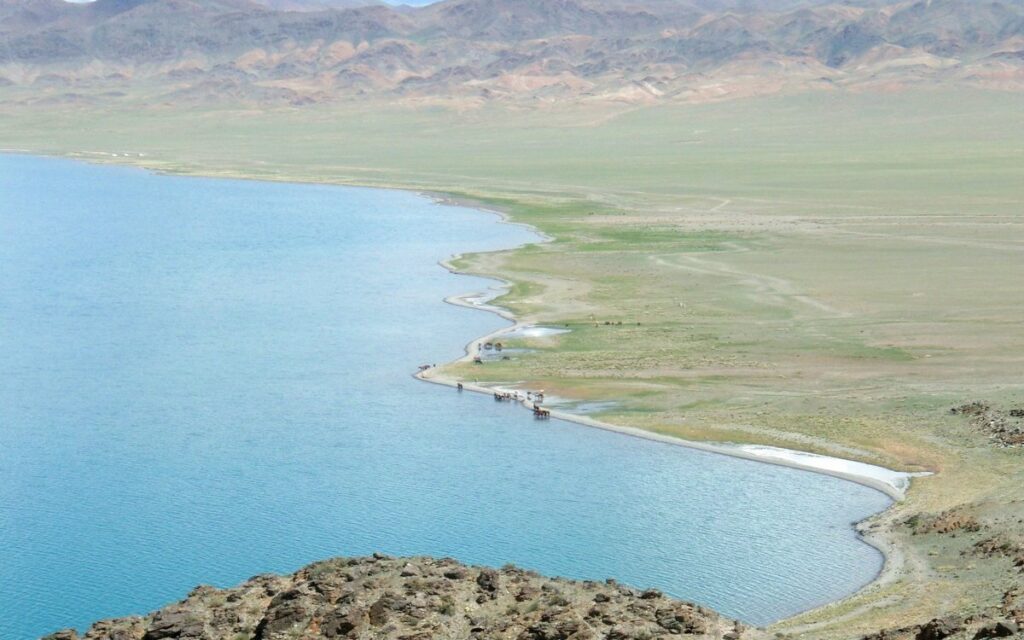
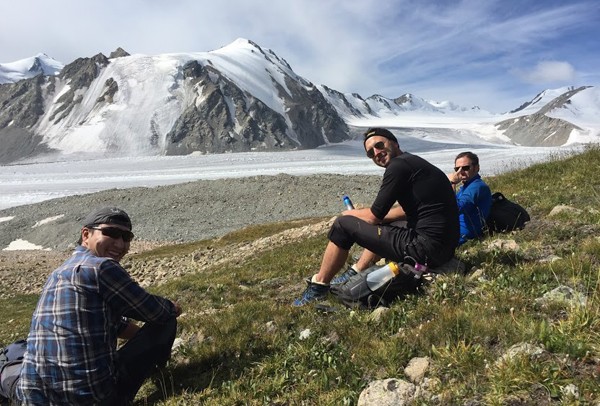
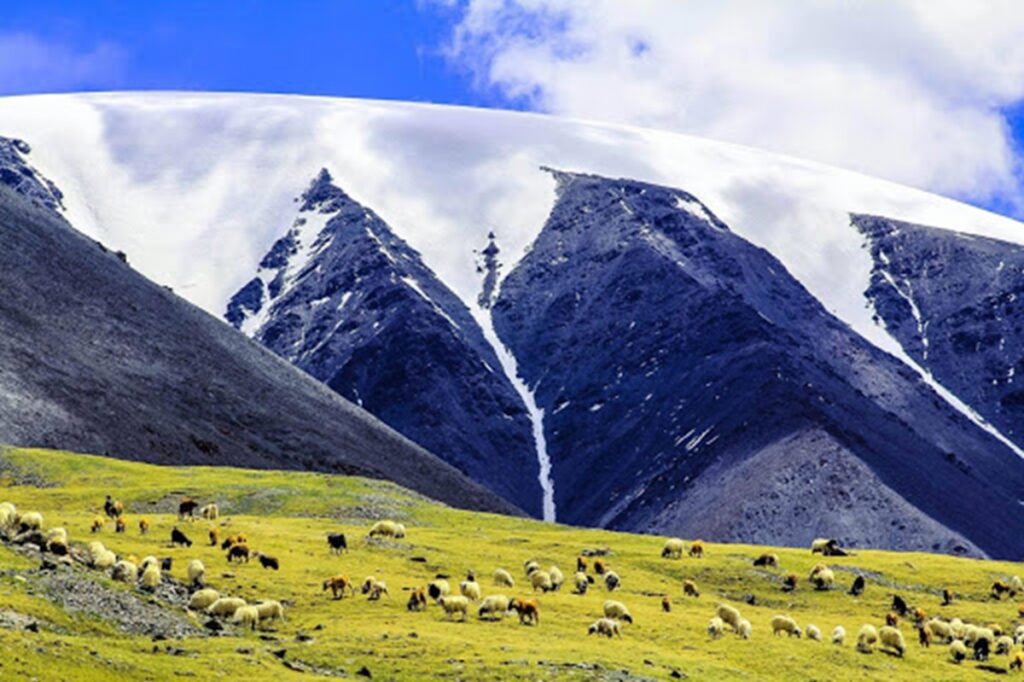
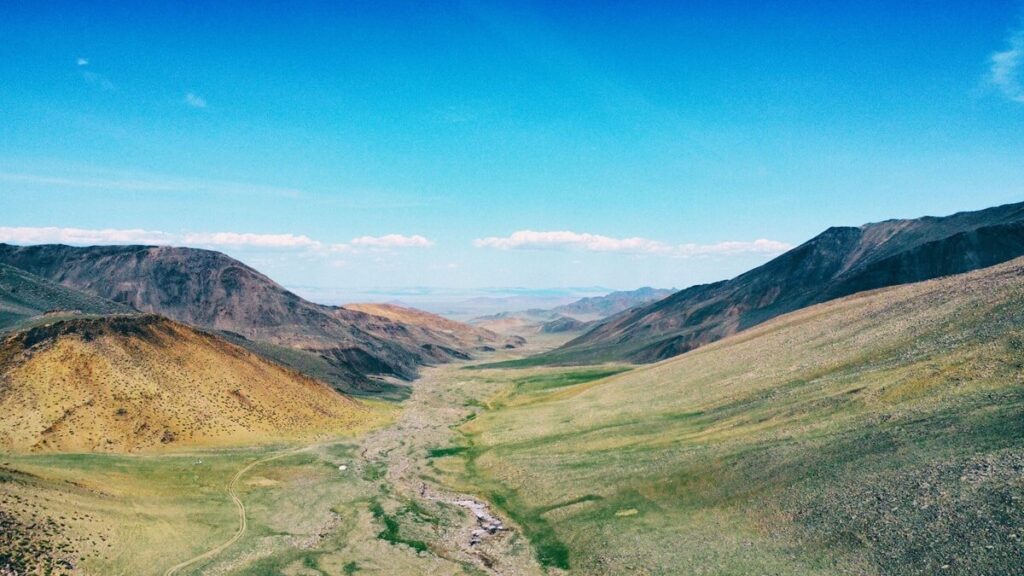
- Landscape: drier and more open, with treeless valleys, glaciers like the Potanin, big lakes and wide steppe
- People: Kazakhs (the majority), Tuvans, Uriankhai and other Mongol groups
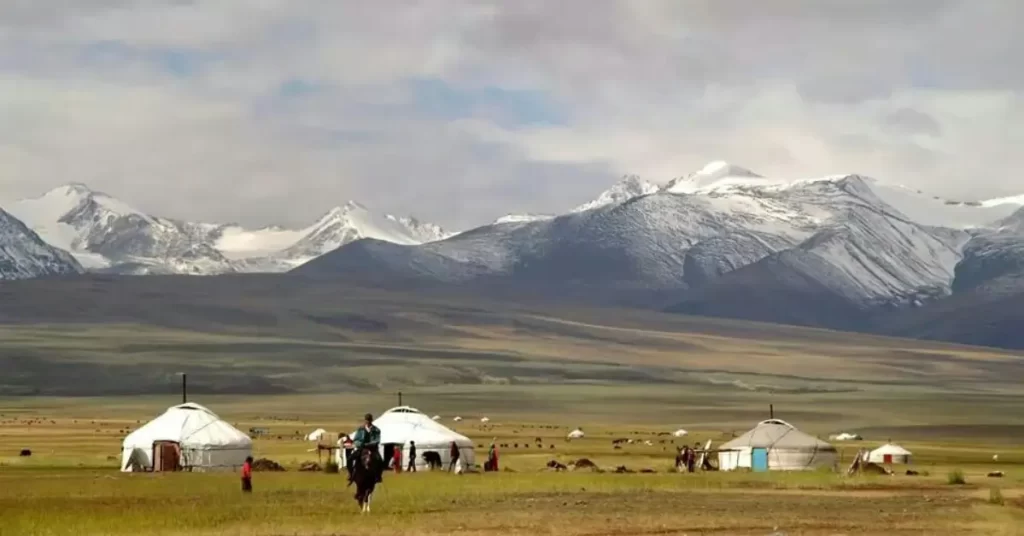
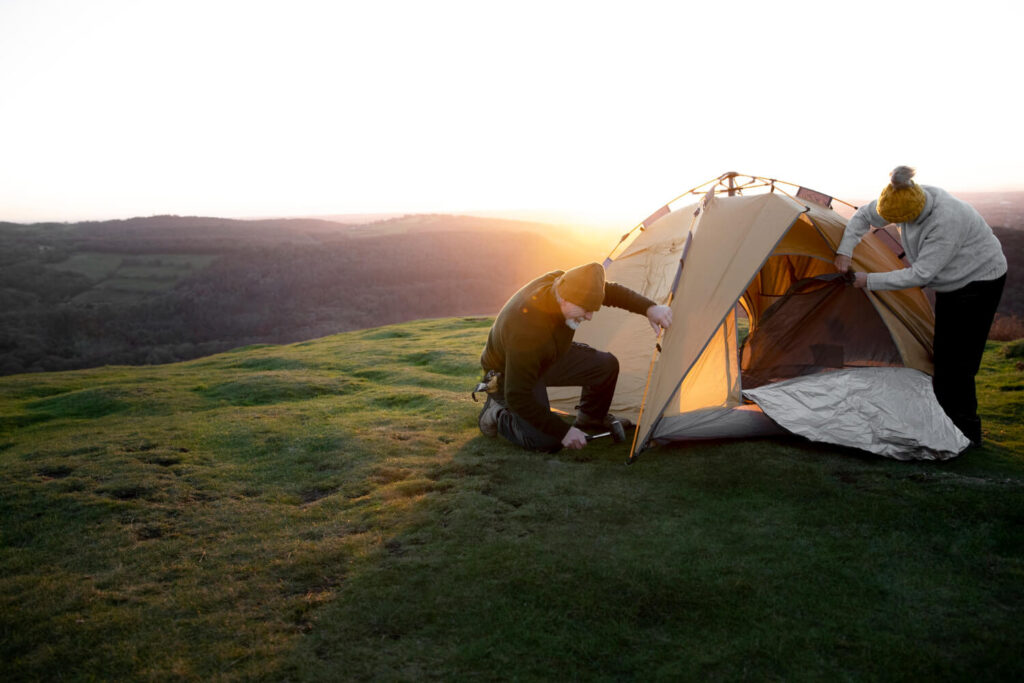
- Tourism: minimal infrastructure, with camping, ger stays and nomad families
- Culture: Kazakh eagle hunters and the Golden Eagle Festival
Head-to-head comparison
| Russian Altai | Mongolian Altai | |
|---|---|---|
| Scenery | Green, forested, river valleys | Open, dramatic, glaciers above steppe |
| Wilderness feel | Popular areas can be busy in summer | Very remote, few visitors |
| Nomadic culture | Limited. Mostly settled villages. | Living nomadic herding and eagle hunting |
| Infrastructure | Roads, hotels, campsites | Rough tracks, camping, family stays |
| Signature experiences | Belukha trek, rafting, Chuysky Trakt road trip | Tavan Bogd base camp, Khüiten climb, eagle hunters |
| Visa | Russian visa or e-visa (depending on nationality) | Many nationalities visa-free. Border permit for the national park. |
Trekking and climbing
The Russian side offers classic treks to Belukha and the Multinskie lakes, with more established trails. The Mongolian side offers glacier treks to Khüiten Peak base camp, the non-technical summit of Malchin Peak, and camel-supported treks through empty valleys. See Altai Tavan Bogd trekking routes.
Wildlife
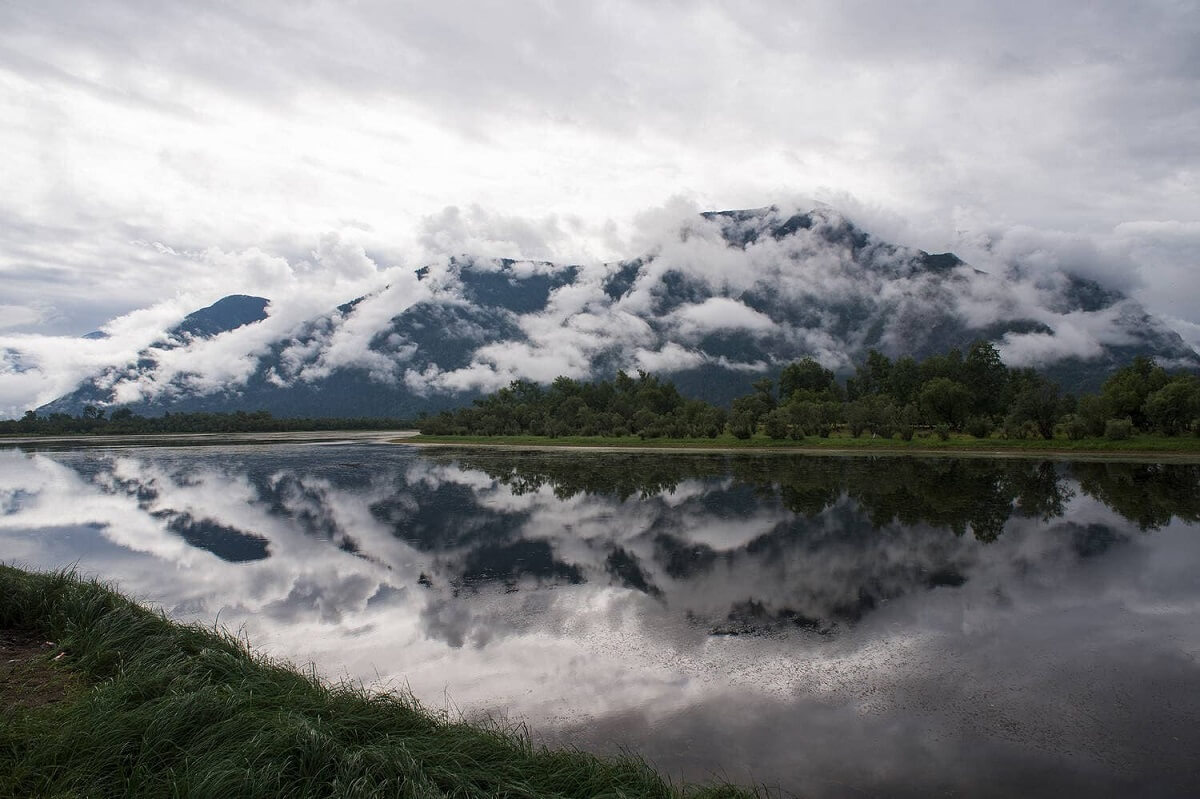
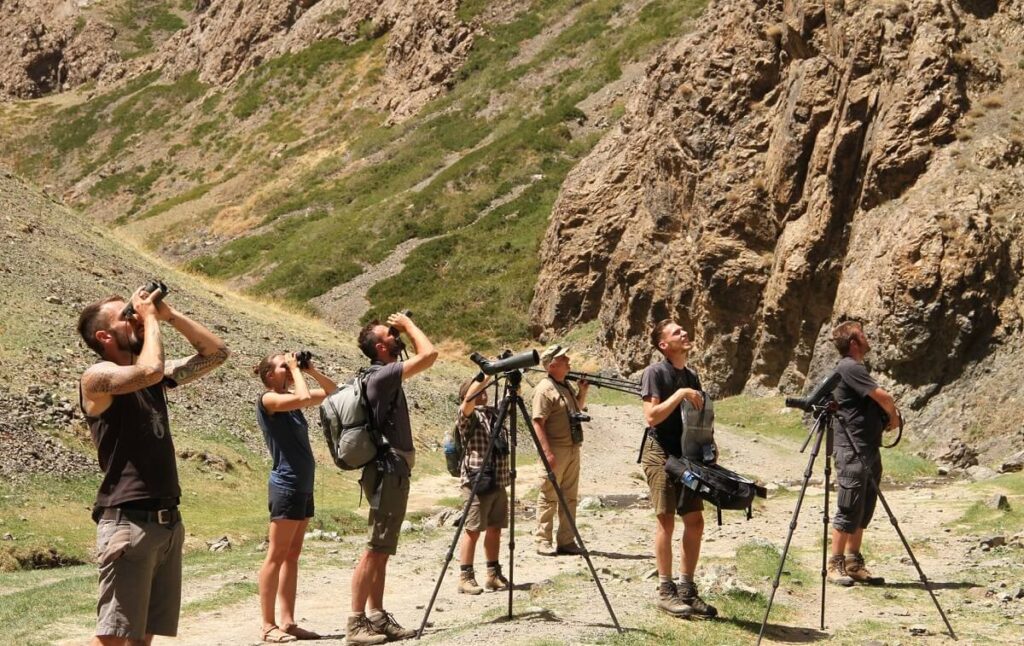
Both sides shelter snow leopards, argali sheep and ibex, along with golden eagles and lammergeiers. The open terrain of the Mongolian Altai often makes large mammals easier to spot. See Altai Mountains animals.
Culture
This is where the Mongolian Altai stands out. In Bayan-Ölgii you can stay with Kazakh nomad families, watch eagle hunters train their birds and attend the Golden Eagle Festival. These experiences are central to life here, not staged for tourists. See Meet the Kazakh eagle hunters.
Can you visit both?
Yes. The Tashanta–Tsagaannuur border crossing connects the Russian Altai’s Chuysky Trakt with Bayan-Ölgii, making a cross-border Altai journey possible for travellers with the right visas. Check current border status before planning.
Which side is right for you?
- Choose the Russian Altai for green valleys, rivers, easier logistics and road trips.
- Choose the Mongolian Altai for glaciers above open steppe, true remoteness, nomad life and eagle hunters.
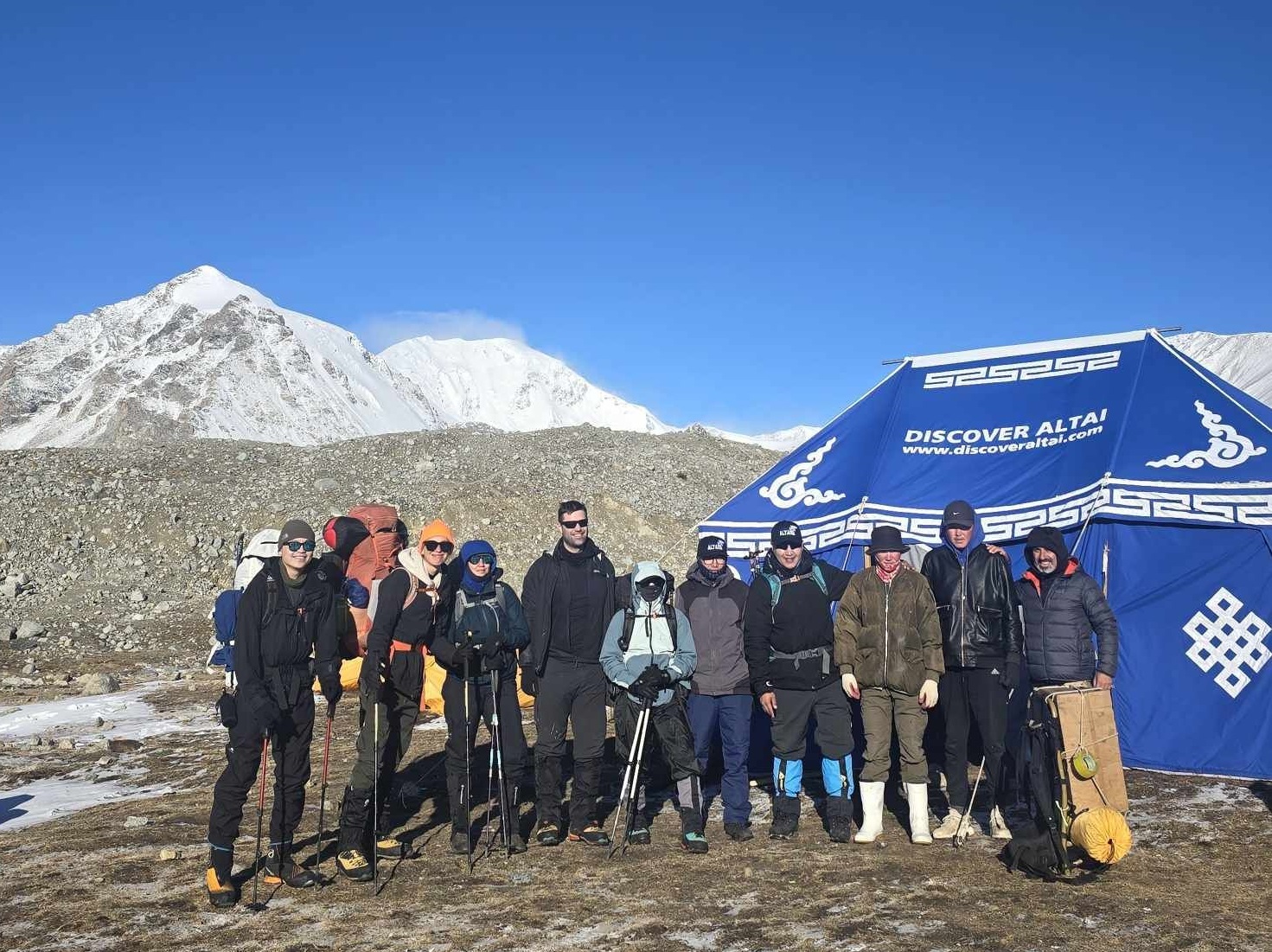
Discover Altai specialises in the Mongolian side of the range. See our Altai Tavan Bogd tour and Khüiten climb, or contact us.
Suggested Tours:
Suggested Blogs:
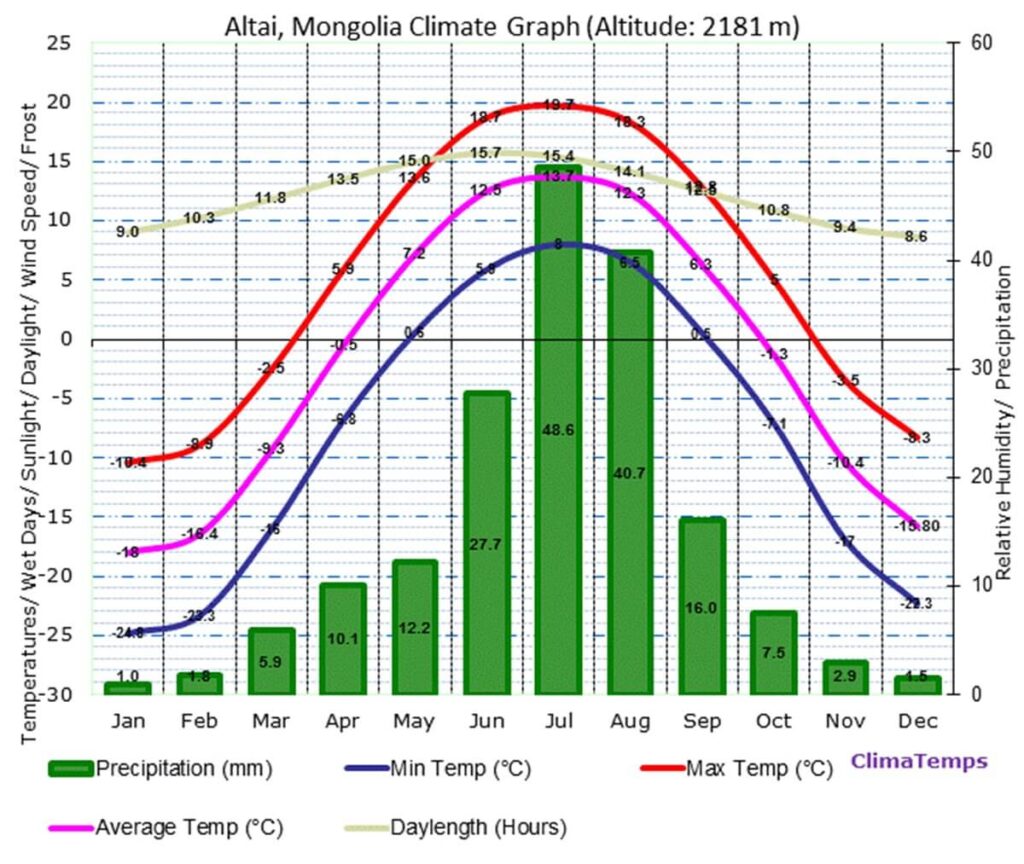
Ulgii Weather: A Month-by-Month Guide to Bayan-Ölgii’s Climate
Ölgii (Ulgii) sits at about 1,700 m in a dry valley of the Altai, with a cold semi-arid continental climate…Does Mongolia Border Kazakhstan? Travelling Between Kazakhstan and Western Mongolia
Mongolia and Kazakhstan do not share a border. At their closest point in the Altai Mountains they are separated by…Khovd, Mongolia: A Travel Guide to the Province of Many Peoples
Khovd is a province in western Mongolia, between the Altai Mountains and the great lakes basin, often described as the…

Where are the Altai Mountains?
The Altai range stretches about 2,000 km across Russia, Mongolia, China and Kazakhstan, from the Gobi Desert to the West Siberian Plain.
What is the highest peak in the Altai Mountains?
Belukha (4,506 m) in Russia is the highest point of the range. Mongolia’s highest peak, Khüiten (4,374 m), is in Altai Tavan Bogd National Park.
Is the Russian or Mongolian Altai better for trekking?
The Russian Altai has more established trails and infrastructure. The Mongolian Altai offers glacier treks with almost no other people, supported by camels or horses.
Can I visit both the Russian and Mongolian Altai?
Yes. The Tashanta–Tsagaannuur crossing connects the Chuysky Trakt with Bayan-Ölgii for travellers with the right visas. Check current border status first.