
Belukha Mountain, towering at an impressive 4,506 meters (14,783 feet), stands as the highest peak in the Altai Mountains and the Siberian region of Russia.
Situated in the heart of the Altai Republic, this mountain is a part of the Altai Tavan Bogd massif, which straddles the borders of Russia, Kazakhstan, China, and Mongolia.
Belukha, often referred to as the “White Mountain,” is revered not only for its breathtaking natural beauty but also for its cultural, spiritual, and ecological significance.
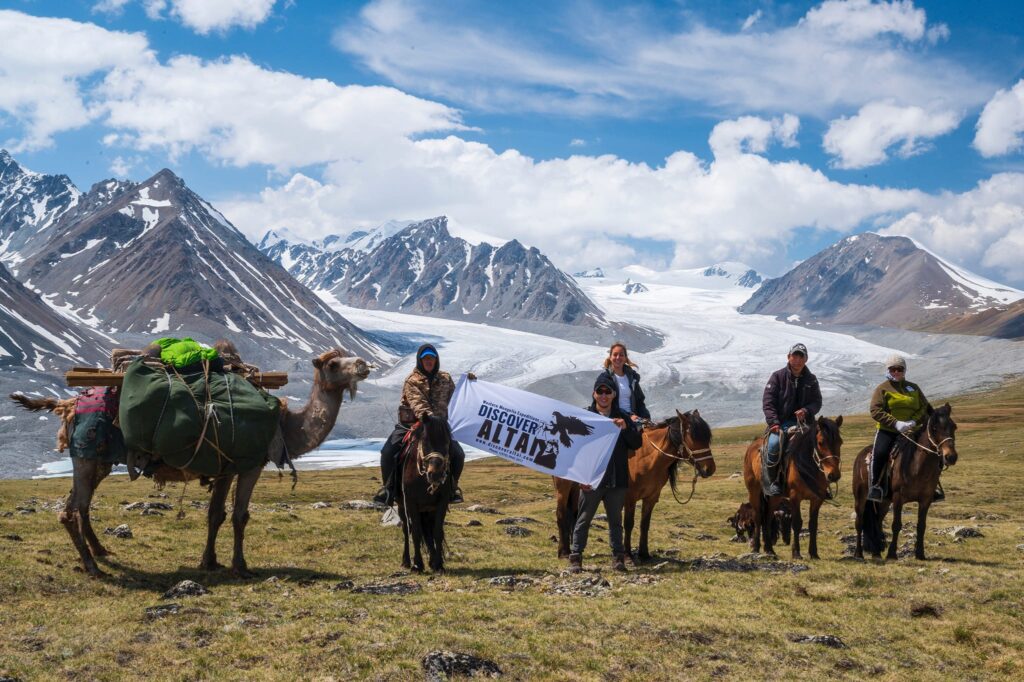
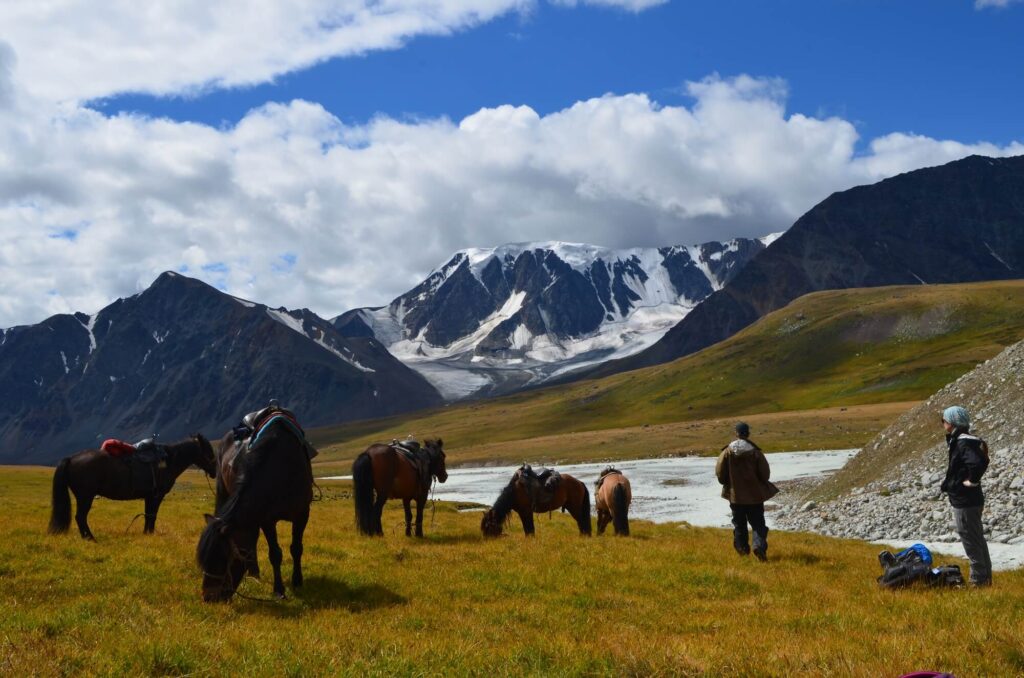
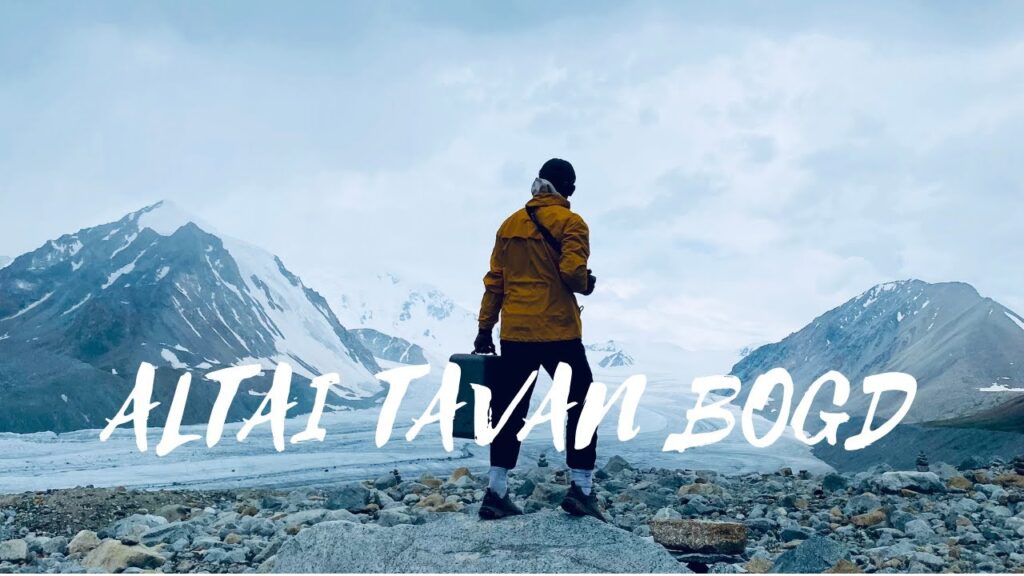
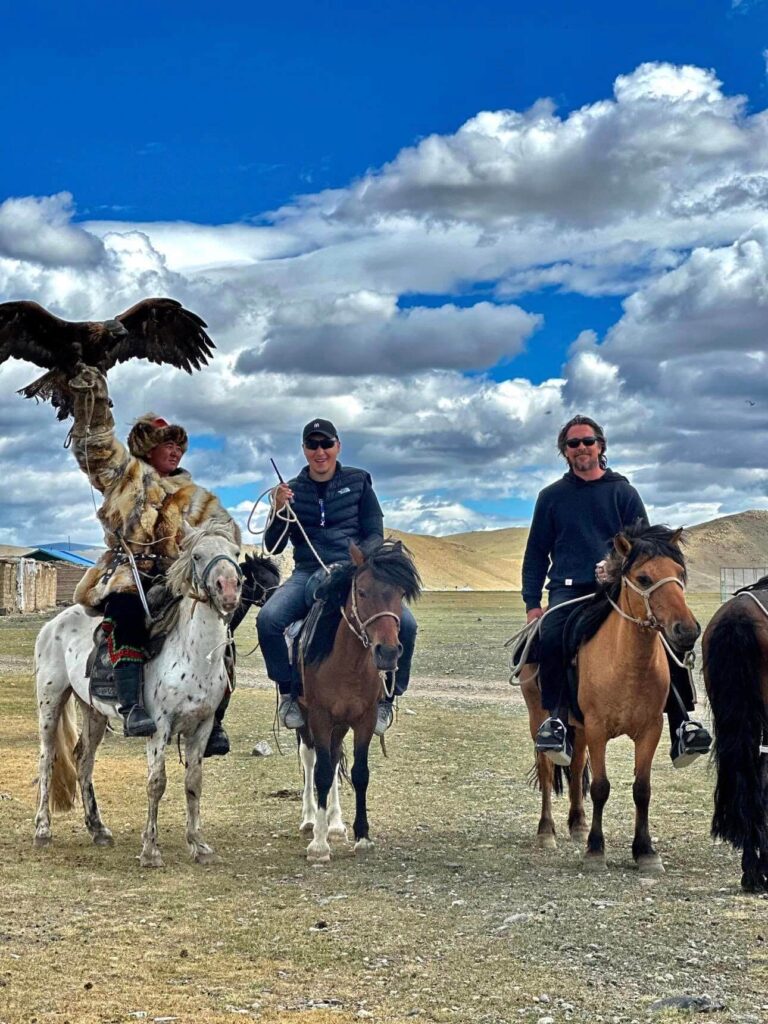
We offer you MONGOLIA HORSE TREKKING TOUR. The Discover Altai team offers you a 9-day best-planned Horse Trekking Tour in the Altai Tavan Bogd National Park. It will be wonderful 🤩🤩
Geographical Significance
🏔️ Want to experience this in person? Join our 10-Day Mount Khuiten Expedition with local Kazakh guides — small groups, authentic experience, 5.0 stars on TripAdvisor.
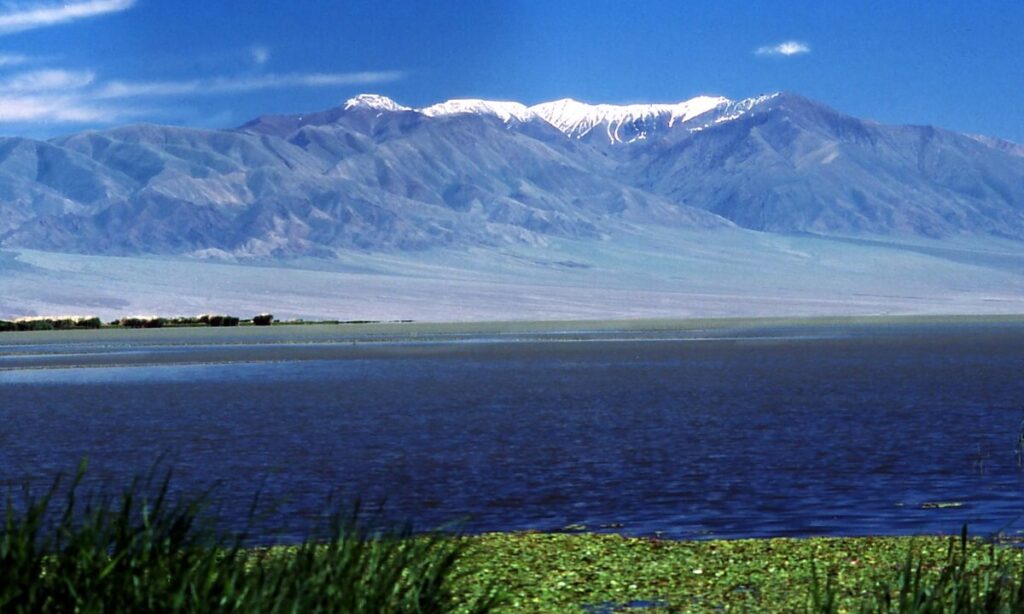
Belukha Mountain is located within the Katun Nature Reserve, a UNESCO World Heritage site. The Altai Mountains, which form a natural barrier between the steppes of Mongolia and the taiga forests of Siberia, are known for their rugged terrain, deep valleys, and numerous rivers and lakes.
Belukha’s twin-peaked summit is covered with perpetual snow and ice, making it a challenging yet rewarding destination for mountaineers and adventurers.
The mountain is the source of the Katun River, one of the main rivers in the Altai region. The Katun, along with its tributaries, plays a crucial role in the local ecosystem, providing water for the region’s flora and fauna, as well as the people who inhabit the surrounding areas. The river also holds significant cultural importance for the indigenous Altai people.

Cultural and Spiritual Importance
Belukha Mountain holds a special place in the hearts of the Altai people, who consider it a sacred site. According to local legends, Belukha is the dwelling place of the gods and the center of the world.
The mountain is often associated with Shambhala, a mythical kingdom in Tibetan Buddhism, believed to be a place of peace and tranquility.
The spiritual aura surrounding Belukha has attracted not only pilgrims but also artists, writers, and philosophers throughout history.
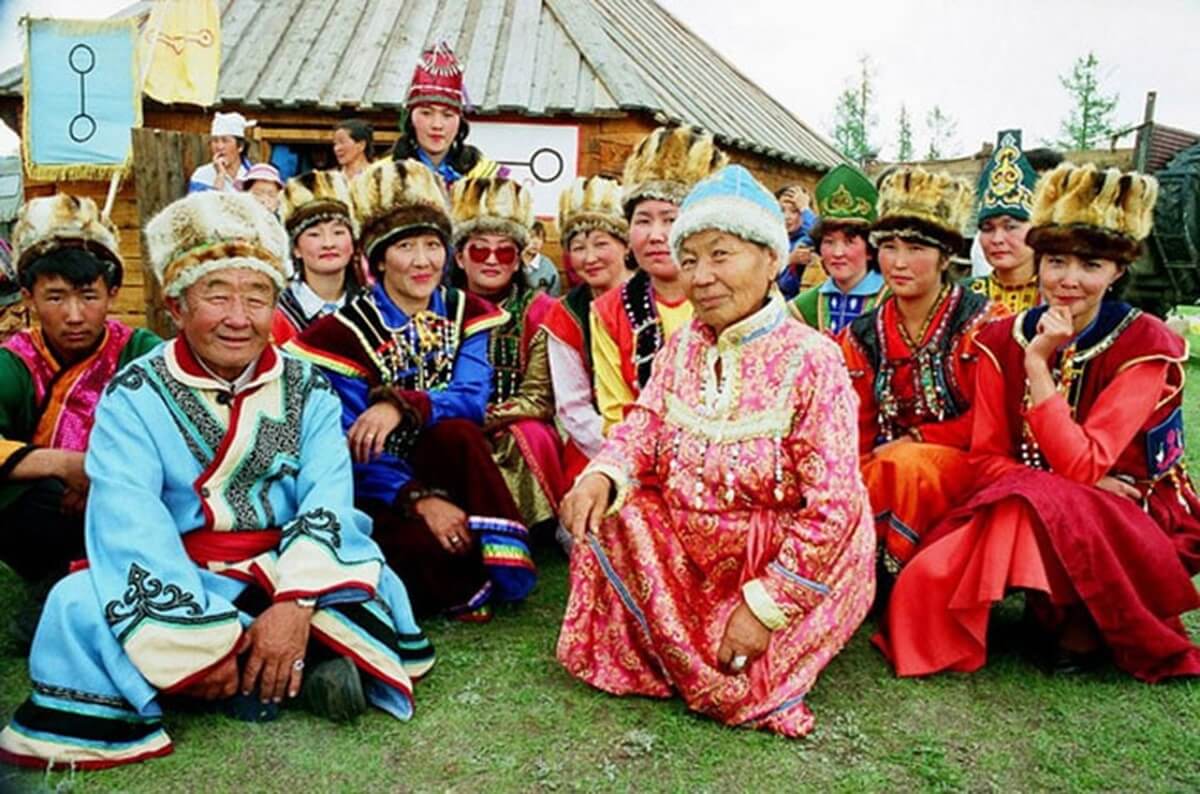
One of the most famous figures to be inspired by Belukha was the Russian painter and philosopher Nicholas Roerich.
In the early 20th century, Roerich traveled extensively in the Altai region and believed that Belukha was the gateway to Shambhala.
His fascination with the mountain is evident in his numerous paintings that depict the mystical landscapes of the Altai.
Adventure and Exploration
Belukha Mountain has long been a destination for mountaineers and adventurers seeking to conquer its challenging slopes. The first recorded ascent of Belukha was made in 1914 by the Tronov brothers, who opened the door for future expeditions.
Despite its height, Belukha is not the most technically difficult mountain to climb, but the harsh weather conditions, remote location, and glaciated terrain make it a formidable challenge.
The climb to the summit of Belukha typically begins in the village of Tyungur, located at the mountain’s base.
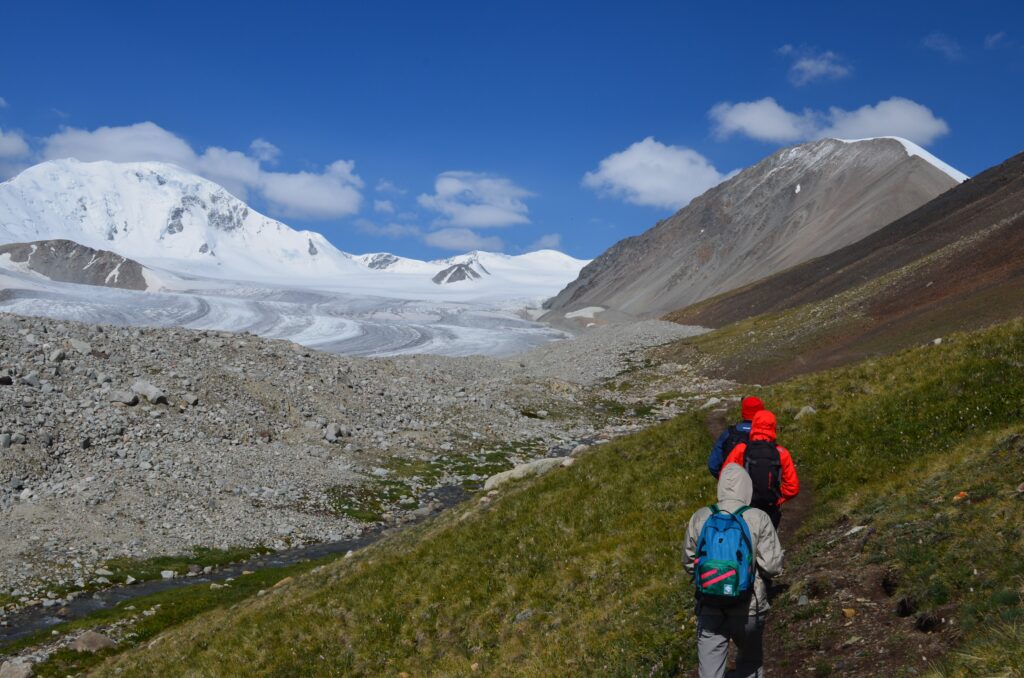
From there, climbers embark on a multi-day trek through dense forests, across rivers, and over rugged terrain to reach the mountain’s glaciers.
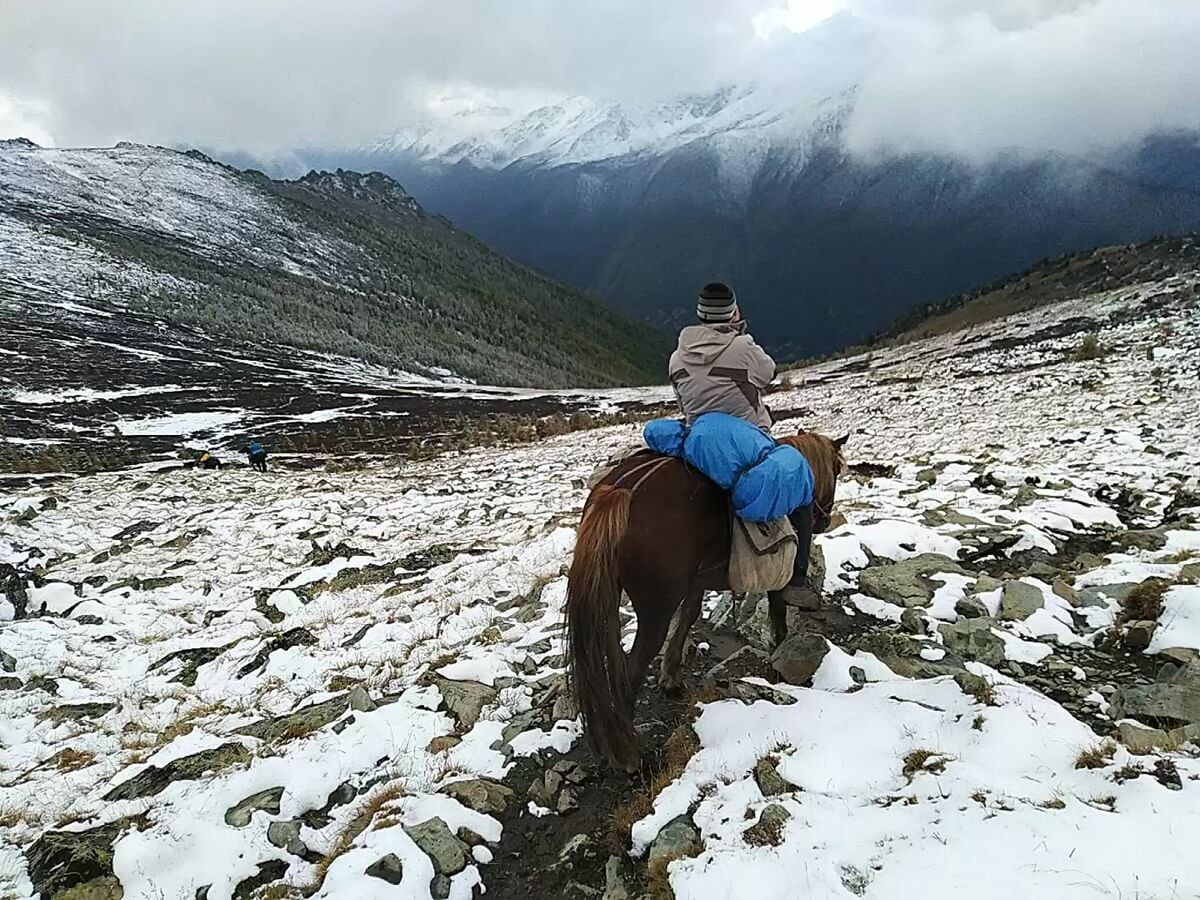
The final ascent requires technical climbing skills to navigate the crevasses and icefalls that guard the summit.
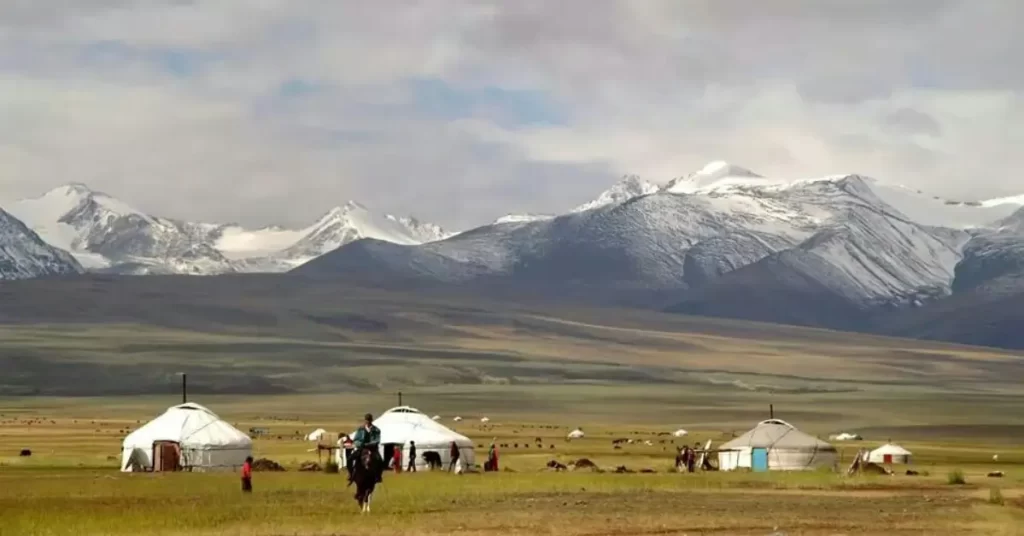
For those who are not mountaineers, the area around Belukha offers numerous opportunities for trekking, horseback riding, and exploring the natural beauty of the Altai.
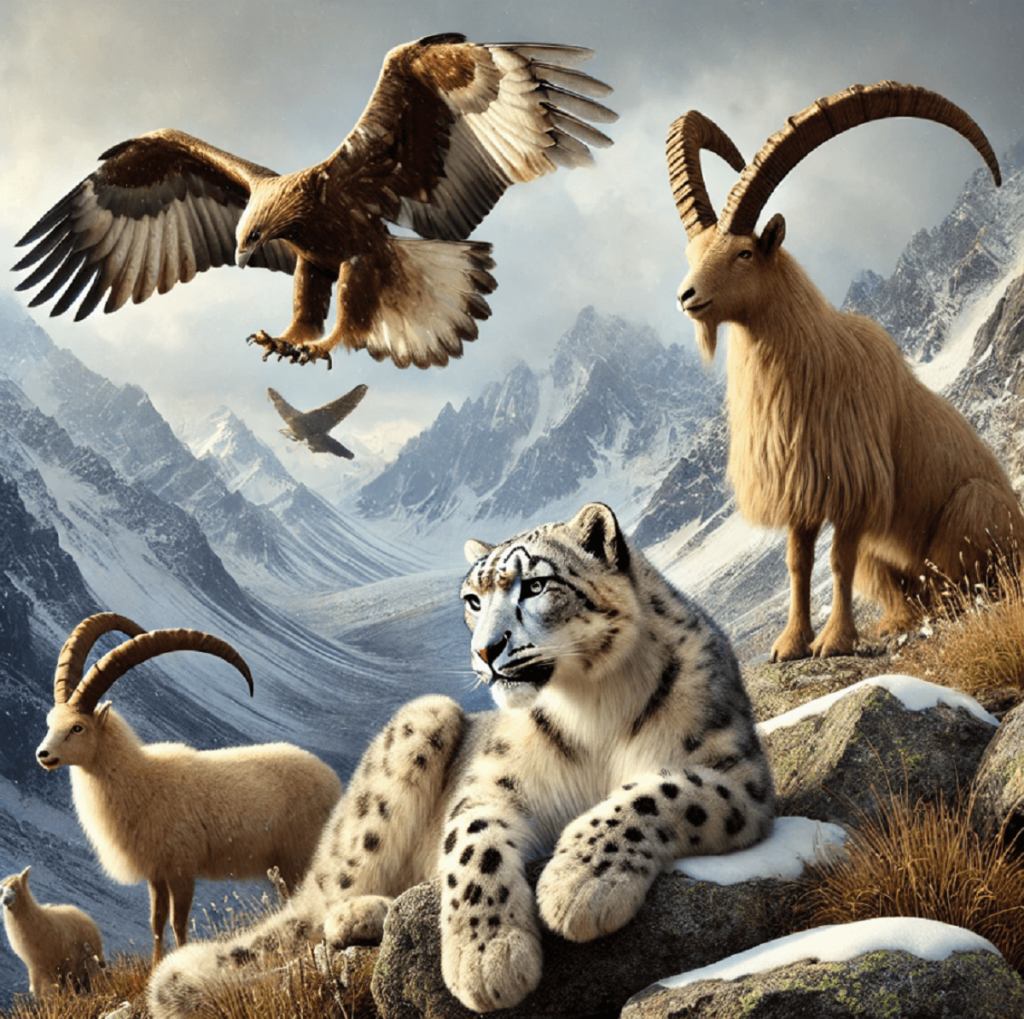
The mountain’s lower slopes are covered with alpine meadows, dotted with wildflowers and home to diverse wildlife, including ibex, argali sheep, and the elusive snow leopard.
Ecological Importance
Belukha Mountain and the surrounding Altai region are of significant ecological importance. The area is home to a rich diversity of plant and animal species, many of which are endemic or endangered.
The Altai Mountains serve as a natural refuge for species that have been pushed out of other areas by human activity, making it a critical area for biodiversity conservation.
The glaciers on Belukha also play a vital role in the regional hydrology, feeding into the rivers and lakes that sustain life in the region.
However, like many of the world’s glaciers, those on Belukha are retreating due to climate change, posing a threat to the local ecosystem and the communities that depend on it.
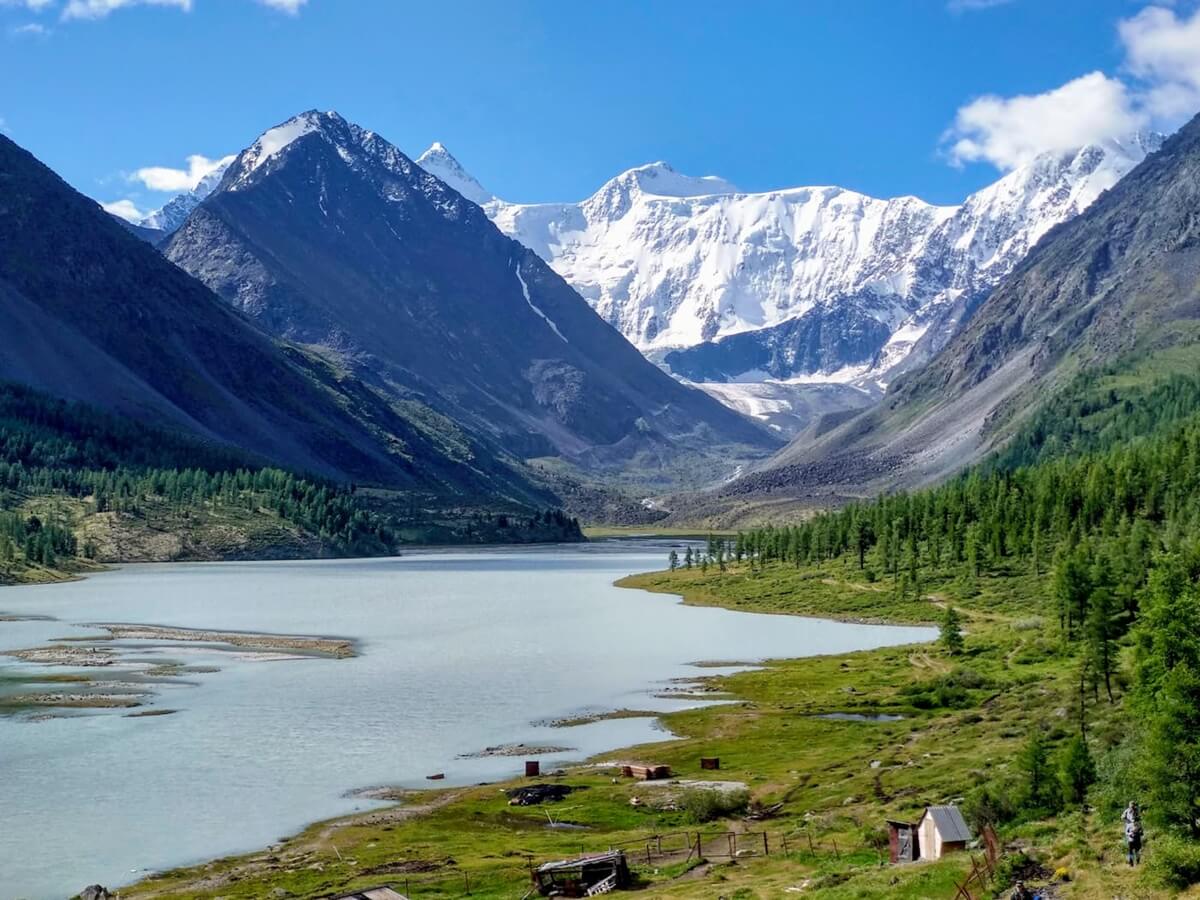
Belukha Mountain is more than just a peak; it is a symbol of natural beauty, spiritual significance, and ecological importance.
Whether viewed as a sacred place, an adventurous challenge, or a natural wonder, Belukha continues to inspire awe and reverence.
As one of the most iconic mountains in Siberia, it stands as a testament to the rugged and mystical allure of the Altai region, drawing people from all over the world to experience its majesty.
Suggested tour:
Mongolia Altai Mountain Tour 2026 — 8 Days: Peak Climb + Culture + Nomadic Stay | $1,700
Unleash your adventure spirit, explore Mongolia on your own terms MONGOLIA ALTAI MOUNTAIN TOUR ⭐⭐⭐⭐⭐ 5.0 · 72 reviews on…MONGOLIAN NOMAD MIGRATION TOUR
Unleash your adventure spirit, explore Mongolia on your own terms Mongolian Nomad Migration tour ⭐⭐⭐⭐⭐ 5.0 · 63 reviews on…Mongolia Trekking Tour 2027 — 11-Day Altai Tavan Bogd Trek from $2,300
Unleash your adventure spirit, explore Mongolia on your own terms ALTAI TREKKING TOUR IN MONGOLIA By Dauren, Bayan-Olgii local guide since…
Related content:
Ulgii Weather: A Month-by-Month Guide to Bayan-Ölgii’s Climate
Ölgii (Ulgii) sits at about 1,700 m in a dry valley of the Altai, with a cold semi-arid continental climate…Altai Mountains: Russia vs Mongolia. Which Side Should You Visit?
The Altai Mountains span Russia, Mongolia, China and Kazakhstan. The Russian Altai has green forested valleys, rivers, Belukha (4,506 m,…Does Mongolia Border Kazakhstan? Travelling Between Kazakhstan and Western Mongolia
Mongolia and Kazakhstan do not share a border. At their closest point in the Altai Mountains they are separated by…

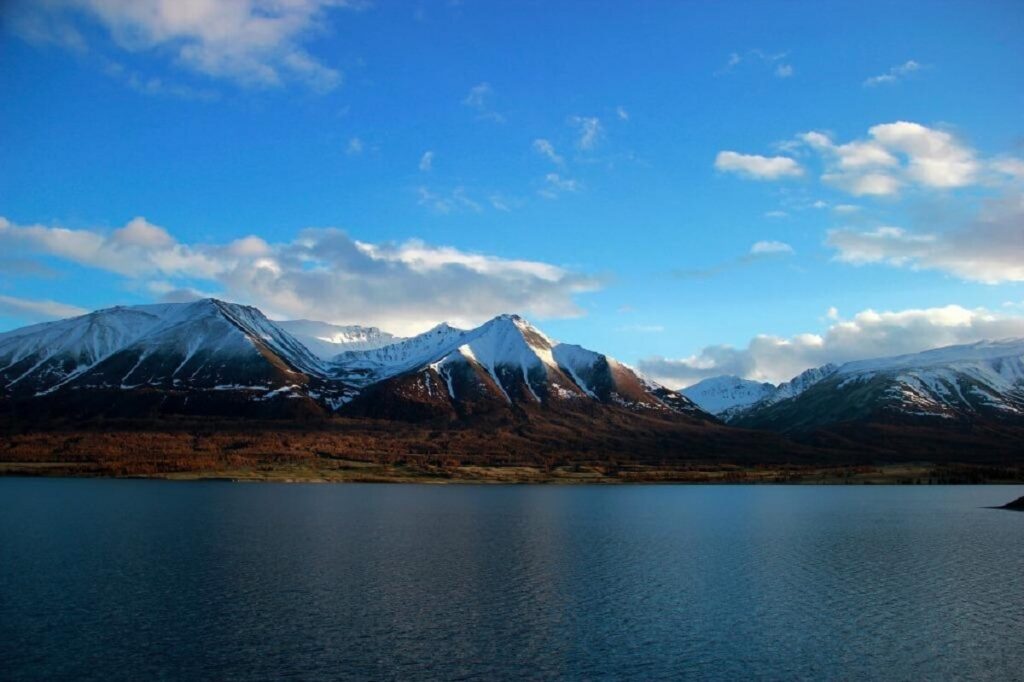
Belukha Mountain: Elevation, Coordinates & Geographic Context
Mount Belukha rises to 4,506 metres (14,786 feet), making it the highest peak of the Altai Mountains and the highest point in all of Siberia.
Its summit lies at approximately 49°48’N, 86°35’E, inside the Altai Republic of Russia, very close to the Russia–Kazakhstan border.
Belukha is geographically remarkable for being almost equidistant from three oceans — the Pacific, Indian, and Arctic — placing it close to the geographic centre of the Eurasian landmass.
The mountain is part of the Katun Range (Katunsky Khrebet) within the wider Altai mountain system that spans Russia, Kazakhstan, Mongolia, and China.
Belukha has two distinct summits — East Belukha (the higher, at 4,506 m) and West Belukha (4,440 m) — separated by a wide, flat saddle.
UNESCO World Heritage Status: The Golden Mountains of Altai
Belukha lies inside the “Golden Mountains of Altai” UNESCO World Heritage Site, inscribed in 1998 for its outstanding biodiversity and the cultural significance of its mountain landscapes.
The UNESCO property covers a total area of 1,611,457 hectares and includes three separate zones: the Altaisky Zapovednik (Altai Strict Nature Reserve), the Katunsky Zapovednik, and the Ukok Quiet Zone. Belukha is the highest point in the Katunsky zone.
UNESCO recognises the area as the most complete sequence of altitudinal vegetation zones in central Siberia, from steppe and forest-steppe through mixed forest, subalpine, and alpine to glacier — all visible on the slopes of Belukha.
The site is also habitat for several IUCN-listed species including the snow leopard (Panthera uncia, Vulnerable) and the argali sheep (Ovis ammon, Near Threatened).
First Ascent and Climbing History
Belukha was first successfully climbed on 25 July 1914 by Russian glaciologist brothers Mikhail and Boris Tronov, who reached the East Summit and inaugurated the era of mountaineering in the Altai.
Earlier attempts by Russian scientist Vasily Sapozhnikov (1897, 1899, 1911) reached the saddle from the Kazakh side but did not summit.
The East Summit is graded PD+ (Peu Difficile) on the alpine scale — moderate technical mountaineering involving glacier travel and short snow/ice sections, but no sustained vertical climbing.
The West Summit is significantly less climbed than the East and is graded harder on the standard route.
The standard climbing window is July, August, and September; winter ascents are possible but considerably more difficult due to extreme cold, deep snow, and avalanche risk.
The Original Name: Uch-Sumer in Altai Tradition
Before Russian settlers arrived in the region, the mountain was known to the indigenous Altai people as “Uch-Sumer” — translated as “Three Peaks” or “Three Mountains” in the Altai language, referencing the East summit, West summit, and a third lower summit visible from the south.
The current Russian name “Belukha” was given by Old Believers — Russian Orthodox dissenters who fled the 17th-century church schism by settling in the remote Altai. The name derives from the Russian root meaning “white,” referencing the mountain’s permanent snow and ice cover.
Belukha is sacred to the Altai people and is the spiritual centre of multiple Siberian religious traditions, including the syncretic Burkhanism movement and followers of philosopher-painter Nicholas Roerich, who associated the mountain with the legendary Buddhist kingdom of Shambhala.
Access, Permits & Border-Zone Restrictions (2025 Update)
Belukha sits inside Russia’s strict frontier border zone (pogranichnaya zona), requiring all visitors — Russian and foreign — to obtain a border-zone permit (propusk) from the FSB Border Service before approaching the mountain.
Per the 2022 advisory on SummitPost (the most authoritative climbers’ database for the area), non-resident climbers cannot currently obtain border-zone permits for the Belukha area from the Russian side — making the Russian approach effectively closed to international visitors.
The standard access route to the Russian side runs Moscow → Barnaul (5-hour flight) → Tungur village (≈800 km by minibus, ~400 km of which is rough mud road) → Akkem Lake (2 days on horseback) → Tomsk Bivouac at the foot of the mountain.
The Kazakh side of Belukha (approached via Berel village in East Kazakhstan Region) remains the only practical option for international expeditions today and was the route used by Sapozhnikov’s pre-summit attempts in the 1890s.
Climbers should plan a minimum of 10–14 days for an expedition due to the remoteness, weather instability, and required acclimatisation at base camp (3,400–3,600 m).
How tall is Mount Belukha?
Mount Belukha rises to 4,506 metres (14,786 feet), making it the highest peak in the Altai Mountains and the highest point in all of Siberia. The mountain has two summits — East Belukha (4,506 m, the highest) and West Belukha (4,440 m) — divided by a wide saddle.
Where is Belukha Mountain located?
Belukha is located in the Altai Republic of Russia, very close to the border with Kazakhstan, at approximately 49°48’N, 86°35’E. It sits inside the “Golden Mountains of Altai” UNESCO World Heritage Site and is part of the Katun Range within the wider Altai mountain system spanning Russia, Kazakhstan, Mongolia, and China.
Can foreigners climb Belukha Mountain?
The Russian side of Belukha is currently effectively closed to non-resident climbers** due to strict border-zone (pogranichnaya zona) permit restrictions in force since 2022. The Kazakh side, approached via the village of Berel in East Kazakhstan Region, remains the only practical route for international expeditions today.
When was Belukha first climbed?
Belukha was first successfully summited on 25 July 1914 by Russian glaciologist brothers Mikhail and Boris Tronov, who climbed the East Summit. Earlier attempts by Russian scientist Vasily Sapozhnikov in 1897, 1899, and 1911 reached the central saddle from the Kazakh side but did not summit.
What is Belukha’s original name?
Before Russian settlement, the mountain was known to the indigenous Altai people as “Uch-Sumer,” which translates as “Three Peaks” or “Three Mountains” in the Altai language. The current name “Belukha” — from the Russian root meaning “white” — was given by Old Believer settlers who arrived in the area in the late 17th century.