
There are three established trekking routes through Altai Tavan Bogd National Park: the Khoton & Khurgan Lakes loop (50–70 km, 4–6 days, moderate), the Potanin Glacier trek (80–110 km, 6–8 days, strenuous), and the full Mount Khüiten summit ascent (90–120 km, 8–10 days, technical). All three start near the village of Tsengel and route through the Tavan Bogd massif — the “Five Saints” cluster of glaciated peaks on Mongolia’s tri-border with Russia and China. Each route reaches a different terrain ceiling: alpine lakes (~2,400 m), glacier base camp (~3,400 m), or the 4,374 m summit. This guide covers what’s on the trail itself; for trip-planning logistics see our Altai Tavan Bogd trip planning guide.
Key Takeaways
- Three routes: Lakes loop / Potanin Glacier base / Khüiten summit
- All routes traverse the Tavan Bogd massif — the “Five Saints”
- Highest peak: Mount Khüiten at 4,374 m (Mongolia’s highest)
- Pack horses carry duffel bags; trekkers carry only daypacks
- Operator handles both permits (park entry + border-zone)
- For dates, costs, packing — see our trip planning guide
What is Altai Tavan Bogd National Park?
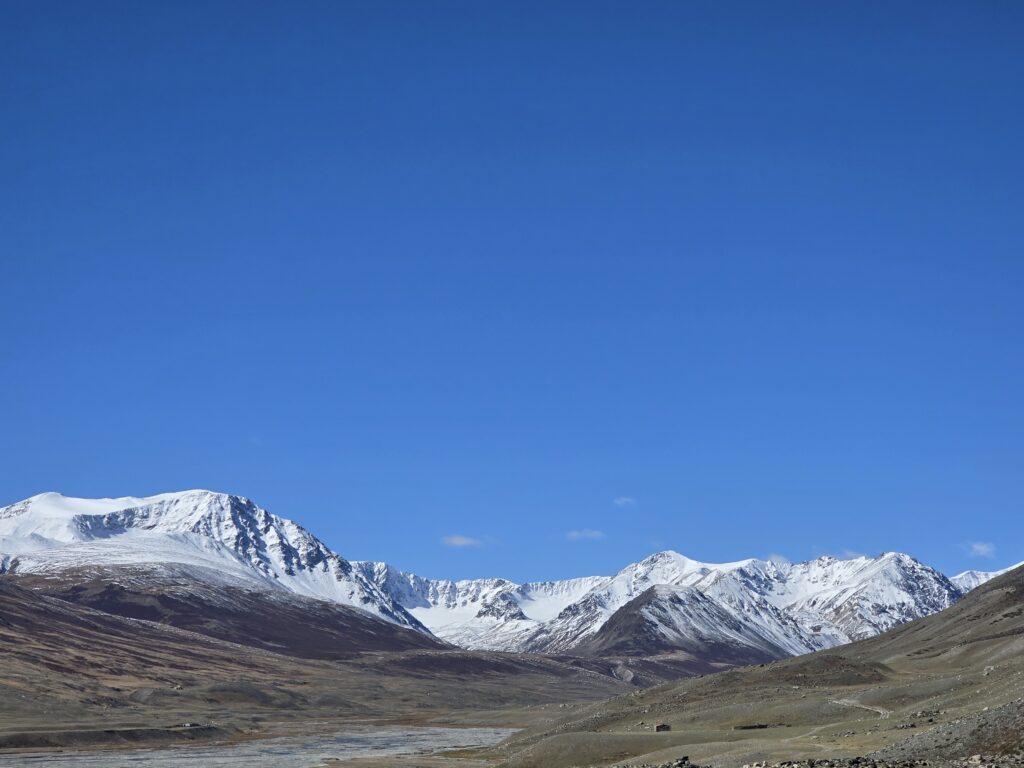
Altai Tavan Bogd is the most western, highest, and most remote national park in Mongolia. It spans the Mongolian Altai range along the tri-border where Mongolia, Russia, and China meet. The park’s flagship feature is the Tavan Bogd massif — five glaciated peaks clustered together, named the “Five Saints” in Mongolian: Khüiten (the highest, 4,374 m), Naran, Olgii, Burged, and Malchin.
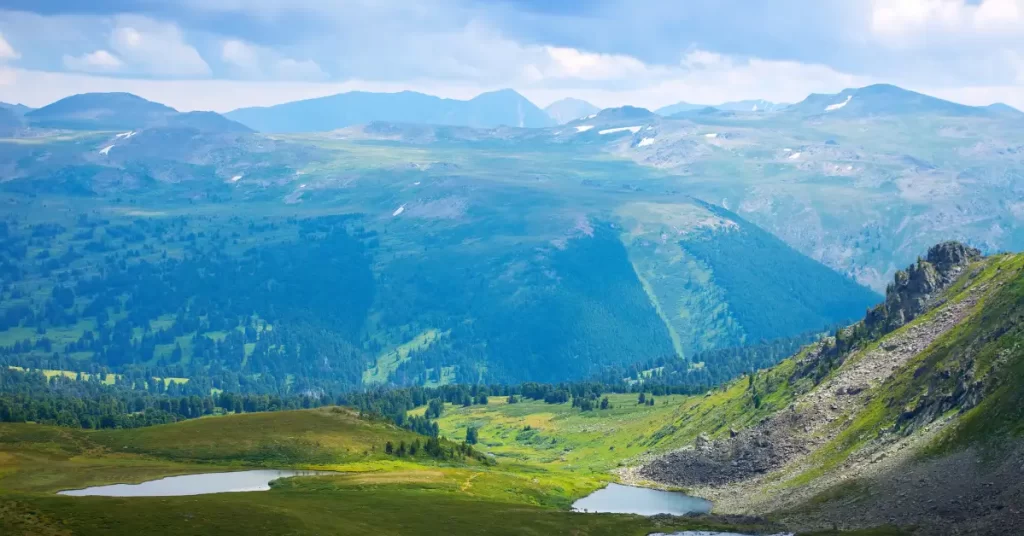
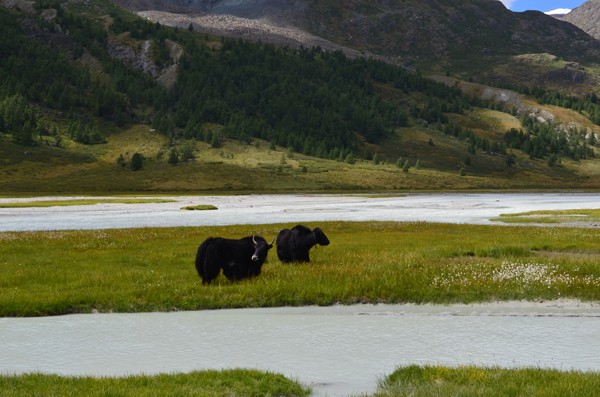
Beyond the peaks, the park preserves alpine meadows, a substantial glaciated zone (Potanin Glacier is the largest in Mongolia at roughly 14 km long), several glacial lakes including Khoton, Khurgan, and Khar Lake, and ancestral pasture lands used by Kazakh and Tuvan nomads for summer grazing.
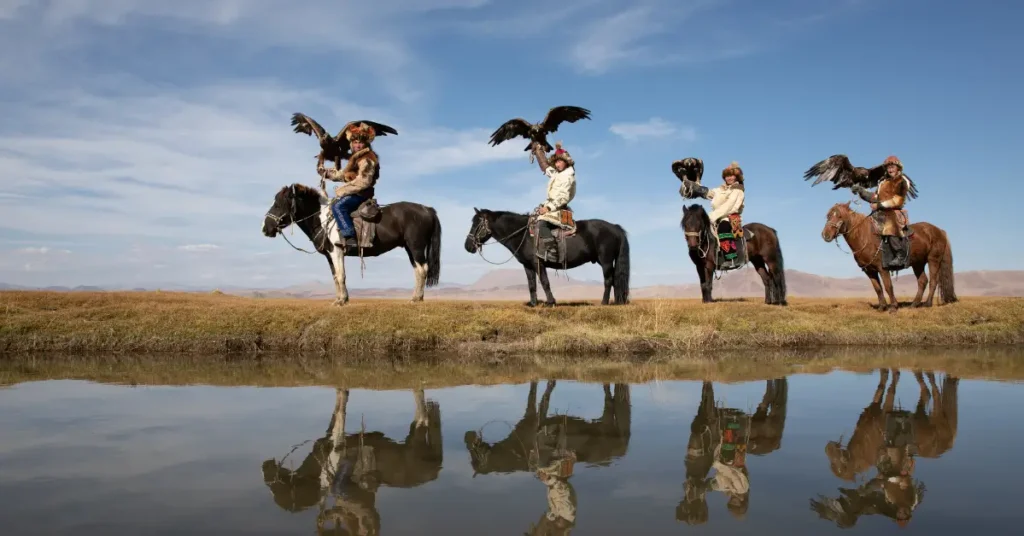
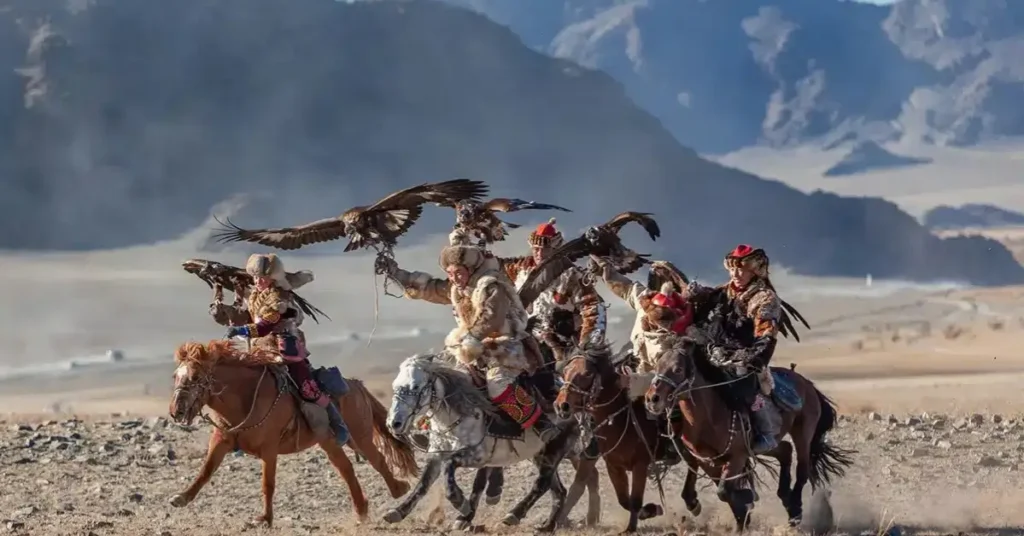
The park supports populations of snow leopards, argali sheep, ibex, and golden eagles — making it a wildlife trekking destination as well as a mountaineering one. UNESCO recognises the broader Altai region for its biodiversity, and the Russian-side counterpart, the Golden Mountains of Altai, is a UNESCO World Heritage Site since 1998.
The Classic Trek Routes
There are three main trekking itineraries inside Altai Tavan Bogd, ordered from easiest to most demanding:
| Route | Days | Distance | Elevation high point | Difficulty |
|---|---|---|---|---|
| Khoton & Khurgan Lakes Loop | 4–6 | 50–70 km | ~2,400 m | Moderate |
| Potanin Glacier Trek (no summit) | 6–8 | 80–110 km | ~3,400 m at base camp | Moderate-strenuous |
| Mount Khüiten Climb | 8–10 | 90–120 km | 4,374 m summit | Strenuous + technical |
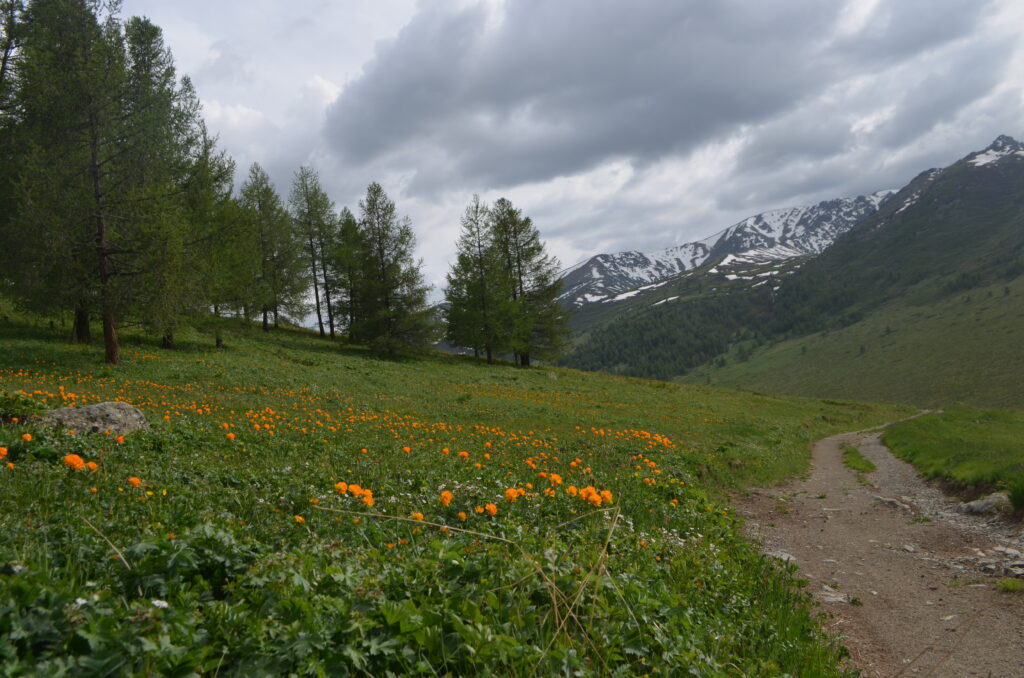
Khoton & Khurgan Lakes Loop A scenic alpine-lake circuit through Kazakh and Tuvan summer pasture lands. Sees mostly walking on grassy terrain with no glacier crossings. Excellent introduction trek for first-time visitors to Mongolia.
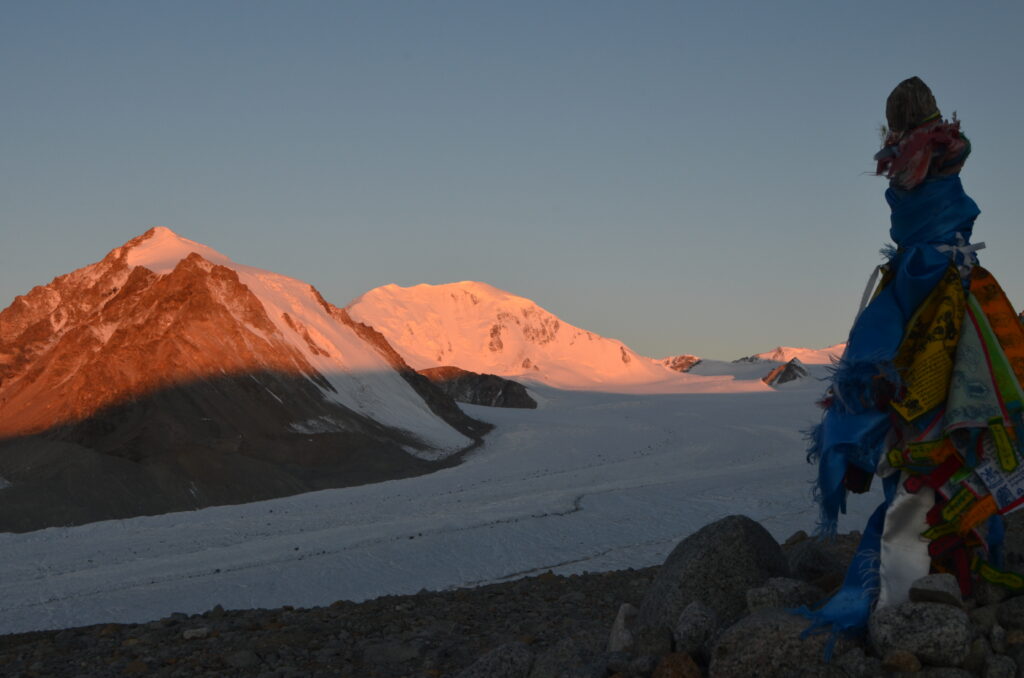
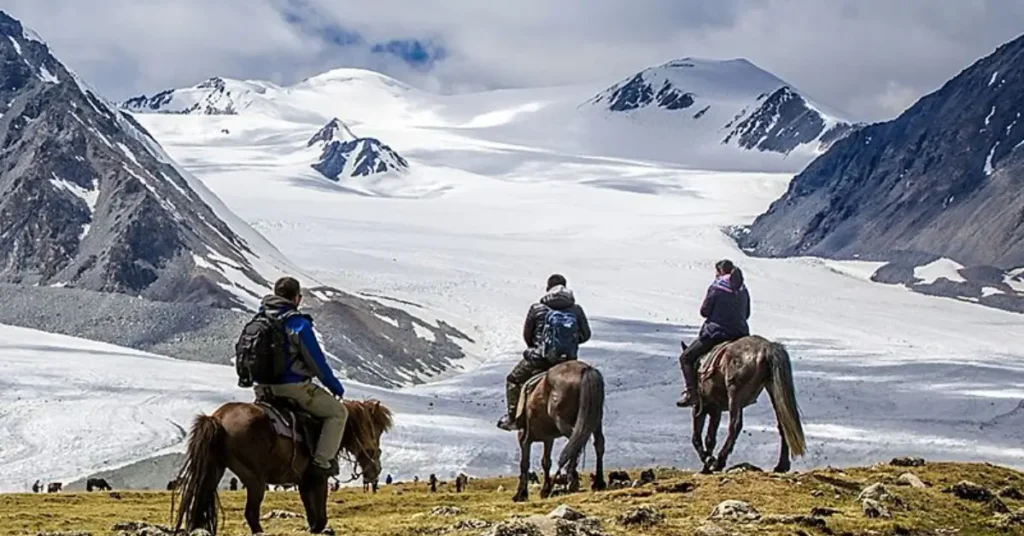
Potanin Glacier Trek The classic Altai Tavan Bogd trek. Reaches base camp at the foot of Mount Khüiten (around 3,400 m) where most groups spend 1–2 acclimatisation days. Crosses the lateral moraine of Potanin Glacier and gives close views of the Tavan Bogd massif without requiring the glacier ascent.
Mount Khüiten Climb The full mountaineering objective. Same approach as the Potanin Trek, plus 2–3 days of glacier travel and a summit-day push from a high camp at ~4,000 m. Requires crampons, ice axe, harness, and rope-team experience.
Route 1 — Khoton & Khurgan Lakes Loop (in detail)
The lakes loop is the gentlest of the three routes — no glacier crossings, lower elevation, and the most cultural exposure to Kazakh and Tuvan summer pasture life.
Trail summary: 50–70 km, 4–6 days, max elevation roughly 2,400 m, river crossings 2–3 times.
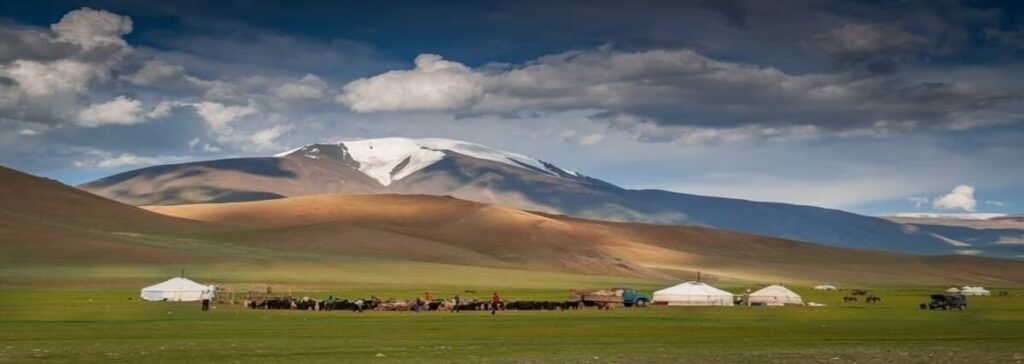
A typical day on the lakes loop covers 12–18 km of grassland and willow-scrub valleys. Most nights are at established summer-camp sites near herder gers, where you can buy fresh airag (fermented mare’s milk) and homemade bread. The fishing in Khoton Lake is excellent — taimen and grayling — and the surrounding ridges hold petroglyphs from the Bronze Age.
This route is ideal for travellers who want the western Mongolia experience without the demands of altitude or technical terrain.
Route 2 — Potanin Glacier Trek (in detail)
The classic Altai Tavan Bogd trek. The destination is base camp at 3,400 m beneath Mount Khüiten, on the lateral moraine of Potanin Glacier (the largest glacier in Mongolia at roughly 14 km long).
Trail summary: 80–110 km, 6–8 days, max elevation 3,400 m at base camp.
Day-by-day: – Day 1: Drive Ölgii → Tsengel → trailhead at the end of the road (~6 hours by 4×4) – Day 2: Trek up the Tsagaan Gol valley (~16 km, +500 m elevation gain) – Day 3: Trek to mid-camp (~14 km, glacier comes into view) – Day 4: Trek to Potanin Glacier base camp (~12 km, +600 m to 3,400 m) – Day 5: Acclimatisation day at base camp; short walks on lower glacier – Day 6: Optional hike to Malchin Peak (4,050 m, non-technical) – Day 7-8: Return trek to road head + drive Ölgii
The Potanin Trek is widely considered Mongolia’s signature multi-day hike. You see the entire Tavan Bogd massif from base camp without needing technical climbing skills.
Route 3 — Mount Khüiten Summit Ascent (in detail)
The full mountaineering objective — Mongolia’s highest point at 4,374 m.
Trail summary: 90–120 km total, 8–10 days door-to-door from Ulaanbaatar, technical glacier travel required.
The first 4 days follow the same approach as the Potanin Glacier trek (above). Then: – Day 5–6: Acclimatisation + glacier-skills training at base camp (crampons, ice axe, rope-team travel, crevasse self-rescue) – Day 7: Move to high camp at ~4,000 m on the glacier – Day 8: Summit-day push — 8–12 hours of glacier travel, 374 m of elevation gain to the summit, return to high camp – Day 9: Descent to base camp – Day 10: Trek out + drive Ölgii
The route is graded PD+ (Peu Difficile +) on the alpine scale — moderate technical mountaineering involving glacier travel and short snow/ice sections, but no sustained vertical climbing. Most operators rent the technical gear (crampons, ice axe, harness, helmet) for around USD 150 per person.
For all three routes, two permits are required (park entry + border-zone) — only a licensed Mongolian operator can apply for the border-zone permit. See our dedicated trekking permits guide for the full process. To book a guided expedition, see our Altai Tavan Bogd 5-day climb, the 6-day Best Of trek, or the longer 8-day Mongolia Altai Mountain Tour.
How Fit Do You Need to Be?
The Tavan Bogd massif is high (3,000–4,400 m) and remote, so expect cumulative fatigue rather than single-day extremes. Acute Mountain Sickness can affect roughly 25% of unacclimatised trekkers ascending rapidly above 3,500 m, per published guidance for high-altitude travel, so the trek itineraries build in 2 acclimatisation days at base camp before any glacier travel.
Realistic fitness baseline for the Potanin Glacier trek:
- Hike 6–8 hours per day across uneven terrain with a 5–8 kg daypack
- Repeated for 4–6 consecutive days without rest
- Comfort sleeping at 3,000–3,400 m (most travellers handle this without medication)
- Two-month structured training programme of cardio + hill walks before departure
For the Khüiten summit ascent, add: rope-team experience, comfort with crampons and ice axe, and ability to carry a 12–15 kg pack on summit day (8–12 hours of glacier travel).
For full trip planning logistics — when to go, costs, what to pack, flight bookings — see our dedicated Altai Tavan Bogd trip planning guide.
A Typical Day on the Trail
A typical day on the Potanin Glacier trek follows a steady rhythm:
05:30 — Early sunrise (the Altai is at ~88°E longitude, so dawn comes early). Tea brewing in camp. 07:00 — Breakfast (typically rice or noodle dish, eggs if available, milky tea). 08:00 — Camp struck, packs on horses, walking begins. 12:00 — Lunch break at a stream or pass. Cold meal, sometimes hot soup if firewood is available. 13:00 — Walking resumes, typically descending to the next valley campsite. 16:00 — Camp set, tea, exploration of nearby surroundings, photography. 19:00 — Dinner (usually mutton-based stew or pasta). 21:00 — Sleep.
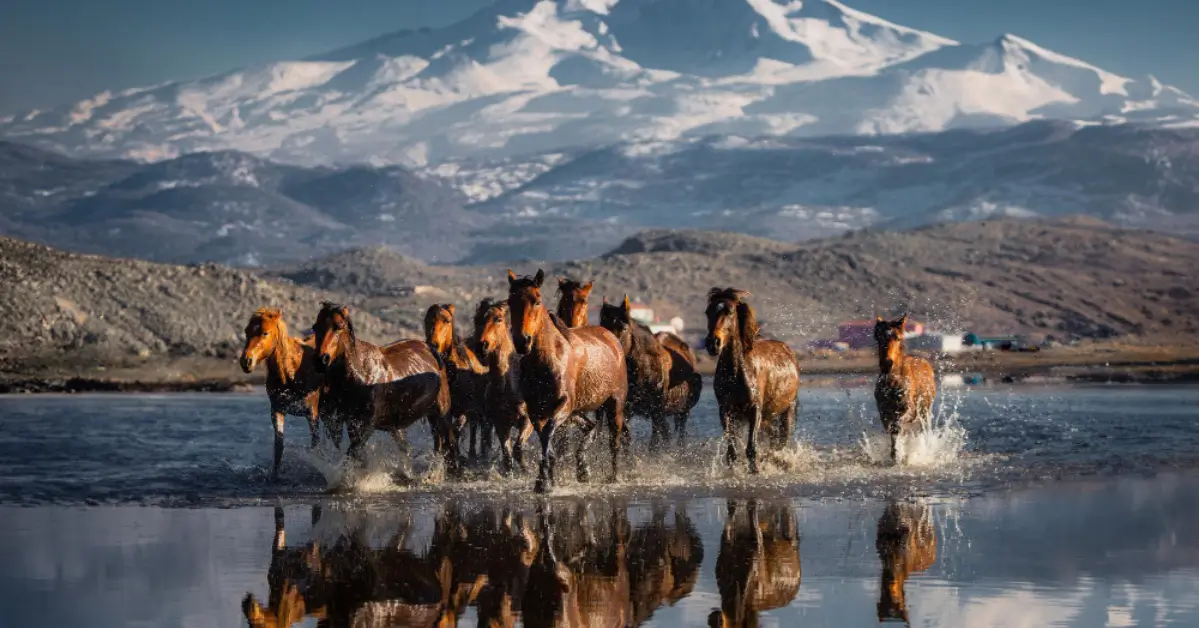
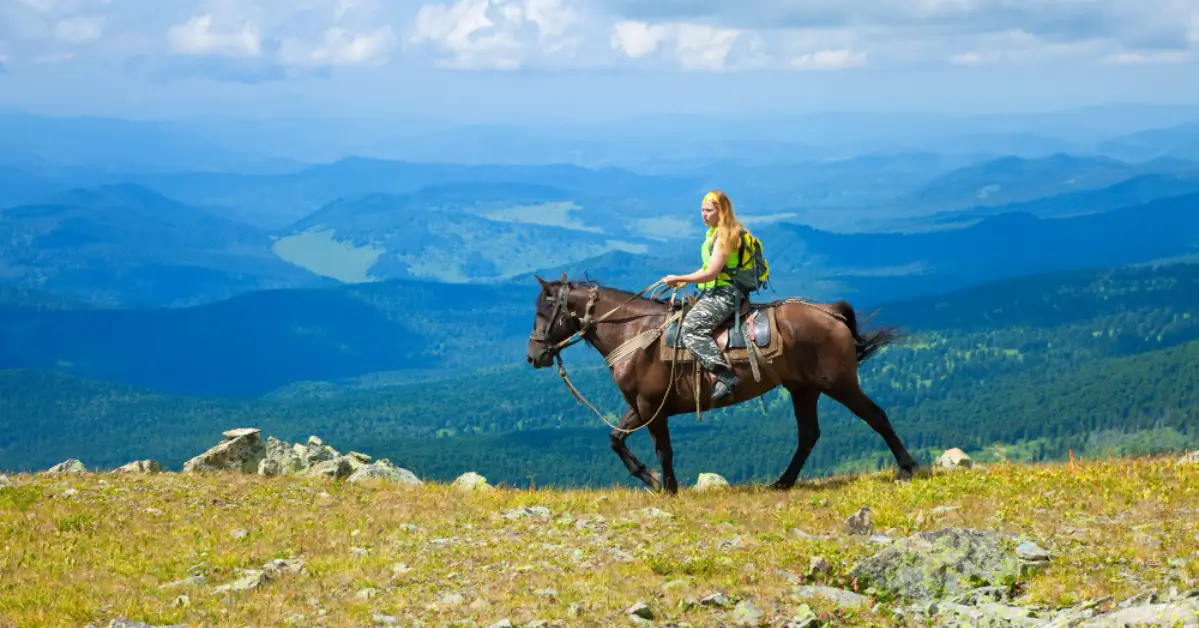
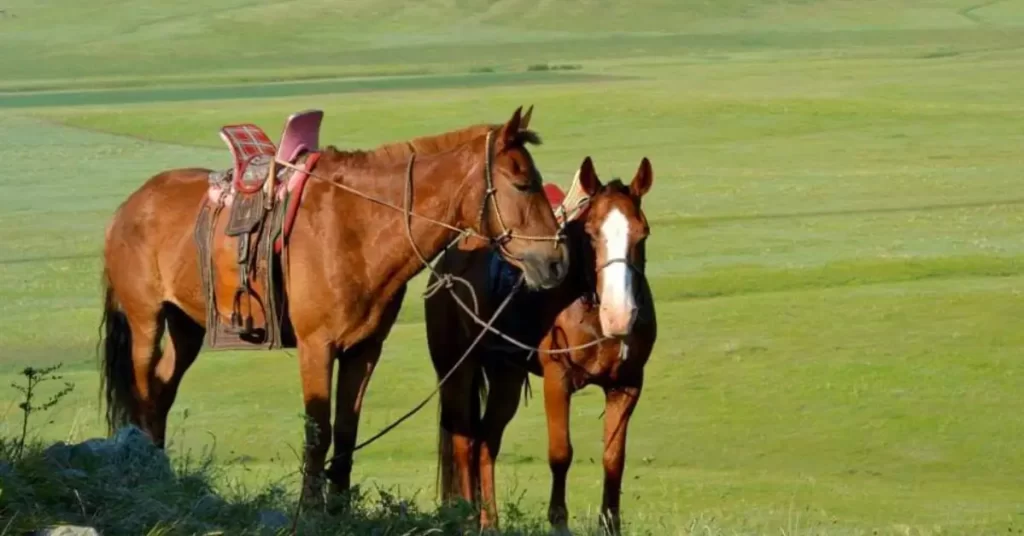
Expect 6–8 hours of walking per day, broken by lunch and short breaks. Weather can shift quickly above 3,000 m: expect at least 1–2 days of rain or snow even in July. River crossings are common on the lower routes; pack horses ferry duffel bags so trekkers carry only daypacks.
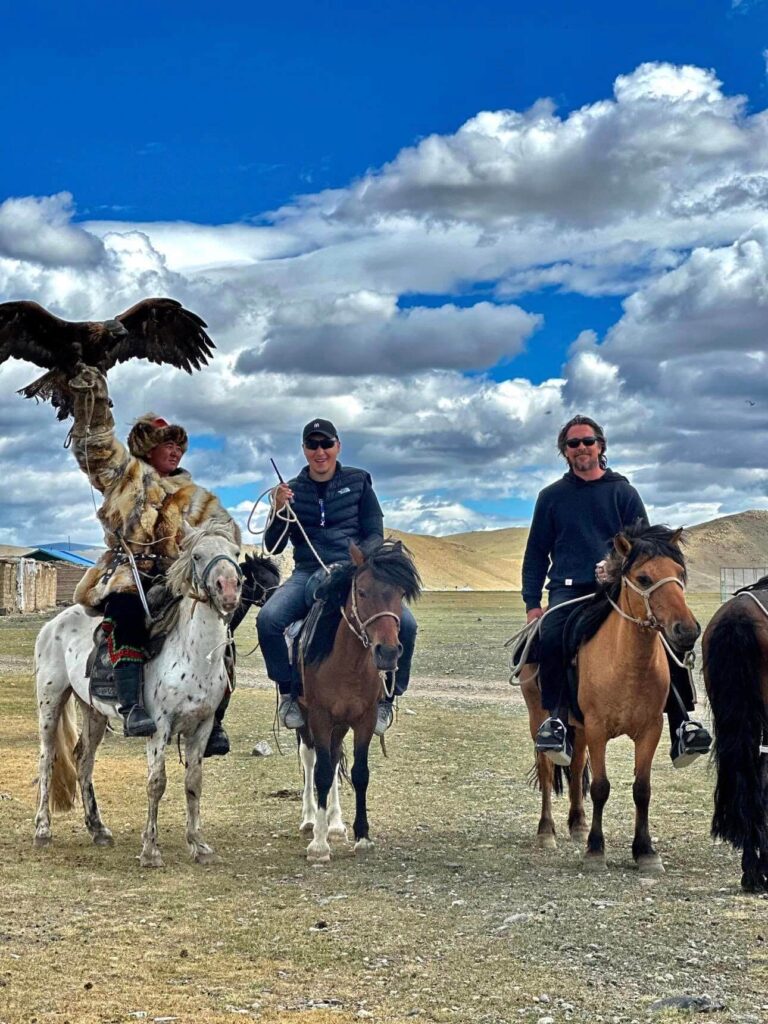
The most memorable moments often come from the unexpected: an encounter with a Kazakh herder family in a summer ger camp, watching golden eagles soar from cliff thermals, or stepping onto a fresh dusting of snow at base camp at sunrise with the Five Saints lit pink across the glacier.
Suggested Tours:
Suggested Blogs:
Self-Guided vs Guided Trekking in Mongolia: Which One Actually Fits Your Trip?
For roughly 90% of international hikers, a fully-guided Mongolia trekking tour is the right format — the supported 11-day package…How Hard Is the Altai Tavan Bogd Trek? Fitness, Altitude, and an Honest Reality Check
The standard 11-day Altai Tavan Bogd trek is graded “moderate” by Mongolian operators and by international trekking standards. You will…Mongolia Trekking Tour Cost in 2026: What You’ll Actually Pay (and What’s Included)
A guided 11-day Mongolia trekking tour in the Altai Tavan Bogd costs $2,100–$2,400 per person in 2026 when booked through…


How long is the Altai Tavan Bogd trek?
Most itineraries are 6–10 days depending on the route. The Khoton & Khurgan Lakes loop is shorter (4–6 days). The Potanin Glacier trek (most popular) runs 6–8 days, and the full Mount Khüiten climb takes 8–10 days door-to-door from Ulaanbaatar.
How difficult is Altai Tavan Bogd trekking?
Moderate to strenuous. The trek requires 6–8 hours of walking per day on uneven terrain at 2,000–3,400 m elevation, repeated for 4–6 consecutive days. The Khüiten climb adds glacier travel and is graded PD+ (Peu Difficile +) on the alpine scale — non-technical mountaineering. Solid fitness and 2 months of training are recommended.
When is the best time to trek Altai Tavan Bogd?
Late July to mid-August is the sweet spot — warmest weather, all routes open, manageable river crossings. Early September is excellent for photographers and visitors who prefer cooler temperatures with reduced crowds. The park is functionally closed from late September to early June.
How much does an Altai Tavan Bogd trek cost?
Multi-day guided treks typically start around USD 1,300 for the 5-day Khüiten ascent and rise to USD 1,700 for the 8-day comprehensive trek, including the licensed operator, all permits, transfers, food, and pack horses. The flight from Ulaanbaatar to Ölgii adds roughly USD 200–300 round trip.
Do I need climbing experience for Altai Tavan Bogd trekking?
For the lakes loop and Potanin Glacier trek (without summit) — no climbing experience required, just solid fitness. For the Mount Khüiten summit ascent — yes, basic mountaineering skills with crampons, ice axe, and rope-team travel are required, though most operators provide a half-day glacier-skills training session at base camp.
Can I trek Altai Tavan Bogd on my own?
No. Altai Tavan Bogd sits inside Mongolia’s strict border zone, and the border-zone permit can only be issued through a licensed Mongolian tour operator with 30–60 days of advance application. Foreign independent trekkers without an accredited operator are turned back at the park gate.