
The best things to do in western Mongolia are watching Kazakh eagle hunters compete at the Golden Eagle Festival near Ölgii each October, trekking beneath the Five Holy Peaks of Altai Tavan Bogd National Park, camping on the shores of Khoton and Khurgan Lakes, reading 12,000 years of history in the Tsagaan Salaa petroglyphs, and tracking snow leopards through winter valleys. Add horse treks with Kazakh horsemen, Tuvan throat singing in Tsengel, spring nomad migrations and the bazaars of Ölgii, and the far west earns its reputation as the most rewarding corner of Mongolia.
Key Takeaways
- Western Mongolia’s headline events are the eagle festivals: Sagsai on September 17–18 and the Golden Eagle Festival on October 2–3 in 2027
- Altai Tavan Bogd National Park holds Mongolia’s highest peak, its largest glacier and its finest trekking
- Summer (June–August) is for mountains and lakes; autumn for festivals; winter for snow leopards
- Most sights sit in a border zone — permits are required, and any guided tour arranges them for you
- Ölgii is the gateway: fly from Ulaanbaatar in about 3 hours and book festival-season seats months ahead
What Cultural Experiences Define Western Mongolia?
The far west is a different country from the Mongolia most visitors see. Four provinces pressed against the Altai Mountains, a Kazakh-majority culture, and distances that keep casual tourism away — which is exactly why the experiences below still feel undiluted. The twelve that follow are grouped by theme; each notes when to come and how to reach it.
1. Watch the eagle festivals
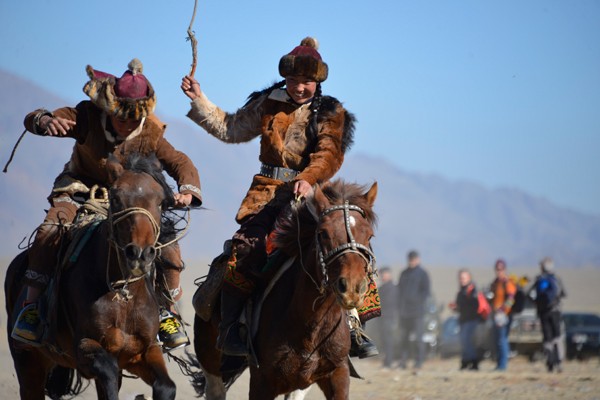
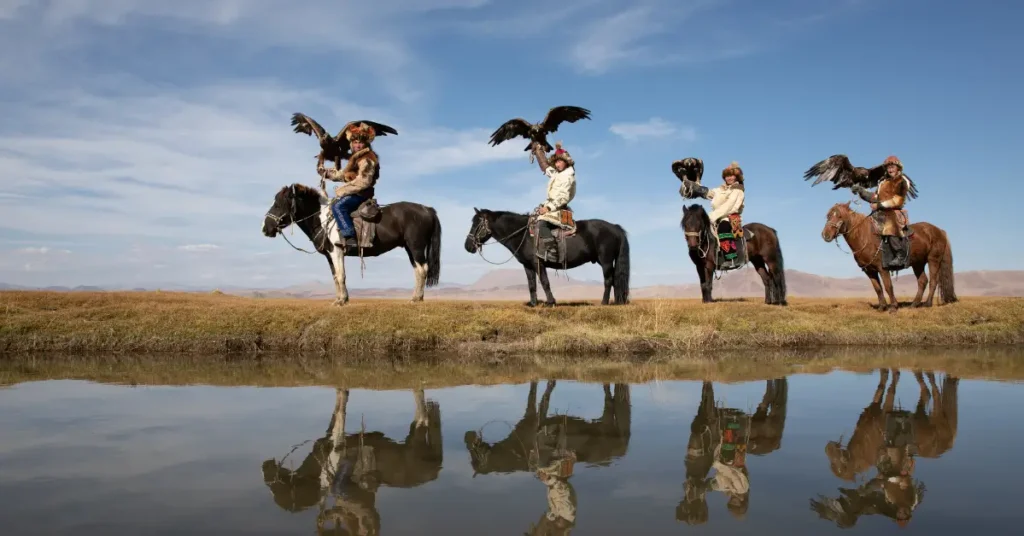
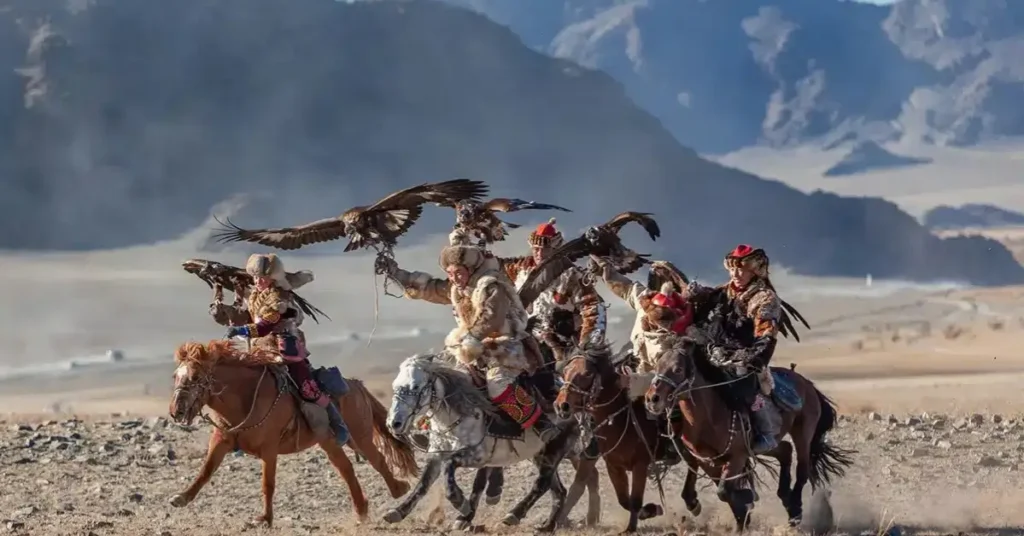
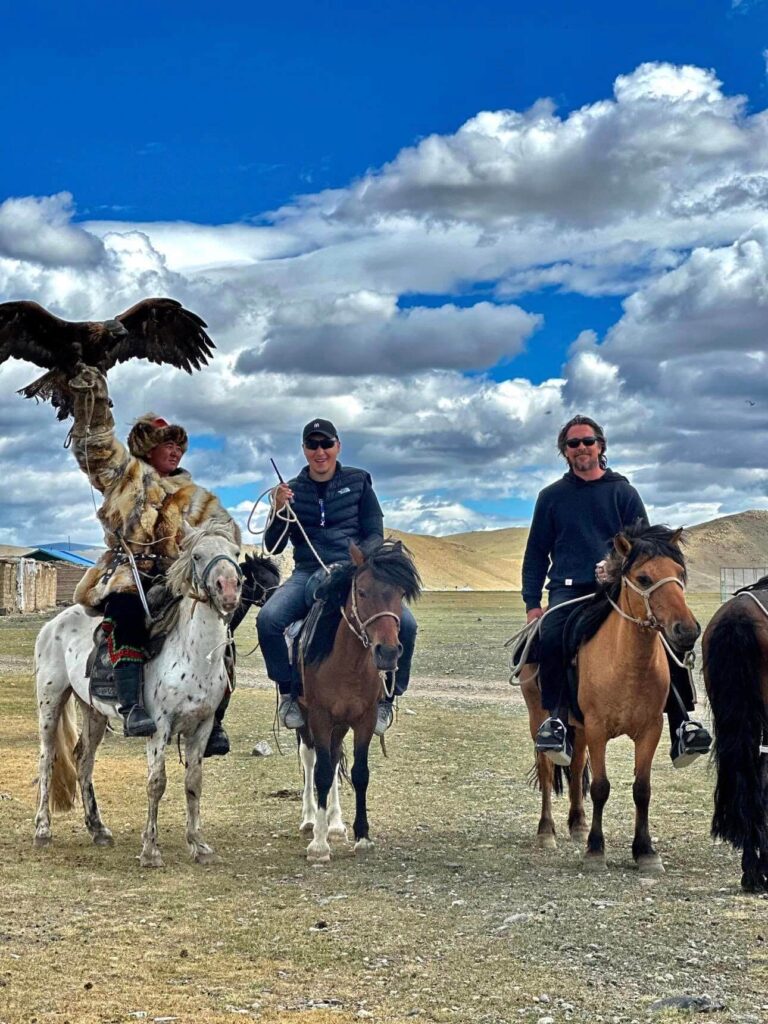
Nothing else in Mongolia matches the sight of seventy to a hundred Kazakh hunters riding into the festival grounds with golden eagles on their arms. The Golden Eagle Festival takes place at Shar Nuur near Ölgii on October 2–3, 2027, with eagle-calling competitions, fox-lure chases and horseback games; the smaller Sagsai Eagle Festival on September 17–18 offers the same traditions with a fraction of the crowd. Our Golden Eagle Festival guide covers dates, tickets and what to expect in detail.
2. Stay with an eagle hunter family
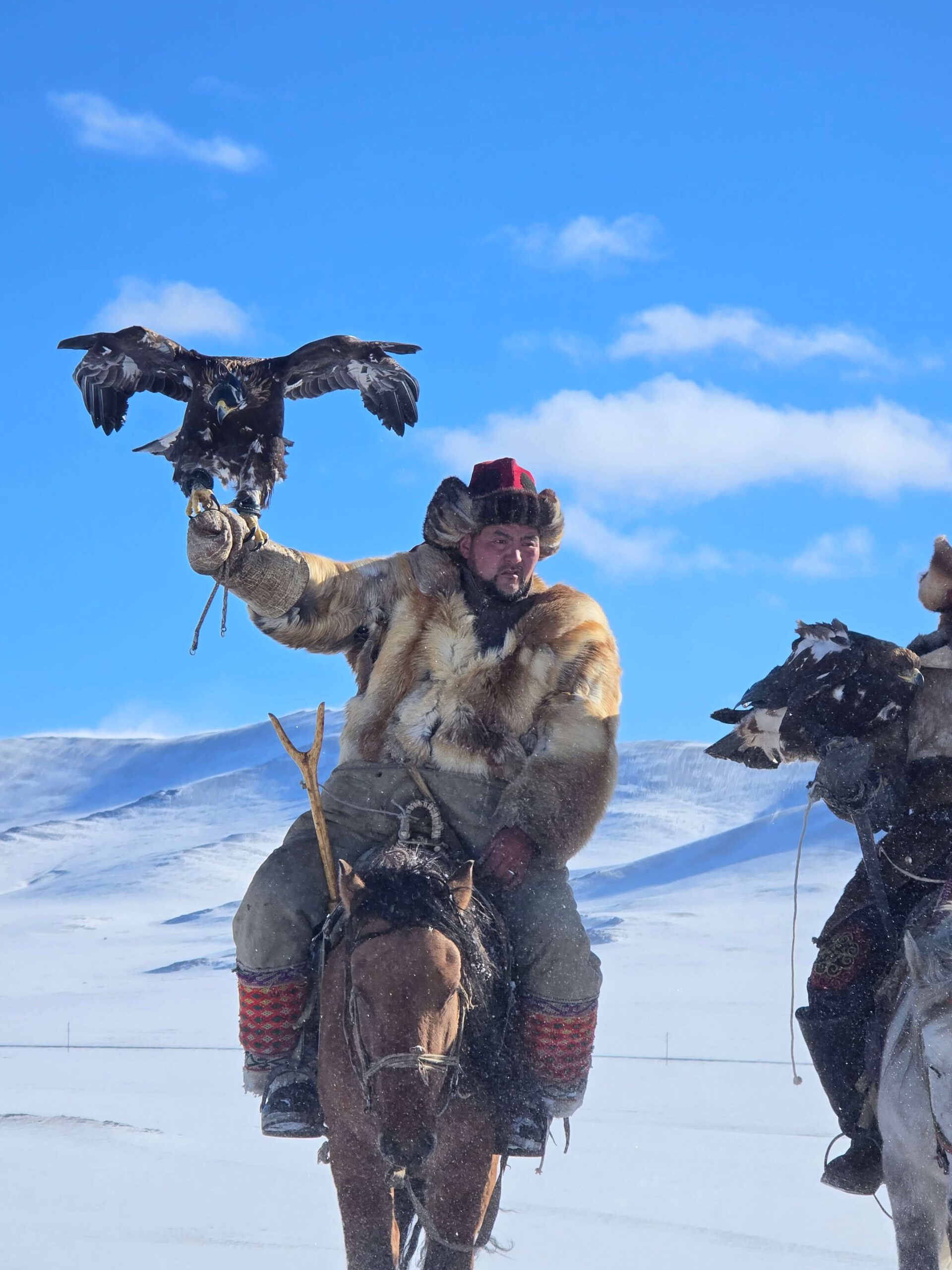
Around 300 practising eagle hunters remain in Bayan-Ölgii, and many host guests. A homestay means watching the eagle fed and trained at dawn, riding out with the hunter, and evenings of Kazakh hospitality — salted milk tea, besbarmak and stories. Between December and February the hunts happen for real across the snow, which is when the classic fur-and-eagle photographs are made.
Which Mountains and Lakes Are Worth the Journey?
3. Trek Altai Tavan Bogd and the Potanin Glacier
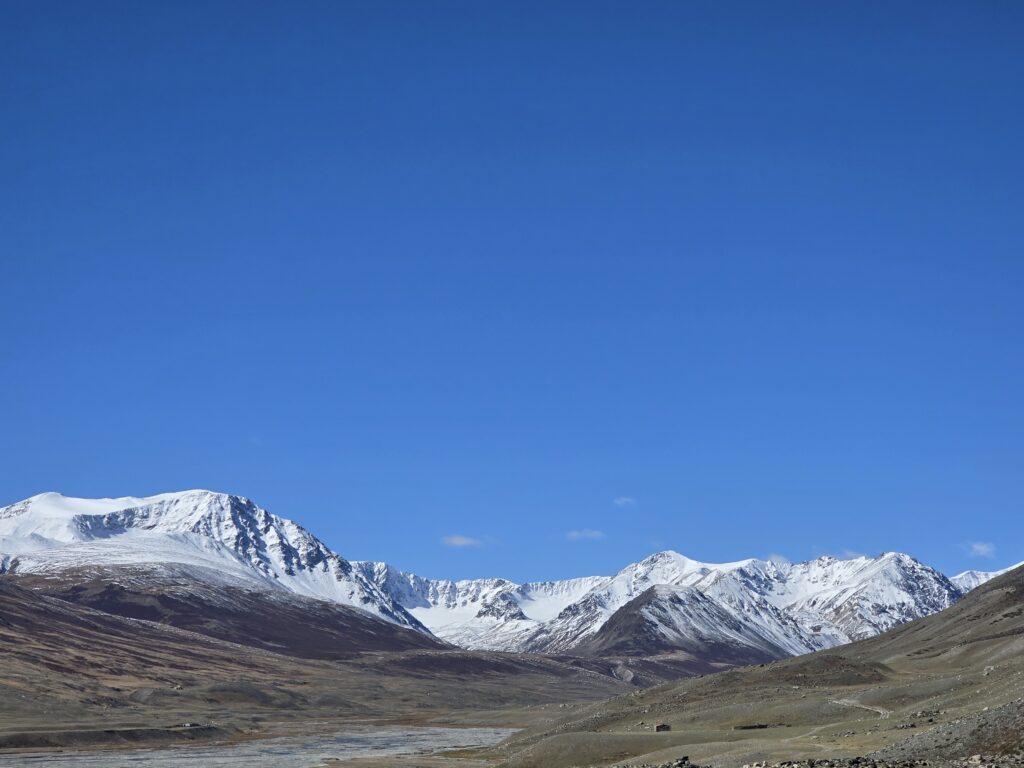
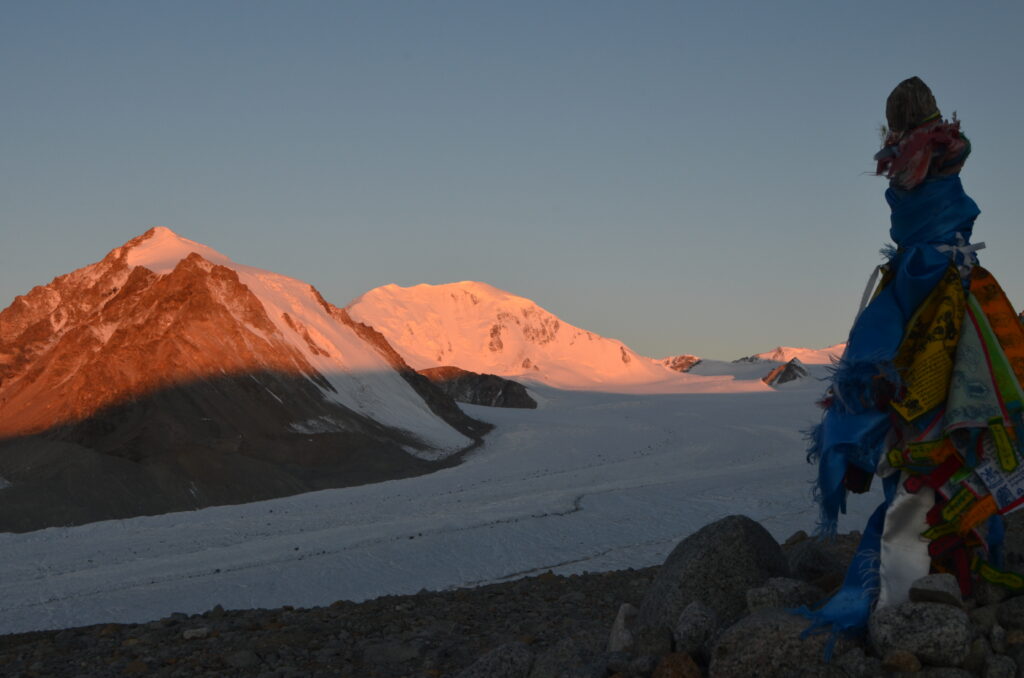
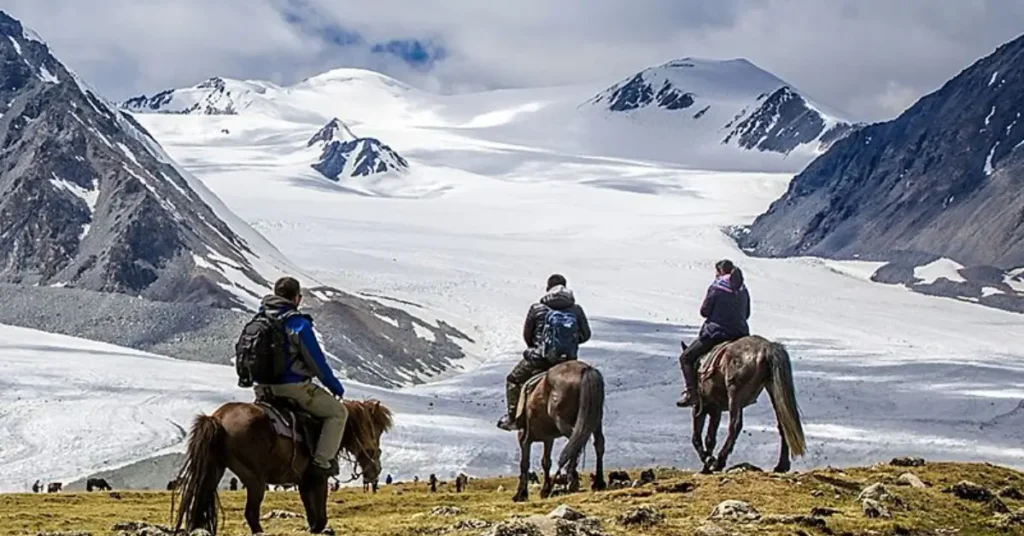
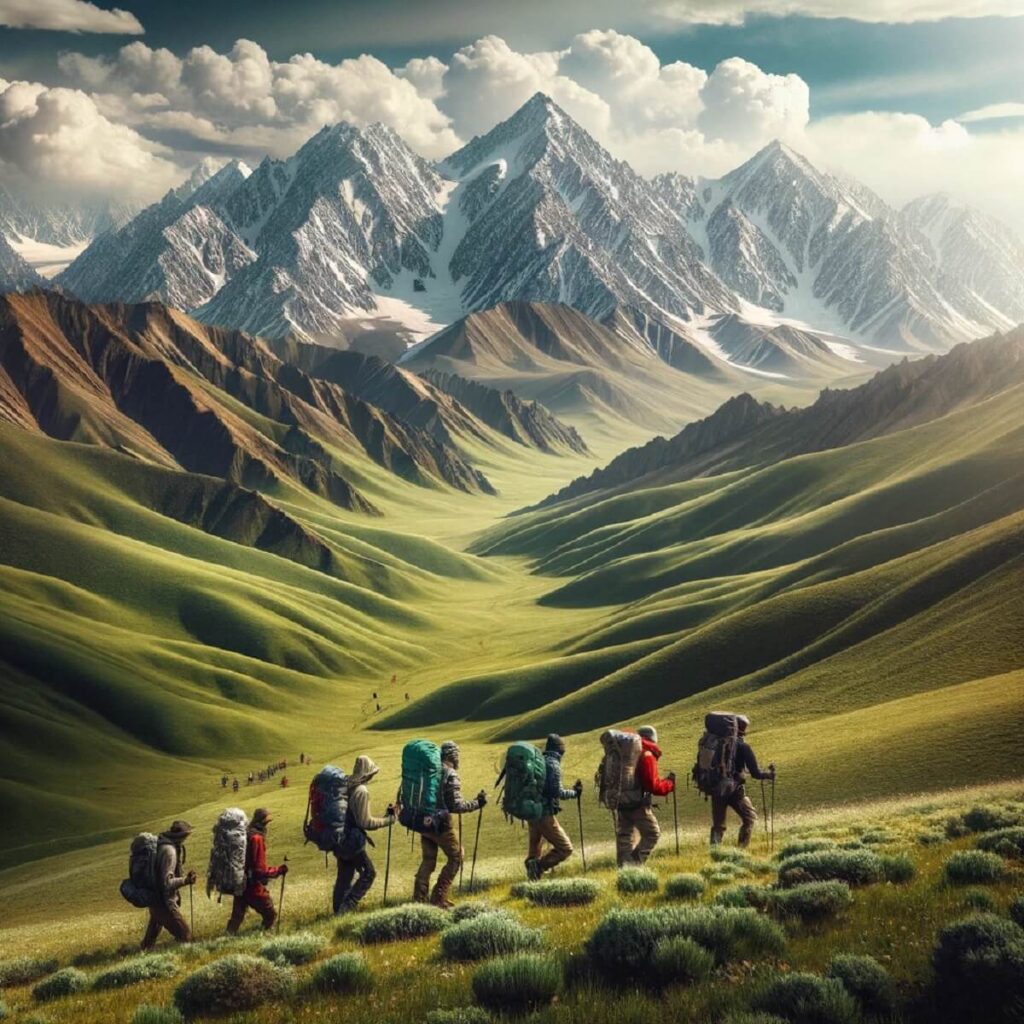
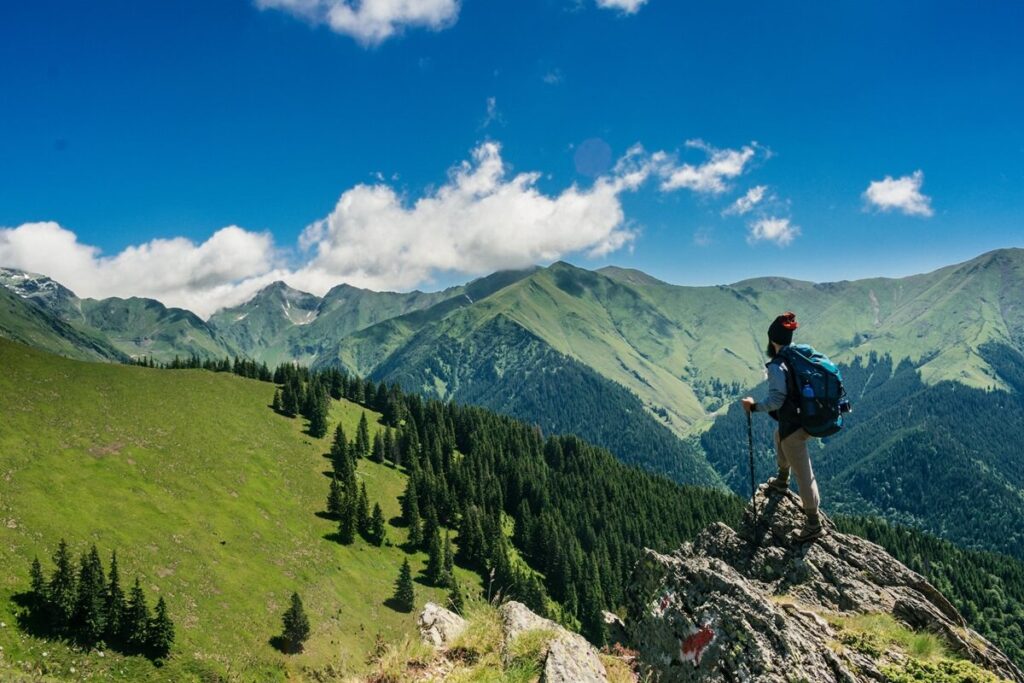
The Five Holy Peaks anchor Mongolia’s finest national park. Multi-day routes cross passes beneath Khüiten Peak (4,374 m), skirt the 14-kilometre Potanin Glacier and finish at alpine lakes — our Tavan Bogd trekking routes guide maps the classic itineraries day by day. The trekking window is mid-June to late August, when passes are snow-free and rivers fordable.
4. Camp at Khoton and Khurgan Lakes
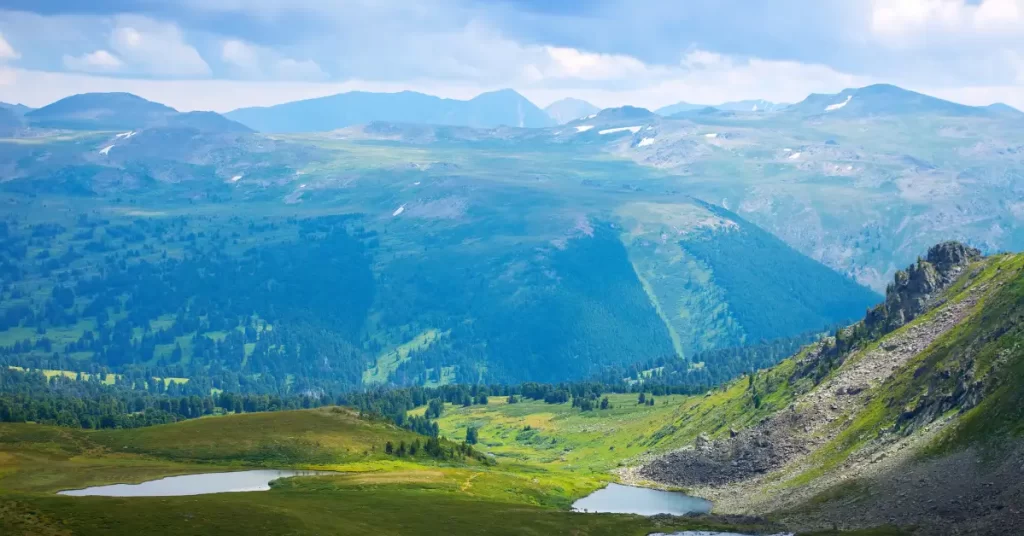
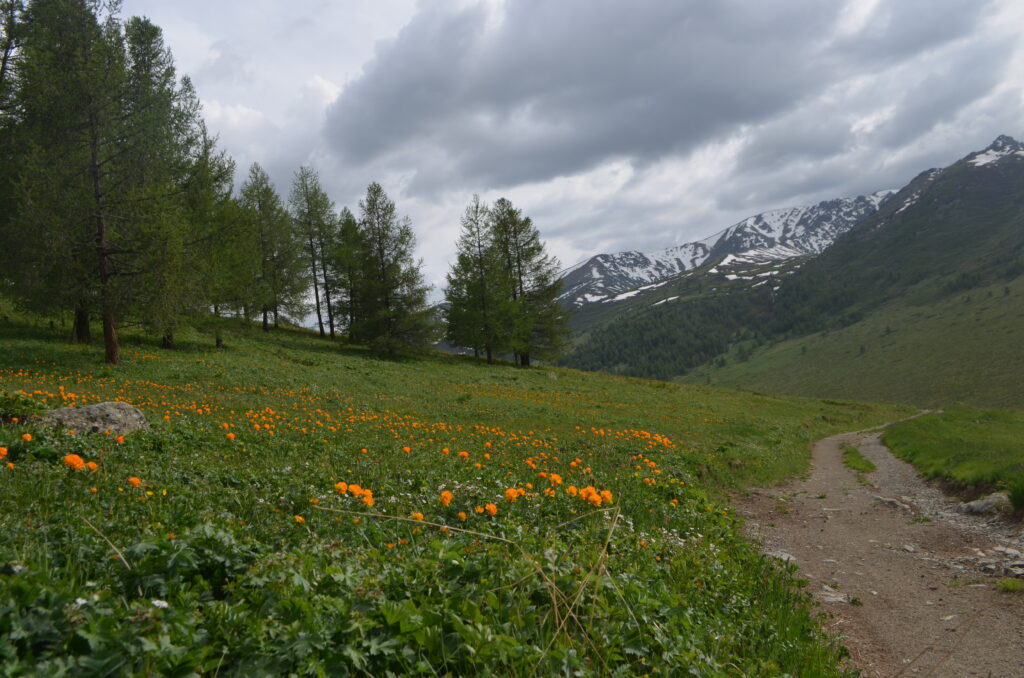
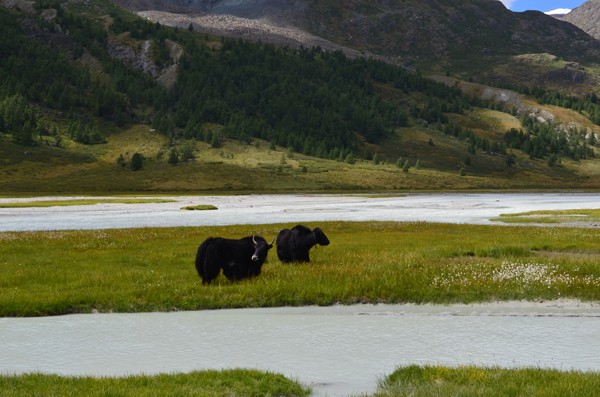
Twin lakes joined by a channel, ringed by larch forest and 3,000-metre ridgelines — the most beautiful camping in the west and the scenic half of the classic Tavan Bogd circuit. Fishing, shoreline walks to standing stones, and Kazakh summer camps along the water.
5. Read the Tsagaan Salaa petroglyphs
The Mongolian Altai holds one of the densest concentrations of rock art on earth — some 10,000 carvings spanning 12,000 years of hunters, chariots and ibex herds. The Tsagaan Salaa–Baga Oigor complex is UNESCO-listed and reachable on the way into Tavan Bogd; a guide who knows the panels turns rocks into a history book.
How Do You Experience Nomadic Life on the Move?
6. Ride with Kazakh horsemen
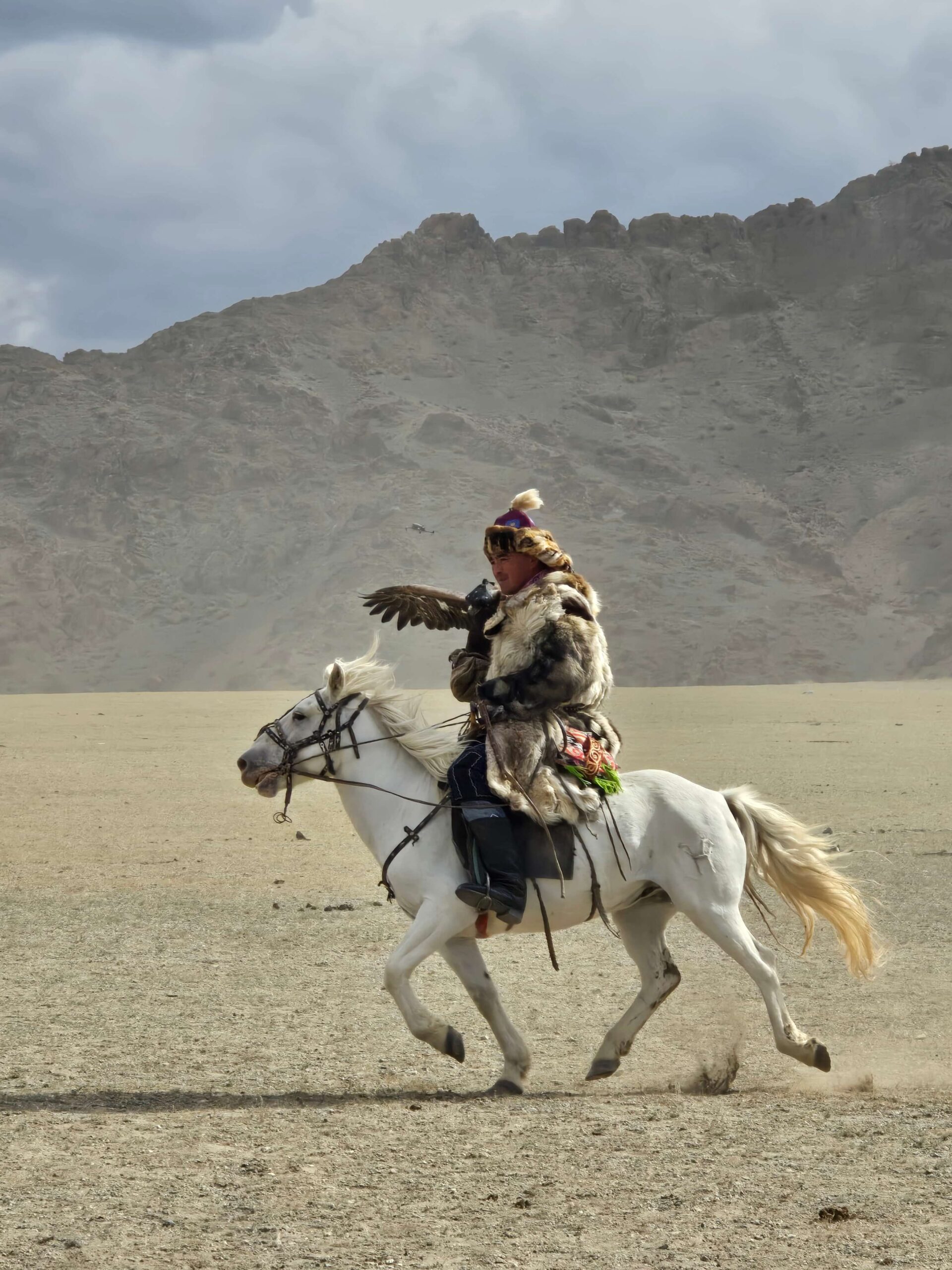
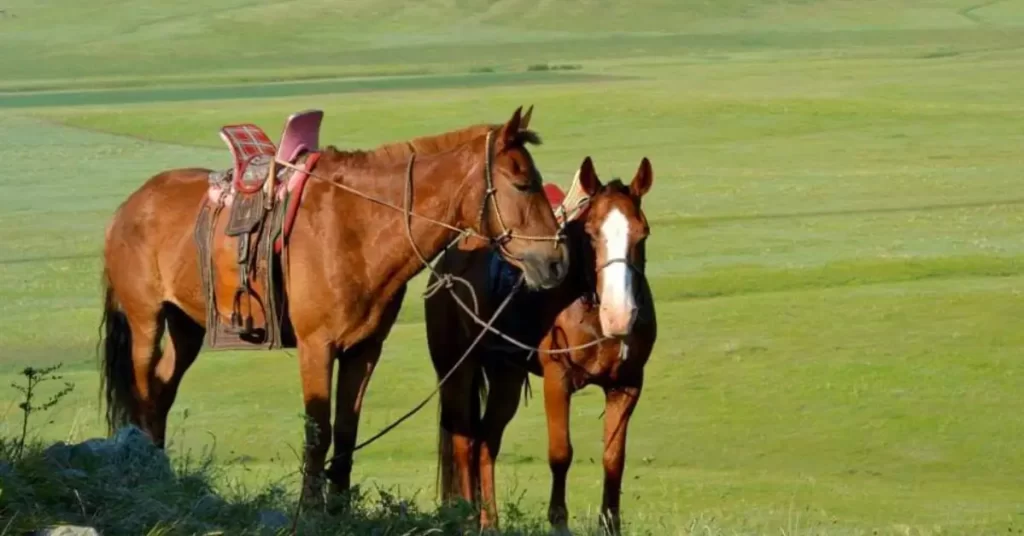
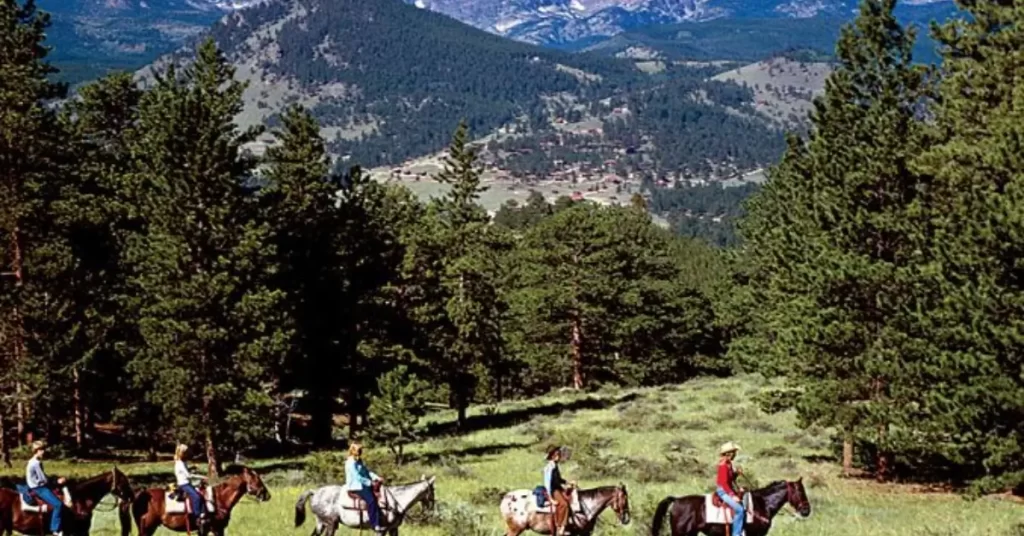
Horse trekking here is not a pony ride — it is travelling the way the valleys have always been crossed, on tough Mongolian horses with Kazakh horsemen who grew up in the saddle. Ten-day rides cross high passes and alpine lake shores; gentler three-day loops suit first-time riders. June to September.
Can You See Wild Snow Leopards in Western Mongolia?
7. Track snow leopards in winter
Western Mongolia is one of the few places on earth where a traveller can realistically search for wild snow leopards. From January to March, local spotters follow fresh tracks through the valleys while the cats descend after ibex. Sightings are never guaranteed — that is the point — but camera traps, tracks and the occasional unforgettable glimpse make this the region’s ultimate wildlife experience.
8. Hear Tuvan throat singing in Tsengel
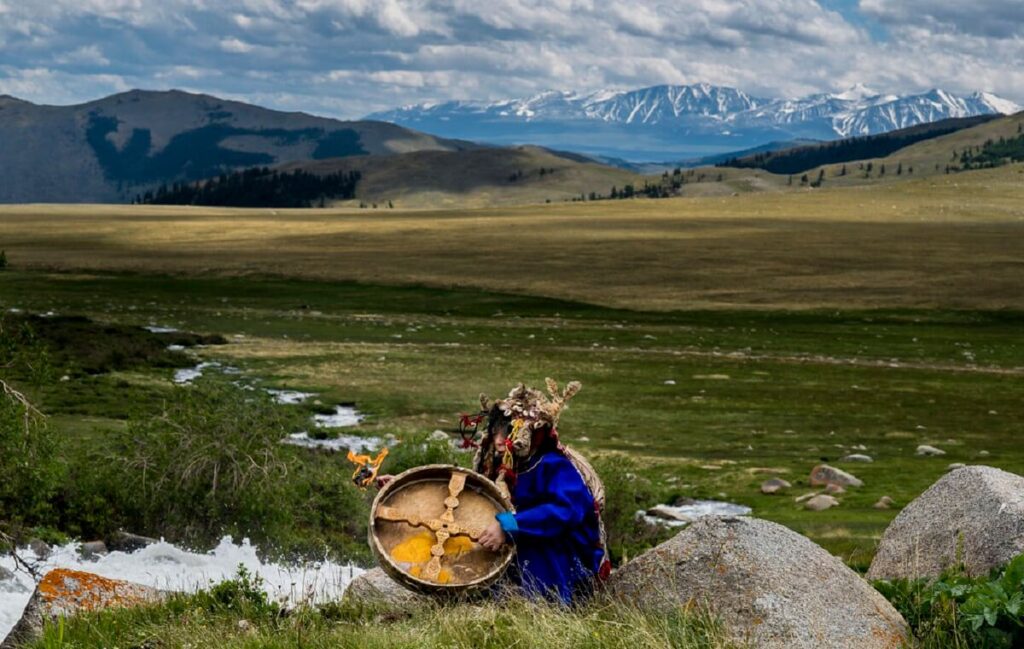
Tsengel sum, in the shadow of the Altai, is home to Mongolia’s Tuvan minority — masters of khöömei, the layered throat singing that sounds like two voices from one body. Evenings with a Tuvan family, between Kazakh valleys, are a reminder that the west is a mosaic of peoples, not one culture.
9. Follow a spring nomad migration
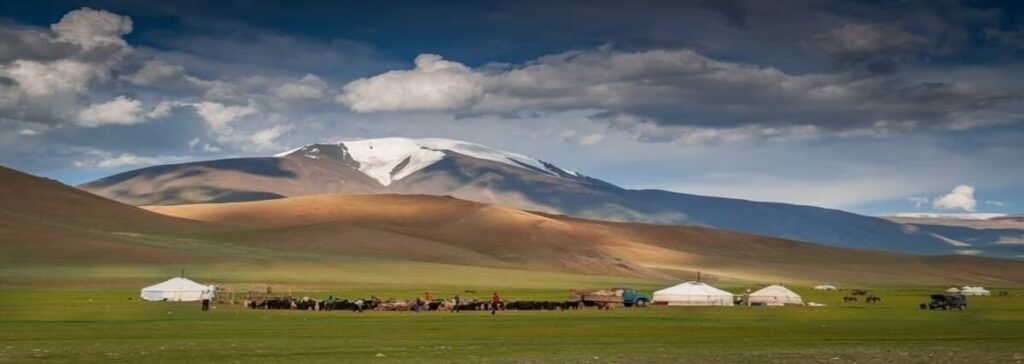
In April and May, Kazakh families load camels with gers and belongings and drive their herds toward summer pastures — one of the last true pack-animal migrations left anywhere. Travelling alongside a migrating family for a few days is slow, dusty and unforgettable.
10. Explore Ölgii’s bazaar and Kazakh food
The gateway town deserves a day of its own: the bazaar’s felt workshops and eagle-hunting gear, the mosque, and Kazakh cooking — besbarmak, kuirdak and endless bowls of milk tea. Our Ölgii city guide covers the details; it is also where every trip west begins and ends.
11. Climb Malchin Peak for the border-ridge view
The most accessible of the Five Holy Peaks, Malchin (4,050 m) is a non-technical day climb from base camp: leave before dawn, summit by early afternoon, and look down the Potanin Glacier with Russia at your back. The achievable “first 4,000er” for fit trekkers.
12. Visit Tsambagarav, the ice mountain
A freestanding glaciated massif between Ölgii and Khovd, Tsambagarav is snow leopard country with ger camps at its feet — the short detour that turns a transfer day into a highlight.
When Should You Visit for Each Experience?
| Experience | Best months |
|---|---|
| Eagle festivals | September 17–18 (Sagsai), October 2–3 (Golden Eagle Festival, 2027) |
| Tavan Bogd trekking, Malchin climb | Mid-June – August |
| Khoton & Khurgan Lakes | June – September |
| Horse trekking | June – September |
| Snow leopard tracking | January – March |
| Winter eagle hunts | December – February |
| Nomad migration | April – May |
| Petroglyphs, Ölgii, Tsambagarav | Any month roads are open (May – October easiest) |
How Do You Get to These Places?
Everything starts in Ölgii: a 3-hour flight from Ulaanbaatar, with seats that sell out months ahead of festival season, or a 2–3 day overland drive. From town, Tavan Bogd’s trailheads are a half-day 4×4 ride, Sagsai and the festival grounds under an hour, and Tsengel a scenic two hours. Most of the park and lake country sits inside a border zone requiring a permit alongside park entry — on any guided trip these are arranged before you arrive, and our western Mongolia tours bundle the permits, drivers and homestays into every itinerary. Combining west with the desert is also possible on a Gobi and western Mongolia tour that links both in one trip.
Suggested Tours:
Suggested Blogs:
Self-Guided vs Guided Trekking in Mongolia: Which One Actually Fits Your Trip?
For roughly 90% of international hikers, a fully-guided Mongolia trekking tour is the right format — the supported 11-day package…How Hard Is the Altai Tavan Bogd Trek? Fitness, Altitude, and an Honest Reality Check
The standard 11-day Altai Tavan Bogd trek is graded “moderate” by Mongolian operators and by international trekking standards. You will…Mongolia Trekking Tour Cost in 2026: What You’ll Actually Pay (and What’s Included)
A guided 11-day Mongolia trekking tour in the Altai Tavan Bogd costs $2,100–$2,400 per person in 2026 when booked through…


How many days do you need for western Mongolia?
Eight days covers a festival plus an eagle-hunter homestay; ten to eleven days fits the full Tavan Bogd trek. Two weeks combines a festival with trekking or wildlife. The distances rule out short visits — this is not a weekend destination.
What is western Mongolia most famous for?
Kazakh eagle hunting and its festivals, Mongolia’s highest mountains in Altai Tavan Bogd National Park, and wild snow leopards. It is also the country’s most culturally distinct region, with Kazakh, Tuvan and Uriankhai communities.
Do you need a permit to visit western Mongolia’s attractions?
The city, bazaar and festivals need nothing beyond entry tickets. Altai Tavan Bogd National Park and the lake country sit in a border zone requiring a permit plus park fees — arranged automatically on guided tours, or over several working days in Ölgii independently.
Is western Mongolia worth visiting over the Gobi?
They are different trips: the Gobi is desert scenery and paleontology; the west is mountains, living Kazakh culture and wildlife. Travellers with ten or more days often combine both; with one week, the west offers more variety per day.
Can you visit western Mongolia in winter?
Yes — winter is when the region is at its most authentic: real eagle hunts in the snow, snow leopard tracking from January to March, and hunter homestays without another visitor for a hundred kilometres. Expect −20°C and proper gear requirements.