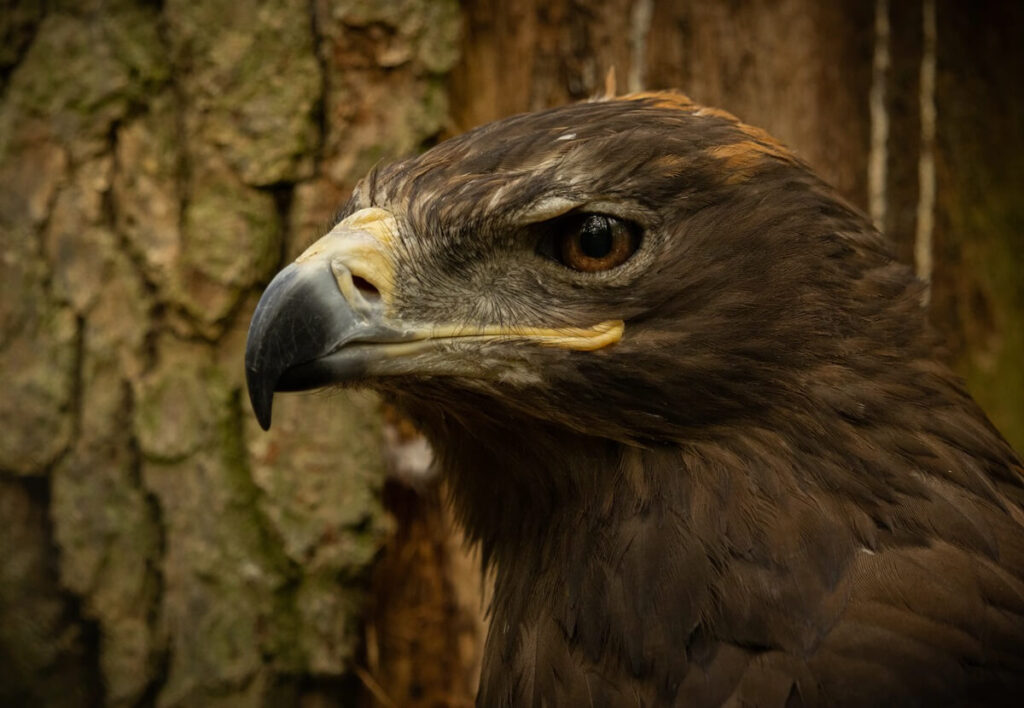
Harpy Eagle vs Bald Eagle: Contrasting Lords of the Skies – Eagles reign supreme in the raptor kingdom, symbolizing power and majesty. Within this kingdom, two iconic eagles, the Harpy Eagle vs Bald Eagle, share the Accipitridae family but diverge notably in size, appearance, wingspan, habitat, diet, and conservation status.
Altai Tours from Mongolia
Let’s create your ideal Mongolian adventure
We offer you GOLDEN EAGLE FESTIVAL PHOTOGRAPHY TOUR. Come and enjoy the stunning landscape that is covered with ancient mountains, rivers, and Mongolian history. Join us to watch a great festival with truly great hunters! 🤩🤩
The Harpy Eagle: Sovereign of Tropical Rainforests
🦅 Want to experience this in person? Join our 8-Day Golden Eagle Festival (see real Mongolian golden eagles) with local Kazakh guides — small groups, authentic experience, 5.0 stars on TripAdvisor.
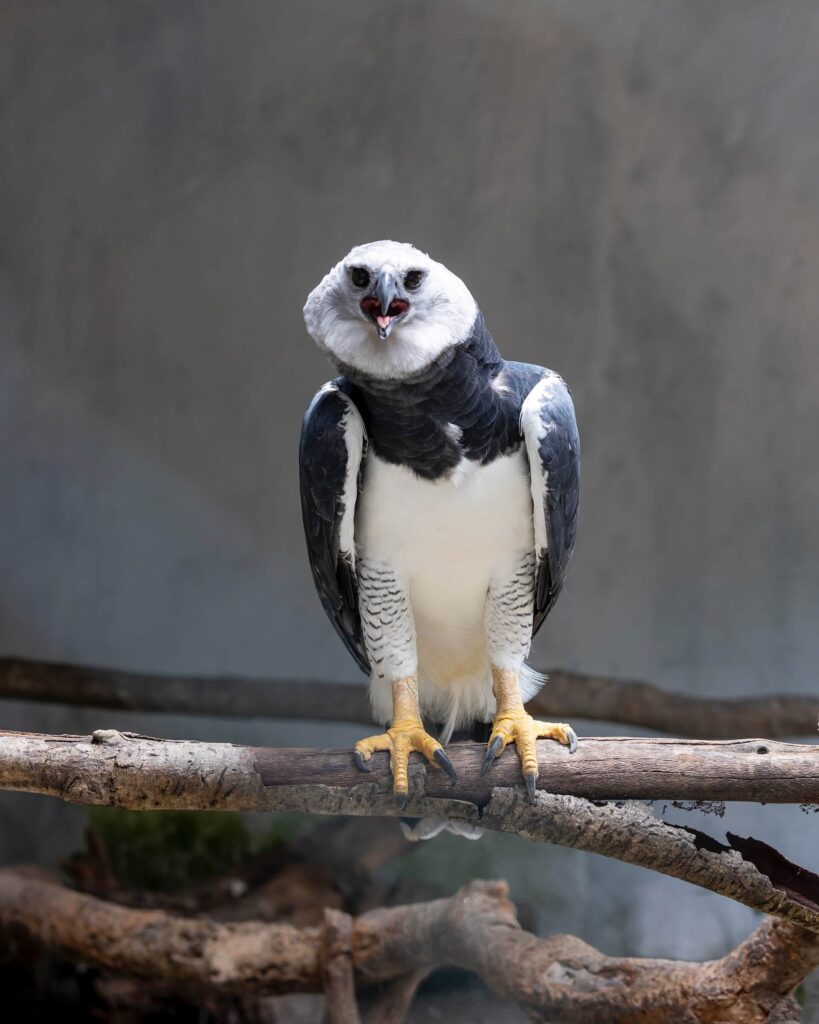
The Harpy Eagle (Harpia harpyja) is a formidable giant, earning its place among the world’s largest eagles. It thrives primarily in the dense tropical rainforests of Central and South America, concealed by the forest’s enigmatic allure due to its elusive nature.
It can weigh up to 20 pounds, measuring a maximum length of 40 inches, and is distinguished by a gray head, white body with black wings and breast, a black beak, and yellow feet.
Altai Tours from Mongolia
Let’s create your ideal Mongolian adventure
These regal birds are adept hunters, specializing in tree-dwelling animals such as monkeys, sloths, squirrels, and possums. Their razor-sharp talons exert an astounding 1,000 pounds of pressure per square inch, empowering them to capture and carry off prey as heavy as themselves.
The Harpy Eagle holds cultural significance as a symbol of power and protection in indigenous cultures. Unfortunately, habitat loss and deforestation have led to its classification as “Near Threatened” on the IUCN Red List, prompting urgent conservation efforts to protect its rainforest home.
The Harpy Eagle’s striking double crest of feathers, which it raises when alarmed or excited, adds to its imposing and mythical appearance. With a wingspan of nearly 7 feet, it is surprisingly agile, maneuvering expertly through dense forests to ambush its prey.
These eagles are monogamous, forming lifelong bonds, and a pair raises only one chick every two to three years, dedicating months to its care and survival. Their nests, often built in the tallest trees, are massive structures that can be reused for generations.
As apex predators, Harpy Eagles play a critical role in maintaining ecological balance, regulating populations of arboreal mammals and ensuring forest health.
The Bald Eagle: Emblem of American Freedom
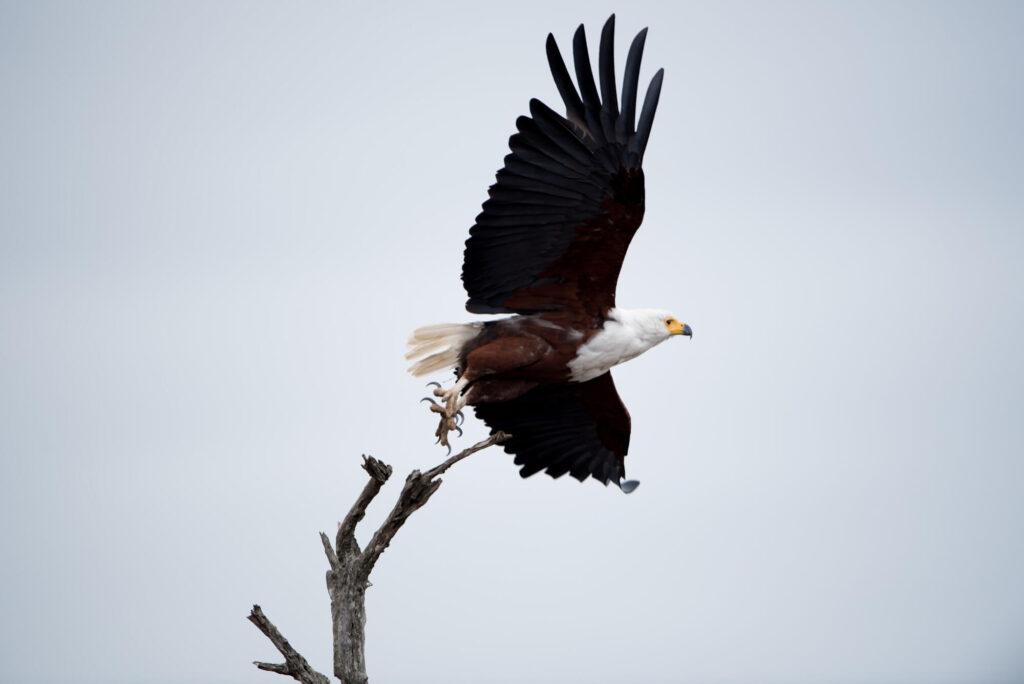
The Bald Eagle (Haliaeetus leucocephalus) is a beloved symbol of liberty in the United States, where it stands as the national bird and an embodiment of liberty. Bald Eagles predominantly inhabit North America, ranging from the northern expanses of Canada to the southern regions of Mexico.
These eagles are slightly smaller than their Harpy counterparts, with a maximum weight of 14 pounds and lengths ranging from 28 to 38 inches.
Altai Tours from Mongolia
Let’s create your ideal Mongolian adventure
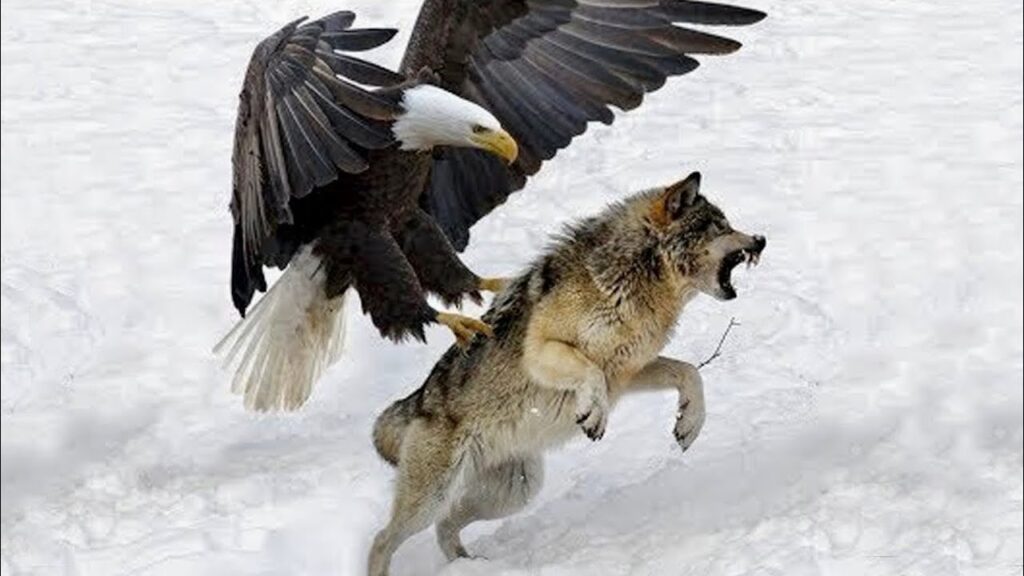
Bald Eagles are celebrated for their remarkable nests, perched high in towering trees near bodies of water. Their distinctive white head and tail feathers, set against a deep brown body, grant them instant recognition.
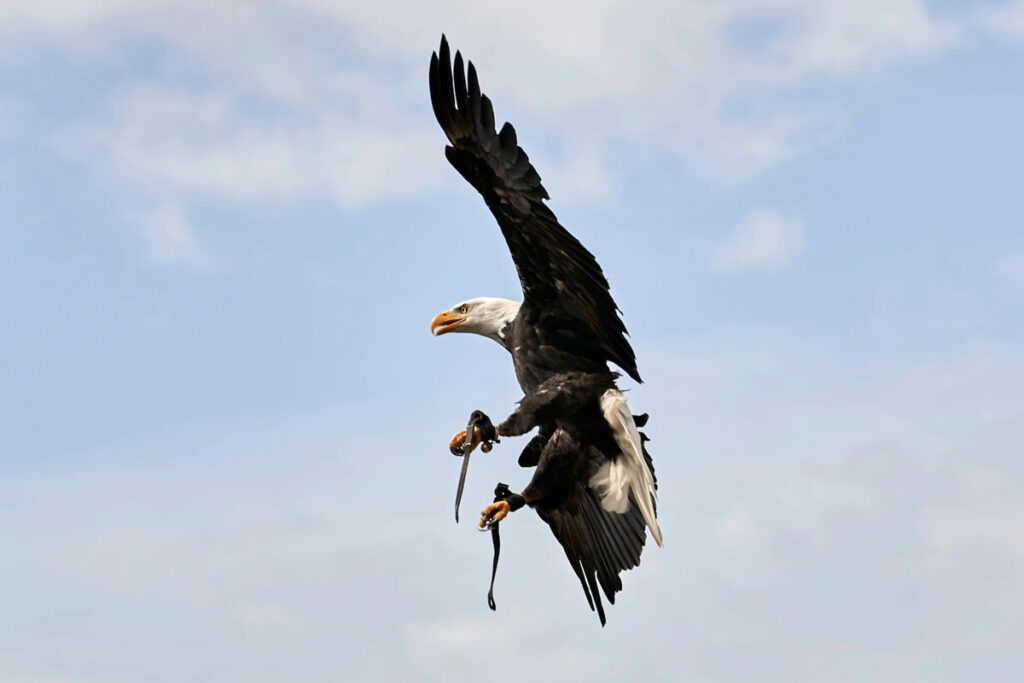
Their diet primarily centers on fish, as they expertly navigate the skies over bodies of water. This diet includes salmon and other freshwater fish, and on occasion, even saltwater fish when accessible.
Conservation endeavors in the United States have yielded noteworthy results in preserving the Bald Eagle population. The species has made a significant recovery, and in 2007, it was removed from the U.S. Endangered Species list, underscoring the effectiveness of environmental protection initiatives.
The Bald Eagle’s keen eyesight allows it to spot prey from great distances, making it one of nature’s most efficient hunters. Despite their majestic appearance, these eagles are opportunistic feeders, occasionally scavenging carrion or stealing food from other birds.
Altai Tours from Mongolia
Let’s create your ideal Mongolian adventure
They are known for their impressive courtship displays, which include aerial acrobatics and locking talons mid-flight. As long-lived birds, Bald Eagles can survive up to 30 years in the wild, provided they thrive in a healthy and undisturbed habitat.
Comparative Analysis of Harpy Eagle vs Bald Eagle

Let’s examine these two remarkable eagles in several key aspects:
- Size and Appearance: Harpy Eagles surpass their counterparts in size and boast a striking gray head, white body with black wings and breast, a black beak, and vivid yellow feet, in contrast to Bald Eagles, which are slightly smaller and characterized by their white head and tail feathers against a dark brown body.
- Wingspan: Harpy Eagles exhibit a wingspan of up to 6.5 feet, while Bald Eagles range between 5 to 8 feet.
- Habitat: Harpy Eagles thrive within the lush tropical rainforests of Central and South America, while Bald Eagles are indigenous to North America and are frequently found in proximity to bodies of water.
- Diet: Harpy Eagles are primarily hunters of arboreal creatures such as monkeys, sloths, squirrels, and possums. In contrast, Bald Eagles are celebrated for their piscatorial prowess, with a primary diet of coastal and freshwater fish.
- Conservation Status: Harpy Eagles are currently categorized as “Near Threatened” due to habitat loss, whereas Bald Eagles hold the status of “Least Concern” in terms of conservation.
These iconic birds, with unique features and cultural importance, remind us of the rich diversity of nature and the essential role of conservation in protecting their habitats and existence.
FAQ
Side-by-Side Comparison Table: Harpy Eagle vs Bald Eagle
Create a comprehensive comparison table covering physical dimensions (length: Harpy 35-40 inches, 11-20 lbs; Bald 28-38 inches, 6-14 lbs) with sexual dimorphism notes, as females are significantly larger in both species.
Include wingspan measurements with regional variation: Harpy eagles 6.5 feet adapted for rainforest maneuverability; Bald eagles 5.9-7.5 feet (northern populations larger per Bergmann’s Rule).
Add hunting behavior comparison: Harpies employ “sit-and-wait” perch hunting for arboreal prey; Bald eagles practice aerial fishing and kleptoparasitism (stealing from other birds).
Include conservation status with IUCN Red List categories: Harpy Eagle “Near Threatened” (population decreasing); Bald Eagle “Least Concern” (population increasing post-DDT ban).
Flight Performance and Hunting Strategies
Detail bald eagle flight capabilities: Cruising speed 30-35 mph when flapping, gliding speed 20-30 mph, diving speed up to 99 mph during hunting stoops.
Explain harpy eagle’s specialized forest flight: Short, broad wings (lower aspect ratio) enable tight maneuverability through rainforest canopy at speeds up to 50 mph in short bursts; rarely soars due to closed-canopy habitat.
Contrast hunting strategies: Bald eagles hunt via “still-hunting” (perching near water) and aerial pursuit, spending 90% of time perched; Harpy eagles use “perch-and-pounce” technique from canopy heights of 80-150 feet, targeting prey 70% of time from ambush positions.
Talon and Grip Strength Comparison
Explain functional adaptations: Harpy talons evolved for crushing bones and piercing primate/sloth skulls; Bald eagle talons curved for fish-gripping with spicules (spiny projections) on toe pads to prevent prey slippage.
Note hunting prey size correlation: Harpy eagles regularly take prey 60-70% of their body weight (sloths 10-15 lbs, howler monkeys 8-12 lbs); Bald eagles target fish 0.5-6 lbs, occasionally waterfowl up to 8 lbs.
Conservation Status and Population Recovery Efforts
Document bald eagle recovery success: U.S. population grew from 417 nesting pairs (1963 low point) to over 71,400 pairs by 2021 following DDT ban (1972) and Endangered Species Act protections; delisted from endangered status in 2007.
Detail harpy eagle population threats: Listed as Near Threatened by IUCN; estimated 20,000-50,000 individuals remain with declining trend; primary threats include deforestation (rainforest habitat loss of 17% in Amazon since 1970), hunting, and nest disturbance.
Highlight regional extinction patterns: Harpy eagles extirpated from El Salvador, likely extinct in parts of Central America (Guatemala, Belize, Costa Rica populations critically low); strongholds remain in Brazil (Amazon), Peru, and Guyana.
Include active conservation programs: Peregrine Fund’s Harpy Eagle restoration projects in Panama and Belize; captive breeding programs in Venezuelan and Brazilian zoos; community-based nest monitoring reducing human persecution.
Migration Patterns and Territorial Behavior
Contrast migratory vs. resident behavior: Bald eagles exhibit partial migration — northern populations (Canada/Alaska) migrate south during winter freeze when water bodies ice over, while southern populations remain year-round residents; migration distances range 0-2,500 miles depending on breeding location.
Explain harpy eagle territoriality: Non-migratory residents maintaining year-round territories of 10-30 square miles (25-80 km²) in continuous rainforest; pairs defend nesting areas aggressively but range widely for hunting.
Detail bald eagle thermal soaring migration: Use thermal updrafts and mountain ridges during migration, traveling primarily during daylight hours (8 AM – 6 PM) when solar heating creates optimal lift conditions; may travel 200+ miles per day during migration.
Include territory fidelity: Both species exhibit high nest-site fidelity; Bald eagles reuse nests for decades (largest recorded nest: 9.5 feet diameter, 20 feet deep, 2+ tons in Florida); Harpy eagles alternate between 2-3 nest sites within territory, using each for multiple breeding cycles.
Which eagle is considered stronger than the harpy eagle?
The Steller’s Sea Eagle is often regarded as one of the most powerful eagles in the world. It is typically heavier than the harpy eagle and possesses exceptional grip strength. These massive birds are capable hunters, known for capturing large prey such as fish, seabirds, and occasionally sizeable mammals.
Would a harpy eagle defeat a bald eagle?
Harpy eagles are generally larger and more heavily built than bald eagles, with extremely powerful talons designed for hunting mammals in dense forests. While bald eagles have a wider wingspan, harpy eagles are often considered physically stronger in terms of grip and striking power.
Which eagle is known as the “king of eagles”?
Several species are informally described this way depending on context:
• Philippine Eagle – noted for length and rarity
• Harpy Eagle – famous for raw strength
• Steller’s Sea Eagle – recognized for bulk and power
There is no single official “king,” but these species are among the most impressive.
Which bird is traditionally called the “king of birds”?
Across many cultures, the eagle holds this title. Eagles symbolize dominance of the skies, strength, and majesty — much like the lion symbolizes power among land animals.
What is considered the most powerful eagle?
The Harpy Eagle is widely regarded as one of the strongest eagles due to its extraordinary talon strength. It is capable of hunting monkeys, sloths, and other large arboreal animals.
Why are eagles symbolically important in many cultures?
Eagles frequently represent:
• Strength
• Vision
• Freedom
• Power
• Spiritual elevation
Their ability to soar at high altitudes has made them powerful symbols throughout history.
What do bald eagles symbolize spiritually?
Bald eagles are commonly associated with freedom, courage, clarity, and spiritual strength. In many traditions, they are viewed as messengers connecting the natural and spiritual worlds.
Is the eagle used as a religious symbol?
Yes. In various belief systems, eagles symbolize divine power, ascension, renewal, and higher perspective. Interpretations vary widely across cultures and religions.
Which birds are considered the most intelligent?
Parrots and members of the corvid family (crows, ravens, and jays) are widely recognized as some of the most intelligent birds. They demonstrate advanced problem-solving abilities and complex social behaviors.
Which eagle is stronger, the harpy eagle or bald eagle?
The harpy eagle is significantly stronger in terms of grip strength and prey-carrying capacity. Harpy eagles possess the largest talons of any living eagle (rear talons 4-5 inches long) and can carry prey weighing up to their full body weight of 20 pounds, including sloths and large monkeys. Bald eagles have smaller talons (1.5-2 inches) and typically carry fish weighing 4-5 pounds, though they can manage up to approximately 8 pounds in exceptional circumstances. The harpy eagle’s powerful build evolved specifically for capturing large, struggling arboreal mammals, making it one of the most physically powerful raptors in the world.
Can you see both harpy eagles and bald eagles in the same location?
No, these species occupy completely separate geographic ranges and habitats. Bald eagles are native to North America, found from Alaska through Canada, across the continental United States, and into northern Mexico, always near coastlines, rivers, or large lakes. Harpy eagles inhabit tropical lowland rainforests of Central and South America, from southern Mexico through Central America to northern Argentina, but are now largely restricted to the Amazon Basin and remote forests. The species’ ranges do not naturally overlap, though extreme southern Mexico represents the only region where both species historically occurred at the edges of their respective ranges.
How fast can a bald eagle fly compared to a harpy eagle?
Bald eagles are significantly faster and more efficient long-distance fliers. During normal flight, bald eagles cruise at 20-35 mph and can reach diving speeds up to 99 mph when pursuing prey or defending territory. Harpy eagles, with their shorter, broader wings adapted for forest maneuverability, fly in short powerful bursts up to approximately 50 mph but rarely engage in extended flight or soaring due to their closed-canopy rainforest habitat. The bald eagle’s larger wingspan (up to 7.5 feet) and lighter wing loading make it better suited for soaring over open water and covering large distances during migration, while the harpy eagle’s compact 6.5-foot wingspan provides superior agility for navigating between trees.
Why did bald eagles recover from near-extinction but harpy eagles remain threatened?
The primary difference lies in the nature and reversibility of threats each species faced. Bald eagle populations collapsed due to DDT pesticide poisoning, which caused eggshell thinning and reproductive failure; once DDT was banned in the United States in 1972 and the species received Endangered Species Act protection, populations rebounded from 417 pairs (1963) to over 71,400 pairs by 2021. Harpy eagles face ongoing habitat destruction — Amazon rainforest loss exceeds 17% since 1970 and continues at rates of 2.3-3.8 million acres annually. Unlike chemical contamination, deforestation represents permanent habitat loss that cannot be quickly reversed, especially given harpy eagles’ requirement for large territories (10-30 square miles) of intact old-growth forest.
Which eagle has a more diverse diet?
Bald eagles demonstrate significantly greater dietary diversity and opportunistic feeding behavior. While fish (especially salmon and trout) constitute 60-90% of their diet depending on season and location, bald eagles regularly consume waterfowl, small mammals, carrion, and even steal prey from other birds through kleptoparasitism. They’ve been documented eating over 400 species. Harpy eagles are specialized hunters of arboreal mammals with approximately 85% of their diet comprising sloths, monkeys, and tree-dwelling mammals like coatis and opossums, supplemented by large birds (macaws, curassows) and occasionally reptiles. This dietary specialization makes harpy eagles more vulnerable to forest fragmentation that reduces prey populations.
SUGGESTED TOURS:
Related Blogs:
Golden Eagle Photography: How to Shoot Wild Eagles, Hunters and the Festival
Golden eagle photography rewards preparation more than luck. For birds in flight, start at 1/2500s, f/6.3, auto-ISO capped at 3200,…Eagle Festival Packing List 2026: What to Wear in Olgii’s October Cold
The Mongolia Eagle Festival in Bayan-Ölgii runs in late September and early October at elevation 1,710 metres, where October average…Sagsai vs Golden Eagle Festival 2026: Which Mongolia Eagle Festival Should You Attend?
Mongolia hosts two distinct Kazakh eagle festivals each autumn in Bayan-Ölgii Province, the country’s western Kazakh-majority region. The Sagsai Golden…