
Mongolia, often known as the “Land of Eternal Blue Sky,” is a country brimming with natural beauty, deep-rooted history, and vibrant culture. Situated in the heart of Asia, Mongolia offers a diverse range of attractions that make it a must-visit destination for adventurous travelers. In this article, we will delve into what is Mongolia known for, exploring its captivating attributes and uncovering the mysteries of this remarkable nation.
Nomadic Traditions
🌏 Want to experience this in person? Join our Browse all Mongolia tours with local Kazakh guides — small groups, authentic experience, 5.0 stars on TripAdvisor.
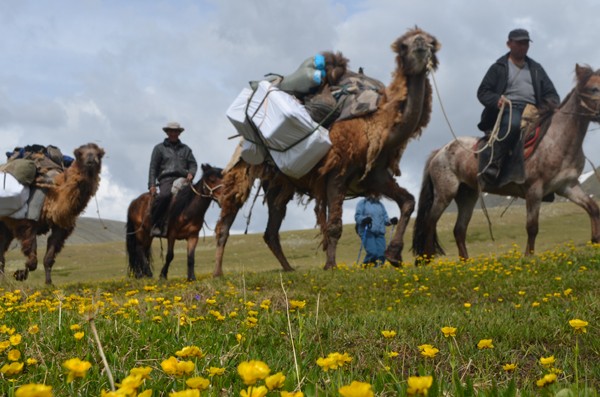
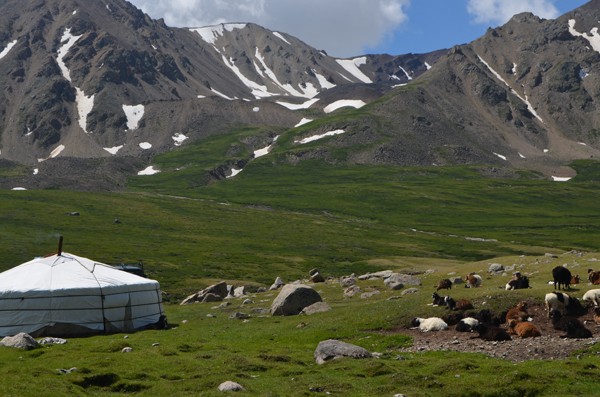
Renowned as the “Land of Nomads,” where a significant portion of the population maintains a traditional nomadic lifestyle in Mongolia. Against the backdrop of endless steppes, nomadic herders tend to their herds of livestock, including horses, sheep, and goats.
Visitors have the unique opportunity to experience this lifestyle by staying in the iconic circular tents known as “gers” or “yurts,” participating in daily herding activities, and connecting with local families.
Genghis Khan’s Legacy
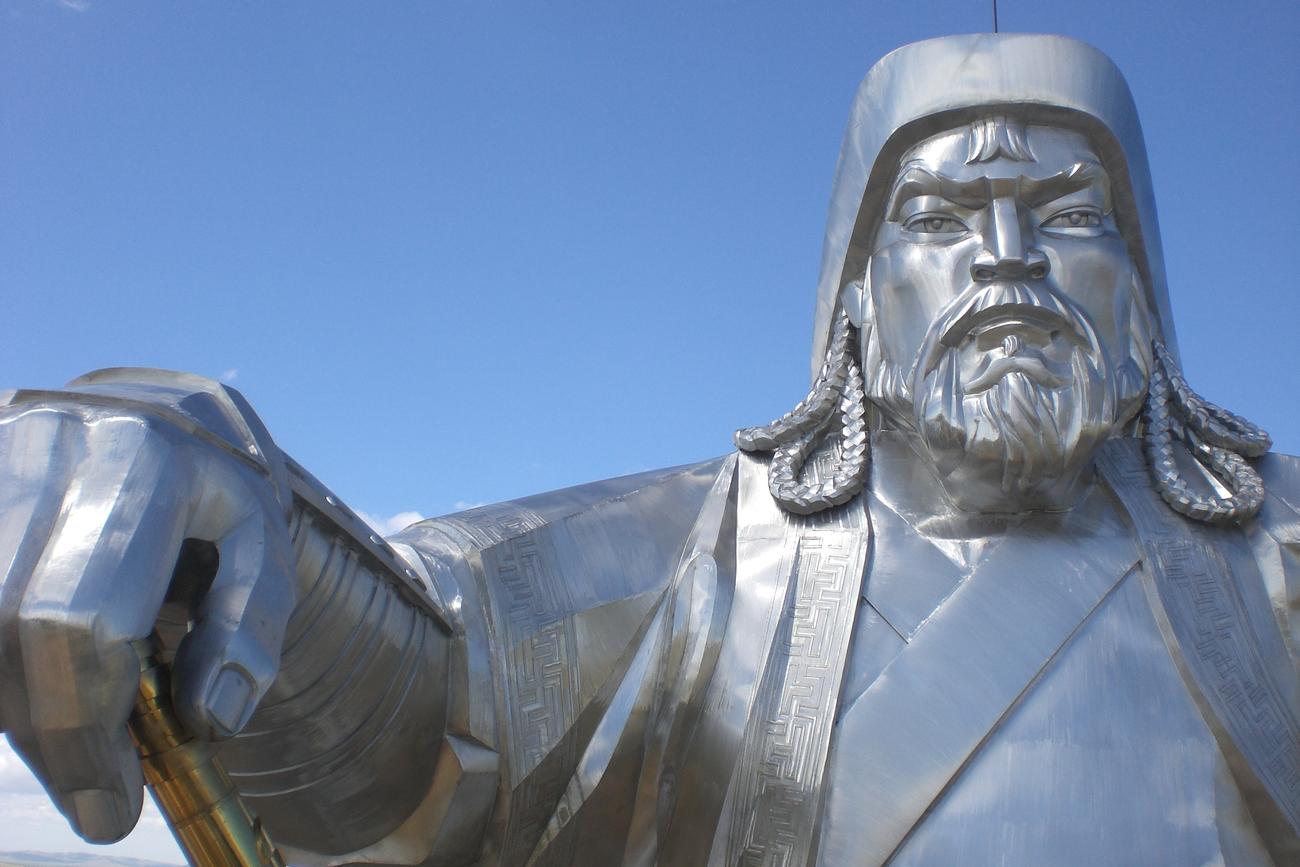
Mongolia is the birthplace of Genghis Khan, the legendary founder of the Mongol Empire. His empire, which at its height was the largest the world has ever seen, left an indelible mark on global history. Museums, monuments, and historical sites pay homage to this iconic figure, providing visitors with a glimpse into Mongolia’s role in shaping the world.
A Tapestry of Landscapes
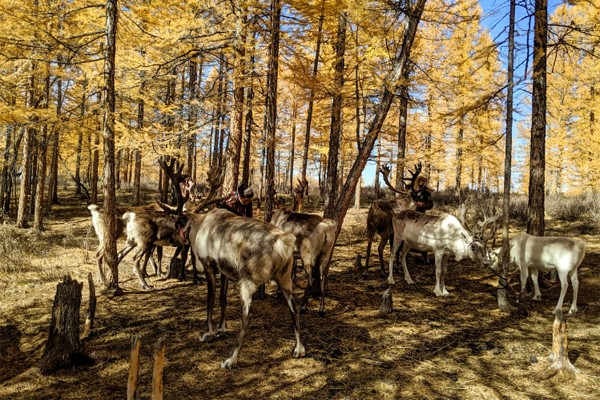
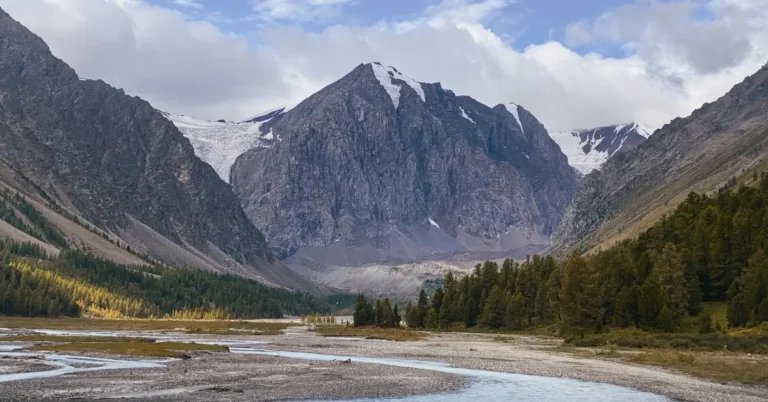
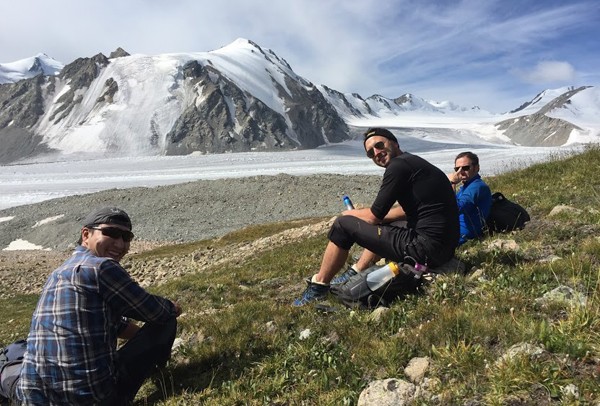
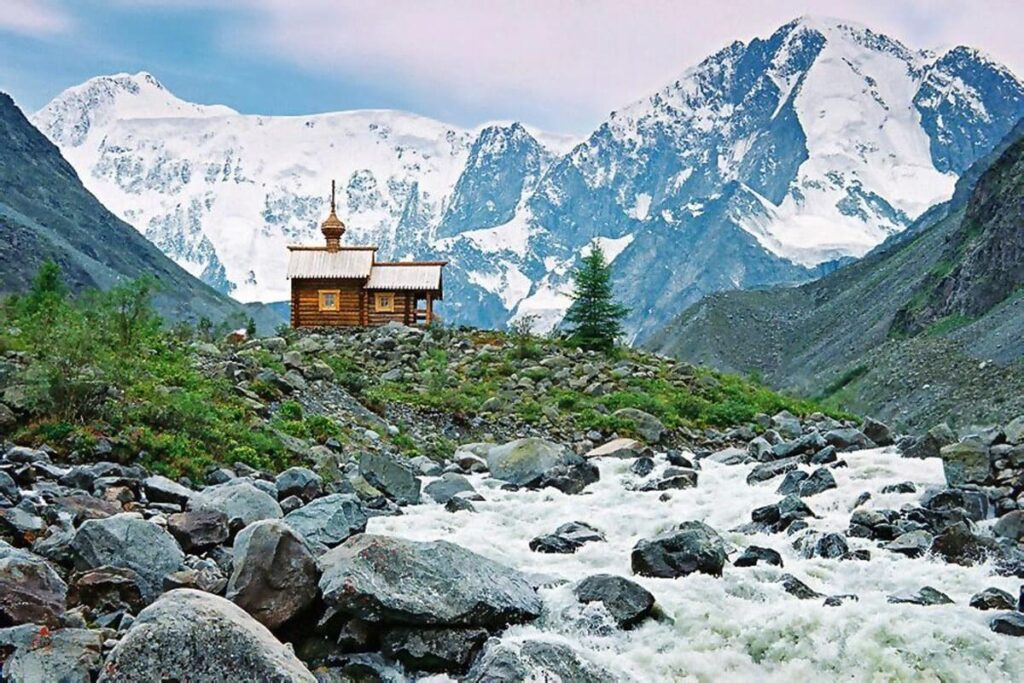
From the vast expanse of the Gobi Desert to the towering peaks of the Altai Mountains, and from serene lakes to meandering rivers, Mongolia’s natural beauty is breathtaking. This diversity of environments makes Mongolia a playground for adventurers. Trekking, horseback riding, and camel expeditions beckon those eager to explore the country’s wild and pristine terrain.
The Festive Spirit of Naadam
The Naadam Festival, Mongolia’s most celebrated event, offers a window into the country’s rich cultural heritage. Held annually in July, this grand spectacle features three traditional sports: wrestling, horse racing, and archery.

Naadam is not just about athleticism; it’s a cultural extravaganza. Locals and travelers come together to witness dazzling parades, traditional music, and savory cuisine, making it a sensory feast for all.
Extraordinary Wildlife
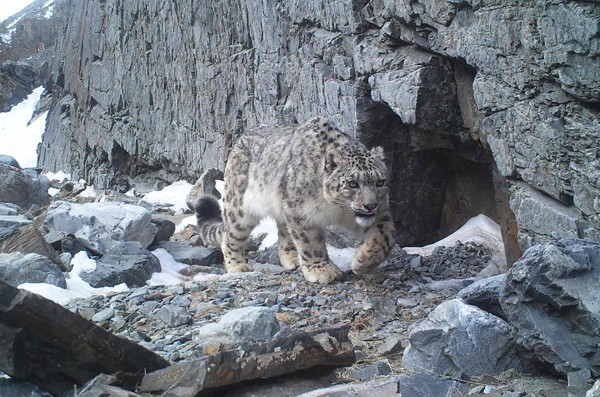
Mongolia is a sanctuary for unique and rare wildlife species. The wild Bactrian camel, with its distinctive two humps, thrives in the arid expanses of the Gobi Desert. Elusive snow leopards roam the rugged mountains, while the Gobi bear and Przewalski’s horse call this land home. Nature enthusiasts and conservationists are drawn to Mongolia’s pristine wilderness to catch a glimpse of these incredible creatures.
The Paleontological Playground
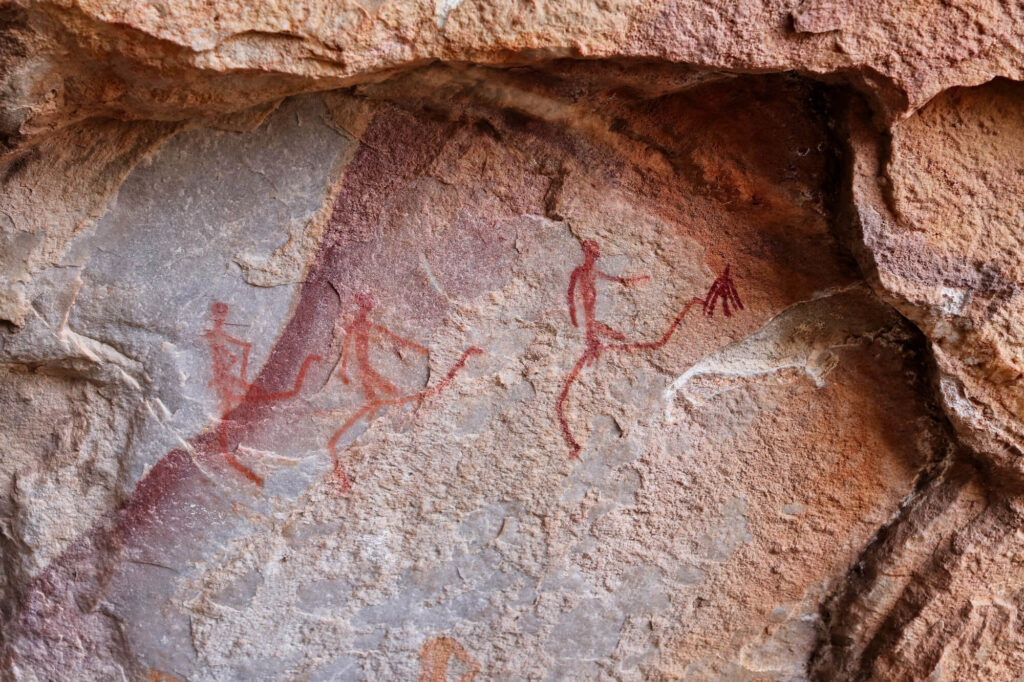
The Gobi Desert is a treasure trove of paleontological discoveries. It’s where the world’s first dinosaur eggs were unearthed, and countless dinosaur fossils have been found. The iconic Flaming Cliffs are a pilgrimage site for paleontology enthusiasts. Visitors can join excavations, bringing them face to face with the mysteries of ancient life.
A Silk Road Heritage
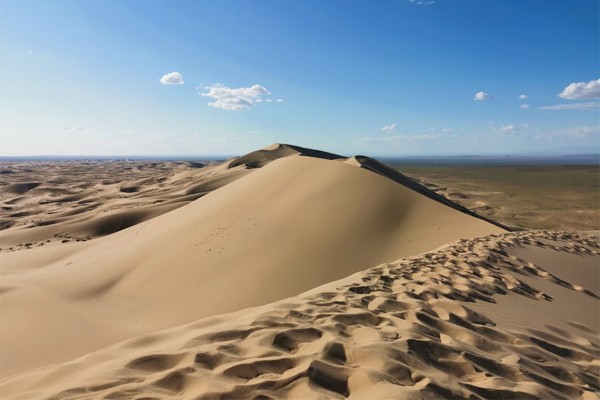
Mongolia’s location along the Silk Road, the ancient trade route connecting East and West, has left an enduring imprint on its culture. The remnants of this history can be seen in the ruins of caravanserais and trading posts that once buzzed with merchants and travelers from around the world.
Savory Mongolian Cuisine

Mongolian cuisine reflects the hearty diet of nomadic herders. Dumplings known as “buuz,” fried meat pastries called “khuushuur,” and a variety of dairy products including “airag” (fermented mare’s milk) are staples. Adventurous eaters can savor dishes like “horhog,” where meat and vegetables are slow-cooked with hot stones in a milk can, creating a unique gastronomic experience.
Tranquil Buddhist Retreats
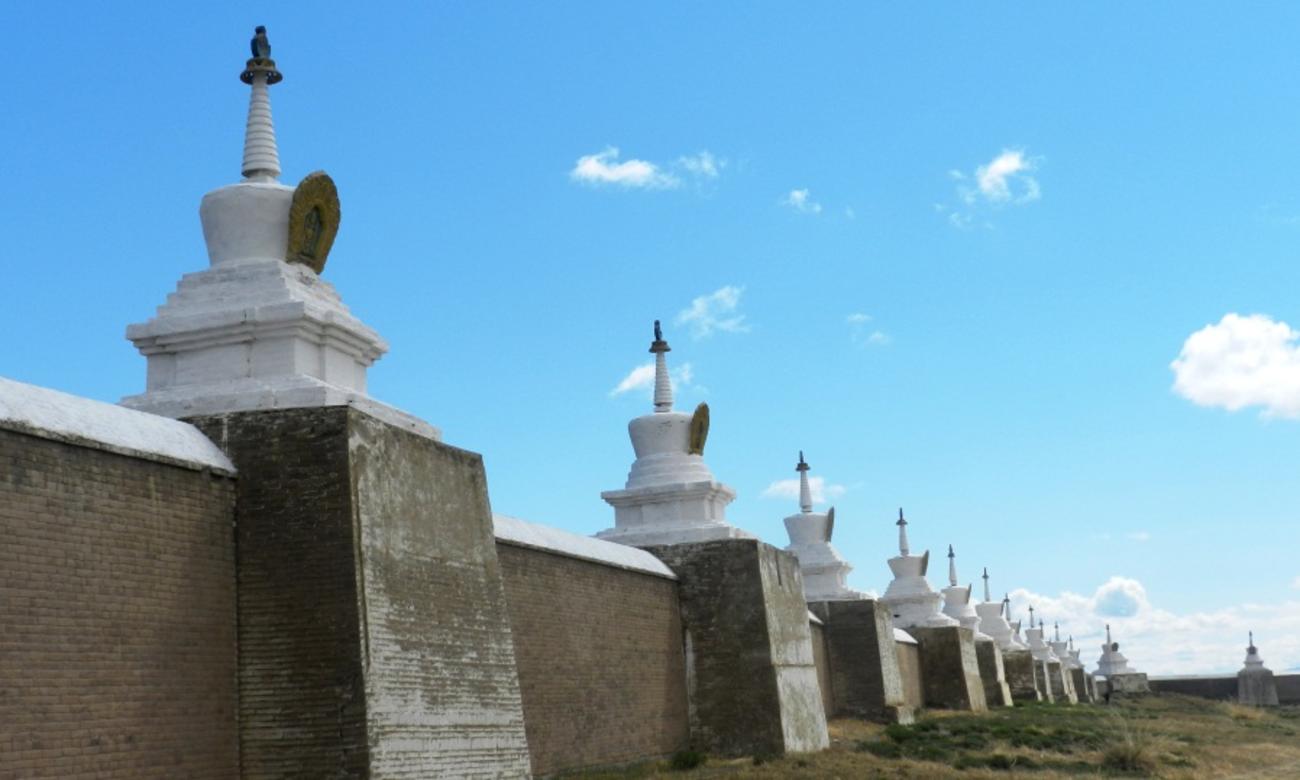
Buddhism has deep roots in Mongolia, and the country boasts numerous monasteries and sacred sites. The Erdene Zuu Monastery in Kharkhorin, for example, stands as a testament to Mongolia’s historical ties to Tibetan Buddhism. Visitors can explore intricately adorned temples and immerse themselves in the tranquility of these sacred spaces.
Eagle Hunting: A Tradition of Skill and Bond
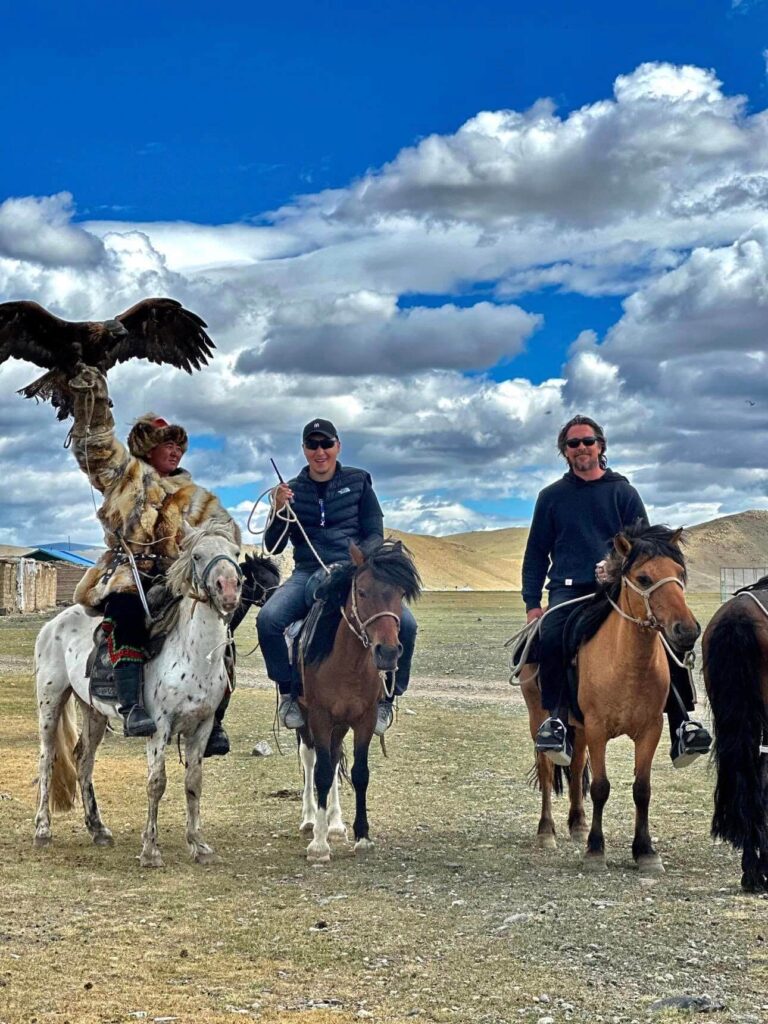
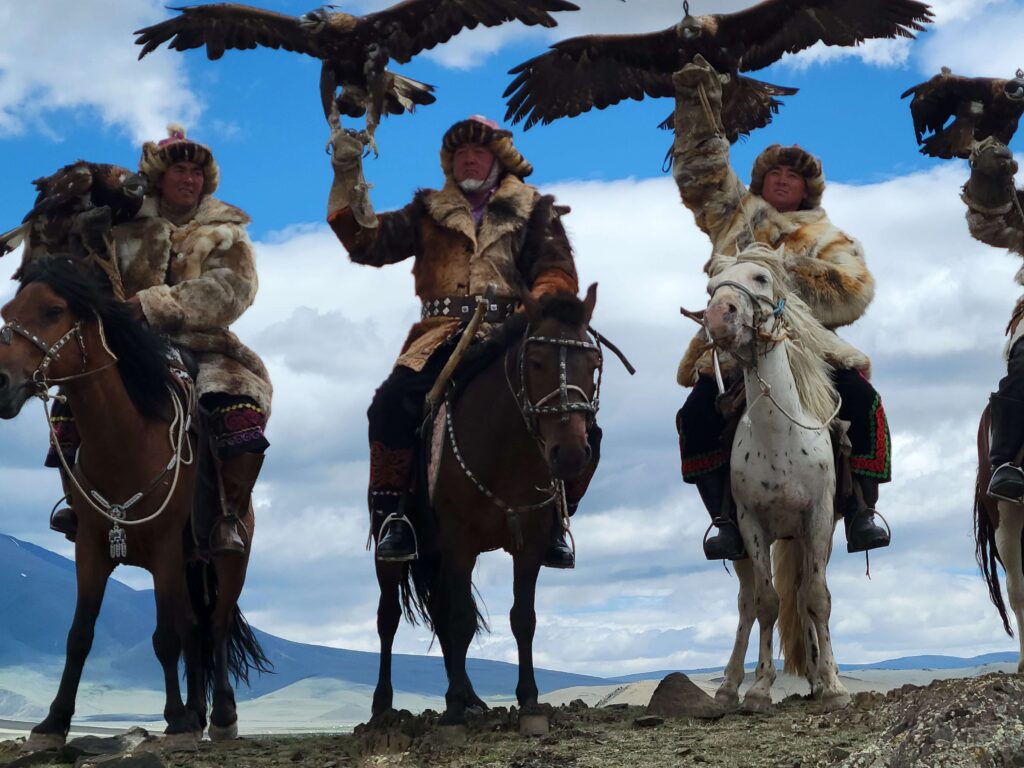
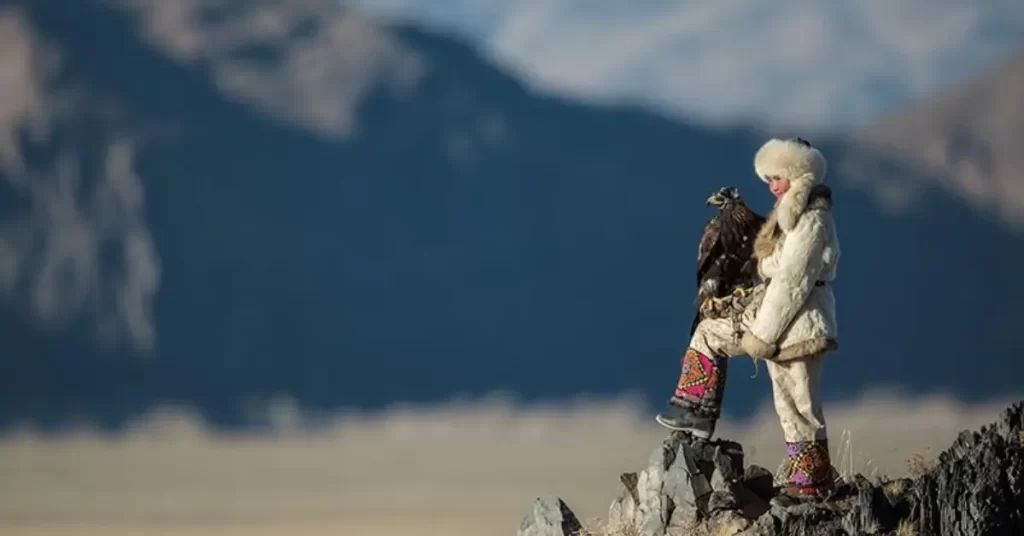
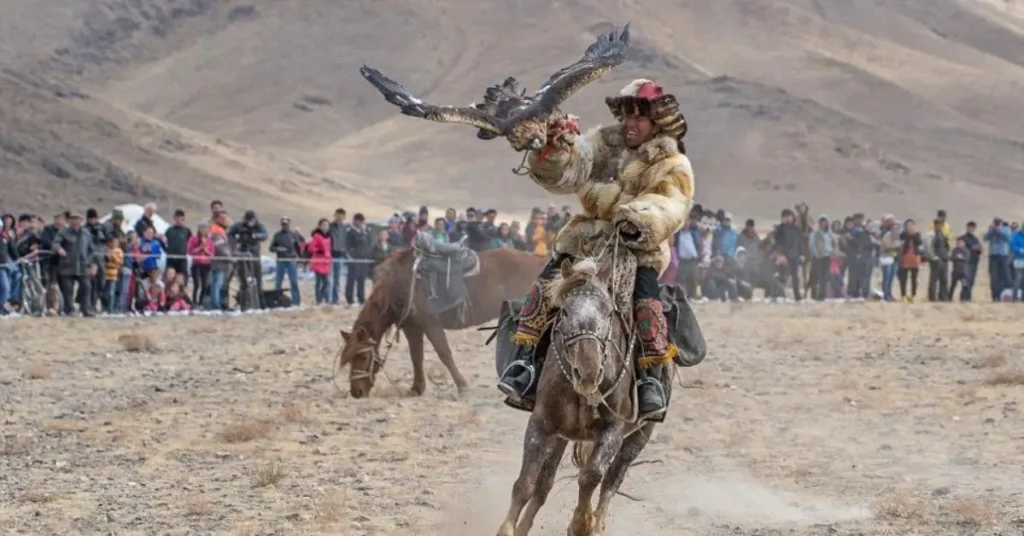
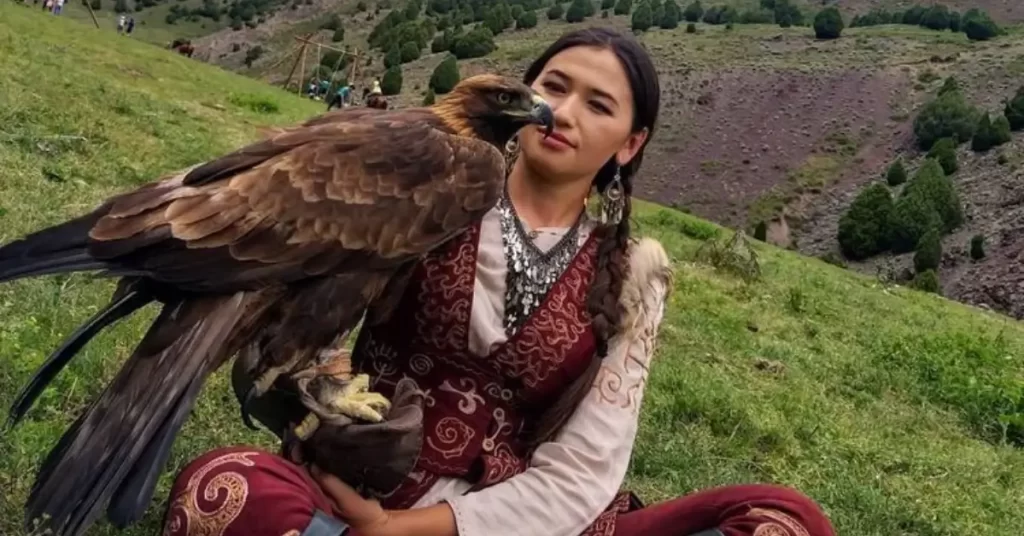
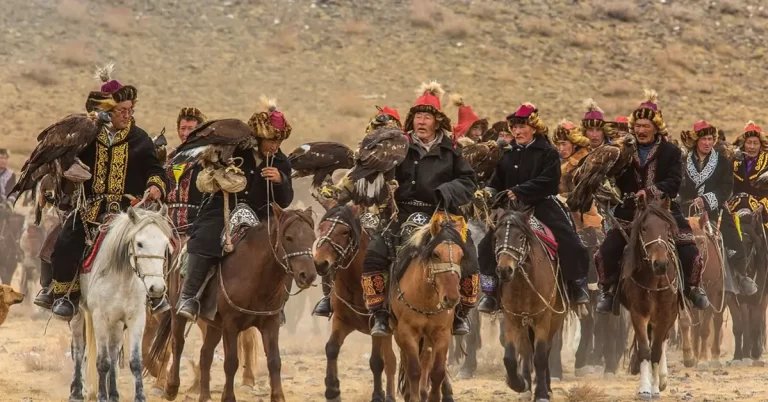
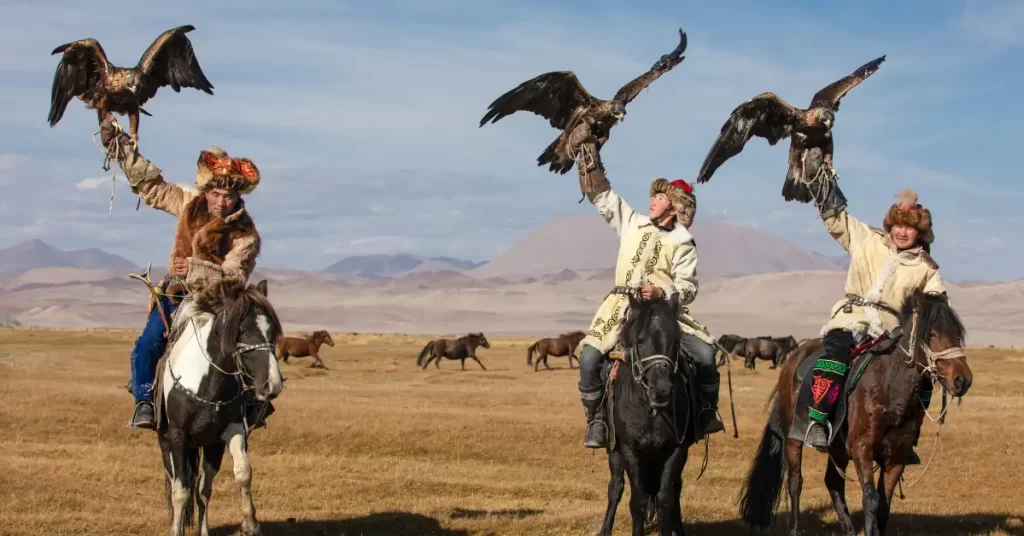
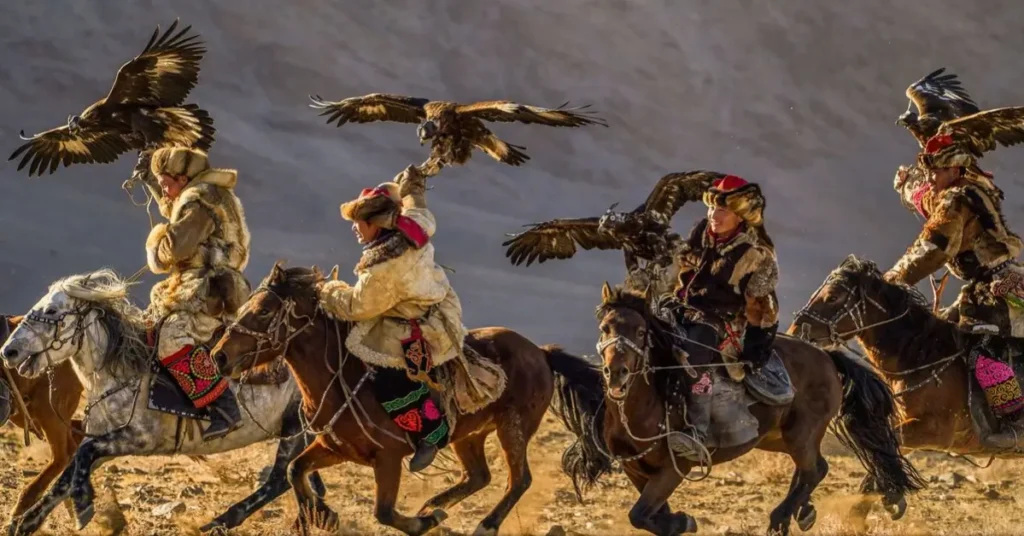
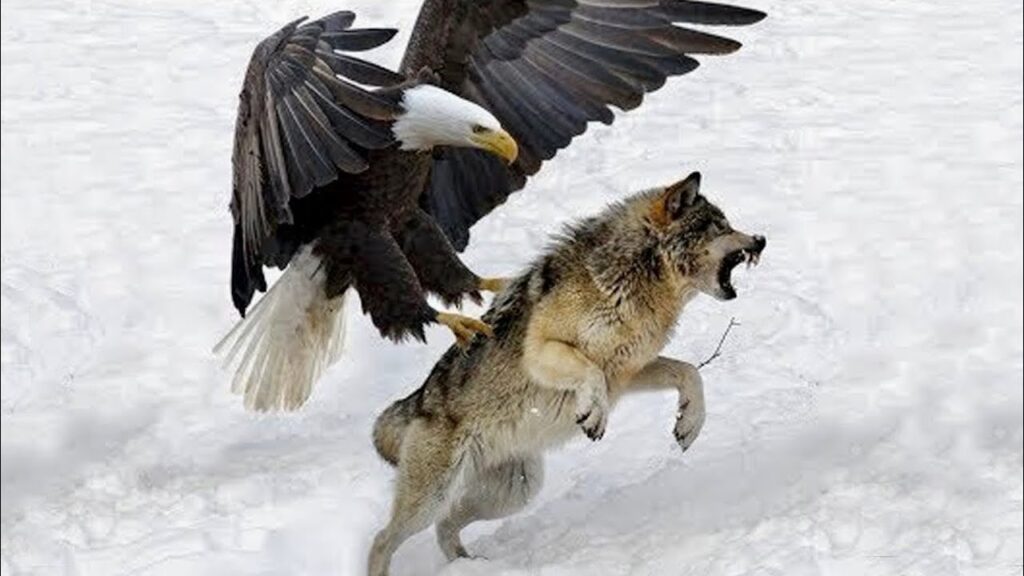
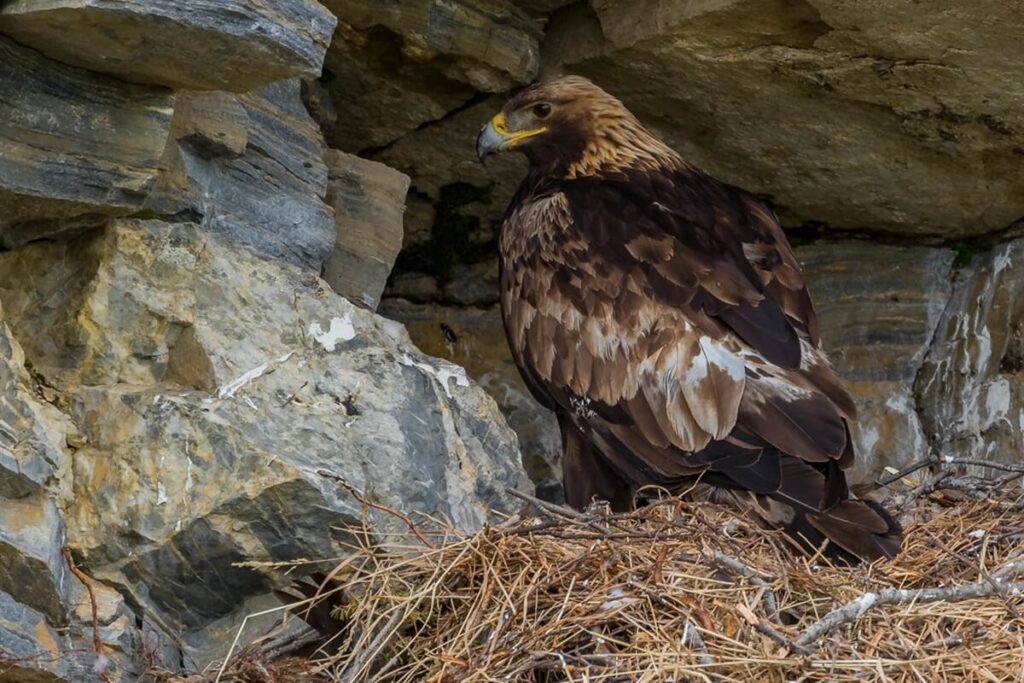
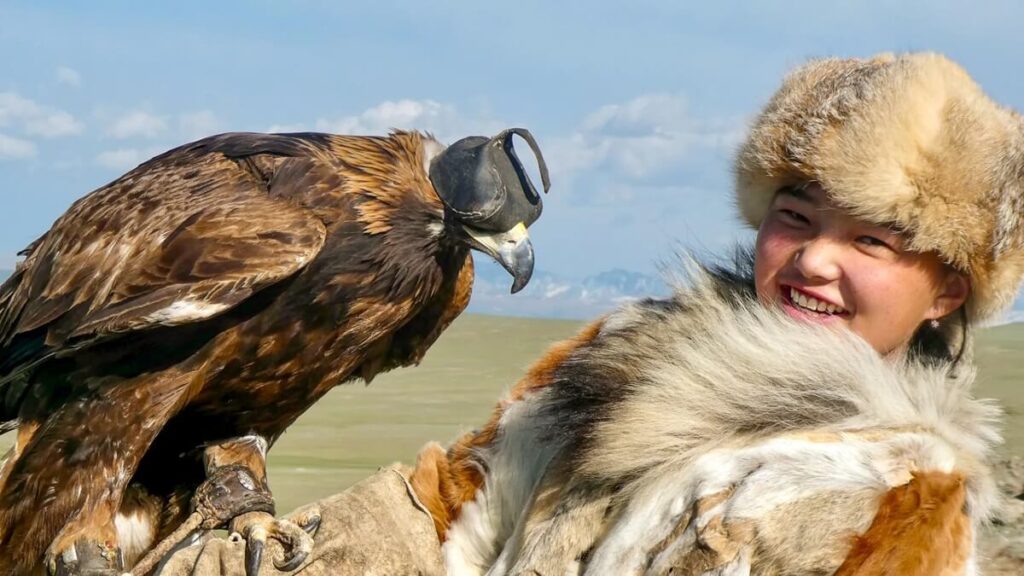
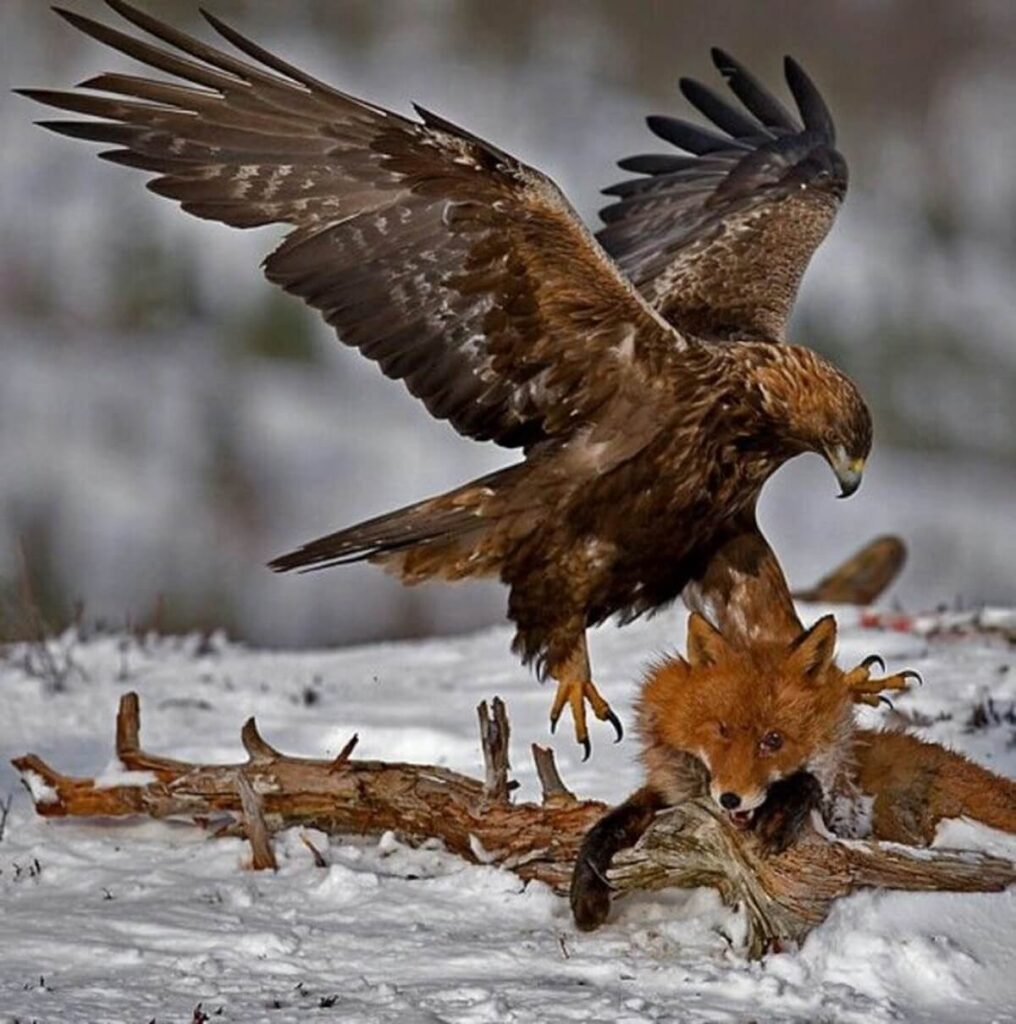
Eagle hunting, known as “berkutchi,” is a centuries-old tradition in Mongolia. It involves skilled hunters using trained golden eagles to capture small game like foxes and hares. This ancient practice showcases the remarkable bond between humans and nature.
In summary, Mongolia is a land of endless discoveries, where nomadic traditions, historical legacies, natural wonders, and cultural richness converge to create an unforgettable travel experience. Whether you seek adventure, history, or a deeper connection with nature and culture, Mongolia has something extraordinary to offer to every traveler.
Suggested Tours:
Related Blogs:
Golden Eagle Photography: How to Shoot Wild Eagles, Hunters and the Festival
Golden eagle photography rewards preparation more than luck. For birds in flight, start at 1/2500s, f/6.3, auto-ISO capped at 3200,…Eagle Festival Packing List 2026: What to Wear in Olgii’s October Cold
The Mongolia Eagle Festival in Bayan-Ölgii runs in late September and early October at elevation 1,710 metres, where October average…Sagsai vs Golden Eagle Festival 2026: Which Mongolia Eagle Festival Should You Attend?
Mongolia hosts two distinct Kazakh eagle festivals each autumn in Bayan-Ölgii Province, the country’s western Kazakh-majority region. The Sagsai Golden…





What is Mongolia’s population and population density?
Mongolia has a population of approximately 3.4 million people (as of 2023) spread across 1.56 million square kilometers, resulting in a population density of about 2 people per square kilometer — one of the lowest in the world. For comparison, this makes Mongolia less densely populated than Alaska (0.5 people/km²) but more sparse than any country except Greenland, Western Sahara, and a few others. Approximately 45% of the population lives in the capital city Ulaanbaatar, while 28-30% maintain nomadic or semi-nomadic herding lifestyles. This extreme low density is due to the harsh climate, mountainous terrain, desert regions, and the persistence of traditional pastoral nomadism that requires vast grazing territories.
How cold does Mongolia get in winter?
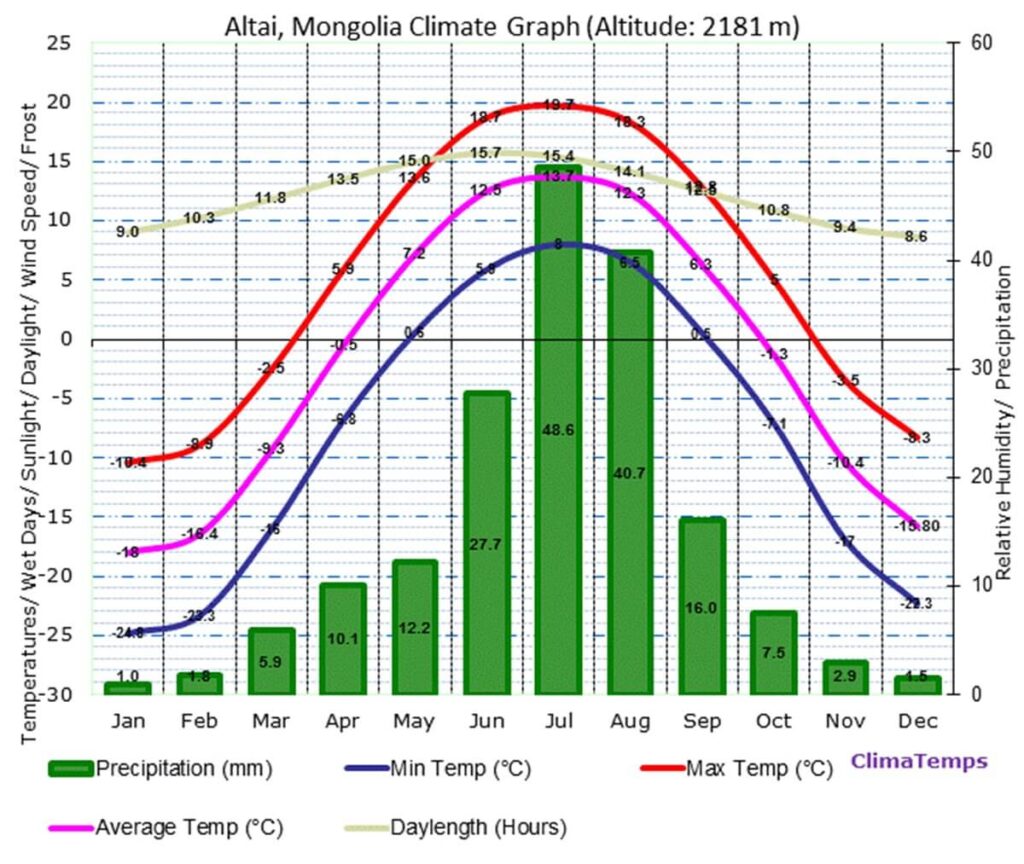
Mongolia experiences some of the world’s most extreme winter temperatures, with the capital Ulaanbaatar regularly dropping to -40°C (-40°F) and holding the distinction of being the world’s coldest capital city with average January temperatures of -24°C (-11°F). Winter lasts from November through March, with temperatures across the country commonly ranging from -20°C to -35°C, though northern and western regions can experience -50°C during cold snaps. Despite these brutal temperatures, Mongolians have adapted through traditional practices including wearing thick deel (traditional robes), living in well-insulated gers with central stoves, and consuming warming foods like hot milk tea and mutton. Interestingly, ice cream becomes a popular street food during winter because vendors don’t need freezers — they simply store it in paper boxes outdoors where natural temperatures keep it frozen.
What percentage of Mongolians are still nomadic?
Approximately 25-30% of Mongolia’s population continues to practice nomadic or semi-nomadic pastoralism, making Mongolia home to one of the world’s last remaining large-scale nomadic cultures. These herding families move their livestock (sheep, goats, cattle, horses, and camels) between seasonal pastures 2-4 times per year, following ancient migration patterns that optimize grazing and water access. However, this percentage has been declining due to several factors: severe dzud winters that kill livestock and force families into cities, younger generations seeking urban education and employment opportunities, and desertification reducing viable pastureland. Major dzud events in 2000-2002, 2009-2010, and 2023-2024 accelerated urban migration, with Ulaanbaatar’s population swelling from 600,000 in 1990 to over 1.5 million today, largely due to former herding families settling in sprawling ger districts around the capital.
How many horses are in Mongolia?
Mongolia has approximately 3.3 million horses, nearly matching its human population of 3.4 million and maintaining one of the highest horse-to-human ratios globally. The Mongolian horse is a distinct ancient breed that has remained largely unchanged for thousands of years, smaller than Western breeds (12-14 hands high) but extraordinarily hardy, capable of surviving on open pasture year-round without shelter or supplemental feeding. Horses remain integral to nomadic culture for transportation across vast steppe distances, herding other livestock, racing during the Naadam Festival, and producing airag (fermented mare’s milk), a traditional beverage consumed especially during summer. The Mongolian proverb “A Mongol without a horse is like a bird without wings” reflects this deep cultural connection, and most nomadic children learn to ride between ages 3-5, with some participating in long-distance Naadam races as young as age 5.
What is dzud and how does it affect Mongolia?
Dzud (also spelled zud) is a uniquely Mongolian climatic disaster where extreme winter conditions prevent livestock from accessing forage, occurring when severe cold combines with either excessive snow cover or insufficient snow that deprives animals of their water source. Mongolia experiences dzud conditions approximately every 3-4 years, with catastrophic events causing mass livestock die-offs: the 2009-2010 dzud killed an estimated 10 million animals (20% of national herds), and the 2023-2024 event killed over 7 million. These disasters devastate herding families economically and culturally, often forcing them to abandon nomadic lifestyles and migrate to urban areas, contributing to Ulaanbaatar’s rapid and often chaotic growth. Climate change is intensifying dzud frequency and severity through a vicious cycle: warmer, drier summers reduce autumn forage availability, while increasingly erratic precipitation creates more extreme winter conditions.