
Mongolian beverage Airag is made of Mongolian horses fermented milk. It is a national drink and only Mongolians can make it.
Airag has been made since Mongolian nomadic times. And it still continues in our modern life. From its health benefits to its role in social and ceremonial gatherings, horse milk is deeply woven into the fabric of Mongolian life.
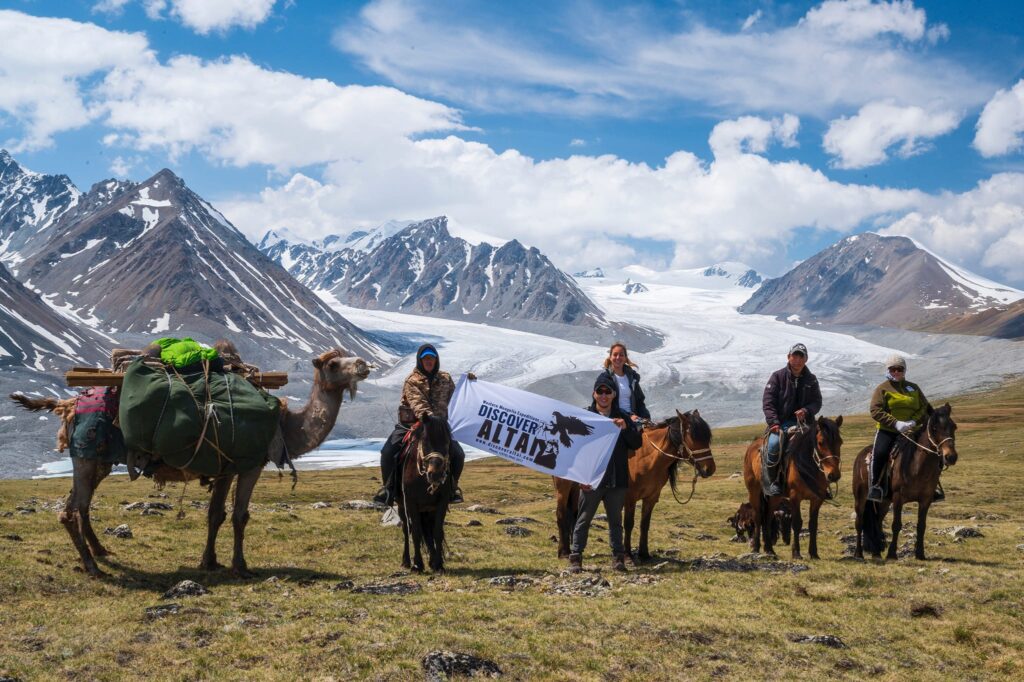
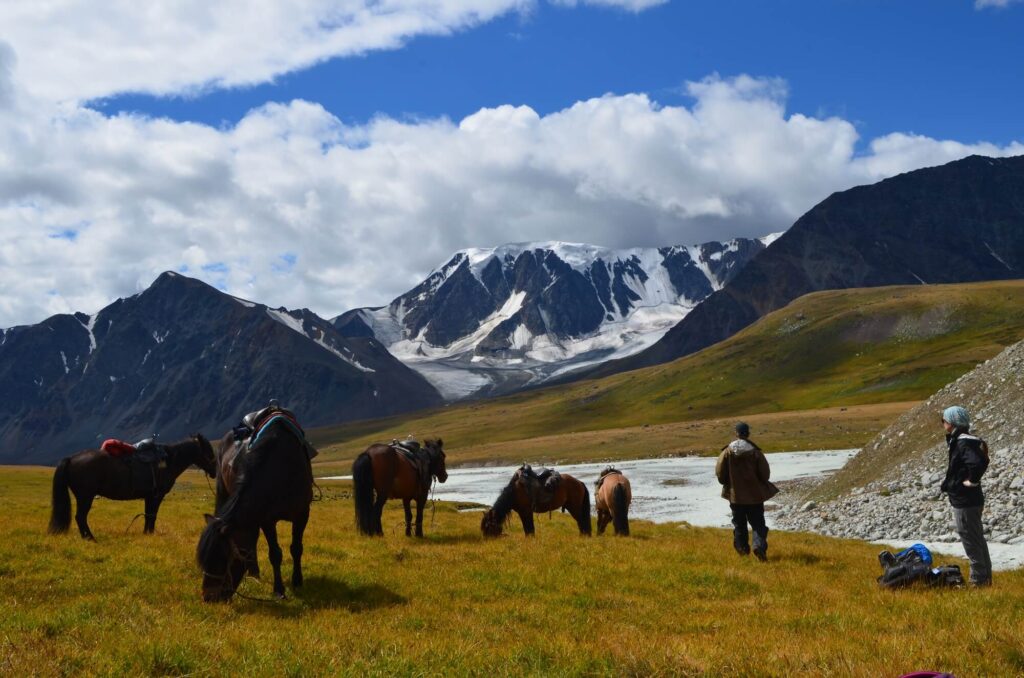
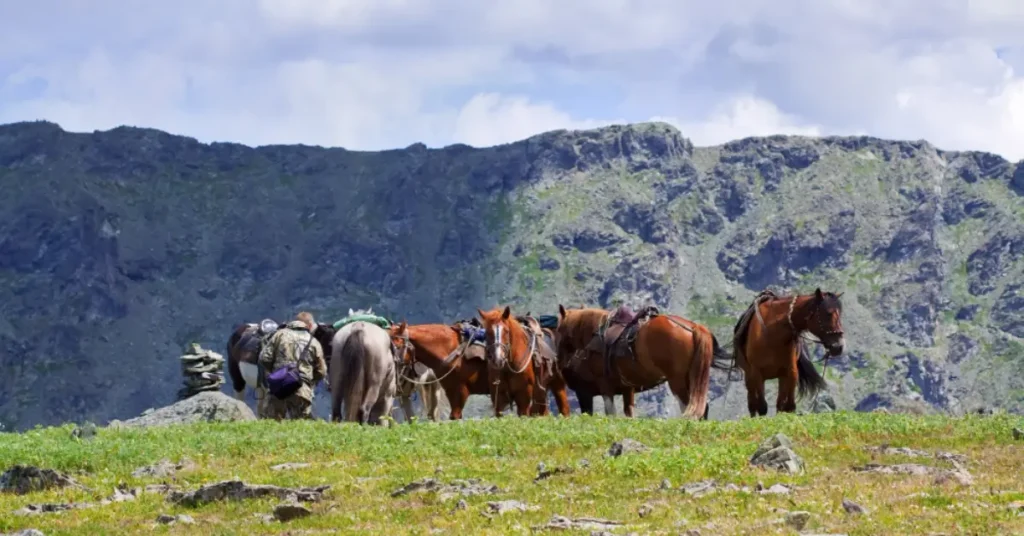
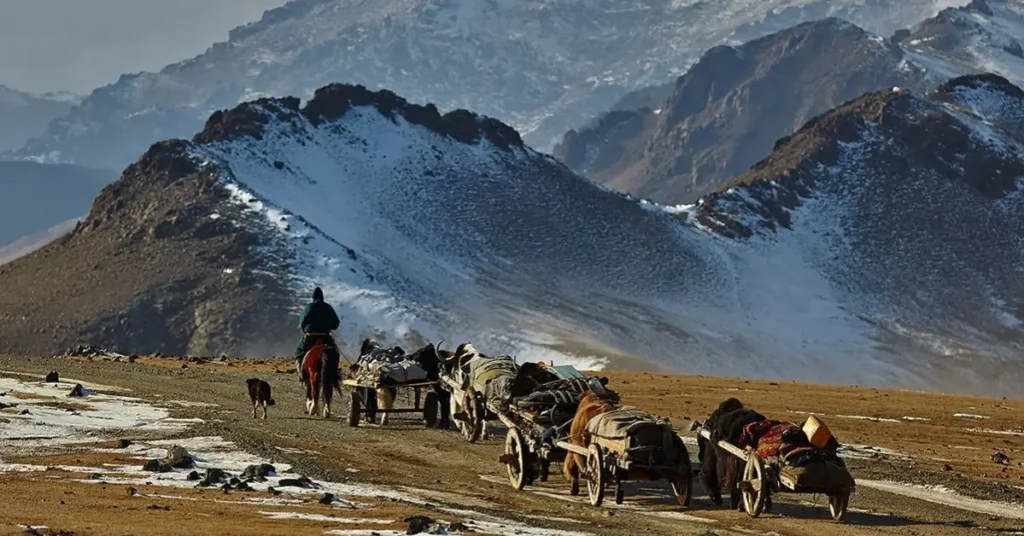
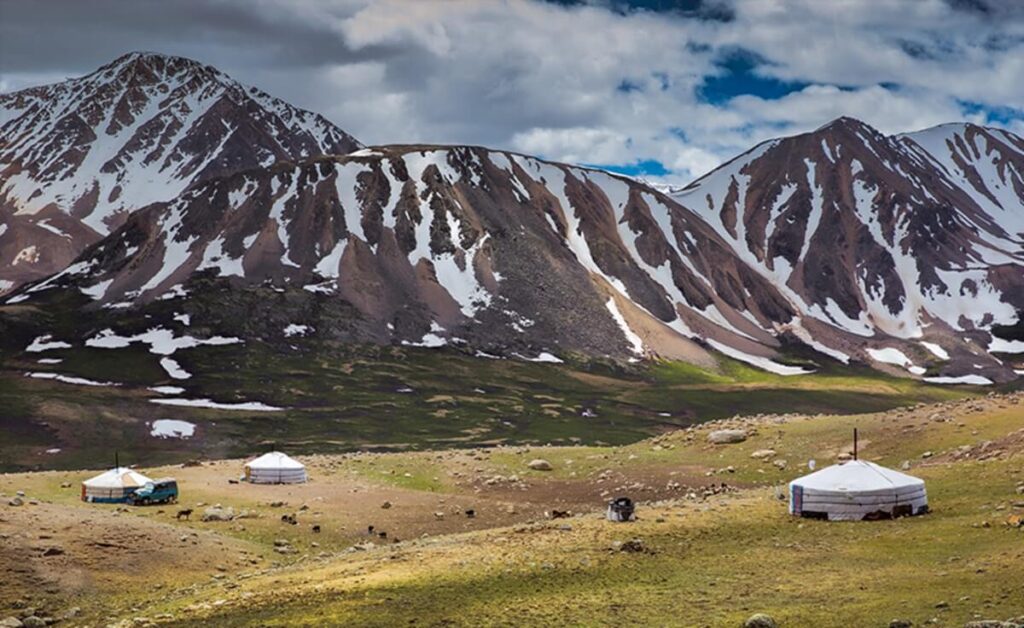
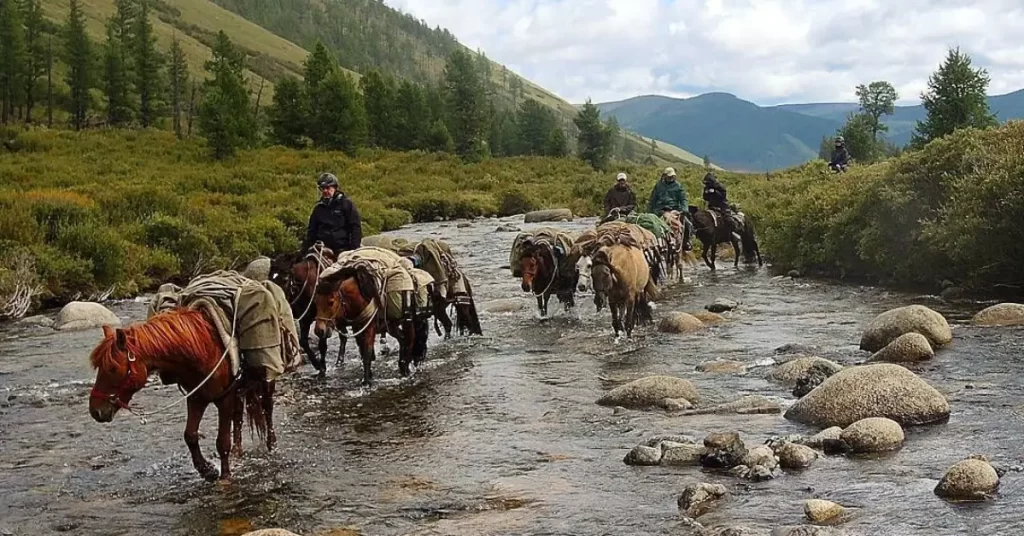
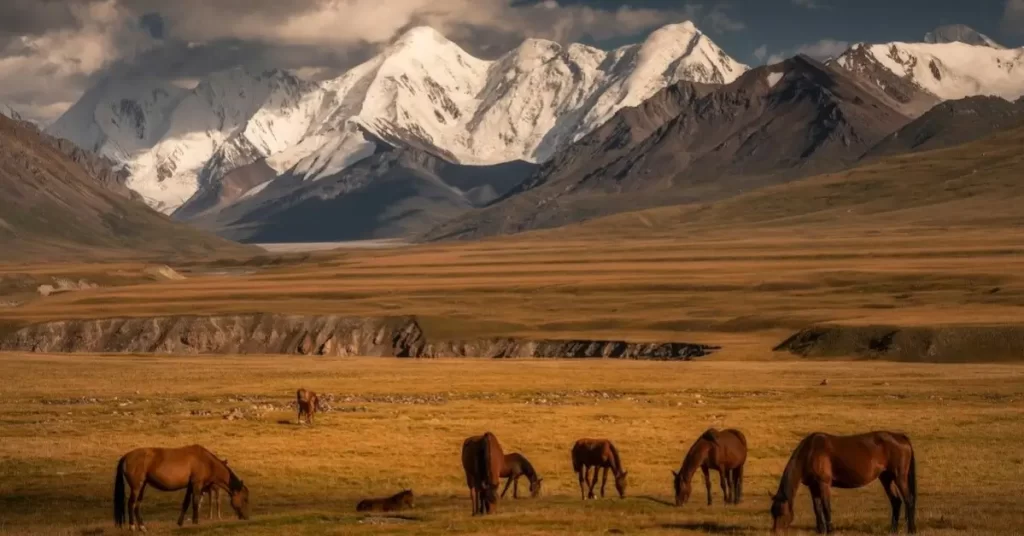
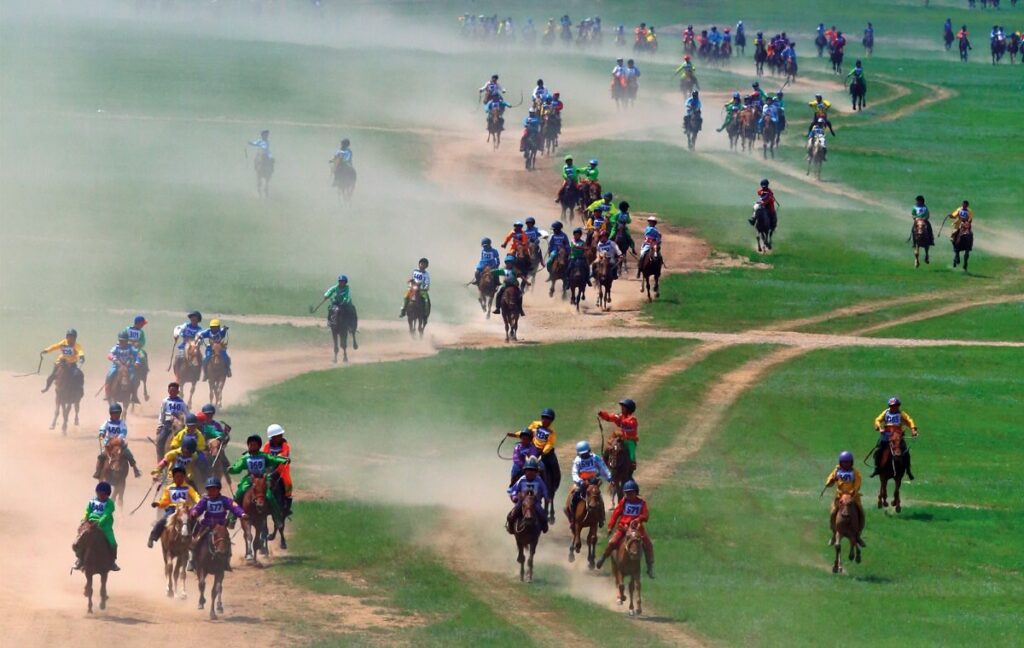
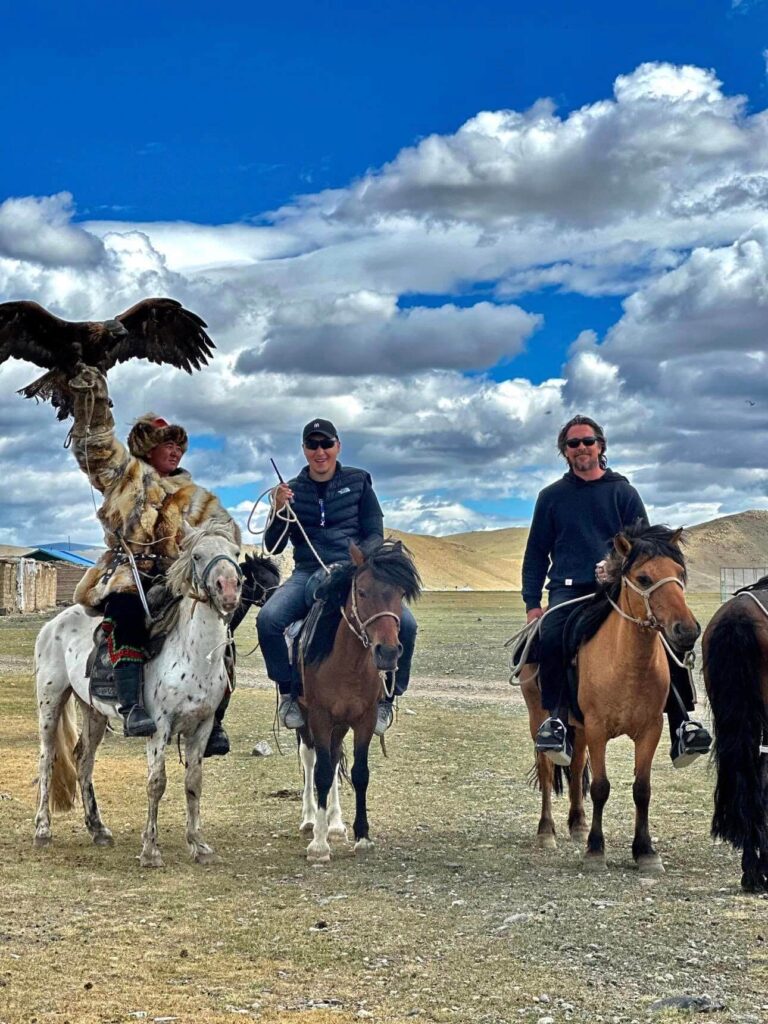
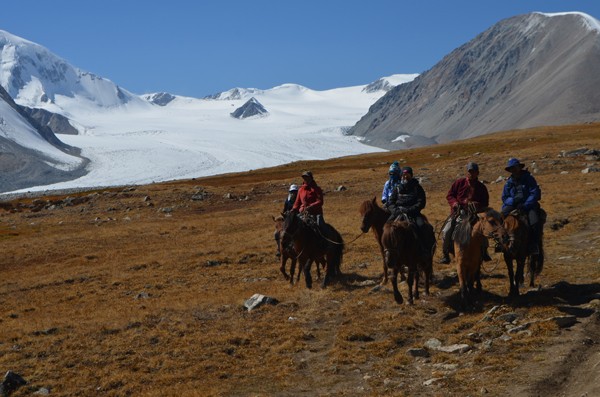
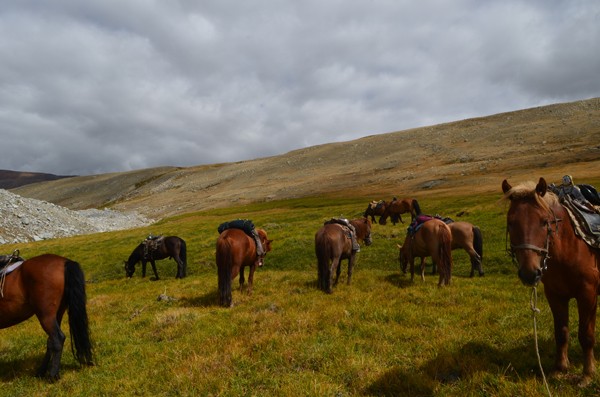
We offer you MONGOLIA HORSE TREKKING TOUR. Come and enjoy the Mongolia Horse Riding Tour. Mongolia is home to the last nomads. Mongolian Horses are the most important part of nomadic life. It will be wonderful 🤩🤩
Let’s explore five interesting facts about how this distinctive drink influences everything from daily nutrition to national festivals in Mongolia.
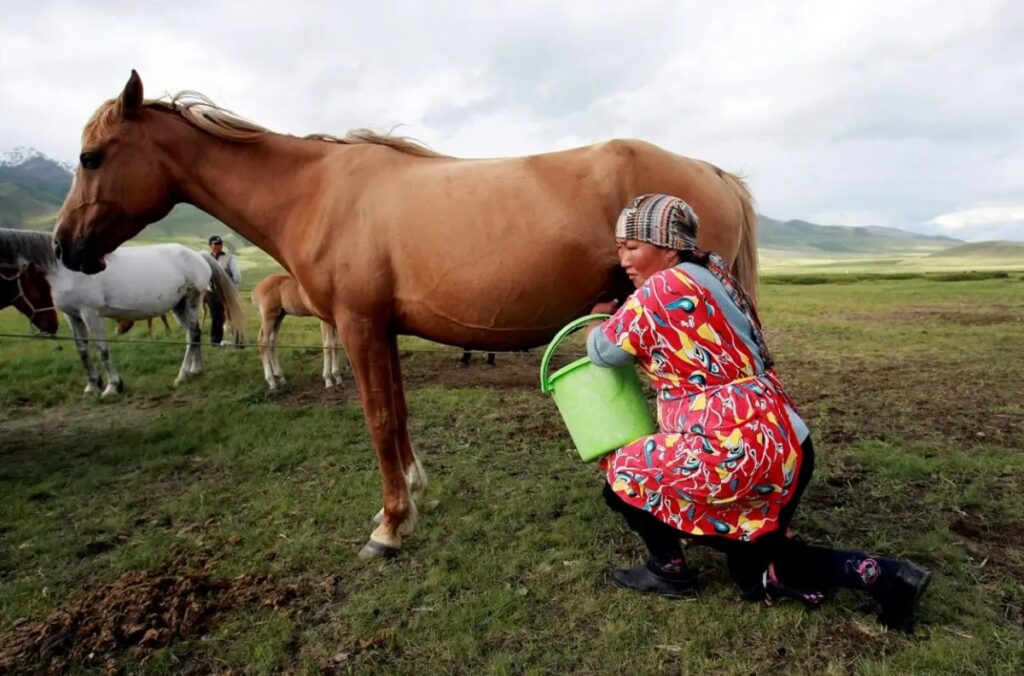
1. National Drink of Mongolia:
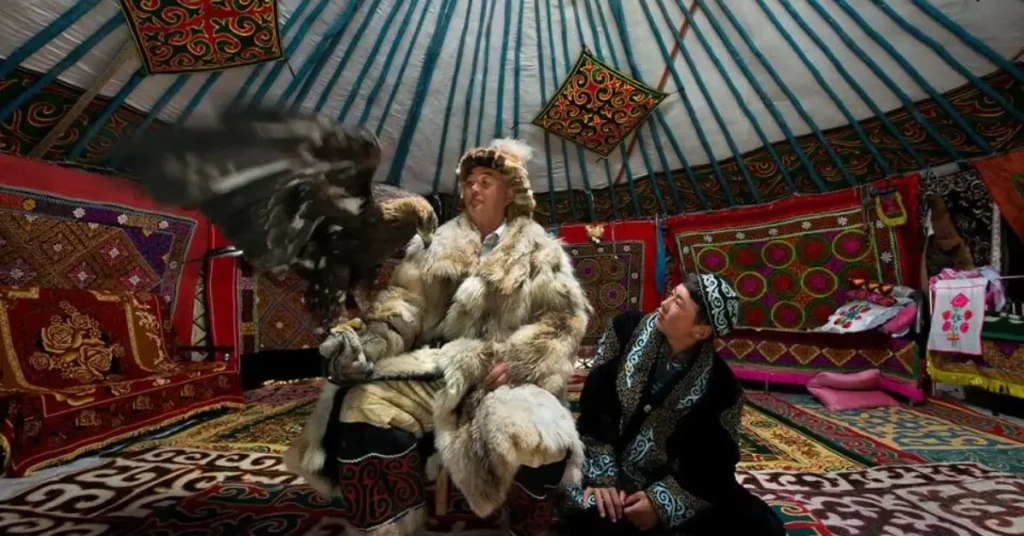
🐎 Want to experience this in person? Join our 11-Day Altai Trek (taste airag with nomad families) with local Kazakh guides — small groups, authentic experience, 5.0 stars on TripAdvisor.
Horse milk is not just any milk in Mongolia; it’s turned into a special drink called “airag.” This drink is so important in Mongolia that it’s considered the national drink.
People in Mongolia have been making and drinking airag for hundreds of years. It’s a little bit alcoholic and is made by fermenting the milk, which means letting it sit until it changes slightly in taste and composition.
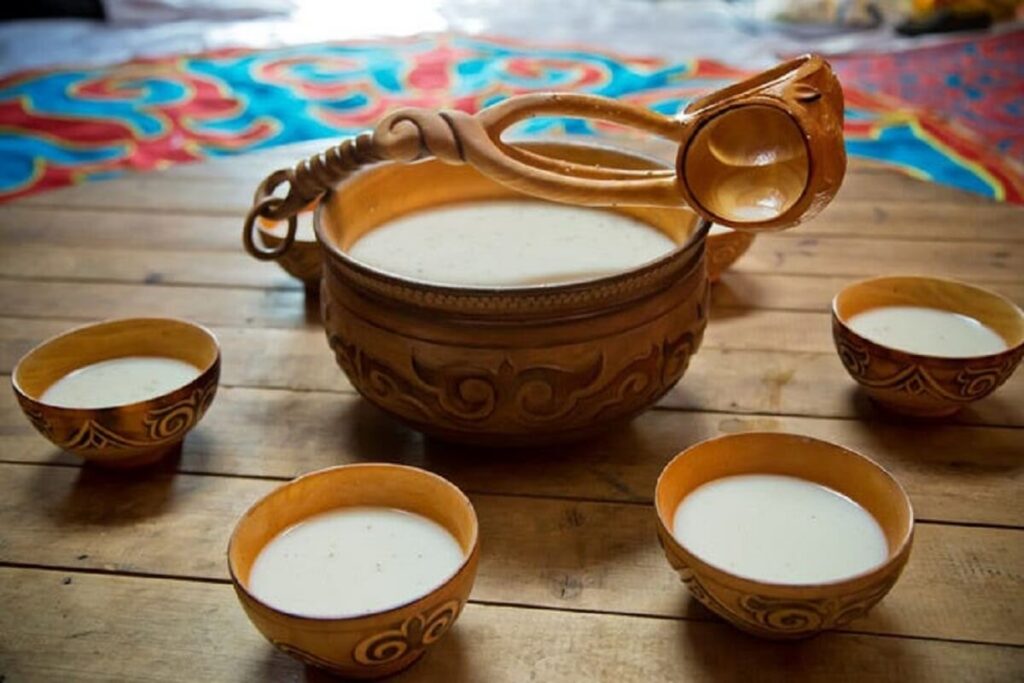
During festivals and big gatherings, airag is often shared and enjoyed among friends and family.
2. Good for Health:
Airag isn’t just popular because it tastes good; it’s also believed to be very healthy. This fermented horse milk is full of good bacteria that can help your stomach digest food better.
Plus, it has vitamins and minerals that are good for your overall health. People in Mongolia think of it as a natural way to keep healthy, which is especially important in the harsh climates and nomadic lifestyle many Mongolians live.
3. Social Activity:
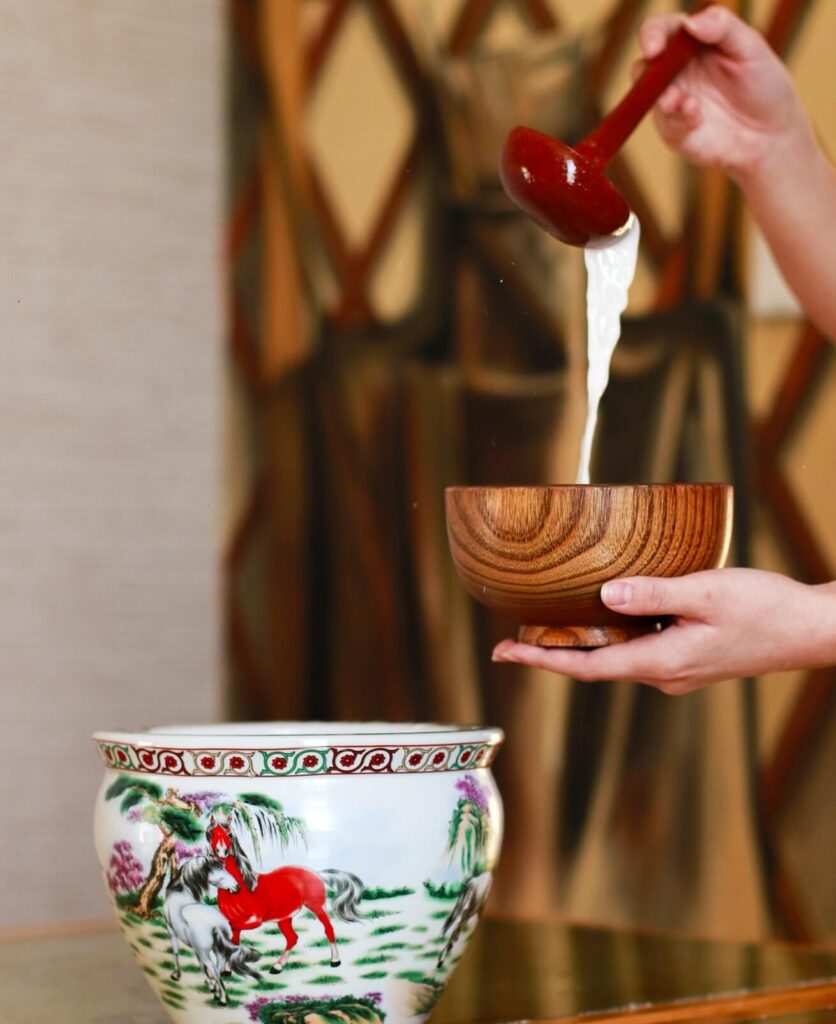
Making airag is a way for people to come together. It’s not made in factories; instead, families prepare it at home.
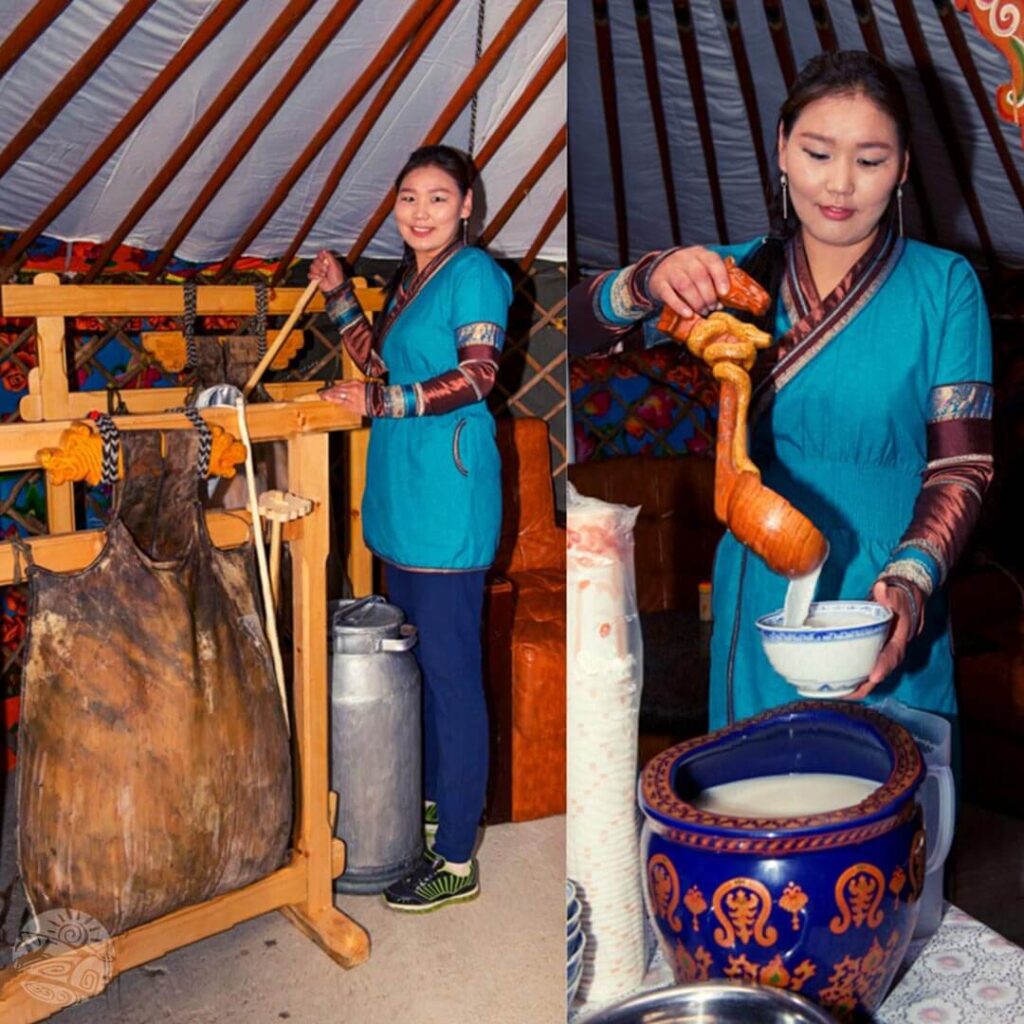
The process involves a lot of steps where family members need to work together, stirring the milk regularly over several hours.
This activity helps strengthen bonds between family members and neighbors, as they often share the responsibilities and the rewards.
4. Symbol of Hospitality:
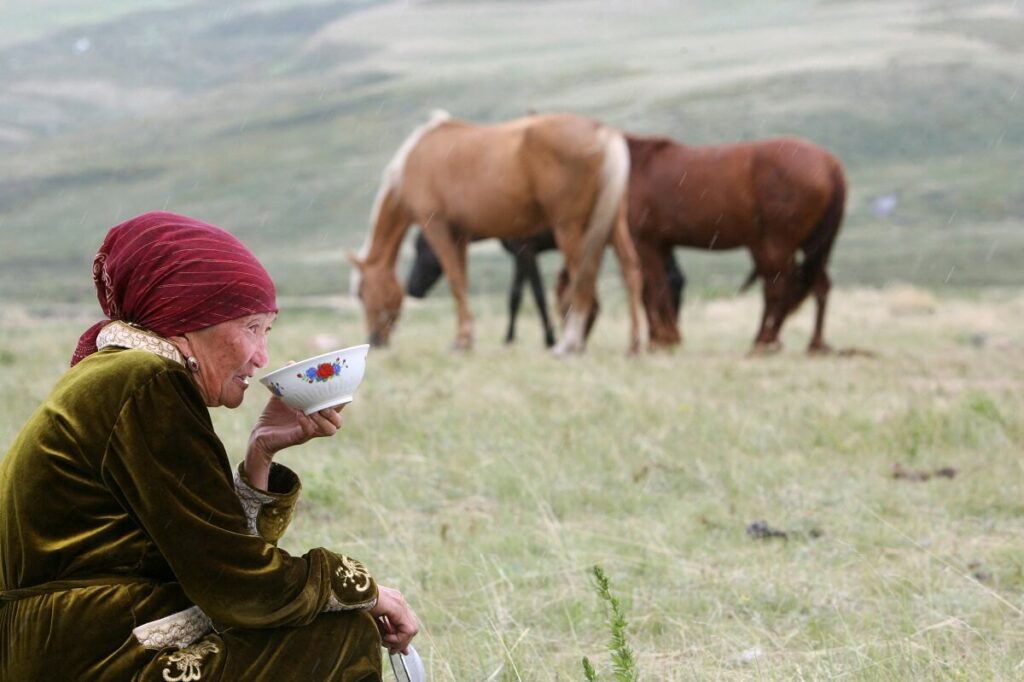
In Mongolian horse culture, offering airag to a guest is a sign of respect and hospitality. When you visit a Mongolian family, they will likely offer you a bowl of airag as a welcome gesture.
It’s a way of showing friendship and goodwill, and accepting the drink is a sign of respect towards the host’s culture and traditions.
5. Spiritual Significance:
Beyond its nutritional and social values, horse milk has spiritual importance in Mongolia. It is sometimes used in rituals and ceremonies to bring good luck and protection.
The horse itself is a revered animal in Mongolia, seen as a symbol of freedom and strength. By drinking horse milk, Mongolians connect with their heritage and the natural world, honoring the animals that play such a crucial role in their lives.
These facts show how horse milk, or airag, is much more than just a drink in Mongolia. It’s a part of their history, a boost for health, a way to bring people together, a sign of welcoming guests, and a link to the spiritual life of the country.
Suggester tour:
MONGOLIAN NOMAD MIGRATION TOUR
Unleash your adventure spirit, explore Mongolia on your own terms Mongolian Nomad Migration tour ⭐⭐⭐⭐⭐ 5.0 · 63 reviews on…Mongolian Nomadic Life Tour – Discover the Spirit of Mongolia
Unleash your adventure spirit, explore Mongolia on your own terms MONGOLIA NOMADS MIGRATION TOUR MONGOLIA NOMADS MIGRATION TOUR 10 DAYS…Mongolia Self-Drive Tour
Unleash your adventure spirit, explore Mongolia on your own terms Mongolia Self-Drive Tour Mongolia self-drive adventure: Top highlights: See Our…

Related content:
Kazakh Wedding Traditions: The Customs That Still Shape Altai Marriages
A Kazakh wedding in Mongolia’s Altai is not a single event but a sequence of ceremonies stretching over months. It…Kazakh Dombra Music: The Two-String Sound of the Altai Steppe
The dombra is the central instrument of Kazakh folk music — a long-necked, two-string plucked lute that accompanies songs, carries…Naadam in Bayan-Ölgii: How Western Mongolia’s Kazakh Province Celebrates the July Festival
Naadam is Mongolia’s national festival of “the three games of men” — wrestling, horse racing, and archery — held nationally…



Nutritional Composition: What Makes Horse Milk Unique?
Protein content and composition: Mare’s milk contains approximately 2.0-2.5% protein, significantly lower than cow’s milk (3.2-3.5%), but with higher albumin and globulin content, making it more similar to human breast milk in composition
Fat and lactose levels: Mare’s milk has approximately 1.0-2.0% fat content (compared to 3.5-5.0% in cow’s milk) and 6.0-7.0% lactose, contributing to its slightly sweet taste and easier digestibility
Vitamin and mineral profile: Rich in vitamin C (10-15 mg/100ml compared to 1-2 mg/100ml in cow’s milk), vitamin A, B vitamins, and essential minerals including calcium, magnesium, and iron
Comparison table recommendation: Create a side-by-side nutritional comparison table of mare’s milk vs. cow’s milk vs. human milk to visualize the unique composition
Archaeological Evidence: 5,500 Years of Horse Milk Consumption
Botai settlement discovery: Archaeological excavations at the Botai settlement in northern Kazakhstan revealed ceramic vessels with residues of mare’s milk fat dating to approximately 3,500 BCE (5,500 years ago), providing the earliest evidence of horse domestication and milk consumption
Significance for nomadic cultures: This discovery demonstrates that mare’s milk was not only consumed by adults but also used to feed children, suggesting it was a crucial nutritional resource for early nomadic societies on the Eurasian steppe
Spread beyond Central Asia: By the early 20th century, mare’s milk gained recognition in Western Europe, with door-to-door delivery services in Germany and widespread consumption in Belgium, France, the Netherlands, and Norway for its therapeutic properties
From Saumal to Kymyz: Different Forms of Horse Milk
Fresh mare’s milk (Saumal): Consumed fresh immediately after milking, saumal has a slightly sweet taste and is valued for its high vitamin C content and digestive benefits; traditionally consumed during the summer milking season from May to September
Fermented mare’s milk (Kymyz/Airak): Created through natural fermentation in horse-skin bags over 2-4 days, kymyz develops a tangy, slightly alcoholic (typically 1-3% alcohol content) and frothy character due to lactic acid bacteria and yeasts; known as “kymyz” in Kazakhstan and Kyrgyzstan, and “airak” in Mongolia
Preparation methods: Traditional fermentation involves storing fresh milk in a saba (horse-hide vessel) and stirring regularly to incorporate air and encourage bacterial growth; modern production sometimes uses wooden churns or mechanical equipment [NEEDS SOURCE for specific kymyz preparation – UNESCO link is for aitys performance art]
Regional terminology variations: While Mongolians call it airak, Kazakhs and Kyrgyz use kymyz, Turkmen say chal, and Russians adopted the term kumis/koumiss when it became popular in sanatoriums
Scientific Research: Therapeutic Benefits for Modern Health Conditions
Digestive system benefits: Clinical studies have shown mare’s milk consumption can reduce pain symptoms and lower blood cytolysis levels in patients with chronic digestive disorders and metabolism-associated hepatitis, making it an effective complementary treatment alongside conventional therapies
Diabetes management potential: Research indicates mare’s milk can help reduce glucose intolerance and normalize blood sugar levels in pre-diabetic individuals, attributed to its balanced protein and natural sugar composition
Liver cirrhosis treatment: Due to its high albumin content, mare’s milk provides a natural dietary source of this essential protein that cirrhosis patients typically receive intravenously, while also helping reduce cholesterol levels
Immune system support: The immunological compounds present in mare’s milk help protect against infections while providing essential minerals and vitamins, making it beneficial for overall immune function [NEEDS SOURCE for specific immunological compounds beyond the general Astana Times article]
How to Experience Horse Milk During Your Mongolia Visit
Seasonal availability: Mare’s milk is primarily available during the summer months (late May through early September) when mares are lactating; this is the traditional milking season across the Mongolian steppe when nomadic families produce both fresh and fermented products
Where to try it: Visitors can experience authentic horse milk by staying with nomadic families in the countryside, visiting local naadam festivals where kymyz is ceremonially served, or purchasing it at Ulaanbaatar’s markets such as Naran Tuul and organic food shops [NEEDS SOURCE for specific market locations]
Etiquette and customs: When offered horse milk by Mongolian hosts, it’s customary to accept with your right hand or both hands as a sign of respect; taking at least a small sip is considered polite even if the taste is unfamiliar
Taste expectations: Fresh saumal has a slightly sweet, watery consistency with a hint of grassy flavor, while fermented kymyz is tangy, effervescent, and slightly sour with a thin yogurt-like texture—an acquired taste for most Western palates
Is horse milk safe to drink for people with lactose intolerance?
Horse milk may be better tolerated by some individuals with lactose intolerance compared to cow’s milk, though it still contains lactose (approximately 6.0-7.0%, actually higher than cow’s milk at 4.5-5.0%). However, the fermented form (kymyz) has reduced lactose content due to bacterial fermentation that breaks down lactose into lactic acid, making it potentially easier to digest. The protein composition of mare’s milk is also closer to human milk, with smaller protein molecules that may cause fewer digestive issues. However, individuals with severe lactose intolerance should introduce it gradually and consult with a healthcare provider first. [NEEDS SOURCE for specific lactose intolerance tolerance claims]
How does horse milk taste compared to cow’s milk?
Fresh horse milk (saumal) tastes noticeably different from cow’s milk—it’s sweeter due to higher lactose content, with a thinner, more watery consistency and a subtle grassy or hay-like undertone. The fermented version (kymyz or airak) has a tangy, slightly sour flavor similar to thin yogurt or buttermilk, with a fizzy, effervescent quality from natural carbonation during fermentation. The taste also carries a mild alcoholic note (1-3% alcohol content) and can be described as refreshing but definitely an acquired taste for those unfamiliar with fermented dairy products. Most visitors to Mongolia find it unusual at first but appreciate its cultural significance and refreshing qualities during hot summer days.
Can I buy horse milk products outside of Mongolia?
Horse milk products are increasingly available internationally, though they remain specialty items. In Europe, particularly Germany, the Netherlands, and Belgium, you can find mare’s milk in health food stores, some pharmacies, and specialized online retailers, often marketed for its therapeutic properties. It’s available fresh (requiring refrigeration), as freeze-dried powder, or in capsule form. In North America and other regions, options are more limited but growing, with powdered mare’s milk supplements available through international online retailers. However, fresh mare’s milk remains difficult to find outside Central Asia and Europe due to limited production, strict transport requirements, and short shelf life. [NEEDS SOURCE for international availability – this is general knowledge but needs verification for specific claims]
How much horse milk should I drink for health benefits?
Traditional consumption patterns in Mongolia and Kazakhstan suggest drinking 200-500ml (approximately 1-2 cups) of fresh or fermented mare’s milk daily during the summer season for general wellness benefits. In clinical studies examining therapeutic effects for digestive disorders and hepatitis, patients typically consumed 250-500ml daily over several weeks. However, it’s important to start with smaller amounts (100ml or less) to allow your digestive system to adjust, especially if you’re unaccustomed to fermented dairy products. For visitors trying kymyz in Mongolia, a single ceremonial bowl (typically 150-200ml) is the standard serving. Anyone considering mare’s milk for specific health conditions should consult with a healthcare provider for personalized guidance. [NEEDS SOURCE for specific dosage recommendations from clinical studies]
What’s the difference between horse milk and camel milk?
Both horse milk and camel milk are traditional nomadic beverages with similar cultural significance, but they differ notably in composition and taste. Camel milk has higher fat content (3.0-5.0% vs. 1.0-2.0% in horse milk), giving it a creamier texture and richer taste. Horse milk has higher lactose content, making it sweeter and more similar to human breast milk in composition. Nutritionally, camel milk is higher in vitamin C and iron, while horse milk is particularly high in albumin and has a more balanced amino acid profile. Both are fermented in Central Asian cultures (camel milk becomes shubat in Kazakhstan), but horse milk fermentation produces more carbonation and a tangier flavor. In Mongolia, horse milk is more culturally central and widely available, while camel milk is primarily found in the Gobi desert regions. [NEEDS SOURCE for specific comparative nutritional data]