
For a trip to rural Mongolia, most travel clinics recommend being up to date on routine vaccines, plus hepatitis A and typhoid. For remote regions like the Altai, many also advise pre-exposure rabies vaccination, because treatment after a bite may only be available in larger cities, and tick-borne encephalitis if you will hike, camp or ride in summer. Yellow fever vaccination is not required and there is no malaria in Mongolia. See a travel clinic 6–8 weeks before departure for advice tailored to you.
Key Takeaways
- Routine vaccines: MMR, tetanus-diphtheria, polio and flu should be up to date
- Most travellers: hepatitis A and typhoid
- Remote Altai trips: consider pre-exposure rabies vaccination
- Summer hiking and camping: ask about tick-borne encephalitis (TBE)
- Not needed: yellow fever vaccine, malaria tablets
- Timing: visit a travel clinic 6–8 weeks before departure
Mongolia is a healthy destination for most travellers: dry air, little traffic outside Ulaanbaatar and no malaria. But trips to the Altai mean remote valleys, close contact with animals and long distances from hospitals. That makes the right vaccines more important than on a city break. Here’s an overview of Mongolia travel vaccines and why each one matters.
This article is general information, not medical advice. See a travel medicine clinic 6–8 weeks before departure. They will tailor recommendations to your health, your itinerary and the latest guidance from authorities such as the CDC, WHO or your national health service.
Routine vaccines
Make sure your standard vaccinations are up to date: measles-mumps-rubella (MMR), tetanus-diphtheria-pertussis, polio and seasonal flu. COVID-19 vaccination follows your home country’s guidance.
Recommended for most travellers
Hepatitis A
Spread through contaminated food and water. Health authorities recommend it for most travellers to Mongolia. It’s a simple vaccine with long-lasting protection.
Typhoid
Also spread through food and water, and commonly recommended, especially if you’ll eat in rural areas or with nomadic families. Available as an injection or oral capsules.
Strongly worth considering for the Altai
Rabies
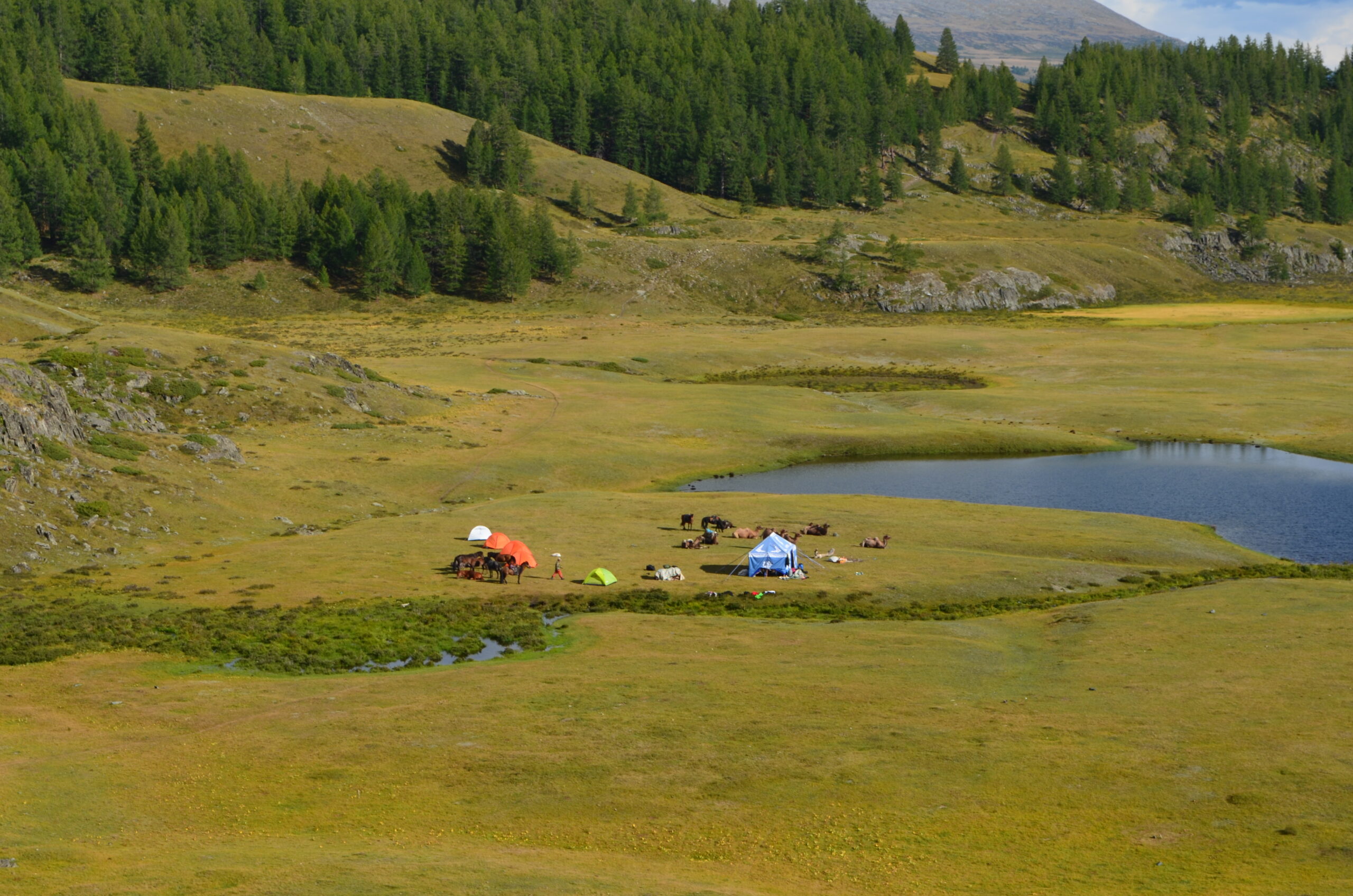
Mongolia is considered a high-risk rabies country. Dogs guard every ger camp, and travellers may also come into contact with horses, camels, foxes, wolves and bats. More importantly, rabies treatment after a bite may only be available in larger cities, and in western Mongolia that can be a long journey away.
Pre-exposure vaccination is often recommended for:
- Trekkers and horse riders in remote areas
- Travellers staying with nomadic families
- Longer trips, and anyone working with animals
Even if vaccinated, any bite or scratch needs immediate cleaning and medical follow-up.
Tick-borne encephalitis (TBE)
Ticks are active in Mongolia’s forests and grasslands from spring to autumn. TBE vaccination may be recommended if you’ll be hiking, camping or riding in rural areas in summer. Use insect repellent, wear long trousers and check for ticks every day. The vaccine needs several weeks to take effect, so start early.
Hepatitis B
Recommended depending on your personal situation, length of stay and possible exposure, for example to medical treatment.
Not needed
- Yellow fever: not required for Mongolia.
- Malaria tablets: malaria is not present in Mongolia.
Timing your vaccinations
| Vaccine | Plan ahead |
|---|---|
| Hepatitis A, typhoid | At least 2 weeks before travel |
| Rabies (pre-exposure) | Several weeks before. Usually 2–3 doses. |
| Tick-borne encephalitis | Start 1–3 months ahead. Multiple doses. |
| Hepatitis B | Ideally months ahead. Accelerated schedules exist. |

Other health tips for western Mongolia
- Altitude: trekking around Altai Tavan Bogd reaches 3,000–4,000 m. Ascend gradually. See altitude sickness remedies and How hard is the Altai Tavan Bogd trek?
- Water: treat all water from streams and lakes. See water sources on the trek.
- Food: rural food is meat and dairy heavy. Bring rehydration salts and basic stomach medication.
- Sun: UV is strong at altitude. Pack high-SPF sunscreen and sunglasses.
- Insurance: make sure it covers remote evacuation. See Mountain rescue in Mongolia.
A basic first-aid kit
- Plasters, blister care, antiseptic wipes and bandages
- Painkillers and anti-inflammatories
- Rehydration salts and anti-diarrhoea tablets
- Antihistamines
- Your personal prescription medicines (with a copy of the prescription)
- Tick remover and insect repellent
We plan our Altai routes with acclimatisation and safety in mind. Questions about your health and an Altai trip? Contact us, and talk to your doctor.
Suggested Tours:
Suggested Blogs:
Mongolia vs Kyrgyzstan: Which Nomad Adventure Is Right for You?
Choose Mongolia for true wilderness, very few other travellers, Kazakh eagle hunters, glaciers in the Altai and deep nomadic immersion…Self-Guided vs Guided Trekking in Mongolia: Which One Actually Fits Your Trip?
For roughly 90% of international hikers, a fully-guided Mongolia trekking tour is the right format — the supported 11-day package…How Hard Is the Altai Tavan Bogd Trek? Fitness, Altitude, and an Honest Reality Check
The standard 11-day Altai Tavan Bogd trek is graded “moderate” by Mongolian operators and by international trekking standards. You will…


What vaccines do I need for Mongolia?
Most travellers should be up to date on routine vaccines and are commonly advised to get hepatitis A and typhoid. Rabies, tick-borne encephalitis and hepatitis B may be recommended depending on your itinerary, length of stay and activities. A travel clinic can tailor the advice.
Is rabies a risk in Mongolia?
Yes. Mongolia is considered a high-risk rabies country, with many dogs at herder camps and contact possible with other animals. Post-exposure treatment may only be available in larger cities, which is why pre-exposure vaccination is often recommended for remote trips.
Do I need malaria tablets for Mongolia?
No. Malaria is not present in Mongolia, and yellow fever vaccination is not required.
When should I get vaccinated before my trip?
Ideally 6–8 weeks before departure. Some vaccines, such as rabies and tick-borne encephalitis, need several doses spread over weeks.