
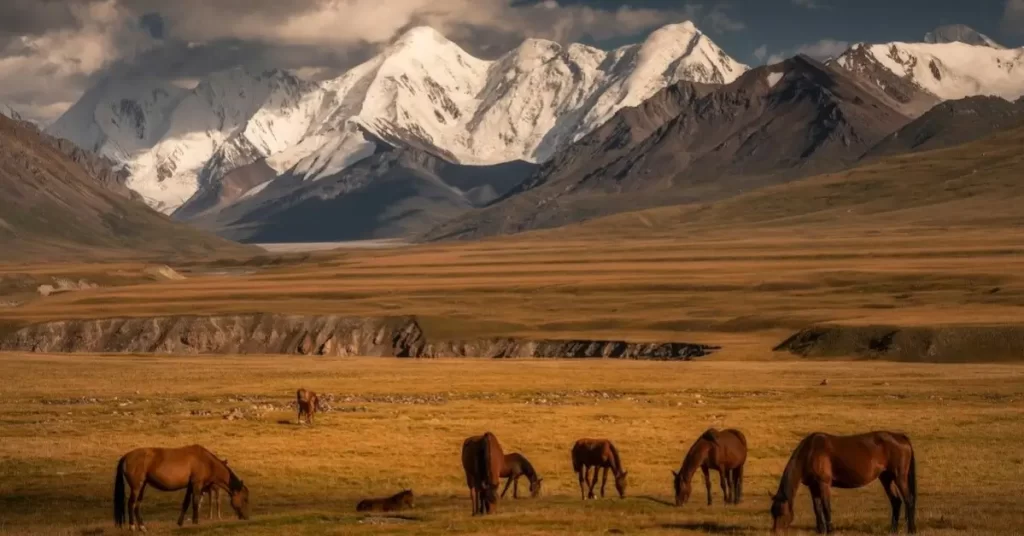
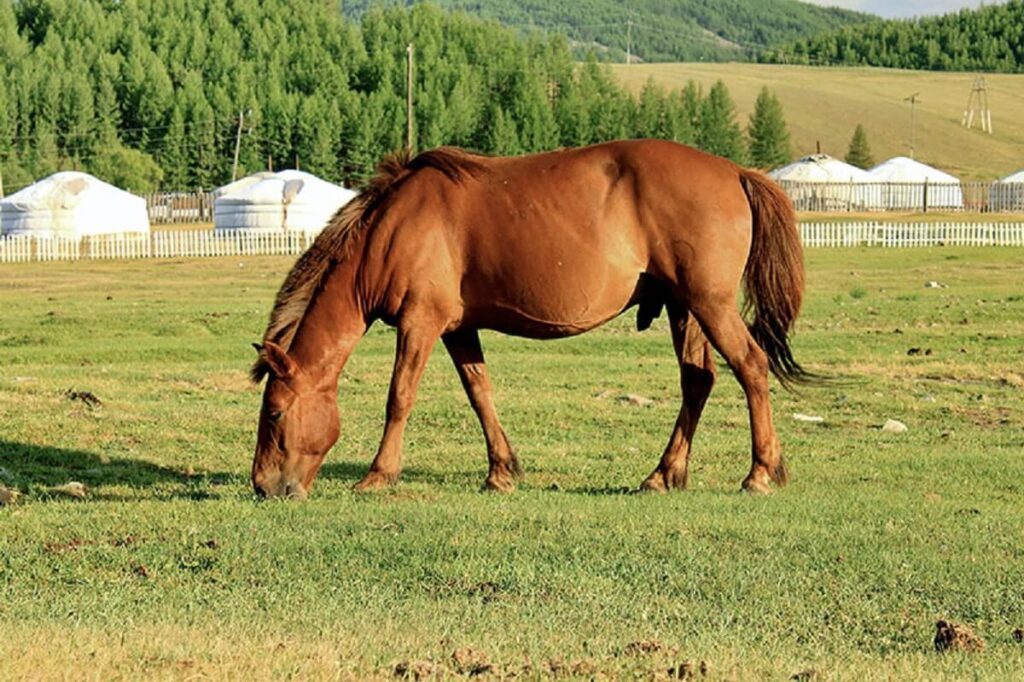
Horse Symbolism in Mongolian Culture – In Mongolia, horses are much more than just animals; they symbolize freedom, power, and are vital to the nomadic lifestyle. This deep respect for horses is vividly expressed in Mongolian art, where they are not just featured but revered.
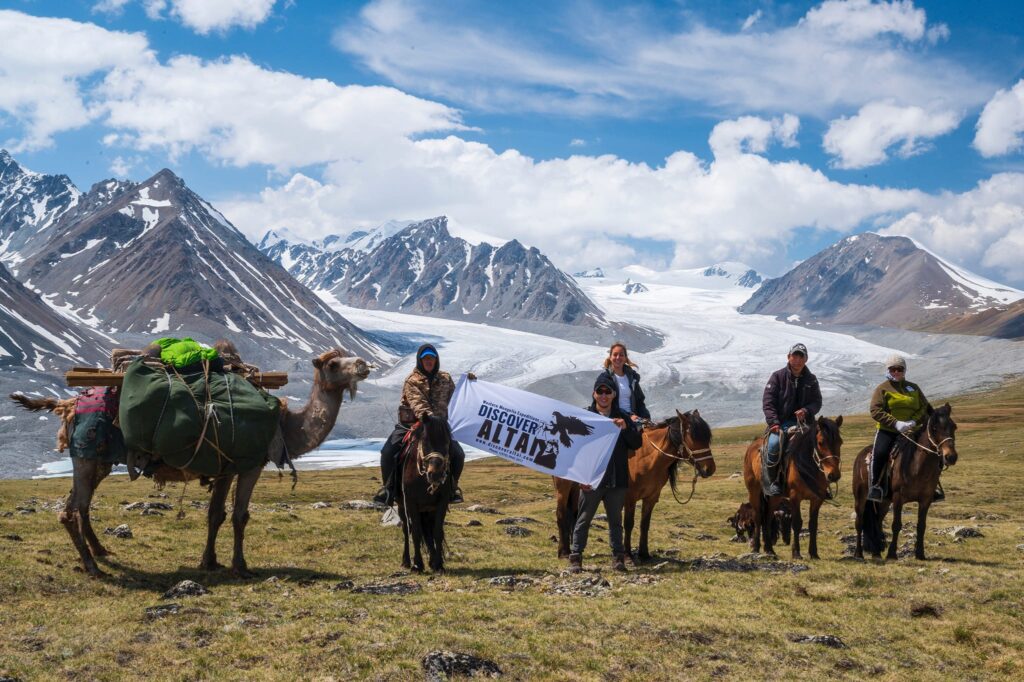
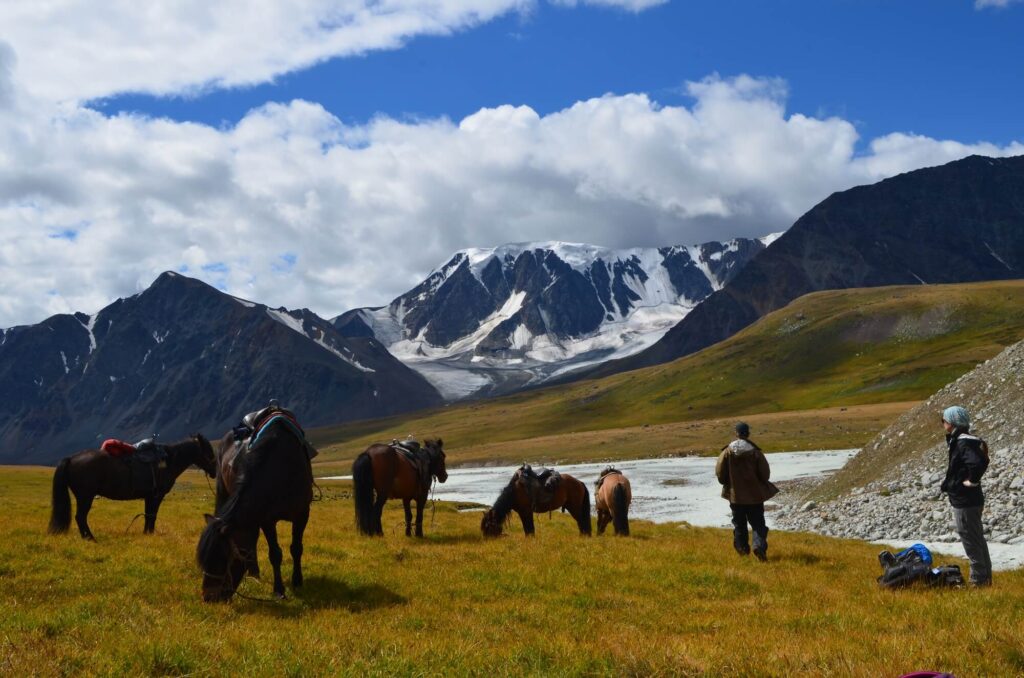
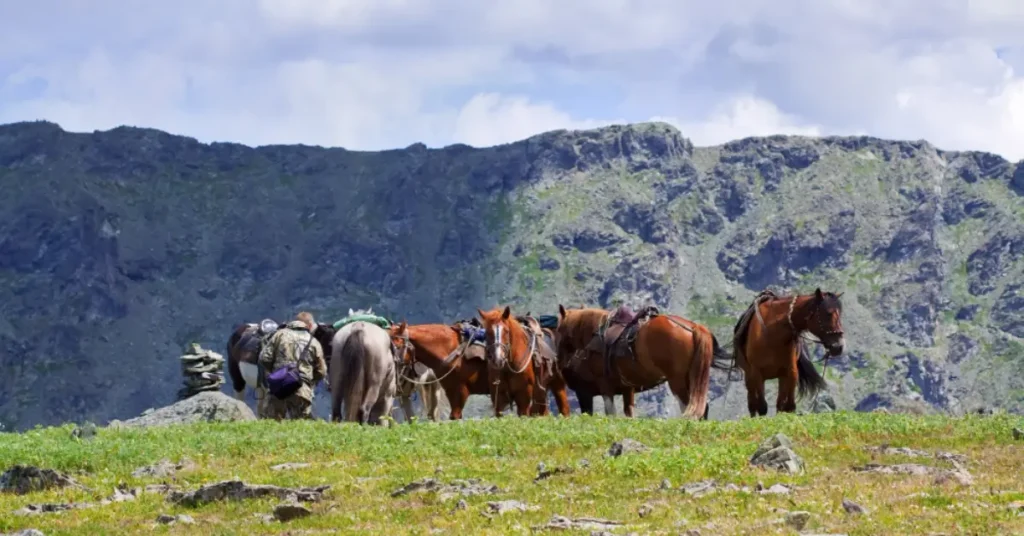
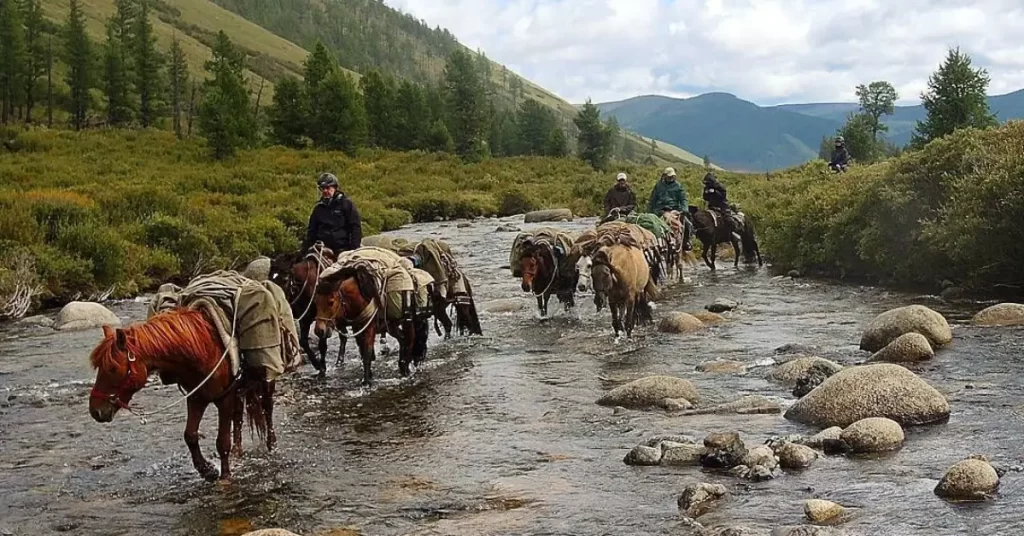
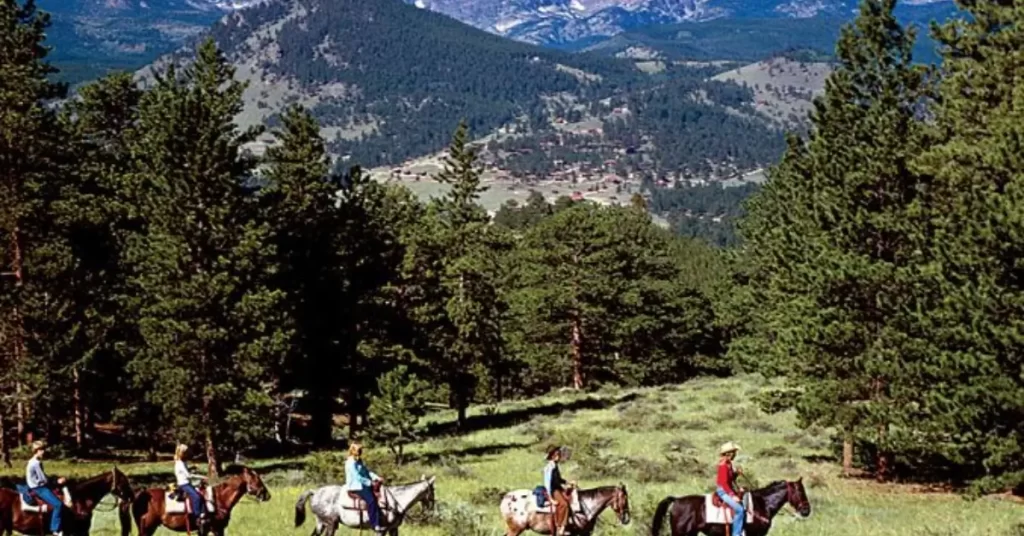
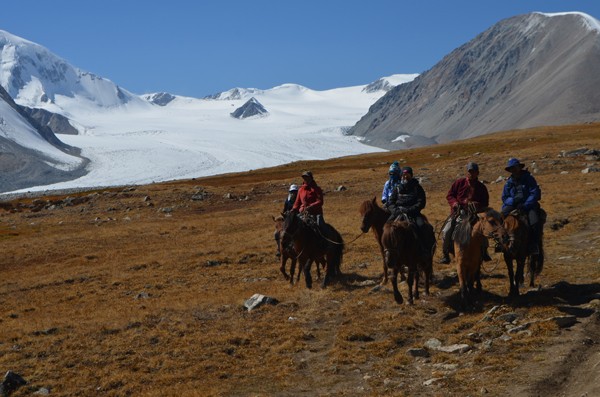
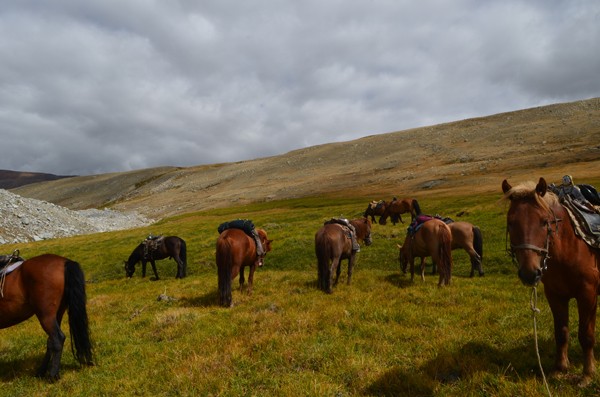
We offer you MONGOLIA HORSE TREKKING TOUR. Come and enjoy the Mongolia Horse Riding Tour. Mongolia is home to the last nomads. Mongolian Horses are the most important part of nomadic life. It will be wonderful 🤩🤩
Horses in Traditional Mongolian Art
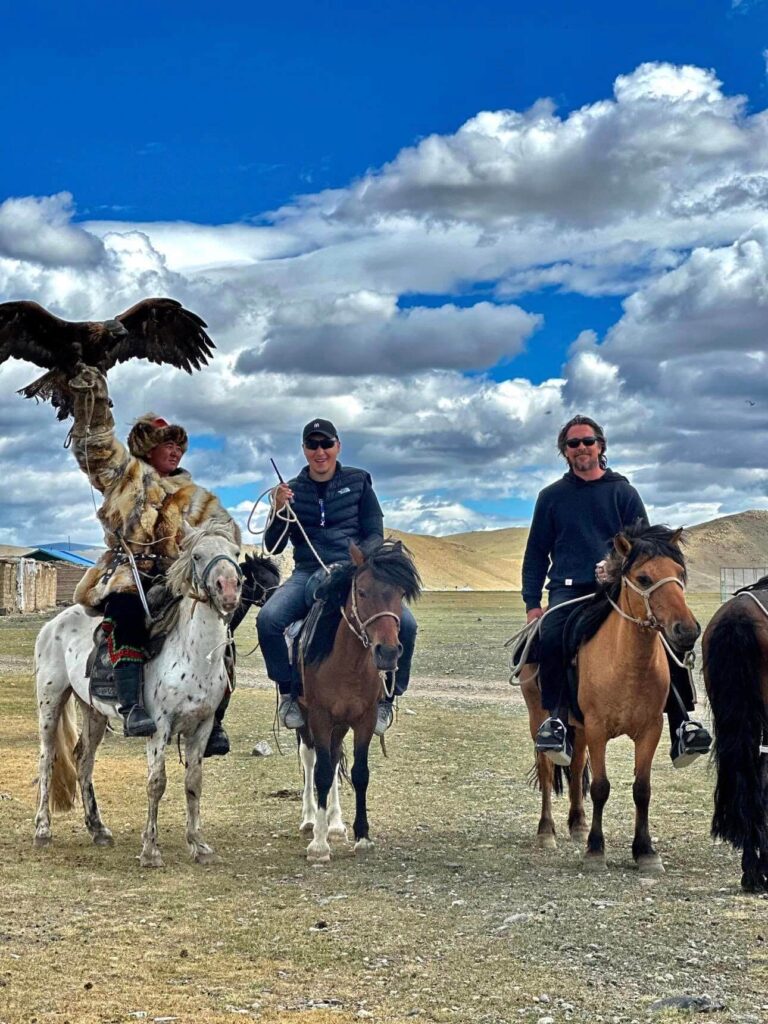
🐎 Want to experience this in person? Join our 11-Day Altai Horse-Supported Trekking Tour with local Kazakh guides — small groups, authentic experience, 5.0 stars on TripAdvisor.
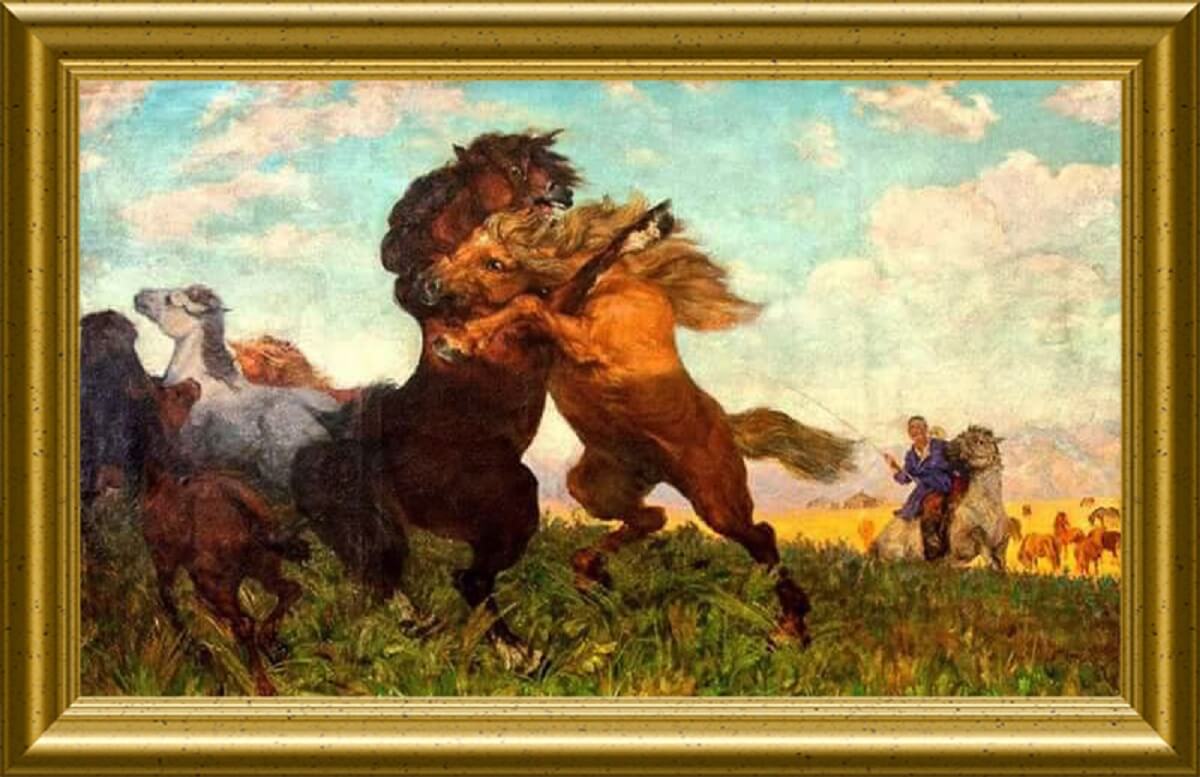
Traditional Mongolian art, such as Thangka paintings and intricate tapestries, often depicts horses. These art pieces not only showcase the beauty and agility of horses but also their spiritual importance.
In these artworks, horses are usually shown as dynamic and powerful, soaring through skies or galloping freely across vast landscapes, representing the unlimited freedom of the Mongolian steppes.
Horses in Mongolian Folklore and Literature
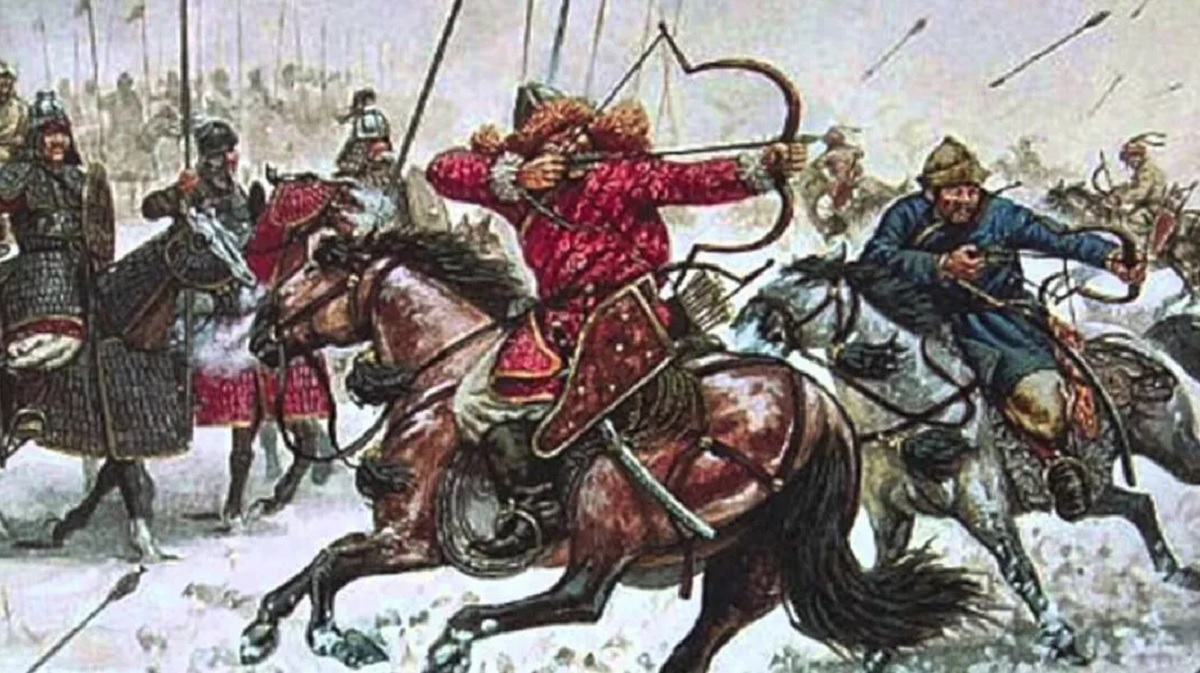
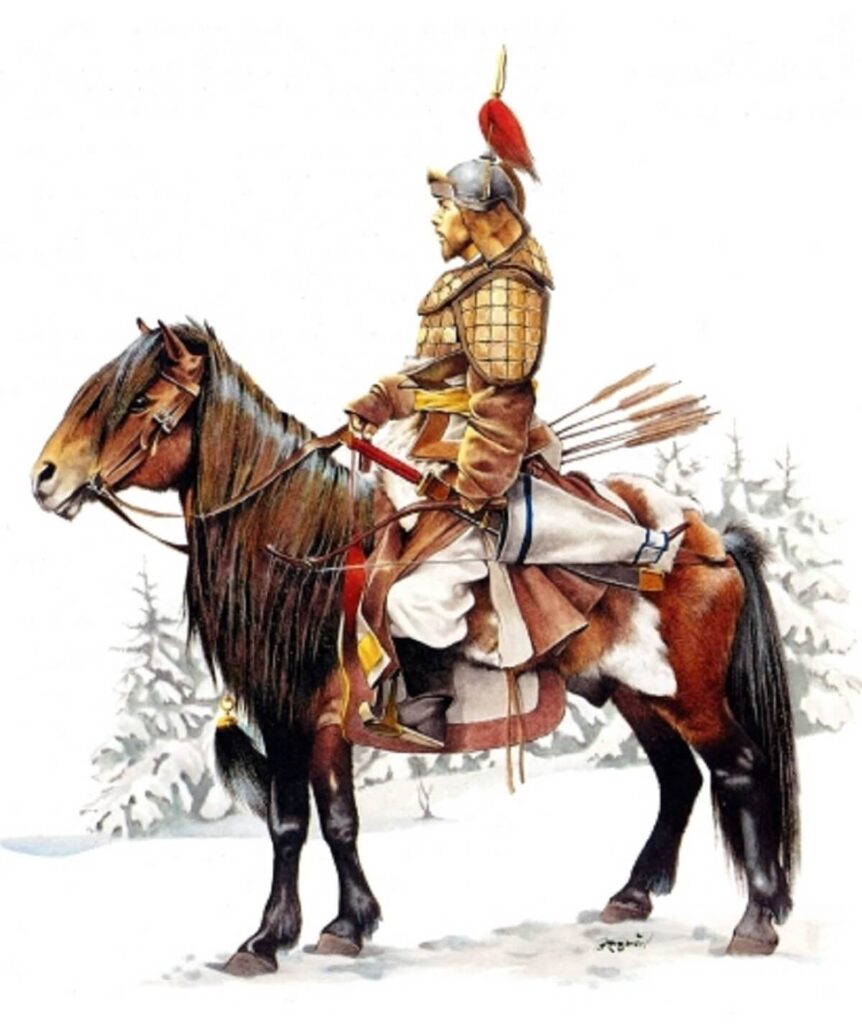
Horses also hold a prominent place in Mongolian folklore and literature. In the “Secret History of the Mongols,” horses are more than just mounts; they are heroic figures, crucial to the survival and success of their riders.
These stories often portray horses with almost mystical qualities, highlighting their intelligence, loyalty, and supernatural abilities.
Musical and Dance Representations
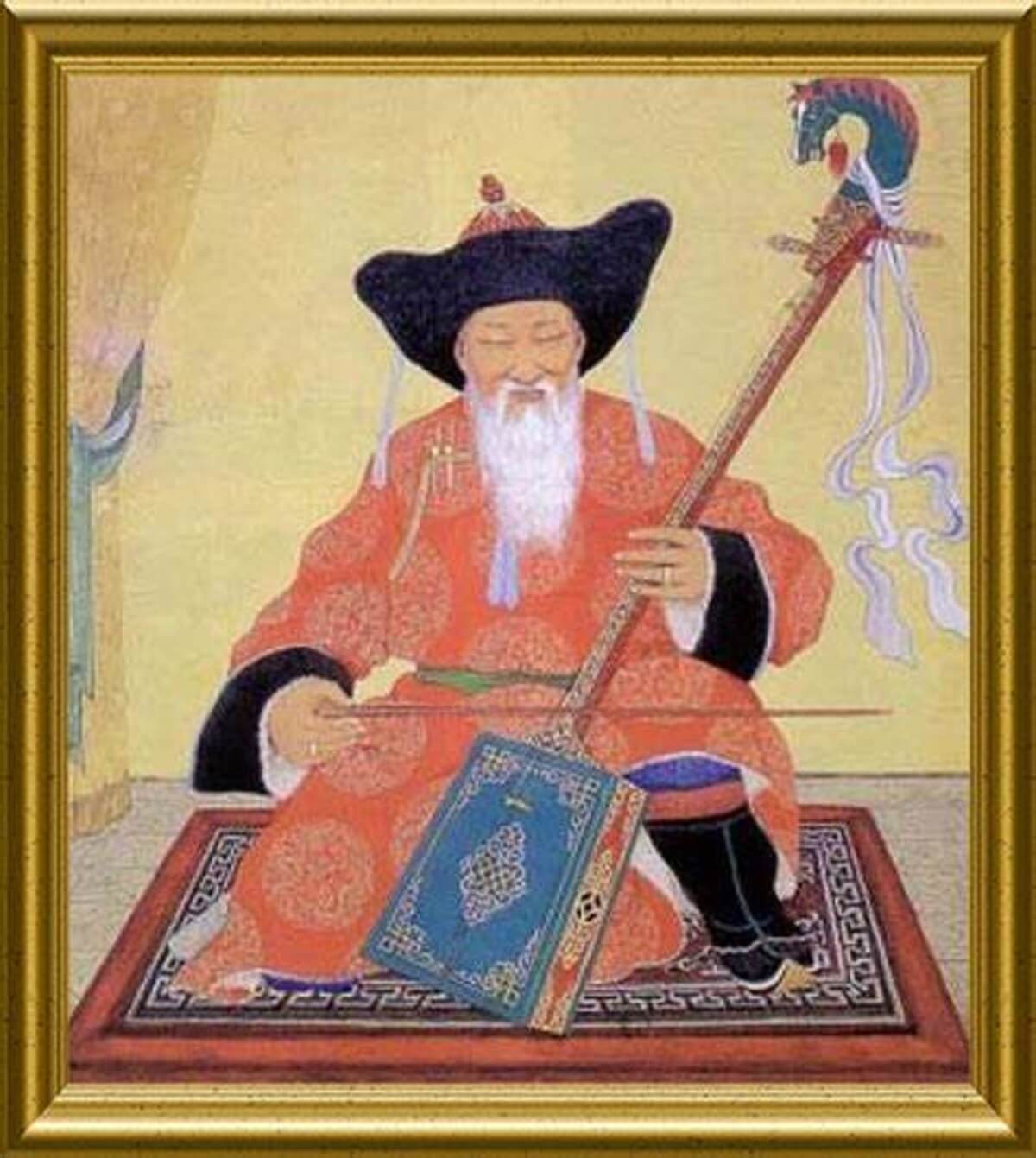
The significance of horses extends into Mongolian music, particularly through the Morin Khuur, or the horse-head fiddle.
This unique instrument is topped with a carved horse head and produces sounds reminiscent of a horse’s neighing and galloping, symbolizing the animal’s role in Mongolian life.
It is played during various ceremonies and festivals, emphasizing the horse’s ongoing presence in both spiritual and everyday aspects of Mongolian culture.
Horse Racing in Mongolian Festivals
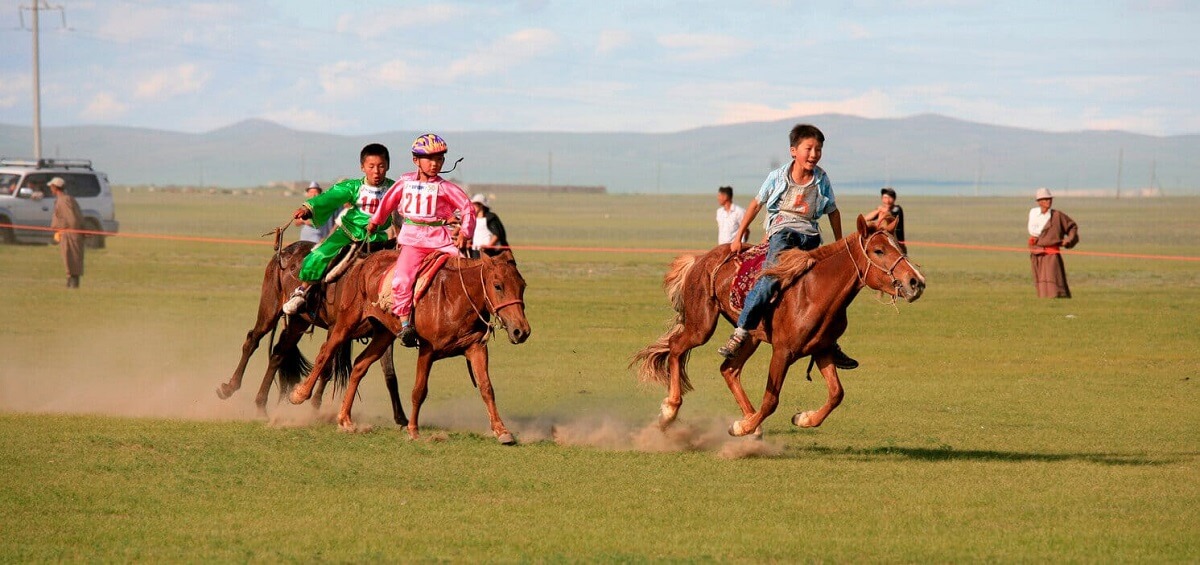
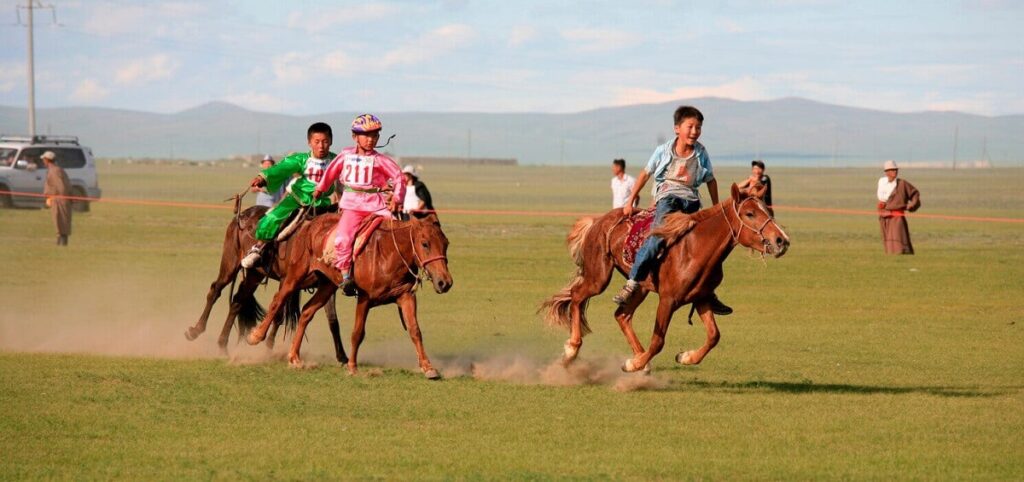
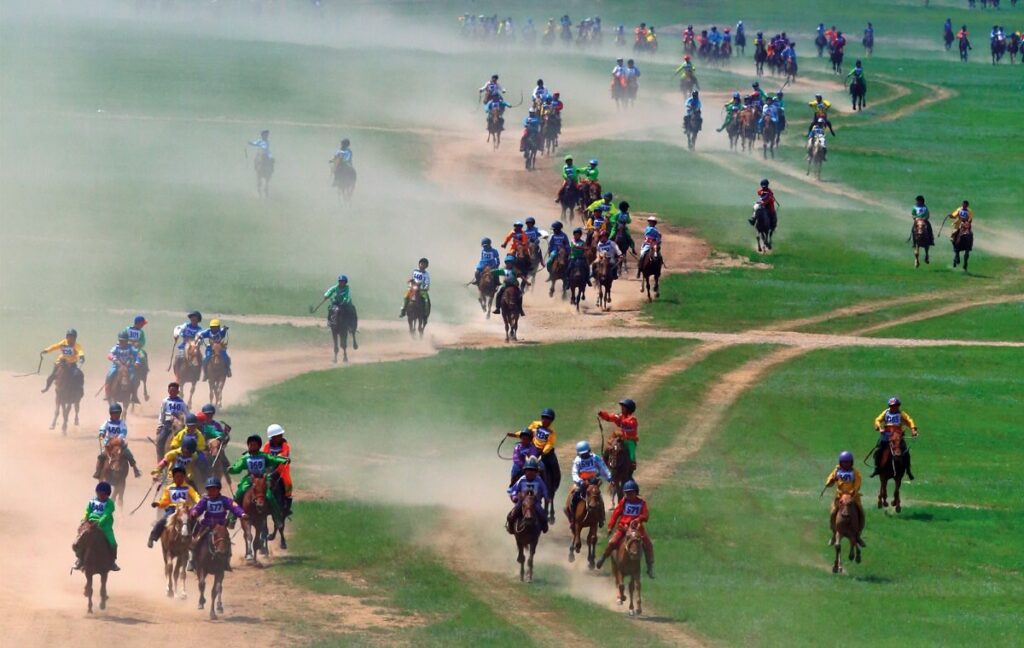
One of Mongolia’s most important annual events is the Naadam Festival, where horse racing is a major highlight.
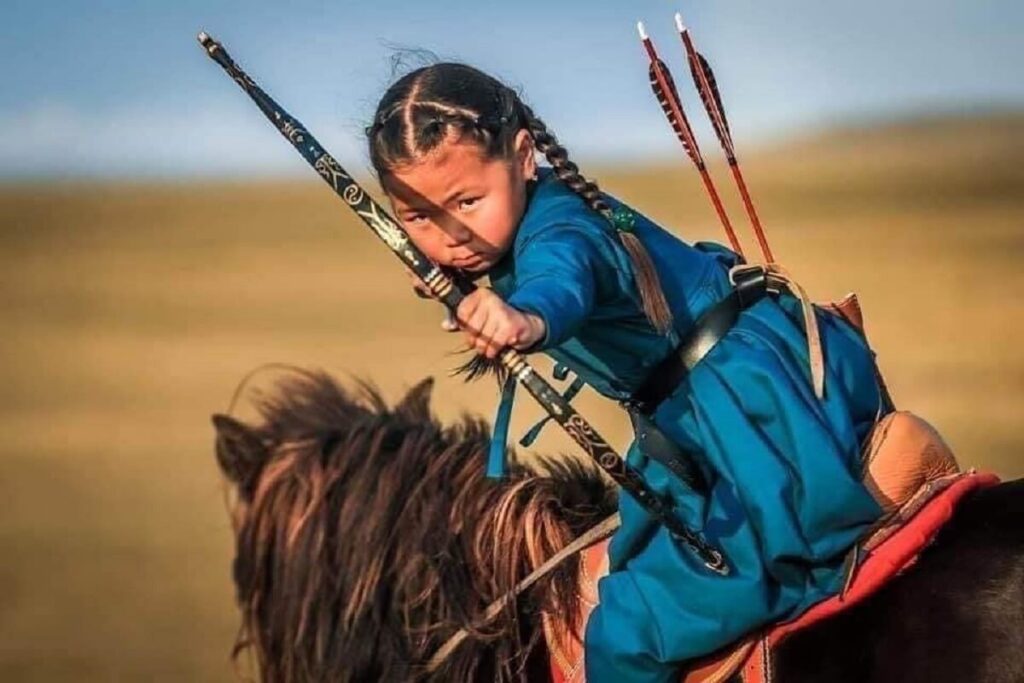
These races are unlike any other, being long-distance cross-country events where even children as young as five participate. These races test not just speed but endurance, showcasing the profound bond between horse and rider that is so celebrated in Mongolian culture.
Modern Artistic Interpretations and Cultural Reflection
In contemporary Mongolian art, horses continue to be a potent symbol used by artists to explore themes of identity, resilience, and the connection between humans and nature.
As Mongolia navigates the challenges of modernity, these artists use the symbol of the horse to delve into and reflect upon the evolving Mongolian identity while staying connected to their rich traditions.
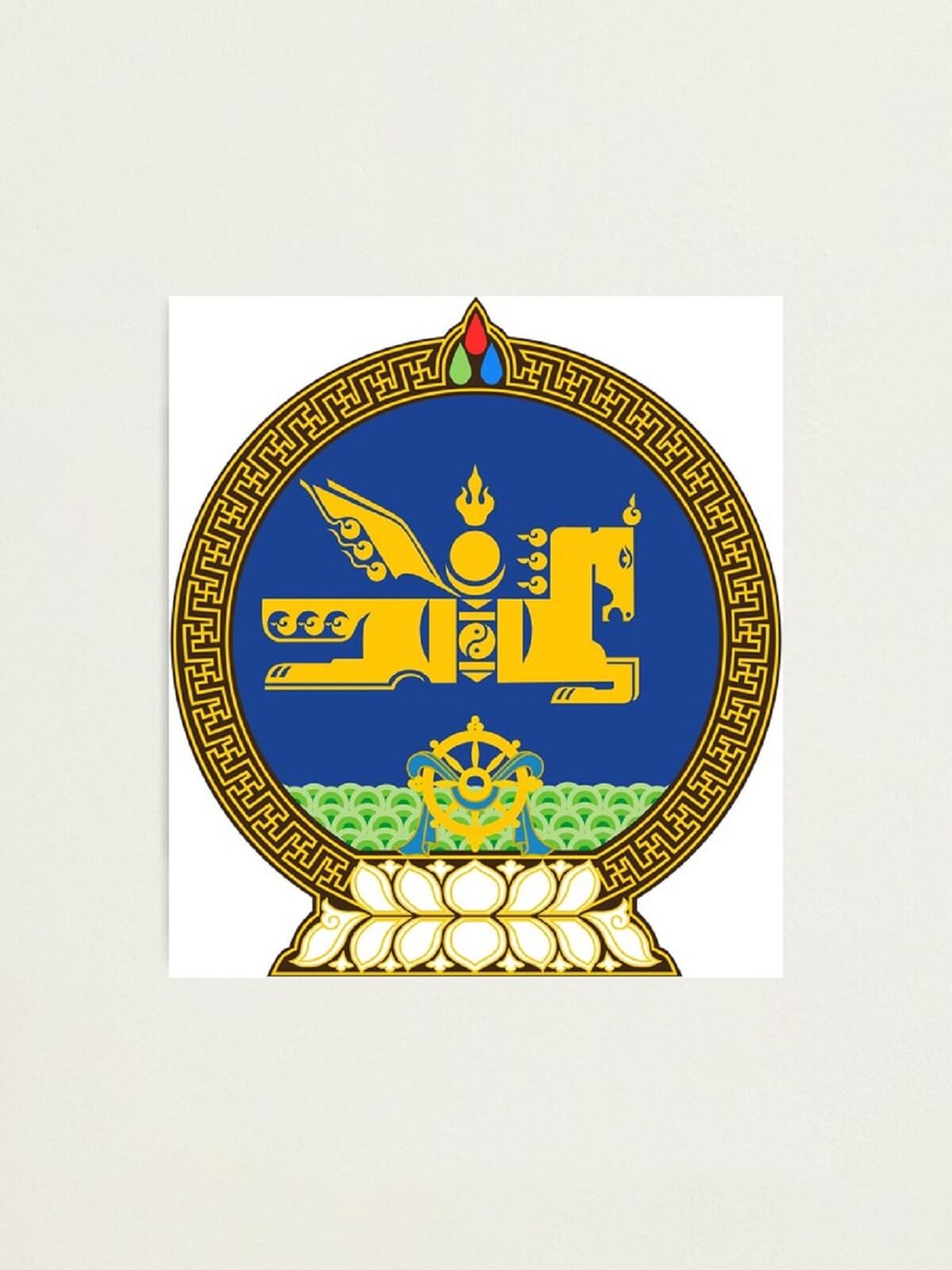
In conclusion, horses in Mongolian art are not mere subjects but are emblematic of the country’s soul. They symbolize the freedom and strength that are at the core of Mongolian heritage, echoing through the ages in art, music, literature, and festivals.
The horse is a timeless symbol, bridging the past with the present, and continuously shaping the cultural identity of Mongolia.
Suggested tour:
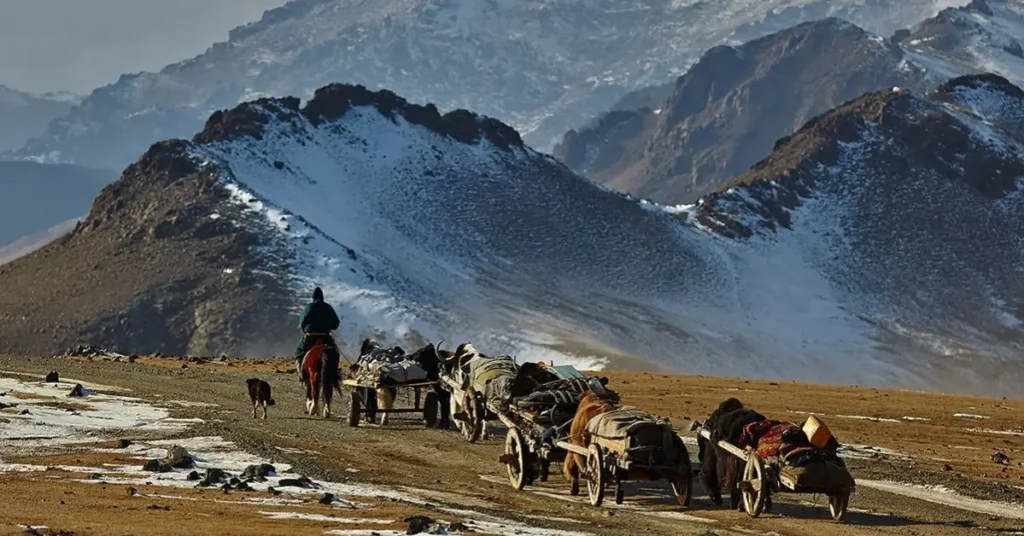
MONGOLIAN NOMAD MIGRATION TOUR
Unleash your adventure spirit, explore Mongolia on your own terms Mongolian Nomad Migration tour ⭐⭐⭐⭐⭐ 5.0 · 63 reviews on…Mongolian Nomadic Life Tour – Discover the Spirit of Mongolia
Unleash your adventure spirit, explore Mongolia on your own terms MONGOLIA NOMADS MIGRATION TOUR MONGOLIA NOMADS MIGRATION TOUR 10 DAYS…Mongolia Self-Drive Tour
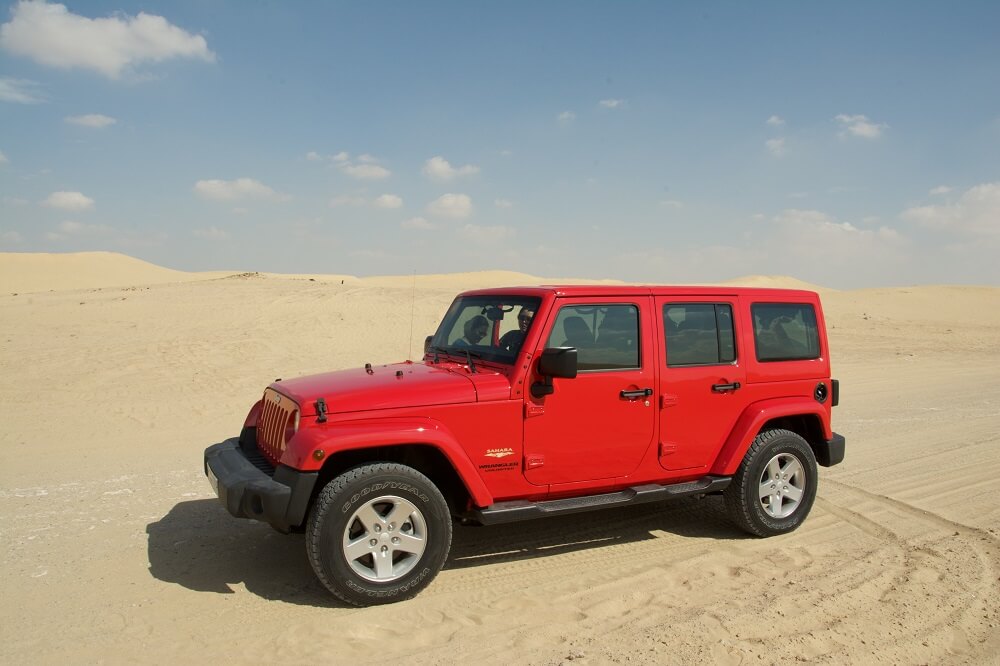
Unleash your adventure spirit, explore Mongolia on your own terms Mongolia Self-Drive Tour Mongolia self-drive adventure: Top highlights: Real Guest…
Related content:
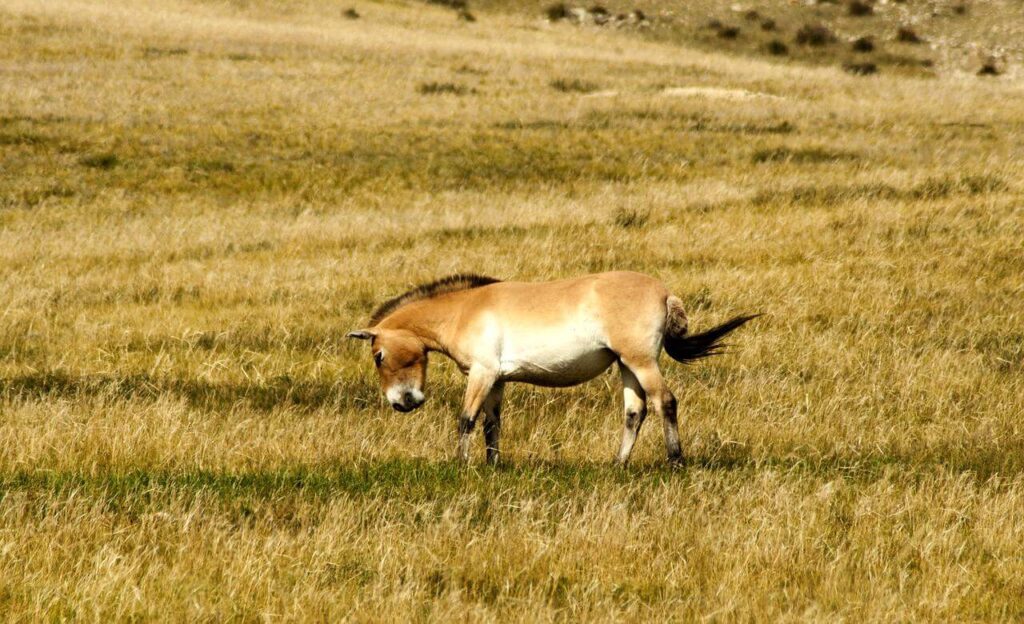
Mongolia’s Wild Horses: The Return of the Takhi
Mongolia’s only truly wild horse is the takhi, also called Przewalski’s horse. It went extinct in the wild by the…Kazakh Wedding Traditions: The Customs That Still Shape Altai Marriages
A Kazakh wedding in Mongolia’s Altai is not a single event but a sequence of ceremonies stretching over months. It…Kazakh Dombra Music: The Two-String Sound of the Altai Steppe
The dombra is the central instrument of Kazakh folk music — a long-necked, two-string plucked lute that accompanies songs, carries…

What is the wind horse (hiimori) symbol in Mongolian culture?
The wind horse (hiimori or lungta) is one of Mongolia’s most important spiritual symbols, representing a person’s vitality, fortune, and soul energy. It appears prominently on prayer flags, amulets, and ceremonial objects throughout Mongolia. The symbol typically depicts a horse carrying three flaming jewels on its back, combining pre-Buddhist shamanic reverence for horses with Tibetan Buddhist concepts of spiritual energy. Mongolians believe that when one’s hiimori is strong, they experience good health and success; when weak, misfortune follows. The practice of “raising the wind horse” through rituals and prayers remains common in contemporary Mongolia, especially before important journeys or undertakings.
How did Zanabazar influence horse imagery in Mongolian Buddhist art?
Zanabazar (1635-1723), Mongolia’s first Jebtsundamba Khutuktu and a master sculptor, revolutionized Mongolian Buddhist art by creating a distinctive synthesis of Tibetan Buddhist iconography and Mongolian cultural elements, including horse symbolism. His bronze sculptures introduced refined casting techniques and proportional systems from Tibetan and Nepali traditions while incorporating Mongolian equestrian themes. Zanabazar established artistic workshops in monasteries that trained generations of Mongolian artists, standardizing the depiction of Buddhist protector deities mounted on horses. His artistic legacy influenced how horses appeared in thangka paintings, monastery murals, and sculptural works throughout the 17th-20th centuries, creating a uniquely Mongolian form of Buddhist art.
What materials are traditionally used in Mongolian horse tack decoration?
Traditional Mongolian horse tack ornamentation utilizes precious and semi-precious materials reflecting the owner’s wealth and social status. Silver is the primary metal for saddle plates, bridle ornaments, and stirrups, often featuring repoussé (hammered relief) techniques with horse motifs and geometric patterns. Coral and turquoise stones are inlaid in silver settings for both aesthetic beauty and spiritual protection purposes—turquoise particularly symbolizes the eternal sky. Gold elements appear in elite examples, especially in imperial or aristocratic tack. Leather work involves tooled and dyed designs, while fabric components feature silk embroidery with horse imagery using metallic threads. Brass and bronze serve as more affordable alternatives to silver in common herder tack while maintaining similar decorative patterns. These materials and techniques have been passed down through generations of specialized craftsmen (darkhan).
Are there different artistic styles for depicting horses across Mongolian regions?
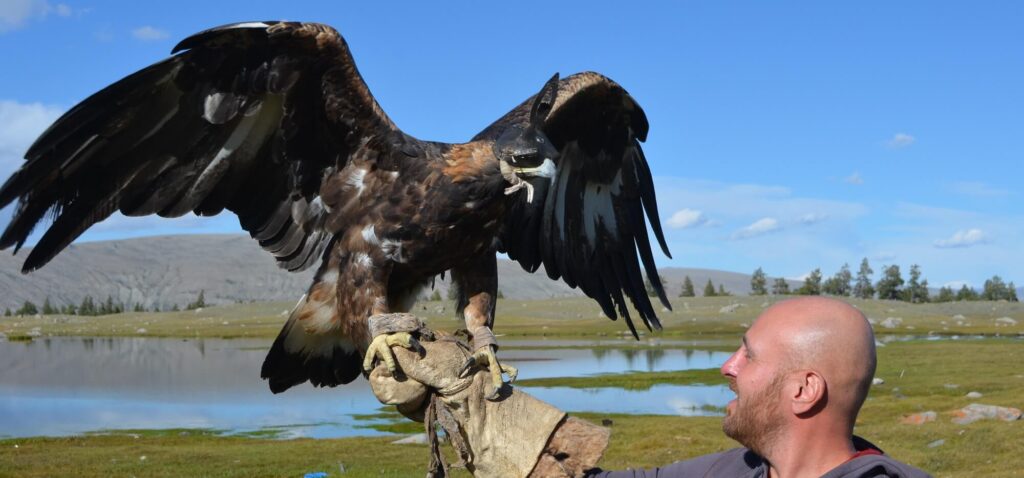
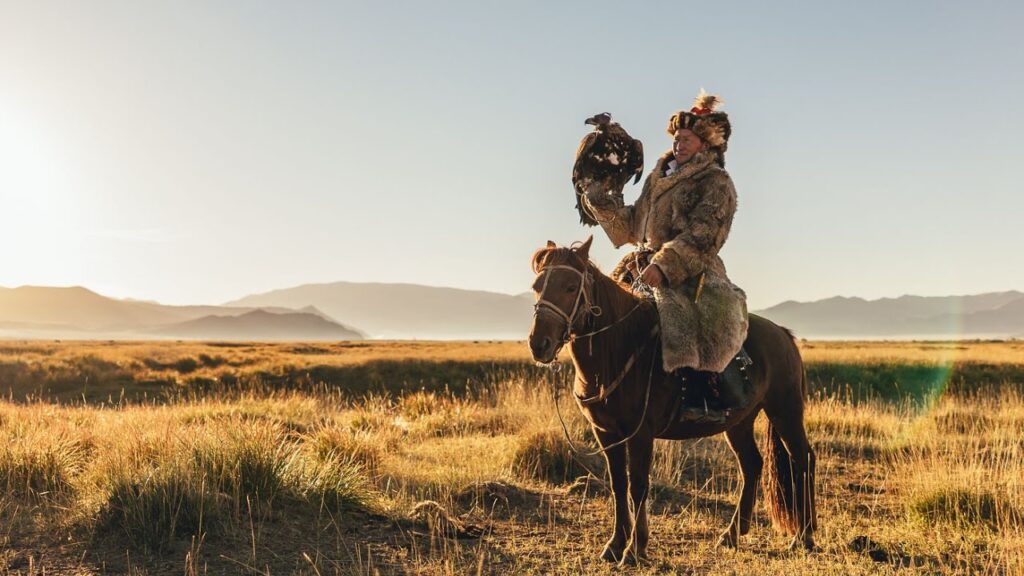
Yes, Mongolia’s diverse geography and ethnic groups have developed distinct regional styles of horse depiction. Western Mongolia (Bayan-Ölgii province), home to Kazakh populations, emphasizes geometric patterns in horse tack ornamentation and often pairs horse imagery with eagles, reflecting the region’s eagle-hunting traditions. Eastern regions like Khentii and Dornod historically focus on racing horses with leaner, more athletic proportions, as these areas specialized in breeding fast horses for the Naadam festival. Central Khalkh Mongolian traditions represent the classical national style with balanced proportions and ceremonial contexts. Northern regions near the Siberian border show subtle Buryat influences with more nature-integrated compositions. These regional variations appear in handicrafts, paintings, and decorative arts, though modern standardization has somewhat diminished these differences.[NEEDS SOURCE for specific Kazakh eagle-horse motif documentation]
How has horse symbolism in Mongolian art changed in modern times?
Horse symbolism in contemporary Mongolian art has undergone significant evolution while maintaining core cultural meanings. Following Mongolia’s 1990 democratic transition, artists revitalized traditional horse imagery as expressions of reclaimed national identity after 70 years of Soviet influence. Modern Mongolian currency (the tögrög) prominently features horses, and the national emblem includes a wind horse symbol. Contemporary artists blend traditional techniques with modern mediums—photography, digital art, and installations—while preserving horse-centered themes. International art markets have increased demand for Mongolian horse art, leading some artists to adapt traditional styles for global audiences. Environmental concerns about horse population sustainability have introduced new conservation themes into artistic representation. Despite modernization, horses remain central to Mongolian artistic identity, with the annual Naadam festival serving as a major venue for both traditional and contemporary horse-themed artistic expression.[NEEDS SOURCE for specific contemporary artist examples and movements]