
Here are our TOP 8 OFF ROAD MOTORCYCLE RIDING SKILLS to help you make the transition from road riding to off-roading, and dominate any terrain.
Off-road biking is an incredibly exhilarating experience, but it can be intimidating for first timers who don’t know what they’re doing.
Going off the beaten path requires a whole new skillset that doesn’t come naturally – something that can be quite shocking if all the riders in your group are already experienced at it.
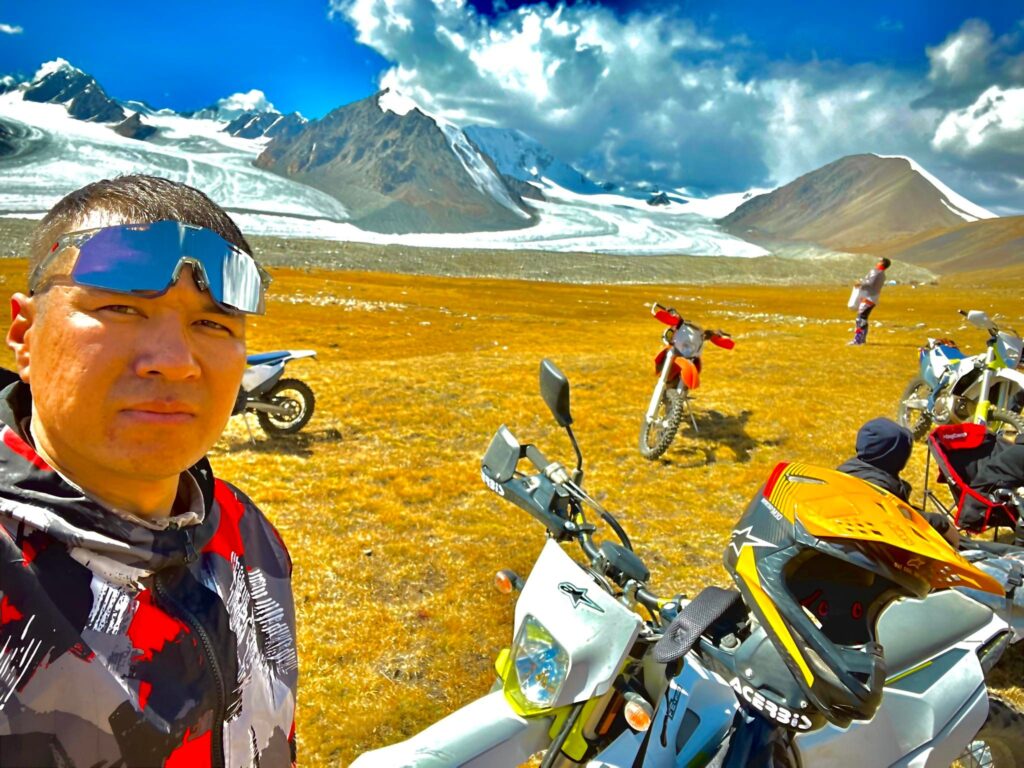
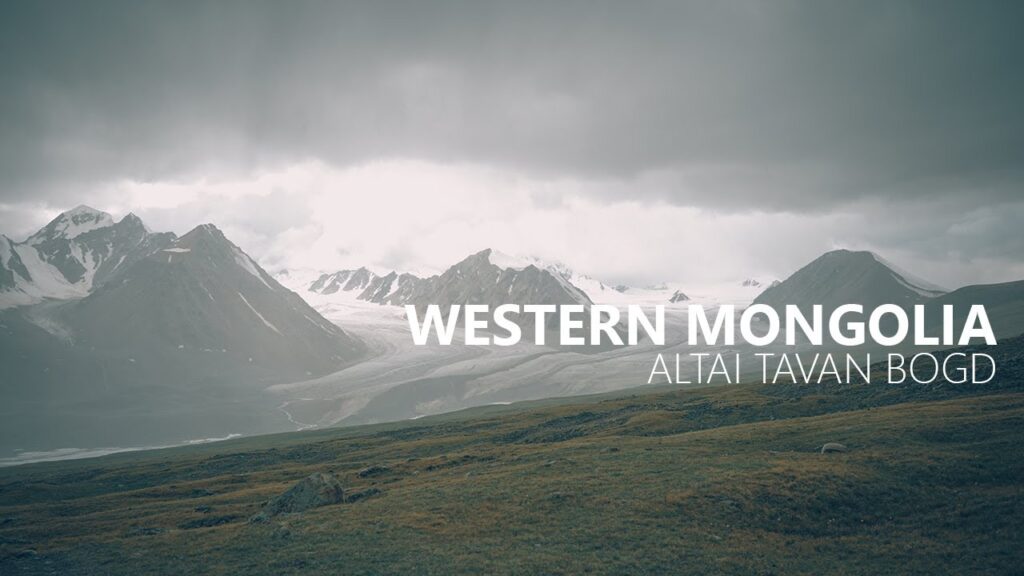
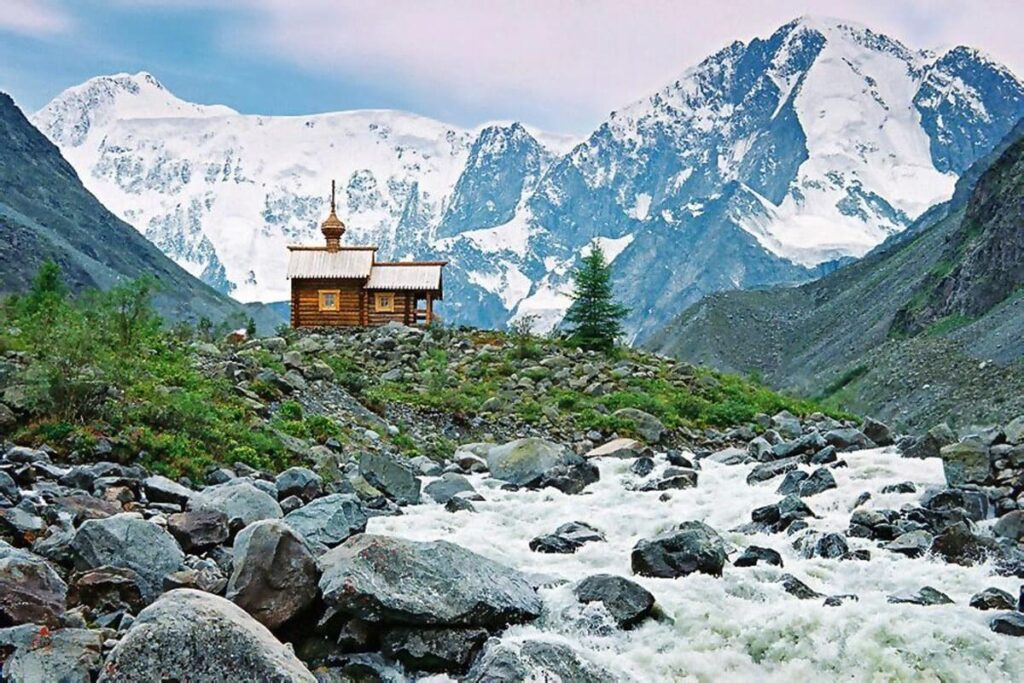
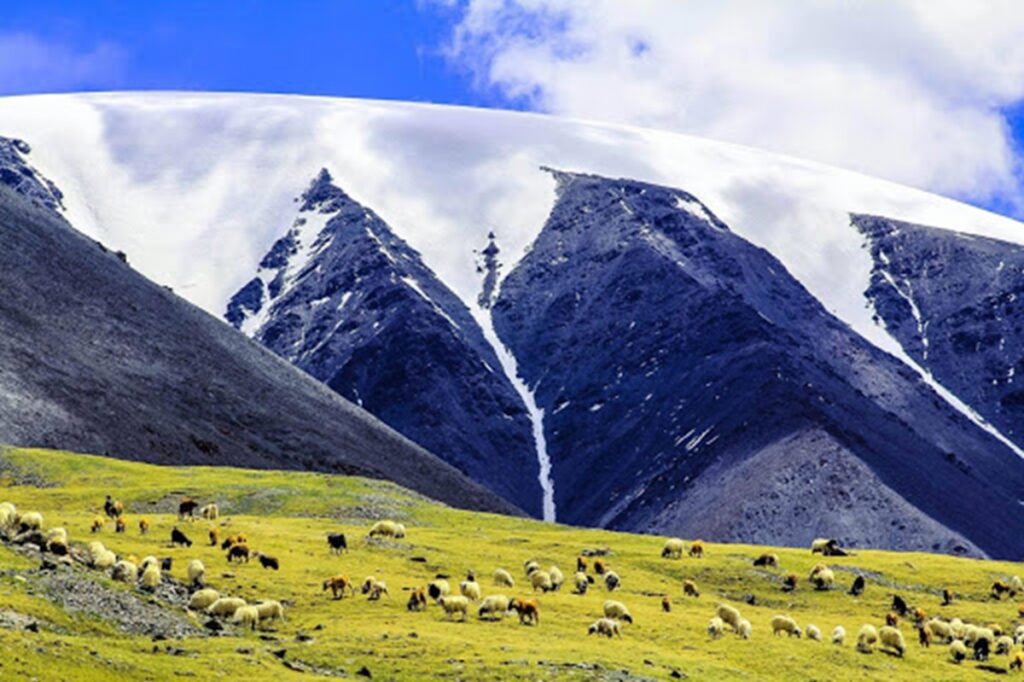
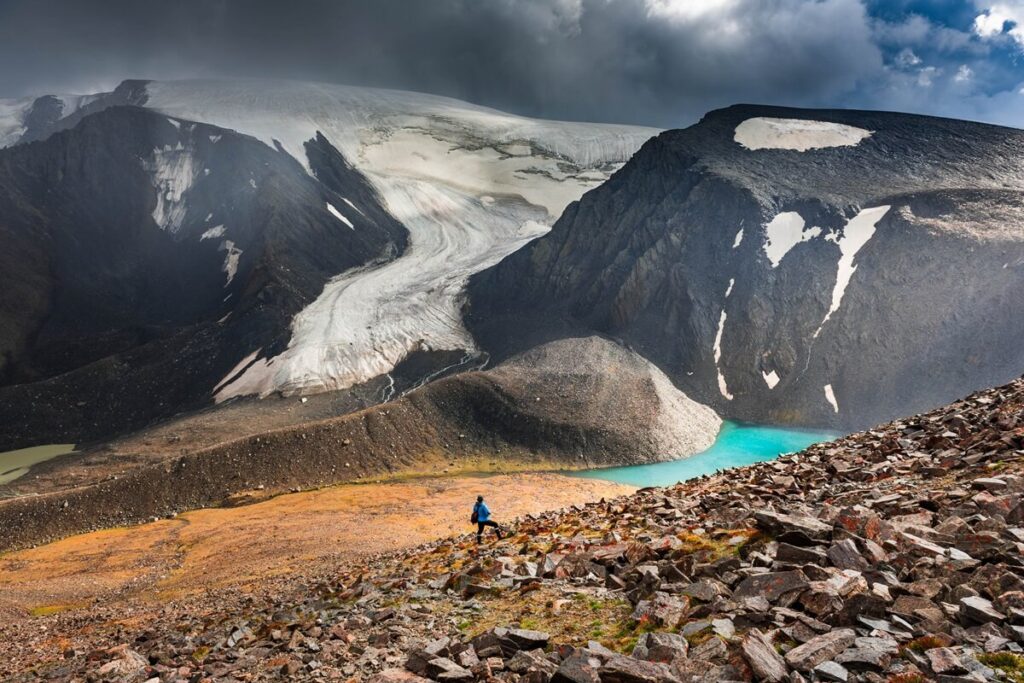
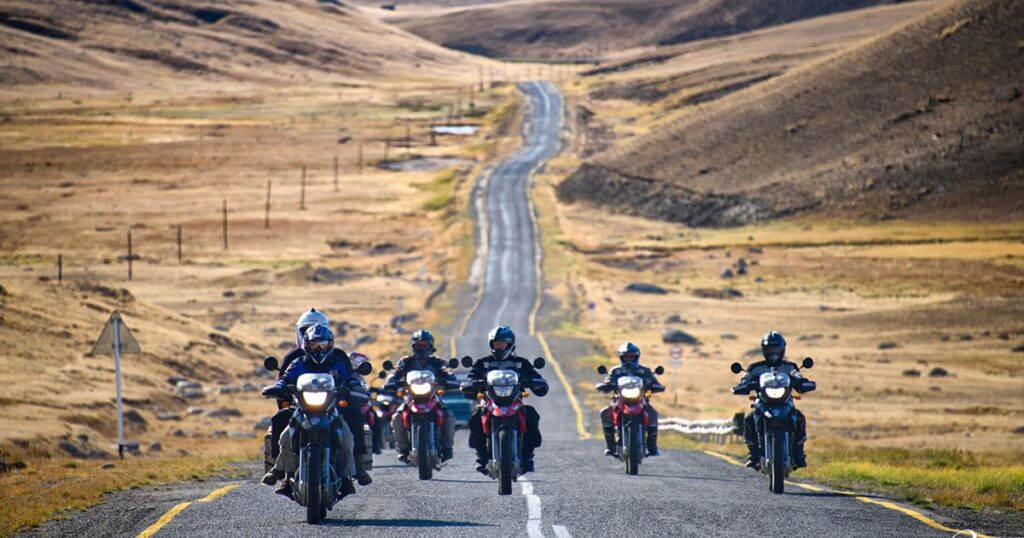
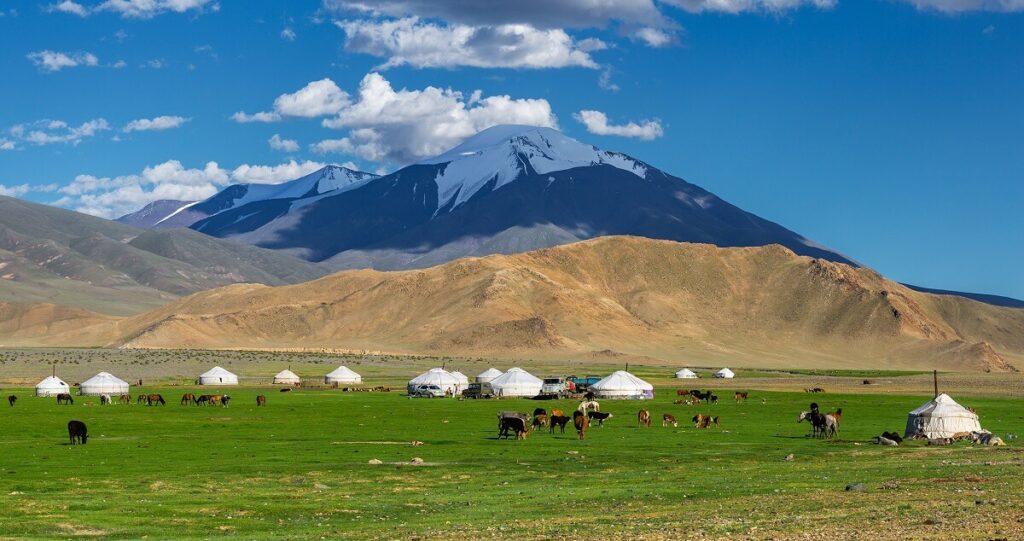
We offer you MONGOLIA MOTORCYCLE TOUR IN ALTAI MOUNTAINS. During this expedition, you will be able to enjoy the best sights of the Altai Tavan Bogd National Park. It will be wonderful 🤩🤩
But never fear, we’re here to help get you up to speed! By following our top 8 tips for off-road riding, you’ll be well on your way to becoming an accomplished off-road rider in no time.
Altai Tours from Mongolia
Let’s create your ideal Mongolian adventure
1. GET COMFORTABLE WITH YOUR MOTORCYCLE BEFORE HEADING OFF-ROAD
🏍️ Want to experience this in person? Join our 6-Day Best of Altai (4×4 expedition) with local Kazakh guides — small groups, authentic experience, 5.0 stars on TripAdvisor.
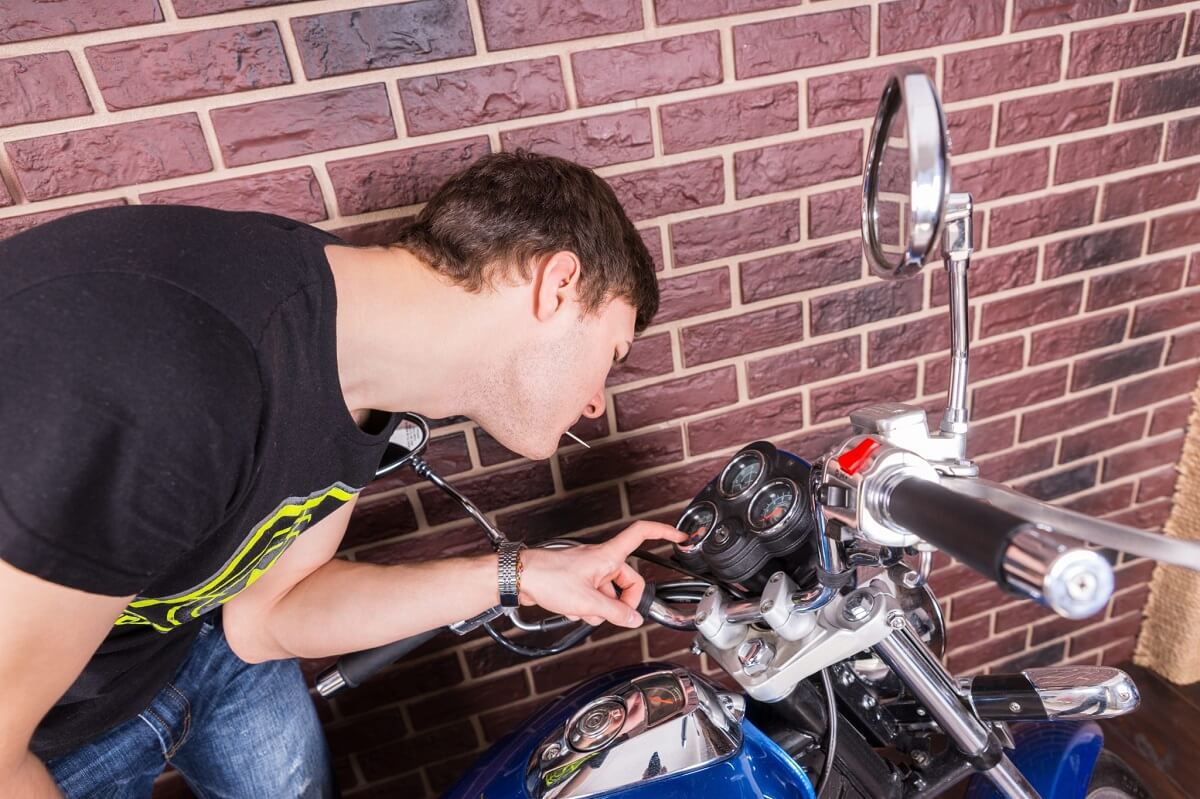
This may seem like an obvious one, but it’s incredibly important. Before taking your motorcycle off-road, get to know it intimately – how it handles, what its capabilities are, and what its limitations are. This will help you feel more comfortable and confident when riding in unfamiliar territory.
Of course, It’s essential to wear proper and fitting gear such as helmets, gloves, pants, jackets, and boots when riding on two wheels. Oftentimes this is overlooked because it seems so obvious. Also, carry emergency tools such as a tire patching kit in case you get a puncture.
2. RELAX ON THE ROAD BUT BE FOCUSED
Tensing up is one of the first things new riders do when they try to ride an off-road bike. Off-road surfaces are far more varied than smooth, tarred roads, so the bike moves around much more.
To a committed road rider, this feels wrong and their first response is to try and stop the movement by holding on tightly to the bike–which actually makes matters worse.
Altai Tours from Mongolia
Let’s create your ideal Mongolian adventure
When you’re riding off-road, the bike will inevitably move around a bit. It’s important to develop confidence in yourself and the suspension so that you can flow with the terrain instead of fighting it.
Stay loose on your grip and let your legs do most of the work! If you relax your upper body, you’ll ride better AND for longer periods of time before feeling fatigue.
3. USE YOUR LEGS AND BODY WEIGHT, NOT JUST THE HANDLEBARS
One of the most common mistakes made by new riders is that they think they need to steer an off-road bike using only the handlebars. This is incorrect!
Off-road bikes are much heavier than road bikes, so trying to turn them using only your arms will tire you out very quickly. Instead, use your whole body to steer the bike. Shift your weight in the direction you want to go, and use your legs to push against the footpegs in order to help turn the bike.
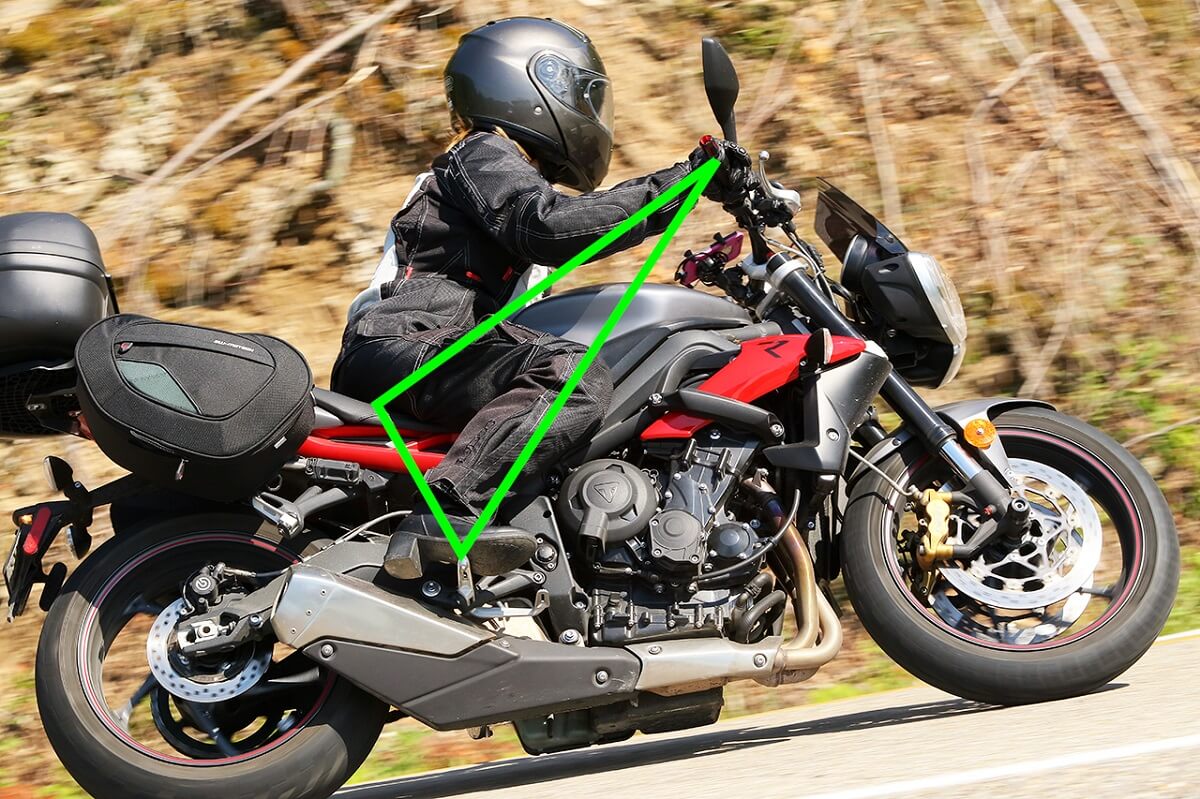
If you’re street riding, chances are that you lean into a turn. However, if you tried to do this same move on gravel, sand, or another unpaved surface, you would quickly lose traction and crash. To avoid this situation, shift your weight to the outside peg while pushing down on the bike towards the corner.
4. LOOK AHEAD
This is one of the most important riding tips, regardless of what kind of bike you’re on or what surface you’re riding on. When you’re looking ahead, you can see obstacles before they become a problem and plan your line accordingly. This will help you avoid crashing and will make your ride smoother overall.
Outside of paved roads, you’ll have to keep your eyes focused on what’s coming up ahead so you can select the best lines and spot obstacles before they become a hazard. On the road, threats usually come from other vehicles or road users, but at least the pavement is consistent and braking more predictable.
Altai Tours from Mongolia
Let’s create your ideal Mongolian adventure
However, riding offroad comes with an entirely different set of variables–the surface you’re riding on will vary greatly as well as the gradient–so it’s important to look forward instead of fixating solely on what’s directly in front of you.
If you are standing on the footpegs, lean your helmet forward so it is nearly directly above the handlebars. Focus at least 20m ahead if possible and always plan your route to avoid any obstacles or difficult terrain.

5. DON’T BE AFRAID TO STAND UP
When most people think of motorcycle riding, they picture the rider sitting down. However, when riding off-road, it is often advantageous to stand up on the pegs. It may feel counterintuitive, but standing on the footpegs will actually give you more control over the bike.
This is due to physics – by moving your center of gravity from the saddle to a point between the wheel spindles, you are closer to the ground and therefore more stable. In addition, this will allow the suspension to take impact instead of your spine, and being higher up will improve your visibility.
Altai Tours from Mongolia
Let’s create your ideal Mongolian adventure
Of course, standing up takes some practice and getting used to. Start by riding at a slow speed and standing up for short periods of time. As you get more comfortable, you can increase your speed and the amount of time you spend standing.

6.BRAKE SMARTLY
When road riding, you should use the front brakes more than the rear. Although both are important while off-road riding, the rear brake will slow you down much better than the front brakes.
Without smooth pavement, you will need to use your brakes more carefully and responsively to the conditions.
Altai Tours from Mongolia
Let’s create your ideal Mongolian adventure
You will also find yourself relying on your rear brake much more than before for both stopping power and bike control. The front brake is still important, but if you grab too much of it while travelling on slippery surfaces, it could end very badly.
Because there are so many variables involved such as the bike, terrain and grip, it’s impossible to give any definitive rules on how to brake. However, be prepared to start learning more about this lifetime skill!
7. PRACTICE, PRACTICE, PRACTICE
The best way to become a better off-road rider is simply to get out there and practice as much as possible. The more time you spend on your bike, the more comfortable you will become and the better you will be at reading the terrain and making split-second decisions.
Of course, it’s important to make sure you are riding safely and not taking any unnecessary risks. Join an off-road motorcycle club or group so you can ride with experienced riders who can offer advice and support. Remember, there is no substitute for experience!
Altai Tours from Mongolia
Let’s create your ideal Mongolian adventure
8. ENJOY YOURSELF
Off-road riding is a great way to explore the outdoors, get some exercise and have fun. It can be challenging at times, but that’s all part of the adventure.
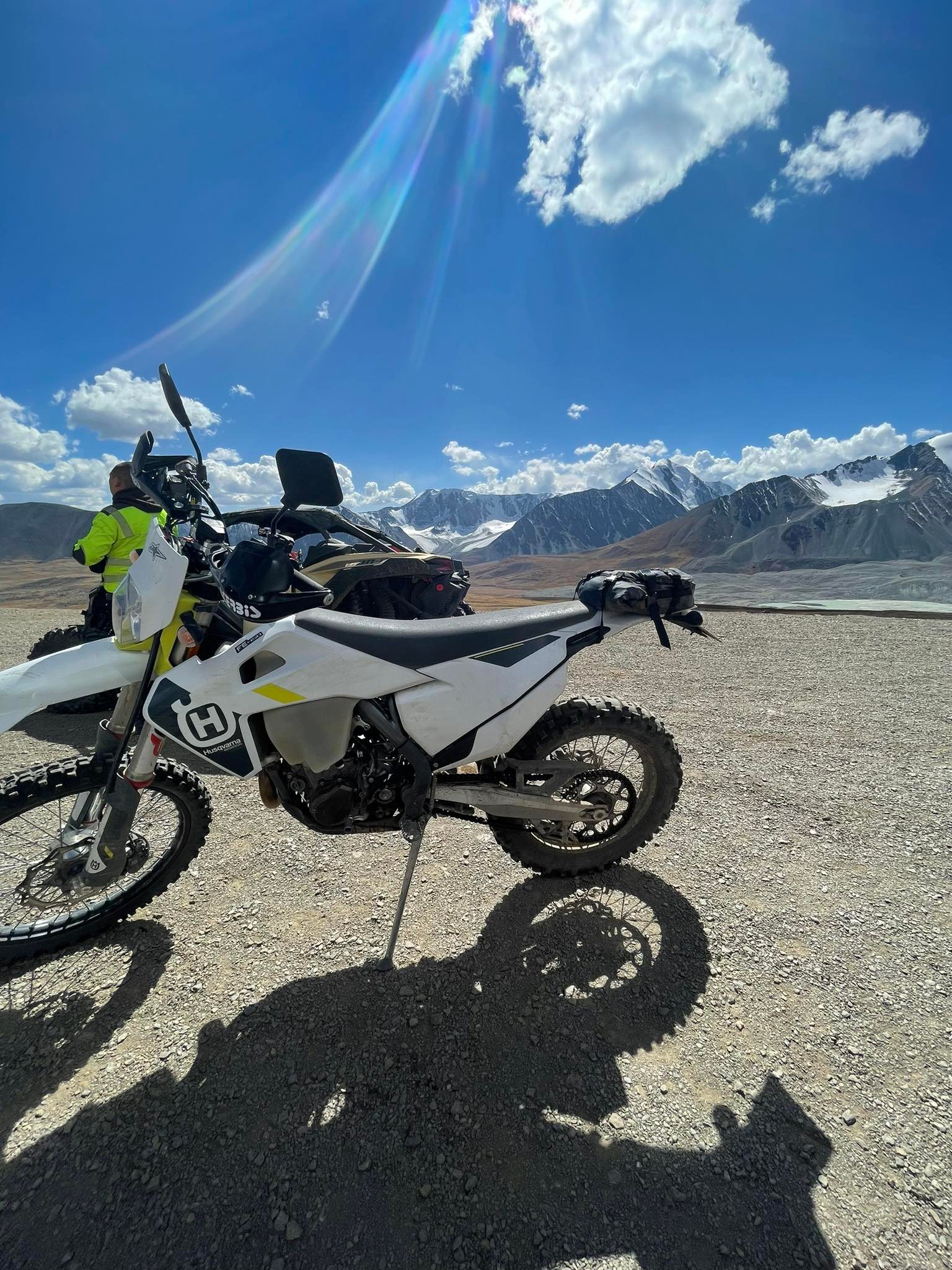
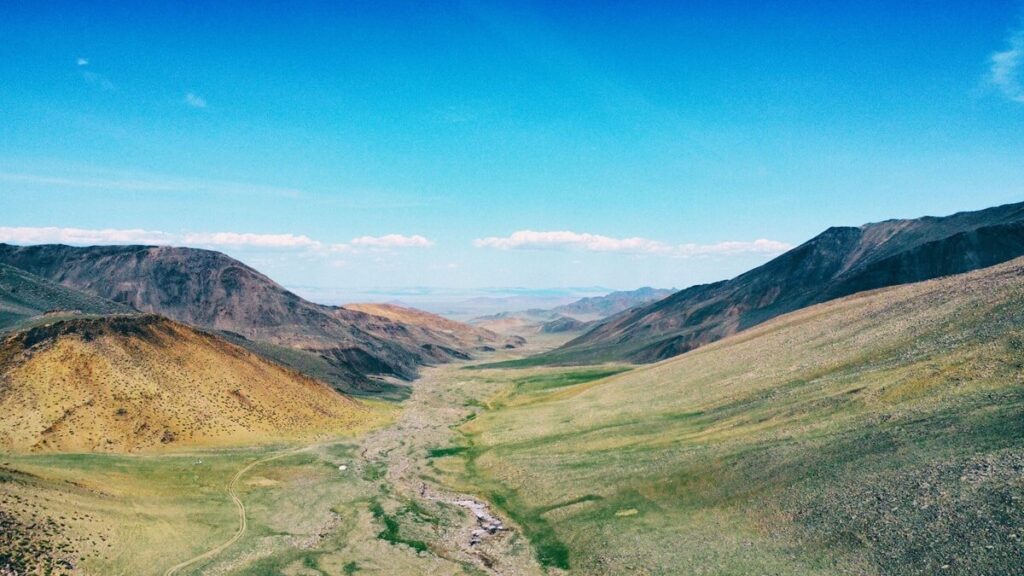
DiscoverAltai is the perfect way to experience some of Mongolia’s best terrains; from open high-speed steppes, to rocky creek beds and mountain double tracks.
Need Rental motorcycle?
All of our motorcycle tours are fully guided and include all meals, accommodation, transfers and bike rental. So all you need to worry about is having fun!
Explore our variety of motorcycles available for rent, perfect for both short trips and long adventures. Whether you’re looking for a powerful off-road bike or a comfortable touring motorcycle, we’ve got you covered. Book now and hit the road with style and confidence!
SUGGESTED TOURS:
.
Related Blogs:
Self-Guided vs Guided Motorcycle Tour in Mongolia: Which One Actually Fits Your Ride?
For roughly 85% of international riders, a fully-guided Mongolia motorcycle tour is the right format — the supported package costs…Mongolia Motorcycle Packing List 2026: What You Actually Need for the Altai
A 10-day Mongolia motorcycle tour packing list comes down to five layers of gear: serious riding kit (full helmet, armoured…Mongolia Motorcycle Tour Cost in 2026: What You’ll Actually Pay (and What’s Included)
A guided 10-day Mongolia motorcycle tour costs around $3,600 per person in 2026 when booked through a licensed local operator…

FAQ
CHOOSING THE RIGHT MOTORCYCLE FOR OFF-ROAD RIDING IN ALTAI
When planning off-road motorcycle adventures in Mongolia’s Altai region, beginners should prioritize motorcycles under 400 lbs (180 kg) as heavier bikes exponentially increase difficulty on technical terrain and during inevitable drops
Dual-sport motorcycles with 21-inch front and 18-inch rear wheels provide optimal performance for mixed terrain, offering better obstacle clearance and flotation in sand compared to adventure-touring bikes with 19/17-inch wheel combinations
Seat height is critical for confidence: riders should be able to touch the ground with at least the balls of both feet when seated, with ideal seat heights ranging from 31-34 inches for riders 5’6″-6’0″ tall
Air-cooled or liquid-cooled single-cylinder engines between 250-450cc offer the best balance of power, weight, and simplicity for multi-day off-road touring in remote areas where repair facilities are limited [NEEDS SOURCE – need verification of optimal displacement range for remote touring]
ESSENTIAL OFF-ROAD MOTORCYCLE SPECIFICATIONS TO UNDERSTAND
Ground clearance of 10-12 inches (254-305mm) is necessary for navigating rocky trails and river crossings common in Altai terrain without damaging the bike’s undercarriage
Suspension travel determines how well your bike absorbs impacts: dual-sport bikes typically offer 9-11 inches (230-280mm) of front travel and 8-10 inches (200-250mm) rear, while true dirt bikes provide 11-13 inches front and rear
Fuel capacity for remote Altai riding should be minimum 3.0 gallons (11.5 liters), with auxiliary fuel options extending range to 200+ miles between fuel stops, as petrol stations are sparse in western Mongolia
Wet weight (fully fueled) matters more than dry weight specifications; a 300cc dual-sport with 15L fuel tank will weigh approximately 330-350 lbs (150-160 kg) ready to ride [NEEDS SOURCE – need manufacturer wet weight data]
RECOMMENDED MOTORCYCLE CATEGORIES FOR DIFFERENT SKILL LEVELS
Beginners (0-1 year off-road experience): Start with lightweight dual-sport bikes (250-300cc, under 300 lbs) such as Honda CRF300L (142 kg), Yamaha TW200 (278 lbs), or Kawasaki KLX230S (290 lbs) which offer manageable power and forgiving handling
Intermediate riders (1-3 years): Progress to middleweight adventure bikes (400-700cc, 350-450 lbs) like Yamaha Tenere 700 (452 lbs), which provide more power for two-up touring and highway sections while remaining capable off-road
Advanced riders (3+ years): Can handle heavyweight adventure bikes (800cc+, 500+ lbs) such as Honda Africa Twin (503 lbs wet), but these require significant skill to manage off-road in challenging Altai conditions
Skills progression should follow the pattern: master dirt bike or small dual-sport → intermediate adventure bike → large adventure bike, as jumping directly to heavy bikes impedes skill development and increases injury risk
MOTORCYCLE MODIFICATIONS FOR MONGOLIAN ALTAI CONDITIONS
Crash protection is essential: engine guards, hand guards, and crash bars prevent damage during falls, which average 1-3 times per day for intermediate riders on technical Altai trails [NEEDS SOURCE – anecdotal claim needs verification]
Tire selection dramatically affects performance: knobby dual-sport tires with 50/50 or 70/30 on-road/off-road ratings (like Metzeler Karoo, Pirelli MT-21, or Continental TKC80) provide necessary traction on gravel, sand, and mud
Luggage systems: Hard panniers (aluminum) withstand crashes better than soft bags but add 30-40 lbs; for Altai touring, keep total luggage weight under 40 lbs (18 kg) to maintain handling characteristics
Skid plates (aluminum or HDPE) protecting the engine cases and oil filter are mandatory in rocky terrain, with full-coverage plates adding approximately 5-8 lbs but preventing $1,000+ engine damage
What is the 4-second rule for motorcycles?
The 4-second rule means keeping at least four seconds of distance between you and the vehicle or motorcycle in front. This extra space allows enough time to react to sudden stops or changes in speed, improving safety on the road.
How can you improve your motorcycle riding skills?
Improving riding skills involves mastering basic techniques and building confidence. Key tips include controlling the clutch smoothly, using the rear brake for stability at low speeds, maintaining steady throttle control, and keeping your upper body relaxed. Practicing slow-speed maneuvers and emergency braking is also essential.
Which motorcycles are popular among female riders?
Popular motorcycles among female riders often include models that are lightweight, easy to handle, and stylish. Examples include the Yamaha R6, Triumph Street Triple, Kawasaki ER6N, Honda Hornet, and Honda NC700S.
What causes most motorcycle deaths?
Head-on collisions are the leading cause of motorcycle fatalities. These types of crashes often occur when a motorcycle and another vehicle collide directly, making them especially dangerous.
What is the 70/30 braking rule?
The 70/30 braking rule suggests that around 70% of braking force should come from the front brake and 30% from the rear. This balance provides more effective and controlled stopping on most road motorcycles.
What is the most important skill for a motorcyclist?
One of the most important skills is looking where you want to go. Proper vision and awareness help riders anticipate hazards. Other key skills include maintaining safe following distance, handling slow-speed situations, emergency braking, and cornering techniques.
What should you avoid when riding a motorcycle?
You should avoid riding without proper safety gear, speeding, riding under the influence, and ignoring weather conditions. It’s also important not to skip pre-ride checks or follow other vehicles too closely.
What is the most important skill to develop for off-road motorcycle riding?
Balance and body positioning are the most critical skills for off-road motorcycle riding. Riders should practice standing on the pegs to maintain stability and control, especially on uneven terrain. Proper positioning helps to distribute weight evenly and adapt to obstacles like rocks or slopes.
How can a rider prepare for unexpected terrain challenges?
Riders can prepare for unexpected terrain by practicing slow-speed maneuvers and learning to read the terrain ahead.
Training on various surfaces like sand, mud, and gravel helps improve reaction time and handling. Additionally, staying relaxed and using throttle control effectively ensures better adaptability to sudden changes.
What safety measures should riders take before hitting off-road trails?
Riders should always wear proper protective gear, including a helmet, gloves, boots, and body armor. It’s essential to check the bike’s condition, including tire pressure, brakes, and suspension.
Carrying tools, a first-aid kit, and informing someone of your planned route are also vital safety measures
What size motorcycle is best for beginners in off-road riding?
Beginners should start with motorcycles between 250-300cc and under 300 lbs (136 kg). At these specifications, the bike remains manageable when picking it up after falls (which happen frequently while learning) and won’t overpower new riders on technical terrain. The Honda CRF300L at 142 kg, Yamaha TW200 at 278 lbs, or Kawasaki KLX230S at 290 lbs are ideal starting points. These lighter bikes allow you to focus on developing proper technique rather than wrestling excessive weight. Most off-road training schools use bikes in this category specifically because they’re forgiving and build confidence quickly. As your skills progress over 1-2 seasons, you can move up to middleweight adventure bikes in the 400-700cc range with better comfort for long-distance touring while still maintaining off-road capability.
How much should I budget for a motorcycle suitable for Altai off-road touring?
Entry-level dual-sport motorcycles suitable for Mongolia’s Altai region start at approximately $3,000-$5,000 USD new (Honda XR150L at $3,099, Yamaha TW200 at $4,999, Kawasaki KLX230S at $4,999). Mid-range adventure bikes cost $8,000-$12,000 (Yamaha Tenere 700, Honda CRF300 Rally), while premium adventure bikes run $12,000-$20,000+. Beyond the motorcycle purchase, budget an additional $1,000-$2,000 for essential modifications including crash protection ($300-$500), luggage systems ($400-$800), upgraded tires ($200-$300), and skid plates ($150-$300). For rental motorcycles in Mongolia specifically, expect to pay $80-$150 per day depending on bike model and rental duration. [NEEDS SOURCE – rental pricing needs verification from Mongolian operators] Used dual-sport bikes 3-5 years old often provide the best value for beginners, typically priced 40-50% below new MSRP while maintaining good reliability.
What is ground clearance and why does it matter for off-road riding?
Ground clearance is the shortest distance between the lowest point of your motorcycle (typically the engine cases, exhaust, or frame) and the ground, measured when the bike is fully loaded with rider and gear. For serious off-road riding in Altai terrain, you need minimum 10 inches (254mm) of ground clearance to safely navigate rocks, logs, ruts, and river crossings without damaging critical components. Dual-sport motorcycles typically offer 10-12 inches (254-305mm), while street-oriented bikes may have only 5-7 inches. Insufficient ground clearance leads to “bottoming out” where the bike’s undercarriage strikes obstacles, potentially cracking engine cases (repairs costing $500-$2,000) or puncturing the oil pan. When comparing motorcycles, always check ground clearance specifications alongside seat height and weight. Installing an aftermarket skid plate adds protection but may reduce effective ground clearance by 0.5-1 inch depending on design.
Should I rent or bring my own motorcycle for Altai off-road tours?
Renting locally in Mongolia offers significant advantages: no international shipping costs (typically $1,500-$3,000 each way), no customs complications, pre-configured bikes with appropriate modifications, local mechanical support, and familiarity with regional terrain requirements. Rental bikes in Mongolia are typically maintained specifically for the harsh local conditions and tour operators provide backup support if mechanical issues arise. However, bringing your own bike makes sense if: you’re planning an extended tour (3+ weeks where rental costs exceed shipping), you require a specific motorcycle you’re already skilled with, or you’re continuing beyond Mongolia to other countries. Most first-time visitors to Altai should rent locally to avoid logistical complexity and focus on the riding experience. Rental motorcycles in Mongolia commonly include Honda CRF250L, Yamaha TW200, and various Chinese dual-sport brands adapted for the terrain. [NEEDS SOURCE – need verification of common rental fleet models] Insurance coverage, mechanical support, and spare parts availability should be confirmed with rental operators before booking.
What tire pressure should I use for off-road riding in different terrains?
Tire pressure dramatically affects traction, handling, and comfort on off-road terrain. For pavement, maintain manufacturer-recommended pressures (typically 32-36 PSI front, 36-40 PSI rear for dual-sport bikes). When transitioning to gravel roads, reduce to 25-28 PSI front and 28-32 PSI rear for improved compliance and grip. For technical single-track, rocky terrain, or sand riding, further reduce to 18-22 PSI front and 20-24 PSI rear, which allows the tire to conform to obstacles and increases the contact patch. In deep sand conditions, some riders drop to 12-15 PSI for maximum flotation, but this risks tire bead separation at higher speeds. Always carry a portable tire pressure gauge and compact air pump (CO2 or electric) to adjust pressures for terrain changes. Lower pressures increase puncture risk, so consider heavy-duty tubes or tubeless setups with sealant. Check pressures when tires are cold (before riding) for accuracy, and remember that pressures increase 2-4 PSI as tires heat during riding. For extended Mongolia touring across varied terrain, 20-25 PSI provides a reasonable compromise between on-road stability and off-road capability.