
Yes, Mongolia has national parks, and plenty of them. Roughly a fifth of the country is under state protection, split into strictly protected areas, national parks, nature reserves and natural monuments. For travelers, six parks stand out: Gorkhi-Terelj and Hustai near Ulaanbaatar, Gobi Gurvansaikhan in the south, Khuvsgul Lake in the north, Khorgo-Terkhiin Tsagaan in the centre and Altai Tavan Bogd in the far west. Entry is cheap, but some parks also need a border permit.
Key Takeaways
- Four levels of protection: Strictly protected areas, national parks, nature reserves and natural monuments together cover around 20% of Mongolia.
- Two parks near the capital: Gorkhi-Terelj and Hustai can each be visited on a day trip or overnight from Ulaanbaatar.
- Largest park: Gobi Gurvansaikhan in the south covers close to 27,000 km² of mountains, dunes and canyons.
- Highest park: Altai Tavan Bogd holds Mongolia’s highest peak, Khüiten (4,374 m), and needs a border-zone permit.
- Fees are small: Expect a modest per-person entry fee, paid at a ranger post or by QR code; amounts vary by park and are revised from time to time.
How Mongolia’s Protected Areas Work
Mongolia’s system has four categories, and the difference matters for what you can do:
- Strictly Protected Areas are the most closely guarded. Tourism is limited, and some zones need special permission.
- National Parks are open to visitors, with zones for tourism, herding and conservation. Ger camps, trekking and horse riding are usually allowed in the tourism zones.
- Nature Reserves protect a specific feature, such as a species or a wetland.
- Natural Monuments protect single sites, such as a sacred mountain, a waterfall or rock formations.
Herding families live inside most national parks. That is normal in Mongolia, and meeting them is part of the experience. Treat the area around their gers as their home: ask before you camp nearby or take photos, and keep away from their dogs.
National Parks Near Ulaanbaatar
Gorkhi-Terelj National Park
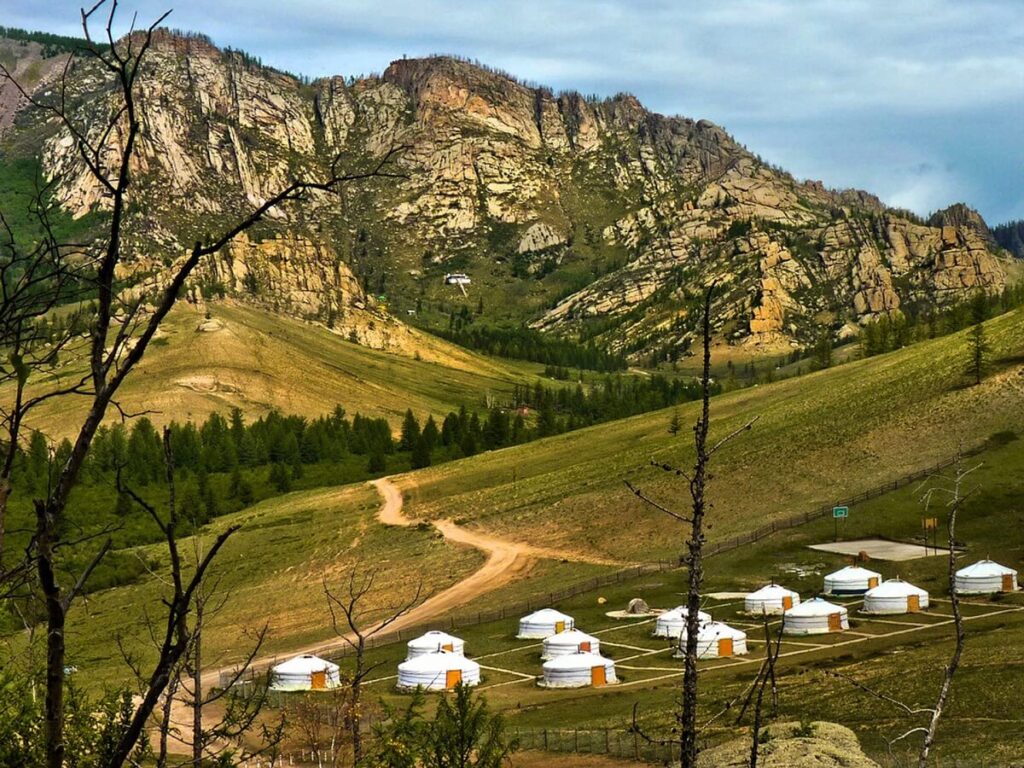
Gorkhi-Terelj is the park most visitors see first. The park boundary starts less than 40 km from the city, and the main valley is usually about an hour and a half by road. It is known for granite rock formations such as Turtle Rock, the Aryabal meditation temple, larch forests and riverside ger camps. Expect crowds on summer weekends. Our Gorkhi-Terelj visitor guide has the details.
Hustai (Khustain Nuruu) National Park
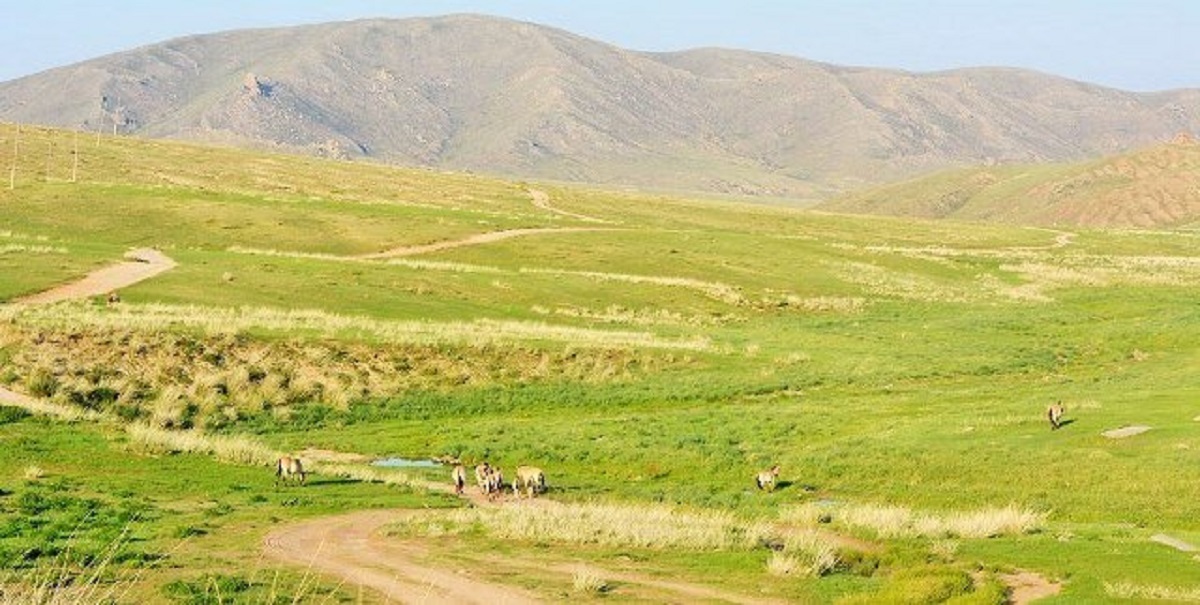
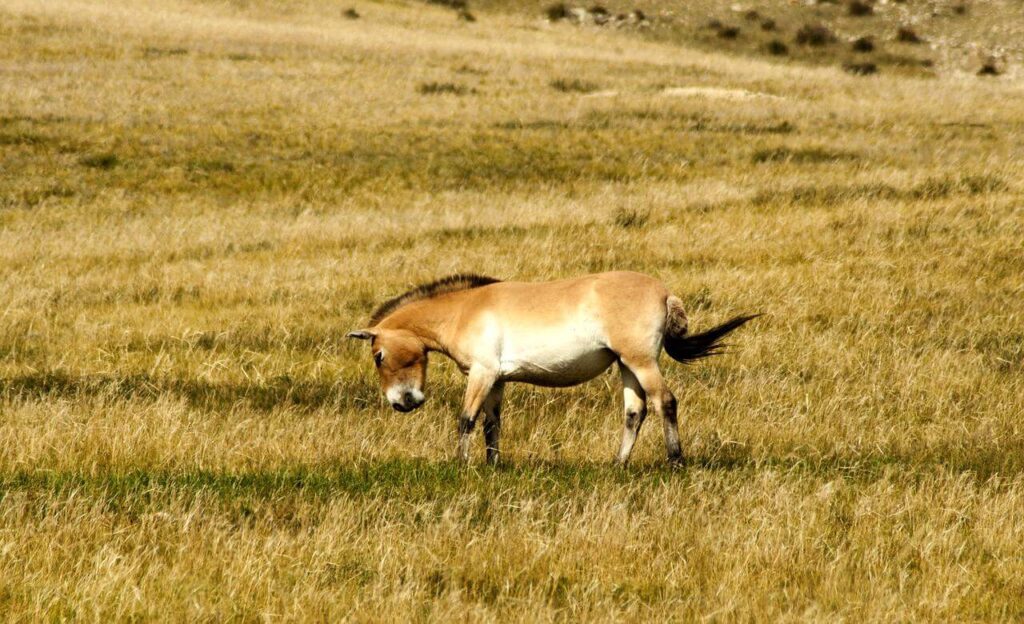
Hustai, roughly 100 km west of Ulaanbaatar, covers about 500 km² of steppe and rocky hills. In 1992 the first takhi, the Przewalski’s wild horses, were flown here from European zoos to return them to the wild. Today the park is the best place in Mongolia to see them, especially at dawn and dusk. Read more in our guides to Khustain Nuruu and Mongolia’s wild horses.
Bogd Khan Mountain
Bogd Khan, just south of the city, is one of the oldest protected areas in the world and a strictly protected area today. It is a popular day hike; see Bogd Khan Mountain.

The Big Parks Further Afield
Gobi Gurvansaikhan National Park
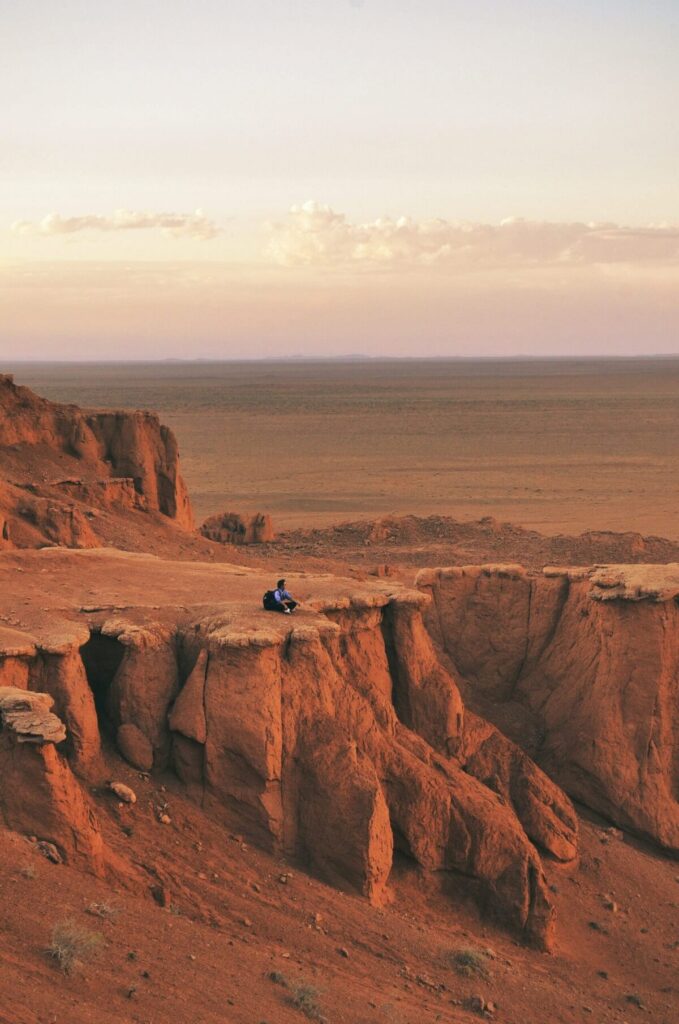
Mongolia’s largest national park covers close to 27,000 km² of the South Gobi. Inside it are the Khongoryn Els sand dunes, the Yolyn Am gorge, which often holds ice into summer, and mountains that shelter ibex and argali. Read our Gobi Gurvansaikhan guide, plus Yoliin Am and Khongoriin Els.
Khuvsgul Lake National Park
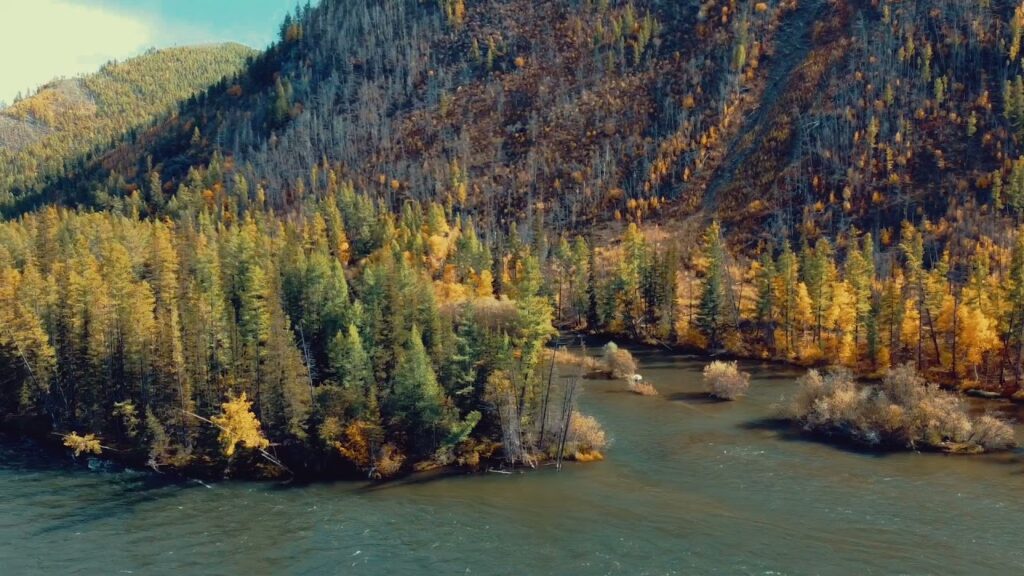
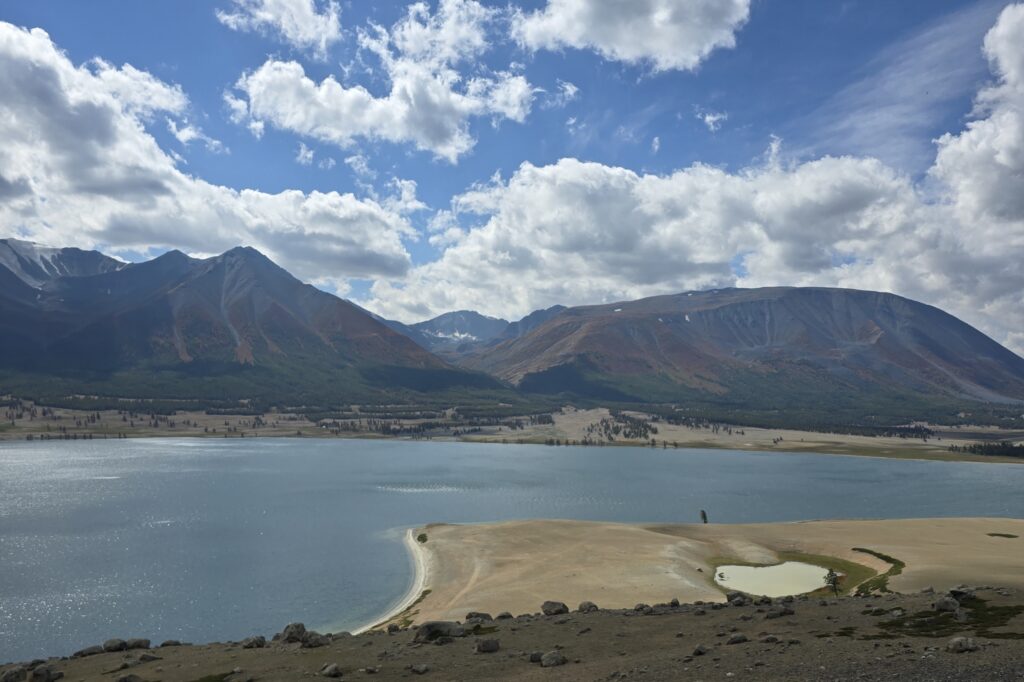
In the far north, this park protects Khuvsgul Lake and the forested mountains around it. It is the base for horse trips, kayaking and visits to the reindeer herders of the taiga.
Khorgo-Terkhiin Tsagaan Nuur National Park
In Arkhangai, this smaller park combines the extinct Khorgo volcano with Terkhiin Tsagaan (White) Lake. It is an easy stop on a central Mongolia road trip.
Altai Tavan Bogd National Park
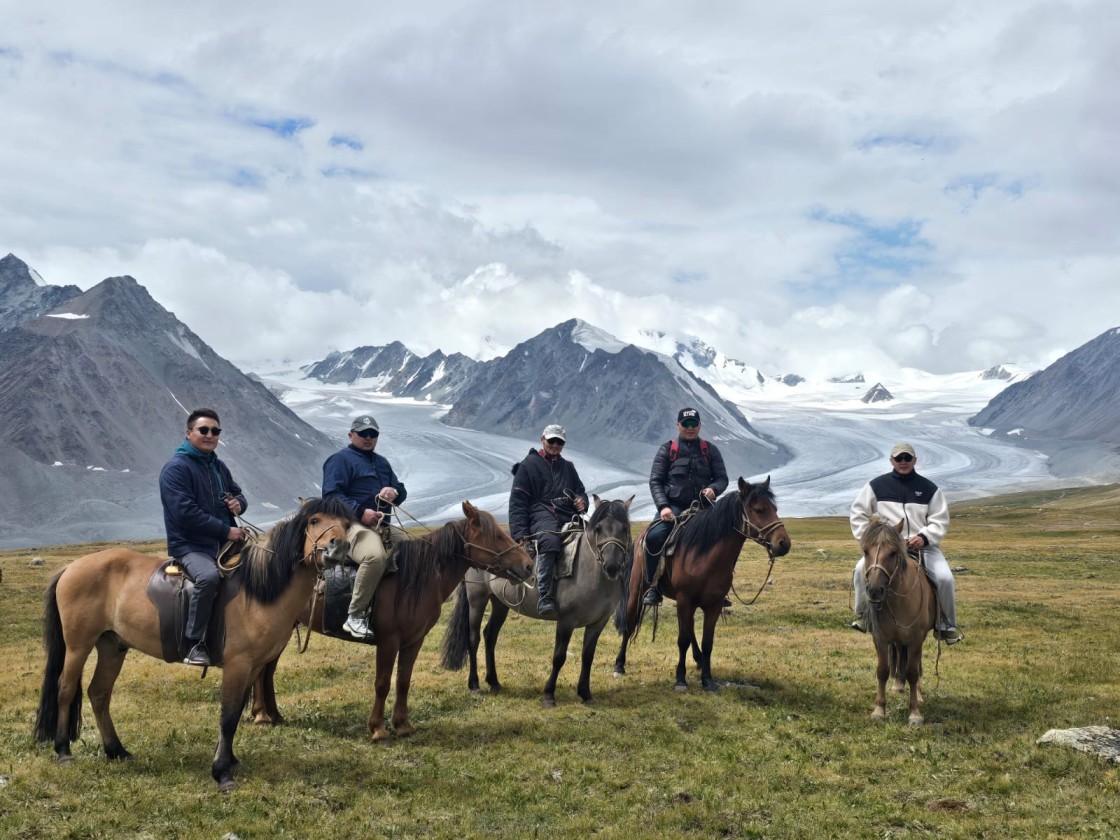
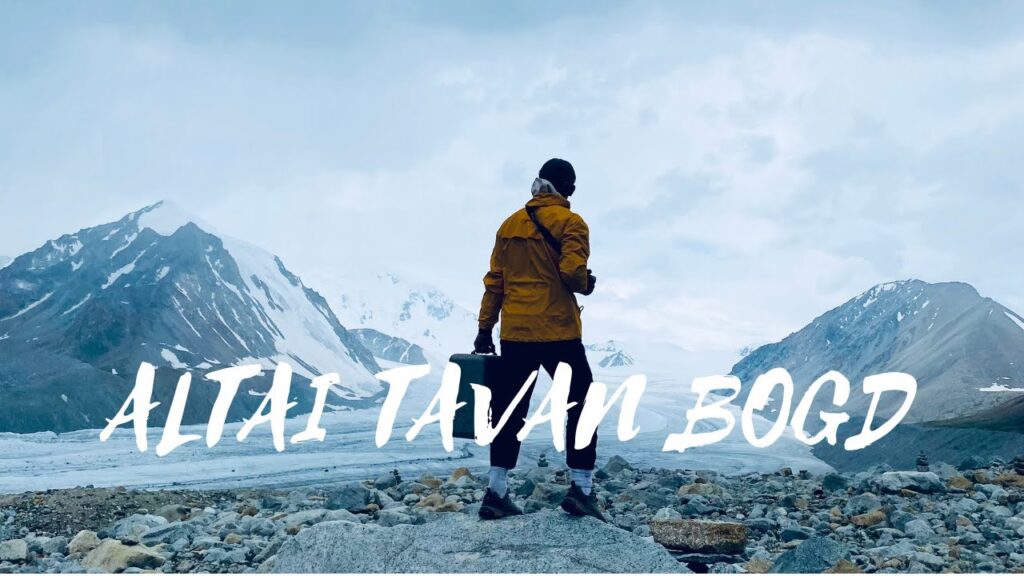
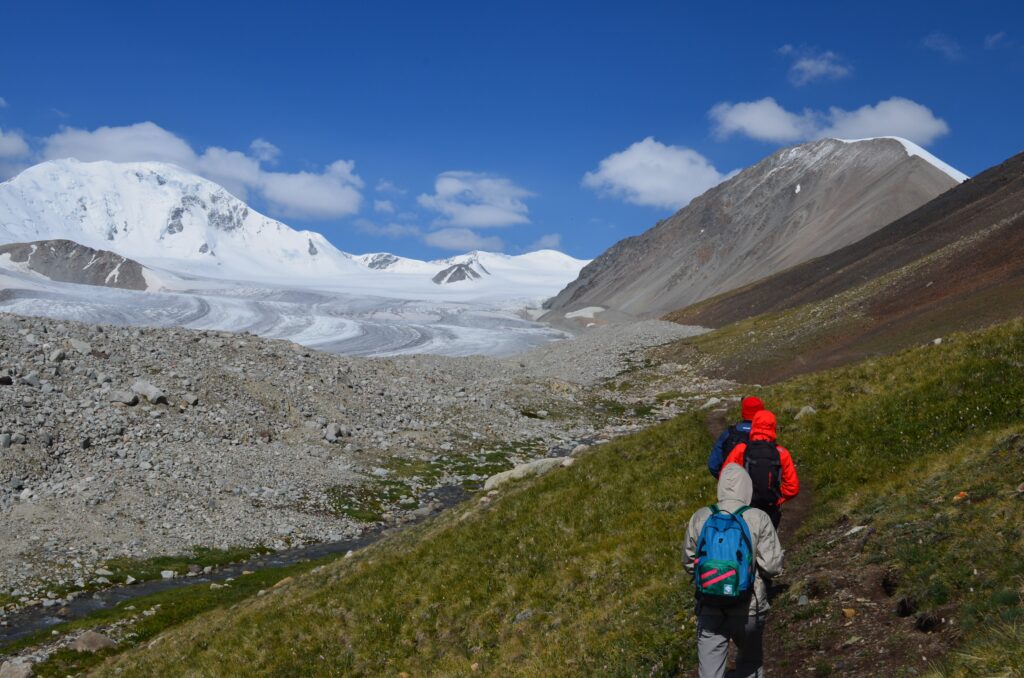
Our home ground. At about 6,362 km², the park runs along the Chinese and Russian borders in Bayan-Ölgii and contains Mongolia’s highest peaks, the Potanin Glacier, the lakes Khoton, Khurgan and Dayan, and thousands of ancient petroglyphs. It is a park for trekking, climbing, horse riding and staying with Kazakh and Tuvan herders. Start with our Altai Tavan Bogd guide.

Mongolia National Parks at a Glance
| Park | Region | Approx. area | Highlights | Getting there |
|---|---|---|---|---|
| Gorkhi-Terelj | Near Ulaanbaatar | about 2,900 km² | Rock formations, forest, ger camps | About 1.5 hours by road |
| Hustai | West of Ulaanbaatar | about 500 km² | Wild takhi horses, steppe | About 2 hours by road |
| Gobi Gurvansaikhan | South Gobi | close to 27,000 km² | Dunes, Yolyn Am, Flaming Cliffs nearby | Flight or 1–2 days’ drive |
| Khuvsgul Lake | North | large | Lake, taiga, reindeer herders | Flight to Mörön, then road |
| Khorgo-Terkhiin Tsagaan | Central | small | Volcano, White Lake | 1–2 days’ drive |
| Altai Tavan Bogd | Far west | about 6,362 km² | Highest peaks, glaciers, lakes, petroglyphs | Flight to Ölgii, then 1 day by 4×4 |
Areas are approximate and come from published references. Travel times depend heavily on road conditions and weather.
Entry Fees and Permits
Every national park charges an entry fee. It is small, usually paid per person at a ranger post on the way in, and some parks now accept payment by QR code. The rates are set by each park administration and change from time to time. Recent updates have introduced separate, higher rates for foreign visitors at some parks, so do not rely on old guidebook figures. Keep your receipt, as rangers may check it further inside the park.
Parks along the borders need more. Altai Tavan Bogd lies in the border zone with China and Russia, so you need a border-zone permit as well as a park ticket. It is issued through the border authorities, and your passport details must be submitted in advance. Our Mongolia trekking permits guide explains how it works. When you travel with us, we arrange both.
Fishing, drone flying and climbing may need separate permission in some parks. Ask before you go.
Rules and Good Manners in the Parks
- Camp at least a respectful distance from gers and water sources, and take all your rubbish out with you.
- Use existing tracks. Off-road driving scars the steppe for years.
- Do not climb on or touch petroglyphs, deer stones or burial mounds.
- Never move or take stones from ovoo (sacred cairns). Walk around them clockwise.
- Keep fires small and only where allowed. Grass and forest fires spread fast in dry, windy weather.
For more on local customs, read what not to do in Mongolia.
Which Park Should You Choose?
- Short on time: Terelj and Hustai from Ulaanbaatar.
- Desert and dunes: Gobi Gurvansaikhan, on our Gobi & Central Mongolia tour.
- Mountains, glaciers and Kazakh culture: Altai Tavan Bogd, on our 6-day Altai Tavan Bogd tour (from $1,300) or the 11-day trekking tour (from $2,300).
- Desert and mountains in one trip: our Gobi & Western Mongolia tour.
Most parks are best from June to September. For the full list of protected sites with UNESCO status, see World Heritage sites in Mongolia.
Suggested Blogs:
Taimen Fishing in Mongolia: Season, Rules, Cost and Where to Go
Taimen fishing in Mongolia: best season, catch-and-release law, permits via licensed outfitters, trip prices, gear and fishing in the Altai…Mongolia Dinosaurs: Fossils, the Flaming Cliffs and Where to See Them
Mongolia dinosaurs guide: why the Gobi is a fossil treasure house, the Flaming Cliffs, Tarbosaurus, repatriated fossils and where to…Tsagaan Sar 2027: Dates, Traditions and What Visitors Should Know
Tsagaan Sar 2027 starts around February 7. Mongolian Lunar New Year traditions, food, greetings and etiquette, and why the Kazakh…





Does Mongolia have national parks?
Yes. Mongolia has dozens of national parks within a wider system of protected areas that covers around a fifth of the country.
What is the largest national park in Mongolia?
Gobi Gurvansaikhan in the South Gobi, which covers close to 27,000 km².
Which national park is closest to Ulaanbaatar?
Gorkhi-Terelj. Its boundary starts less than 40 km from the city, and the main valley is about an hour and a half by road.
How much is the national park entry fee in Mongolia?
Fees are small and charged per person, but they vary by park and have recently been revised, with higher rates for foreigners at some parks. Check with the park or your tour operator before you go.
Do I need a permit for Altai Tavan Bogd National Park?
Yes. Besides the park ticket, you need a border-zone permit because the park lies along the borders with China and Russia.
Where can I see wild horses in Mongolia?
Hustai National Park, west of Ulaanbaatar, is the most accessible place to see takhi (Przewalski’s horses).