The Altai Mountains and Their Heritage
|

Kazakh Wedding Traditions: The Customs That Still Shape Altai Marriages

A Kazakh wedding in Mongolia’s Altai is not a single event but a sequence of ceremonies stretching over months. It moves through matchmaking between two families, the kyz uzatu — the bride’s send-off party hosted by her own parents — and the betashar, the unveiling of the bride at the groom’s home, where a singer…
Altai Mountains Nomadic Life_ Eagles, Horses, and the Spirit of Tradition
|

Kazakh Dombra Music: The Two-String Sound of the Altai Steppe

The dombra is the central instrument of Kazakh folk music — a long-necked, two-string plucked lute that accompanies songs, carries solo instrumental pieces called kuy, and backs the improvised poetry duels known as aitys. In Mongolia’s Bayan-Ölgii Province, the Kazakh community keeps this living tradition alive in family gers, at celebrations, and at festivals. UNESCO…

Why the Altai Mountains Nomadic Life Matters Today
|

Naadam in Bayan-Ölgii: How Western Mongolia’s Kazakh Province Celebrates the July Festival

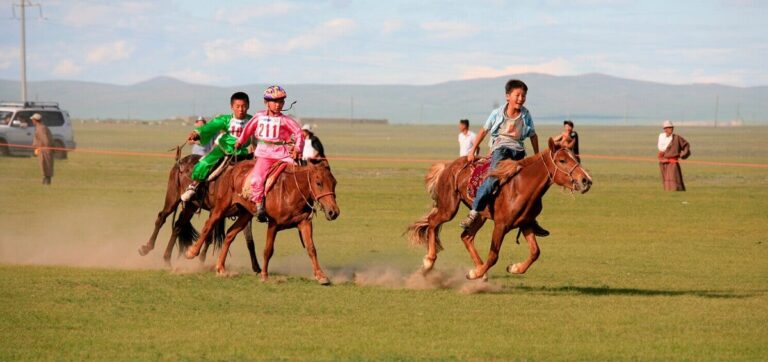
Naadam is Mongolia’s national festival of “the three games of men” — wrestling, horse racing, and archery — held nationally from 11 to 13 July. Bayan-Ölgii Province, Mongolia’s Kazakh-majority region in the far west, holds its own provincial Naadam in July, smaller and more local than the famous Ulaanbaatar event. In Bayan-Ölgii the festival blends…

visit kazakh family in mongolia
|

Kazakh Food in Mongolia: A Traveller’s Guide to Altai Steppe Cuisine

Kazakh food in Mongolia’s Altai region is built on meat and dairy from four animals — horses, camels, cows, and sheep, known collectively as the tört tülik mal. The national dish is beshbarmak: boiled horse or mutton served over wide flat noodles. Other staples include kazy (horse-meat sausage), baursak (fried dough balls), qurt (dried salted…

Meeting Nomadic Families in the Altai Mountains
|

Kazakh vs Mongol Nomads in the Altai: How Two Nomadic Cultures Share the Same Mountains

Kazakh and Mongol nomads share the Altai Mountains of western Mongolia but come from two distinct cultures with different languages, religions, and traditions. Kazakhs speak a Turkic language and are predominantly Sunni Muslim; Mongols speak a Mongolic language and follow Tibetan Buddhism with Tengrist shamanic roots. Kazakhs live in canvas-covered yurts while Mongols live in…

The Horse Trekking Culture of Western Mongolia
|

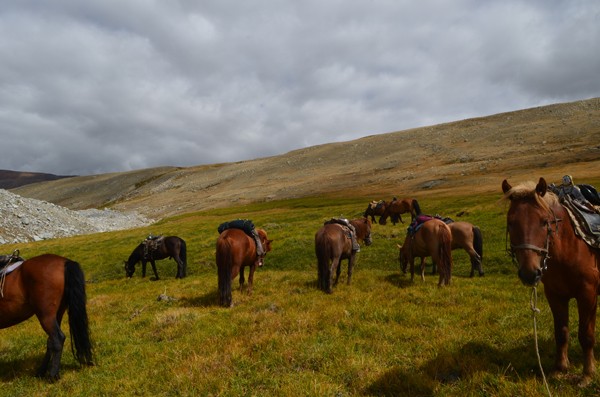
What Do Mongolian Horses Eat? Diet, Foraging, and Why They Thrive on Pasture Alone

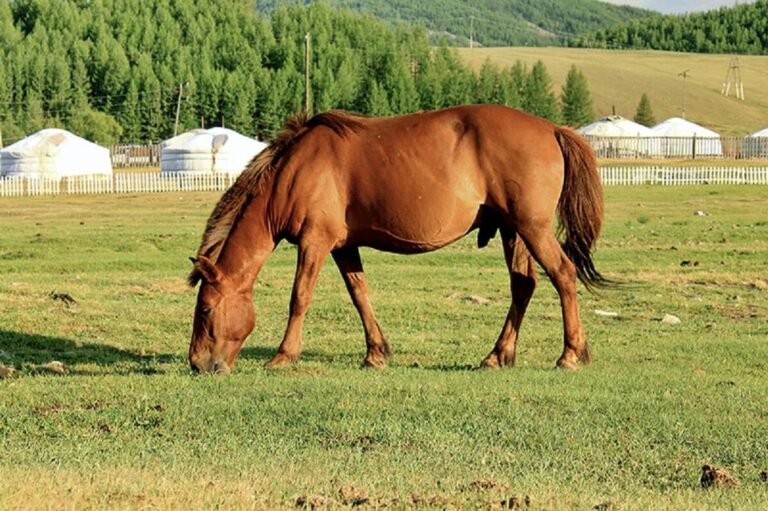
Mongolian horses live on natural pasture year-round — grasses, sedges, wild herbs, and shrubs in summer, and dry standing forage with occasional supplementary hay in winter. Unlike Western horse breeds, they receive no grain, no concentrated feed, and almost no veterinary care. They are turned out year-round in semi-wild herds and find their own food…

Why the Altai Mountains Are the Perfect Horseback Destination
|

Mongolian Horse Gaits: The Walk, Trot, Jorlogh, and Gallop Explained

Mongolian horses use four main gaits: the walk (slow four-beat ground-cover gait), the trot (two-beat diagonal pairs, used briefly), the jorlogh (a smooth four-beat amble unique to certain steppe-horse bloodlines, prized by herders for long-distance comfort), and the gallop (four-beat asymmetric high-speed gait, used for racing and short bursts). The jorlogh is the gait that…

Altai mountains horse trekking routes
| |

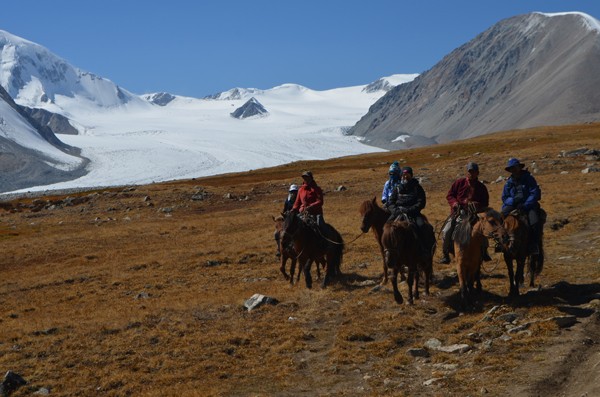
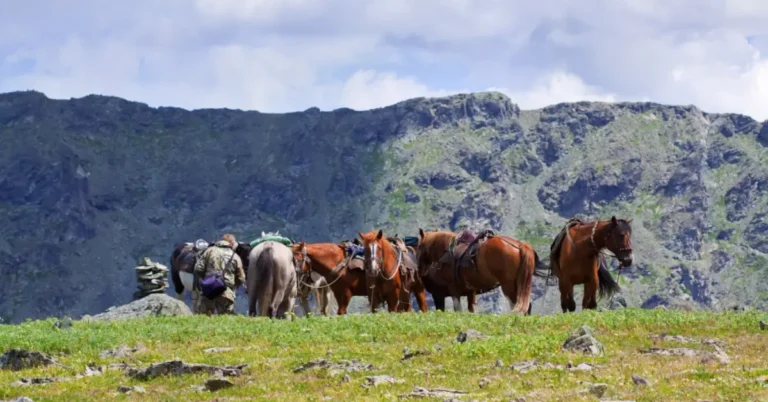
Horse Trekking Routes in Altai Tavan Bogd National Park – A Complete Guide

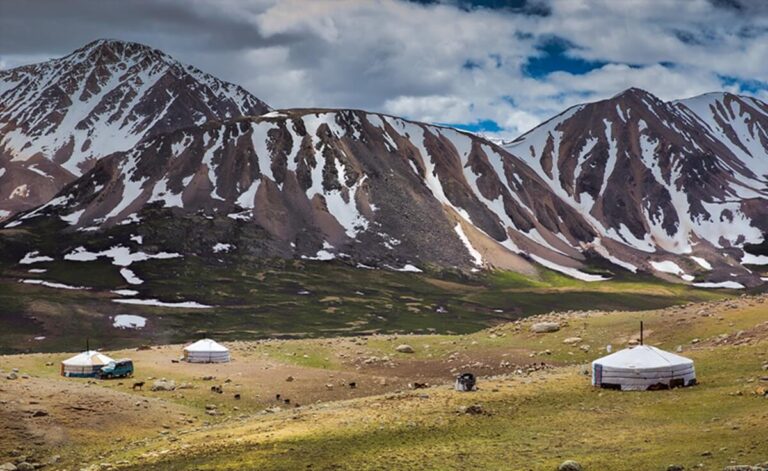
When travelers dream of Mongolia’s untamed wilderness, few places capture the imagination like Altai Tavan Bogd National Park. Known for its snow-capped peaks, ancient glaciers, and pristine lakes, this region is also home to some of the most unforgettable horse trekking routes in Central Asia. For centuries, nomadic families have relied on their sturdy Mongolian…

helmet boots

Horse Trekking Equipment and Gear for Mongolian Adventures

Horse Trekking Equipment and Gear for Mongolian Adventures – Mongolia is renowned for its vast, open landscapes, and the deep cultural connection its people have with horses. Horse trekking in Mongolia offers an authentic experience of the nomadic lifestyle, traversing across steppes, mountains, and deserts. To make the most of this extraordinary adventure, having the…

horse trekking

Which Country Is Best for Horse Riding?

Which Country Is Best for Horse Riding? – When you think of horse riding, several countries might come to mind, but there’s one place that stands above the rest—Mongolia. This vast and rugged country, with its open steppes and deep-rooted horse culture, offers an unparalleled experience for horse lovers. Whether you’re a seasoned rider or…

Horse race

Mongolian traditional games played on horseback

Mongolia, a nation with vast steppes and a deeply rooted nomadic culture, has a rich tradition of games played on horseback. These games, more than just pastimes, are integral to the Mongolian way of life, symbolizing the skills, agility, and bravery that have been essential for survival and warfare in the harsh landscapes of Central…

mongolian horse

The evolution of Mongolian horse breeds

The evolution of Mongolian horse breeds – The Mongolian horse, a symbol of endurance and versatility, has roamed the vast and varied landscapes of Mongolia for centuries. Often seen as an extension of the nomadic lifestyle that defines much of the country’s history, these horses are not just animals but are integral to Mongolian culture,…

Mongolian horseback archery

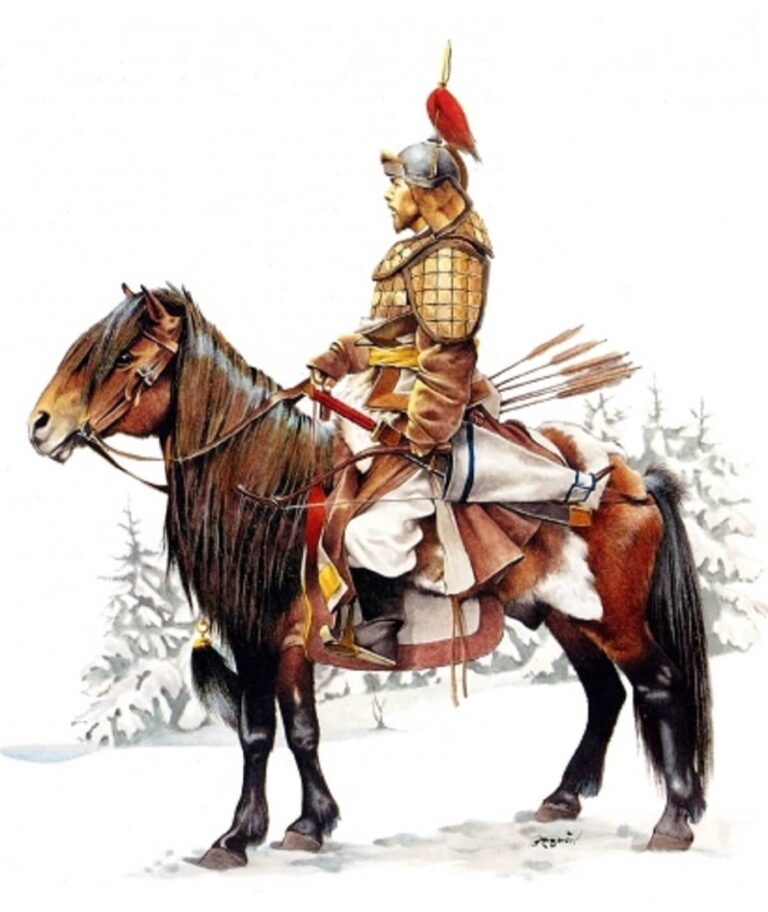
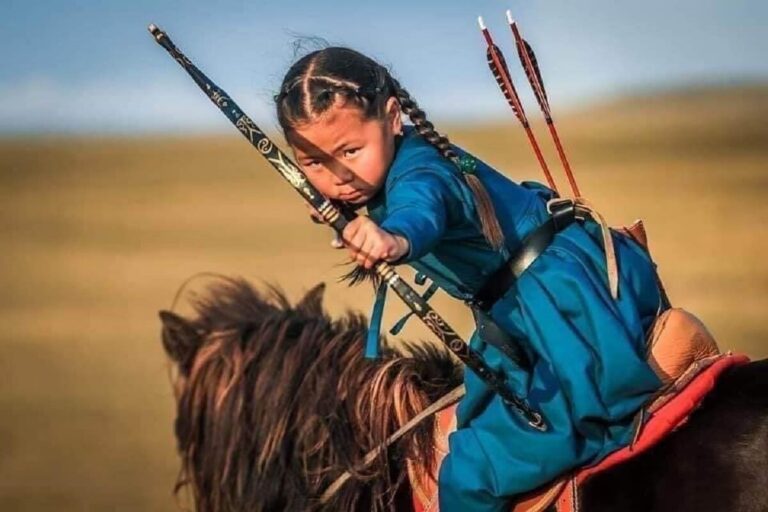
The art of Mongolian horseback archery

Mongolian horseback archery is a fascinating and dynamic sport that embodies the rich history and vibrant culture of Mongolia. This traditional skill combines the art of archery with the agility of horse riding, showcasing the incredible bond between a horse and its rider. Let’s dive into the world of Mongolian horseback archery, exploring its history,…

horse racing in mongolia

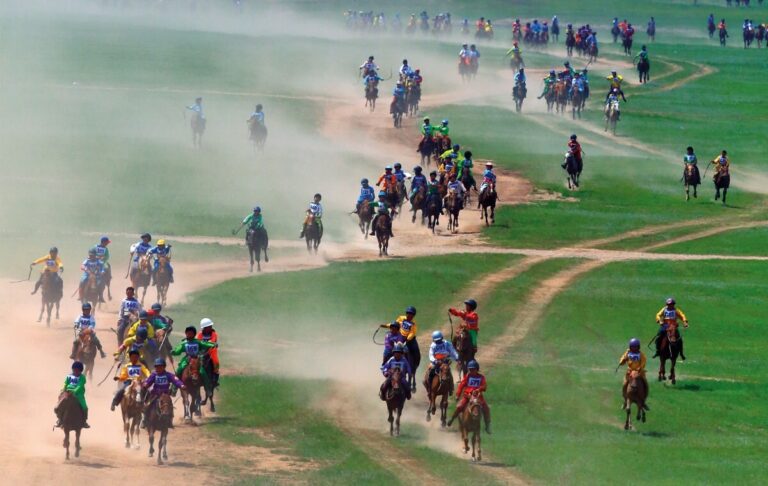
Mongolian horse racing – Traditions and modern competitions

Mongolian horse racing is a captivating and ancient tradition deeply rooted in Mongolia’s nomadic culture. It’s much more than just a sport; it is a celebration of the skills and endurance both of horses and their riders. The traditions surrounding Mongolian horse racing stretch back centuries, making it a vital part of Mongolia’s cultural heritage….

Horse milk

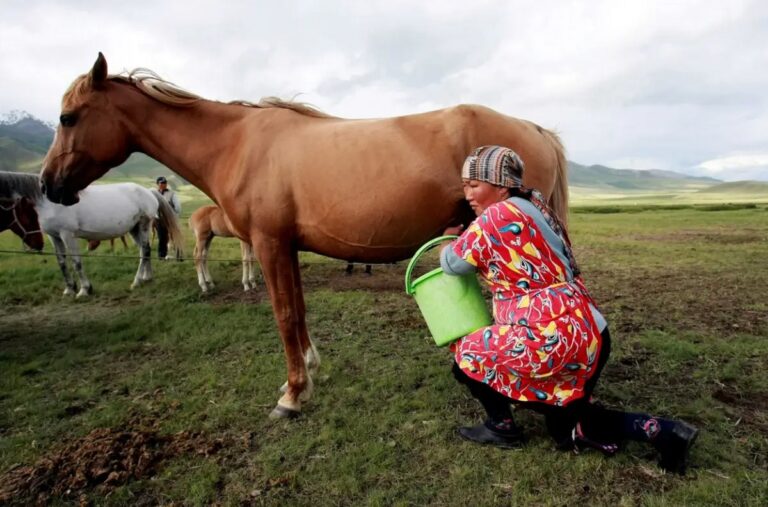
Horse milk and its cultural significance in Mongolia – 5 interesting facts

Mongolian beverage Airag is made of Mongolian horses fermented milk. It is a national drink and only Mongolians can make it. Airag has been made since Mongolian nomadic times. And it still continues in our modern life. From its health benefits to its role in social and ceremonial gatherings, horse milk is deeply woven into the fabric…

Altai Tours from Mongolia
| | | | | | | |

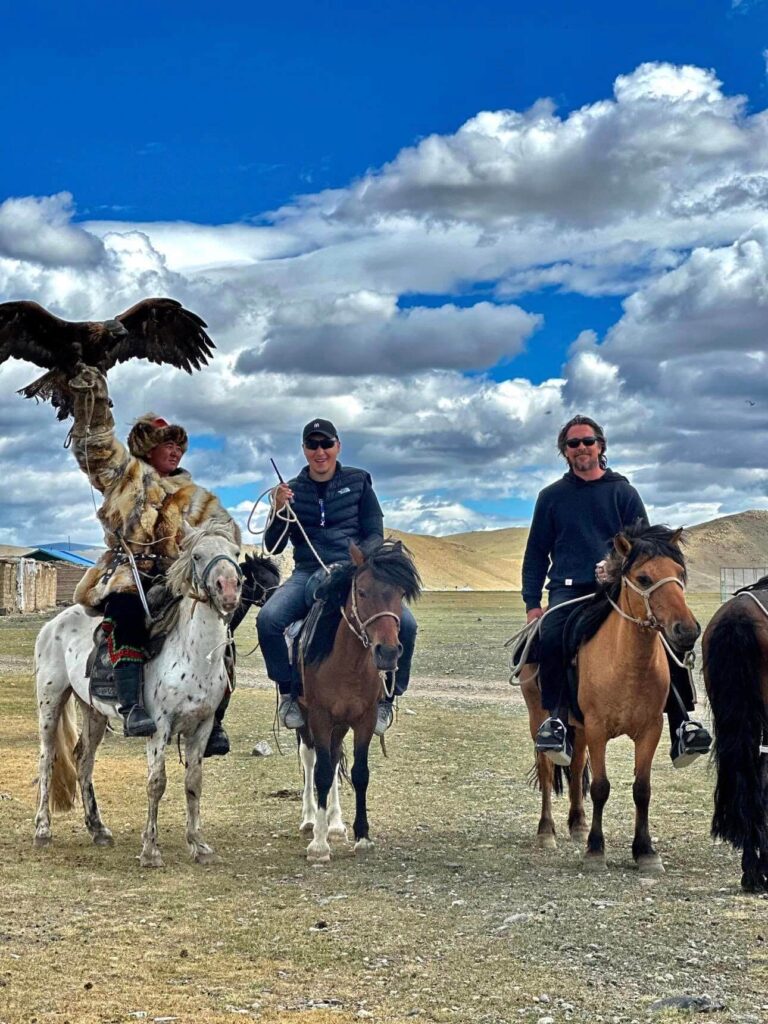
Our history with Christian Bale in Mongolia to visit Mongolian Eagle Hunter

Who is Christan Bale Christian Charles Philip Bale is an English actor known for his powerful performances in both big-budget Hollywood films and independent productions. He was born in Haverfordwest, Pembrokeshire, Wales, United Kingdom on January 30, 1974.  Bale rose to fame at the age of 13 when he was cast in the lead role in…

Mongolian horse culture: Interesting facts & History

Mongolian horse culture: Interesting facts & History

Mongolian horse culture – For generations, the nomadic people of Mongolia have based their lives around raising livestock for food and drink. Horses in particular are very important to them as they provide transportation and aid in domestic duties. No other place on Earth has horses more central to their way of life than Mongolia. Elizabeth Kimball…

End of content

End of content