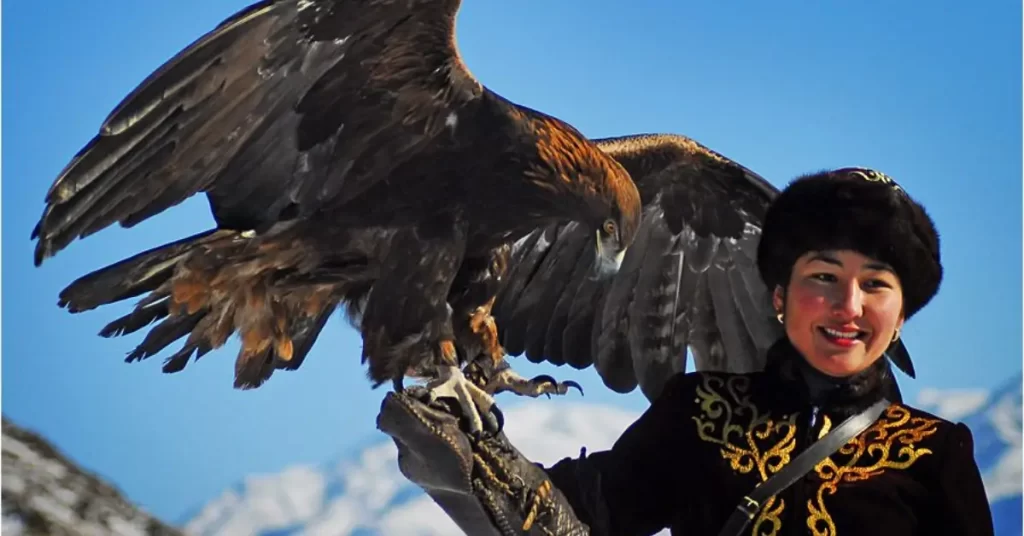
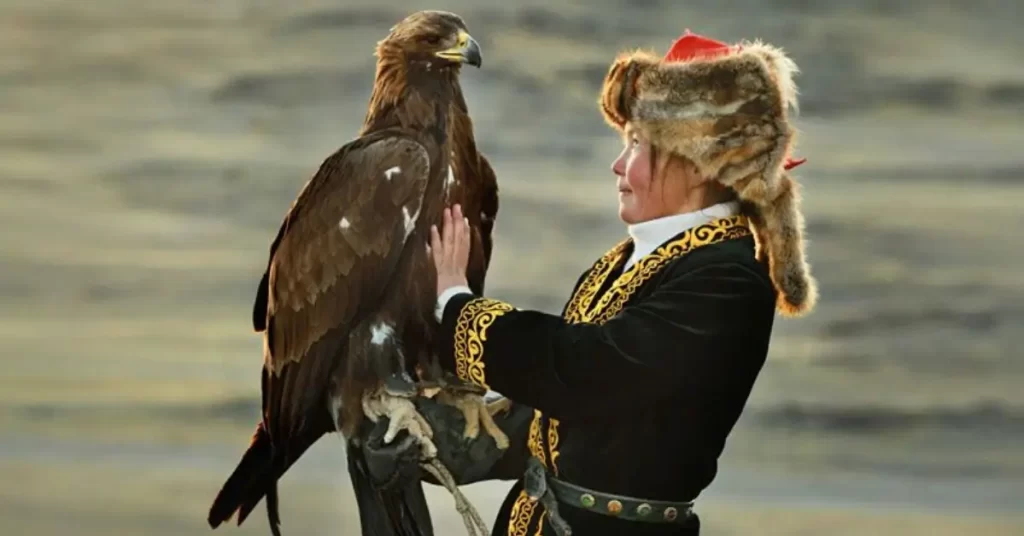
For centuries, eagle hunting in Mongolia has been a symbol of resilience, strength, and deep connection to the natural world. Traditionally dominated by men, this ancient practice is now experiencing an inspiring transformation. A new generation of female eagle hunters is stepping forward, proving that the skills, courage, and dedication required to train and hunt with golden eagles are not bound by gender. Their growing presence is reshaping perceptions and ensuring the future of eagle hunting traditions remains vibrant in the 21st century.
The Legacy of Eagle Hunting in Mongolia
Eagle hunting, or berkutchi, is a tradition most deeply rooted in the Altai Mountains of western Mongolia, especially among the Kazakh ethnic community. Hunters train golden eagles to catch foxes and hares, providing food and fur to withstand the region’s harsh winters. Recognized by UNESCO as part of the world’s intangible cultural heritage, eagle hunting is not only a skill but also a profound expression of cultural identity and survival.
For centuries, this knowledge was passed down from father to son, creating a lineage of hunters who carried both prestige and responsibility. But as modern life transforms rural communities, there has been a growing concern that younger generations may abandon this way of life. That’s where the rise of women in eagle hunting brings new hope.
Breaking Barriers: Women Enter the World of Eagle Hunting
In the past, eagle hunting was viewed as a male pursuit because of the physical demands of handling and training a bird that can weigh up to seven kilograms, with wingspans exceeding two meters. Yet, history reveals that women were never entirely absent from the tradition. Stories of female hunters, though rare, have been preserved in local folklore. Today, these legends are turning into reality.
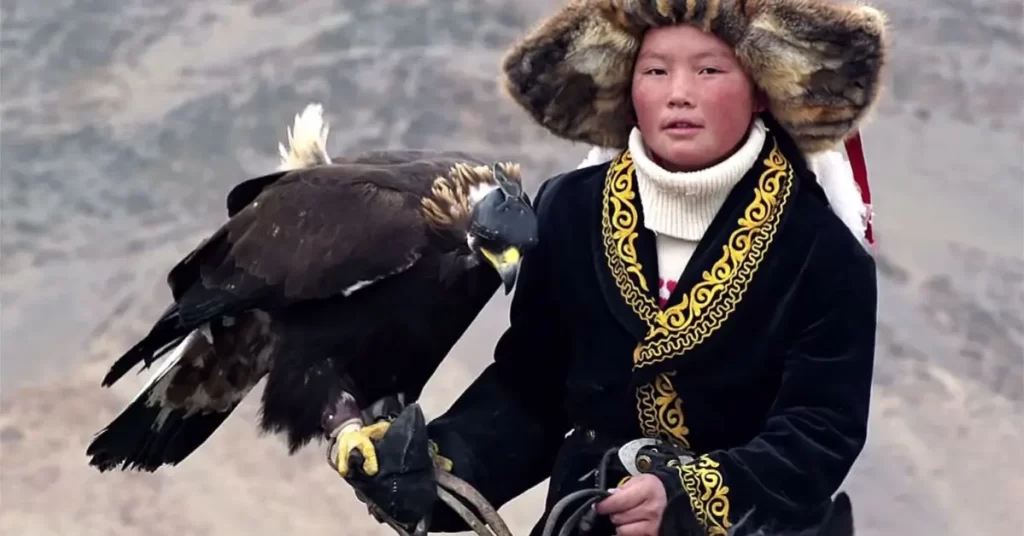
The most famous example is Aisholpan Nurgaiv, the young Kazakh girl who became the first widely recognized female eagle hunter. Her story captured the world’s attention through the award-winning documentary The Eagle Huntress (2016). At just 13 years old, she competed alongside seasoned male hunters and proved that determination and skill matter more than gender. Aisholpan’s success has inspired many young girls in Mongolia and beyond to believe that they, too, can participate in keeping eagle hunting traditions alive.

Training and Dedication: The Female Eagle Hunter’s Journey
Becoming a skilled eagle hunter requires patience, discipline, and trust. For women entering this world, the journey is both physically and emotionally demanding. The process begins with capturing or adopting a young golden eagle from the wild. Training involves:
- Building Trust: The hunter must bond with the eagle through daily feeding, gentle handling, and constant interaction.
- Physical Strength: Carrying the eagle during hunts, sometimes on horseback, requires endurance.
- Skill in the Hunt: Hunters must learn how to release the eagle, guide its flight, and retrieve it after the catch.
- Tradition and Respect: Beyond hunting, eagle training involves cultural rituals, songs, and stories that connect the hunter to their ancestors.
For female eagle hunters, proving themselves in a historically male-dominated field also means facing skepticism. However, more and more local communities are beginning to celebrate their involvement, seeing it as a way to safeguard the practice for future generations.
Changing Attitudes in Mongolian Society
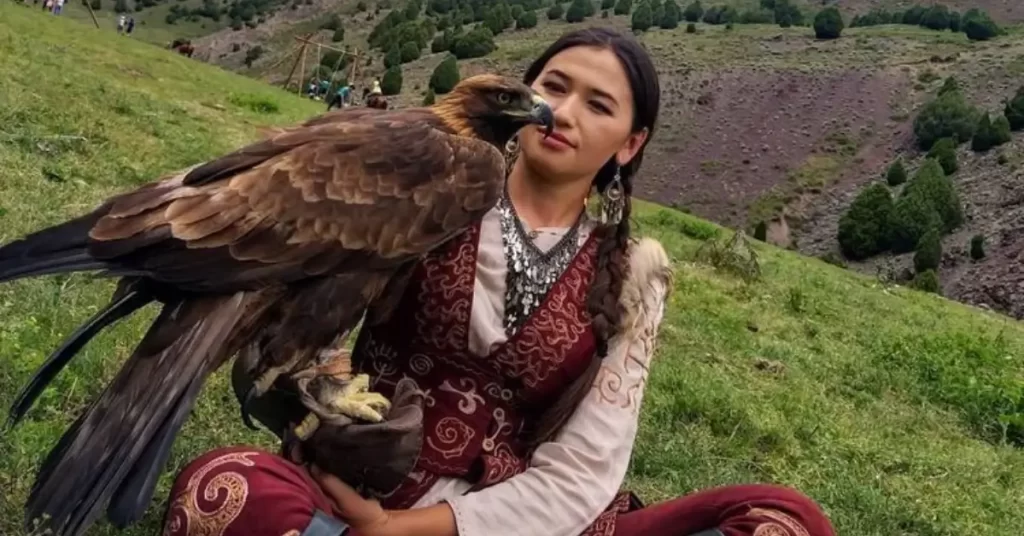
In the past, a female eagle hunter might have been considered unusual. Today, these women are not only accepted but often admired. Local festivals, such as the Golden Eagle Festival in Bayan-Ölgii Province, now welcome female participants. Their presence attracts international attention, boosting tourism and strengthening cultural pride.
Importantly, the involvement of women in eagle hunting challenges outdated gender roles. It shows that traditional practices can adapt to modern values, becoming more inclusive while still honoring heritage. Families that once discouraged their daughters from joining hunts are now proudly supporting them.
The Future of Eagle Hunting Traditions
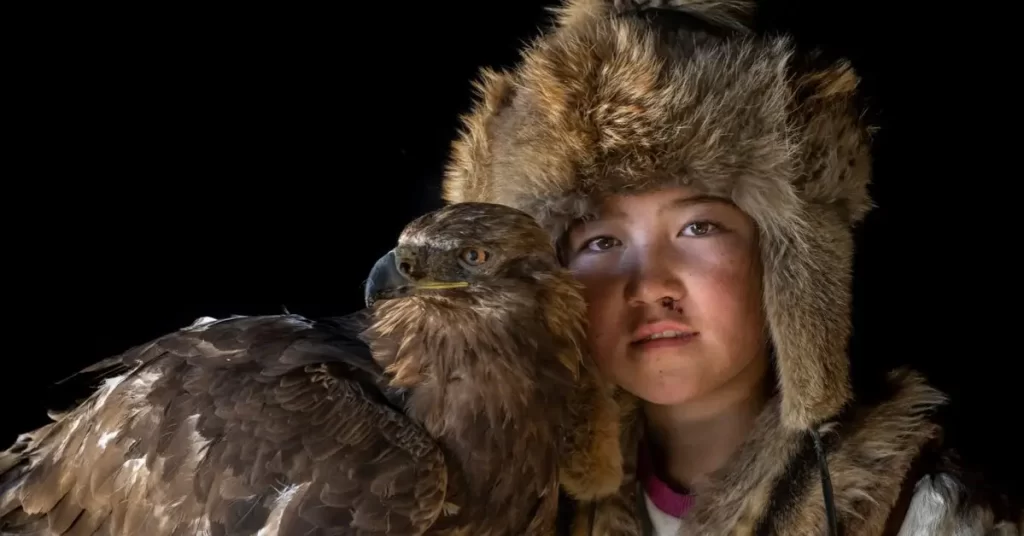
The participation of women in eagle hunting signals a positive future for this ancient tradition. Here’s why:
- Preservation of Knowledge: More hunters, regardless of gender, mean more opportunities to pass down skills and rituals to the next generation.
- Global Awareness: Female eagle hunters like Aisholpan have brought international attention, inspiring documentaries, books, and tourism.
- Sustainability: As Mongolia faces social and environmental changes, having a diverse group of hunters ensures that traditions are more resilient.
- Cultural Evolution: Traditions that adapt to include women show their strength and ability to survive in modern times.
Young girls who once dreamed of becoming eagle hunters now have role models to look up to. This ensures that the future of eagle hunting traditions will not fade away but will instead thrive with new energy.
Tourism and Female Eagle Hunters
Female eagle hunters have also transformed the cultural tourism landscape of western Mongolia. Travelers from around the world now visit to meet these remarkable young women and witness their skills. The Golden Eagle Festival, where hunters showcase their birds in competitions, has become a stage where female hunters shine. For tourists, the chance to meet a female eagle hunter offers a unique, empowering story alongside the majestic landscapes of the Altai Mountains.
This tourism not only supports local economies but also encourages families to continue training new hunters. When visitors celebrate both male and female eagle hunters, the community gains recognition and pride in their heritage.

Challenges Ahead
Despite growing acceptance, female eagle hunters still face challenges. Rural life in Mongolia is changing, with many young people moving to cities for education and work. Maintaining the demanding lifestyle of an eagle hunter requires dedication that not everyone can sustain. There is also the question of balancing modern opportunities with traditional responsibilities.
Yet, the determination of young women is proving that these challenges can be overcome. Their stories continue to inspire global audiences, ensuring that the tradition does not vanish into history.
Conclusion: A Tradition Reborn Through Inclusion
The rise of female eagle hunters in Mongolia is more than just a story of breaking gender barriers. It is about the resilience of culture, the strength of tradition, and the importance of adaptation in a changing world. By embracing inclusivity, the Kazakh eagle hunting communities of the Altai Mountains are showing that traditions are not relics of the past—they are living practices that can evolve while staying true to their roots.
As women step into the role of female eagle hunters, they secure the future of eagle hunting traditions for generations to come. Their courage and commitment ensure that this breathtaking bond between human and eagle will continue to inspire, teach, and connect people to the wild beauty of Mongolia.
If you would like to read more about eagle hunting traditions click below links:
- Training a Golden Eagle: How Hunters Build Lifelong Bonds
- Golden Eagle Festival: A Celebration of Nomadic Heritage
- Meet the Kazakh Eagle Hunters of the Altai Mountains – Lifestyle and Culture of Eagle Hunter Families
- The Ancient Art of Eagle Hunting in Western Mongolia – History, Traditions, and UNESCO Heritage
CLIMB MOUNT KHUITEN MONGOLIA CLIMB
Come and enjoy a unique expedition in the remotely located Altai Mountains CLIMB MOUNT KHUITEN MONGOLIA ⭐⭐⭐⭐⭐ 5.0 · 72…MONGOLIA SNOW LEOPARD PHOTOGRAPHY TOUR
Unleash your adventure spirit, explore Mongolia on your own terms MONGOLIA SNOW LEOPARD PHOTOGRAPHY TOUR ⭐⭐⭐⭐⭐ 5.0 · 72 reviews…Mongolia Altai Mountain Tour 2026 — 8 Days: Peak Climb + Culture + Nomadic Stay | $1,700
Unleash your adventure spirit, explore Mongolia on your own terms MONGOLIA ALTAI MOUNTAIN TOUR ⭐⭐⭐⭐⭐ 5.0 · 72 reviews on…