
The Trans-Mongolian Railway is the line that runs from Beijing across the Gobi Desert to Ulaanbaatar and on to the Russian border, where it joins the Trans-Siberian. For most travellers today it means one thing: the overnight train between Beijing and Ulaanbaatar, a ride of roughly 27 to 30 hours with a wheel change at the Chinese-Mongolian border. Through services to Moscow have been disrupted in recent years, so check the current timetable before you plan the full Moscow to Beijing journey.
Key Takeaways
- The core route: Beijing – Erenhot (China border) – Zamiin-Üüd (Mongolia border) – Sainshand – Ulaanbaatar – Darkhan – Sükhbaatar – Russian border.
- Beijing to Ulaanbaatar: Usually one international train a week in each direction, taking roughly 27 to 30 hours.
- The bogie change: China uses standard gauge and Mongolia uses broad gauge, so the carriages are lifted and their wheels swapped at the border, which takes a few hours at night.
- Tickets: Hard sleeper (4-berth) and soft or deluxe sleeper (2-berth) are the main classes; fares change often, so check the official operators or a reliable agent.
- Ulaanbaatar is not the end: The Altai Mountains are another 1,600 km west, so most rail travellers add a domestic flight to Ölgii.
What Is the Trans-Mongolian Railway?
The name covers two things. Historically, the Trans-Mongolian is one of the three classic routes of the Trans-Siberian network: instead of running all the way along the Russian Pacific coast, it leaves the main Trans-Siberian line at Ulan-Ude, crosses Mongolia from north to south and ends in Beijing. Within Mongolia, the same line is simply the country’s main railway, linking Ulaanbaatar with Russia in the north and China in the south.
Mongolia’s rail network is small. Apart from this north-south trunk line and a few branches to mining towns, there are almost no passenger railways. That is why the Trans-Mongolian is the only realistic way to reach Mongolia by train, and why it means so much to overland travellers.

Route and Main Stops
From south to north, the stops most travellers notice are these:
| Stop | Country | What happens there |
|---|---|---|
| Beijing | China | Departure; the train leaves from Beijing Railway Station |
| Datong | China | Short stop in northern China |
| Erenhot (Erlian) | China | Chinese border control and the bogie change |
| Zamiin-Üüd | Mongolia | Mongolian border control |
| Sainshand | Mongolia | Gateway town for the eastern Gobi |
| Choir | Mongolia | Short stop on the steppe |
| Ulaanbaatar | Mongolia | Capital; most travellers break the journey here |
| Darkhan | Mongolia | Mongolia’s second industrial city |
| Sükhbaatar | Mongolia | Last Mongolian station before Russia |
| Naushki / Ulan-Ude | Russia | Border, then junction with the Trans-Siberian |
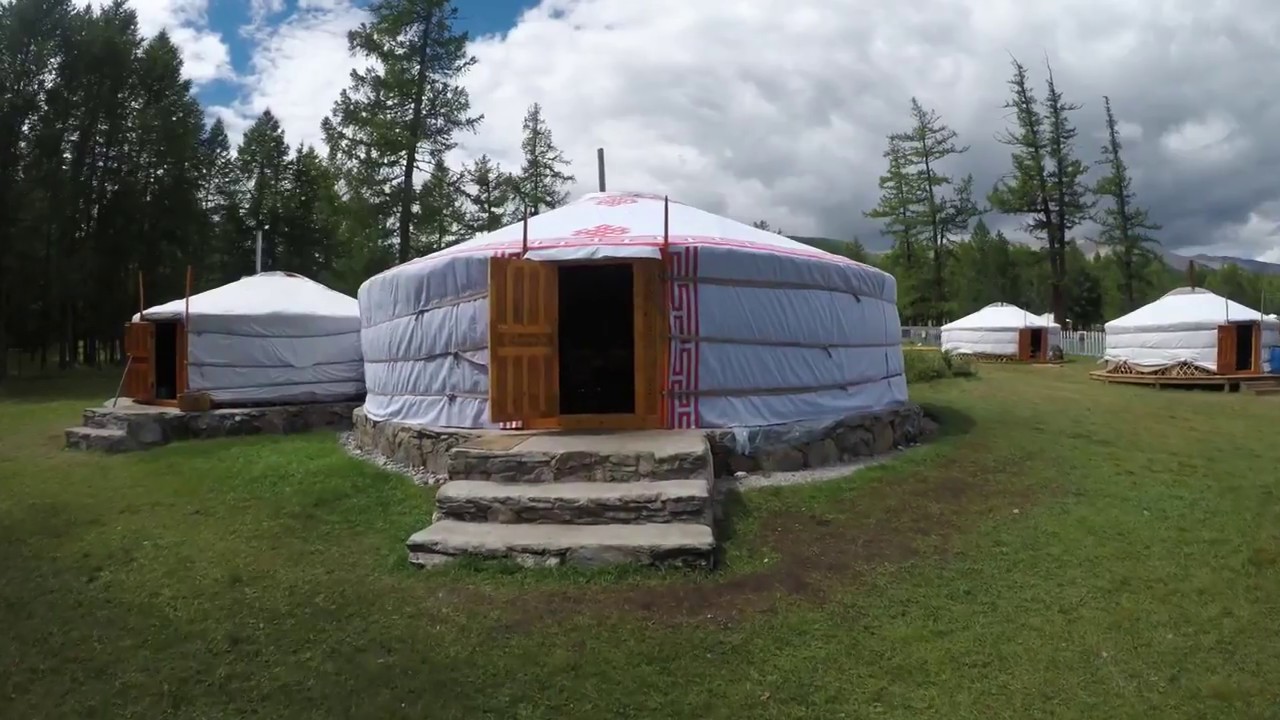
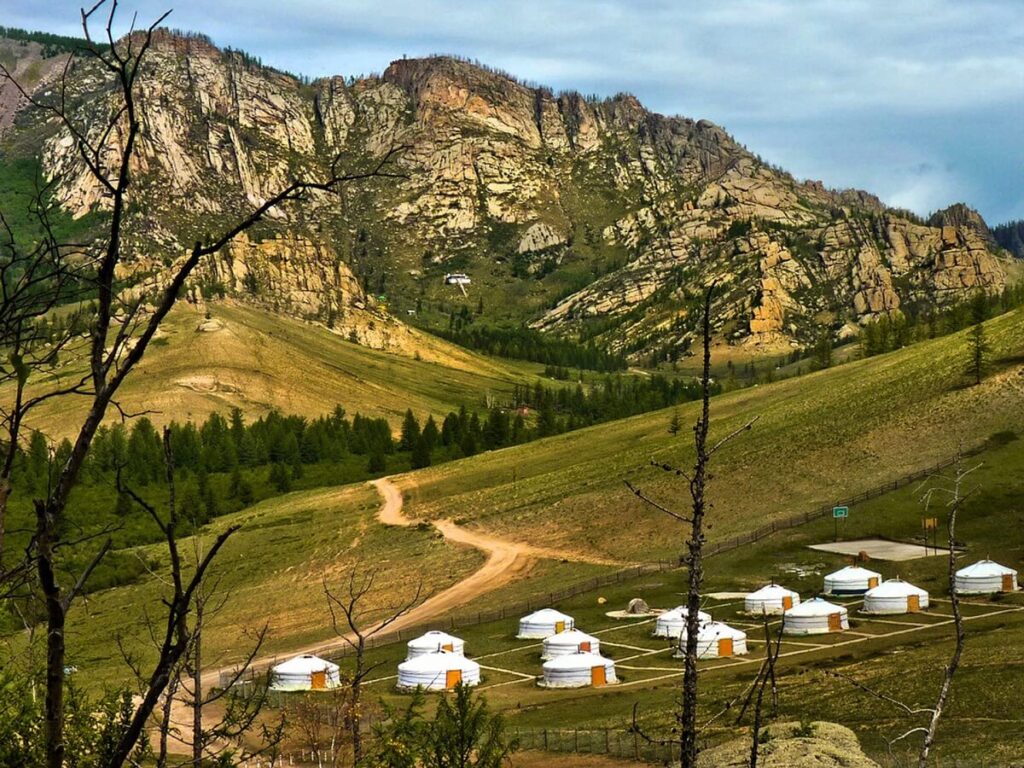
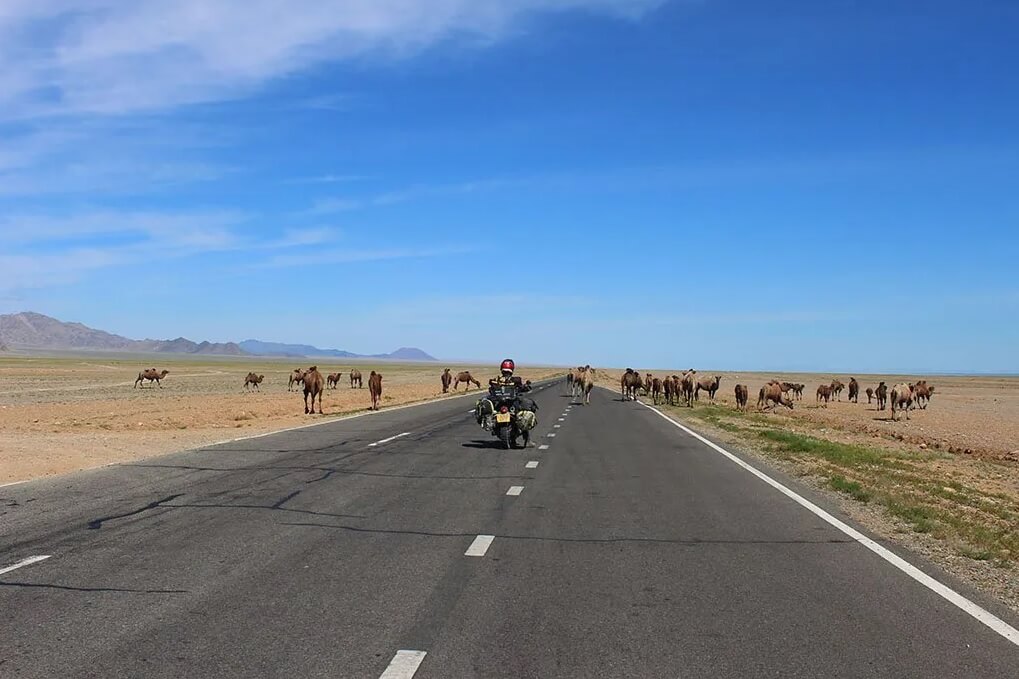
Between Erenhot and Ulaanbaatar the train crosses the eastern Gobi overnight. If you wake early, the view from the window is open desert steppe, camels and the occasional ger. As you get closer to Ulaanbaatar, the land turns into grassy hills.
Beijing to Ulaanbaatar by Train
This is the section most people mean when they search for the Trans-Mongolian today. In recent seasons the Beijing to Ulaanbaatar service has run about once a week in each direction, with the journey taking roughly 27 to 30 hours, including the border stop. Train numbers and departure days have changed several times since 2020, so check the current schedule with China Railway, Mongolian Railway (UBTZ) or an agent before you book flights around it.
The long stop at the border is the part everyone remembers. Chinese tracks are standard gauge and Mongolian tracks are broad gauge, so at Erenhot the whole train is shunted into a shed, each carriage is lifted, and the wheel sets (bogies) are swapped. This usually happens in the middle of the night and takes a few hours. Toilets are locked during the process, so plan ahead.
There are also cheaper, more flexible alternatives. Some travellers take a domestic Chinese train or bus to Erenhot, cross the border by jeep to Zamiin-Üüd, and catch the Mongolian domestic train to Ulaanbaatar. It saves money but takes more effort and Chinese or Mongolian language helps.
Tickets, Classes and Cost
International trains usually offer three kinds of berth:
- Hard sleeper (2nd class): 4-berth closed compartment. Comfortable enough and the best value.
- Soft sleeper (1st class): 4-berth compartment with softer bunks on some trains, or 2-berth on others.
- Deluxe soft sleeper: 2-berth compartment, sometimes with a shared shower or washbasin.
Fares change with exchange rates and the season, so treat any number you read online as a rough guide. As an order of magnitude, a Beijing to Ulaanbaatar berth has cost roughly USD 200 to 300 in recent years depending on class, with agents adding a booking fee. Summer departures in July and August sell out first, especially around Naadam in mid-July.
Where to buy: tickets for trains leaving China are sold through China Railway and international ticket offices in Beijing; tickets for trains leaving Mongolia are sold at the international ticket office in Ulaanbaatar railway station. Many travellers pay an agent to book ahead, which costs more but avoids queues and sold-out trains.
What the Journey Is Like on Board
Compartments have bedding, a small table and a hot-water boiler (samovar) at the end of each carriage. The restaurant car changes at the border: Chinese on the Chinese side, Mongolian on the Mongolian side, and payment is usually in local currency or US dollars in cash. Bring your own snacks, instant noodles, tea and fruit, plus some cash in both yuan and tögrög.
- Bring slippers, a headlamp, wet wipes and a reusable cup.
- Download offline maps and entertainment; mobile signal drops in the Gobi.
- Keep your passport handy for the night border checks on both sides.
- Check that your Mongolian visa or visa exemption covers your entry. See our guide to Mongolia visa requirements.
Continuing West to the Altai Mountains
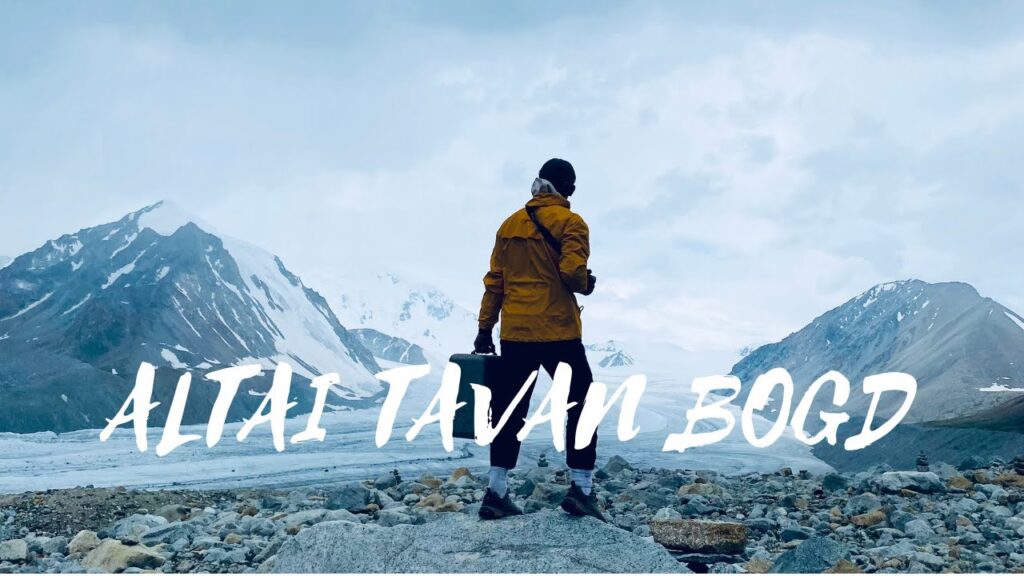
The railway ends its Mongolian story in the centre of the country. Western Mongolia, with the Altai Mountains, the Kazakh eagle hunters and Altai Tavan Bogd National Park, has no railway at all. From Ulaanbaatar you have two options: a domestic flight of roughly 3 to 4 hours to Ölgii, or a road trip of several days across the steppe.
Most of our guests who arrive by train spend a day or two in Ulaanbaatar, fly to Ölgii and start their trip there. Good options after the train include the 6-day Altai Tavan Bogd tour or the 11-day Altai Tavan Bogd trek. If you would rather keep travelling overland, see our Mongolia self-drive tour.

When to Ride the Trans-Mongolian
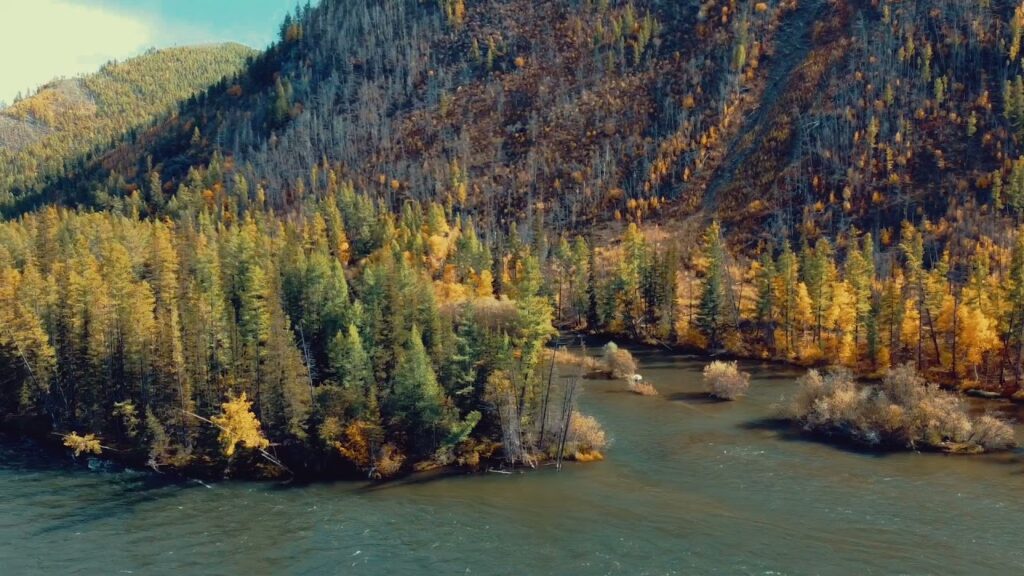
Trains run all year. Summer (June to August) brings green steppe and the busiest trains. September is a sweet spot: fewer travellers, clear skies and golden grass, and you can combine the trip with the eagle festivals in Bayan-Ölgii. Winter rides are beautiful but cold, with snow on the Gobi and temperatures far below zero in Ulaanbaatar. For a month-by-month view, read our guide to the best time to visit Mongolia.
Suggested Blogs:
Taimen Fishing in Mongolia: Season, Rules, Cost and Where to Go
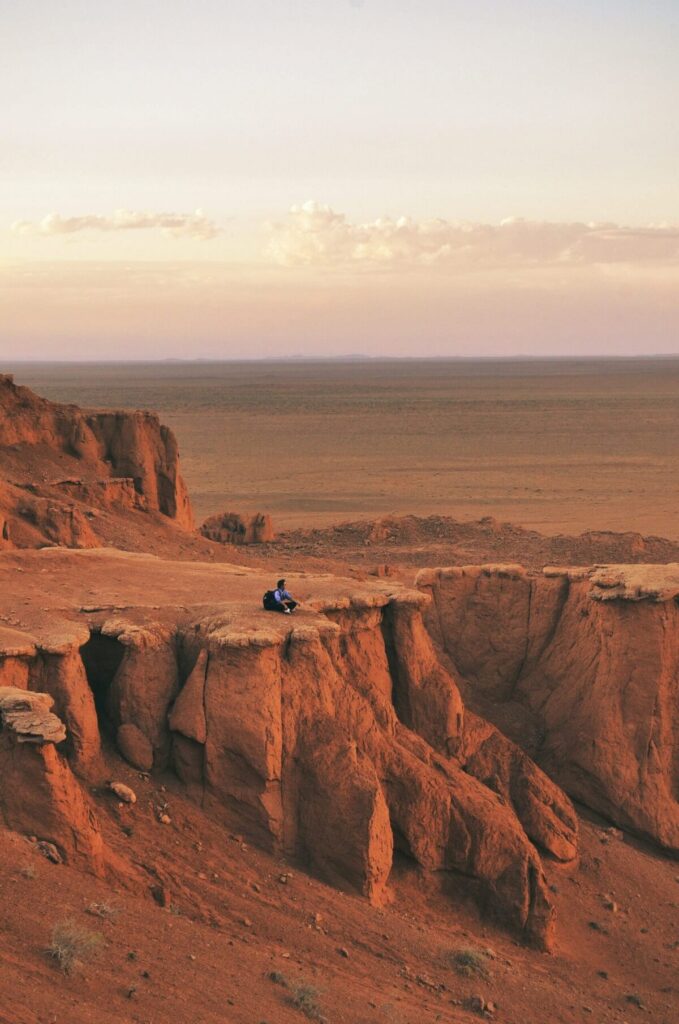
Taimen fishing in Mongolia: best season, catch-and-release law, permits via licensed outfitters, trip prices, gear and fishing in the Altai…Mongolia Dinosaurs: Fossils, the Flaming Cliffs and Where to See Them
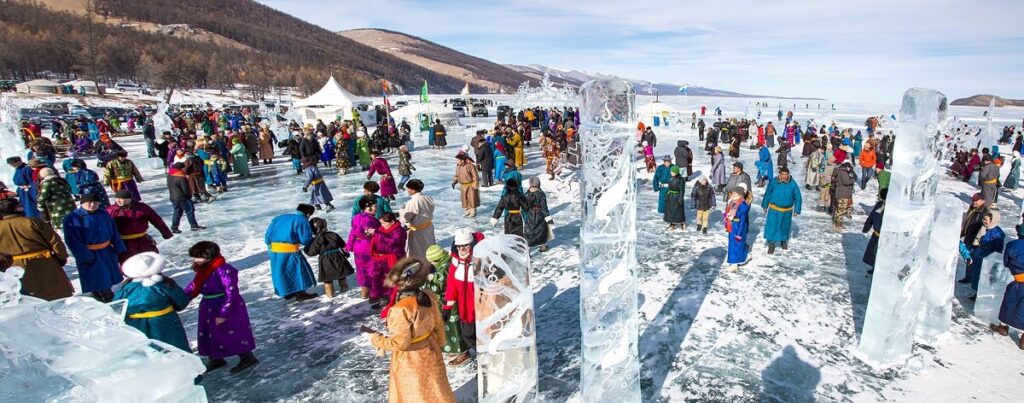
Mongolia dinosaurs guide: why the Gobi is a fossil treasure house, the Flaming Cliffs, Tarbosaurus, repatriated fossils and where to…Tsagaan Sar 2027: Dates, Traditions and What Visitors Should Know
Tsagaan Sar 2027 starts around February 7. Mongolian Lunar New Year traditions, food, greetings and etiquette, and why the Kazakh…





How long is the train from Beijing to Ulaanbaatar?
Roughly 27 to 30 hours, including a stop of a few hours at the Chinese-Mongolian border for the bogie change.
How often does the Beijing to Ulaanbaatar train run?
In recent seasons it has run about once a week in each direction. Schedules have changed several times since 2020, so check the current timetable before booking.
How much does a Trans-Mongolian train ticket cost?
As a rough guide, a Beijing to Ulaanbaatar berth has cost about USD 200 to 300 depending on class. Prices vary with season and exchange rates.
Why do they change the wheels at the Mongolian border?
China uses standard gauge track and Mongolia uses the wider Russian gauge, so the carriages are lifted and their wheel sets swapped at Erenhot.
Can I take the train to western Mongolia?
No. There is no railway to the Altai. From Ulaanbaatar you fly to Ölgii or travel several days by road.
Is the Moscow to Beijing through train running?
Through services via Mongolia have been disrupted in recent years. Check with Russian, Mongolian or Chinese railways before planning the full route.