Types of mountaineering – Mountaineering is a sport that involves climbing mountains, and it comes in many different forms. From technical climbing on steep rock faces to trekking through snowy peaks, there is something for everyone who loves the mountains.
We offer you to visit CLIMB MOUNT KHUITEN MONGOLIA. It will be amazing 🤩🤩
Here are some of the most popular types of mountaineering:
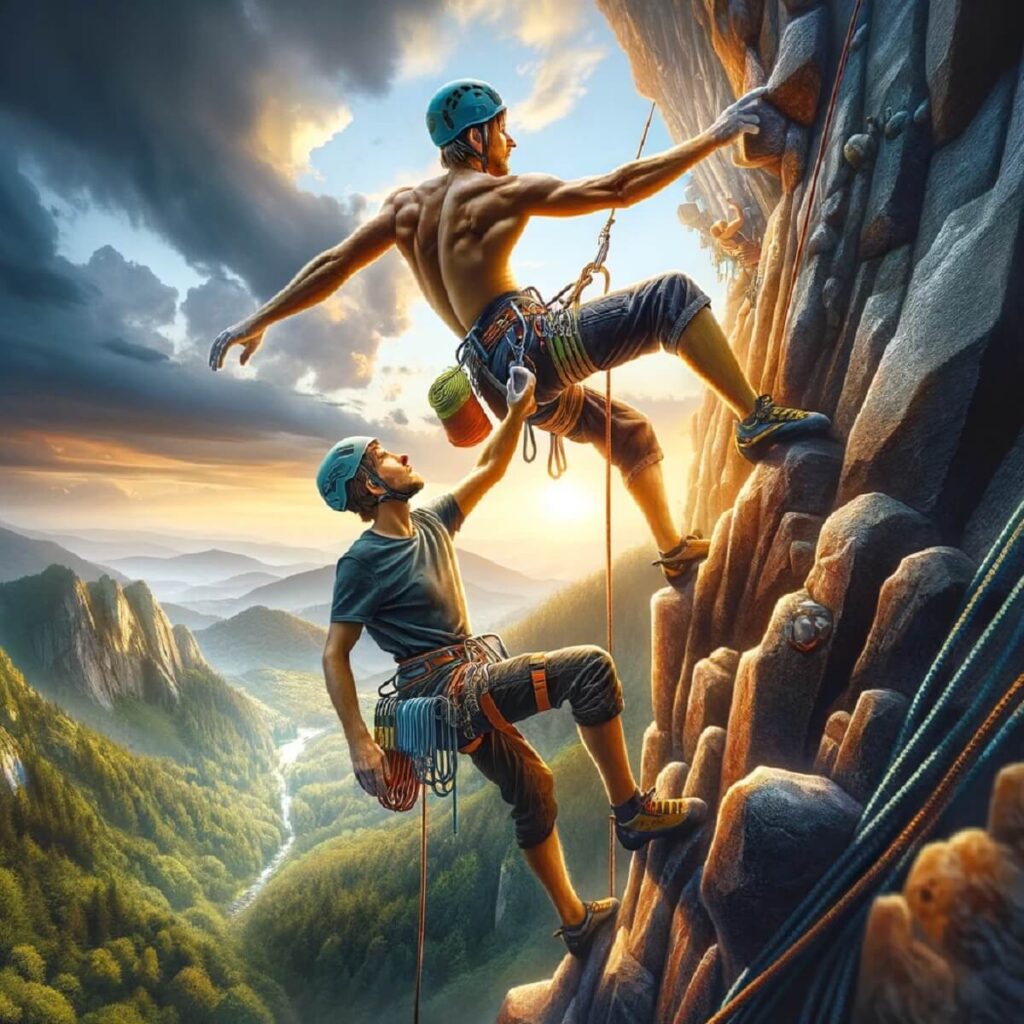
Rock Climbing
⛰️ Want to experience this in person? Join our 5-Day Altai Tavan Bogd + Malchin Peak Climb with local Kazakh guides — small groups, authentic experience, 5.0 stars on TripAdvisor.
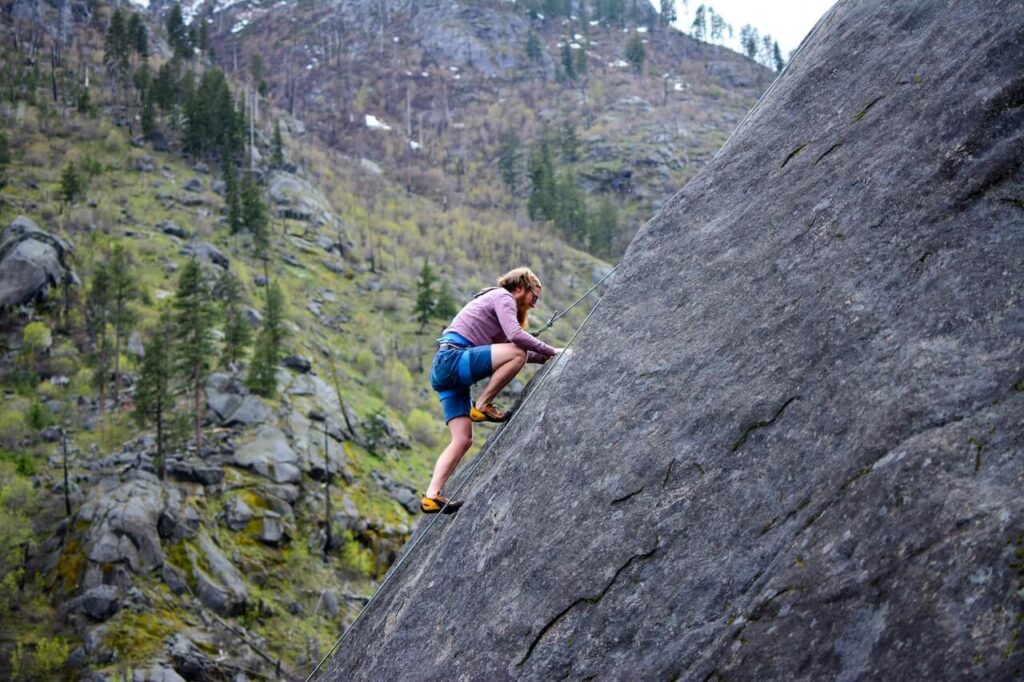
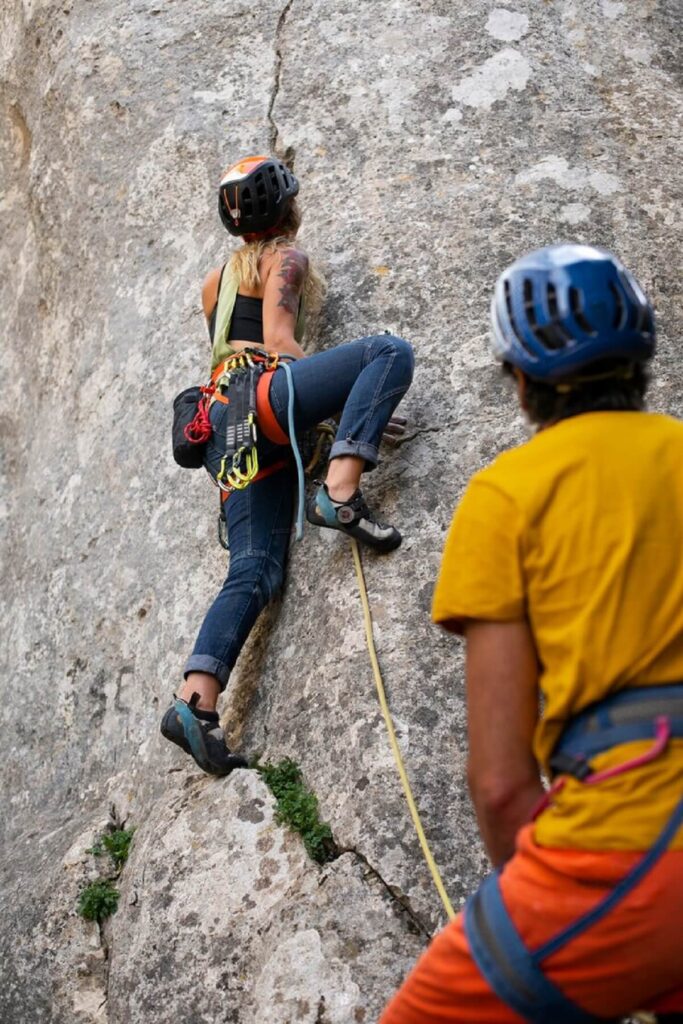
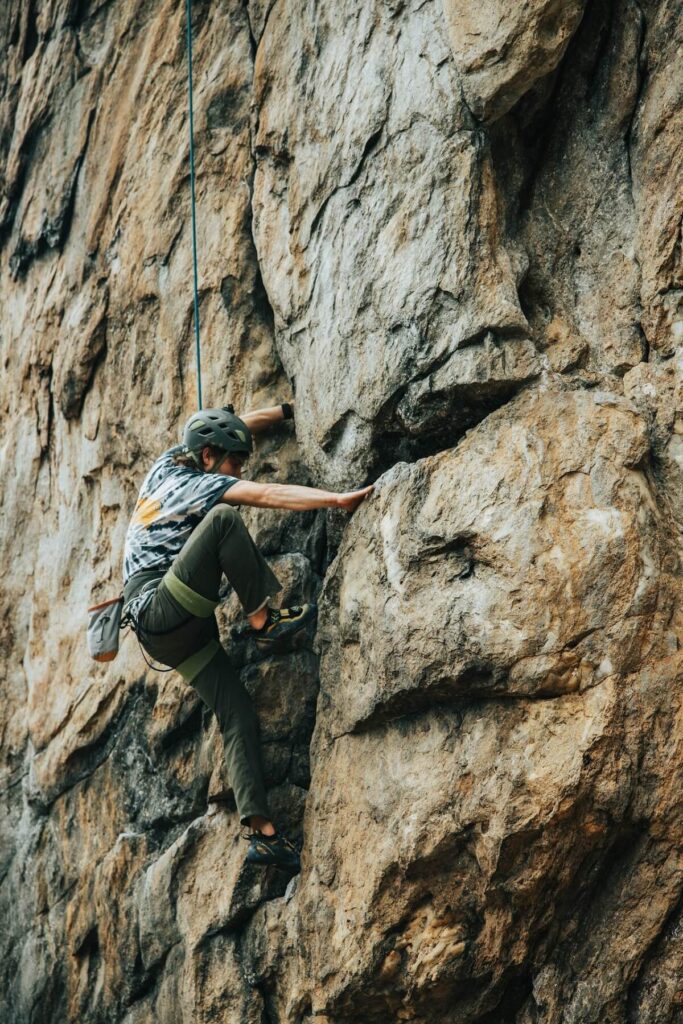
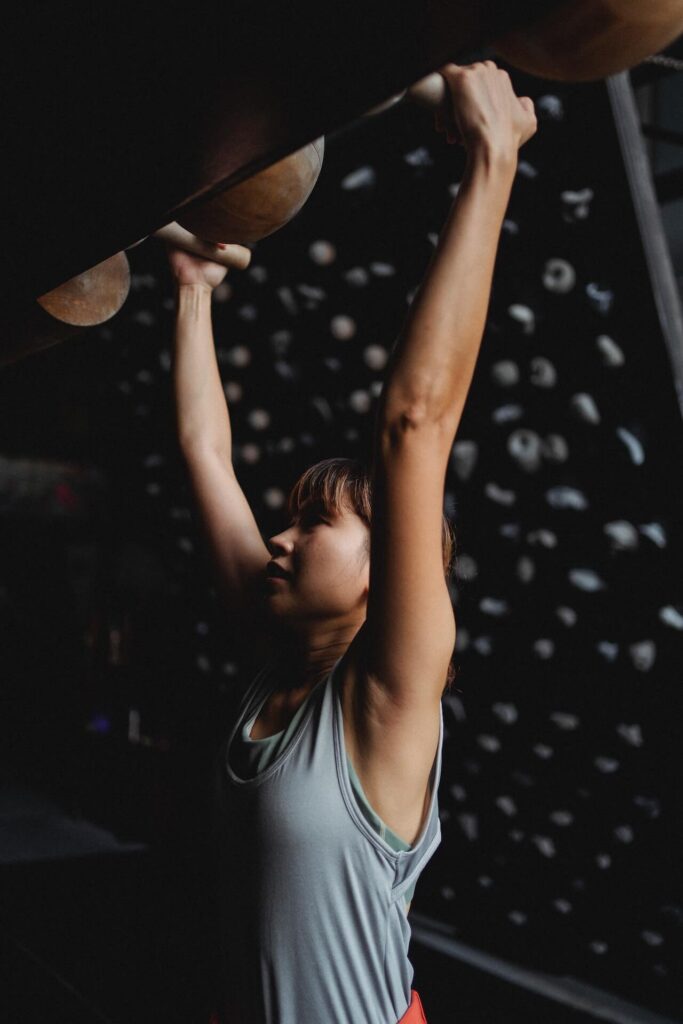
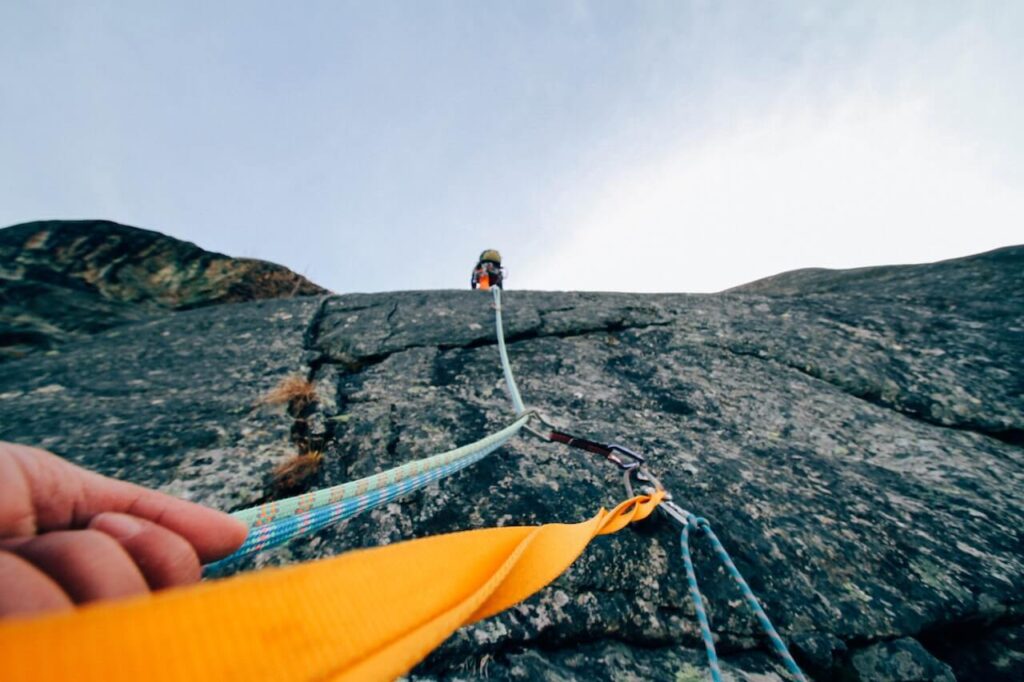
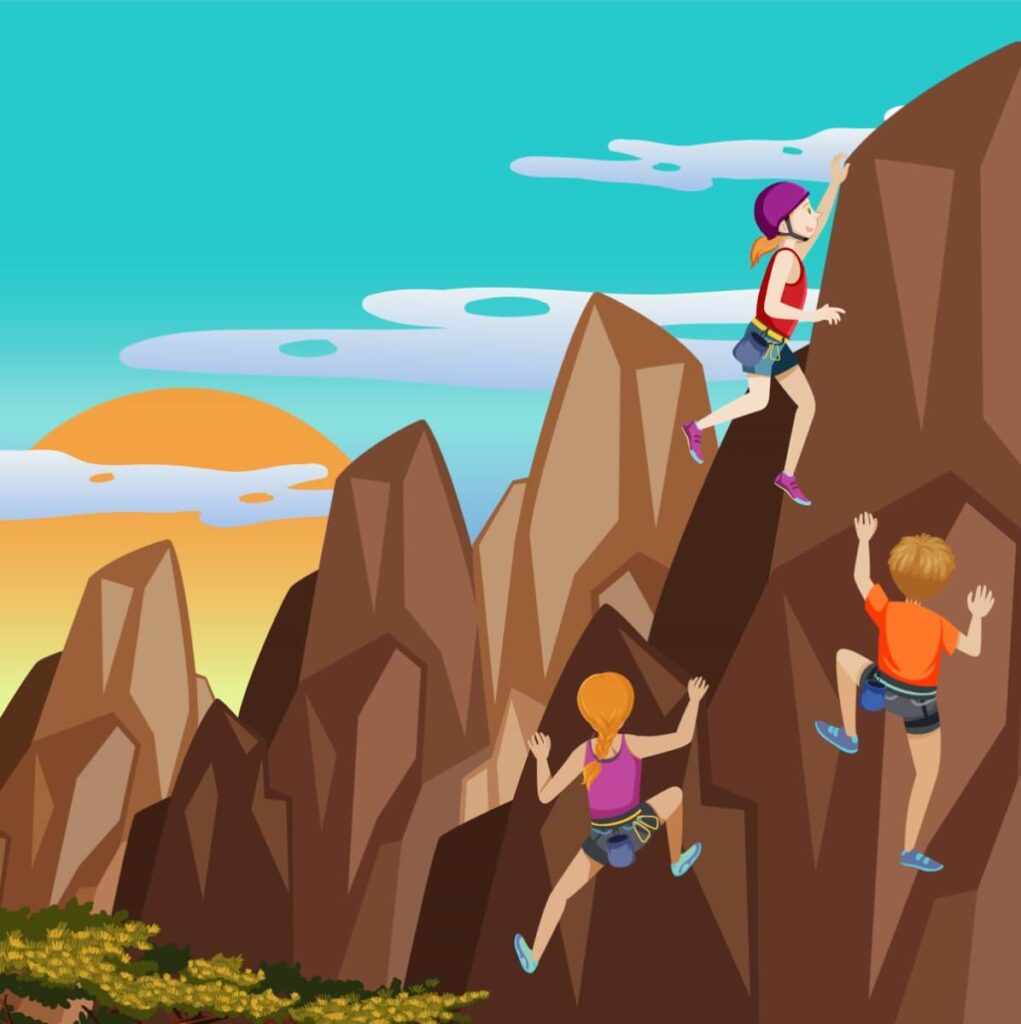
This is the most popular form of mountaineering and involves climbing steep rock faces using ropes, harnesses, and other equipment.
Altai Tours from Mongolia
Let’s create your ideal Mongolian adventure
Rock climbing can be done on both natural and artificial surfaces and can be broken down into several sub-disciplines such as trad climbing, sport climbing, and bouldering.
Alpine Climbing
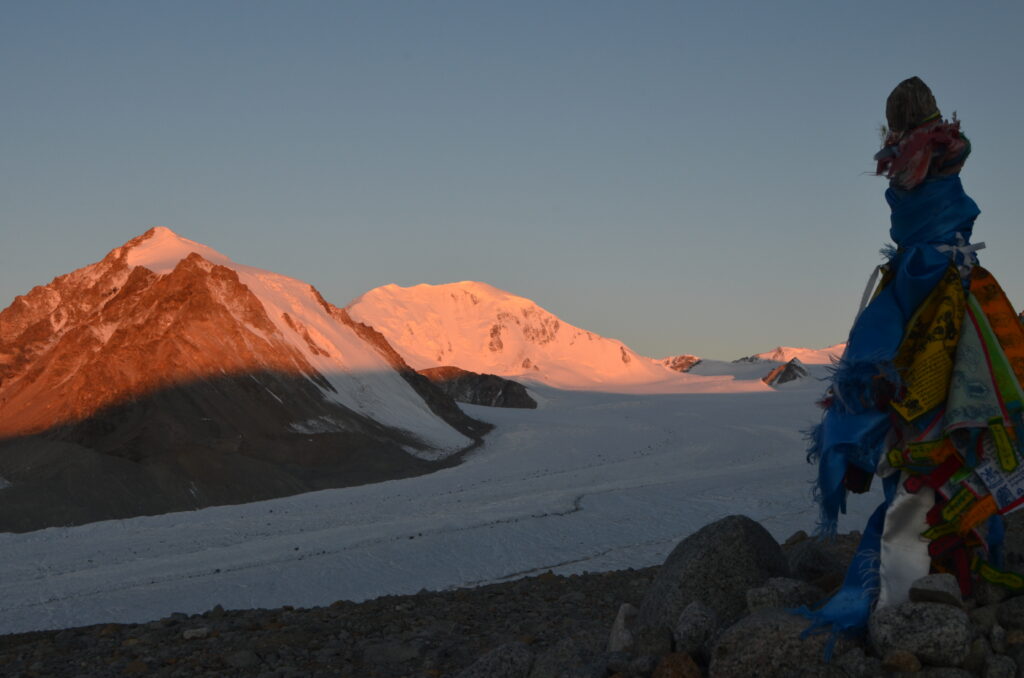
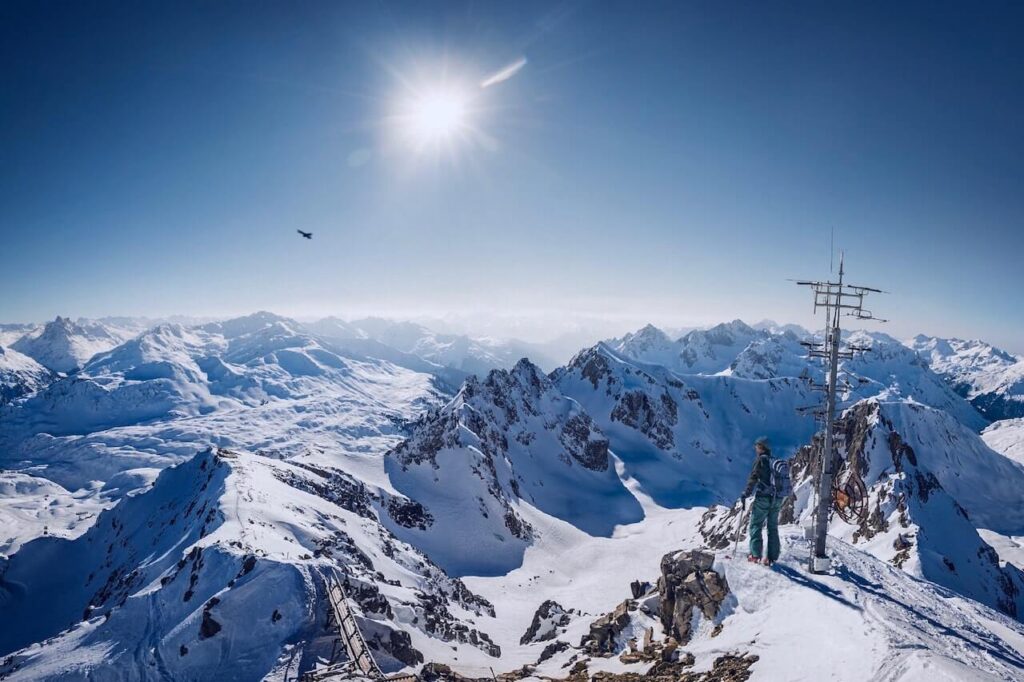
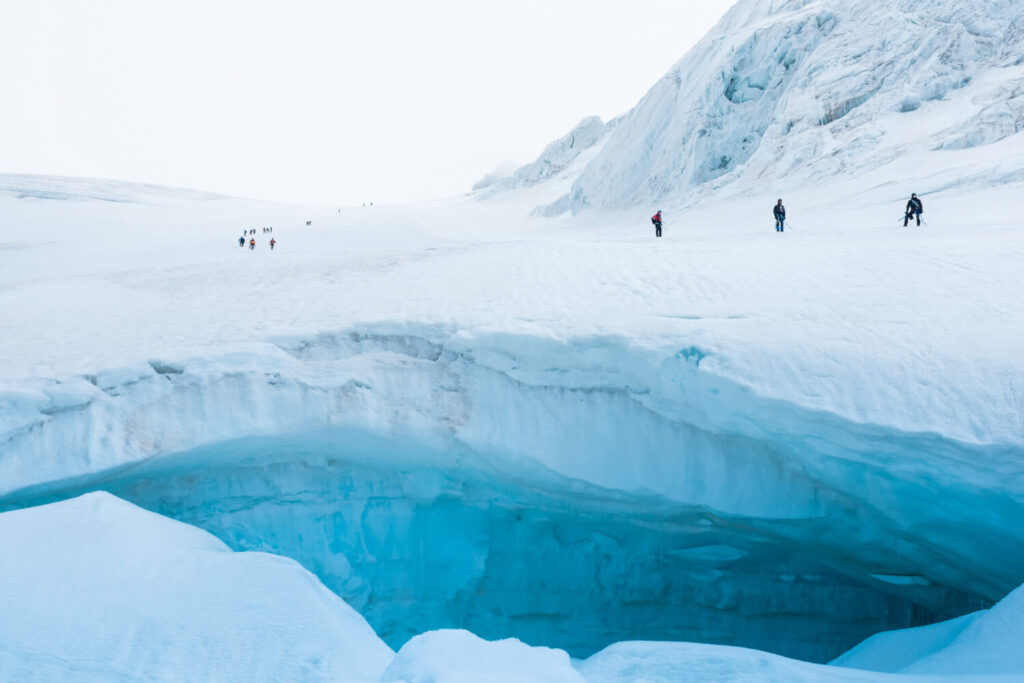
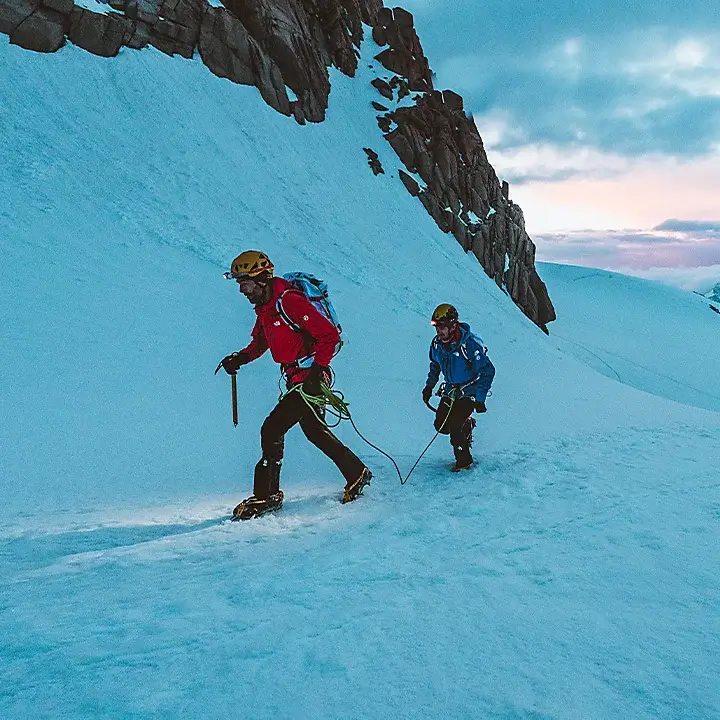
Alpine climbing is a type of mountaineering that involves climbing steep, snowy peaks. This type of climbing requires specialized equipment such as crampons, ice axes, and snowshoes. Alpine climbers often have to navigate glaciers, icefalls, and snow-covered ridges.
Ice Climbing
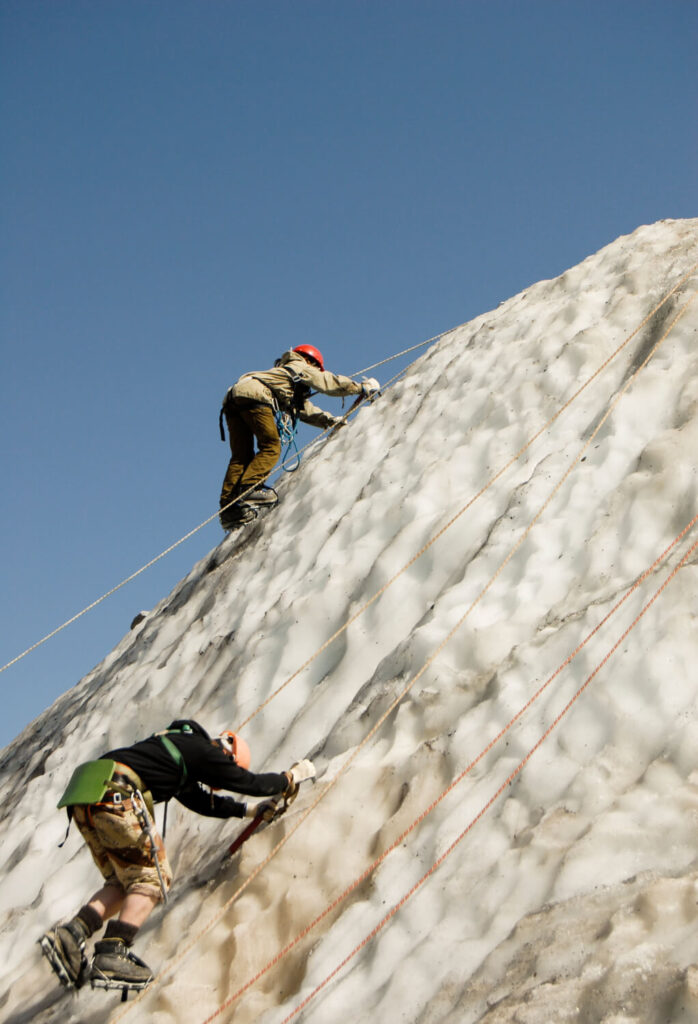
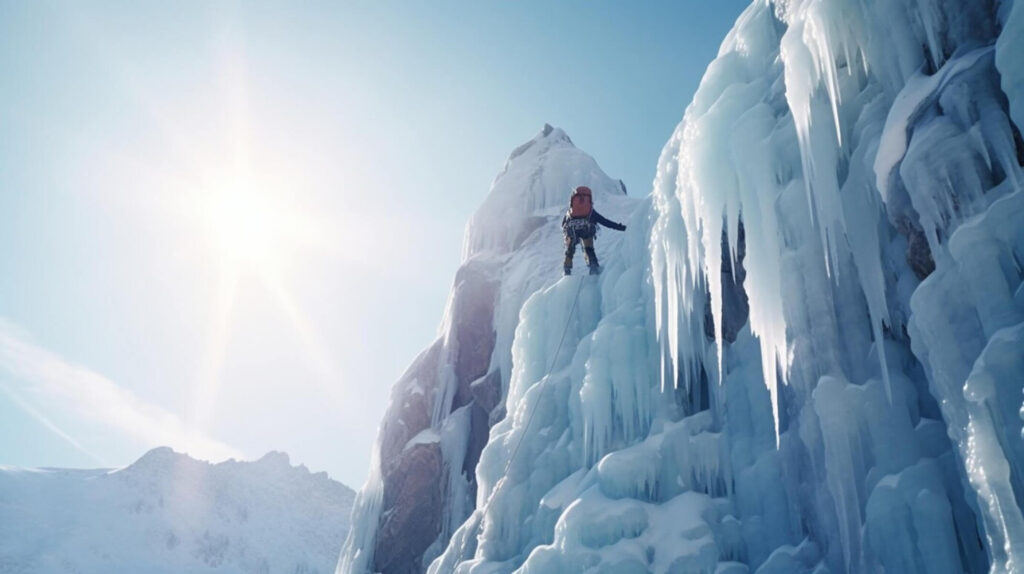
Ice climbing is a specialized form of climbing that involves ascending frozen waterfalls and ice-covered rock faces.
It requires the use of specialized tools such as ice axes, crampons, and ice screws. Ice climbing can be dangerous and requires a high level of skill and experience.
Expedition Climbing
Expedition climbing is a type of mountaineering that involves climbing the world’s highest and most difficult peaks.
This type of climbing requires a significant amount of planning, preparation, and resources. Expedition climbers often have to deal with extreme altitude, harsh weather, and difficult terrain.
Altai Tours from Mongolia
Let’s create your ideal Mongolian adventure
Scrambling
Scrambling is a type of mountaineering that involves climbing steep, rocky terrain without the use of ropes or other technical equipment.
It is considered to be a type of “easy” climbing and can be done by people with little or no climbing experience.
Scrambling is unique in that, unlike rock climbing or canyoning, the fundamental principles are similar to those of hill walking, which primarily involves placing one foot in front of the other.
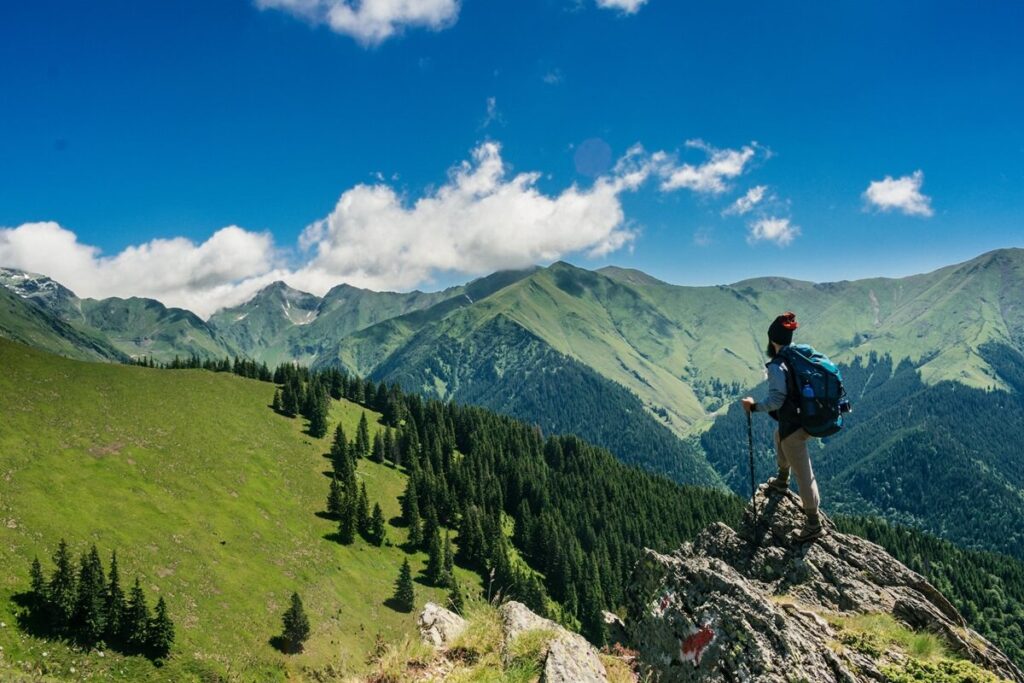
Trekking
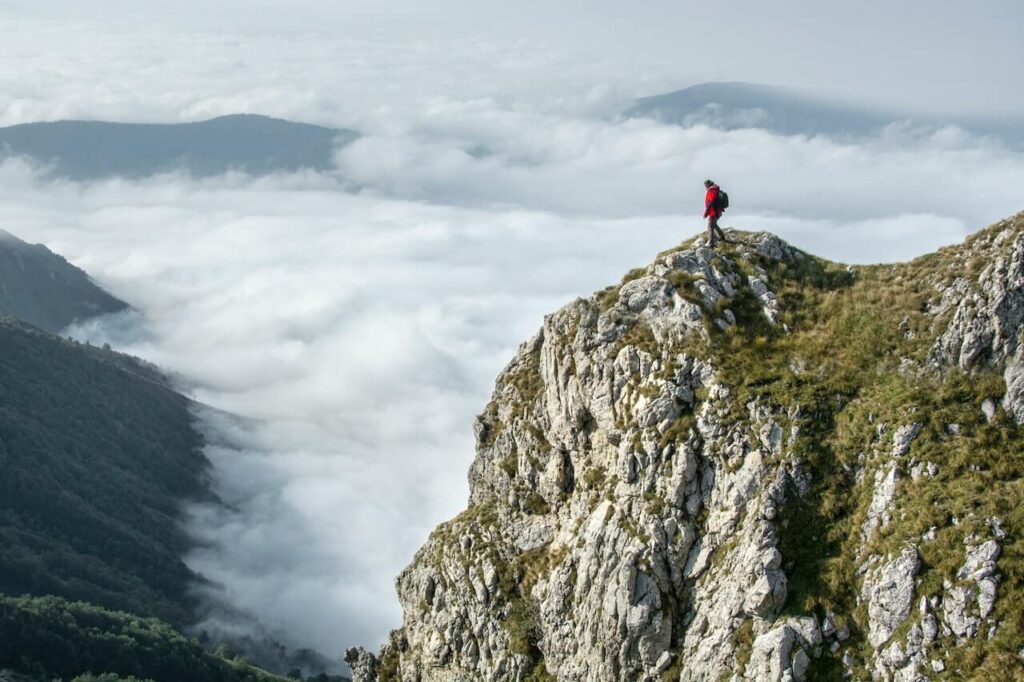
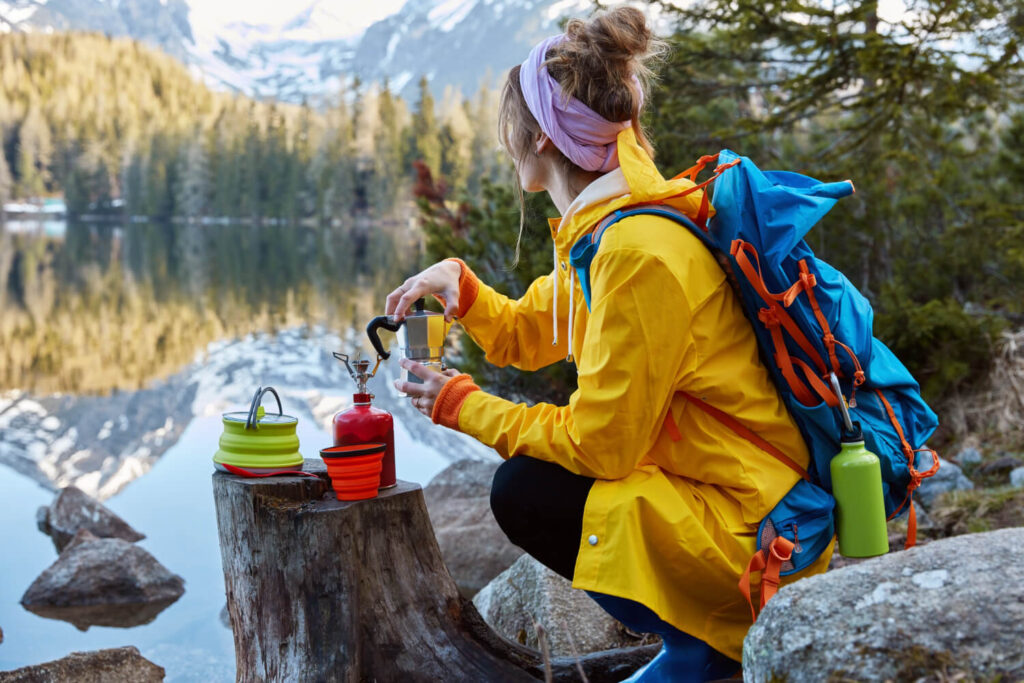
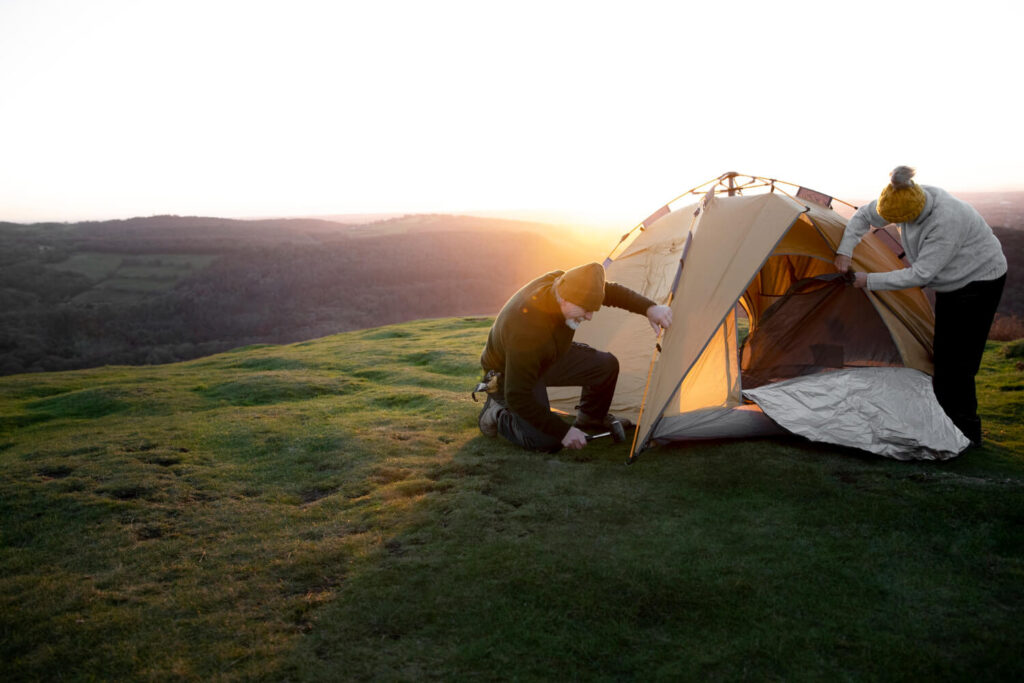
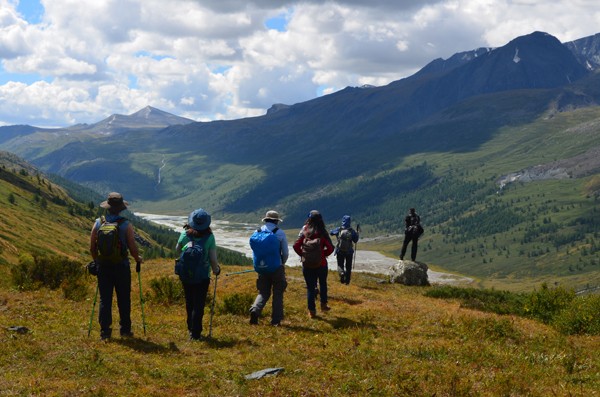
Trekking is a type of mountaineering that involves hiking through mountainous terrain. It is considered to be a less strenuous form of mountaineering and can be done by people of all ages and fitness levels. Trekkers often carry camping equipment and spend several days in the mountains.
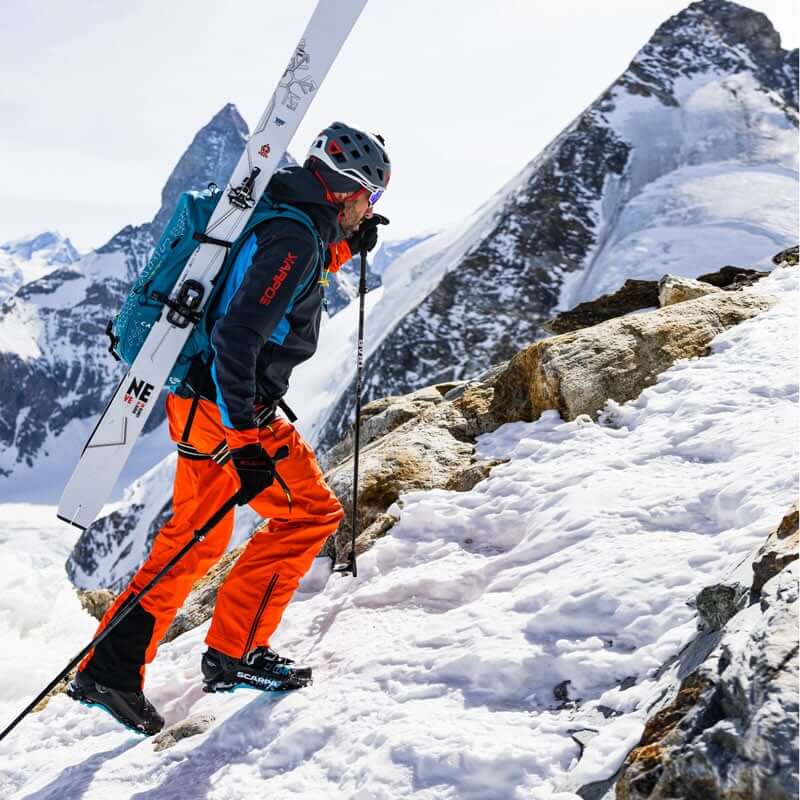
Ski Mountaineering
Ski mountaineering is a type of mountaineering that involves climbing mountains and then descending on skis.
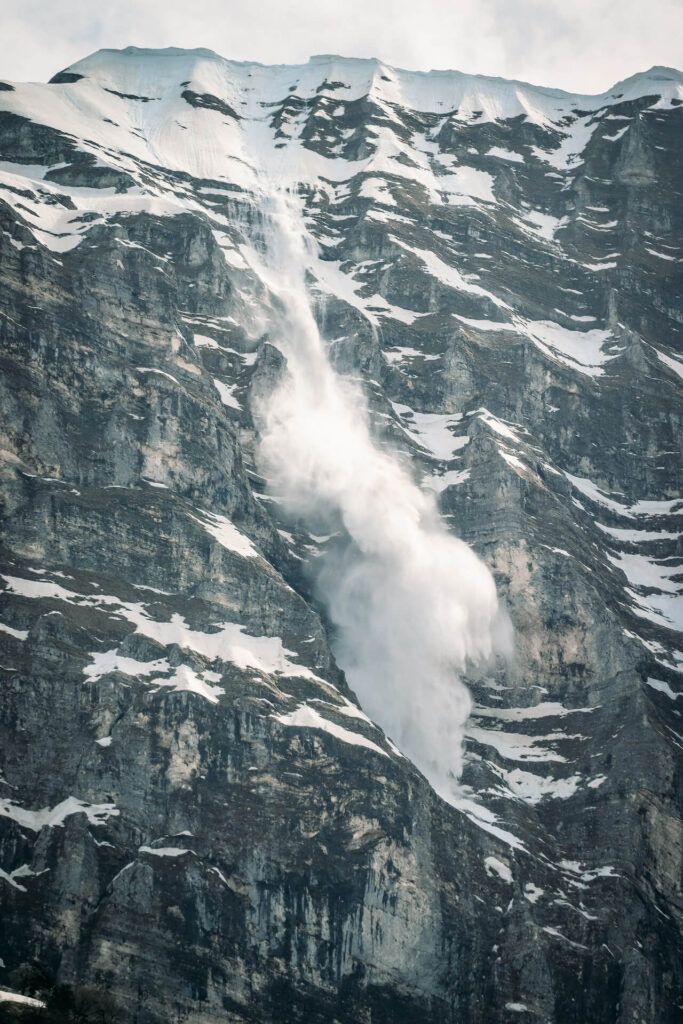
It requires specialized equipment such as skis, bindings, poles, and skins. Ski mountaineers often have to deal with steep, snowy terrain, and avalanches.
Snowshoeing
Snowshoeing is a type of mountaineering that involves hiking through snowy terrain using snowshoes.
It is considered to be a less strenuous form of mountaineering and can be done by people of all ages and fitness levels. Snowshoers often carry camping equipment and spend several days in the mountains.
Mountaineering is a sport that offers something for everyone, whether you’re a beginner or an experienced climber.
Altai Tours from Mongolia
Let’s create your ideal Mongolian adventure
The different types of mountaineering offer unique challenges and rewards, and each one requires a different set of skills and equipment.
Whether you’re climbing a rock face, trekking through the snowy peaks, or skiing down a mountain, mountaineering is a thrilling and rewarding sport that will take you to some of the most beautiful and remote places on earth.
FAQ
What are the types of mountaineering?
There are two main types of mountaineering:
Expedition Mountaineering – Long, planned climbs on very high mountains, often lasting weeks. These include altitude camps, guides, logistics, and support teams (e.g., Everest, Denali).
Alpine Mountaineering – Faster, lighter climbs done in small teams with minimal gear. It focuses on speed, skill, and efficiency rather than large-scale logistics.
Both types may involve rock, ice, mixed climbing, glacier travel, and high-altitude techniques.
What are the top 7 mountain climbs in the world? (Seven Summits)
The Seven Summits represent the highest peak on each continent:
Mount Everest (Asia) – 8,848 m
Aconcagua (South America) – 6,961 m
Denali (North America) – 6,194 m
Kilimanjaro (Africa) – 5,895 m
Mount Elbrus (Europe) – 5,642 m
Mount Vinson (Antarctica) – 4,892 m
Mount Kosciuszko (Australia) – 2,228 m
Many climbers aim to complete this list as the ultimate global mountaineering challenge.
What are the four main mountaineering activities?
Mountaineering usually includes:
Walking and hiking
Trekking and backpacking
Scrambling
Technical climbing
It is often defined as trekking to high altitudes (usually above 5,000 m) combined with climbing skills.
What are the classes of mountaineering? (Yosemite Decimal System)
The Yosemite Decimal System classifies terrain difficulty:
Class 1: Simple hiking on a trail
Class 2: Easy scrambling, hands sometimes used
Class 3: Scrambling with hands for balance, rope may be used
Class 4: Simple climbing, exposure present, rope usually needed
Class 5: Technical rock climbing, full climbing gear required
Class 5 is where true rock climbing begins.
What are the three main categories of mountain climbing?
Rock Climbing – Vertical or steep rock faces
Snow and Ice Climbing – Glaciers, frozen waterfalls, icy slopes
Alpine Climbing – A combination of rock, snow, ice, altitude, and weather challenges
What is a Category 5 climb?
A Category 5 (Cat 5) climb is considered the least difficult among categorized cycling or climbing route ratings, based on:
Distance
Steepness (grade)
Elevation gain
It is physically demanding but not technically extreme.
Why does it cost around $40,000 to climb Mount Everest?
The high cost includes:
Government climbing permits
Sherpa and guide salaries
Oxygen tanks and masks
Food and accommodation
Base camp logistics
Safety and rescue preparation
Equipment transportation
Extreme altitude and danger make professional support essential.
What is the difference between mountaineering and trekking?
Trekking: Walking on trails, No technical equipment, Lower risk, Moderate fitness. Mountaineering: Climbing steep and technical terrain, Requires ropes, crampons, ice axes, High risk, technical skills needed, High physical and mental fitness required. Mountaineering goes beyond walking; it involves climbing snow, ice, and rock in extreme conditions.
What skills are needed for mountaineering?
Rope techniques
Glacier travel
Ice axe use
Crampon walking
Weather reading
High-altitude acclimatization
Navigation and rescue skills
What makes mountaineering different from hiking?
Mountaineering is a technical sport that combines:
Physical endurance
Technical climbing skills
Risk management
Extreme environment survival
Hiking is simply walking in nature. Mountaineering is true mountain exploration.
What is the difference between mountaineering and rock climbing?
Mountaineering involves ascending mountains using a combination of hiking, scrambling, rock climbing, ice climbing, and snow travel skills, with the primary goal of reaching a summit through variable terrain. Rock climbing focuses specifically on ascending rock faces using specialized techniques and equipment, and may take place on cliffs, boulders, or indoor walls regardless of elevation or summit objectives. Mountaineering typically requires broader wilderness skills including navigation, glacier travel, avalanche awareness, and high-altitude acclimatization, while rock climbing emphasizes technical movement on rock and protection systems. In the Altai Mountains, mountaineering expeditions combine multiple disciplines—trekking to base camp, glacier navigation, and technical rock or ice sections near the summit. Many mountaineers train rock climbing skills specifically to prepare for technical sections encountered during mountain ascents.—
Do I need previous climbing experience to go mountaineering in the Altai Mountains?
Experience requirements depend on your chosen route and objective in the Altai Mountains. Non-technical trekking peaks and approaches to base camps generally require only good physical fitness and basic hiking experience, with no technical climbing skills necessary. However, summiting technical peaks like Khuiten Peak (4,374m/14,350ft), Mongolia’s highest mountain, requires glacier travel skills, use of crampons and ice axes, and sometimes basic rope work. For first-time mountaineers, guided expeditions with experienced local operators provide instruction in necessary skills and equipment use. Organizations like the American Alpine Club recommend completing basic mountaineering courses covering glacier travel, crevasse rescue, and technical snow climbing before attempting peaks with technical sections. Physical preparation should include cardiovascular endurance training and acclimatization planning for high-altitude environments. Most reputable Altai tour operators will clearly specify experience requirements and prerequisite skills for each expedition.—
What equipment do I need for different types of mountaineering?
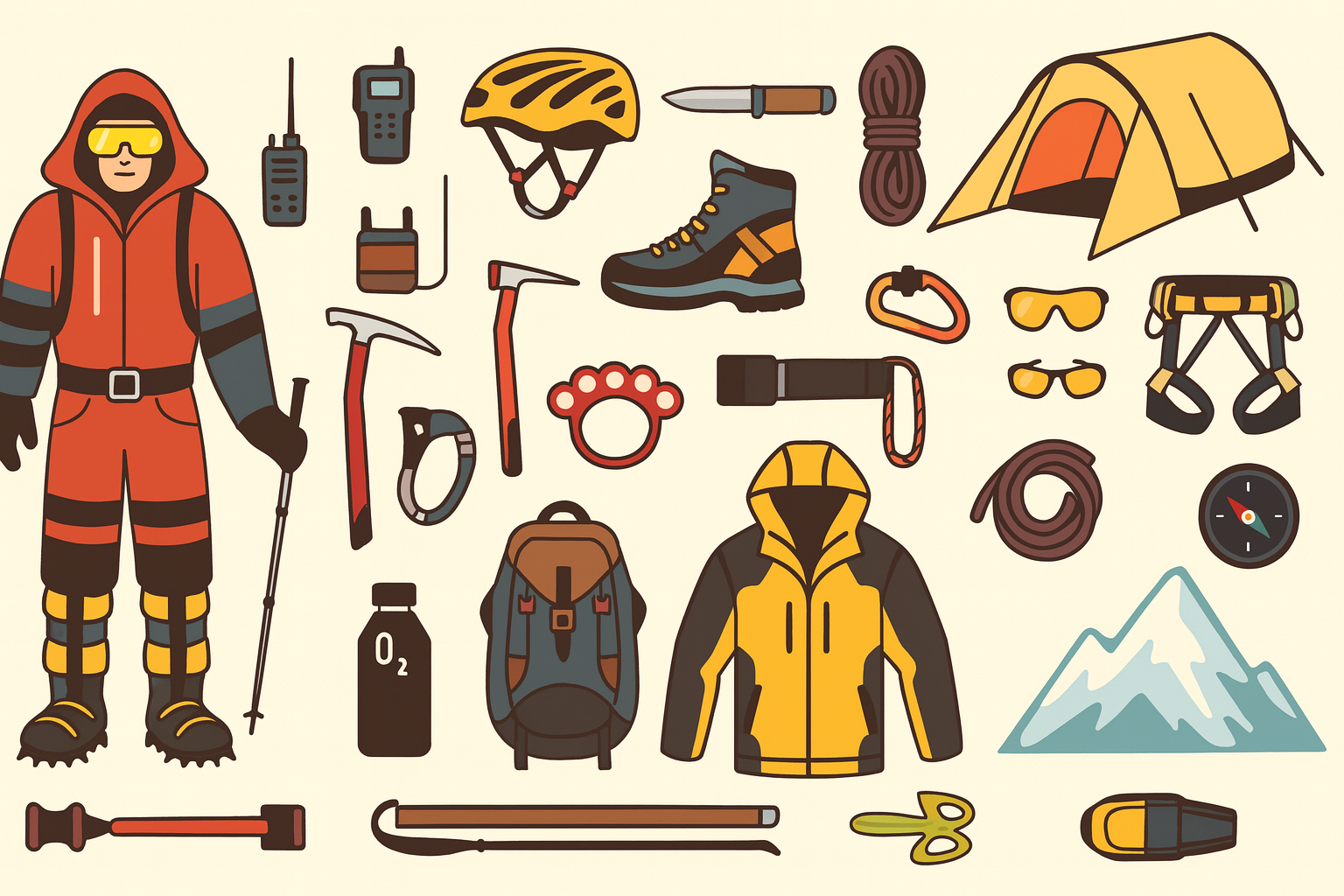
Equipment requirements vary significantly by mountaineering discipline. For basic trekking and scrambling in the Altai, you need hiking boots, layered clothing, backpack, navigation tools, and emergency supplies. Alpine climbing adds technical equipment: climbing harness, helmet, rope (typically 30-60m), ice axe, crampons, and protection devices (nuts, cams, quickdraws) depending on route requirements. Ice climbing requires specialized gear including ice tools (technical ice axes), rigid or semi-rigid crampons, ice screws for protection, and insulated gloves. Expedition mountaineering to remote peaks demands extensive gear including tents, sleeping bags rated for extreme cold (often -20°F/-29°C or colder), cooking systems, altitude medication, and comprehensive first aid supplies. For Altai expeditions, many tour operators provide group gear (tents, ropes, cooking equipment) while climbers provide personal items. Always confirm with your tour operator what equipment is provided versus what you must bring, and ensure all technical equipment meets current safety standards (UIAA, CE certification).—
Is bouldering good training for mountaineering?
Yes, bouldering provides excellent training for mountaineering, though it should be part of a comprehensive preparation program. Bouldering develops finger strength, grip endurance, balance, body positioning, and problem-solving skills that directly transfer to technical rock sections encountered on alpine routes. The powerful, dynamic movements practiced in bouldering build upper body and core strength useful for pulling over ledges, mantling onto slabs, and handling difficult rock moves at altitude where efficiency is critical. However, bouldering alone does not prepare mountaineers for the endurance aspects of long approaches, multi-pitch rope management, glacier travel, or high-altitude acclimatization. An effective mountaineering training program combines bouldering or rock climbing (for technical skills), cardiovascular endurance training like hiking with weighted packs, and if possible, practice on snow/ice and multi-pitch routes. Many professional guides recommend indoor bouldering during off-season months to maintain climbing-specific strength and technique before Altai expedition season.—
What are the safety risks specific to each type of mountaineering?
Each mountaineering discipline presents distinct hazards requiring specialized knowledge and equipment. Rock climbing risks include falls (mitigated by proper rope systems and protection), rockfall from loose holds or climbers above, and equipment failure if gear is improperly placed or worn. Ice climbing adds dangers of ice collapse, falling ice from above, and cold-related injuries like frostbite. Alpine climbing combines these risks with additional hazards: crevasse falls on glaciers, avalanches on snow slopes, altitude sickness above 2,500m/8,200ft, rapidly changing weather, and longer rescue times in remote locations. Expedition climbing to peaks like those in the Altai’s Tavan Bogd region involves extended exposure to high-altitude environments where acute mountain sickness (AMS), high-altitude pulmonary edema (HAPE), and high-altitude cerebral edema (HACE) become serious concerns. Proper risk management includes: technical skill proficiency, appropriate equipment maintenance, weather monitoring, conservative decision-making, and climbing with experienced partners or guides. In the Altai region, hiring local guides familiar with specific mountain conditions, weather patterns, and rescue resources significantly enhances safety margins.—
SUGGESTED TOURS:
Suggested Tours:
CLIMB MOUNT KHUITEN MONGOLIA CLIMB
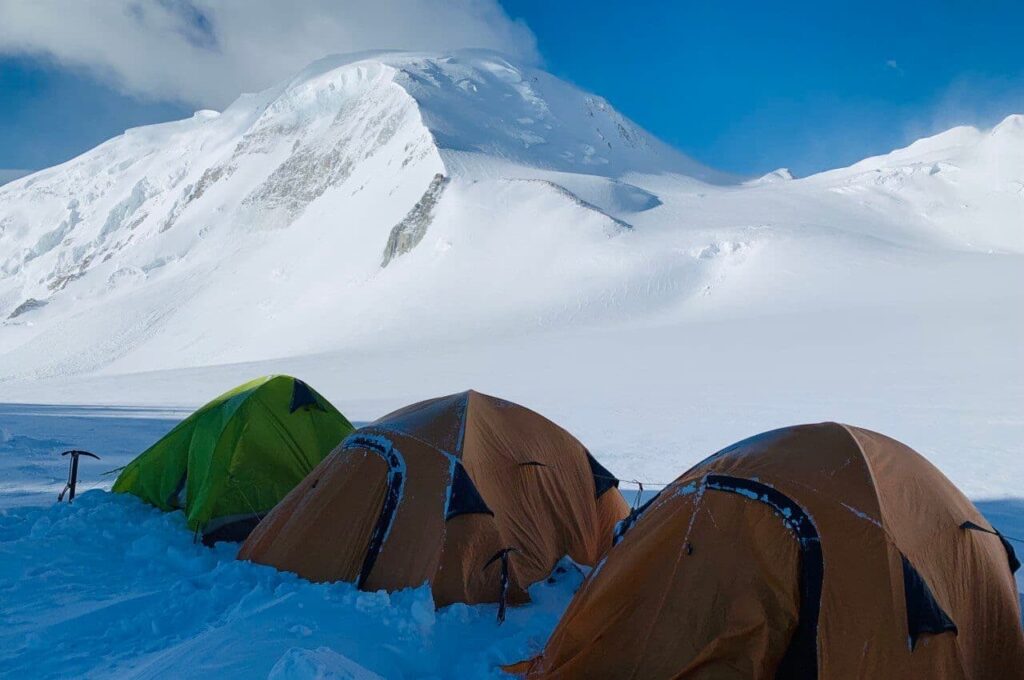
Come and enjoy a unique expedition in the remotely located Altai Mountains CLIMB MOUNT KHUITEN MONGOLIA ⭐⭐⭐⭐⭐ 5.0 · 72…MONGOLIA SNOW LEOPARD PHOTOGRAPHY TOUR
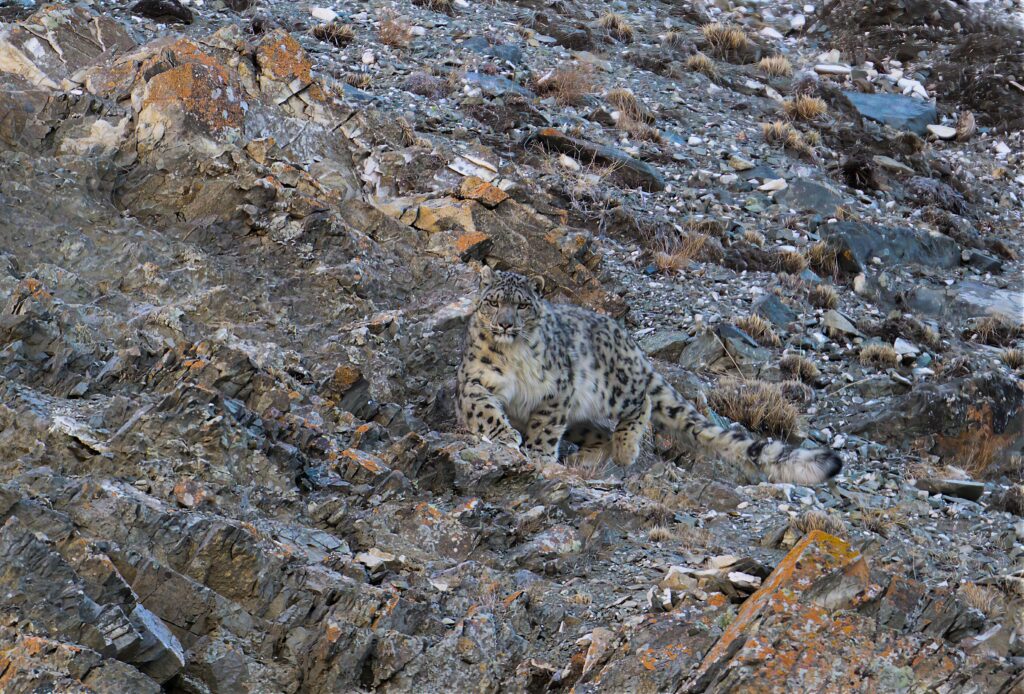
Unleash your adventure spirit, explore Mongolia on your own terms MONGOLIA SNOW LEOPARD PHOTOGRAPHY TOUR ⭐⭐⭐⭐⭐ 5.0 · 72 reviews…Mongolia Altai Mountain Tour 2026 — 8 Days: Peak Climb + Culture + Nomadic Stay | $1,700
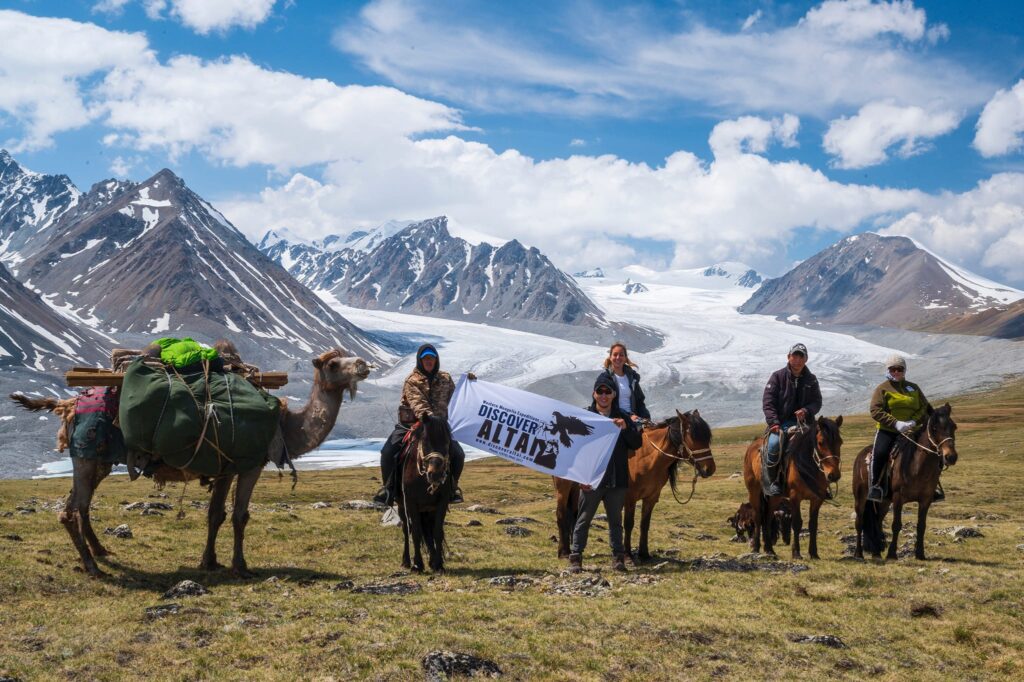
Unleash your adventure spirit, explore Mongolia on your own terms MONGOLIA ALTAI MOUNTAIN TOUR ⭐⭐⭐⭐⭐ 5.0 · 72 reviews on…
Related Blogs:
Mountain Rescue in Mongolia: How It Works, Emergency Contacts, and Why You Need Insurance
Mountain rescue in Mongolia is limited and self-organised. There is no national equivalent of the Swiss Air-Glaciers, French PGHM, or…Khüiten Peak Climbing Season: Best Months, Weather Windows, and Why Most Climbs Happen in July–August
The Khüiten Peak climbing season runs from late June to mid-September, with July and August as the prime climbing months…Mountain Climbing Risks: Exploring the Challenges and Safety Measures
Mountain Climbing Risks: Exploring the Challenges and Safety Measures – Mountain climbing is an exhilarating and adventurous activity that has…