When travelers dream of Mongolia’s untamed wilderness, few places capture the imagination like Altai Tavan Bogd National Park. Known for its snow-capped peaks, ancient glaciers, and pristine lakes, this region is also home to some of the most unforgettable horse trekking routes in Central Asia. For centuries, nomadic families have relied on their sturdy Mongolian horses to navigate this rugged landscape, and today, visitors can experience that same deep-rooted tradition by joining guided treks.
In this guide, we’ll explore the most popular horse trekking routes in Altai Tavan Bogd, highlight what makes them special, and give insight into the horse trekking culture that still thrives here.
Why Choose Horse Trekking in Altai Mountains?
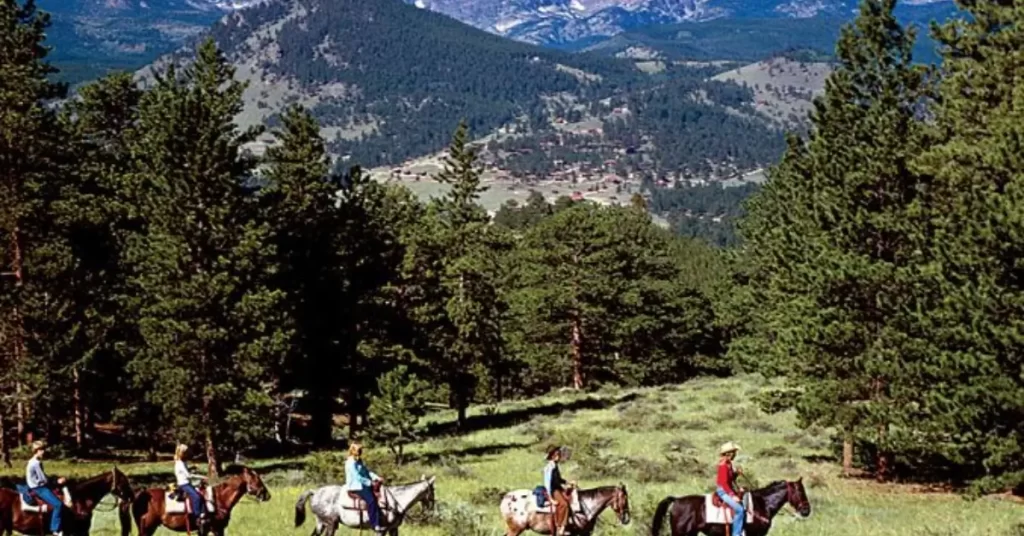
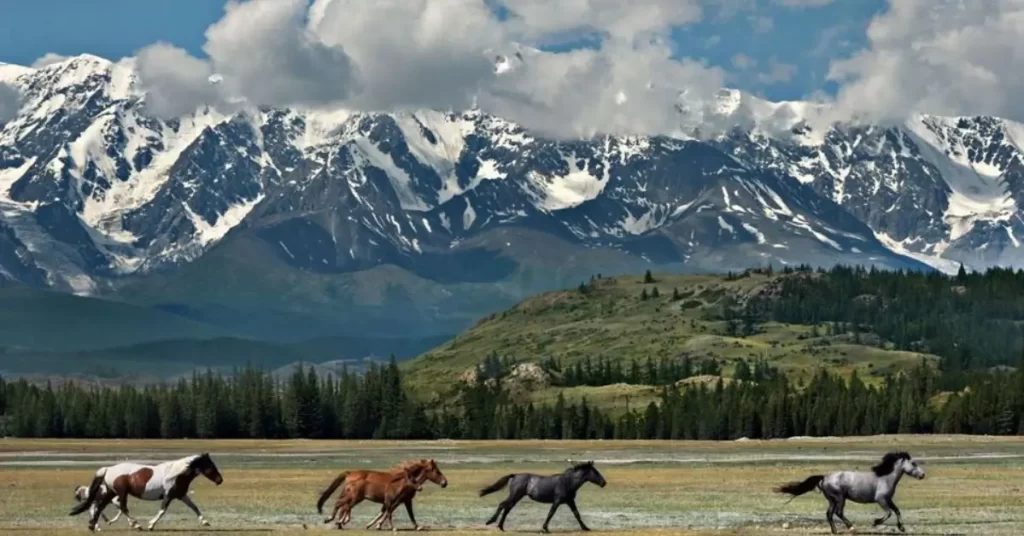
The Altai Mountains are not just about breathtaking scenery—they are a living museum of culture and tradition. Trekking on horseback allows travelers to move at the same pace as locals, covering long distances while taking in sweeping valleys, alpine meadows, and dramatic passes. Unlike hiking, horse trekking lets you conserve energy while immersing yourself in the nomadic lifestyle.
Another reason to choose horse trekking is accessibility. Many of the park’s highlights—such as Potanin Glacier or Khoton and Khurgan Lakes—are far from roads. Horses provide the most authentic and practical way to explore these areas.
The Horse Trekking Culture of Western Mongolia
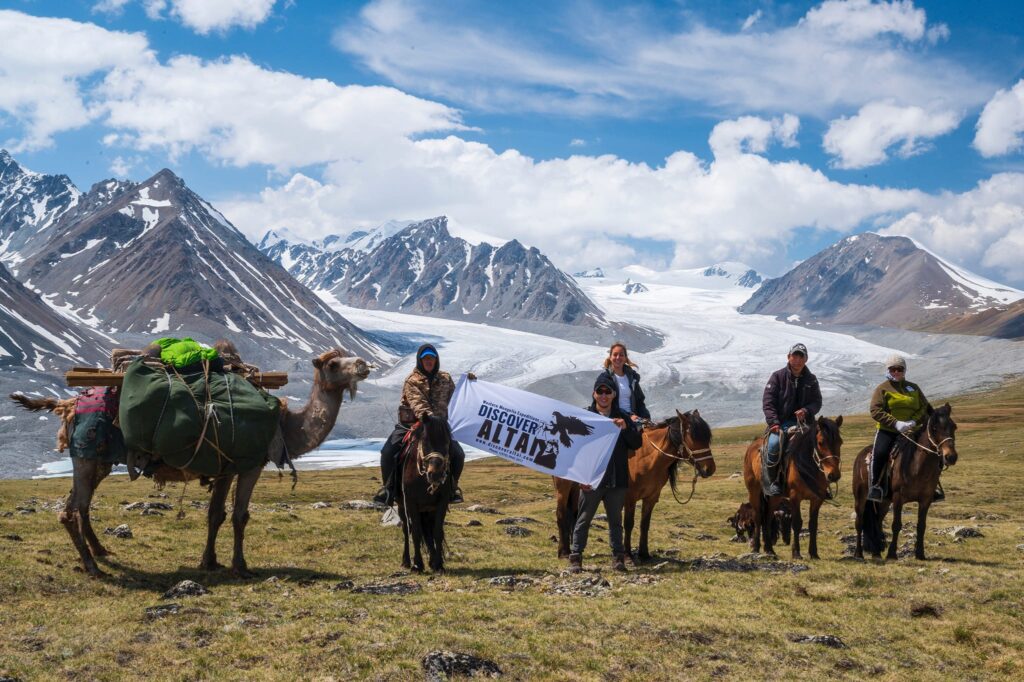
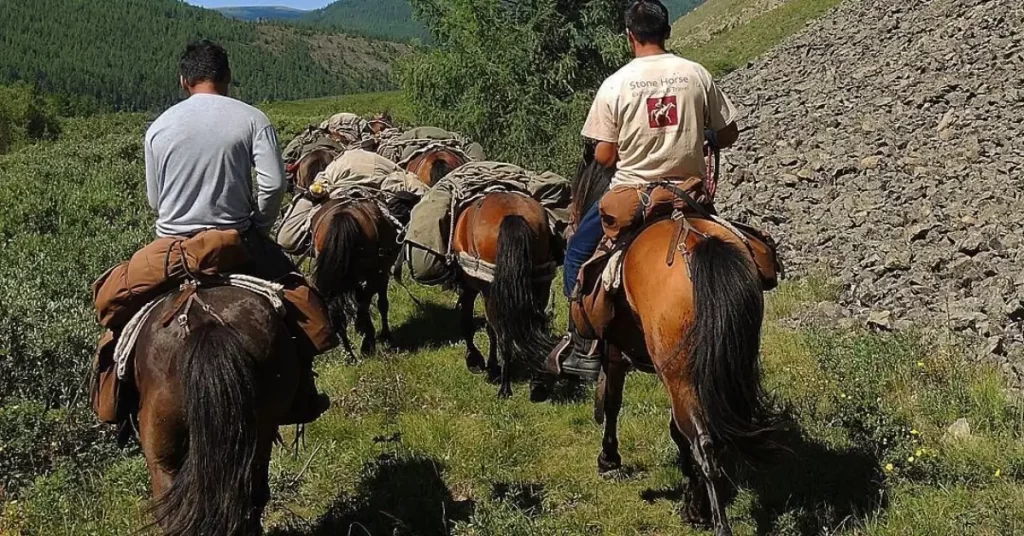
Mongolia’s identity is deeply tied to the horse. In the Altai region, horses are more than transportation—they’re part of spiritual and daily life. Local Kazakh and Tuvan herders train their horses to be resilient in high-altitude conditions. When you join a trek, you’re not just a tourist on horseback—you become part of a living tradition. Guides often share stories of their ancestors, eagle hunting practices, and seasonal migrations. This horse trekking culture makes every journey more than just a ride—it becomes a cultural immersion.
Popular Horse Trekking Routes in Altai Tavan Bogd National Park
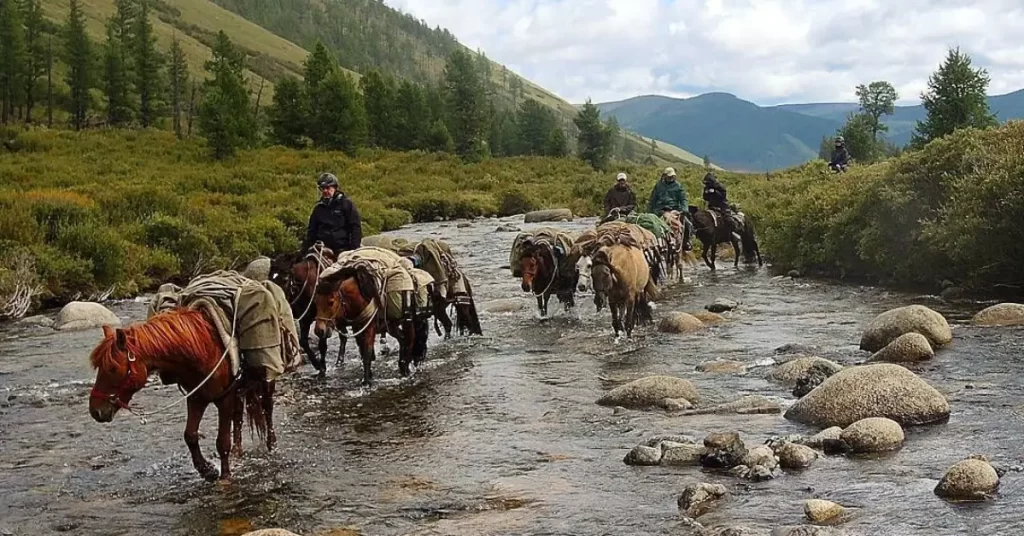
Here are some of the most recommended horse trekking routes in Altai Tavan Bogd:
1. White River Valley to Potanin Glacier
- Duration: 2–3 days
- Highlights: Towering view of Mongolia’s highest peaks (Khuiten, Malchin, Nairamdal), Potanin Glacier, alpine landscapes.
- Experience: This is the classic route for first-time trekkers in the park. The glacier ride offers stunning panoramas and the chance to step onto ice fields formed over thousands of years.
2. Khoton and Khurgan Lakes Circuit
- Duration: 4–5 days
- Highlights: Turquoise lakes at the edge of the Altai Mountains, petroglyphs, Kazakh nomad camps, fishing opportunities.
- Experience: Ideal for those who want to combine nature with culture. The route passes through Kazakh families’ summer pastures, offering opportunities to experience local hospitality and taste traditional dairy products.
3. Malchin Peak Trek
- Duration: 3–4 days
- Highlights: Ascend Malchin Peak (4,050 m) on horseback for a mix of riding and trekking, panoramic views into Russia and China.
- Experience: Perfect for adventure seekers. While you’ll dismount for the final climb, riding most of the way makes the trek manageable for non-climbers.
4. Tsagaan Gol Valley to Shiveet Khairkhan Mountain
- Duration: 2–3 days
- Highlights: Sacred mountain with thousands of ancient petroglyphs, lush river valleys, herder camps.
- Experience: This route blends archaeology with natural beauty. Shiveet Khairkhan is not only visually stunning but also spiritually significant for locals.
Altai Mountains Beauty – What to Expect
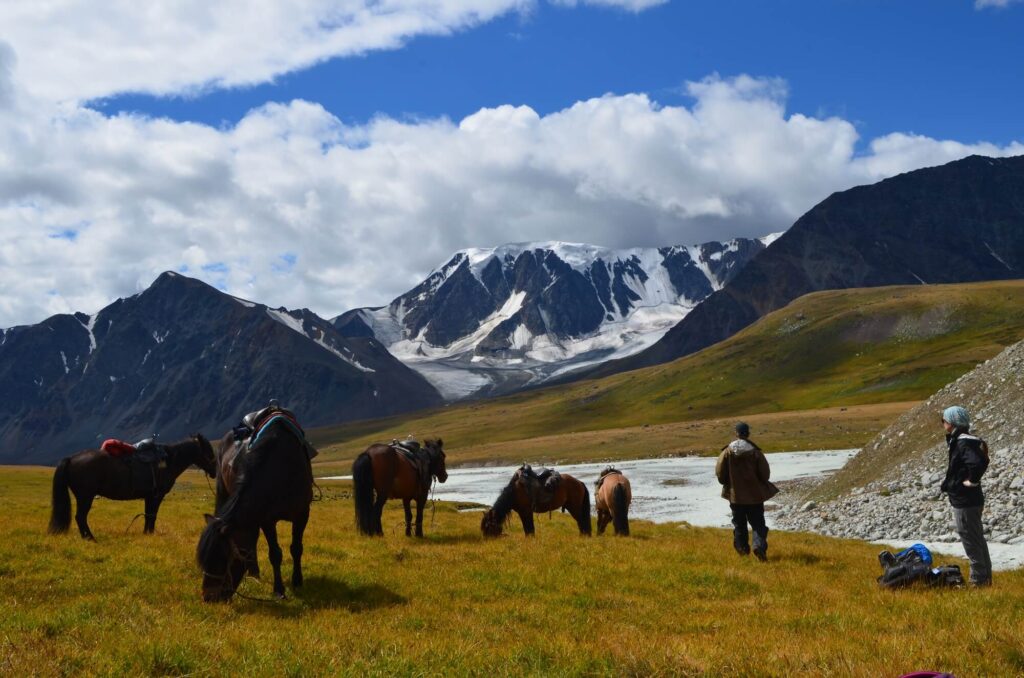
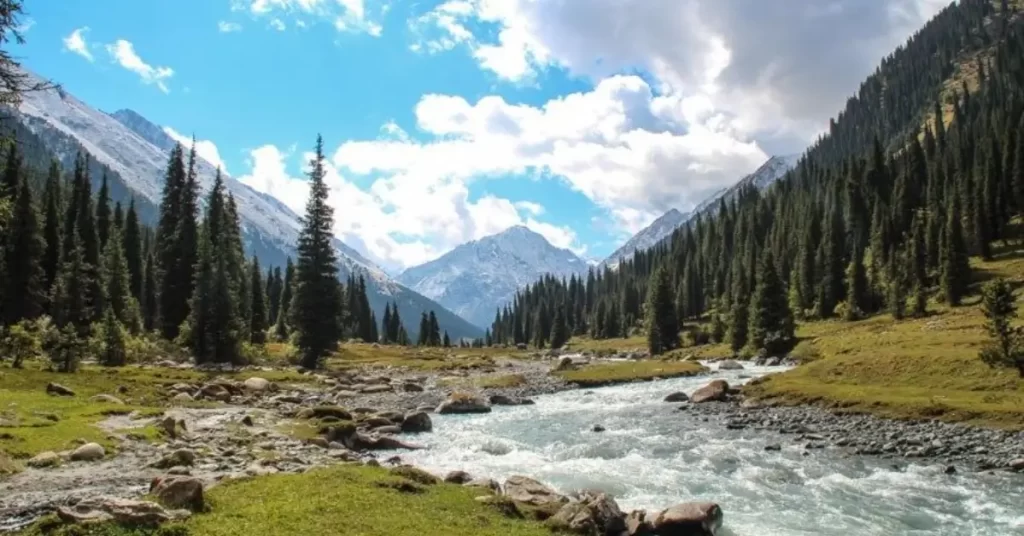
Every route through the Altai offers its own unique slice of Mongolia’s wilderness. Picture endless valleys carpeted with wildflowers in summer, crystal-clear rivers winding through rugged terrain, and snow-capped peaks reflecting in mirror-like lakes. The Altai Mountains’ beauty is raw and untouched, making each horse trekking route a photographer’s dream.
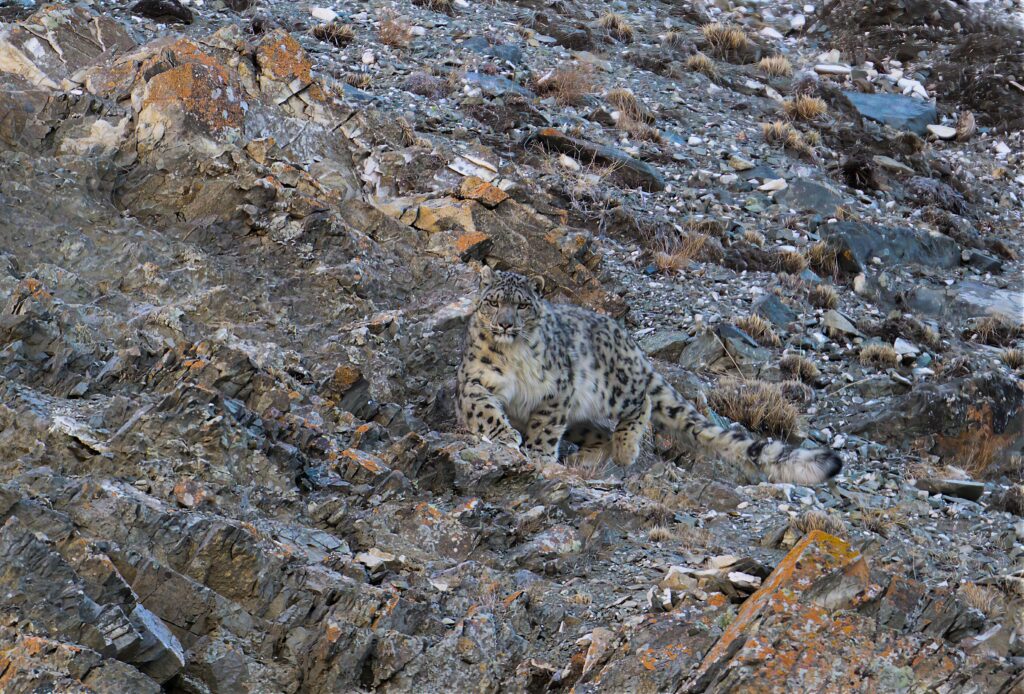
You may also encounter wildlife such as ibex, marmots, and even golden eagles soaring above. The changing light of sunrise and sunset paints the mountains in shades of gold, purple, and blue—scenes that remain etched in memory long after the journey ends.
Tips for Horse Trekking Routes in Altai Tavan Bogd
- Travel with a Local Guide: Not only for navigation, but also for cultural exchange. Guides often bring pack horses to carry supplies.
- Pack Smart: Warm layers, waterproof gear, and sturdy boots are essential—the Altai weather changes quickly.
- Be Respectful of Nomadic Life: When visiting Kazakh or Tuvan families, it’s polite to accept tea or dairy snacks offered.
- Physical Preparation: While horse trekking is less demanding than hiking, long hours in the saddle can be challenging. Light stretching and some riding practice before your trip help a lot.
- Best Season: June to September offers the best weather, with July and August being the warmest.
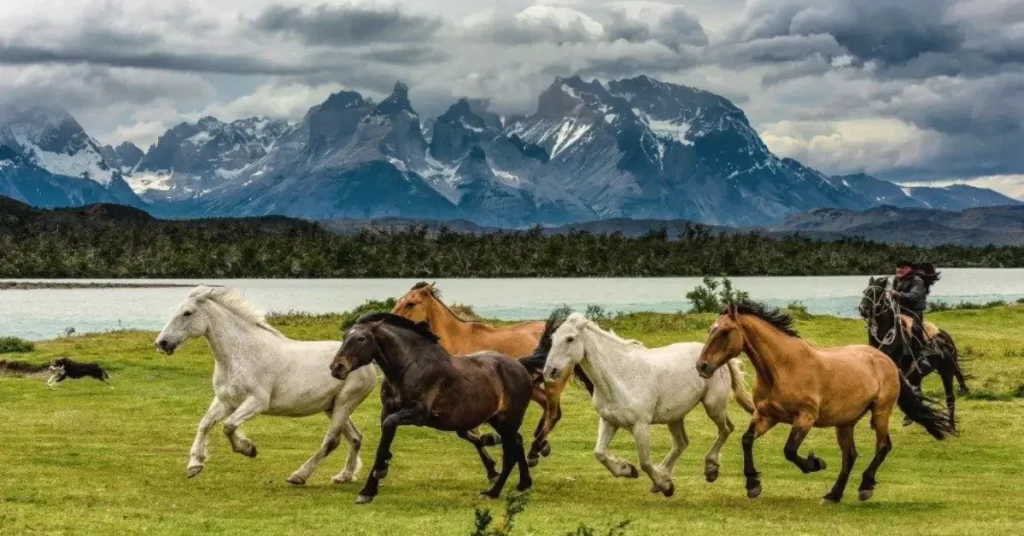
Exploring the horse trekking routes in Altai Tavan Bogd is more than just an outdoor adventure—it’s a journey through landscapes shaped by glaciers and traditions passed down for centuries. Whether you ride to Potanin Glacier, circle the turquoise lakes, or follow sacred mountain trails, you’ll experience the essence of trekking in the Altai Mountains while connecting with Mongolia’s living horse trekking culture.
The Altai Mountains’ beauty is not only in their landscapes but also in the stories, traditions, and hospitality of the people who call them home. If you’re searching for a unique travel experience that combines nature, history, and culture, horse trekking in Altai Tavan Bogd National Park is truly unforgettable.
If you want to read more about horse trekking in Altai mountain, check the following links:
- Essential Gear for Horse Trekking in Mongolia – What to Pack
- Nomadic Life on Horseback: Staying with Local Families in the Altai Mountains
- The Majesty of Mongolian Horses: Riding Through the Altai Mountains
- Winter Horse Trekking in Altai: A Unique Challenge
CLIMB MOUNT KHUITEN MONGOLIA CLIMB
Come and enjoy a unique expedition in the remotely located Altai Mountains CLIMB MOUNT KHUITEN MONGOLIA ⭐⭐⭐⭐⭐ 5.0 · 72…MONGOLIA SNOW LEOPARD PHOTOGRAPHY TOUR
Unleash your adventure spirit, explore Mongolia on your own terms MONGOLIA SNOW LEOPARD PHOTOGRAPHY TOUR ⭐⭐⭐⭐⭐ 5.0 · 72 reviews…Mongolia Altai Mountain Tour 2026 — 8 Days: Peak Climb + Culture + Nomadic Stay | $1,700
Unleash your adventure spirit, explore Mongolia on your own terms MONGOLIA ALTAI MOUNTAIN TOUR ⭐⭐⭐⭐⭐ 5.0 · 72 reviews on…