
Mongolian throat singing, or khöömii, is a way of singing in which one person produces two or more notes at the same time: a steady low drone and a whistling melody of overtones above it. It comes from the herders of western Mongolia, especially the Altai region around Khovd province, and was added to UNESCO’s list of the Intangible Cultural Heritage of Humanity in 2010. You can hear it at concerts in Ulaanbaatar, at festivals such as Naadam, and, if you are lucky, around a stove in a herder’s ger.
Key Takeaways
- One voice, two notes: The singer holds a drone and shapes the mouth and throat to amplify overtones that sound like a separate whistle.
- Rooted in the west: Khöömii is closely linked to Chandmani district in Khovd province, in the Altai.
- UNESCO heritage: The Mongolian traditional art of khöömii was inscribed on UNESCO’s Representative List in 2010.
- Two main styles: UNESCO groups techniques into kharkhiraa (deep) and isgeree (whistled) khöömii.
- Easy to hear: Evening folk shows in Ulaanbaatar feature throat singing almost every night in the travel season.
What Is Mongolian Throat Singing?
Every sung note is made of a fundamental tone plus a series of quieter overtones. In ordinary singing we hear them blended into one sound. In khöömii, the singer holds a steady fundamental, the drone, and changes the shape of the tongue, lips and throat to boost particular overtones until they ring out as a second, flute-like melody.
Herders traditionally describe it as imitating nature: the wind across the steppe, flowing rivers, echoes in the mountains and the sounds of animals. It is closely tied to nomadic life and is passed on by ear, from master to student, rather than from written music.

Main Styles of Khöömii
UNESCO groups Mongolian khöömii into two main families of technique. Singers and teachers name many more sub-styles, and the terms are not always used consistently, so treat this as a simple map rather than a strict system.
| Style | What it sounds like | How it works |
|---|---|---|
| Isgeree khöömii (whistled) | A clear, high whistle above the drone | The singer focuses on high overtones over a normal-voice drone |
| Kharkhiraa (deep) | A rough, growling bass | The singer stresses a very low tone, about an octave below the drone |
| Other named variants | Nasal, chest, throat and lip-shaped tones | Teachers name techniques by where the sound seems to resonate |
Many performers combine styles in a single song, moving from a deep kharkhiraa growl into a bright whistled melody.
Where Throat Singing Comes From: the Altai Connection
Khöömii is strongest in western Mongolia. Chandmani district in Khovd province is famous as a home of throat singing and has produced many well-known singers. The wider Altai-Sayan region is the heart of overtone singing: across the border, the Tuvan people have their own celebrated tradition, called khöömei, with styles such as sygyt and kargyraa.
Mongolia and Tuva share a lot musically, but singers on each side are proud of their own styles. Overtone singing also appears among the Altai peoples in Russia and, in a different form, among the Kazakhs, whose music in Mongolia is centered on the two-string dombra. Read more in our guide to Kazakh dombra music.
Traditional music in the Altai is also bound up with older beliefs about the mountains and spirits; see the Altai Mountains in shamanism.

Instruments That Go with Throat Singing
- Morin khuur (horsehead fiddle): a two-string bowed instrument with a carved horse head, the national instrument of Mongolia. Its music is on UNESCO’s list too.
- Tovshuur: a two-string plucked lute played by the western Mongolian Oirat peoples, often to accompany epic songs.
- Tsuur: an end-blown flute from the Altai, played while the musician hums a drone at the same time.
- Khel khuur (jaw harp): a small metal instrument that also plays with overtones.
- Yatga: a plucked zither often heard in concert ensembles.
A small morin khuur is a popular souvenir; ask for a hard travel case, and expect a well-made instrument to cost far more than a decorative tourist version.
Bands, Modern Music and Women Singers
Throat singing has found a worldwide audience. Folk ensembles keep the classical repertoire alive, while rock and metal bands such as The HU, which blends khöömii and morin khuur with heavy guitars, have brought it to millions of new listeners. Fusion projects mix it with electronic and jazz music.
Traditionally, khöömii was performed almost entirely by men, and in some families women were discouraged from it. That has changed: today there are respected female throat singers performing in Mongolia and abroad, and women study it at music schools in Ulaanbaatar.

Where to Hear Throat Singing in Mongolia
- Evening folk shows in Ulaanbaatar: the Tumen Ekh ensemble and other companies give regular shows with throat singing, morin khuur, dance and contortion, especially in summer. Book a day ahead in peak season.
- Naadam: the opening ceremony and cultural events in July often include khöömii. In the west, Naadam in Bayan-Ölgii has a strong Kazakh flavor.
- Khovd and the western provinces: local singers sometimes perform for visitors; ask your guide.
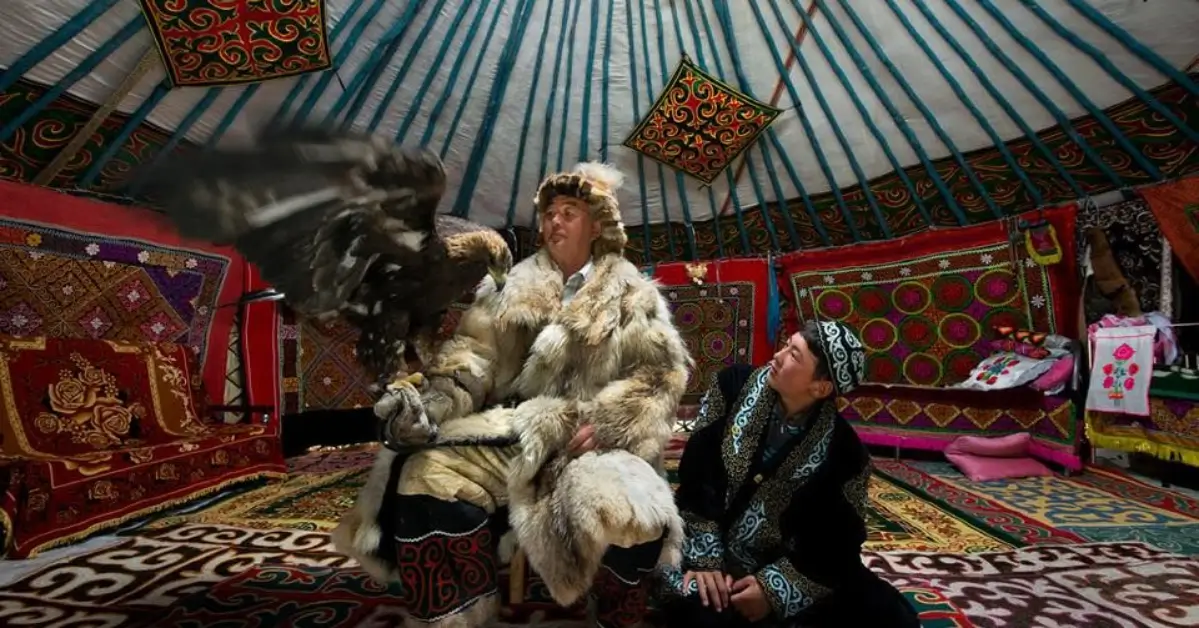
- In a ger: the most memorable performances are informal, when a herder or driver sings by the stove after dinner. These cannot be booked, but they happen on countryside trips more often than you might think.
Our journeys through the west, such as the Gobi and Western Mongolia tour, pass through the heartland of khöömii. For the cultural background, read Mongolian nomadic life.
Suggested Blogs:
Taimen Fishing in Mongolia: Season, Rules, Cost and Where to Go
Taimen fishing in Mongolia: best season, catch-and-release law, permits via licensed outfitters, trip prices, gear and fishing in the Altai…Mongolia Dinosaurs: Fossils, the Flaming Cliffs and Where to See Them
Mongolia dinosaurs guide: why the Gobi is a fossil treasure house, the Flaming Cliffs, Tarbosaurus, repatriated fossils and where to…Tsagaan Sar 2027: Dates, Traditions and What Visitors Should Know
Tsagaan Sar 2027 starts around February 7. Mongolian Lunar New Year traditions, food, greetings and etiquette, and why the Kazakh…


















What is Mongolian throat singing called?
It is called khöömii (also spelled khoomei or höömii), a style of singing in which one singer produces two or more notes at once.
How does throat singing work?
The singer holds a steady low drone and reshapes the mouth, tongue and throat to amplify overtones that sound like a separate whistling melody.
Where does Mongolian throat singing come from?
It comes from western Mongolia, especially the Altai region and Chandmani district in Khovd province.
Is throat singing UNESCO heritage?
Yes. The Mongolian traditional art of khöömii was inscribed on UNESCO’s Representative List of the Intangible Cultural Heritage of Humanity in 2010.
Can women throat sing in Mongolia?
Yes. Although it was traditionally performed by men, many women now study and perform throat singing in Mongolia and abroad.
Where can I see throat singing in Ulaanbaatar?
Evening folk shows, such as those by the Tumen Ekh ensemble, regularly feature throat singing, especially during the summer travel season.