
Mongolian cashmere is the soft undercoat combed from goats that survive some of the coldest winters on earth, and it is one of the finest cashmere fibers you can buy. Mongolia is the world’s second-largest producer of raw cashmere after China, and Ulaanbaatar is the best place to buy it: brands such as Gobi and Goyo sell sweaters and scarves there for less than they charge abroad. This guide explains where the fiber comes from, what you should expect to pay, how to tell good cashmere from bad, and the environmental cost behind it.
Key Takeaways
- It starts with the goats: Cashmere is the fine winter undercoat of herders’ goats, combed out by hand in spring.
- Cold makes it better: Mongolia’s harsh winters push goats to grow long, fine, warm fibers.
- Buy in Ulaanbaatar: Brand stores and factory outlets in the capital usually beat overseas prices, especially in seasonal sales.
- Very cheap usually means not pure: Gobi itself warns that sustainable cashmere cannot be made at rock-bottom prices; check the label for 100% cashmere.
- There is an environmental cost: Rising goat numbers are linked to overgrazing, so look for brands that support sustainable herding.
Where Mongolian Cashmere Comes From
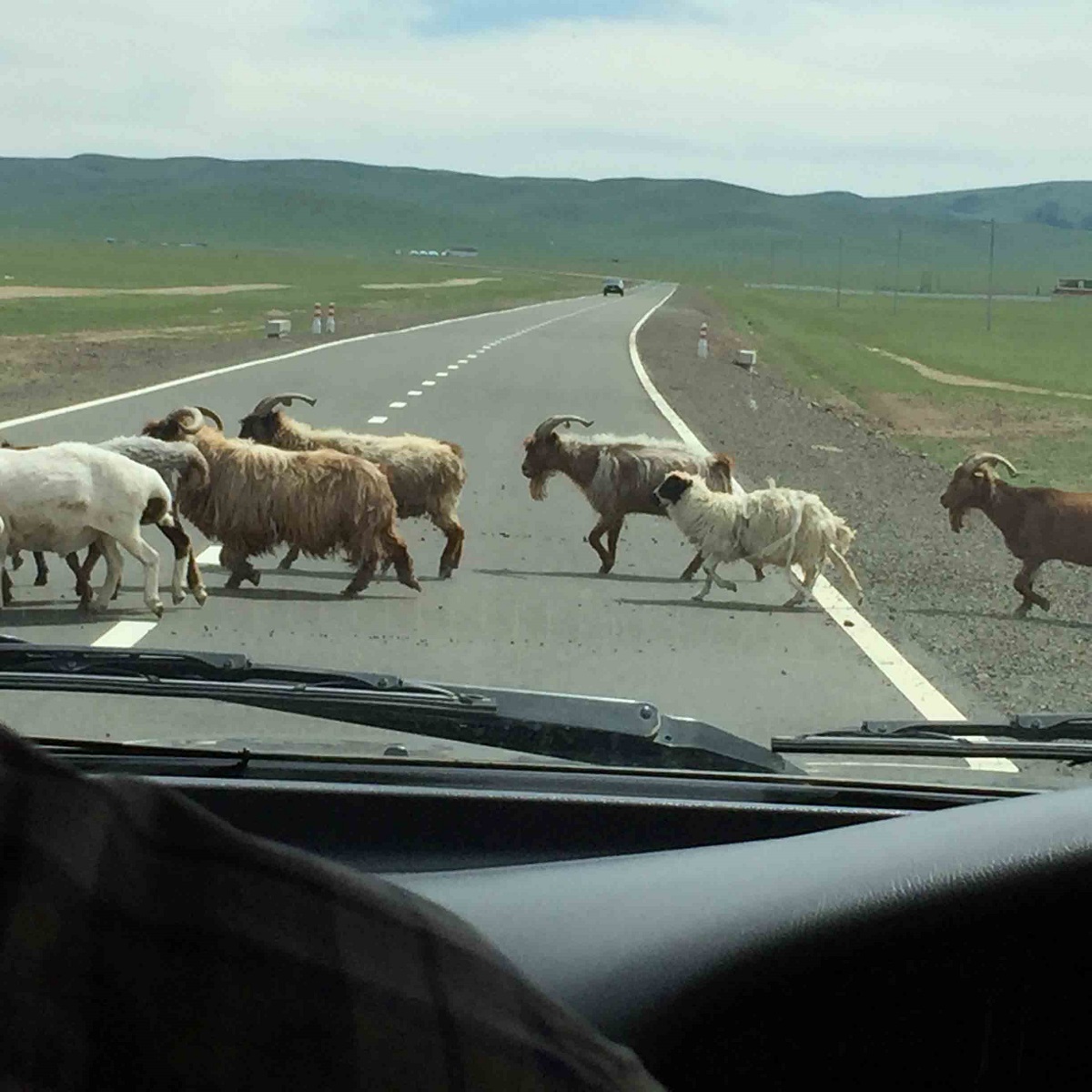
Goats are one of Mongolia’s ‘five snouts’, the five traditional herd animals alongside horses, cattle (including yaks), camels and sheep. To survive winters that regularly fall below -30°C, goats grow a downy undercoat beneath their coarse outer hair. That undercoat is cashmere.
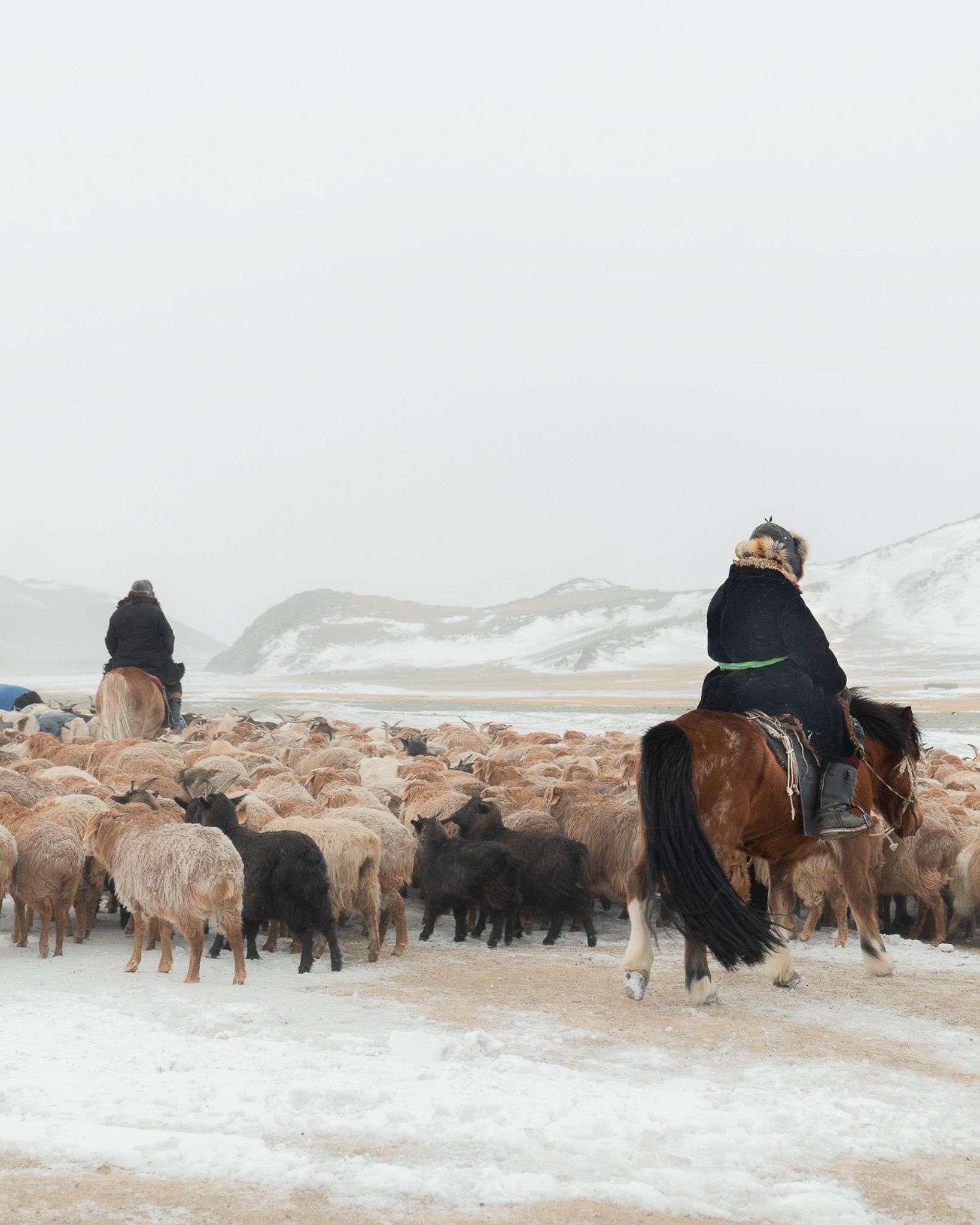
In spring, as the weather warms and the goats begin to shed, herders comb the fiber out by hand with a metal comb. Each goat gives only a few hundred grams of raw fiber a year, and after the coarse hair is removed the usable amount is smaller still. That is why a single sweater needs fiber from several goats, and why real cashmere is never truly cheap.
You will see goats with almost every herding family you visit, from the Gobi to the Altai, where they move with the seasons alongside sheep and yaks. Our guide to Mongolian nomadic life explains how herding families work through the year.
Why Mongolian Cashmere Is Prized
Cashmere quality is mostly about three things: how fine the fiber is, how long it is, and how it is spun and knitted. Mongolia’s extreme climate produces long, fine fibers, and the best yarn makes garments that are light, very warm and less prone to pilling.
- Fineness: finer fibers feel softer against the skin.
- Length: longer fibers make stronger yarn that pills less.
- Color: white fiber can be dyed any shade; natural brown and grey cashmere is often sold undyed.
- Processing: more of the fiber is now washed, spun and knitted inside Mongolia rather than exported raw, which is why local brands have grown.
Mongolian Cashmere Brands to Know
Several brands sell in Ulaanbaatar. The best known are:
| Brand | What it is known for |
|---|---|
| Gobi | The largest and best-known Mongolian brand, founded in 1981, with a flagship factory store and several city shops |
| Goyo | Design-led knitwear with a modern, minimalist style |
| Other local labels | Smaller studios and boutiques selling knitwear, felt-and-cashmere mixes and naturally colored yarn |
Brand choice is personal. Try things on, compare the feel of different weights, and ask staff where the garment was spun and knitted.
Mongolian Cashmere Prices
Prices change with the exchange rate and the season, so treat these as rough levels rather than quotes. As a point of comparison, Gobi’s US online store lists basic crewneck sweaters at around $150-160 before discounts. In Ulaanbaatar, the same type of garment is usually cheaper, and factory outlets and end-of-season sales cut prices further.
| Item | Price level in Ulaanbaatar | Tip |
|---|---|---|
| Scarf or beanie | Lowest | Best value; no sizing worries |
| Socks and gloves | Low | Easy gifts |
| Basic crewneck sweater | Medium | Compare weight (ply) between shops |
| Cardigan or heavier knit | Medium to high | Check seams and finishing |
| Blanket or coat | High | Ask about packing for flights |
If the price looks too good to be true, it probably is. Gobi’s own guidance warns that ‘cashmere’ sold far below normal prices cannot be produced sustainably.
How to Spot Real Cashmere
- Read the label: look for 100% cashmere. Blends with wool, silk or synthetic fibers are fine if you know what you are paying for.
- Touch it: real cashmere feels soft and warm, not slippery or plasticky. Very shiny, very smooth fabric can be a sign of synthetic blends or chemical treatment.
- Check the knit: hold it up to the light. A dense, even knit lasts longer than a loose, thin one.
- Rub a small area: some light fuzz is normal; heavy pilling straight away suggests short fibers.
- Buy from a known shop: brand stores and established outlets are safer than market stalls for expensive pieces.
Where to Buy Cashmere in Ulaanbaatar
- Factory stores: Gobi’s factory store in the Khan-Uul district has the widest range, with a central store near Sükhbaatar Square as well.
- The State Department Store: one stop to compare several brands.
- Brand boutiques: around the city center for Goyo and smaller designers.
- Markets: cheaper, but quality varies widely; best for small items.
Most travelers shop on their last day in the capital. Combine cashmere with felt, embroidery and other Mongolian gifts, and read about the capital Ulaanbaatar to plan the day.

Cashmere and the Steppe: The Environmental Side
Cashmere has brought income to herding families, but it has also encouraged larger goat herds. Goats graze close to the ground and pull up roots, so too many of them on the same pasture contribute to overgrazing and land degradation. Harsh winters known as dzud can also kill huge numbers of animals.
As a buyer, you can help by choosing fewer, better pieces that last for years, and by asking brands how they source their fiber and support herders. When you travel through herding country, such as on our nomad migration tour, you will see first-hand how closely the herd, the pasture and the family depend on each other.
Suggested Blogs:
Taimen Fishing in Mongolia: Season, Rules, Cost and Where to Go
Taimen fishing in Mongolia: best season, catch-and-release law, permits via licensed outfitters, trip prices, gear and fishing in the Altai…Mongolia Dinosaurs: Fossils, the Flaming Cliffs and Where to See Them
Mongolia dinosaurs guide: why the Gobi is a fossil treasure house, the Flaming Cliffs, Tarbosaurus, repatriated fossils and where to…Tsagaan Sar 2027: Dates, Traditions and What Visitors Should Know
Tsagaan Sar 2027 starts around February 7. Mongolian Lunar New Year traditions, food, greetings and etiquette, and why the Kazakh…










Is Mongolian cashmere good quality?
Yes. Mongolia’s cold climate produces long, fine fibers, and well-made Mongolian cashmere is among the best in the world.
Is cashmere cheaper in Mongolia?
Generally yes. Brand prices in Ulaanbaatar are usually lower than abroad, especially at factory outlets and during seasonal sales.
What is the best Mongolian cashmere brand?
Gobi is the largest and best known, and Goyo is popular for modern designs. The best choice depends on your style and budget.
How can I tell if cashmere is real?
Check that the label says 100% cashmere, feel for softness without a synthetic shine, look for a dense, even knit, and buy expensive pieces from established shops.
Where can I buy cashmere in Ulaanbaatar?
At brand factory stores, central brand boutiques and the State Department Store. Markets are cheaper but less reliable for quality.
Is cashmere bad for the environment?
Large goat herds are linked to overgrazing in Mongolia. Buying fewer, longer-lasting pieces from responsible brands reduces the impact.