
The Malchin Peak, also referred to as “Herder peak”, is one of the five Holy peaks located in the Tavan Bogd mountain on the Mongolian-Russian border.
Reaching a towering elevation of 4,050 m (13,287 ft), it is unsurprisingly popular destination amongst climbers and hikers alike since no specialized mountain climbing equipment is required.
Altai Tours from Mongolia
Let’s create your ideal Mongolian adventure
Interestingly, it was called Malchin/ Herder because in the olden days, people used to climb the mountain to herd their sheep.
We offer you CLIMB MOUNT KHUITEN MONGOLIA. Mount Khuiten is the highest peak in Mongolia, which is located in the remote area of the Mongolian Altai region. It will be wonderful 🤩🤩
WHEN IS THE BEST TIME TO CLIMB THE MALCHIN PEAK?
The best time to climb Herder’s peak is between July and September when the weather conditions are most stable. However, if you’re planning on climbing Altai Tavan Bogd mountain, be aware that the weather in the area is very unpredictable with four seasons passing in one day.

WHAT IS THE ROAD TO MALCHIN PEAK LIKE?
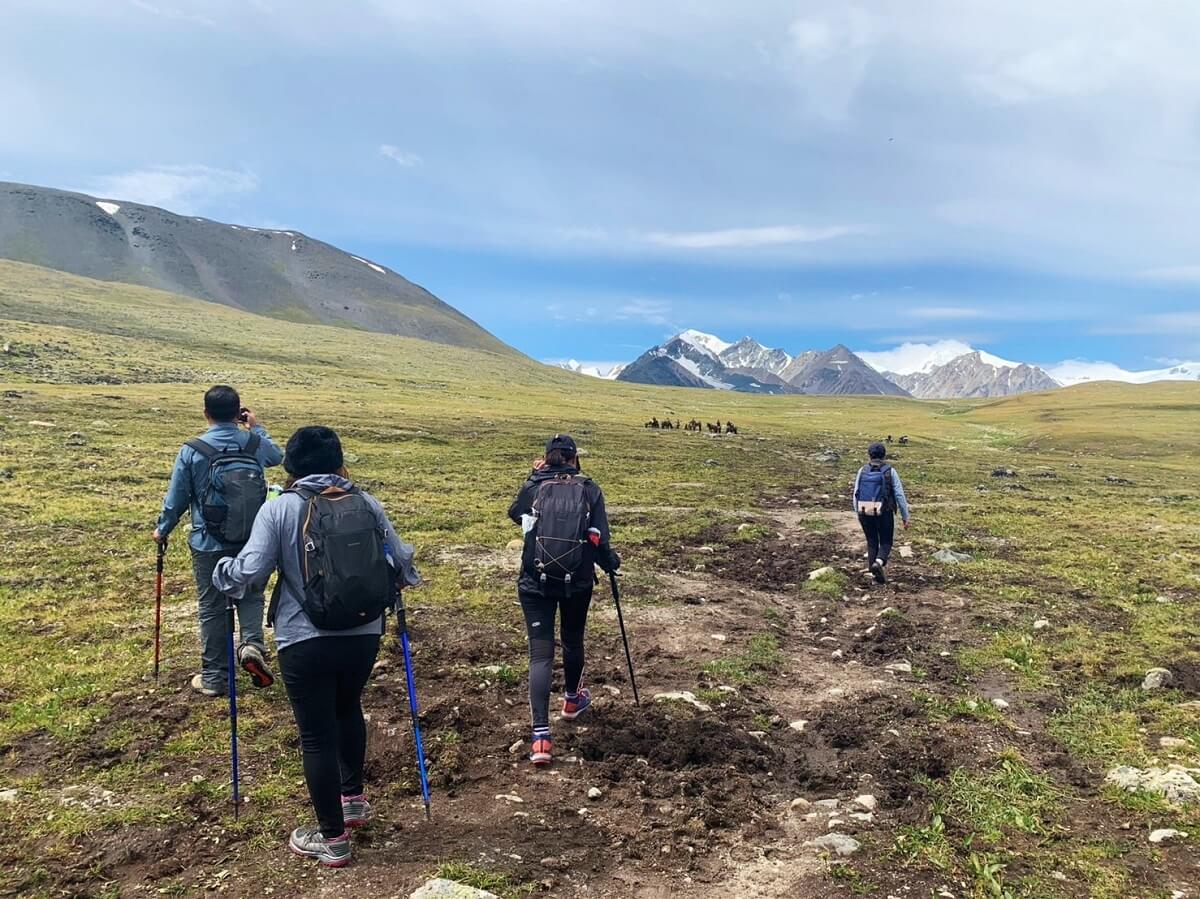
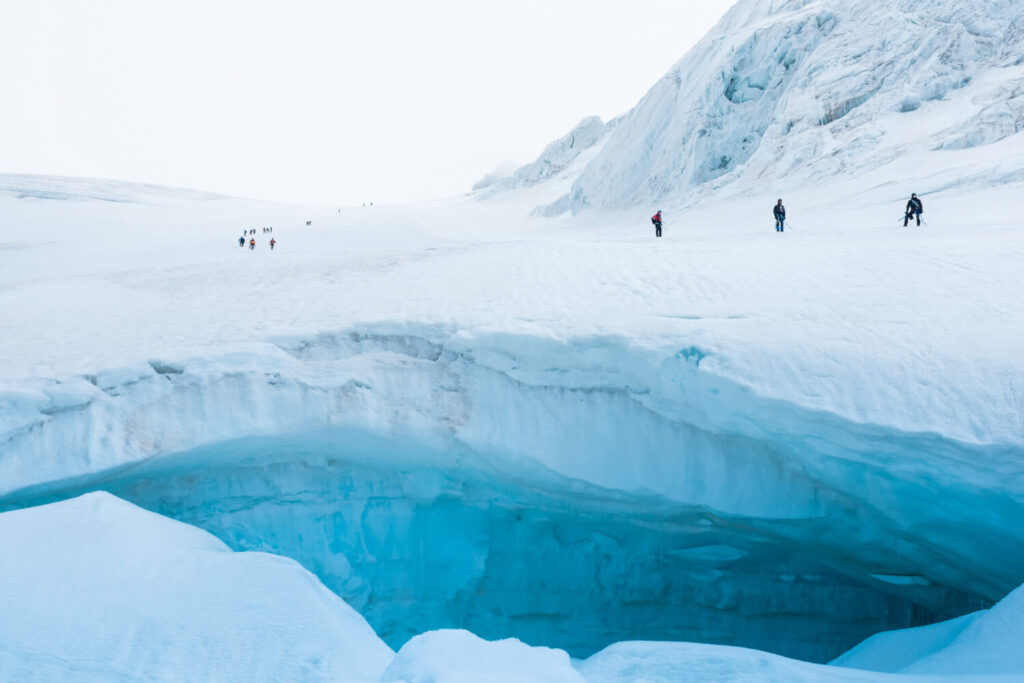
The distance from the base of ascent to the top of Malchin Peak is 5.8 kilometers. There is a path to the peak. Climb up through the snow-covered part and the rocky section after reaching the foot of the mountain.
Small piles of stones mark out the climbing road. The rocky road has a lot of loose rocks, so be careful while ascending it. On average, the incline is 37 degrees, but it hits a 50-degree angle at its steepest.
Altai Tours from Mongolia
Let’s create your ideal Mongolian adventure
The road to Malchin Peak is a rugged yet scenic path that winds through the breathtaking landscapes of Altai Tavan Bogd National Park, passing glacial rivers, rocky terrains, and rolling meadows.
While accessible for most trekkers, the trail requires moderate physical fitness and a sense of adventure to navigate its remote and untamed beauty.
HOW LONG WILL THE CLIMB BE?
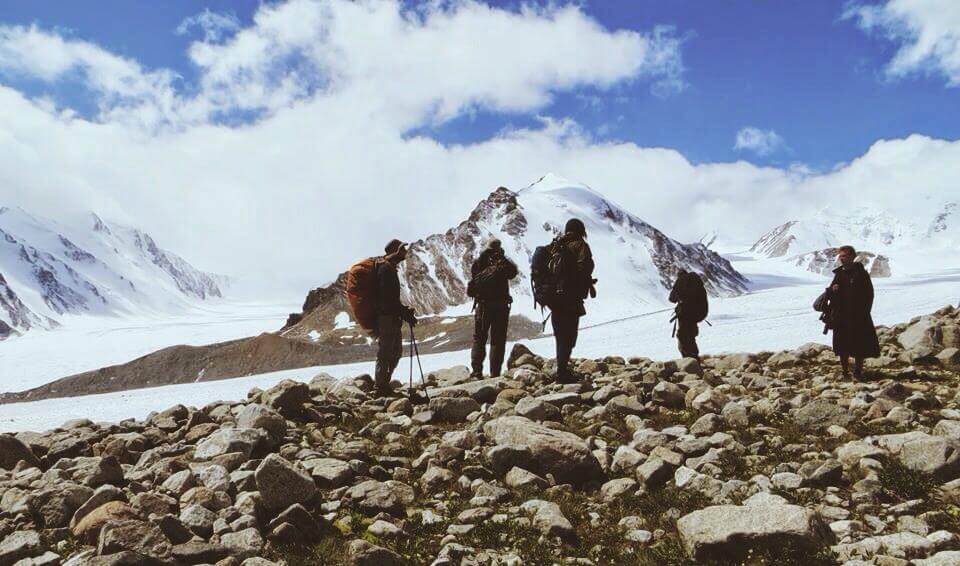
Climbing takes around 6-7 hours for a group of average speed. Weather conditions change drastically as you rise to 3500 meters. When the wind speed reaches 9 m/s or greater, climbing is forbidden.
The commencement of the climb is between 6 and 9 a.m. If the ascent does not begin before nine o’clock, there is no need to climb. A climber died in 2014 after losing his grip and falling down a rock face while trying to descend too quickly in the dark. He didn’t realize how late it was due to a time discrepancy.
WHAT DO YOU NEED TO CLIMB?
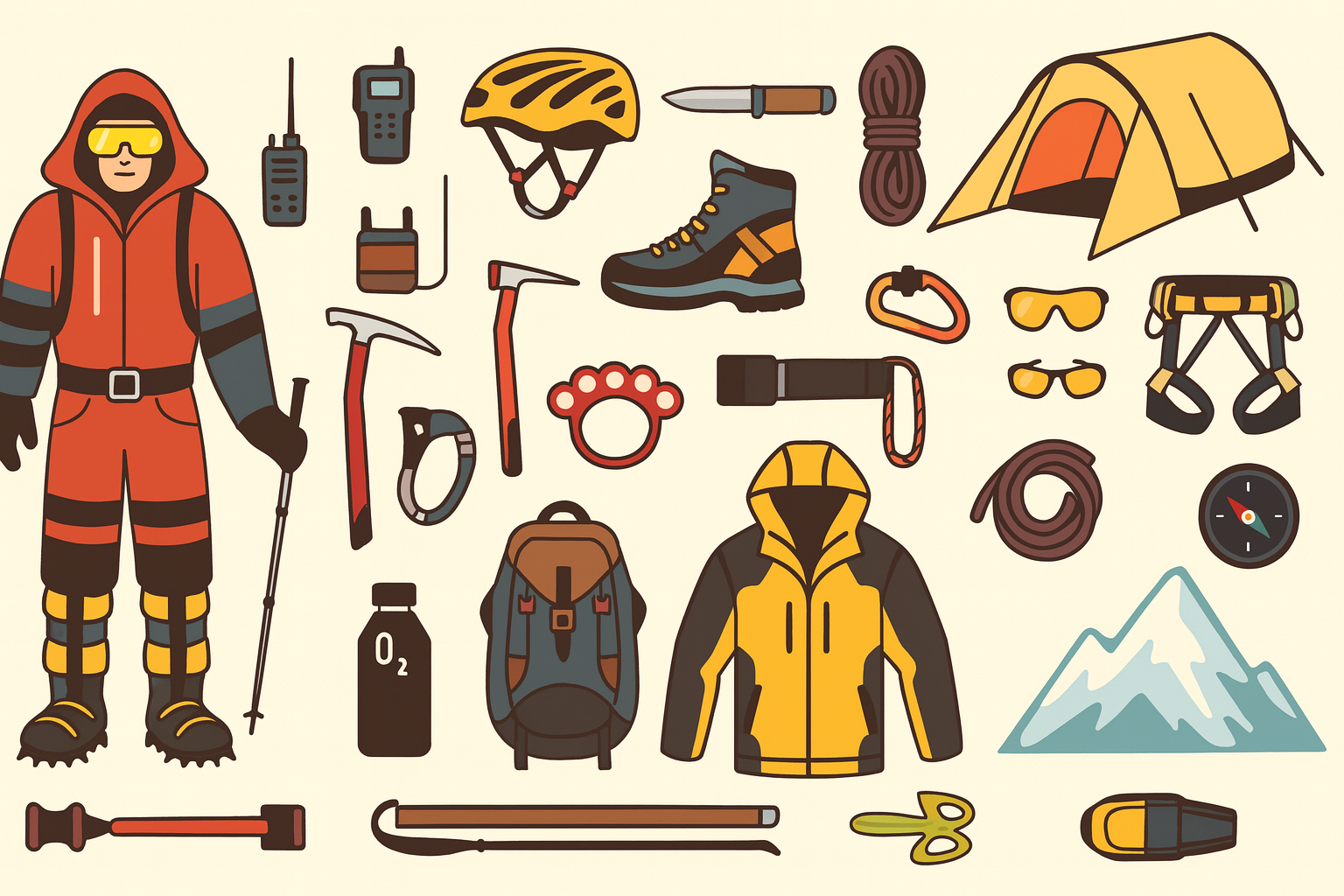
Climbing does not need any special gear. However, climbers still need:
- Trekking poles
- trekking shoes
- clothing that is suited to the weather
- inclement-weather clothing
- and a lunch
- A headlight
- helmet
- GPS device with team radio communication

Many people have tried to slide down the snowy slope from the top of the mountain, but it is extremely dangerous. You should always go on this trip with an experienced guide.
Malchin Peak, with its majestic allure and breathtaking landscapes, is more than just a mountain—it’s a gateway to the raw, untouched beauty of Mongolia’s Altai Tavan Bogd National Park.
Whether you’re drawn to its pristine glaciers, panoramic views of multiple nations, or the thrill of the climb itself, Malchin offers an adventure that satisfies both body and soul.
Altai Tours from Mongolia
Let’s create your ideal Mongolian adventure
Scaling this peak is not just a physical achievement but a spiritual journey, connecting you to the awe-inspiring wilderness and the deep traditions of the Mongolian nomads who call this region home. The memories you create here—of towering peaks, glistening ice, and the camaraderie of the climb—will remain with you long after you’ve descended.
Ready to embark on this unforgettable adventure? Let Malchin Peak inspire your next great expedition and leave you with stories to cherish for a lifetime!
SUGGESTED TOURS:
Related Blogs:
Mountain Rescue in Mongolia: How It Works, Emergency Contacts, and Why You Need Insurance
Mountain rescue in Mongolia is limited and self-organised. There is no national equivalent of the Swiss Air-Glaciers, French PGHM, or…Khüiten Peak Climbing Season: Best Months, Weather Windows, and Why Most Climbs Happen in July–August
The Khüiten Peak climbing season runs from late June to mid-September, with July and August as the prime climbing months…Mountain Climbing Risks: Exploring the Challenges and Safety Measures
Mountain Climbing Risks: Exploring the Challenges and Safety Measures – Mountain climbing is an exhilarating and adventurous activity that has…
FAQ
What type of lifestyle do Mongolian people traditionally live?
Mongolian people have traditionally lived a nomadic lifestyle centered around family and community. This way of life involves herding livestock and moving seasonally to find fresh pasture and water.
What animals do Mongolian herders raise?
Mongolian herders raise a mix of livestock known as the “five animals”: sheep, goats, horses, cattle (including yaks), and camels. In the Gobi region, Bactrian camels are especially common.
Are Mongolians friendly to tourists?
Yes, Mongolians are known for their warm hospitality and sincerity. Travelers often experience genuine kindness and are welcomed into homes or gers, making Mongolia a very friendly destination.
Who are Mongols genetically closest to?
Mongolic peoples are genetically closest to East Asian populations, with additional connections to Southeast Asians and smaller influences from West Eurasian groups.
What makes Mongolian culture unique?
Mongolian culture is unique for its strong nomadic traditions, which are still actively practiced in rural areas today. This lifestyle, along with customs, hospitality, and connection to nature, defines the country’s identity.
What does “247” mean in Mongolia?
In Mongolian texting slang, “247” means “I love you.” It represents the phrase “Би чамд хайртай” (Bi chamd hairtai), implying love all the time, or 24/7.
What do Mongolian herders eat?
Mongolian herders rely heavily on animal-based foods such as meat and dairy. Popular dishes include dumplings like buuz, khuushuur, and bansh, as well as dried meat (borts) for winter. Dairy products like milk tea and fermented mare’s milk (airag) are also common.
How did Genghis Khan treat his wives?
Genghis Khan gave his high-ranking wives their own camps, known as ordos, which they managed independently. These camps were protected by imperial guards and included extended family members and attendants.
How do Mongolians treat foreigners?
Mongolians are very welcoming to foreigners. Guests are often invited into gers, offered food and milk tea, and treated with great respect. Hospitality is an important part of Mongolian culture.
Who came first, Vikings or Mongols?
The Vikings came earlier, emerging in the late 8th century. The Mongol Empire began later in the 13th century under Genghis Khan.
Can men wear shorts in Mongolia?
While shorts are acceptable for outdoor activities like hiking, Mongolian culture tends to be modest, especially outside cities. In rural areas, men wearing shorts in public may be seen as unusual.
Is the Mongolian language closer to Chinese or Russian?
The Mongolian language is not closely related to either Chinese or Russian. It belongs to the Mongolic language family, which is separate from both Sino-Tibetan (Chinese) and Slavic (Russian) language groups.
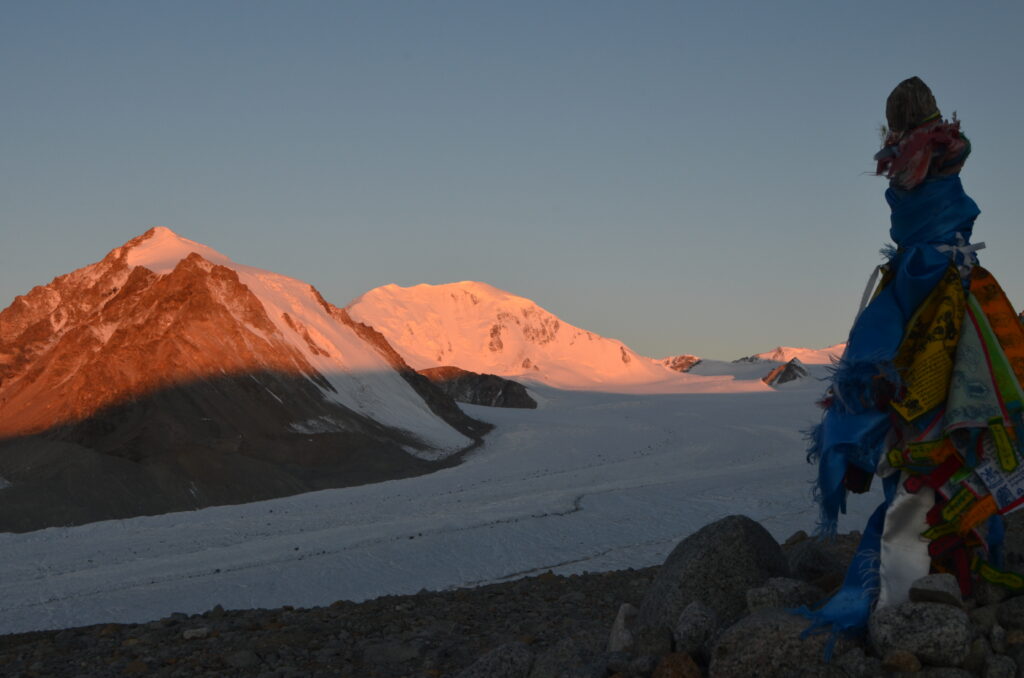
Sunrise from Malchin is a photographer’s dream — see our Mongolia photography tours for trips built around the best light in the Altai.