
Introduction
High in the rugged peaks of the Altai Mountains, a centuries-old tradition continues to thrive – the art of eagle hunting in Altai mountains. This practice, passed down through generations of Kazakh nomads, is one of Mongolia’s most iconic cultural legacies. Today, it is not only a symbol of resilience and heritage but also a UNESCO-recognized intangible cultural treasure.
This article explores the history, traditions, and cultural importance of eagle hunting in Mongolia, the role of the Altai mountain eagle hunters, and why travelers worldwide are drawn to witness this living tradition.
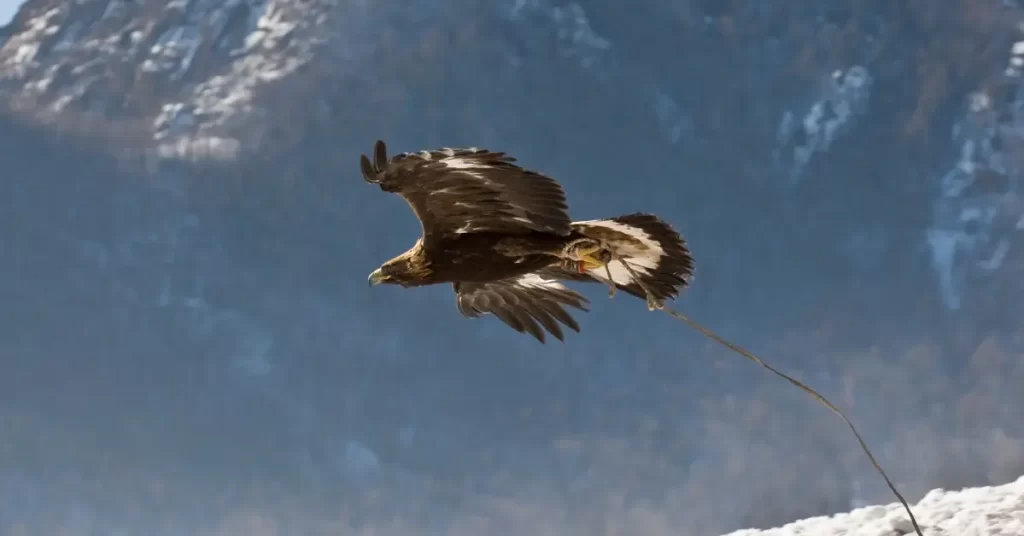
The Origins of Eagle Hunting in Altai Mountains
A Tradition Rooted in Survival
For nomadic tribes of Central Asia, eagle hunting was not merely sport but survival. The vast steppes and mountain valleys demanded ingenuity to hunt foxes, hares, and even wolves for fur and food. The Mongolian eagle—especially the powerful golden eagle—became a trusted companion.
Historical Evidence
- Archaeological findings suggest that eagle hunting dates back over 6,000 years in Central Asia.
- Ancient petroglyphs in western Mongolia depict hunters on horseback carrying eagles.
- Kazakh tribes of the Altai region perfected the art, making it a central part of their nomadic culture.
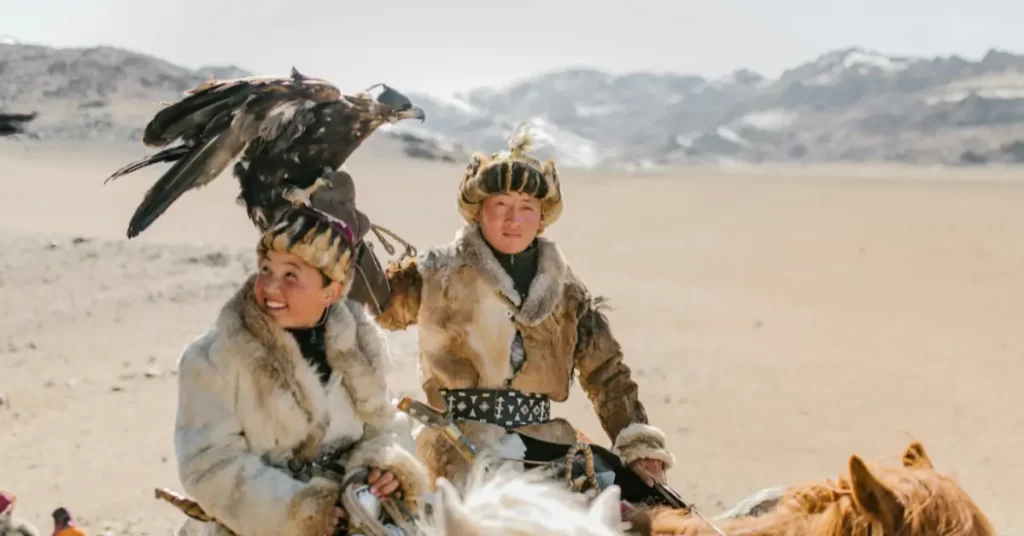
The Role of the Golden Eagle
The golden eagle (Aquila chrysaetos) is the heart of the practice. Revered for its strength, keen eyesight, and hunting prowess, this majestic bird symbolizes courage and endurance.
- Female eagles are preferred as they are larger, stronger, and more aggressive than males.
- An eagle can spot prey from kilometers away, making it invaluable in the harsh winters of the Altai.
- Training involves a deep bond between eagle hunters and their birds, built on respect rather than dominance.
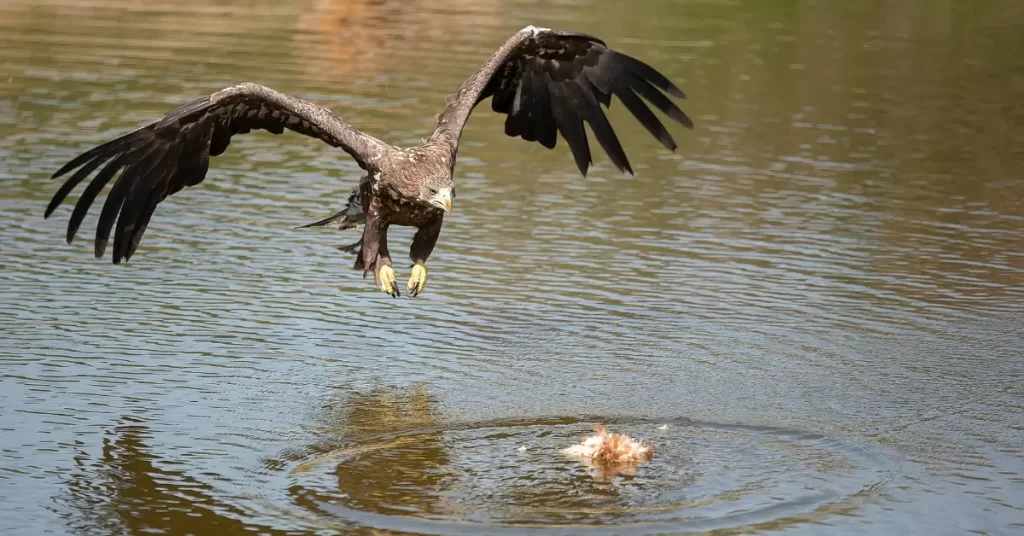
Eagle Hunters of the Altai Mountains
Who Are the Eagle Hunters?
Known as “Berkutchi”, the eagle hunters are primarily Kazakh men living in Bayan-Ölgii province, a remote region of western Mongolia. Today, around 250–300 eagle hunters continue the tradition.
- Most hunters are men, though in recent years, young Kazakh women such as Aisholpan Nurgaiv (from the film The Eagle Huntress) have gained recognition.
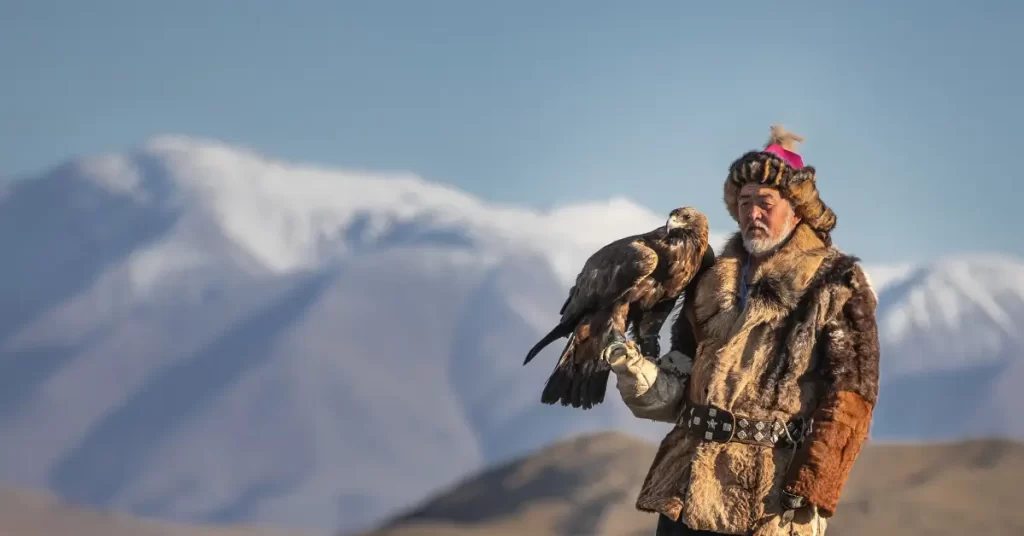
- The hunters wear traditional fur coats, fox hats, and embroidered boots, symbolizing both practicality and cultural identity.
The Process of Training an Eagle
- Capturing a young eagle from the wild (usually chicks from nests).
- Bonding through feeding, care, and trust-building.
- Training in mounted hunting techniques.
- Releasing the eagle back into nature after 7–10 years, ensuring balance with the ecosystem.
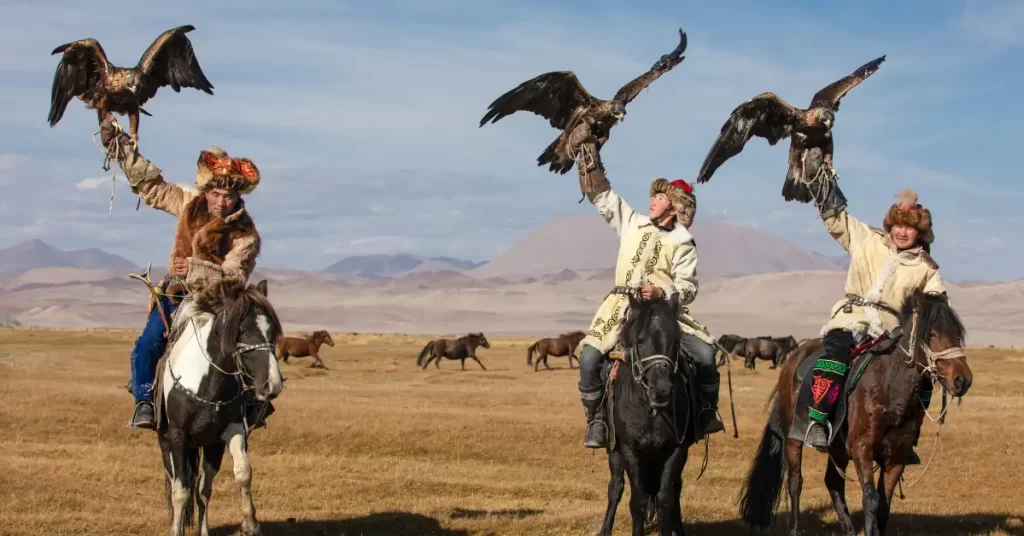
Traditions and Rituals in Eagle Hunting
The Cultural Code
Eagle hunting is steeped in traditions that go beyond the hunt:
- Hunters share deep respect for their eagles, never treating them as mere tools.
- The release ceremony, when the eagle is returned to the wild, is accompanied by prayers and offerings.
Clothing and Equipment
- Eagle hoods (tomaga): Leather masks that calm the birds before a hunt.
- Heavy gloves: Protect hunters from the eagle’s sharp talons.
- Horse gear: Horses are trained to carry hunters with eagles on their arms, showcasing incredible balance.
UNESCO Recognition of Eagle Hunting
In 2010, UNESCO inscribed “Traditional art of hunting with eagles among Kazakh communities” on the Representative List of the Intangible Cultural Heritage of Humanity.
This recognition highlights:
- The cultural identity of Kazakh communities in western Mongolia.
- The importance of intergenerational knowledge transfer.
- The need to preserve endangered traditions in a rapidly modernizing world.
The Altai Eagle Festival
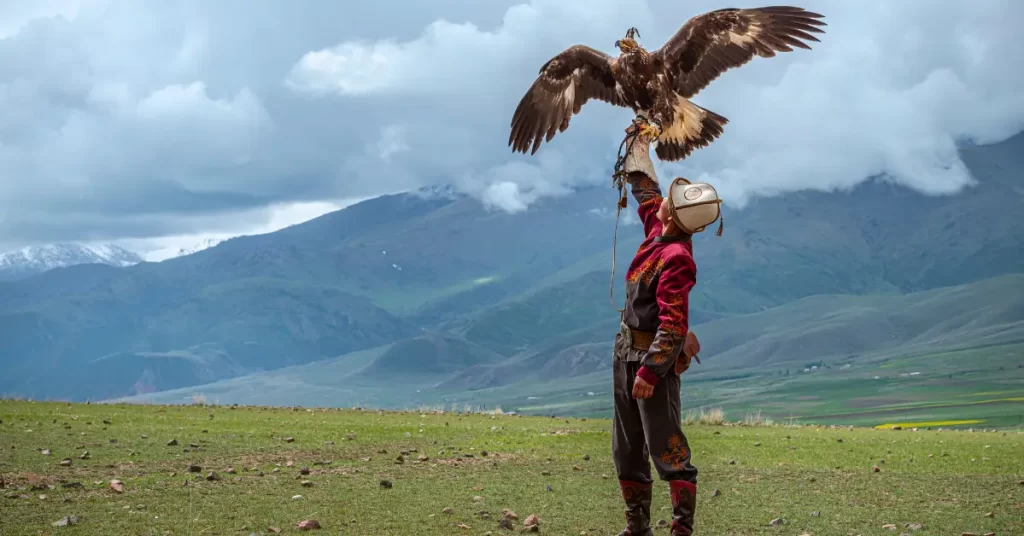
One of the best ways to witness eagle hunting is at the Altai Eagle Festival (held in Bayan-Ölgii every October).
Festival Highlights
- Competitions showcasing eagle hunters’ skills.
- Traditional Kazakh music, dances, and horse games.
- A gathering of local and international visitors to celebrate Mongolian culture.
For travelers, it offers a rare chance to see Altai mountain eagle hunters demonstrating their craft while celebrating community spirit.

Eagle Hunting in Modern Mongolia
Preserving Tradition in a Changing World
- Younger generations are increasingly drawn to cities, threatening the continuity of eagle traditions.
- Documentaries and tourism are helping revive global interest.
- Training young hunters and supporting women participants ensures longevity.
Tourism and Cultural Exchange
Visitors can experience eagle hunting through:
- Homestays with Kazakh families.
- Guided tours to the Altai Mountains.
- Attending seasonal hunting expeditions or festivals.
This not only sustains the tradition but also provides economic opportunities for rural communities.

Why Eagle Hunting in Altai Mountains is Unique
- Harsh landscapes: Hunting in sub-zero winters with snow-covered valleys is unlike anywhere else.
- Deep bonds: The connection between Mongolian eagle hunters and their birds is rooted in trust, not force.
- Cultural resilience: Despite modernization, the tradition thrives in remote mountain communities.
Key Takeaways
- Eagle hunting in Altai mountains is one of the oldest forms of falconry, blending survival, spirituality, and cultural pride.
- The Mongolian eagle hunters embody resilience, living in harmony with their environment and animals.
- Recognized by UNESCO, this heritage continues to inspire travelers, filmmakers, and historians alike.
Conclusion
From the frozen steppes of western Mongolia to global screens and festivals, the tradition of eagle hunting in Altai mountains remains a testament to human ingenuity and cultural endurance. It is more than a sport—it is a way of life, a symbol of identity, and a living link to humanity’s shared history with nature.
For those seeking an unforgettable cultural experience, a journey to the Altai Mountains offers not just breathtaking landscapes but also the chance to witness a tradition that has survived the test of time.
If you would like to read more about eagle hunting traditions click below links:
- Training a Golden Eagle: How Hunters Build Lifelong Bonds
- Golden Eagle Festival: A Celebration of Nomadic Heritage
- Meet the Kazakh Eagle Hunters of the Altai Mountains – Lifestyle and Culture of Eagle Hunter Families
- Women and the Future of Eagle Hunting in Mongolia – Rising Role of Young Female eagle Hunters in Keeping Traditions Alive
CLIMB MOUNT KHUITEN MONGOLIA CLIMB
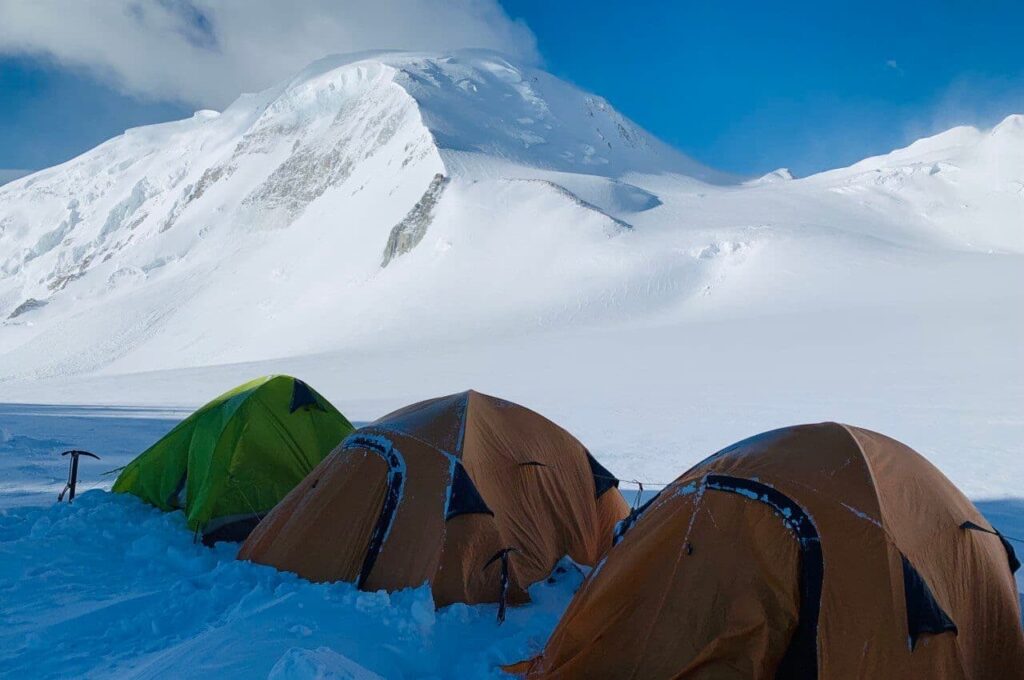
Come and enjoy a unique expedition in the remotely located Altai Mountains CLIMB MOUNT KHUITEN MONGOLIA ⭐⭐⭐⭐⭐ 5.0 · 72…MONGOLIA SNOW LEOPARD PHOTOGRAPHY TOUR
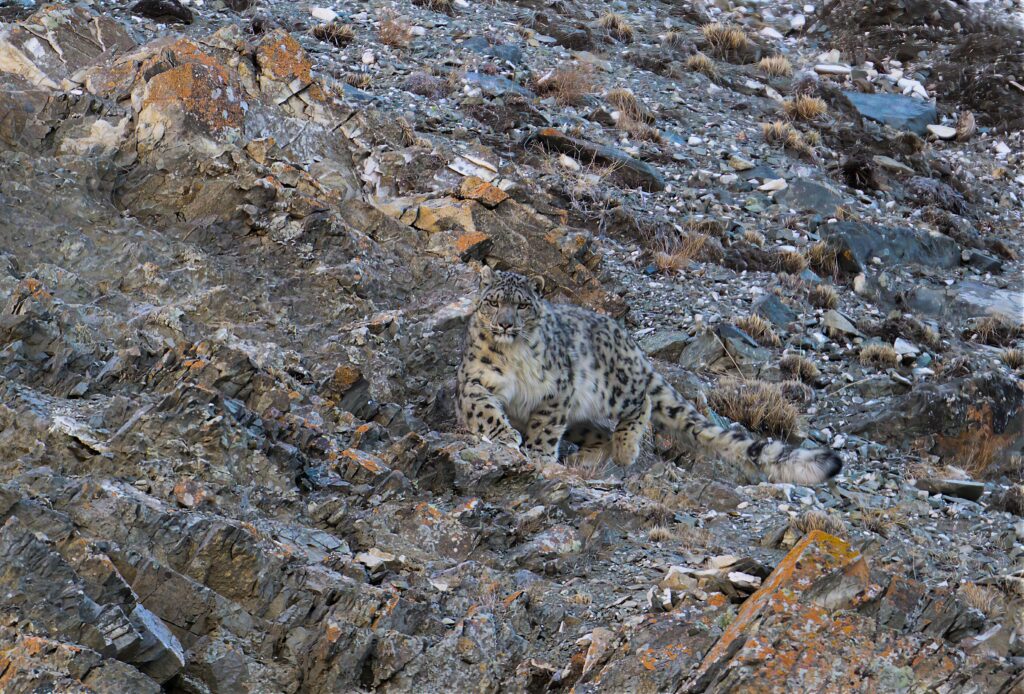
Unleash your adventure spirit, explore Mongolia on your own terms MONGOLIA SNOW LEOPARD PHOTOGRAPHY TOUR ⭐⭐⭐⭐⭐ 5.0 · 72 reviews…Mongolia Altai Mountain Tour 2026 — 8 Days: Peak Climb + Culture + Nomadic Stay | $1,700
Unleash your adventure spirit, explore Mongolia on your own terms MONGOLIA ALTAI MOUNTAIN TOUR ⭐⭐⭐⭐⭐ 5.0 · 72 reviews on…
To see this living history yourself, our eagle hunter tour stays with the families who still practise the ancient art.