
Khovsgol Lake is an ancient freshwater lake in Khövsgöl Province, northern Mongolia, near the Russian border. It lies 1,645 meters above sea level, is 136 kilometers long and 262 meters deep, and holds almost 70 percent of Mongolia’s fresh water. In summer, travelers come for walks and horse rides along the shore; in winter, the lake freezes over and the province holds the Blue Pearl Ice Festival.
Key Takeaways
- Water volume: Khovsgol holds almost 70% of Mongolia’s fresh water and 0.4% of the world’s fresh water supply.
- Geological age: At over 2 million years old, it is one of about twenty ancient lakes on earth.
- Geography: Located at 1,645 meters elevation at the southern edge of the Siberian taiga, drained by the Egiin Gol.
- Seasons: Summer is short, cool and green; in winter the lake freezes over and the Blue Pearl Ice Festival takes place in the province.
- Ice safety: Driving on the frozen lake is now forbidden; an estimated 30–40 vehicles have broken through the ice over the years.
- Regional access: Khatgal serves as the southern gateway, reached via a paved road from the provincial capital of Mörön.
Where Is Khovsgol Lake?
Khovsgol Lake lies in Khövsgöl Province in northwestern Mongolia, near the Russian border, at the foot of the eastern Sayan Mountains. It sits where the Central Asian steppe meets the Siberian taiga. Mongolians also call it Khövsgöl Dalai, “Khövsgöl Sea”, and Dalai Eej, “Mother Sea”.
Depending on how the Mongolian Cyrillic letters х and ө are transliterated into English, you will see the name spelled in several different ways. Khövsgöl, Khuvsgul, Hovsgol, Khovsgol, and Hubsugul all refer to the exact same body of water. The name itself originates from ancient Turkic roots that translate roughly to “lake with great water.”
Khovsgol is Mongolia’s largest freshwater lake by volume. Uvs Lake covers a larger area, but Khovsgol holds far more water. The village of Khatgal sits at its southern tip.
The lake is traditionally considered sacred, in a country where most lakes are salty.
Khovsgol Lake Facts
Khovsgol is the second-largest freshwater lake in Asia by volume. It holds about 0.4 percent of the world’s fresh water and is Mongolia’s most important reserve of drinking water.
At more than 2 million years old, Khovsgol is one of about twenty ancient lakes in the world. Its water is low in nutrients and very clear: a Secchi disk, the white disk scientists lower to measure clarity, often stays visible below 18 meters.
| Feature | Fact |
|---|---|
| Elevation | 1,645 m (5,397 ft) above sea level |
| Surface Length | 136 km (85 mi) |
| Maximum Depth | 262 m (860 ft) |
| Freshwater Share | Almost 70% of Mongolia’s fresh water |
| Global Water Share | 0.4% of the world’s fresh water |
| Estimated Age | More than 2 million years old |
| Outflow River | Egiin Gol (flows to Selenge River and Lake Baikal) |
| Major Island | Wooden Boy Island (3 km by 2 km) |
| Protection Status | National park (created 1992) |
The lake drains at its southern end into the Egiin Gol, which joins the Selenge River and flows into Lake Baikal in Russia. Baikal is only about 200 kilometers away in a straight line, but the water travels more than 1,000 kilometers and drops 1,169 meters to get there.
Wooden Boy Island, roughly 3 kilometers east to west and 2 kilometers north to south, lies about 11 kilometers from the eastern shore and 50 kilometers north of Khatgal.

Wildlife and Nature Around the Lake
The national park around the lake was created in 1992 and covers the lake and its whole watershed, an area bigger than Yellowstone. It protects the meeting point of the Central Asian steppe and the Siberian taiga. The lake forms part of the southern edge of the taiga, where the Siberian larch is the main tree, and Mongolia’s largest forests grow around and north of the lake.
Mountain ranges surround the lake. North and west of it rise the Khoridol Saridag, Ulaan Taiga and Mönkh Saridag ranges; Mönkh Saridag, also called Bürenkhaan, reaches 3,492 meters on the Russian border north of the lake.
The park is home to ibex, argali, elk, Siberian moose, musk deer, brown bears, wolves, wolverines and sables. BirdLife International lists the area as an Important Bird Area.
Fish include Eurasian perch, burbot, lenok and the endangered Hovsgol grayling, which lives only here. Poaching during its spawning runs is a threat, but the grayling is still common in much of the lake.
Studies have found high levels of plastic pollution, including microplastics, in the lake, even though few people live around it. Please pack out every piece of rubbish you bring.
When Is the Best Time to Visit Khovsgol Lake?
Mongolia has long, very cold winters and short summers, and average temperatures stay below freezing from November through March. When you go depends on whether you want open water or ice. Our guide to the best time to visit Mongolia covers the rest of the country.
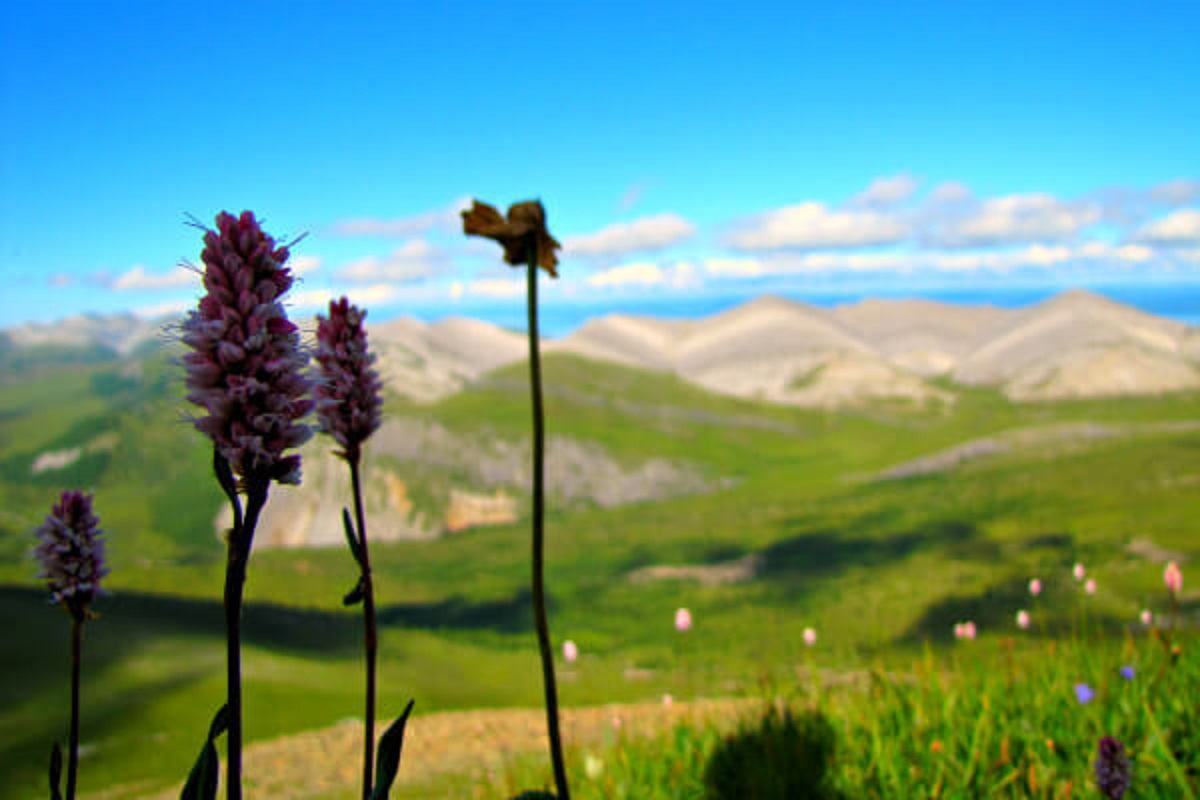
Summer is short, cool and the wettest time of year; in northern Mongolia most rain falls in July and August. The larch forest and meadows are green, and it is the season for walking and riding. Pack warm layers and rain gear.
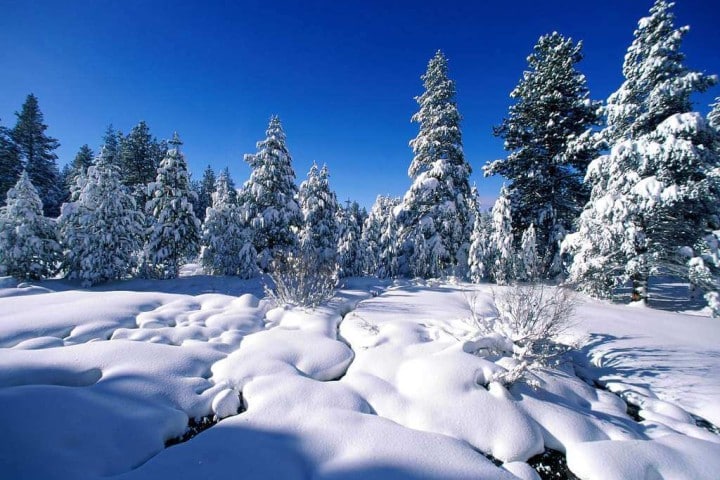
In winter the lake freezes over completely. The ice used to carry heavy trucks as a shortcut, but driving on it is now forbidden to protect the water and prevent accidents; an estimated 30 to 40 vehicles have broken through the ice over the years. Khatgal’s winters are long, very dry and frigid, with plenty of sunshine.
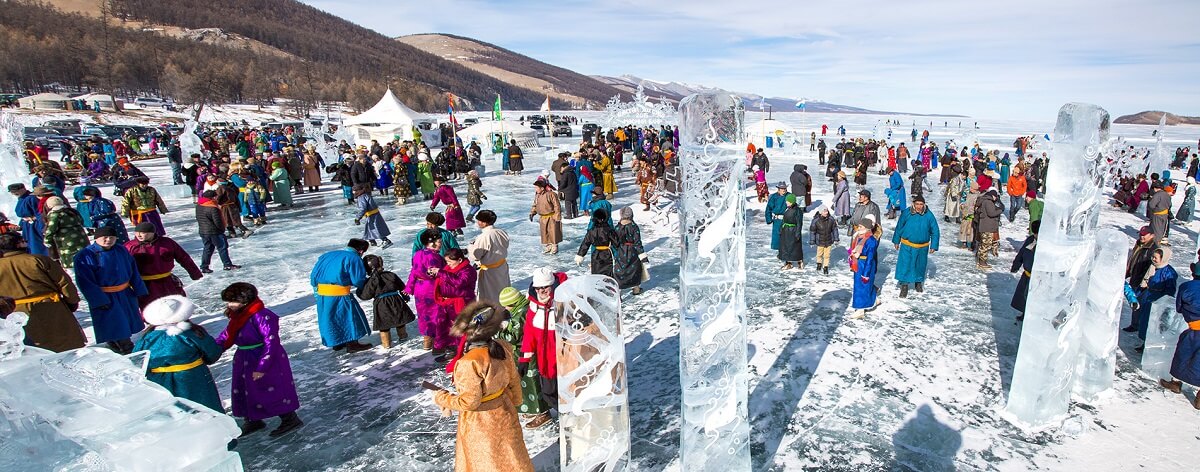
Each winter, Khövsgöl Province holds the Blue Pearl Ice Festival, first organized in 2000. Events include an ice-skating race, ice shooting and horse races. In 2024 it drew more than 20,000 visitors, with guests from eight countries. Dates change from year to year, so check them for the winter you plan to travel.
How Do You Get to Khovsgol Lake?
Most trips start in Mörön, the capital of Khövsgöl Province. Mörön Airport has regular flights to and from Ulaanbaatar; by road, Mörön is 690 kilometers from the capital.
From Mörön, a paved road finished in autumn 2012 runs north to Khatgal on the lake’s southern tip. Khatgal Airport has scheduled flights from Ulaanbaatar in summer only, which is the most direct way to reach the lake.
Khatgal is the main base for the lake. It has an airstrip and a small port, and it is the access point for campsites along the west shore, so tourism is one of its main sources of income. It was founded in 1727 as a camp of Mongolia’s watch post system and was the provincial capital from 1931 to 1933.
What Can You Do at Khovsgol Lake?
In summer, most visitors walk or ride horses along the west shore near the campsites north of Khatgal, through larch forest above the water. Ask your camp or guide about routes and horses for the day.
Khatgal has a small port, so ask locally about boat trips on the lake; Wooden Boy Island lies about 50 kilometers north of Khatgal. The water is cold all year, so wear a life jacket on any boat.
In winter, the frozen lake and the Blue Pearl Ice Festival are the main draws.
Our 11-day winter Tsaatan homestay tour spends two days at Khatgal on the frozen lake, including a visit to the Sükhbaatar, the largest boat in Mongolia, after time with a reindeer herder family.

Khovsgol Lake, the Darkhad Valley and the Reindeer Herders
West of the lake lies the Darkhad Valley, a large valley in northwestern Khövsgöl Province between the Ulaan Taiga and Khoridol Saridag ranges. It sits about 1,600 meters high and is about 160 kilometers long and 40 kilometers wide. It is rich in lakes and rivers and remote even by Mongolian standards. Most people there are Darkhad, along with some Tsaatan.
The Dukha, also called Tsaatan, are a small Turkic community in Tsagaannuur sum, in the taiga west and northwest of Khovsgol Lake. They are the only Mongolian reindeer herders, about 500 people in all, some nomadic and some settled. They form two groups, the East Taiga and the West Taiga; the East Taiga families’ ancestors herded as far as the area north of Khovsgol Lake. The Dukha raise reindeer mainly for milk and ride them, and they rarely kill one.
Our winter Tsaatan homestay tour runs from December 1 to April 1, from $1,550. It drives from Mörön to Tsagaannuur village, spends two days with a reindeer herder family, visits the Jargalant River and ends with two days on the frozen lake at Khatgal. National park permits are included.
Our summer reindeer tribe tour runs for 11 days, July 19–29 and August 7–17, from $2,240 for groups of 2 to 6. It flies to Mörön, drives to Tsagaan Nuur village, rides horses into the taiga to a reindeer herder family’s summer camp, and camps by the lake at Ulaan-Uul on the way back. It does not stop on Khovsgol’s shore, so ask us to add days at the lake before or after the trek.

Suggested Blogs:
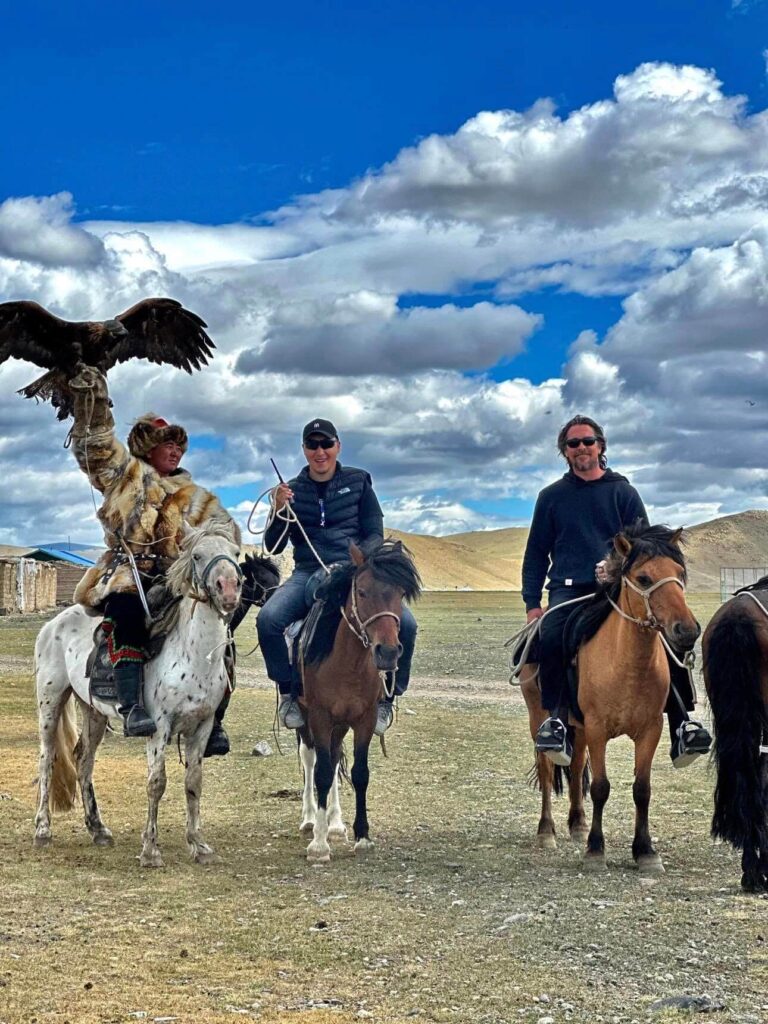
Our history with Christian Bale in Mongolia to visit Mongolian Eagle Hunter
Who is Christan Bale Christian Charles Philip Bale is an English actor known for his powerful performances in both big-budget…Places to stay in Mongolia: About Hotels & Nomadic Homestay
In most locations near the sights of Mongolia, you can find quite comfortable accommodation by local standards, at least in…Mongolian ice fishing: Centuries old Tradition
Mongolian ice fishing is a centuries-old tradition that is still practiced today. Mongolians have long relied on fish as a…

How deep is Khovsgol Lake?
Khovsgol Lake is 262 meters (860 feet) deep. By volume, it is the second-largest freshwater lake in Asia.
Is Khovsgol Lake the largest lake in Mongolia?
Khovsgol is Mongolia’s largest lake by volume and holds almost 70 percent of the country’s fresh water. By area, Uvs Lake is larger.
Does Khovsgol Lake freeze in winter?
Yes, the lake freezes over completely every winter. Trucks used to drive across the ice, but driving on the lake is now forbidden to prevent pollution and accidents.
When is the Khovsgol ice festival?
The Blue Pearl Ice Festival is held every winter in Khövsgöl Province and has run since 2000. The dates change each year, so check them for the winter you plan to travel.
How do you get to Khovsgol Lake from Ulaanbaatar?
Fly from Ulaanbaatar to Mörön, or in summer take a scheduled flight to Khatgal. From Mörön, a paved road leads north to Khatgal on the lake’s southern tip. By road, Mörön is 690 kilometers from Ulaanbaatar.
Can you meet reindeer herders at Khovsgol Lake?
Not on the lake shore. The Dukha reindeer herders live in the taiga of Tsagaannuur sum, west and northwest of the lake. Our tours reach them by 4×4 and on horseback from Tsagaannuur village.