
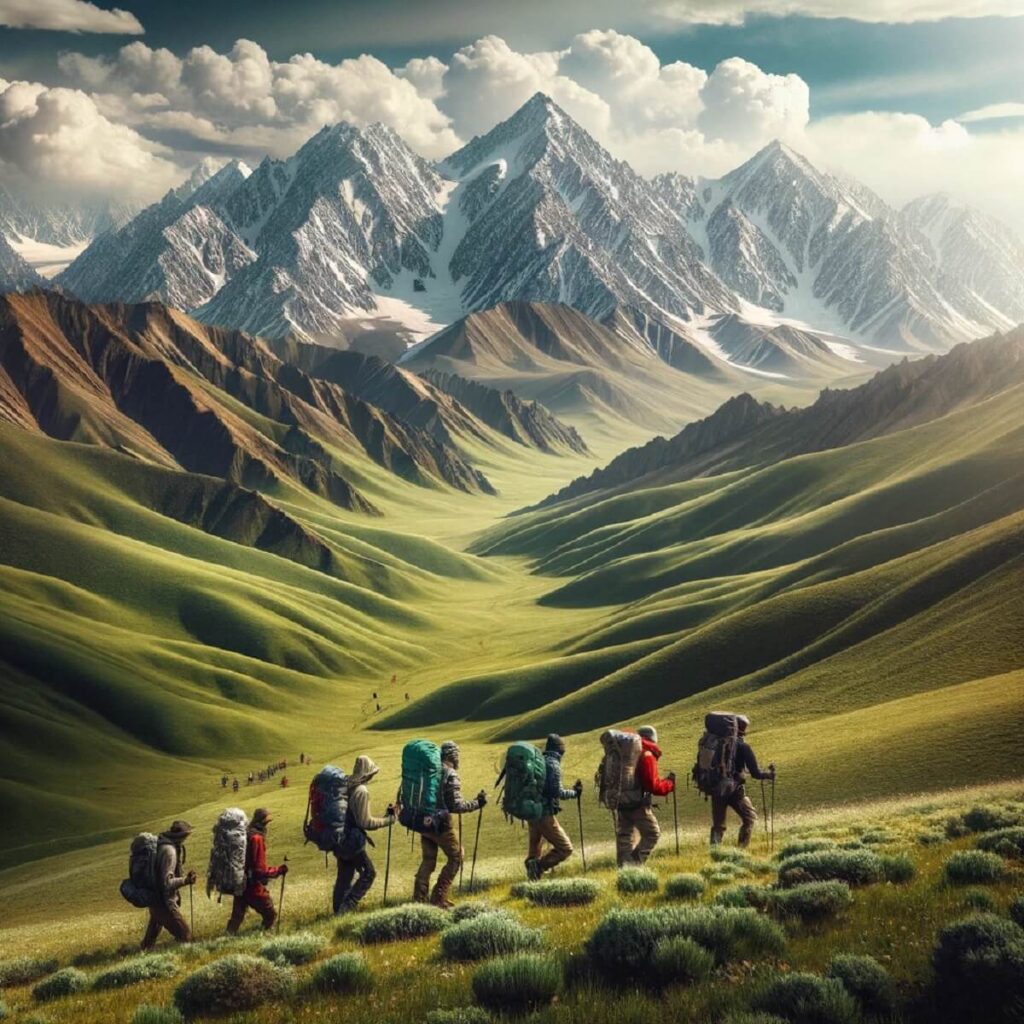
Trekking is like going on a big adventure with nature. It’s not just a walk in the woods; it’s like dancing with the mountains and valleys.
You might think of trekking as something only expert mountain climbers do, like conquering Everest, but it’s not just for them.
We offer you ALTAI TREKKING TOUR IN MONGOLIA. It will be wonderful 🤩🤩
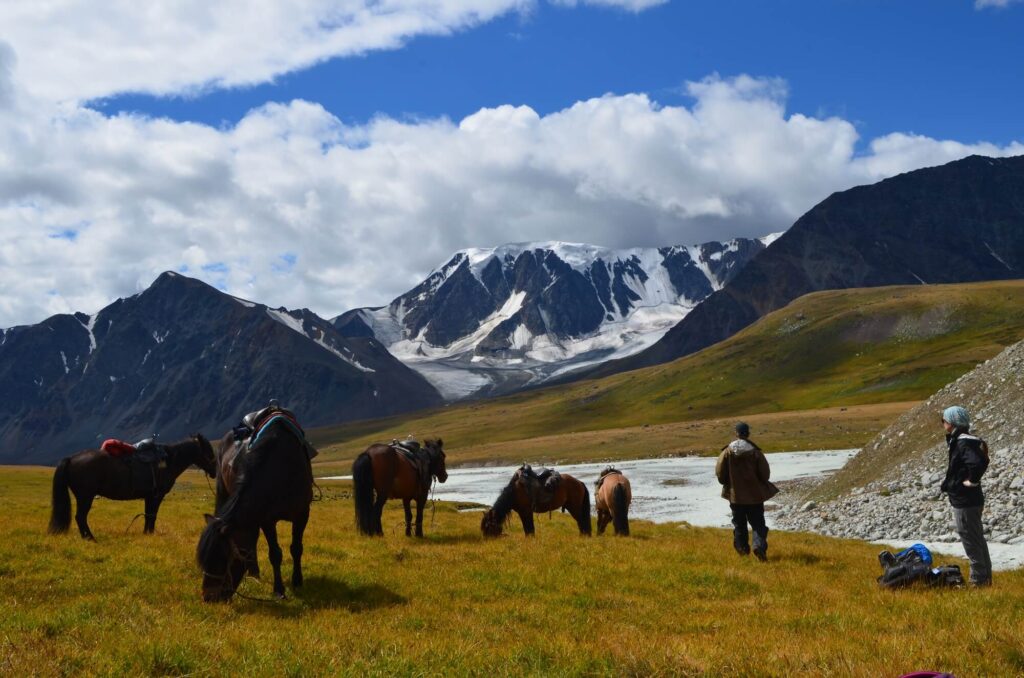
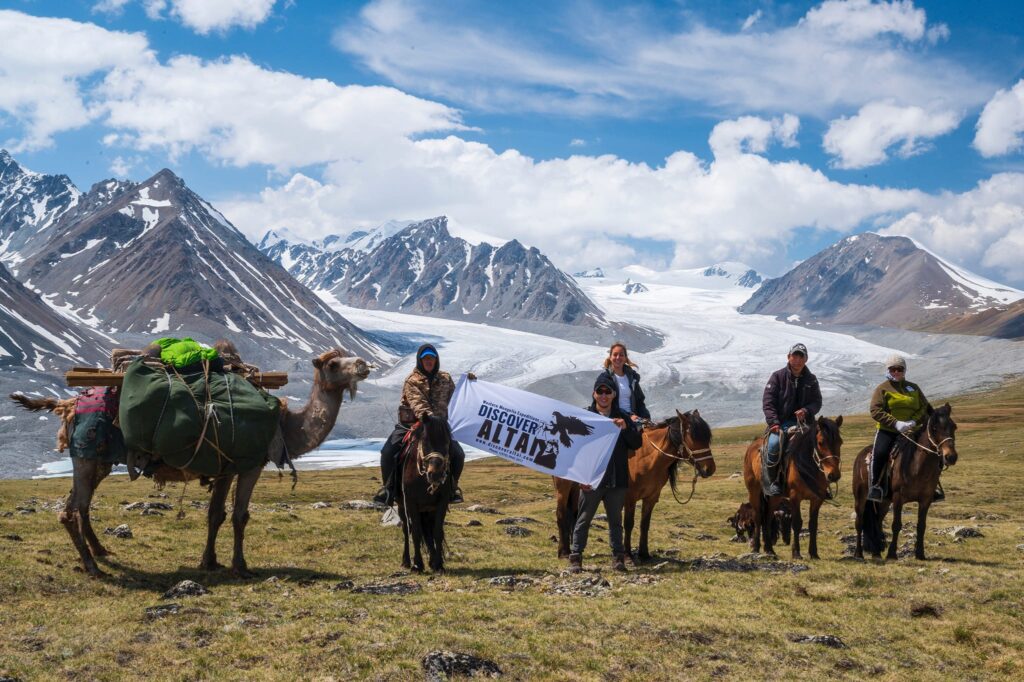
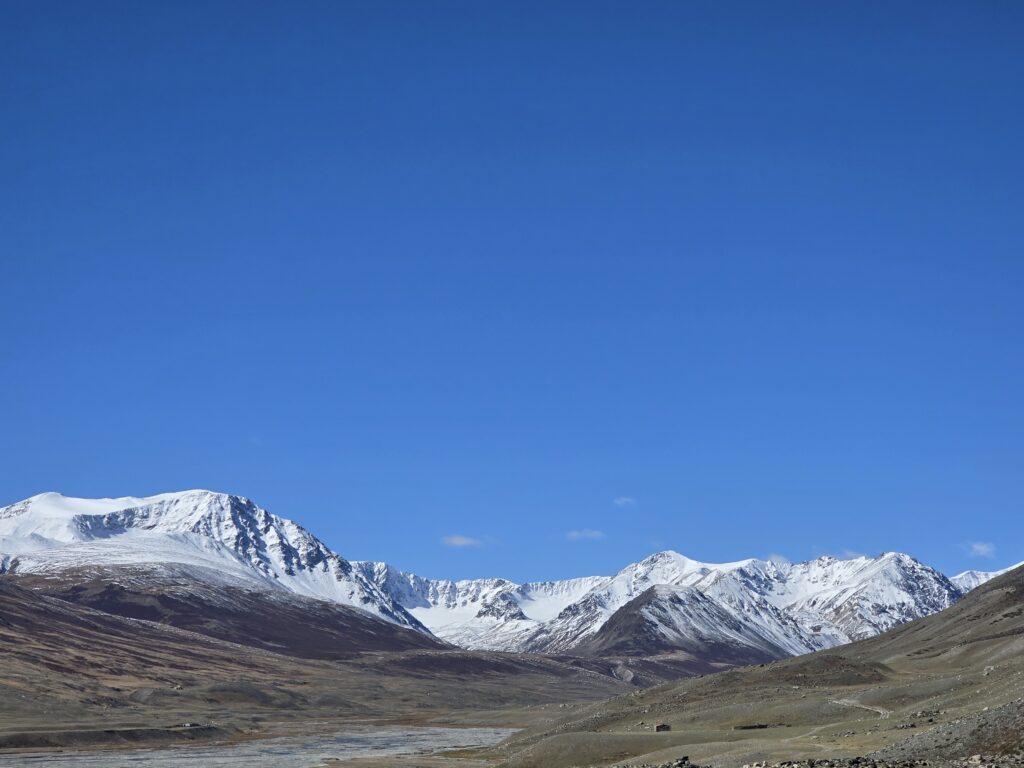
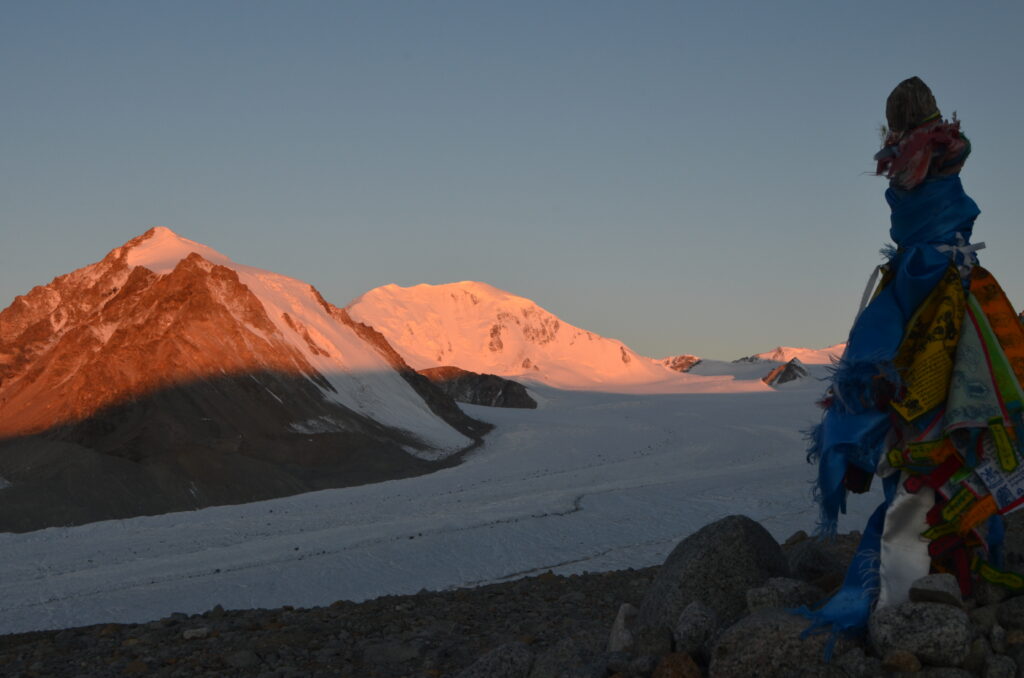
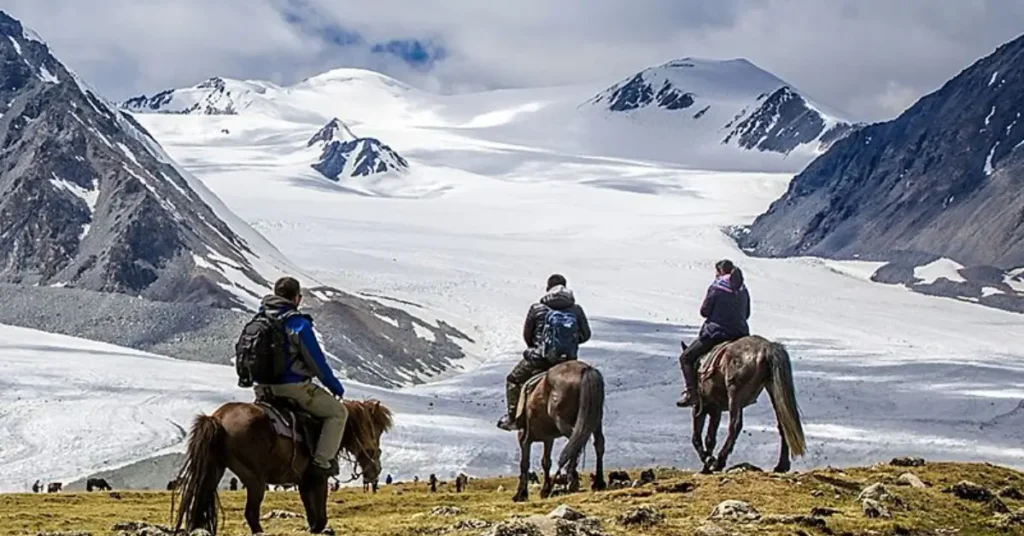
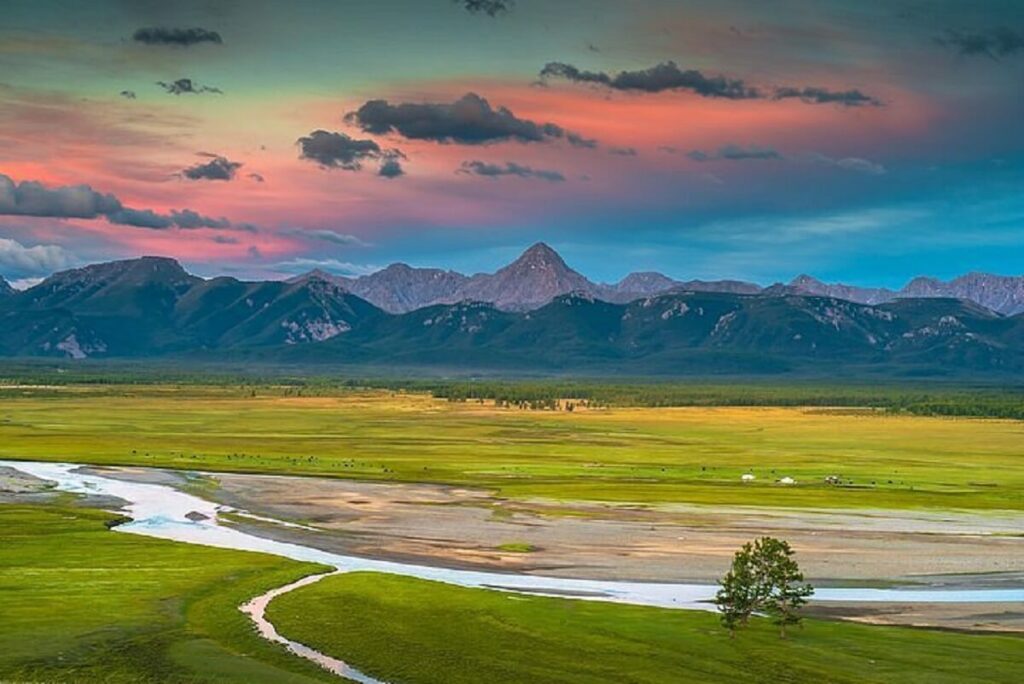
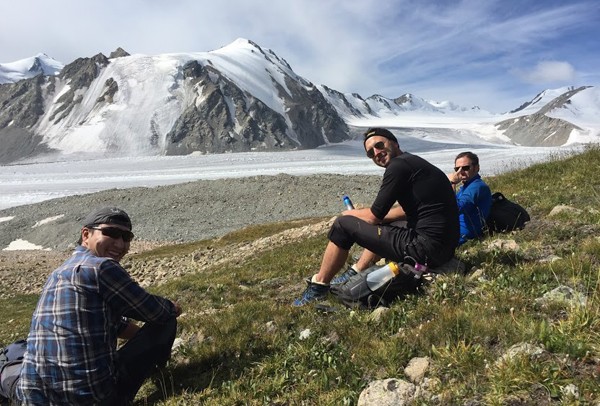
Discover Altai Travel offers you the best trekking tour in Mongolia. During this great route, you will see the snowcapped spectacular Altai Mountains including the highest peak in Mongolia, Mount Khuiten, and the tourist favorite Malchin peak.
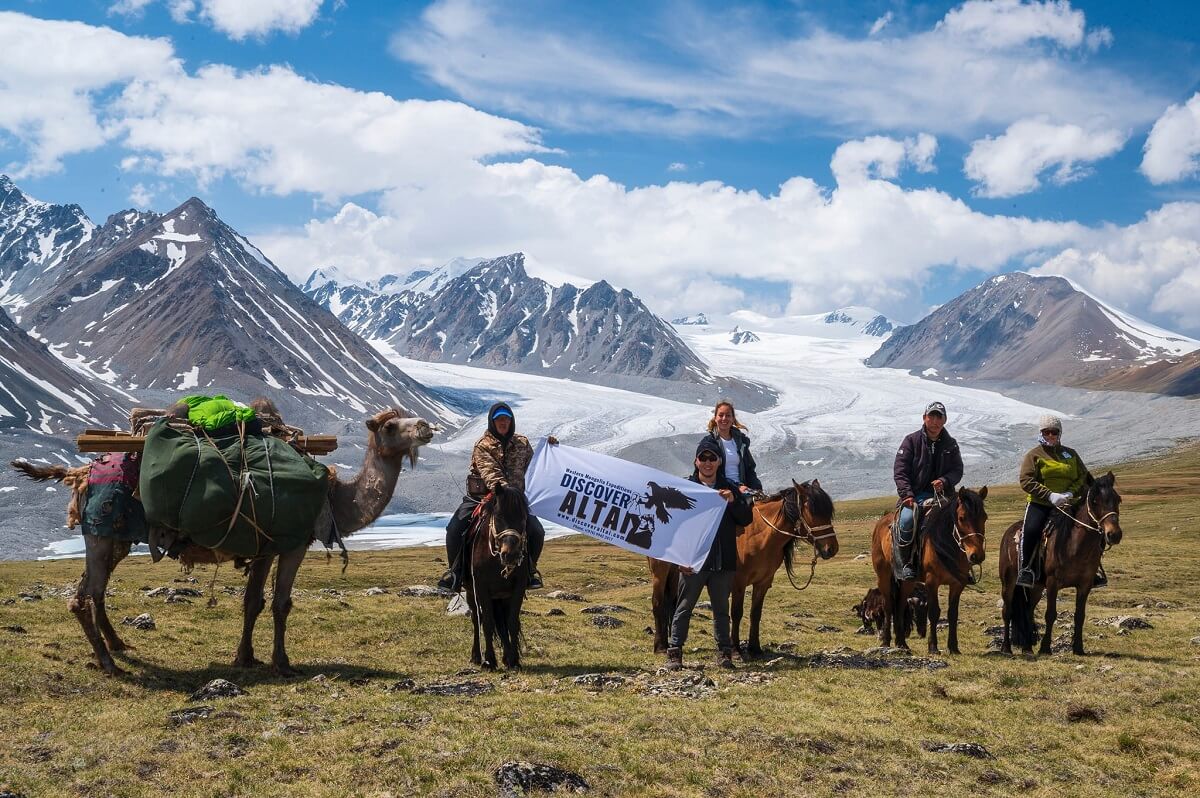
There are lots of different trekking adventures for everyone. So, let’s put on our boots and explore the amazing world of trekking, where every step is like finding something new and exciting.
1. Day Hikes: Nature’s Appetizer
🥾 Want to experience this in person? Join our 11-Day Altai Trekking Tour with local Kazakh guides — small groups, authentic experience, 5.0 stars on TripAdvisor.
For those taking their first steps into trekking, day hikes are the perfect introduction. These quick and enjoyable trips give you a little sneak peek into nature without having to spend the night there.
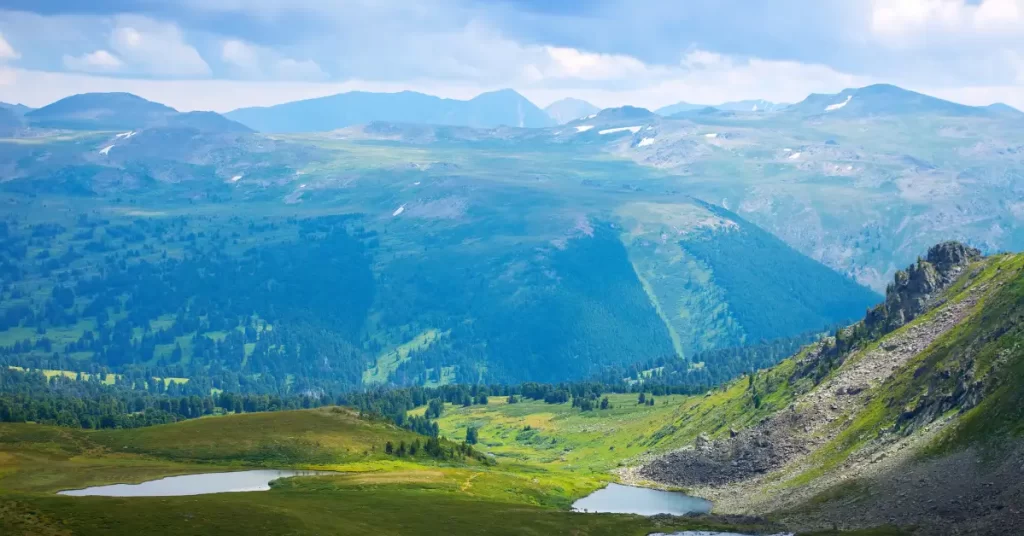
Picture yourself wandering through lush forests, climbing gentle hills, and perhaps reaching a scenic viewpoint—all in a day’s adventure. Day hikes are the appetizer to the grand feast of trekking.
2. Overnight Treks: Camping Under the Stars
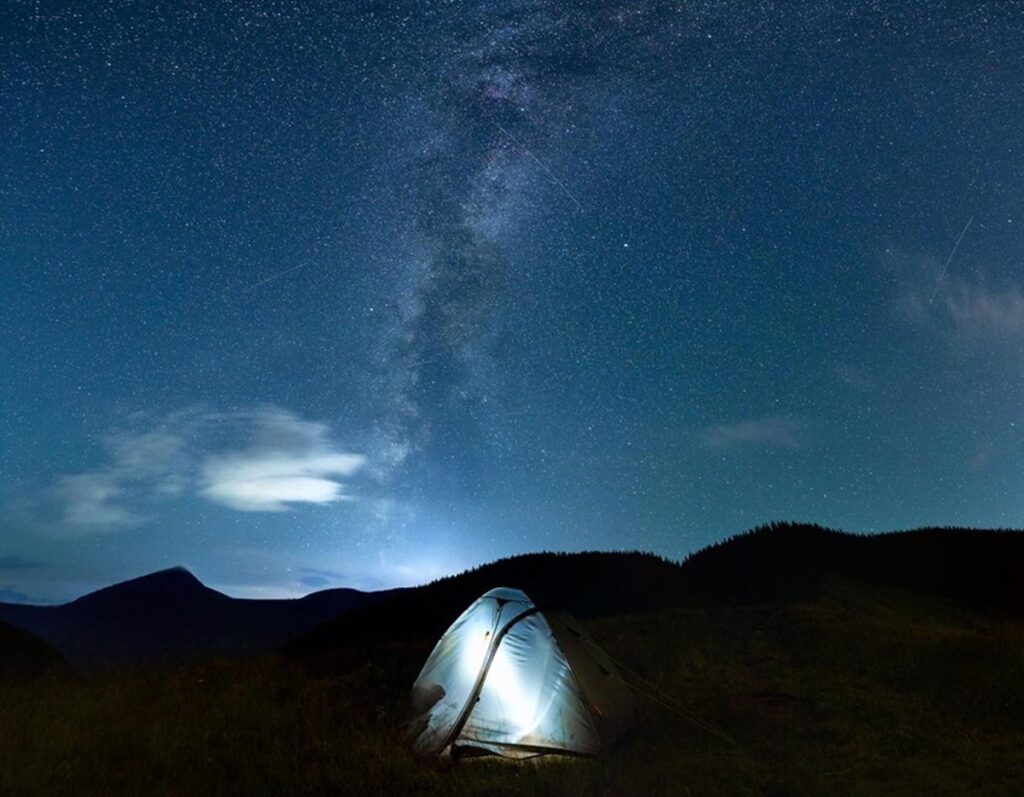
As the sun dips below the horizon, overnight treks unfold. Imagine spending a night outdoors, right under a sky full of stars, with nature’s own music playing in the background.
It’s not your usual experience—it goes beyond ordinary. Setting up a tent, sharing stories around a warm campfire, and waking up to the fresh scent of pine trees make overnight treks a magical adventure. It’s like dipping your toes into self-reliance and waking up to the best nature has to offer.
3. High Altitude Treks: Touching the Sky
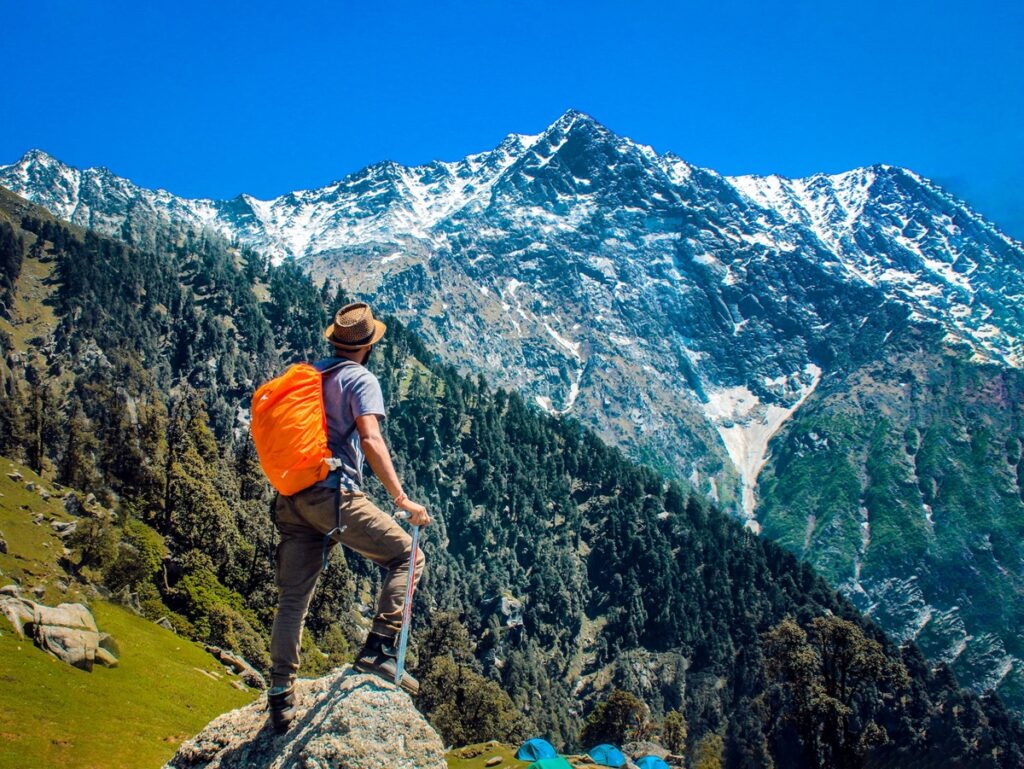
For the bold and adventurous, high altitude treks beckon. These trips take hikers to really high places where the air is thin, and the views are like something out of a dream.
Whether it’s the Annapurna Circuit in Nepal or the Inca Trail in Peru, high altitude treks promise breathtaking vistas and a sense of achievement that comes with conquering the peaks.
4. Themed Treks: Beyond the Beaten Path
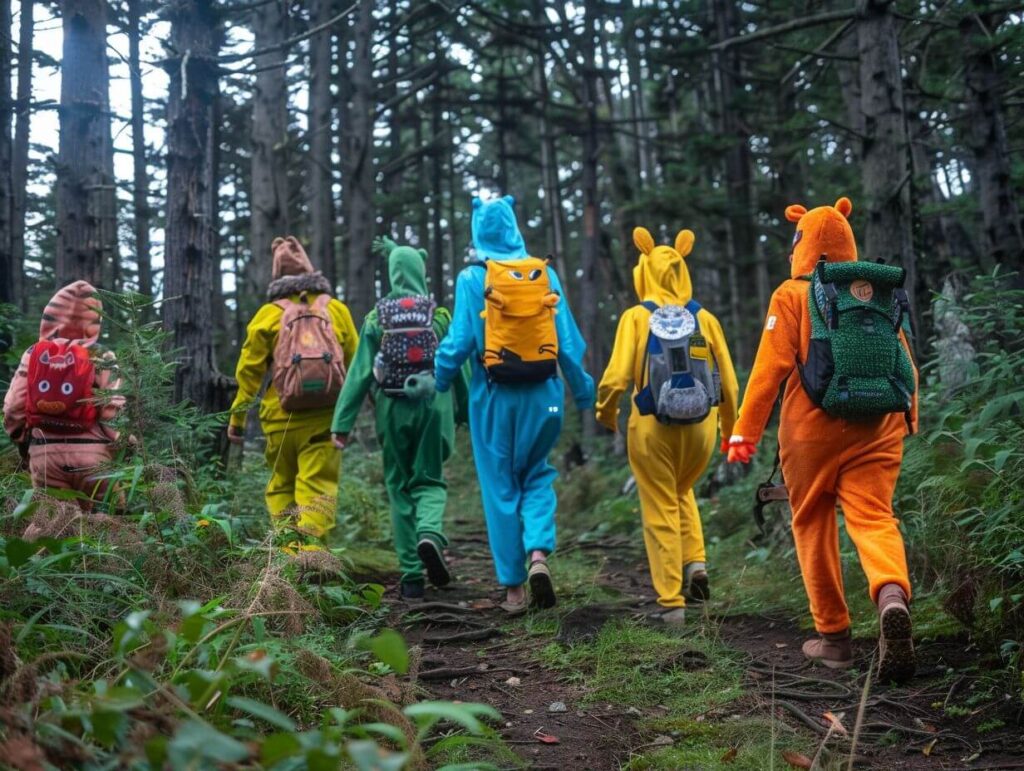
Inject a dash of excitement into your trekking escapades with themed treks. Themed treks make your adventure extra interesting, whether you’re exploring ancient paths, tracking wildlife, or wandering through spooky forests.
Picture yourself solving mysteries as you walk along forgotten trails, each step revealing a part of the puzzle.
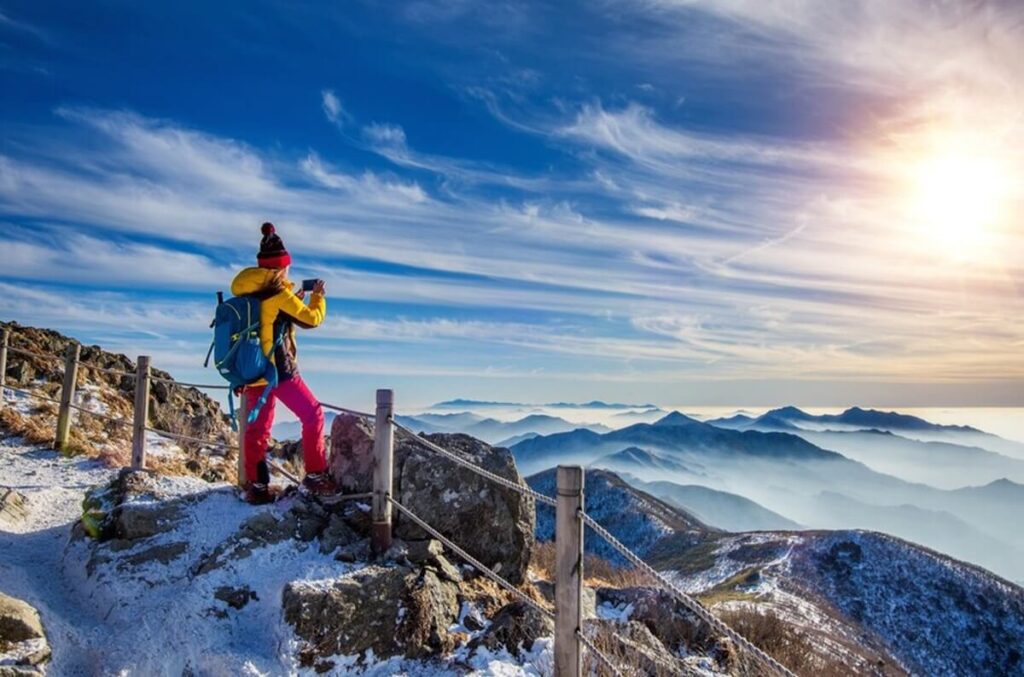
5. Winter Treks: A Frosty Wonderland
Winter turns regular places into magical wonderlands, and winter treks let you see this enchanting transformation.
Imagine trails covered in snow and trees touched by frost, creating a peaceful beauty you can only find in the colder months.
Don’t forget to pack your thermos of hot cocoa; winter trekking tour is about embracing the chill with a warm heart.
6. Cultural Treks: Meeting Local Legends
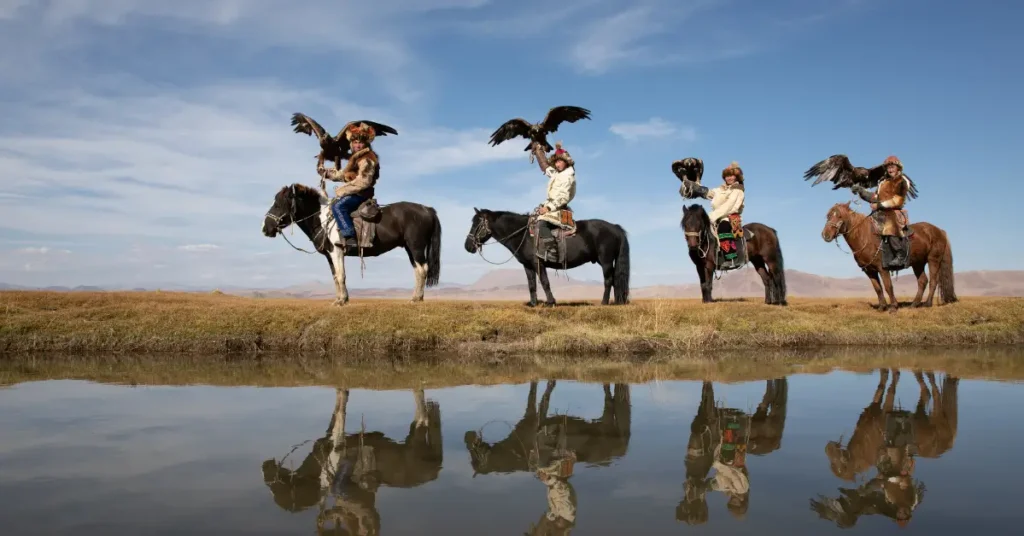
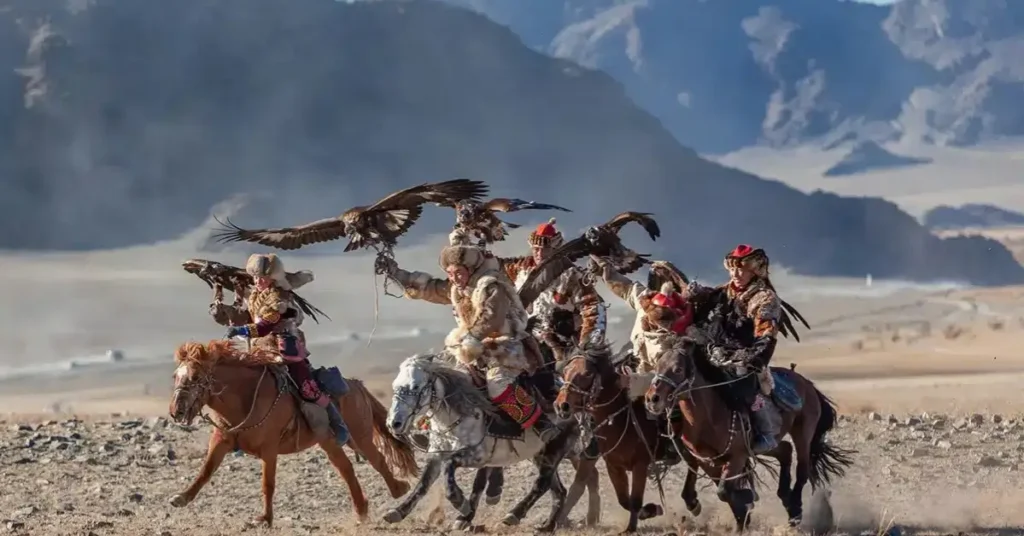
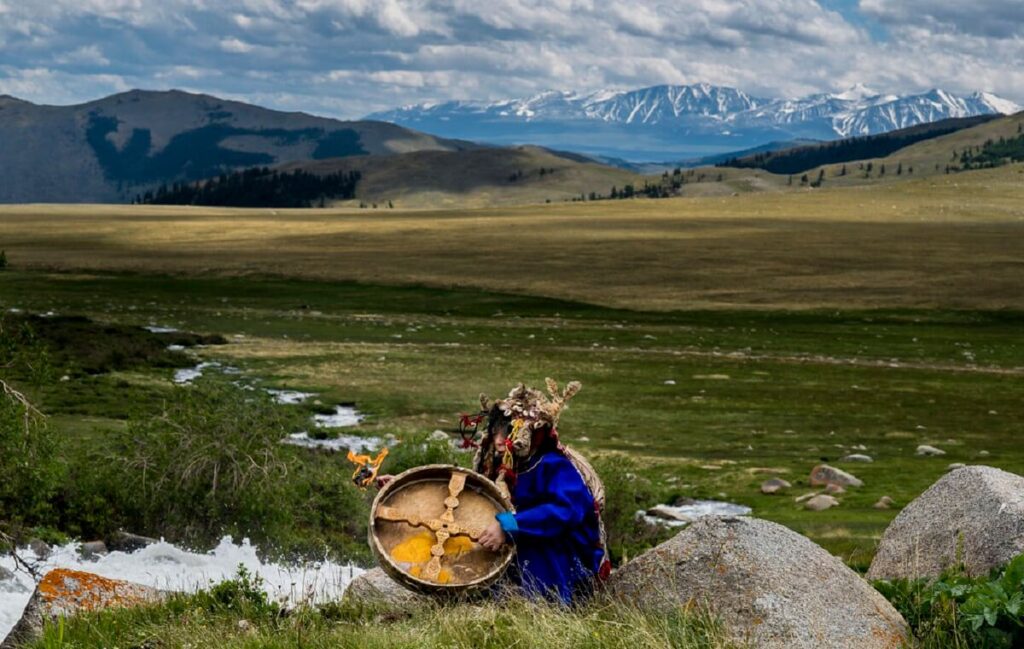
Trekking isn’t just about landscapes; it’s about the people who call these terrains home. Cultural treks weave through villages, allowing trekkers to connect with local communities, taste traditional cuisines, and hear stories passed down through generations.
It’s a delightful blend of nature and human warmth, where every encounter is a cultural exchange.
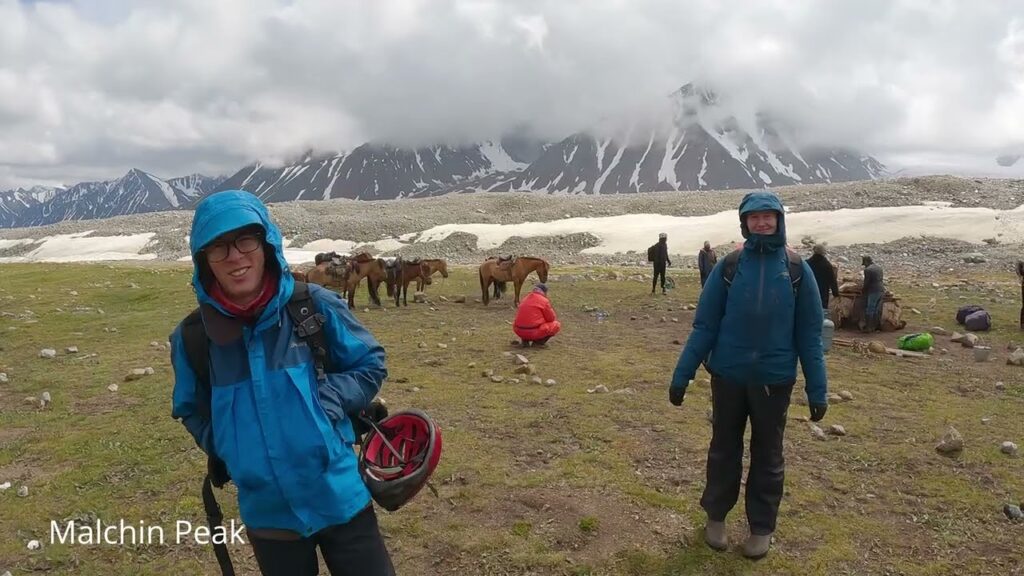
7. Ultra-Light Treks: Minimalist Mastery
For the enthusiasts who prefer to travel light, ultra-light treks are the answer. Embracing minimalist principles, these treks focus on essentials, allowing trekkers to cover more ground with less baggage. It’s a lesson in efficiency and a chance to savor the freedom of unburdened exploration.
In the world of trekking, the trails are diverse, and each type offers a unique adventure. Whether you’re a novice seeking a gentle introduction or an experienced trekker yearning for new challenges, there’s a trek for every soul.
Trekking offers a unique connection to nature, blending adventure, challenge, and self-discovery. Whether you prefer gentle walks, rugged expeditions, or cultural explorations, there’s a type of trek to suit every spirit.
Embrace the call of the wild, and let each journey deepen your appreciation for the world’s breathtaking landscapes.
Suggested tour:
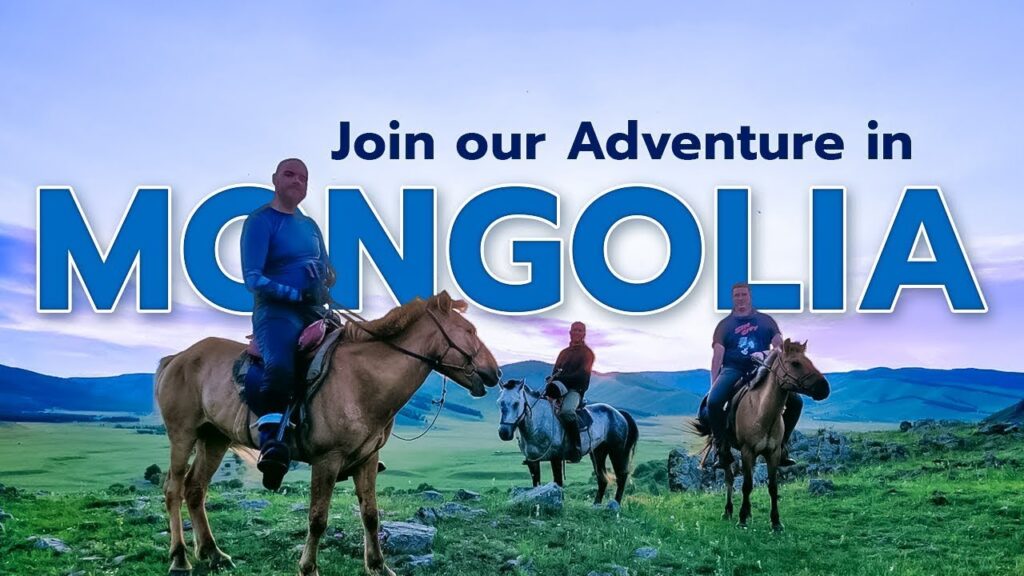
MONGOLIA HORSE TREKKING TOUR 2027
Unleash your adventure spirit, explore Mongolia on your own terms MONGOLIA HORSE TREKKING TOUR 2027 ⭐⭐⭐⭐⭐ 5.0 · 72 reviews…Mongolia Altai Mountain Tour 2026 — 8 Days: Peak Climb + Culture + Nomadic Stay | $1,700
Unleash your adventure spirit, explore Mongolia on your own terms MONGOLIA ALTAI MOUNTAIN TOUR ⭐⭐⭐⭐⭐ 5.0 · 72 reviews on…GOBI & WESTERN MONGOLIA TOUR
Unleash your adventure spirit, explore Mongolia on your own terms GOBI & WESTERN MONGOLIA TOUR ⭐⭐⭐⭐⭐ 5.0 · 72 reviews…
Related content
Self-Guided vs Guided Trekking in Mongolia: Which One Actually Fits Your Trip?
For roughly 90% of international hikers, a fully-guided Mongolia trekking tour is the right format — the supported 11-day package…How Hard Is the Altai Tavan Bogd Trek? Fitness, Altitude, and an Honest Reality Check
The standard 11-day Altai Tavan Bogd trek is graded “moderate” by Mongolian operators and by international trekking standards. You will…Mongolia Trekking Tour Cost in 2026: What You’ll Actually Pay (and What’s Included)
A guided 11-day Mongolia trekking tour in the Altai Tavan Bogd costs $2,100–$2,400 per person in 2026 when booked through…


What is Trekking? Definition and Origins
Trekking is defined as a long, vigorous walk — typically multi-day — through wilderness or rugged terrain, distinct from a single-day hike by its duration, remoteness, and the physical and logistical commitment involved.
The word “trek” derives from Afrikaans/Dutch “trekken,” meaning “to pull” or “to migrate,” and entered wider English vocabulary through 19th-century descriptions of Boer pioneer journeys across southern Africa.
The modern recreational concept of trekking emerged in the 1960s–1970s as Western mountaineers and travelers began undertaking multi-day hut-to-hut and tent-supported journeys in the Himalayas, the Alps, and the Andes — popularised by figures like the British climber Eric Shipton.
Hiking, trekking, mountaineering, and backpacking sit on a continuum of difficulty: hiking is short and well-marked; trekking is longer, often multi-day, and may cross more remote terrain; backpacking emphasises self-supported camping; mountaineering adds technical climbing equipment and snow/ice/rock skills.
Trekking can be lodge-supported (teahouse-style) as on most Nepal trekking circuits, camping-supported with porters and a cook crew, or fully self-supported — the choice usually determined by local infrastructure rather than trekker preference.
Trekking by the Numbers: Participation & Industry Data
Hiking is one of the largest outdoor activities in the United States, with the Outdoor Industry Association reporting 61.2 million hiking participants ages 6 and over in the most recent Outdoor Participation Trends Report, making it the third-most-popular outdoor activity overall.
Hiking participation has grown by more than 60% over the past decade, faster than nearly every other recreational outdoor activity tracked.
The Pacific Crest Trail (PCT) saw a record 8,800+ long-distance permit applications in a recent permitting season, reflecting the growing global interest in thru-hiking and long-distance trekking.
Internationally, Nepal hosts roughly 200,000+ international trekkers per year in normal seasons (pre- and post-pandemic averages), most of whom trek the Annapurna, Everest, and Langtang regions.
Mongolia’s Altai Tavan Bogd National Park (where our trekking tours operate) has seen growing trekker visitation since 2010, supported by Mongolia’s tourism strategy targeting adventure travel as a high-value segment.
Altitude Sickness: What Trekkers Need to Know Above 2,500 m
The U.S. Centers for Disease Control and Prevention (CDC) identifies altitude sickness as a real medical risk above approximately 2,500 m (8,000 ft) — the threshold at which Acute Mountain Sickness (AMS) symptoms become common in unacclimatised trekkers.
Acute Mountain Sickness (AMS) affects an estimated 25%+ of travelers ascending rapidly above 3,500 m without acclimatisation; symptoms include headache, nausea, fatigue, and difficulty sleeping.
More serious conditions — High-Altitude Pulmonary Edema (HAPE) and High-Altitude Cerebral Edema (HACE) — are rarer but life-threatening, and require immediate descent of 500–1,000 m and medical attention.
The CDC’s primary prevention rule: after reaching 2,500 m, do not ascend the sleeping altitude by more than 500 m per night, and add a rest day every 3–4 days of altitude gain.
The medication acetazolamide (Diamox) is the most commonly prescribed altitude-sickness preventative; consult a travel-medicine doctor at least 4 weeks before any trek above 3,500 m.
Famous Long-Distance Treks Around the World
The Appalachian Trail (USA) is approximately 3,540 km (2,200 miles) long, running from Georgia to Maine. A full thru-hike typically takes 5–7 months and is completed by roughly 25% of those who attempt it.
The Pacific Crest Trail (USA) stretches 4,265 km (2,650 miles) from Mexico to Canada through California, Oregon, and Washington — typically hiked north-bound between April and September.
The Everest Base Camp Trek (Nepal) is approximately 130 km round-trip with a high point of 5,545 m at Kala Patthar; the standard itinerary takes 12–14 days from Lukla airstrip and back.
The Annapurna Circuit (Nepal) runs 160–230 km depending on the chosen variation, crossing the Thorong La pass at 5,416 m. It remains one of the most popular tea-house treks in the world.
The Tour du Mont Blanc (France/Italy/Switzerland) is approximately 170 km long with about 10,000 m of total ascent, typically completed in 7–11 days using mountain refuges.
The Mongolian Altai Tavan Bogd Trek in Bayan-Ölgii Province takes 8–10 days and reaches the Potanin Glacier and base of Khüiten Peak (4,374 m) — an emerging alternative to the over-trafficked Himalayan circuits.
Leave No Trace: Responsible Trekking Principles
The Leave No Trace Center for Outdoor Ethics publishes the seven core principles of responsible outdoor recreation, which are recognised globally by parks agencies and trekking operators.
The seven principles in summary: (1) Plan ahead and prepare, (2) Travel and camp on durable surfaces, (3) Dispose of waste properly, (4) Leave what you find, (5) Minimise campfire impacts, (6) Respect wildlife, (7) Be considerate of other visitors.
“Pack it in, pack it out” is the practical Leave No Trace shorthand — every wrapper, food scrap, and piece of toilet paper carried in must be carried out, including in remote regions where local infrastructure has no waste-collection system.
For trekking in Mongolia, the Altai Tavan Bogd National Park requires all visitors to enter with a licensed Mongolian operator and follow strict pack-it-out rules — both for ecological protection and out of respect for the Kazakh and Tuvan nomadic communities living within the park boundaries.
Stay on established trails and durable surfaces (rock, gravel, dry grass) to prevent erosion and the spread of social paths — particularly important in alpine and high-elevation ecosystems where vegetation can take decades to recover from trampling.
What is trekking, exactly?
Trekking is a long, vigorous walk through rugged or remote terrain, typically lasting multiple days.** It differs from hiking primarily in duration and remoteness — a hike usually means a single-day outing on marked trails, while a trek implies a multi-day journey often requiring camping, lodging in mountain huts, or porter/cook support. The word “trek” comes from Dutch/Afrikaans “trekken,” meaning to migrate.
What is the difference between hiking, trekking, and mountaineering?
Hiking is typically a single-day walk on marked trails. Trekking is multi-day, often through remote terrain, but generally non-technical (no ropes or climbing gear required). Mountaineering** involves snow, ice, rock, or technical climbing — using ice axes, crampons, ropes, and harnesses to ascend peaks. The categories overlap but increase in physical and technical demand in that order.
How fit do you need to be for a high-altitude trek?
For treks above 3,500 m you should be able to walk 6–8 hours per day across uneven terrain while carrying a 5–8 kg daypack, repeated for multiple consecutive days. The CDC recommends consulting a travel-medicine doctor before any trek above 2,500 m, and beginning a structured cardio + hill-walking training programme at least 8–12 weeks in advance.
When is altitude sickness a concern on a trek?
Altitude sickness becomes a significant medical risk above approximately 2,500 m (8,000 ft). The CDC reports that around 25% of unacclimatised travellers ascending rapidly above 3,500 m develop Acute Mountain Sickness symptoms (headache, nausea, fatigue). The standard prevention rule is to not ascend your sleeping altitude by more than 500 m per night above 2,500 m, with a rest day every 3–4 days.
What are the seven Leave No Trace principles for trekking?
The seven Leave No Trace principles are: (1) Plan ahead and prepare, (2) Travel and camp on durable surfaces, (3) Dispose of waste properly, (4) Leave what you find, (5) Minimise campfire impacts, (6) Respect wildlife, (7) Be considerate of other visitors. They are published by the Leave No Trace Center for Outdoor Ethics and are recognised globally by parks agencies as the core ethical framework for backcountry recreation.